Loading...
Loading...
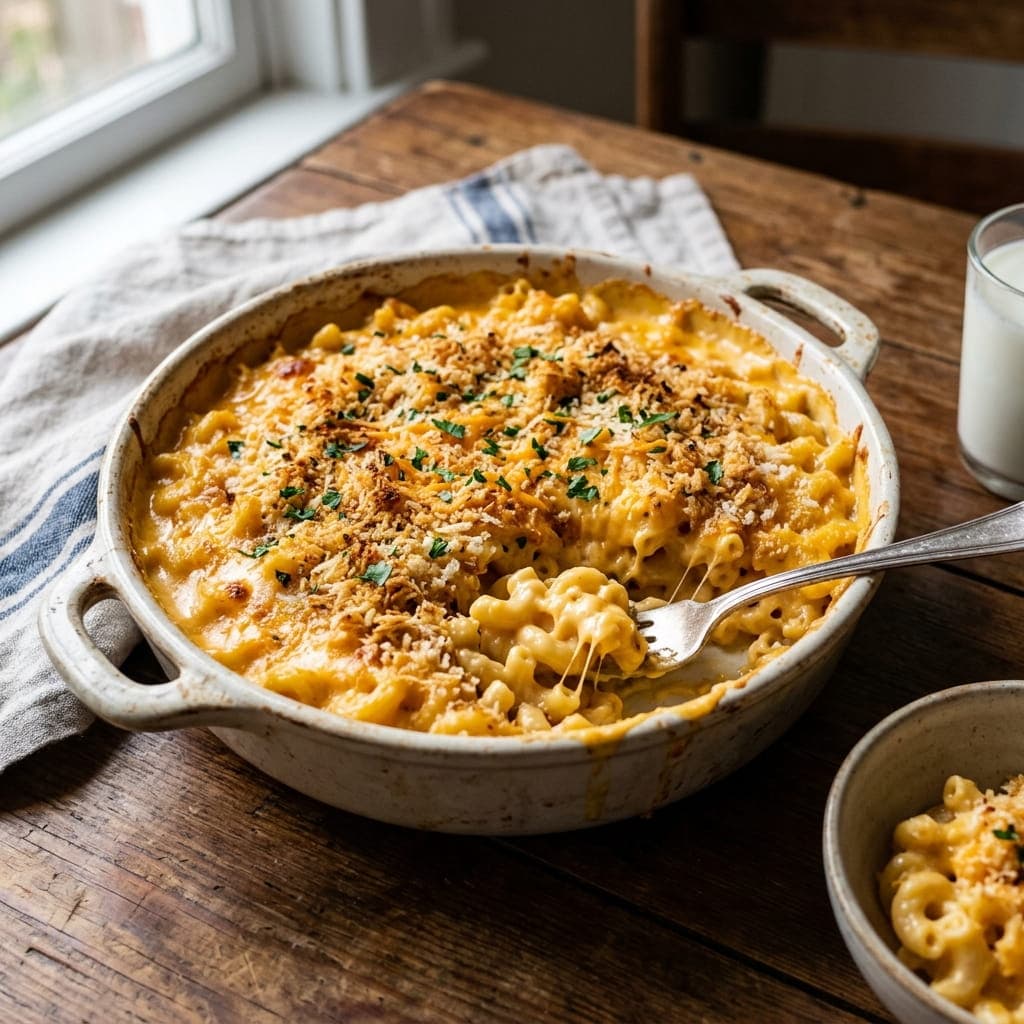
A proper cheese sauce starts with a roux - butter and flour cooked together before any liquid goes in - which is what keeps this from separating into a greasy, grainy mess the way melting cheese directly into milk often does. Shredding the cheese yourself rather than using pre-shredded bags matters more than most people realize, since the anti-caking coating on bagged cheese can leave the sauce slightly gritty.
Per serving
460kcal
Calories
18g
Protein
46g
Prep Time
10 min
Cook Time
20 min
Servings
6 people
Difficulty
easy
Carbs
23g
Fat
2g
Fiber
6g
Sugar
Follow step-by-step with voice guidance.
Bring a large pot of salted water to a boil and cook the macaroni according to package instructions until al dente, then drain.
In a large saucepan, melt the butter over medium heat. Whisk in the flour and cook for 1-2 minutes, until it forms a smooth, pale paste.
Gradually whisk in the milk, a little at a time, until fully incorporated and smooth.
Cook, whisking frequently, for 5-6 minutes, until the sauce thickens enough to coat the back of a spoon.
Reduce the heat to low and stir in the shredded cheddar and mozzarella a handful at a time, whisking until fully melted and smooth between additions.
Stir in the mustard powder, garlic powder, salt, and black pepper.
Add the cooked macaroni to the cheese sauce, tossing until every piece is coated.
Serve immediately while hot and creamy.
Cook the Roux Before Adding Milk: Whisking flour into melted butter and cooking it briefly removes the raw flour taste and creates the base that thickens the sauce properly - skipping this step leads to a thin, starchy sauce. Shred Your Own Cheese: Pre-shredded bagged cheese is coated with anti-caking agents that can prevent it from melting smoothly, resulting in a slightly grainy sauce - block cheese shredded fresh melts far more evenly. Add Cheese Gradually Over Low Heat: Stirring in cheese a handful at a time, off high heat, prevents the sauce from breaking or turning oily, which can happen if cheese is added too quickly or the heat is too high.
This usually happens from using pre-shredded bagged cheese, which contains anti-caking agents that can prevent smooth melting, or from adding cheese too quickly over high heat - shred your own cheese and add it gradually over low heat.
0 reviews • 0.0 / 5 Average Rating
No reviews yet. Be the first to review this recipe!
More Like This
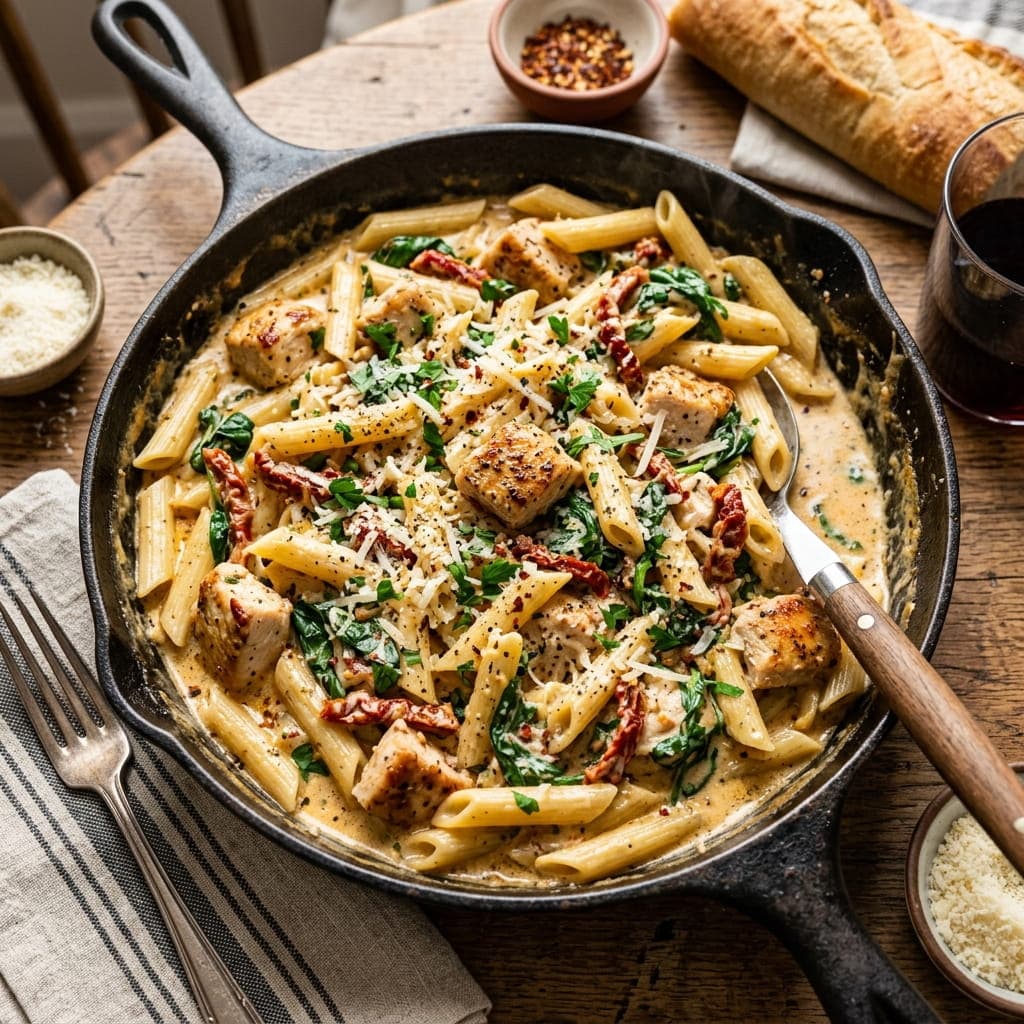
Cooking the pasta directly in the same broth and cream the chicken was simmered in means the noodles absorb flavor as they cook rather than just sitting in sauce afterward - and it means only one pot to wash. Sun-dried tomatoes and spinach round out the Tuscan flavors that give this dish its name.
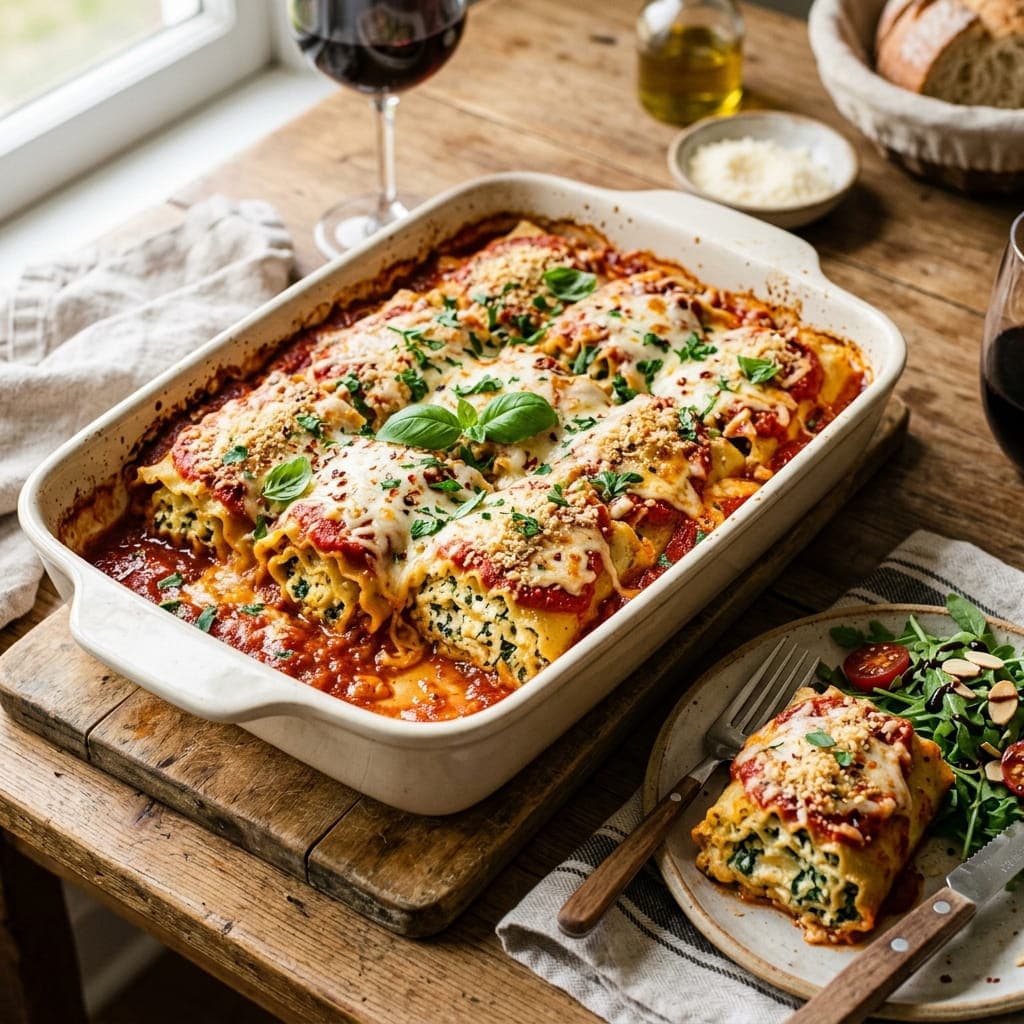
Instead of layering, this bakes thin almond flour crepes rolled around a ricotta-spinach filling - a workaround for the fact that gluten-free lasagna noodles can turn gummy or fall apart during traditional layering. Each roll bakes in its own pool of marinara, making portioning and serving far tidier than a classic lasagna slice.
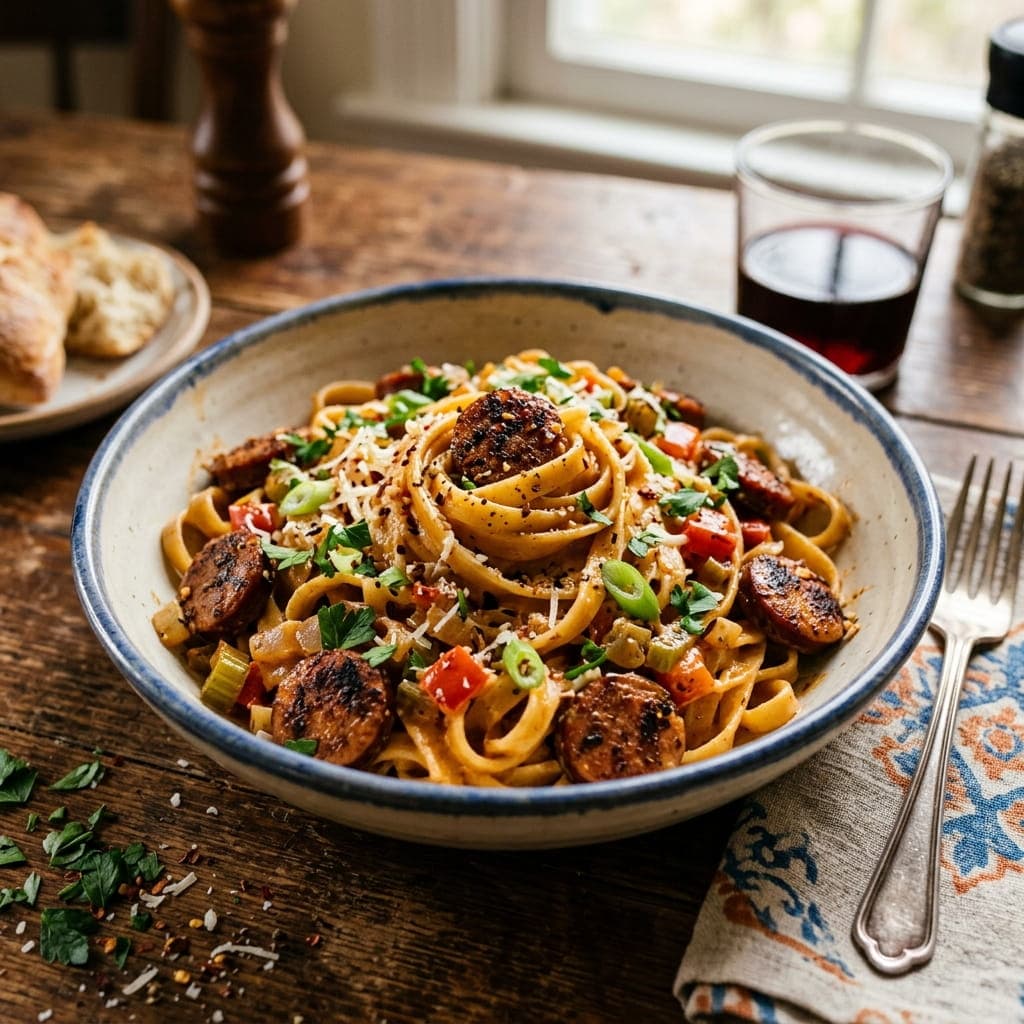
Cajun seasoning rubbed onto the chicken before searing does double duty here - it builds a spiced crust on the meat while also flavoring the fond left in the pan, which becomes the base for the cream sauce. Andouille sausage adds a smoky depth that plain chicken alone wouldn't provide, rounding this into a genuinely Louisiana-inspired pasta night.
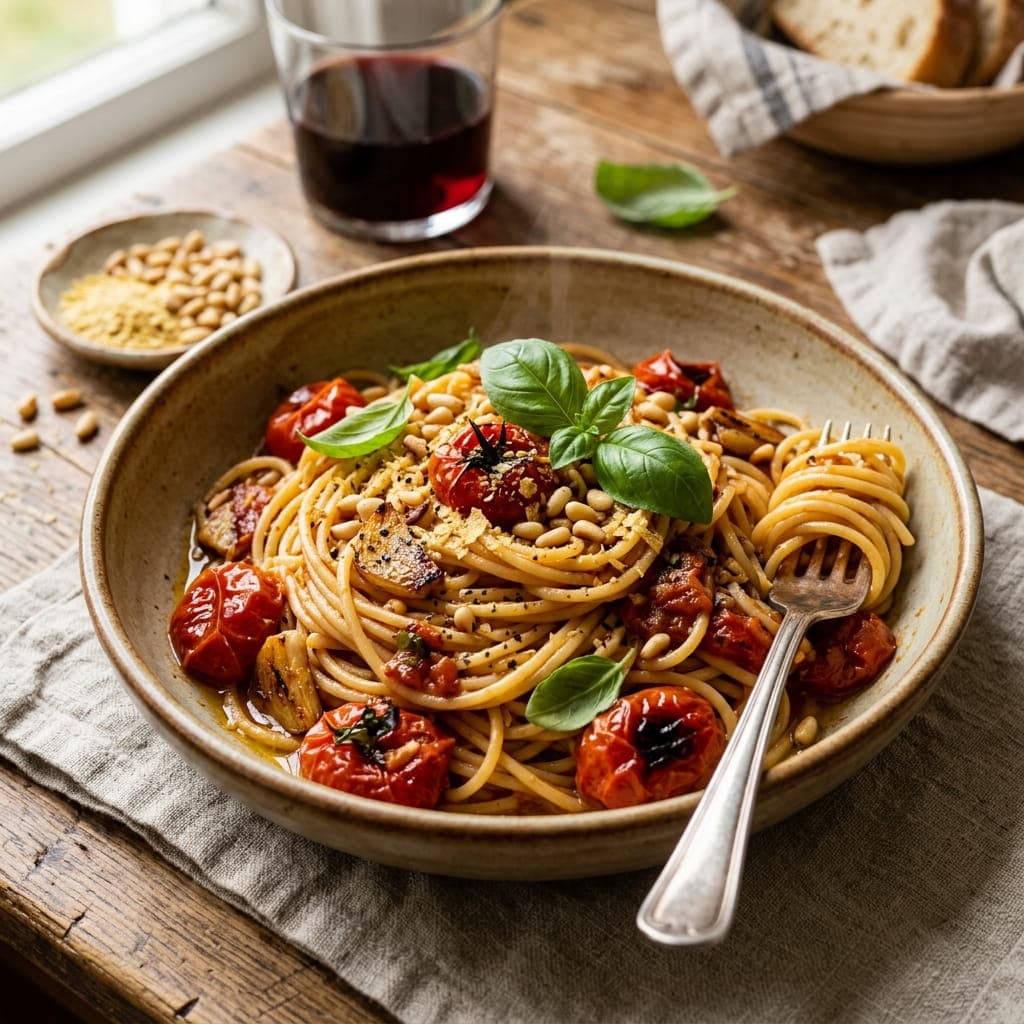
Roasting whole cherry tomatoes and garlic cloves together concentrates their sweetness far more than a quick stovetop simmer ever could, using nothing more than olive oil and high heat to do the work. Once blistered and soft, everything gets crushed directly into a sauce right on the baking sheet, keeping this fully plant-based dinner to just one pan and one pot.