Loading...
Baking Breads Recipes
Showing 1-16 of 30 delicious baking breads recipes
Quick Breads And Muffins
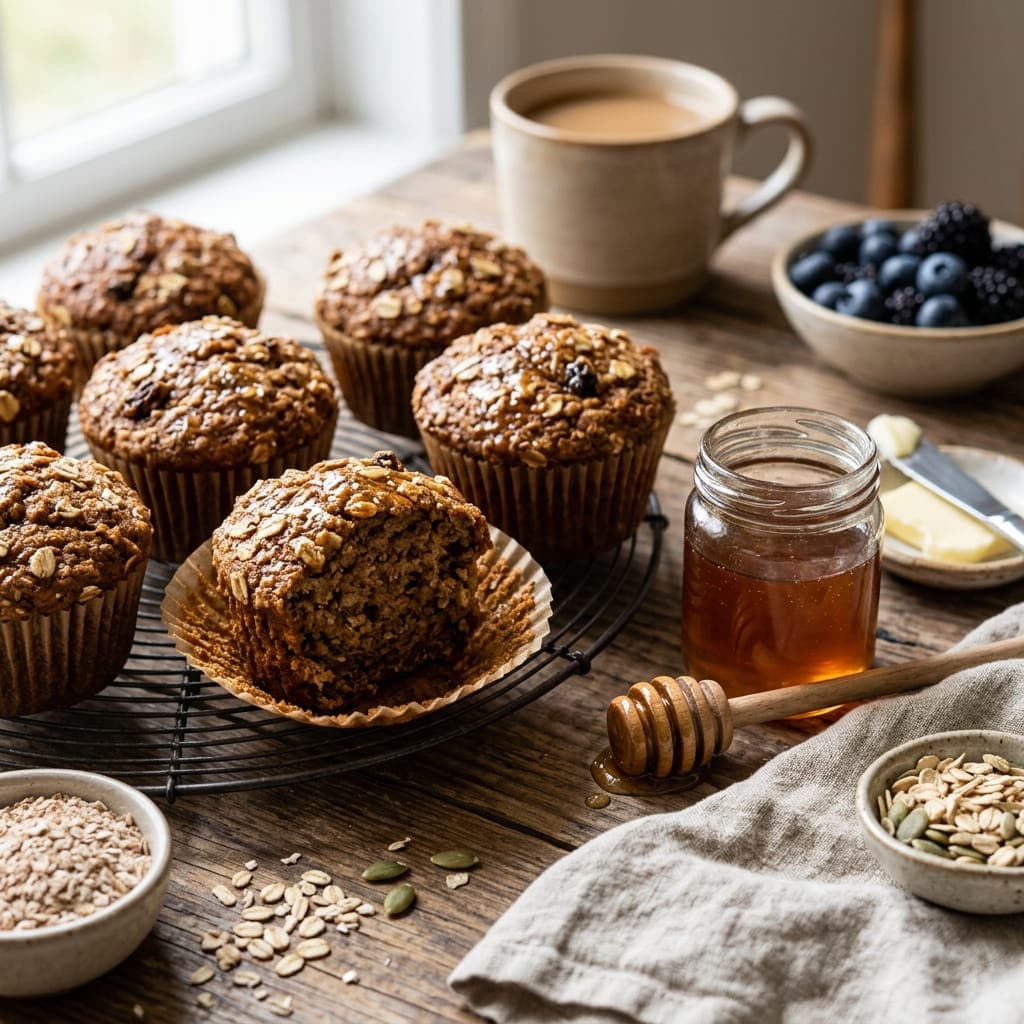
High-Fiber Bran Honey Breakfast Muffins
This soaks the wheat bran in buttermilk before mixing the batter, softening its naturally coarse texture so the finished muffins turn out tender rather than gritty. Honey used in place of refined sugar adds natural sweetness while keeping these fiber packed muffins feeling like a genuinely wholesome breakfast rather than a disguised dessert.
37m12
Buns Rolls And Flatbreads
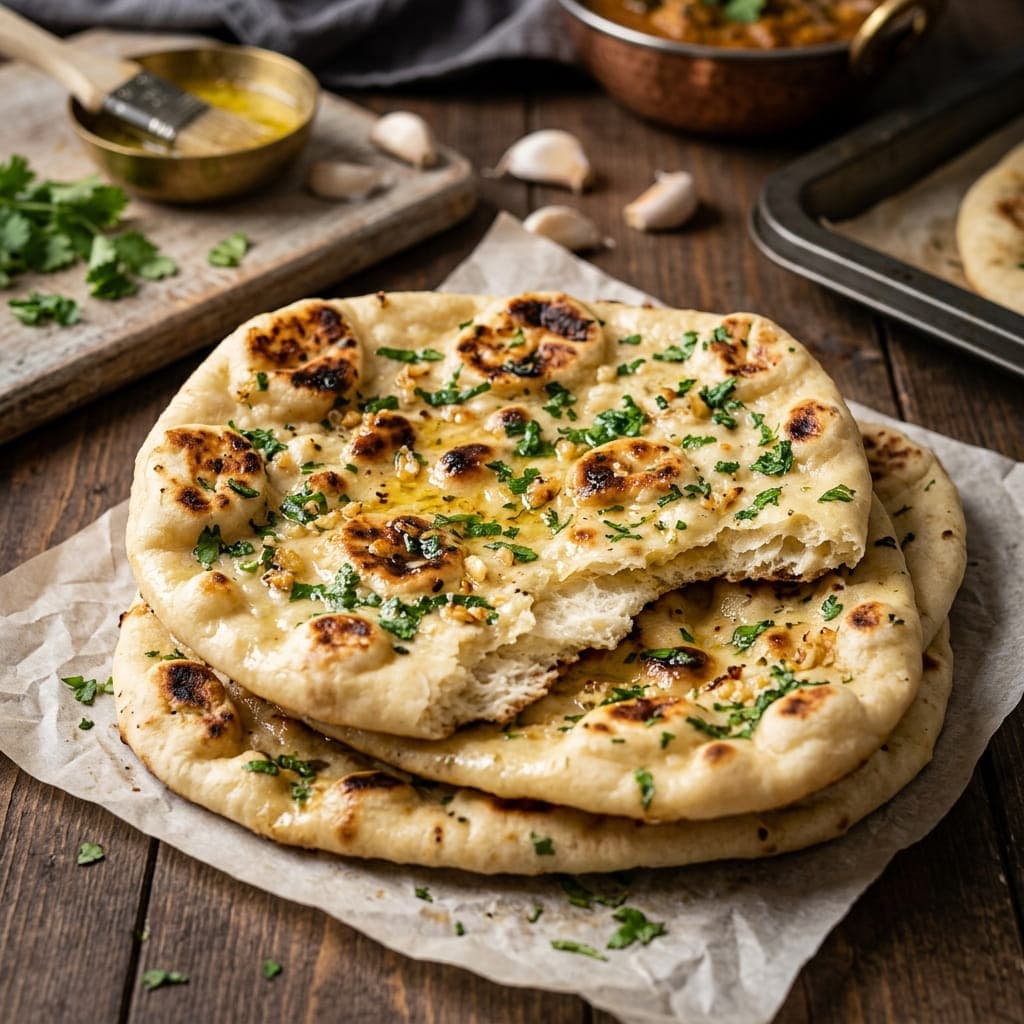
Authentic Garlic Butter Naan Bread
This builds the dough with yogurt instead of eggs, which is what gives naan its chewy texture and large, irregular air pockets rather than the tighter, cake like crumb that egg based versions produce. Cooking it in a screaming hot, dry skillet mimics the intense heat of a clay tandoor closely enough to get those same charred, bubbled spots without any special equipment.
40m8
Buns Rolls And Flatbreads
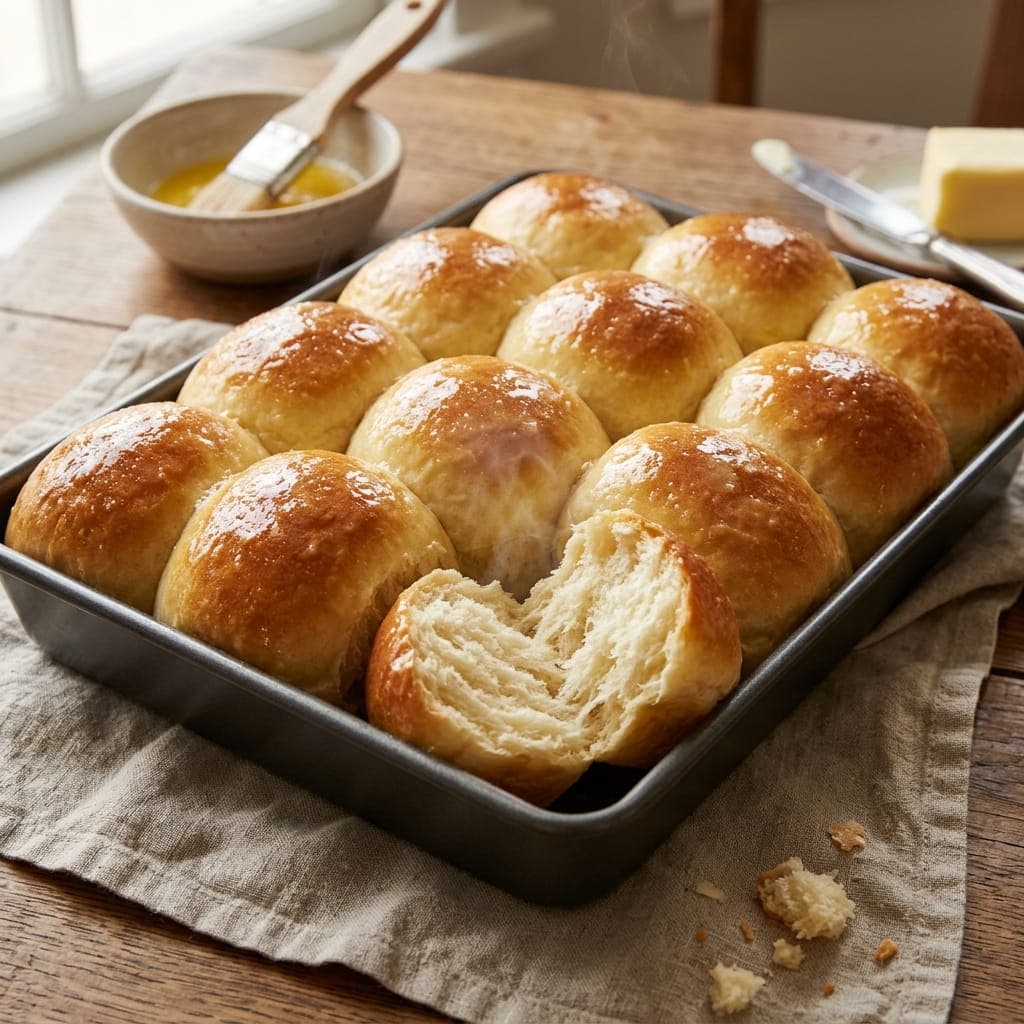
Soft and Fluffy American Dinner Rolls
This uses the tangzhong method of cooking a small portion of the flour with milk into a thick paste before adding it to the rest of the dough, a technique that lets the flour absorb far more liquid than usual, resulting in rolls that stay noticeably softer for longer. Placing the shaped rolls close together in the pan so they touch as they rise and bake is what gives them their soft, pull apart sides.
47m12
Quick Breads And Muffins
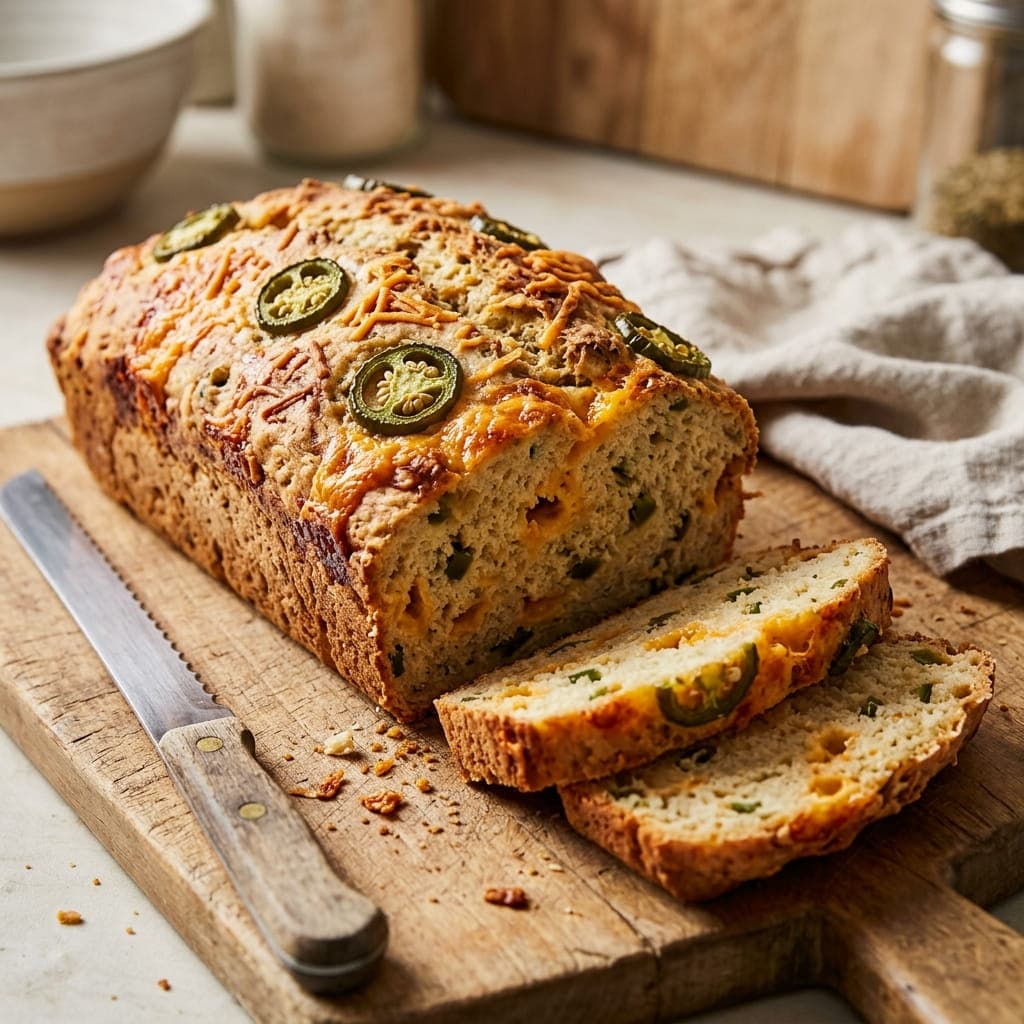
Savory Cheddar Jalapeno Quick Loaf
This folds most of the shredded cheddar directly into the batter while reserving a handful to scatter over the top, which lets the cheese inside melt into the crumb while the top layer bakes into a crisp, browned, slightly crunchy crust. Removing the seeds and membrane from most of the jalapenos keeps the heat at a manageable, background warmth rather than overwhelming the savory cheese flavor.
65m10
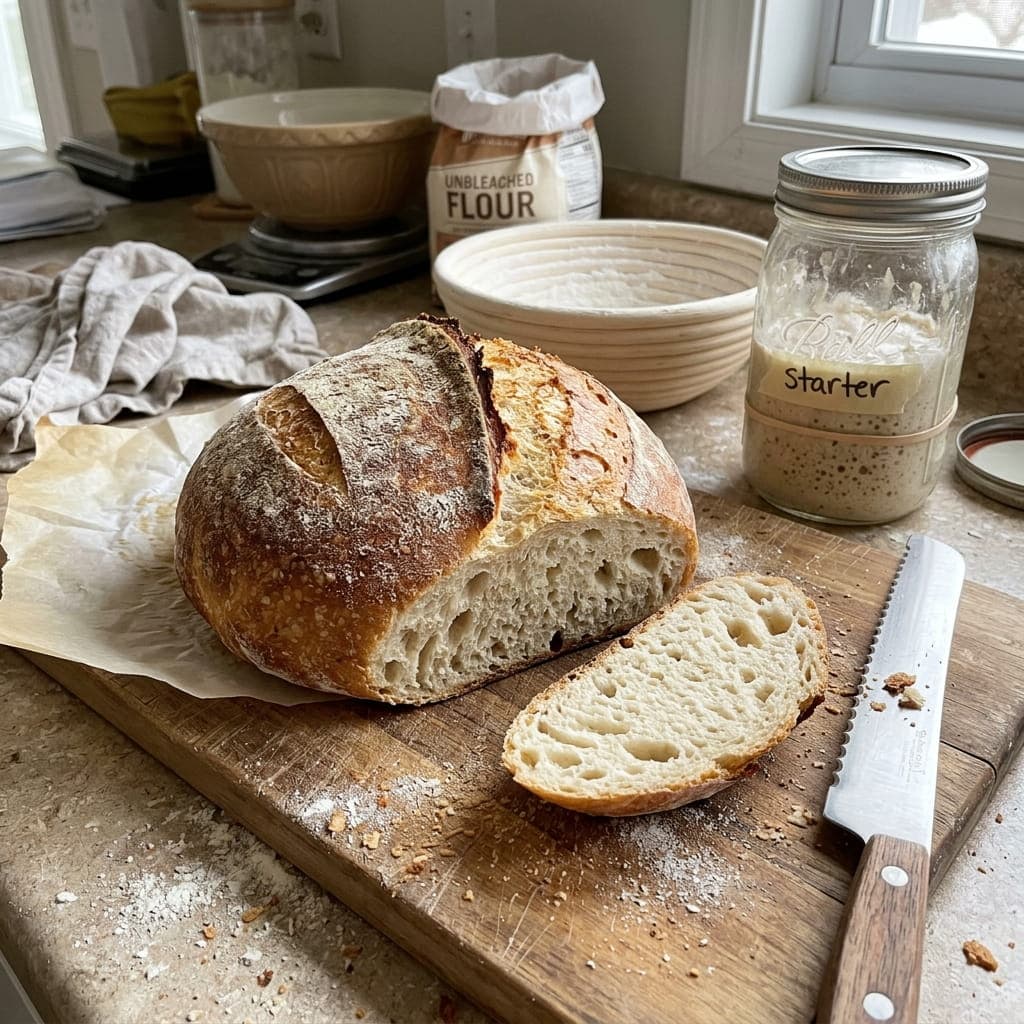
Artisan And Sourdough
Beginner Friendly Sourdough Bread Loaf
This relies on stretch and folds every 30 minutes during bulk fermentation instead of traditional kneading, a gentler technique that builds gluten strength in a wet sourdough dough without the mess of hand kneading a sticky mass. Baking the loaf inside a covered Dutch oven traps steam naturally, giving even a first attempt the kind of blistered, crackling crust that usually takes practice to achieve.
90m10
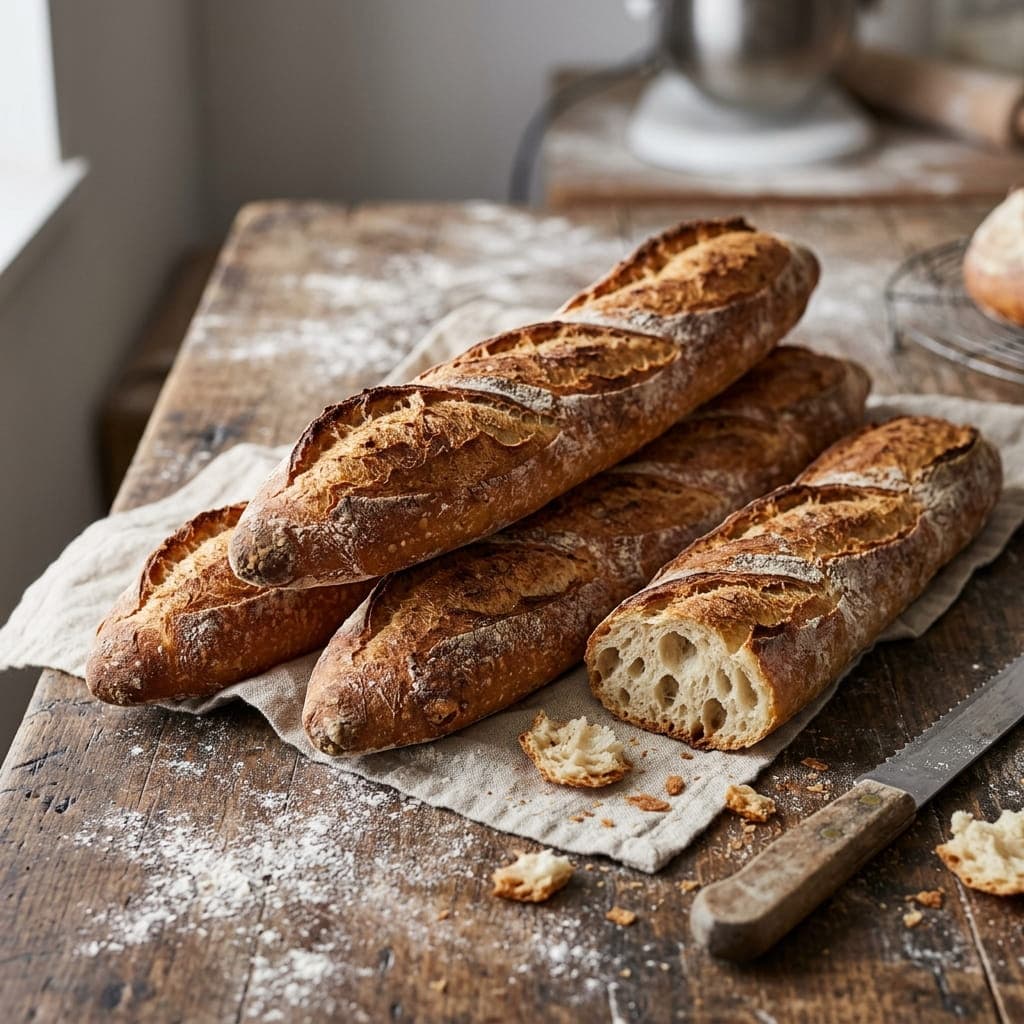
Artisan And Sourdough
Classic Crusty French Artisan Baguette
This uses a long, slow cold fermentation in the fridge overnight rather than rushing the rise at room temperature, since that extended time is what develops the deep, wheaty flavor a real French baguette depends on. Baking with steam in the first several minutes is what forces the crust to stay soft just long enough for a dramatic oven spring, before it sets into that signature crackling shell.
65m3
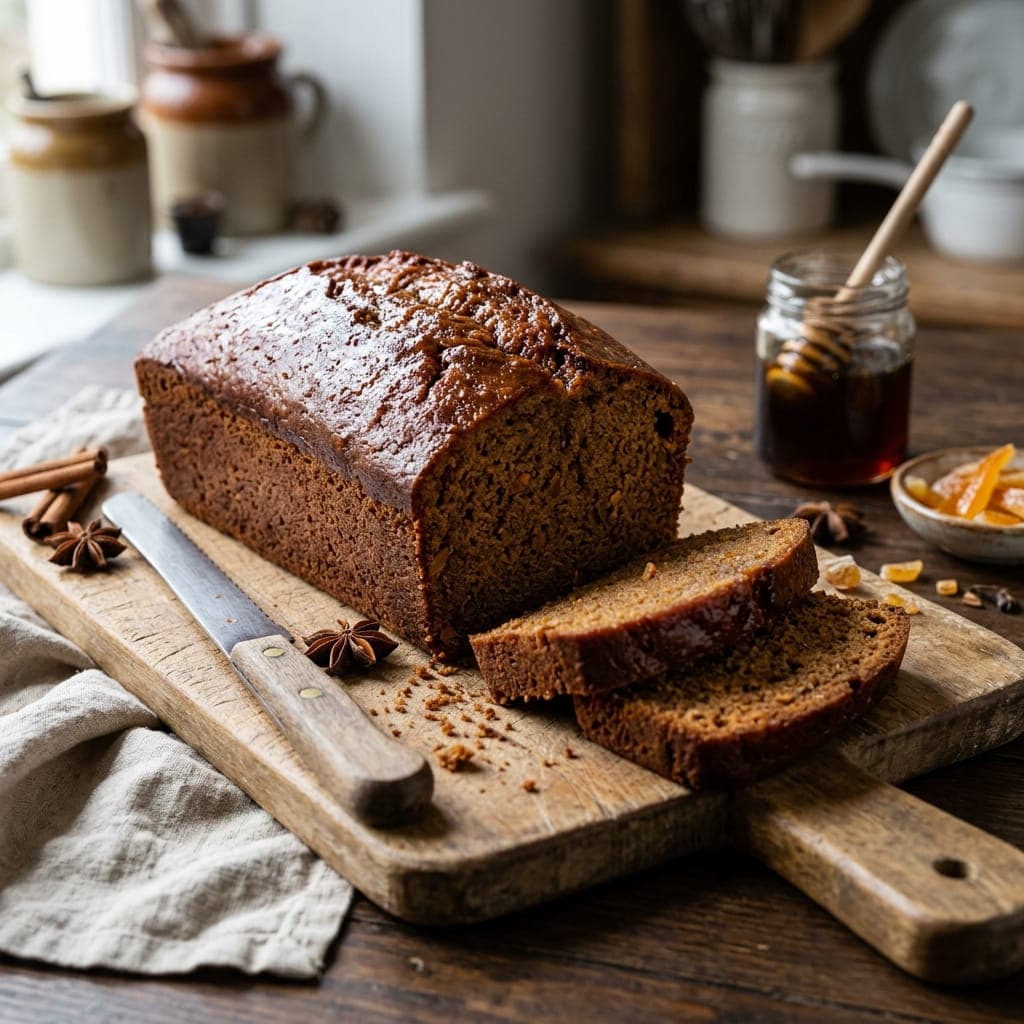
Quick Breads And Muffins
French Spiced Honey Loaf (Pain d'Épices)
This uses a portion of rye flour alongside all purpose flour, staying true to the traditional French recipe that originated in Reims, since rye is what gives pain d'épices its characteristic dense, rustic crumb and earthy undertone that plain wheat flour alone can't replicate. Warming the honey gently before mixing it into the batter helps it blend smoothly into the other ingredients instead of leaving thick, unincorporated streaks.
65m10
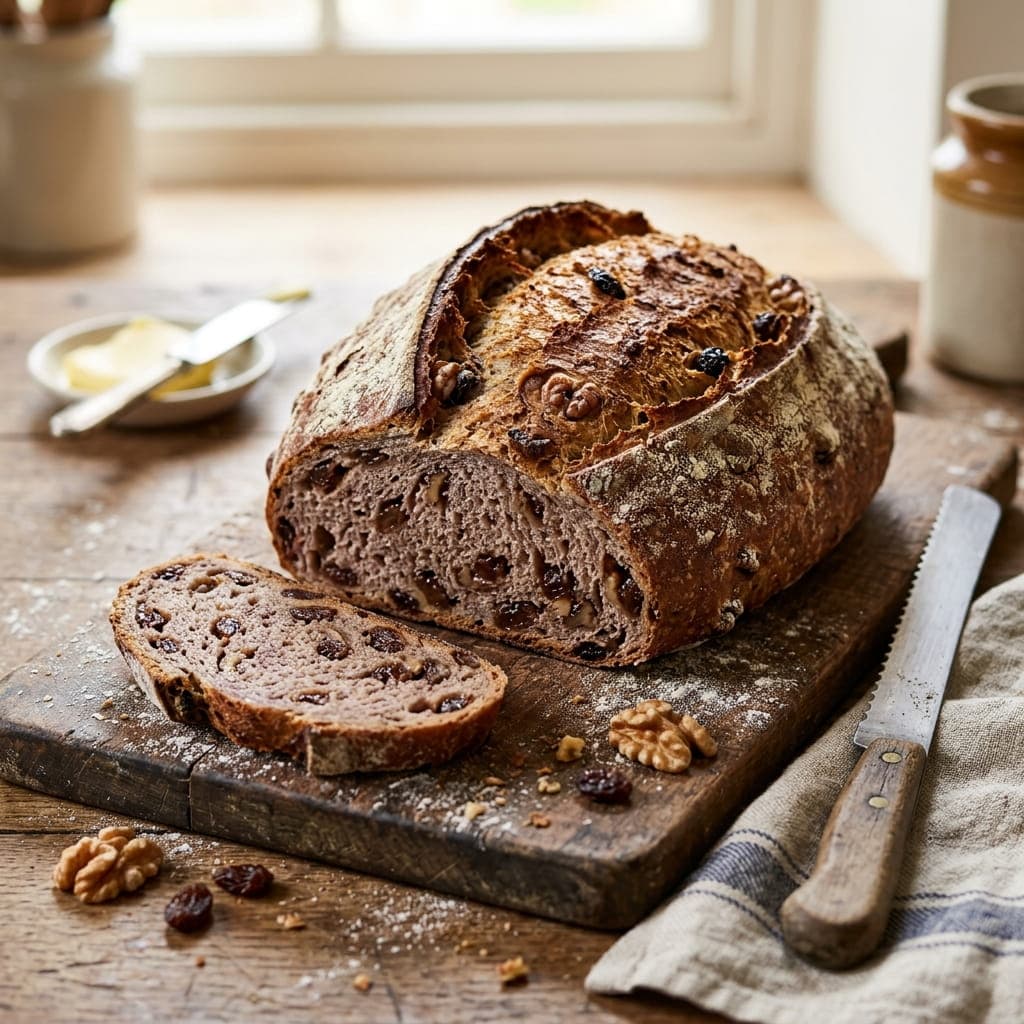
Artisan And Sourdough
British Walnut Raisin Artisan Loaf
This soaks the raisins in warm water briefly before folding them into the dough, which plumps them back up so they bake into soft, juicy bites instead of drying out further in the oven's heat. Toasting the walnuts beforehand deepens their flavor, giving the finished loaf a richer, nuttier bite than simply folding them in raw.
65m12
Buns Rolls And Flatbreads
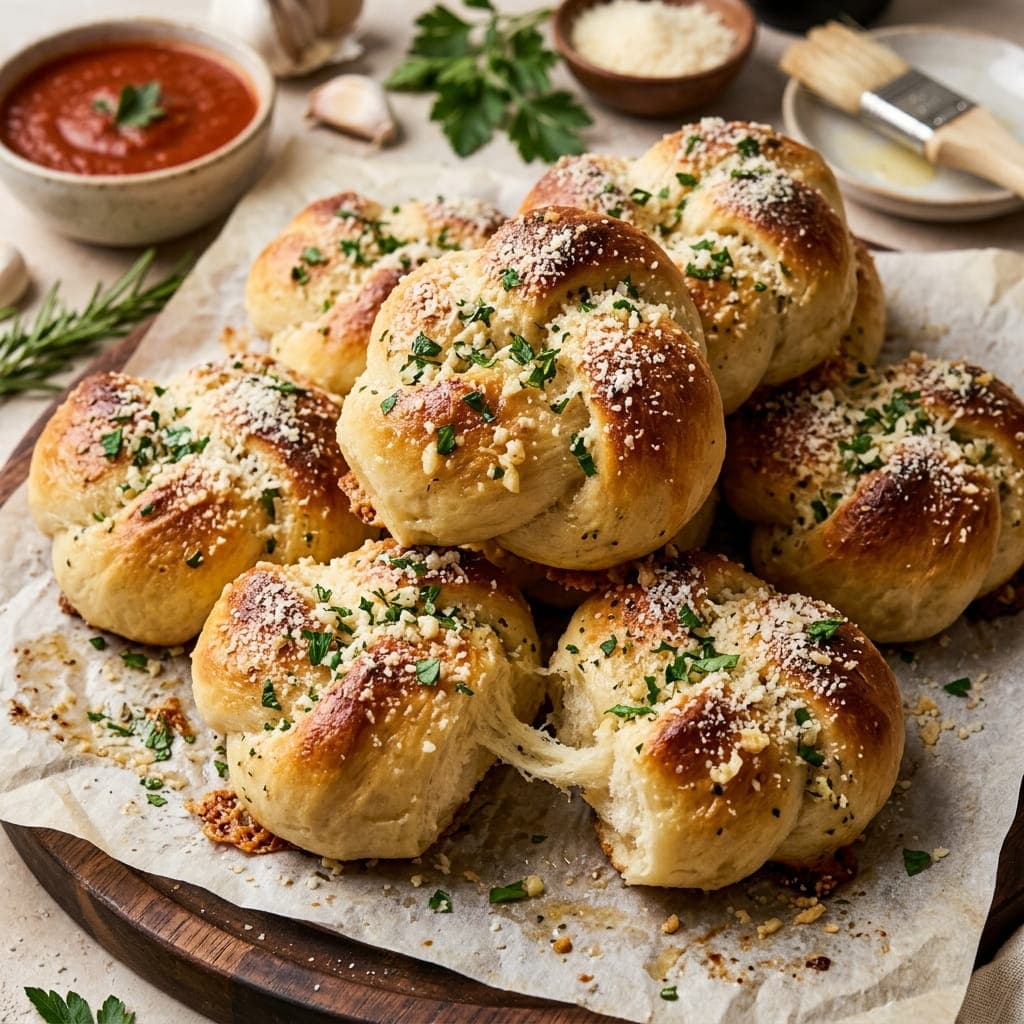
Italian Herb Parmesan Garlic Knots Buns
This brushes the garlic herb butter over the knots twice, once right when they come out of the oven and again a few minutes later, since the bread soaks up more flavor in two lighter coats than it would from a single heavy brushing. Rolling each piece of dough into a rope and tying it into a simple knot before baking is what gives these rolls their signature twisted shape and extra surface area for that buttery garlic coating.
43m12
Artisan And Sourdough
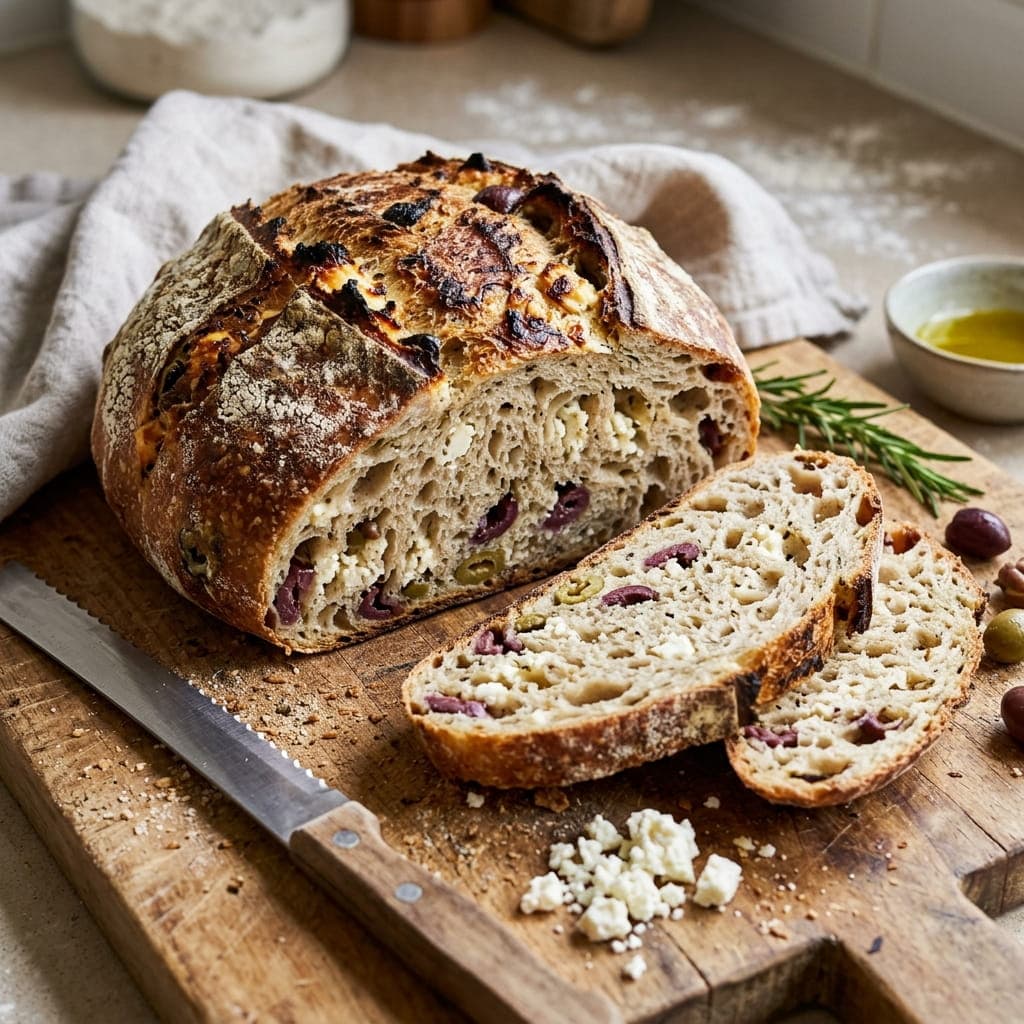
Olives and Feta Mediterranean Sourdough Bread
This folds the olives and feta into the dough during the final stretch and fold rather than kneading them in from the start, which distributes them evenly throughout the loaf without overworking the dough or breaking the cheese down into a paste. Draining the olives well beforehand is what keeps their brine from adding excess moisture that could throw off the dough's hydration.
85m10
Artisan And Sourdough
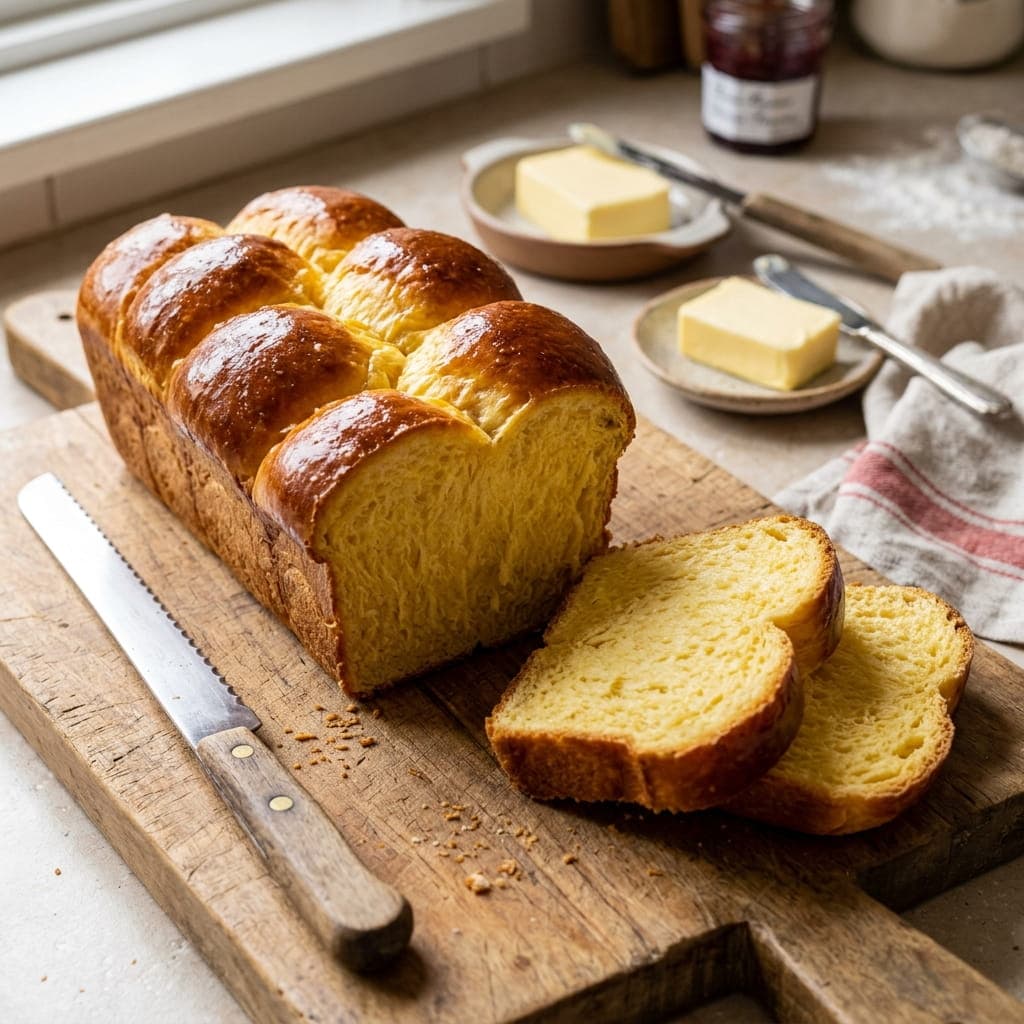
French Brioche Bread Loaf (Rich Butter Style)
This adds the butter to the dough gradually, only once the base dough has already developed some gluten structure through kneading, since dumping in all that fat too early would coat the flour and prevent proper gluten formation. A cold overnight rest in the fridge firms the very soft, buttery dough back up, which is what makes it possible to shape without it collapsing into a sticky mess.
75m10
Buns Rolls And Flatbreads
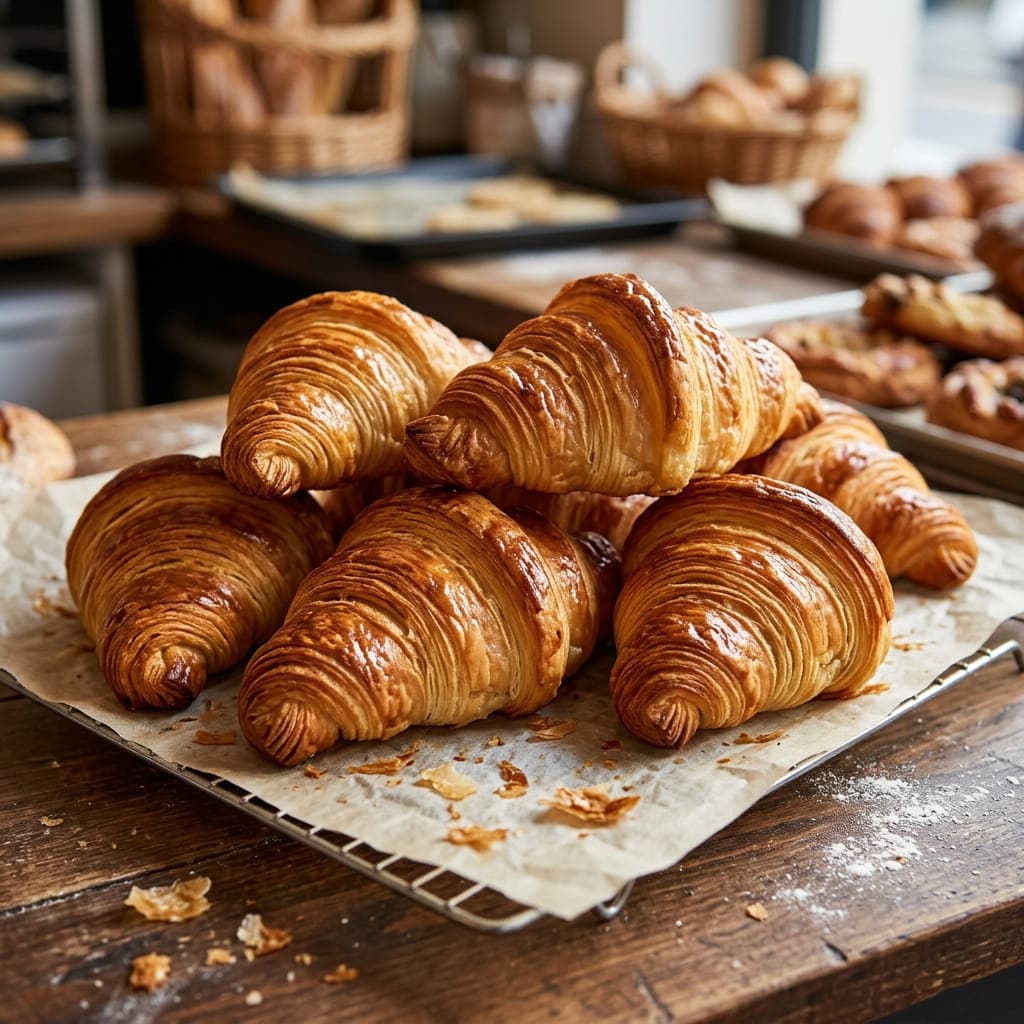
French Golden Bakery Style Croissants Roll
This relies on lamination, folding a solid block of cold butter into the dough and repeatedly rolling and folding it into thin layers, since it's those alternating layers of butter and dough that puff apart into hundreds of flaky sheets in the oven. Keeping everything cold throughout the process, chilling between every fold, is what prevents the butter from melting into the dough too early and turning the croissants dense instead of airy.
108m10
Buns Rolls And Flatbreads
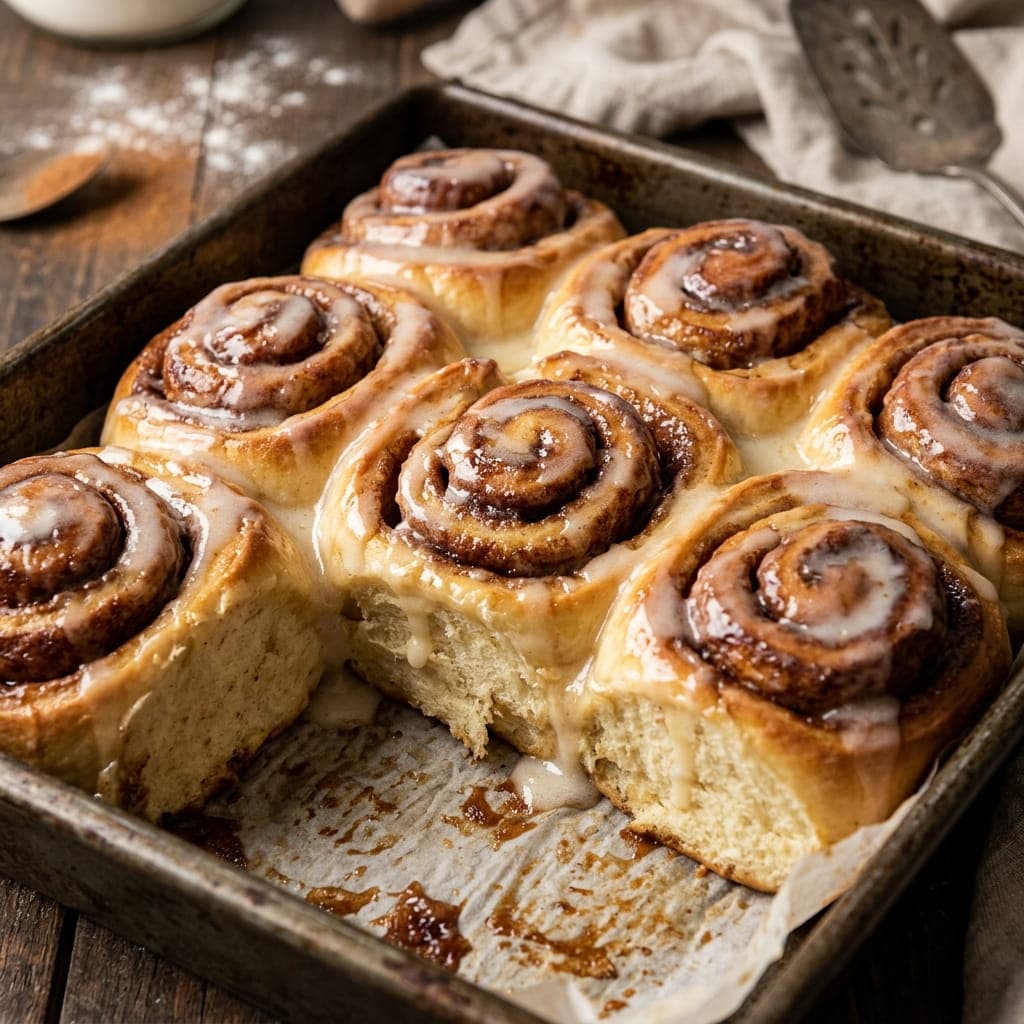
Cinnamon Sweet Sticky Glazed Cinnamon Rolls
This spreads the softened butter all the way to the edges of the rolled out dough before adding the cinnamon sugar, since any bare spots are where the filling can't stick and will leak out as gaps once the rolls are sliced. Rolling the dough up tightly from the long side, rather than loosely, is what gives the finished rolls their tight, defined spiral instead of loose, uneven layers.
60m12
Buns Rolls And Flatbreads
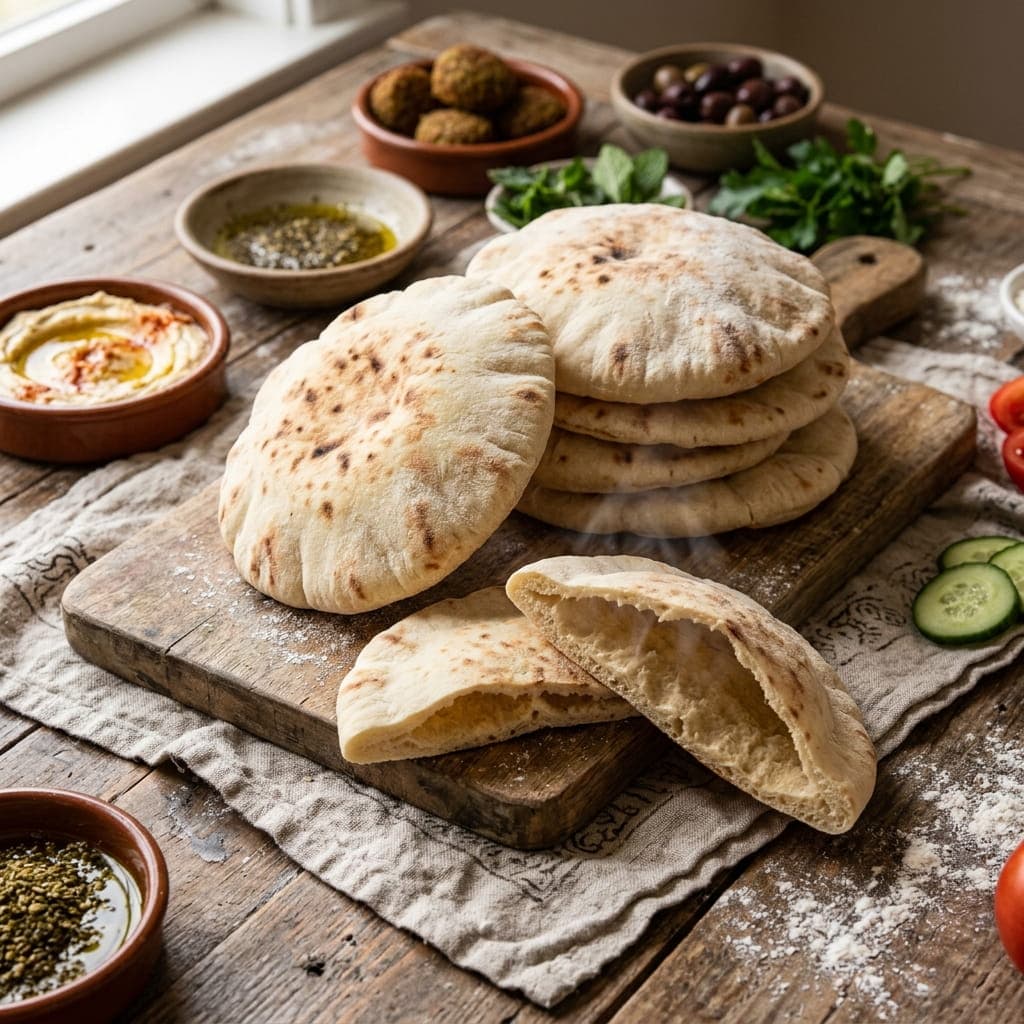
Middle Eastern Soft Pita Pockets Flatbread
This bakes the rolled dough rounds on a preheated baking stone or upside down sheet pan at a very high temperature, since that intense, immediate heat from below is exactly what causes the steam inside the dough to puff the pita into two separate layers, creating its signature pocket. Rolling the dough evenly, without thin spots, is just as important, since any uneven area is likely to be where the pocket fails to form.
40m8
Buns Rolls And Flatbreads
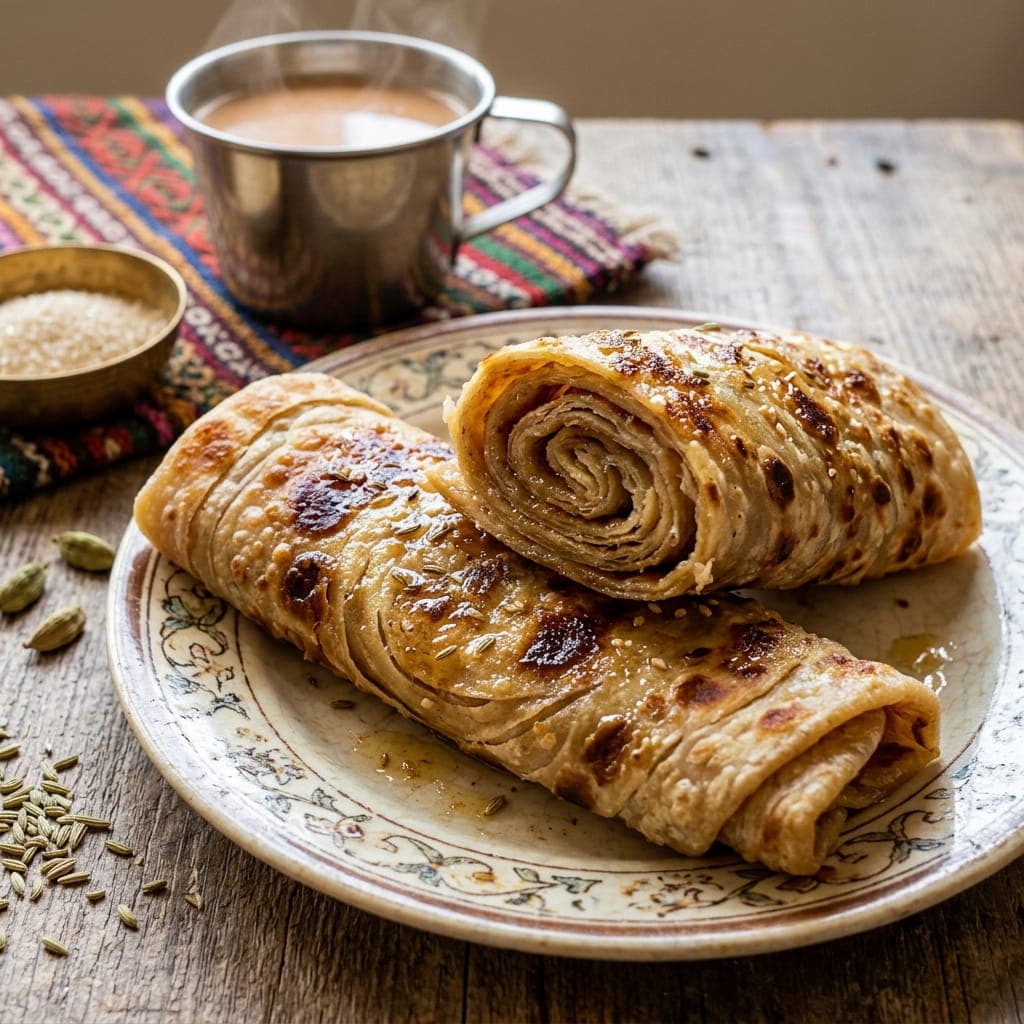
Pakistani Sweet Meethi Paratha Flatbread Roll
This rolls the dough out, brushes it with ghee and a sprinkle of sugar, then folds and rolls it up multiple times before flattening it again, the same layering technique used for savory lachha paratha, which is what creates the distinct flaky layers running through this sweet version. Cooking it slowly in ghee over medium heat, rather than high heat, is what gives it time to turn golden and crisp on the outside while staying soft within.
50m6
Quick Breads And Muffins
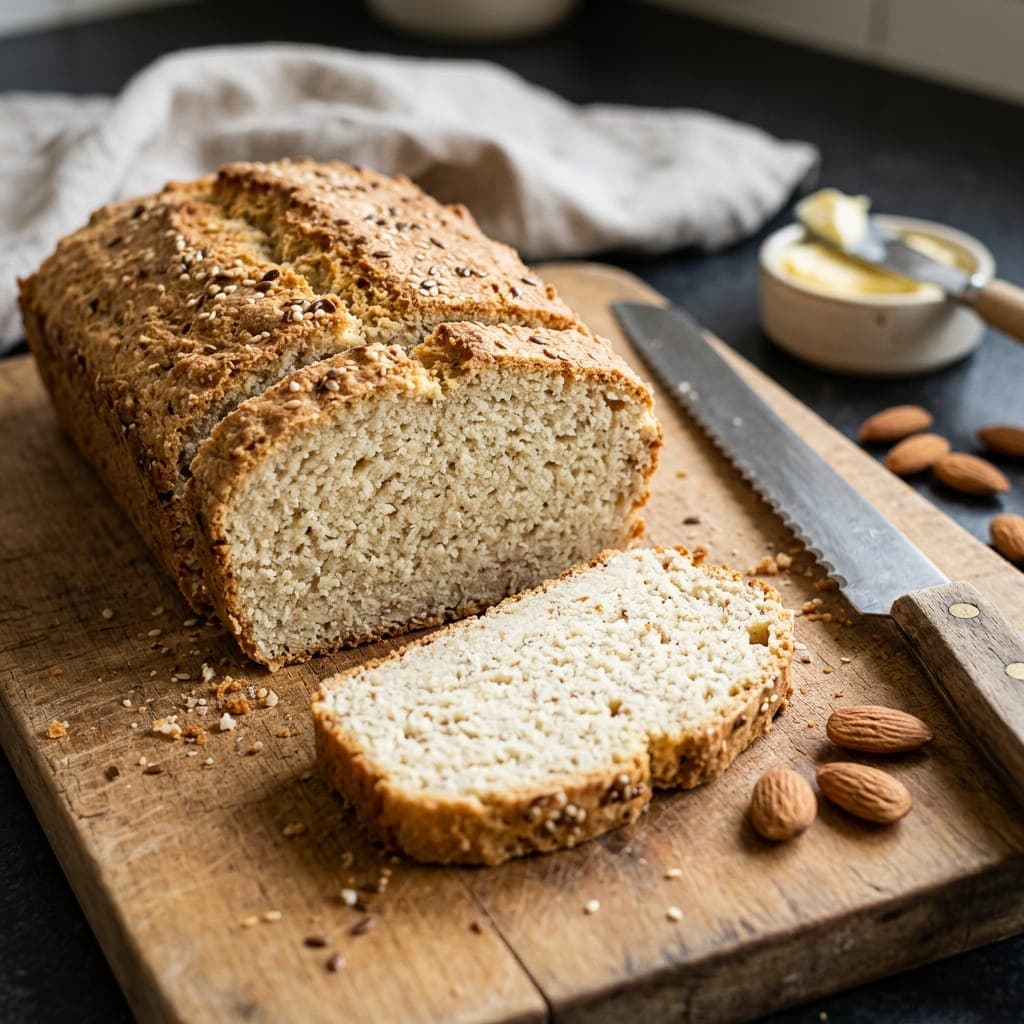
Low-Carb Keto Almond Flour Keto Bread
This whips the eggs until light and airy before folding them into the almond flour mixture, since almond flour has no gluten to trap air on its own, meaning the eggs are what give this keto loaf its lift and structure instead. Baking it low and slow keeps the exterior from browning too quickly while the dense, moisture rich center has time to fully set.
55m10