Loading...
Loading...
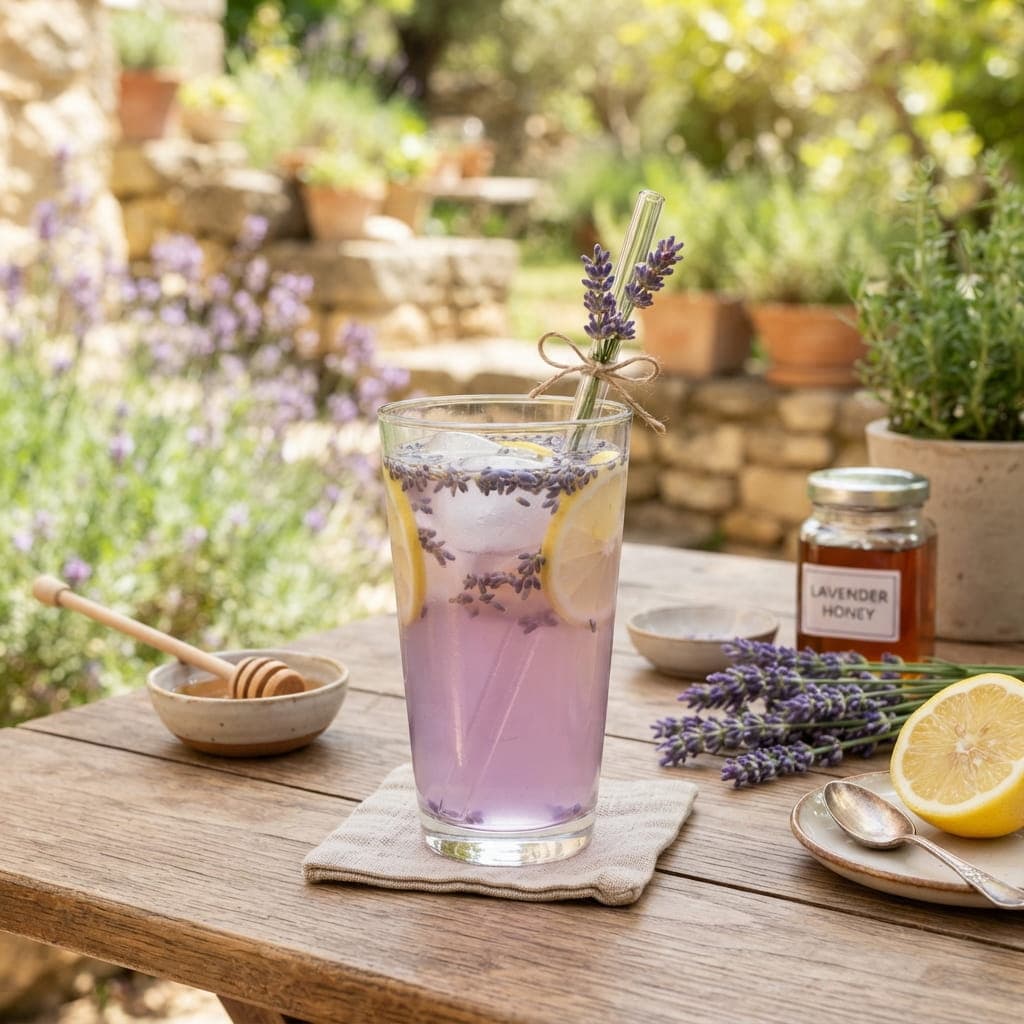
This draws on the culinary lavender traditions of Provence, where dried lavender buds are steeped into a honey syrup rather than added directly to the drink, so the floral flavor stays delicate instead of turning soapy or overpowering. Balanced with fresh lemon juice, it reads like an elevated, café-worthy take on classic lemonade.
Per serving
85kcal
Calories
23g
Carbs
21g
Sugar
Prep Time
10 min
Cook Time
5 min
Servings
4 people
Difficulty
easy
Follow step-by-step with voice guidance.
In a small saucepan, combine the water, honey, and dried lavender buds.
Warm gently over low heat, stirring until the honey dissolves, without letting it boil.
Remove from heat and let the lavender steep for 15 minutes.
Strain the syrup through a fine sieve into a jar, discarding the lavender buds, and let cool completely.
Fill glasses with ice.
Add the fresh lemon juice and 2-3 tablespoons of the cooled lavender honey syrup to each glass.
Top with cold water or sparkling water and stir well.
Garnish with a small sprig of fresh lavender or a lemon slice.
Don't Oversteep the Lavender: More than 15-20 minutes can pull out a bitter, soapy flavor from the buds, so remove them promptly once steeped. Use Culinary-Grade Lavender: Buds sold for cooking are food-safe and free of pesticides, unlike lavender sold for crafts or sachets. Make the Syrup in Batches: The lavender honey syrup keeps well for over a week, so making extra means lemonade is ready in seconds.
Look for dried culinary lavender buds at spice shops, specialty grocery stores, or online - make sure the packaging specifies it's food-grade, since craft-grade lavender may be treated with chemicals.
0 reviews • 0.0 / 5 Average Rating
No reviews yet. Be the first to review this recipe!
More Like This
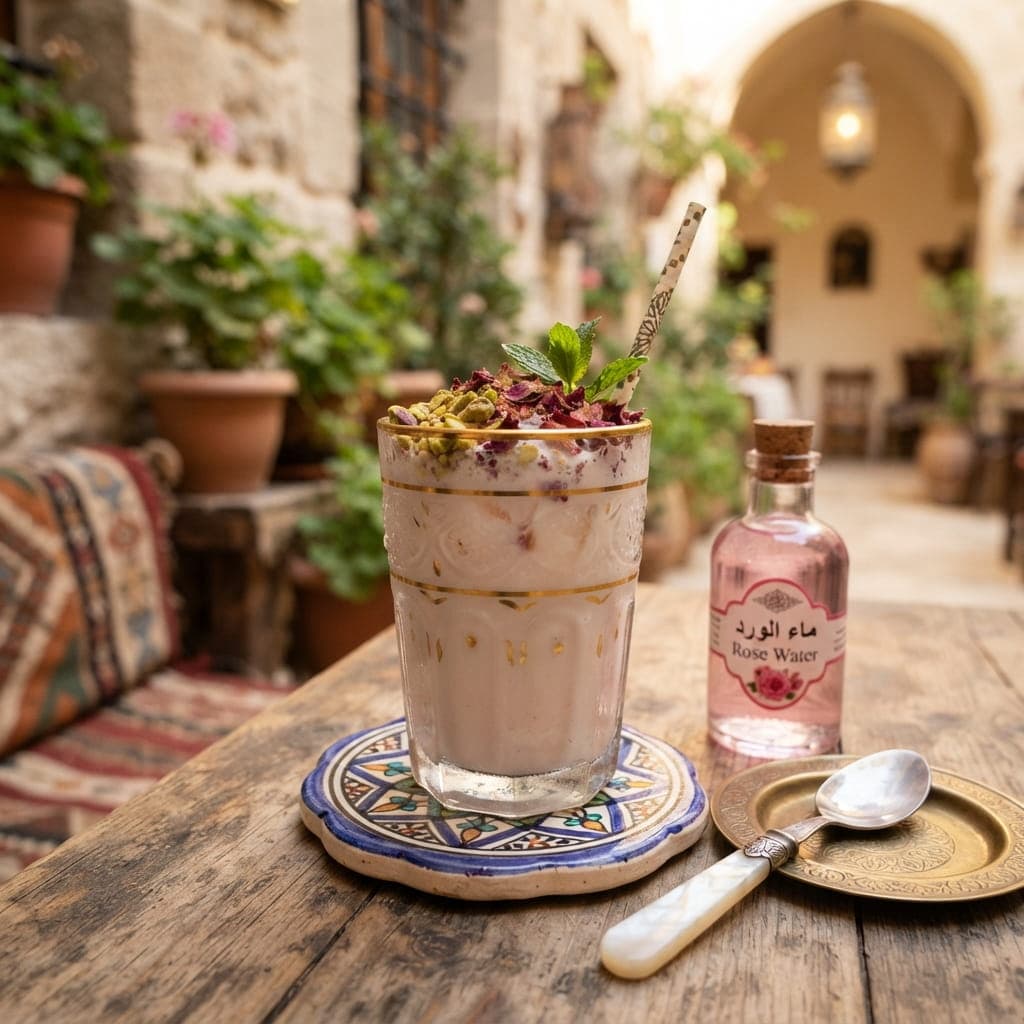
This is built the way rose milk is traditionally served across the Middle East and South Asia, with just a few drops of rose water stirred into chilled milk rather than a heavy syrup, since rose water is potent enough that a little carries the whole drink. Finished with a touch of sugar and a scatter of pistachios, it turns plain cold milk into something that feels special enough for guests.
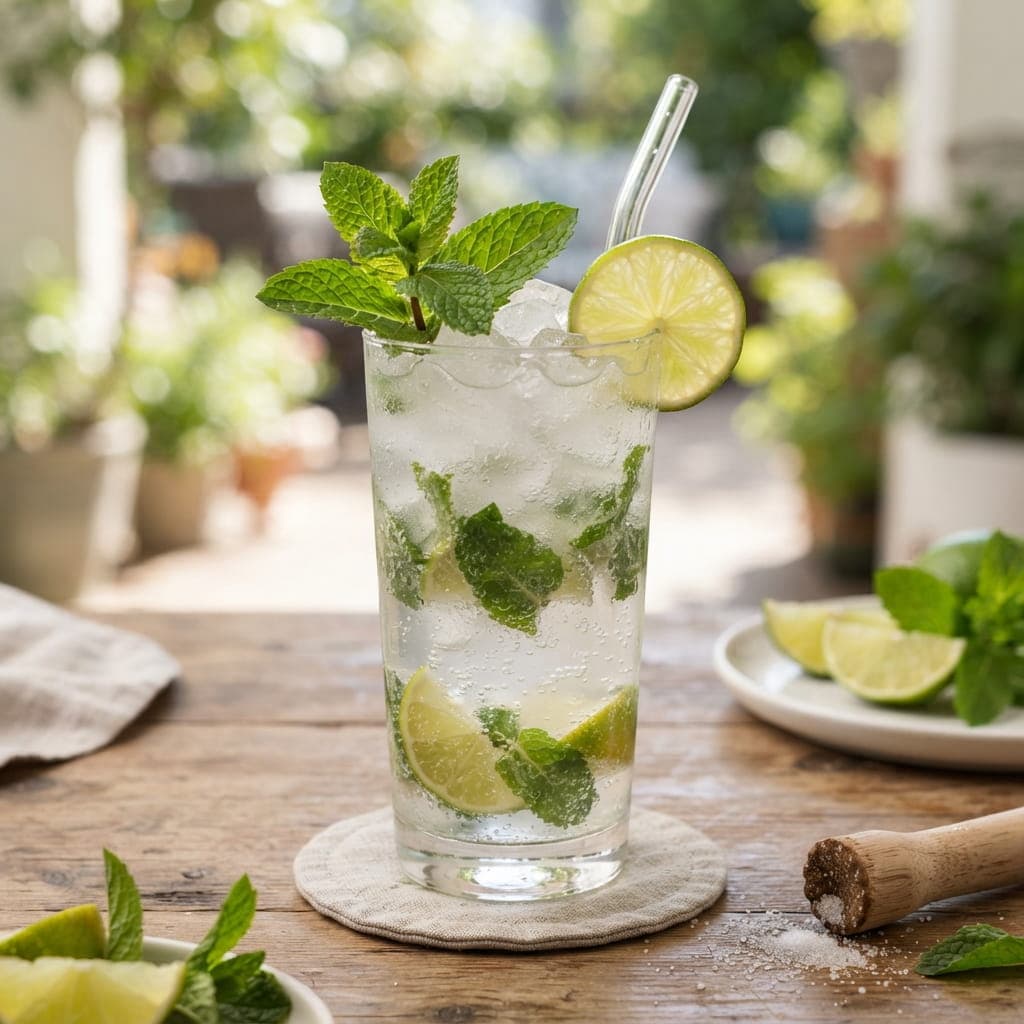
This follows the exact muddling technique used in a traditional Cuban mojito - bruising the mint against sugar and lime rather than simply dropping it in - which is what releases the fragrant oils that make the drink smell as good as it tastes. Topped with soda water instead of rum, it keeps all of the bright, herbaceous character of the original with none of the alcohol.
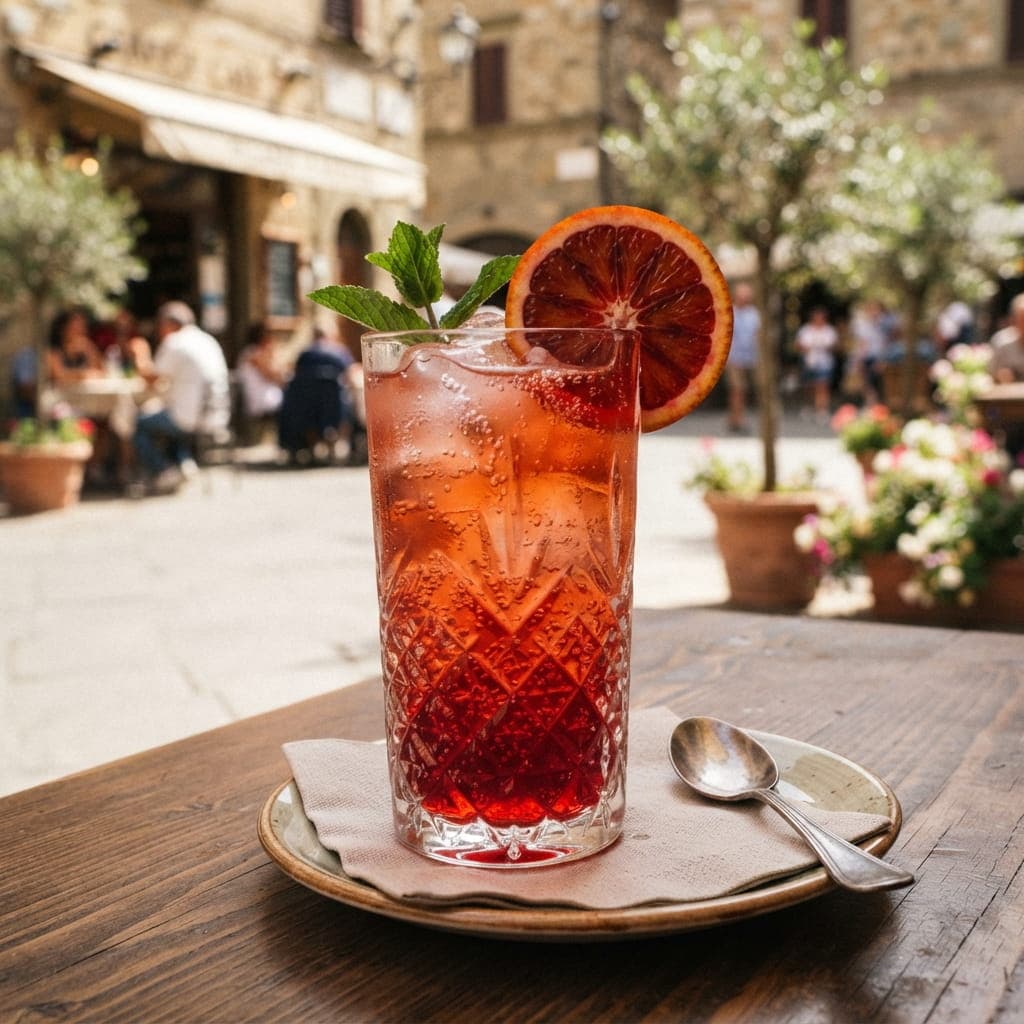
This mirrors the flavor of Italy's beloved aranciata rossa, the sparkling blood orange soda found in cafes across the country, but is built fresh from real juice and a light syrup instead of a bottled concentrate. The deep crimson color and slightly bitter-sweet edge of blood orange make it feel far more elegant than an ordinary citrus soda.
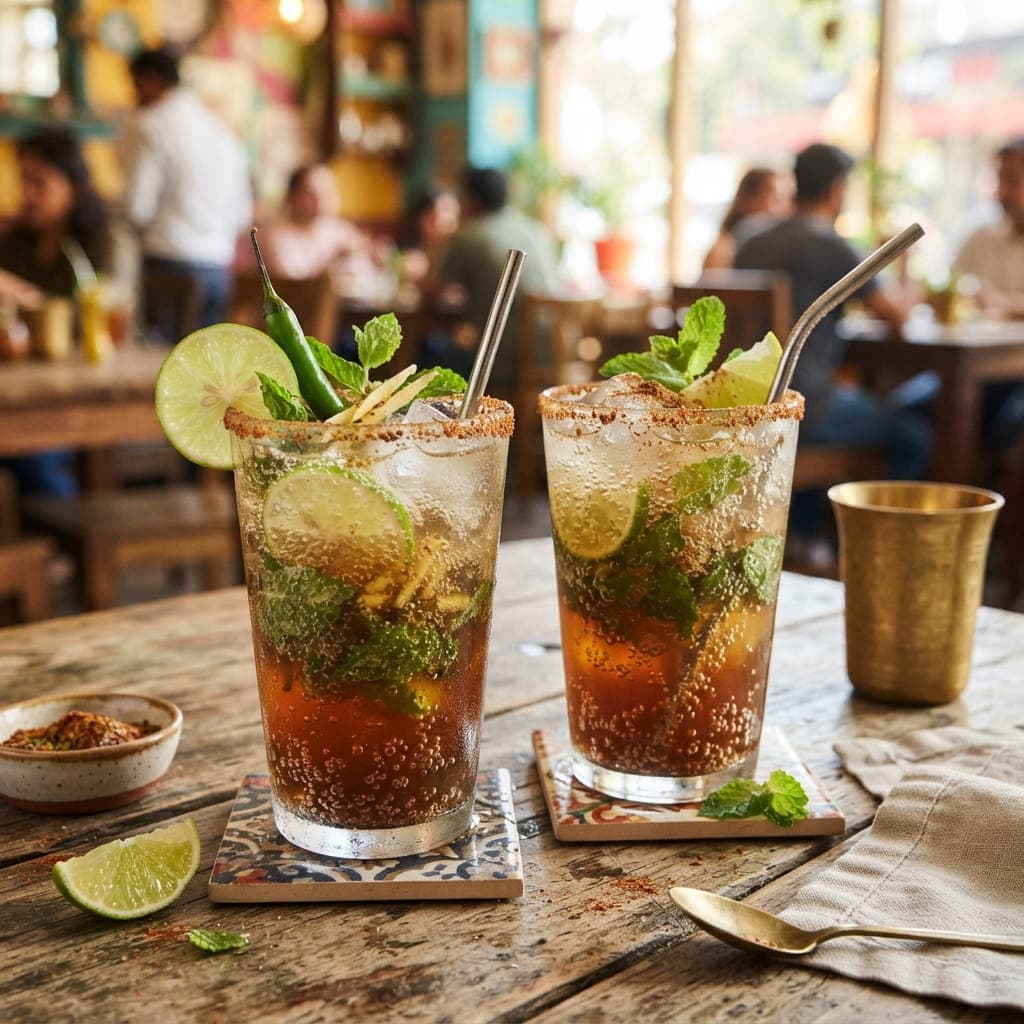
This recreates the roadside soda-shop drink found across Indian cities, where a spiced masala paste is stirred into fresh lemon juice before the soda is poured, rather than just sprinkling spices on top, so every sip carries the same balanced heat. The fizz from the soda water is what makes it feel like an instant pick-me-up on a hot, humid day.