Loading...
Loading...
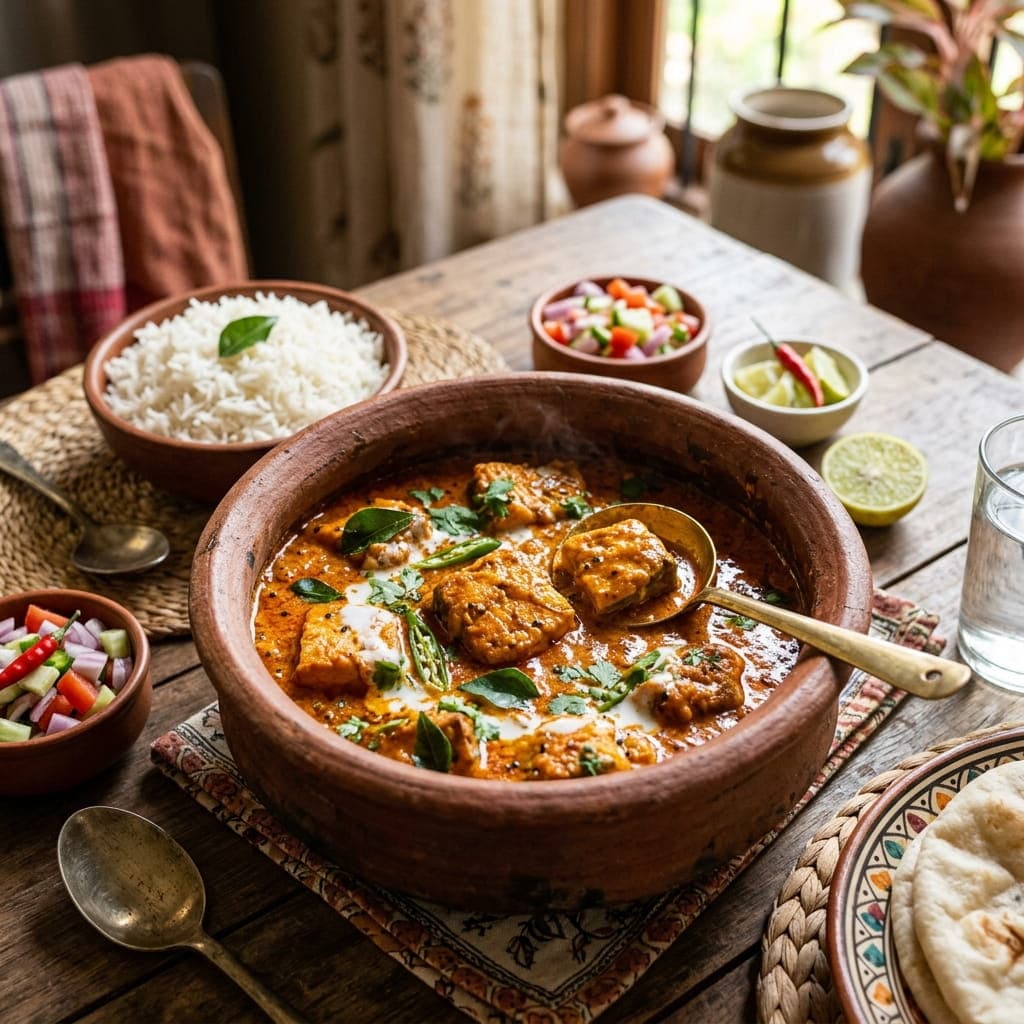
Goan curry leans on tamarind for its distinctive sourness, a legacy of the region's Portuguese-influenced coastal cooking, balanced against the richness of coconut milk and a base of roasted whole spices. Firm white fish is added only in the final few minutes of simmering, since fish overcooks fast and this gravy's flavor is built entirely before the fish ever touches the pot.
Prep Time
20 min
Per serving
340kcal
Cook Time
30 min
Servings
4 people
Difficulty
medium
Calories
26g
Protein
12g
Carbs
22g
Fat
2g
Fiber
4g
Sugar
Follow step-by-step with voice guidance.
Dry roast the coriander seeds, cumin seeds, and dried red chilies in a pan over medium heat for 1-2 minutes, until fragrant. Let cool, then grind into a fine powder with a splash of water to form a paste.
Heat the oil in a large pan over medium heat. Add the mustard seeds and let them pop, then add the sliced onion and cook for 5-6 minutes, until softened.
Add the ginger-garlic paste and cook for 1 minute, then stir in the ground spice paste and turmeric, cooking for 2 minutes.
Add the chopped tomato and cook for 4-5 minutes, until softened.
Pour in the coconut milk and tamarind paste, stirring to combine, and bring to a gentle simmer. Season with salt.
Simmer uncovered for 10-12 minutes, until the curry thickens slightly and the flavors meld.
Gently add the fish pieces to the curry, spooning the sauce over them, and simmer for 6-8 minutes, until the fish is just cooked through and flakes easily.
Garnish with fresh coriander leaves and serve hot with steamed rice.
Build the Curry Base Fully Before Adding Fish: Simmering the spiced coconut-tomato base until it thickens and the flavors meld is essential - fish only needs a few minutes to cook, so all the flavor development happens beforehand. Handle the Fish Gently: Once added to the curry, spoon the sauce over the fish rather than stirring vigorously, which can break the delicate pieces apart. Balance the Tamarind to Taste: Tamarind paste varies in sourness by brand, so start with less than the recipe calls for and add more gradually until you reach the right balance of tangy and rich.
Goan curry is distinguished by its use of tamarind for sourness and coconut milk for richness, reflecting the region's coastal geography and Portuguese culinary influence, giving it a tangier, more coconut-forward flavor than many other regional fish curries.
0 reviews • 0.0 / 5 Average Rating
No reviews yet. Be the first to review this recipe!
More Like This
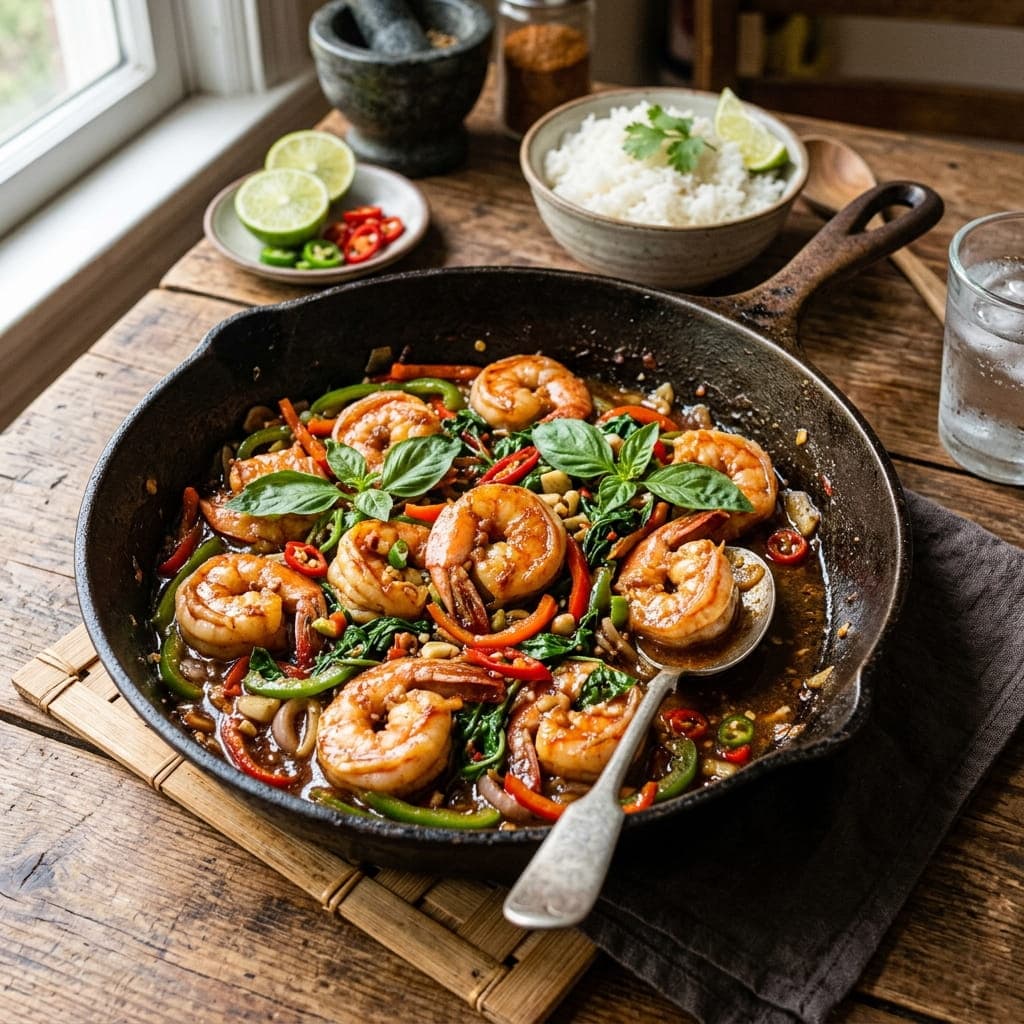
Known as pad kra pao in Thailand, this dish depends on Thai holy basil for its distinctive peppery, slightly clove-like flavor - a different variety entirely from the sweet basil found in most grocery stores, though sweet basil makes a reasonable substitute in a pinch. Fresh Thai chilies pounded or minced directly into the sauce give this its real heat, well beyond what dried chili flakes could provide.
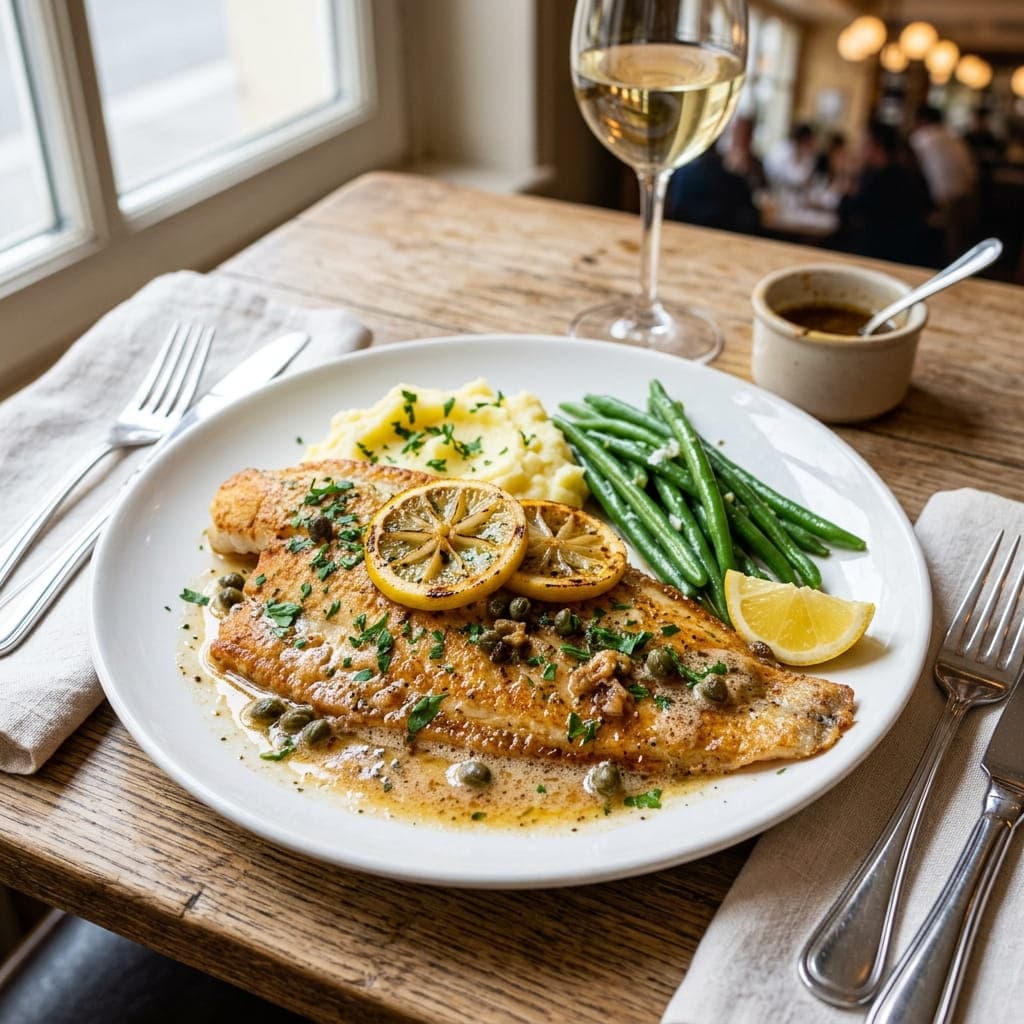
Meunière simply means 'in the style of the miller's wife,' referring to the light dusting of flour the fish is coated in before it hits the pan - just enough to help it brown without masking the fish's own delicate flavor. Butter cooked until it turns a deep nutty brown, then finished with lemon juice, is the whole sauce; nothing about this classic French preparation needs to be complicated.
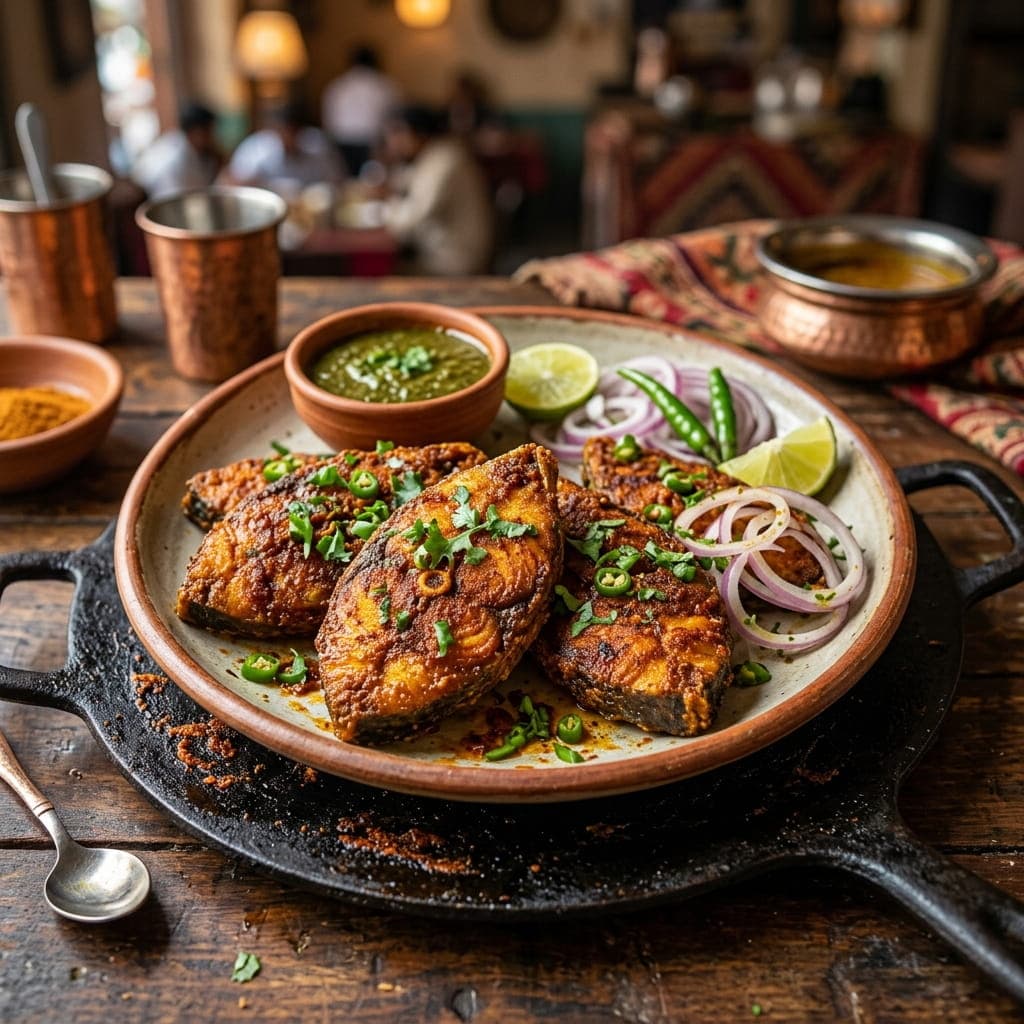
Street vendors along Lahore's food streets deep-fry this in huge woks, but the tawa (flat griddle) version shallow-fries the same gram-flour-battered fish in a fraction of the oil while still delivering a proper golden crust. Coarsely ground toasted coriander and cumin seeds - rather than pre-ground powder - are what separate a genuinely good Lahori fish batter from an average one.
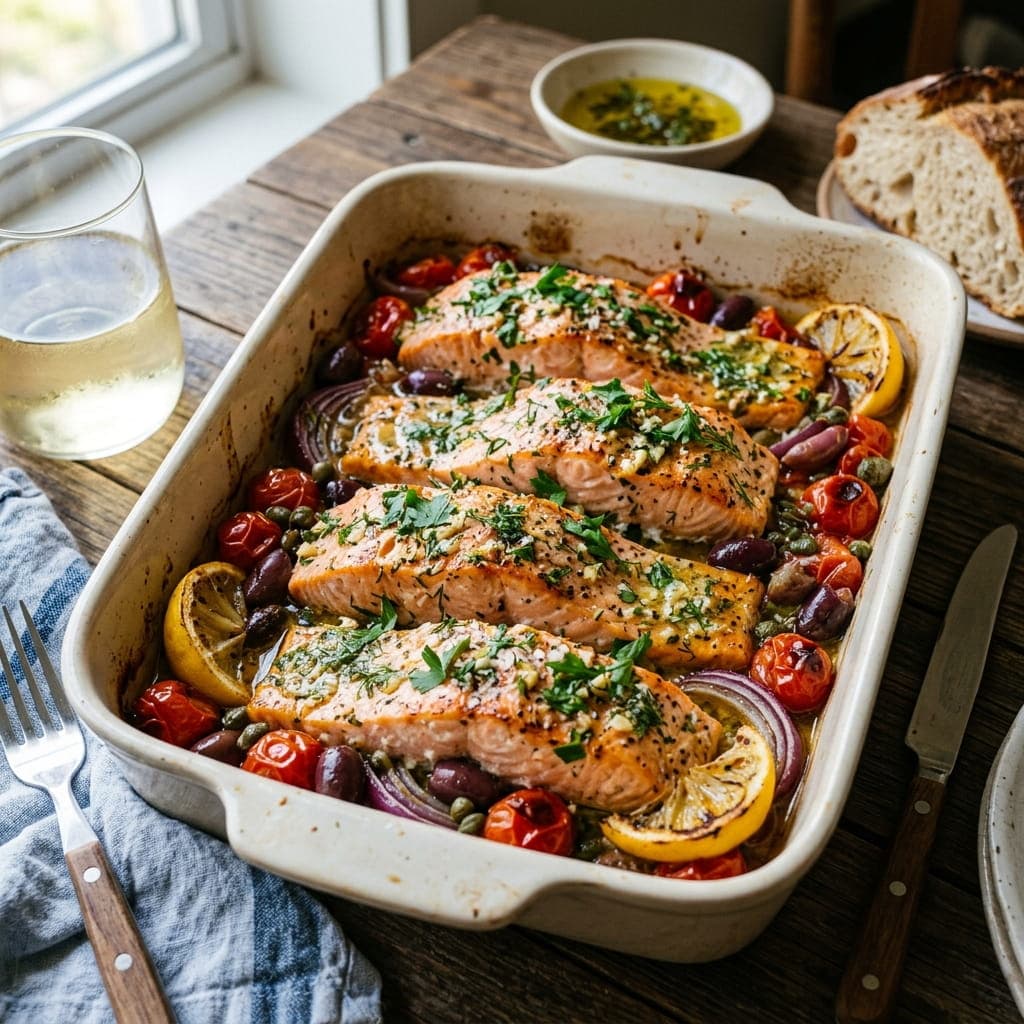
Baking salmon in foil traps steam alongside the fish, essentially poaching it in its own garlic butter as it cooks - the result is consistently moist, never dry, with almost no chance of overcooking if you stick to the timing. This is about as hands-off as salmon gets, ready to go from oven to table in under 25 minutes total.