Loading...
Loading...
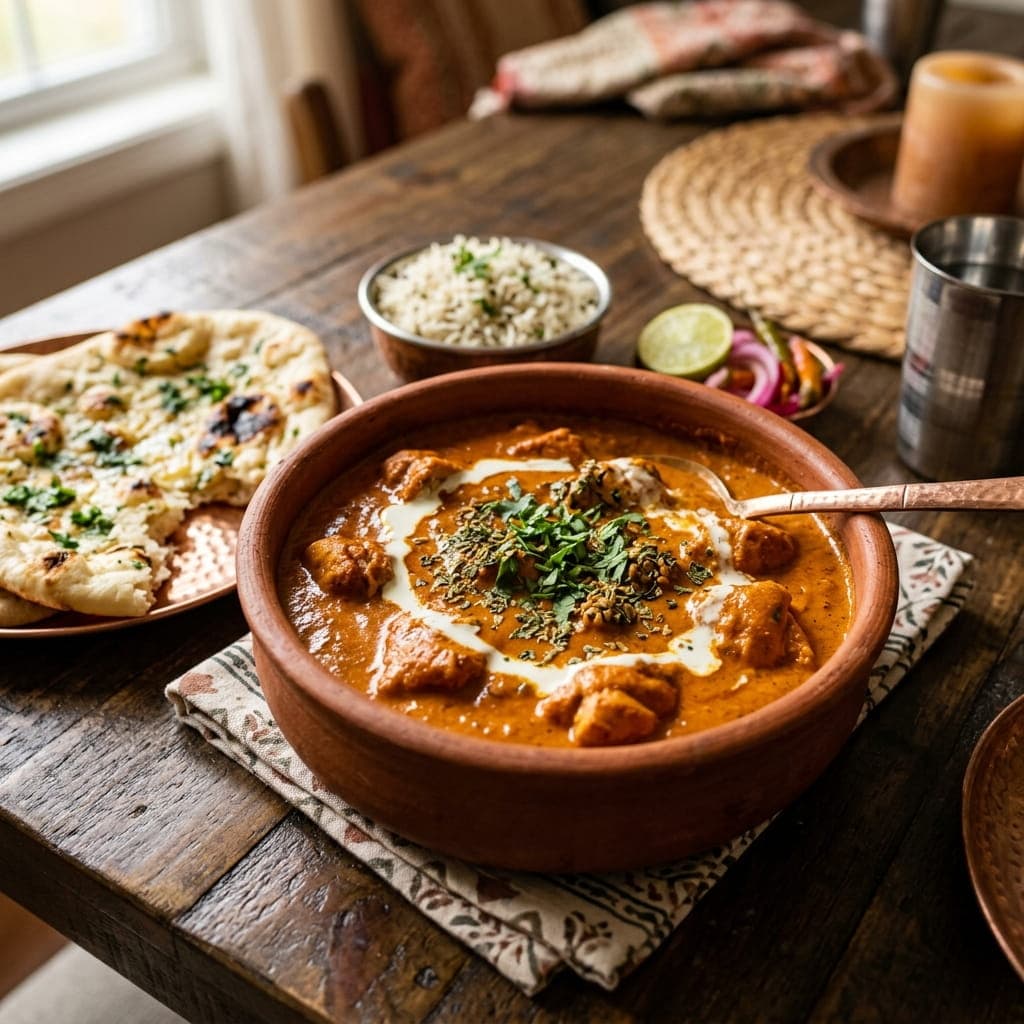
Originally created at Delhi's Moti Mahal restaurant as a way to use up leftover tandoori chicken by simmering it in a buttery tomato gravy, murgh makhani has since become one of the most recognized Indian dishes worldwide. Slow-simmering the tomato base here, rather than rushing it, is what builds the deep, mellow sweetness that balances the warm spices and cream.
Prep Time
30 min
Cook Time
45 min
Servings
4 people
Difficulty
medium
Per serving
480kcal
Calories
32g
Protein
16g
Carbs
32g
Fat
2g
Fiber
9g
Sugar
Follow step-by-step with voice guidance.
In a bowl, mix the yogurt, ginger-garlic paste, red chili powder, turmeric, and a pinch of salt. Add the chicken pieces, coating thoroughly, and marinate for at least 1 hour (up to overnight).
Heat a little oil in a pan over medium-high heat and cook the marinated chicken for 6-8 minutes, until browned and mostly cooked through. Set aside.
In a large pot, melt the butter over medium heat. Add the diced onion and cook for 5-6 minutes, until softened.
Add the minced garlic and grated ginger, cooking for 1 minute, then stir in the tomato puree, cashew paste, and a pinch of salt. Simmer on low heat for 20-25 minutes, stirring occasionally, until deeply thickened and the raw tomato flavor mellows.
Blend the tomato mixture until completely smooth using an immersion blender, then return to low heat.
Stir in the garam masala, kasuri methi (dried fenugreek leaves), and heavy cream, and simmer for 5 minutes.
Add the cooked chicken to the sauce, and simmer for another 5-8 minutes, until the chicken is fully cooked and has absorbed the sauce's flavor.
Finish with a small knob of butter melted on top, and garnish with fresh coriander before serving with basmati rice and naan.
Let the Tomato Base Simmer Fully: Rushing the initial 20-25 minute simmer results in a sharper, more acidic sauce - the long, slow cook is what mellows the tomatoes into that signature rounded sweetness. Use Cashew Paste for Richness: Blending soaked cashews into a smooth paste and adding it to the sauce is a traditional technique that thickens the gravy and adds richness without needing excessive cream. Crush the Kasuri Methi Between Your Palms: Rubbing the dried fenugreek leaves between your palms before adding them releases their aromatic oils, giving a much stronger flavor than adding them straight from the jar.
It was created at the Moti Mahal restaurant in Delhi, India, reportedly as a way to use up leftover tandoori chicken by simmering it in a rich, buttery tomato gravy - it has since become one of the most popular Indian dishes worldwide.
0 reviews • 0.0 / 5 Average Rating
No reviews yet. Be the first to review this recipe!
More Like This
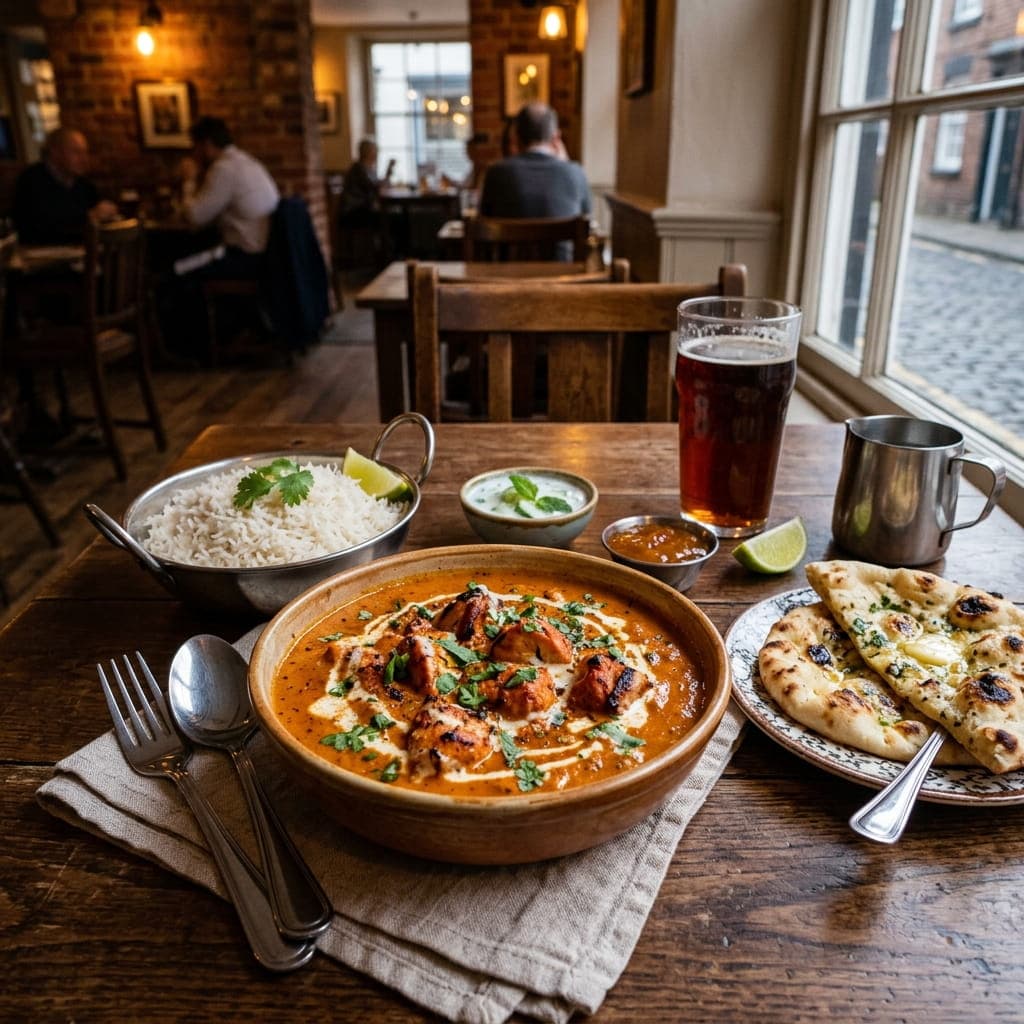
Widely credited as a British invention rather than a traditional Indian dish, chicken tikka masala was reportedly created when a curry house chef added a creamy tomato sauce to grilled chicken tikka for a customer who found it too dry. Today it's one of the most-ordered dishes in the UK, built on smoky, char-grilled chicken simmered in a rich, spiced tomato-cream sauce.
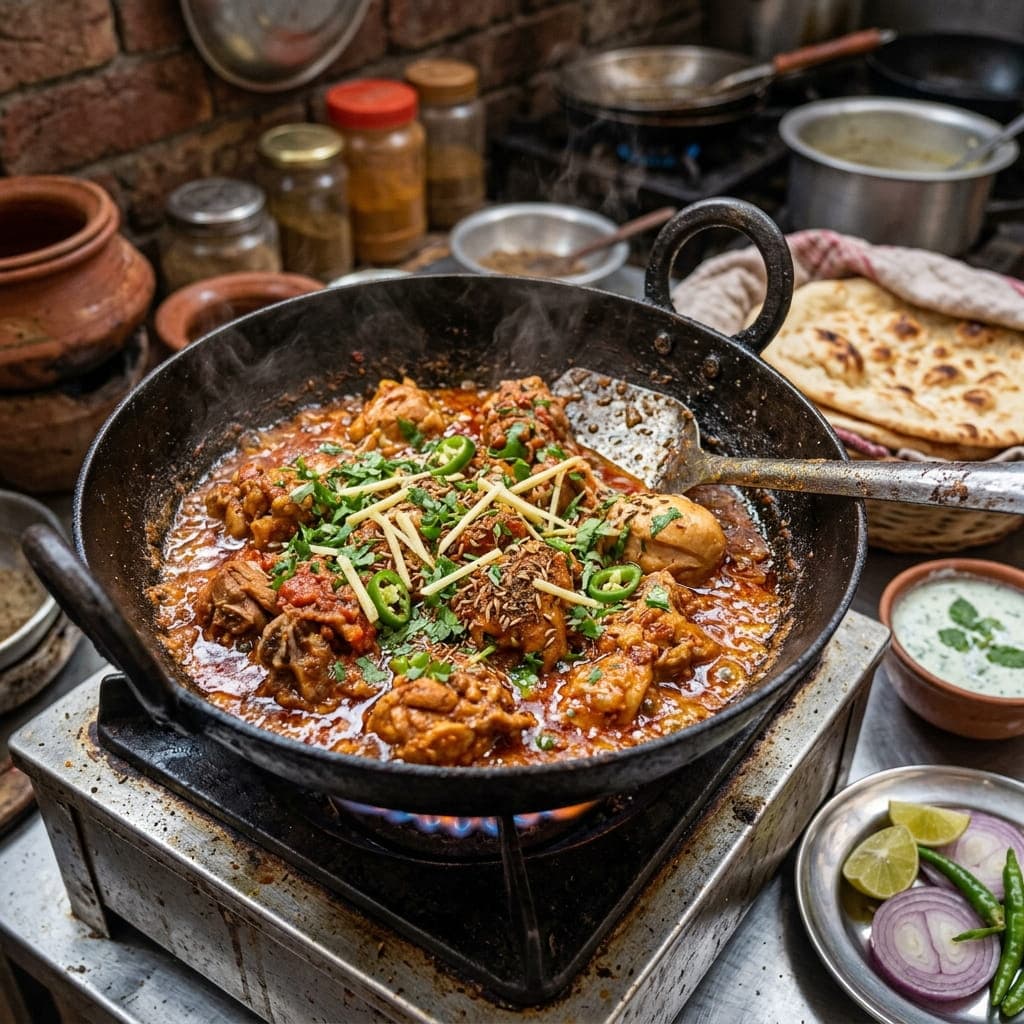
True chicken karahi, named after the wok-like pan it's cooked in, is traditionally made with no yogurt and few onions - just chicken, tomatoes, ginger, and green chilies reduced down through bhunna, the technique of stir-frying on high heat until the oil visibly separates from the masala. Originating in Khyber Pakhtunkhwa, this dry, tomato-forward curry is a Dhaba and restaurant staple across Pakistan.

The air fryer's rapidly circulating hot air crisps chicken skin nearly as well as deep frying, using a fraction of the oil and none of the mess. Bone-in, skin-on thighs hold up especially well to this method - the fat renders out of the skin as it cooks, basting the meat from the outside in while the coarsely cracked pepper forms a genuine crust.
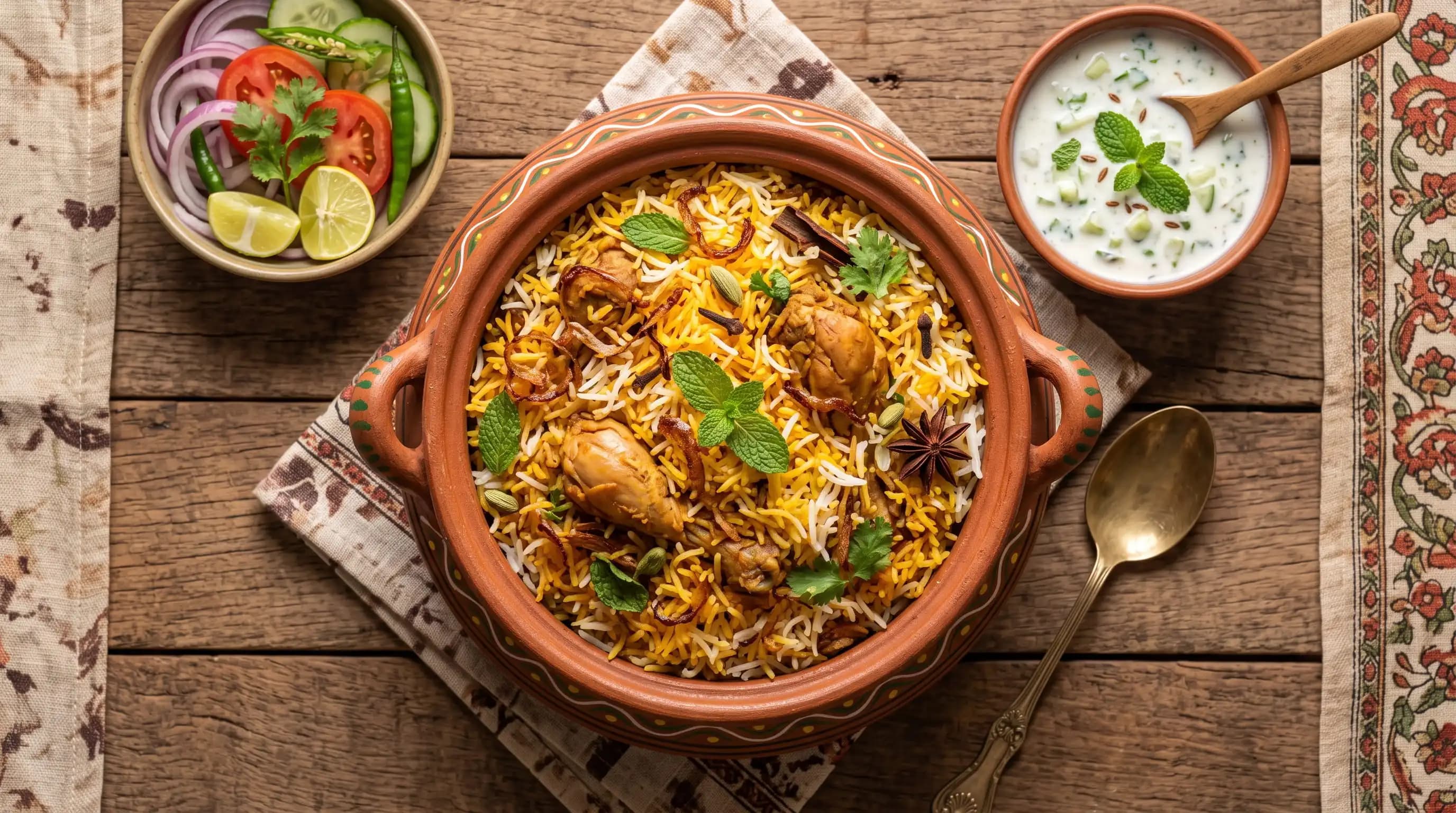
Learn how to make the ultimate restaurant-style Pakistani chicken biryani at home. Featuring perfectly fluffy, non-sticky basmati rice layered with a rich, highly aromatic, and juicy chicken masala (Korma) cooked using the traditional steam-trapping Dum method.