Loading...
Loading...
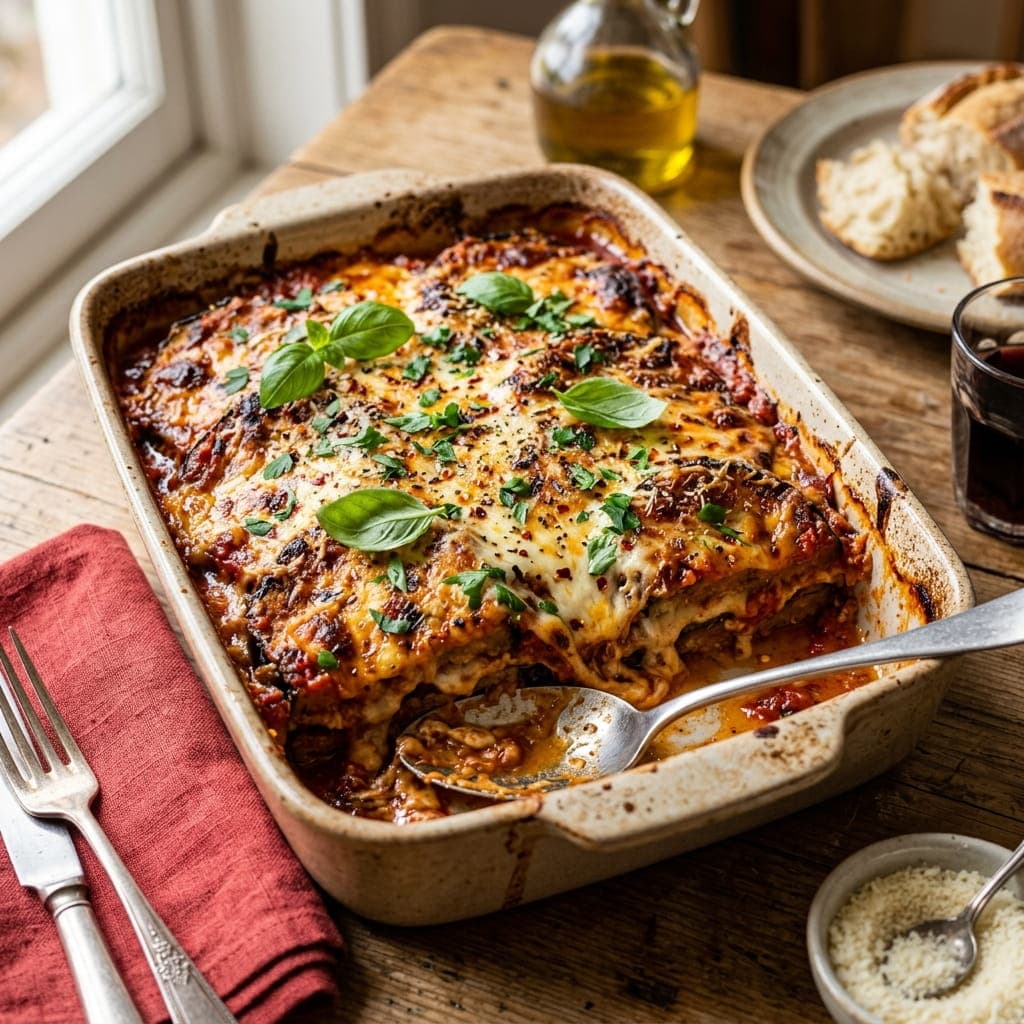
Salting sliced eggplant and letting it sit for 30 minutes draws out excess moisture and bitterness before it ever touches a pan - skip this step and the finished bake often turns watery and mushy instead of holding its shape in clean, layered slices. Baked rather than fried, this version keeps the classic layers of eggplant, marinara, and melted mozzarella without the mess of shallow frying each slice.
Per serving
340kcal
Calories
15g
Protein
20g
Carbs
23g
Prep Time
45 min
Cook Time
55 min
Servings
6 people
Difficulty
medium
Fat
6g
Fiber
9g
Sugar
Follow step-by-step with voice guidance.
Slice the eggplant into rounds about 1cm thick. Lay them on a wire rack or paper towels, sprinkle generously with salt on both sides, and let sit for 30 minutes to draw out excess moisture.
Pat the eggplant slices dry with paper towels to remove the released liquid and salt.
Preheat the oven to 220°C (425°F) and line two baking sheets with parchment paper.
Brush both sides of each eggplant slice with olive oil, arrange in a single layer on the baking sheets, and bake for 20-25 minutes, flipping halfway, until golden and tender.
Reduce the oven temperature to 190°C (375°F). Spread a thin layer of marinara sauce on the bottom of a baking dish.
Layer a portion of the roasted eggplant slices, followed by marinara sauce, a scattering of mozzarella, and a sprinkle of parmesan. Repeat the layers until all the eggplant is used, finishing with a generous layer of sauce and cheese on top.
Bake for 25-30 minutes, until the cheese is melted and golden and the sauce is bubbling.
Let rest for 10 minutes before slicing, then garnish with fresh basil.
Don't Skip Salting the Eggplant: This step draws out bitterness and excess water that would otherwise make the bake soggy - even 30 minutes makes a noticeable difference in the final texture. Bake, Don't Fry, the Eggplant Slices: Roasting them on a sheet pan first uses far less oil than traditional shallow-frying while still achieving a tender, lightly golden result. Let the Bake Rest Before Slicing: Cutting into it immediately after baking causes the layers to slide apart - a 10-minute rest lets everything set into clean, stackable slices.
Yes, this step draws out excess water and bitterness that would otherwise make the finished bake watery and less flavorful - it's a small extra step that makes a real difference in texture.
0 reviews • 0.0 / 5 Average Rating
No reviews yet. Be the first to review this recipe!
More Like This
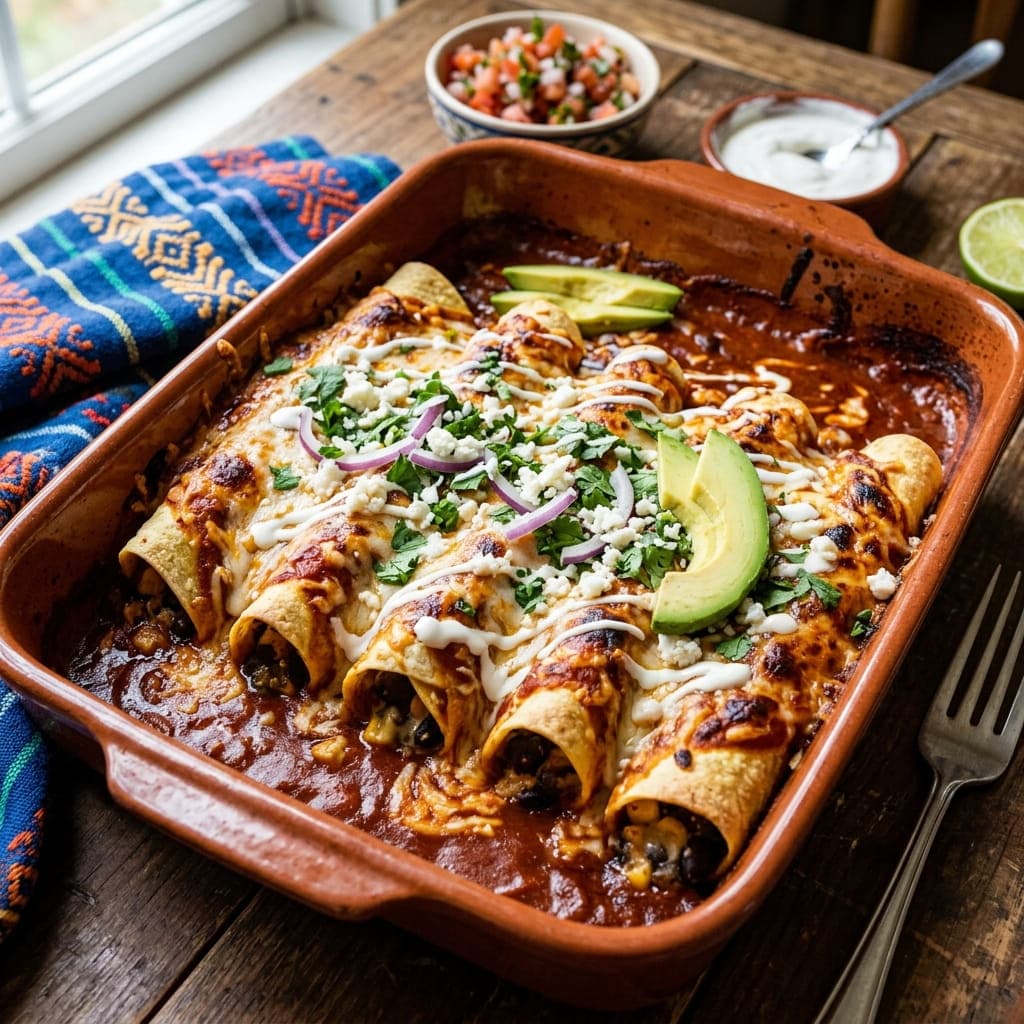
Lightly mashing half the black beans while leaving the rest whole gives this filling a texture that holds together when rolled without turning into a dense paste - the same trick that makes a good burrito filling. Warmed tortillas rolled around beans, corn, and cheese, then baked under a blanket of enchilada sauce, make this a genuinely filling vegetarian dinner that doesn't feel like it's missing meat.
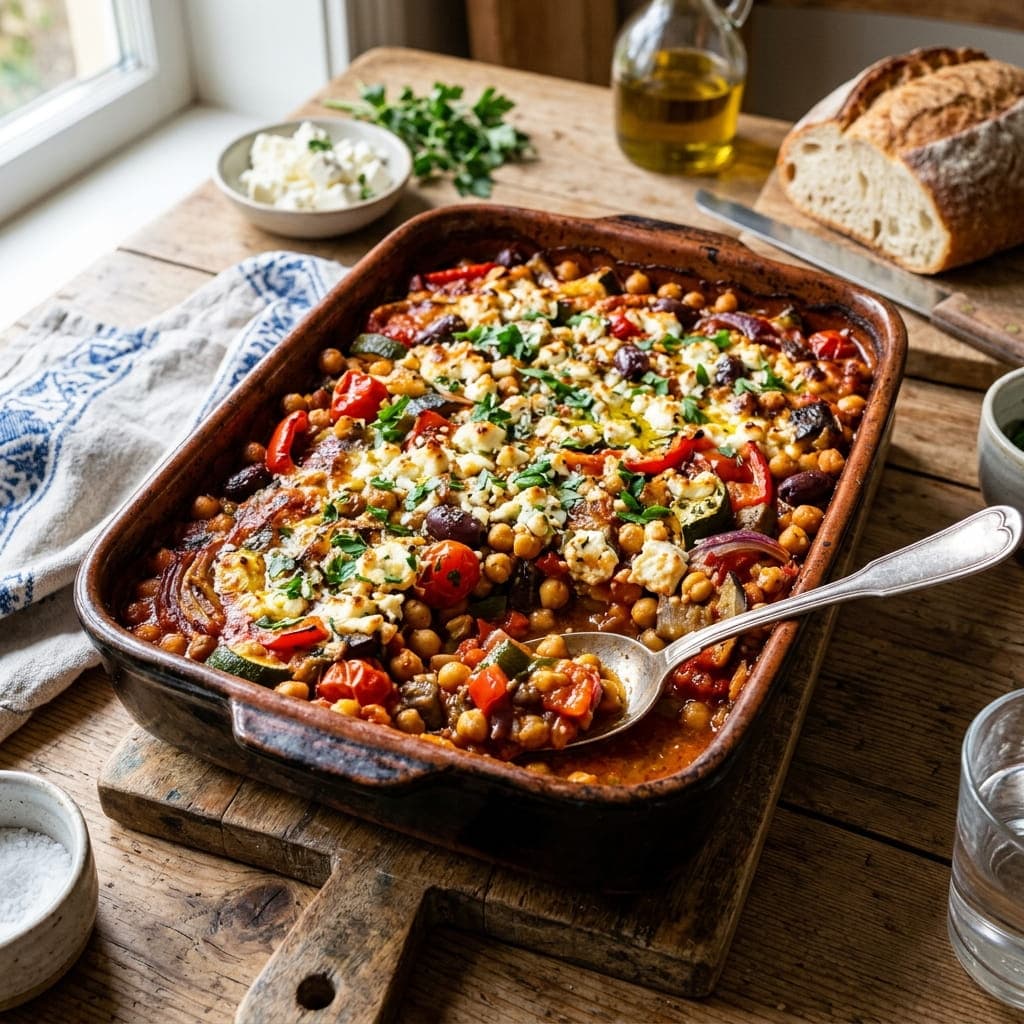
Roasting the vegetables separately first, before combining everything in a baking dish, concentrates their flavor through caramelization in a way that simmering them straight in a casserole never could. Chickpeas added toward the end soak up all that roasted vegetable flavor while holding their shape, making this a genuinely hearty, fully plant-based dinner.
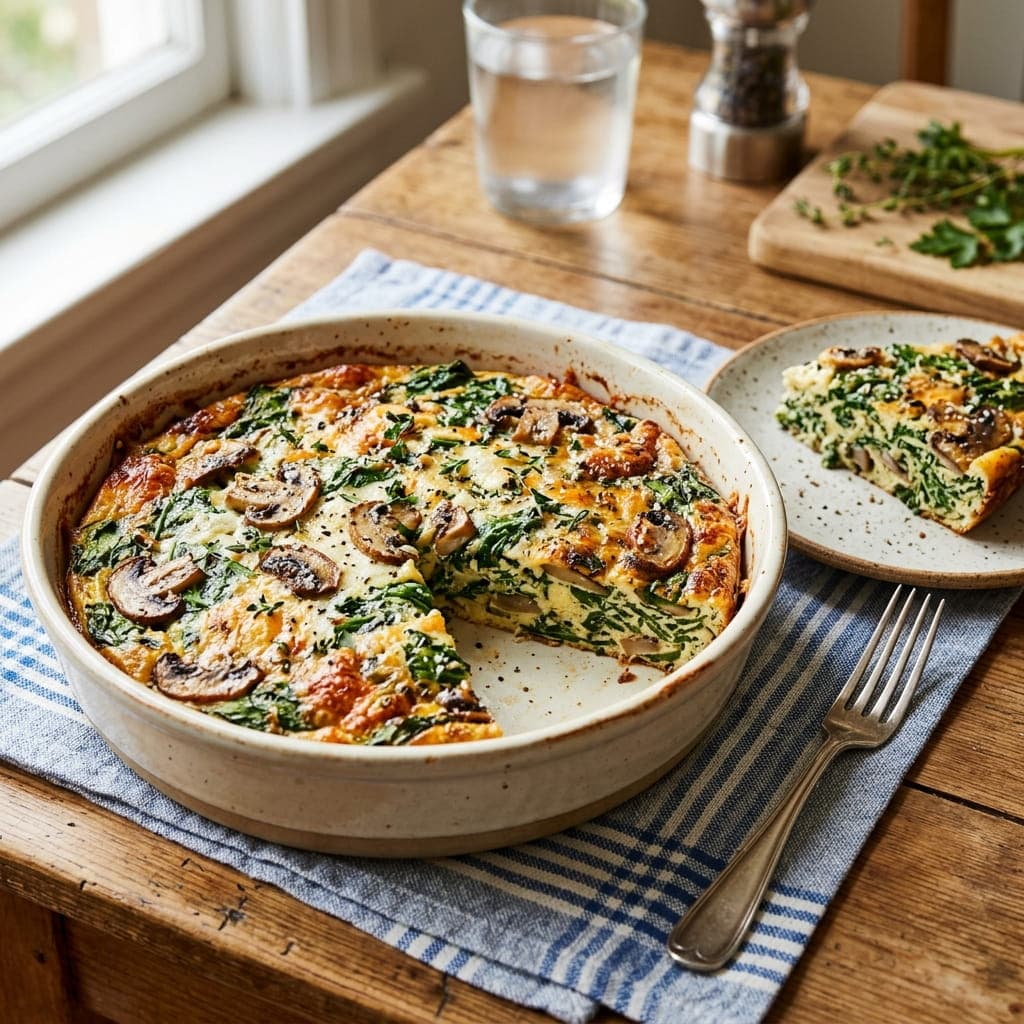
Skipping the pastry shell entirely - rather than trying to make a low-carb version of one - is what actually keeps this genuinely keto-friendly without sacrificing much in the way of texture. Mushrooms cooked until their released liquid fully evaporates before the eggs go in are what keep the finished quiche from turning watery, since baked egg dishes have almost no ability to cook off excess moisture themselves.
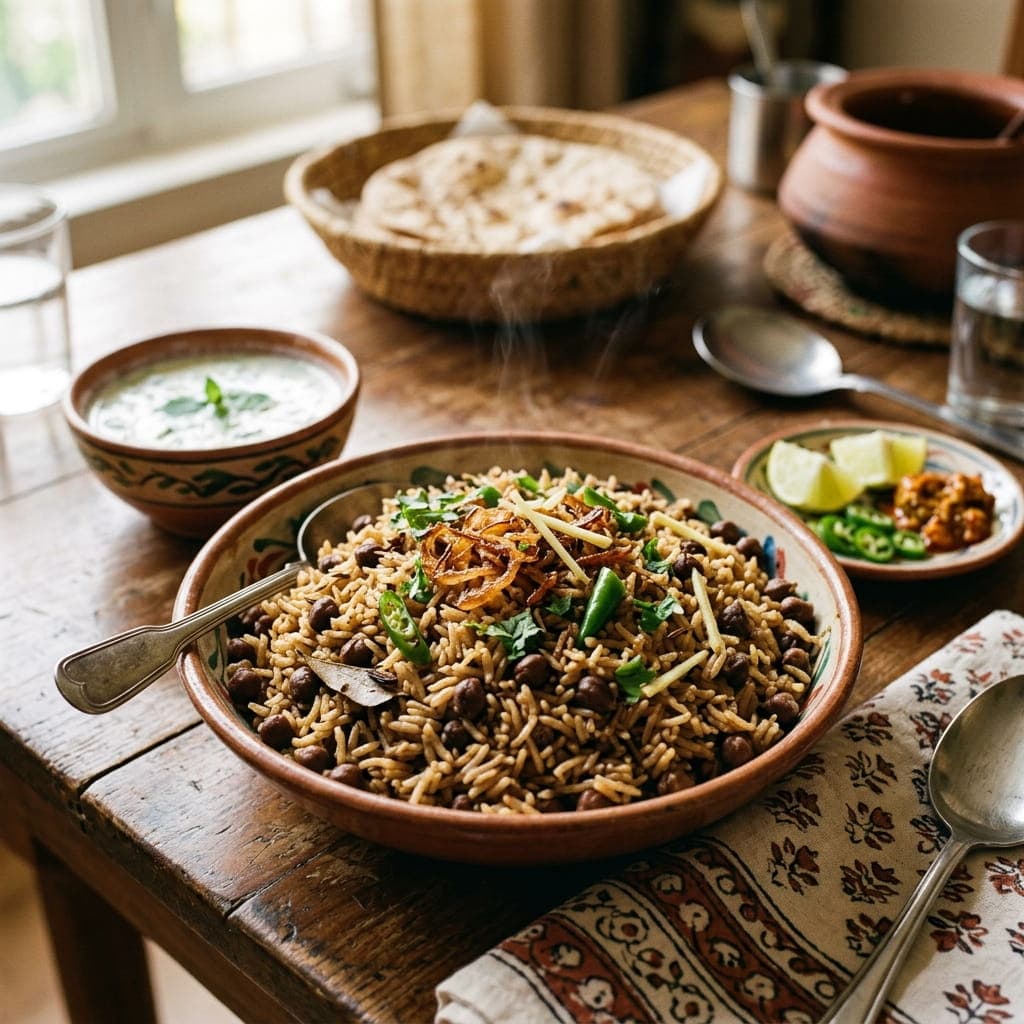
Kala chana (black chickpeas) take much longer to soften than their pale, canned cousins, which is why they're always boiled separately first before joining the rice - skipping that step leaves you with undercooked, chalky chana no amount of simmering with rice will fix. Earthier and firmer-textured than white chickpeas, they hold their bite beautifully in this aromatic, whole-spice pulao.