Loading...
Loading...
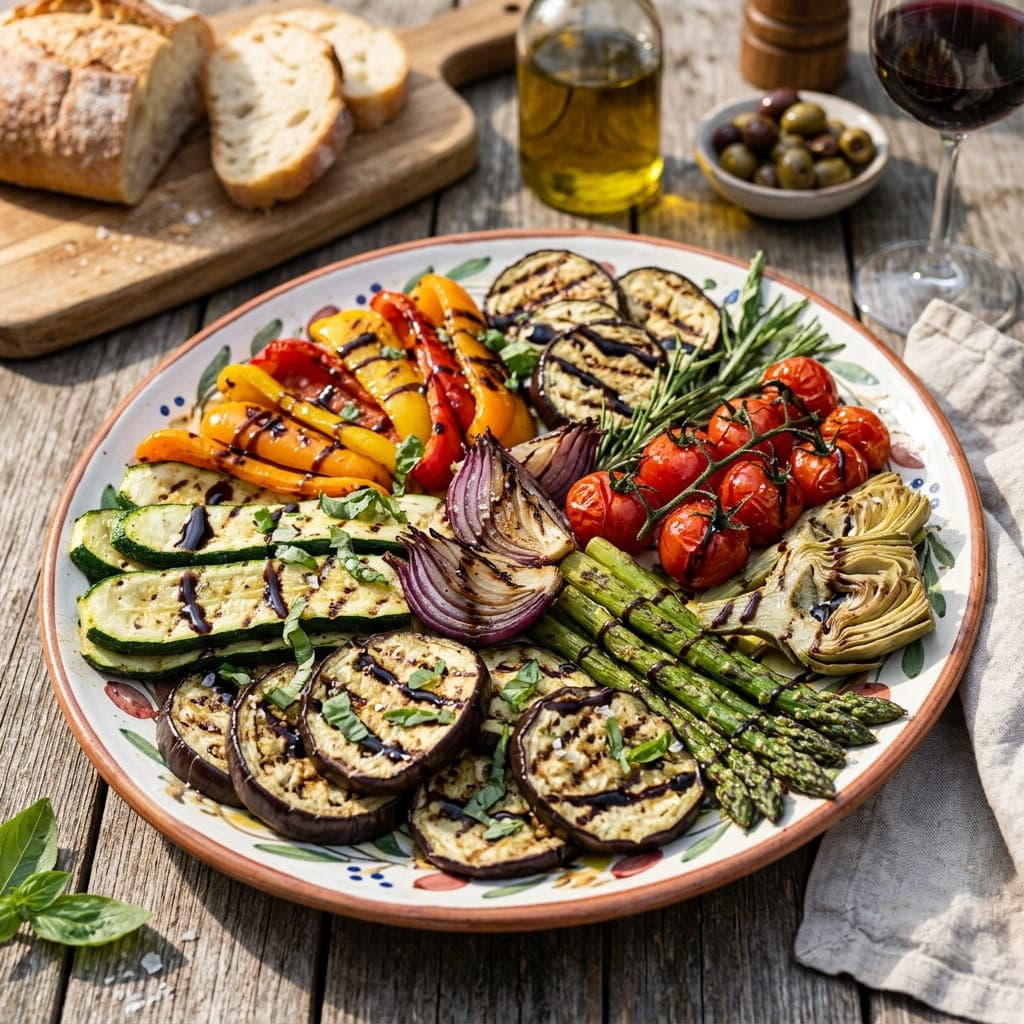
This cuts each vegetable to a thickness suited to how quickly it cooks, keeping denser vegetables like eggplant and zucchini thicker while more delicate ones like bell peppers stay in larger pieces, so everything finishes grilling at roughly the same time. Reducing balsamic vinegar into a syrupy glaze rather than drizzling it straight from the bottle gives the platter a concentrated sweetness that a thin vinegar can't match.
Per serving
140kcal
Calories
2g
Protein
16g
Carbs
Prep Time
20 min
Cook Time
25 min
Servings
6 people
Difficulty
easy
8g
Fat
3g
Fiber
10g
Sugar
Follow step-by-step with voice guidance.
Slice the zucchini and eggplant lengthwise into half inch thick planks.
Cut the bell peppers into large, flat pieces, and halve the red onion into thick rounds.
Toss all the vegetables with olive oil, salt, and pepper.
Preheat the grill to medium high heat.
Grill the vegetables in batches, turning occasionally, for 3 to 5 minutes per side, until tender and marked with char.
While the vegetables grill, add the balsamic vinegar to a small saucepan and simmer over medium heat for 6 to 8 minutes, until reduced by half and syrupy.
Arrange the grilled vegetables on a large platter.
Drizzle with the balsamic reduction.
Scatter fresh basil leaves over the top before serving.
Cut Vegetables to Suit Their Cooking Time: Keeping denser vegetables thicker and more delicate ones in larger pieces helps everything finish grilling at roughly the same time. Reduce the Balsamic Into a Glaze: Simmering it down concentrates its sweetness into a syrupy drizzle that coats the vegetables far better than a thin vinegar straight from the bottle. Don't Overcrowd the Grill: Working in batches ensures each vegetable gets direct contact with the grates for proper charring, rather than steaming from being packed too closely together.
Zucchini, eggplant, bell peppers, and red onion are classic choices, though mushrooms and asparagus can also be added, adjusting grilling time based on each vegetable's thickness and density.
0 reviews • 0.0 / 5 Average Rating
No reviews yet. Be the first to review this recipe!
More Like This
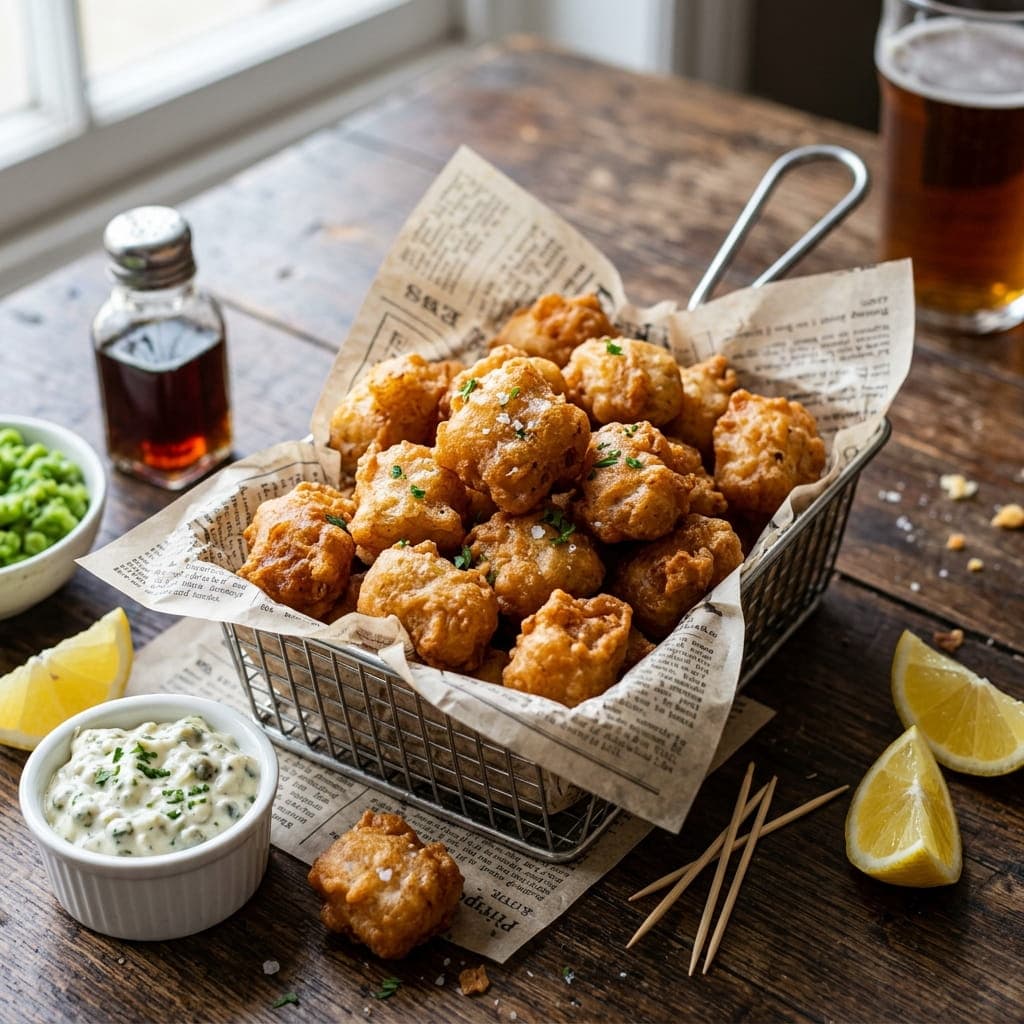
This uses a light beer batter, the same technique behind classic British fish and chips, since the carbonation in the beer creates tiny air bubbles that fry up into an exceptionally light, crisp coating rather than a heavy, doughy one. Cutting the fish into small, bite sized cocktail pieces rather than full fillets is what makes these fun, poppable party food instead of a sit down plated meal.
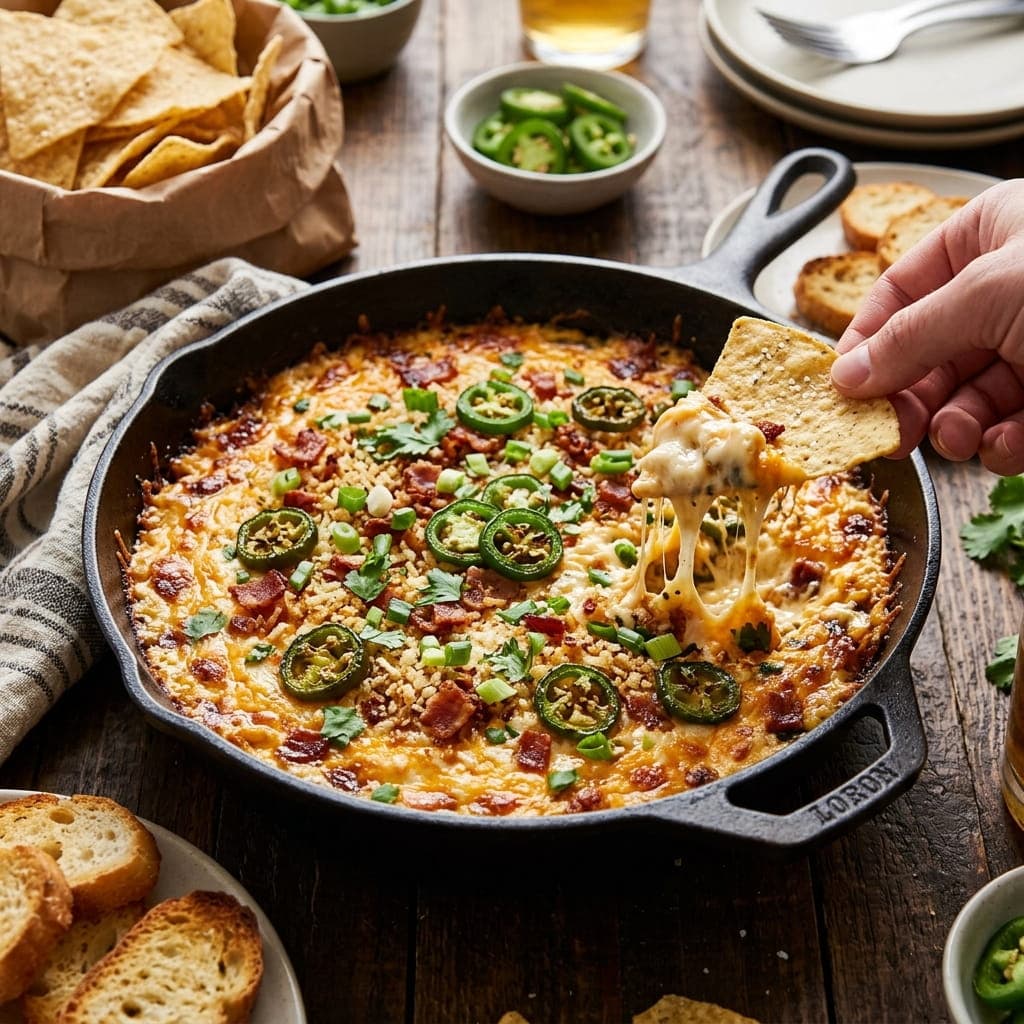
This roasts the jalapenos briefly before mixing them into the dip, which mellows their raw sharpness into a rounder, slightly smoky heat rather than a harsh bite that can overpower the creamy base. A crunchy panko breadcrumb topping, toasted separately in butter before baking, mimics the crispy fried coating found on classic jalapeno poppers without needing to deep fry anything.
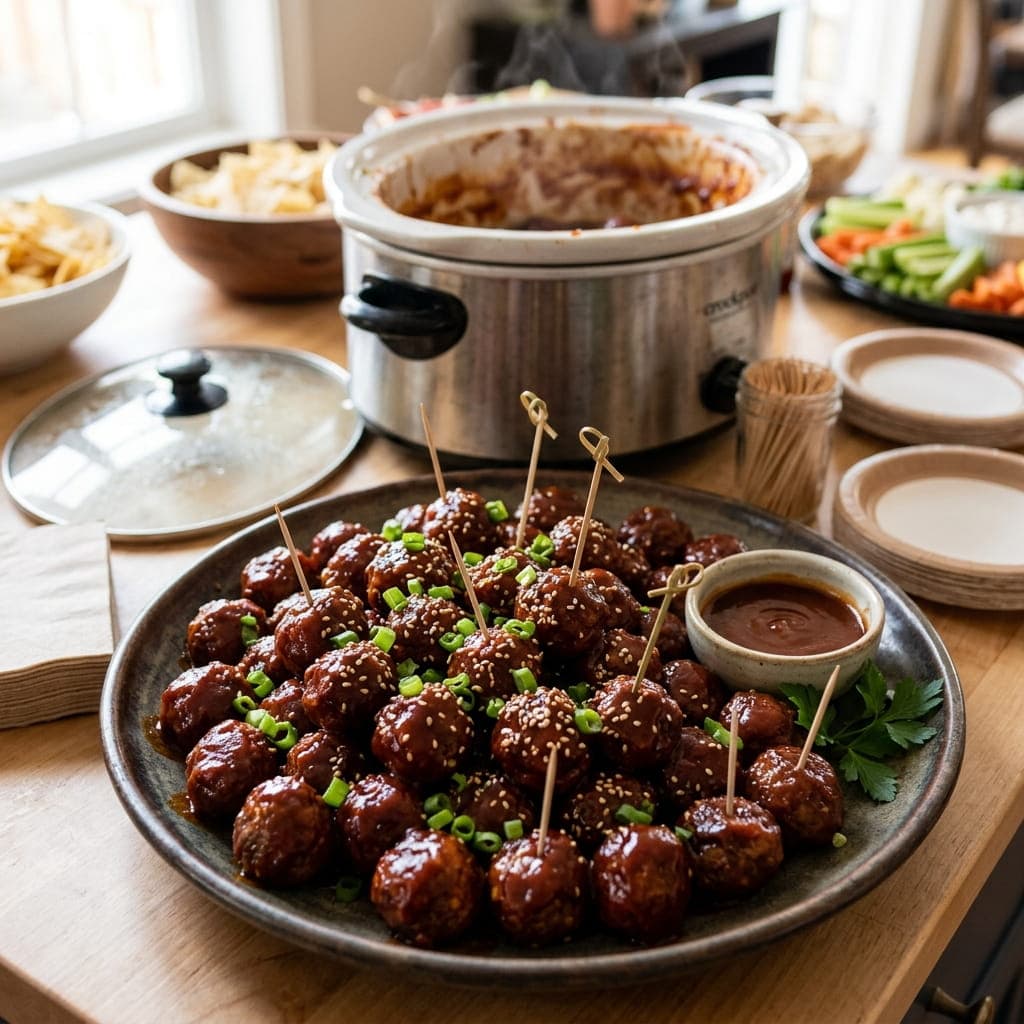
This browns the meatballs briefly in a skillet before they go into the slow cooker, a step that builds a caramelized crust the slow cooker's gentle heat alone can't achieve, since braising them straight from raw would leave the surface pale and steamed rather than seared. Letting the meatballs simmer in the sauce for hours rather than just warming through allows them to soak up the barbecue flavor all the way to the center.
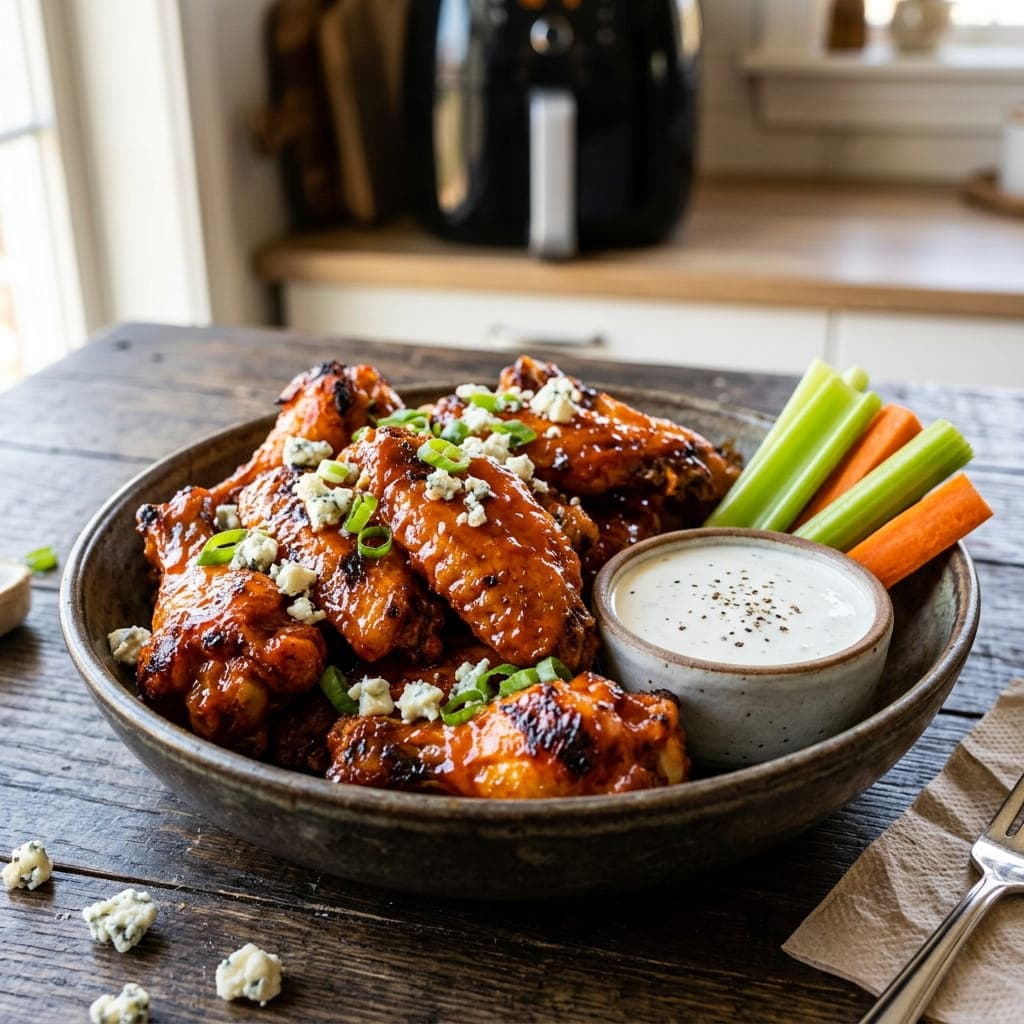
This tosses the wings in a light coating of baking powder before air frying, a technique that draws moisture to the surface and alters the skin's pH to help it crisp up remarkably well without deep frying in oil. Tossing the wings in buffalo sauce only after they're fully cooked and crispy keeps that crunch intact instead of the sauce turning them soft.