Loading...
Loading...
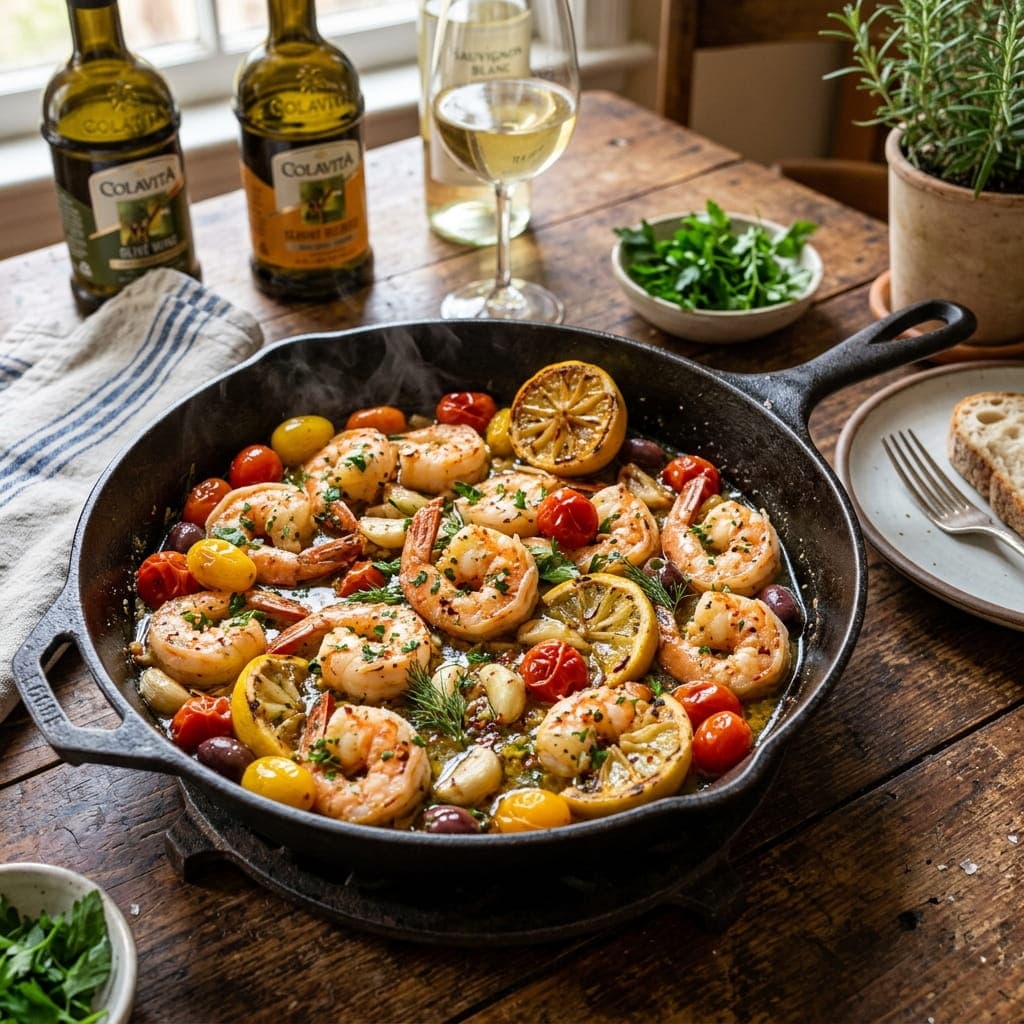
Shrimp only needs two or three minutes per side, which makes overcooking the single biggest risk in any shrimp dish - go even a minute too long and they turn rubbery instead of tender. This one relies on nothing more than garlic, lemon, and butter melting together in the same pan the shrimp just cooked in, ready before rice or pasta on the side even finishes.
Prep Time
10 min
Per serving
260kcal
Calories
26g
Protein
4g
Carbs
Cook Time
8 min
Servings
3 people
Difficulty
easy
16g
Fat
1g
Sugar
Follow step-by-step with voice guidance.
Pat the shrimp completely dry with paper towels and season with the salt and black pepper.
Heat the olive oil in a large skillet over medium-high heat. Add the shrimp in a single layer and cook for 1-2 minutes per side, until pink and opaque. Remove and set aside.
Reduce the heat to medium and add the butter and minced garlic to the same skillet, cooking for 30-60 seconds until fragrant but not browned.
Add the lemon juice, lemon zest, and red pepper flakes, stirring to combine and scraping up any browned bits from the bottom of the pan.
Return the shrimp to the skillet, tossing to coat in the garlic-lemon butter, and cook for another minute to warm through.
Remove from the heat and stir in the chopped fresh parsley.
Serve immediately with crusty bread or over rice or pasta.
Watch the Shrimp Closely: Shrimp cook extremely fast and go from perfectly tender to rubbery within a minute or two of overcooking, so pull them from the heat as soon as they turn pink and opaque. Don't Let the Garlic Brown: Burnt garlic turns bitter quickly, so keep the heat at medium once you add it and remove the pan from heat immediately if it starts to color too fast. Zest Before You Juice: Zesting the lemon before squeezing it is far easier than trying to zest a lemon that's already been juiced.
Properly cooked shrimp turn pink and opaque, and curl into a loose 'C' shape - a tightly curled 'O' shape is a sign they've been overcooked and may turn rubbery.
0 reviews • 0.0 / 5 Average Rating
No reviews yet. Be the first to review this recipe!
More Like This
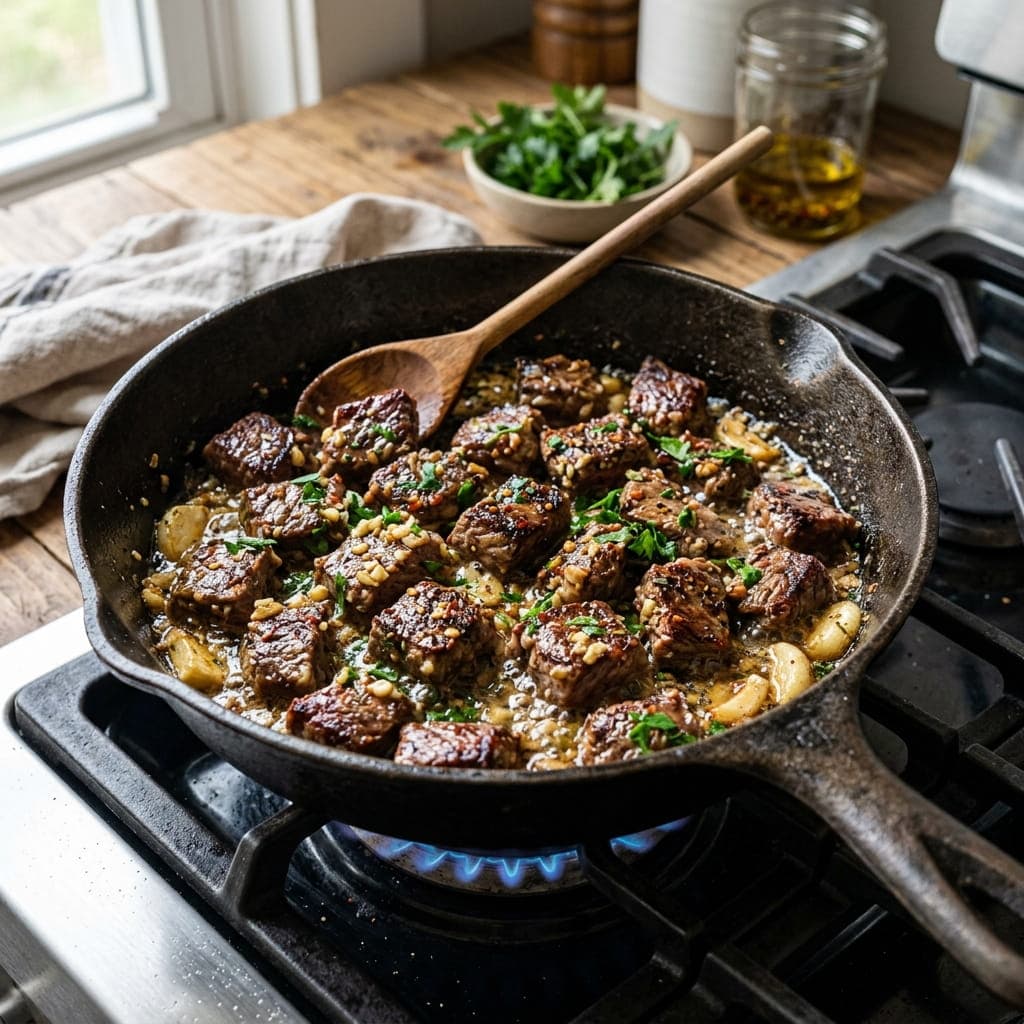
Cutting steak into bite-sized cubes before cooking means more total surface area touching the hot pan, so you get a higher ratio of that deeply seared, caramelized crust in every piece than you would slicing a whole steak after cooking. Butter, garlic, and thyme melt into the pan drippings at the end, turning into a quick sauce that clings to every cube.
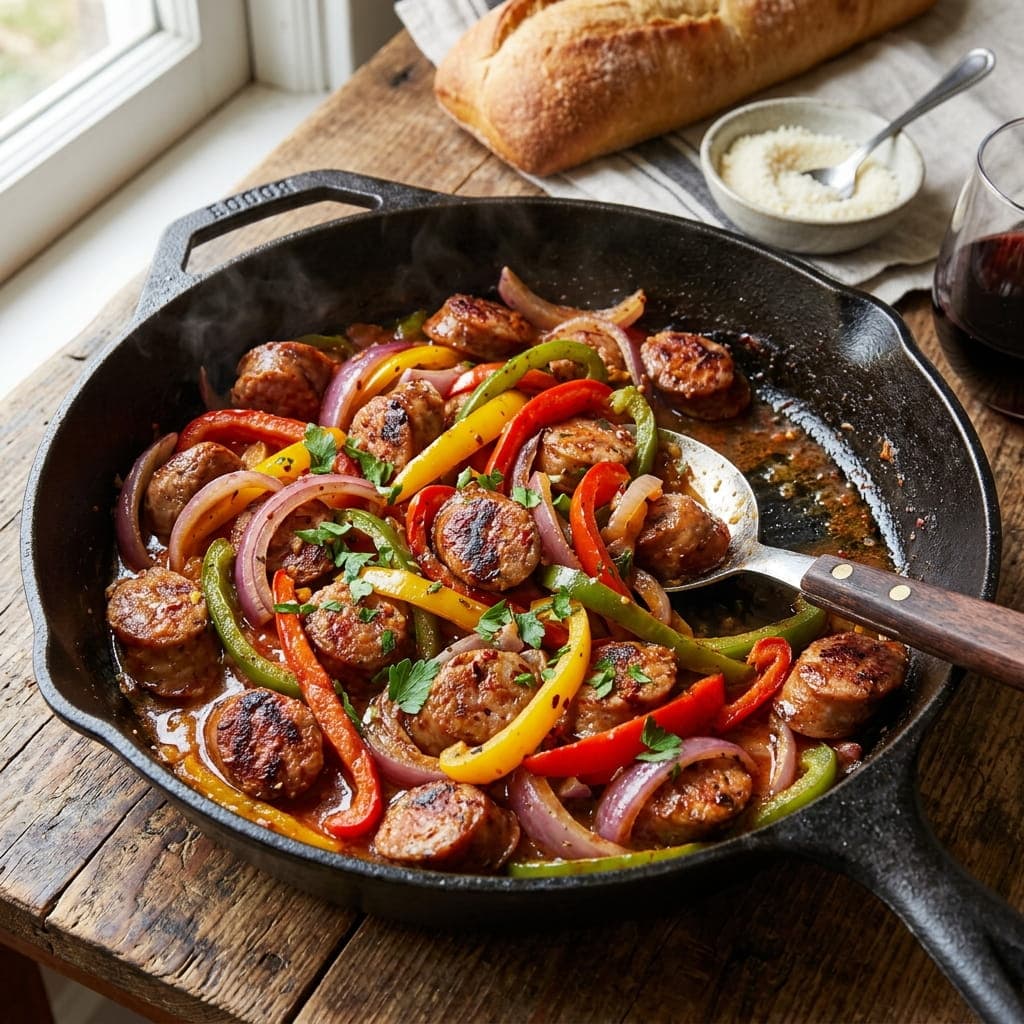
This is Italian-American red sauce joint cooking distilled to one pan - sausage links browned first for flavor, then simmered with peppers and onions until everything softens into a saucy, rustic mixture. Good enough on its own with crusty bread, but built to be piled into a hoagie roll just as easily.
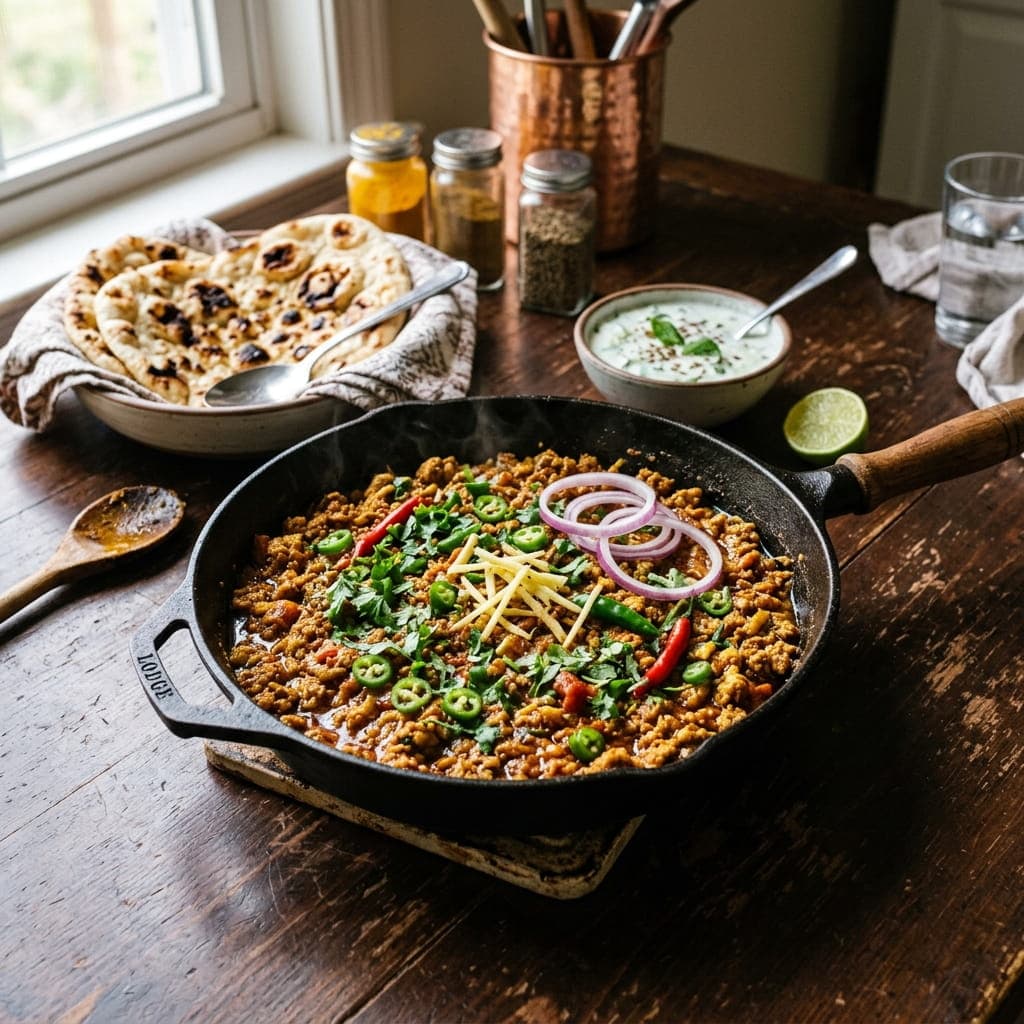
Ground chicken cooks in a fraction of the time that a curry with bone-in meat would take, which is exactly why keema is the dish most Pakistani households turn to on a weeknight when there's no time to spare. Everything happens in one pan - onions, tomatoes, spices, and mince simmered down together until the oil separates and the whole thing turns thick and deeply savory.
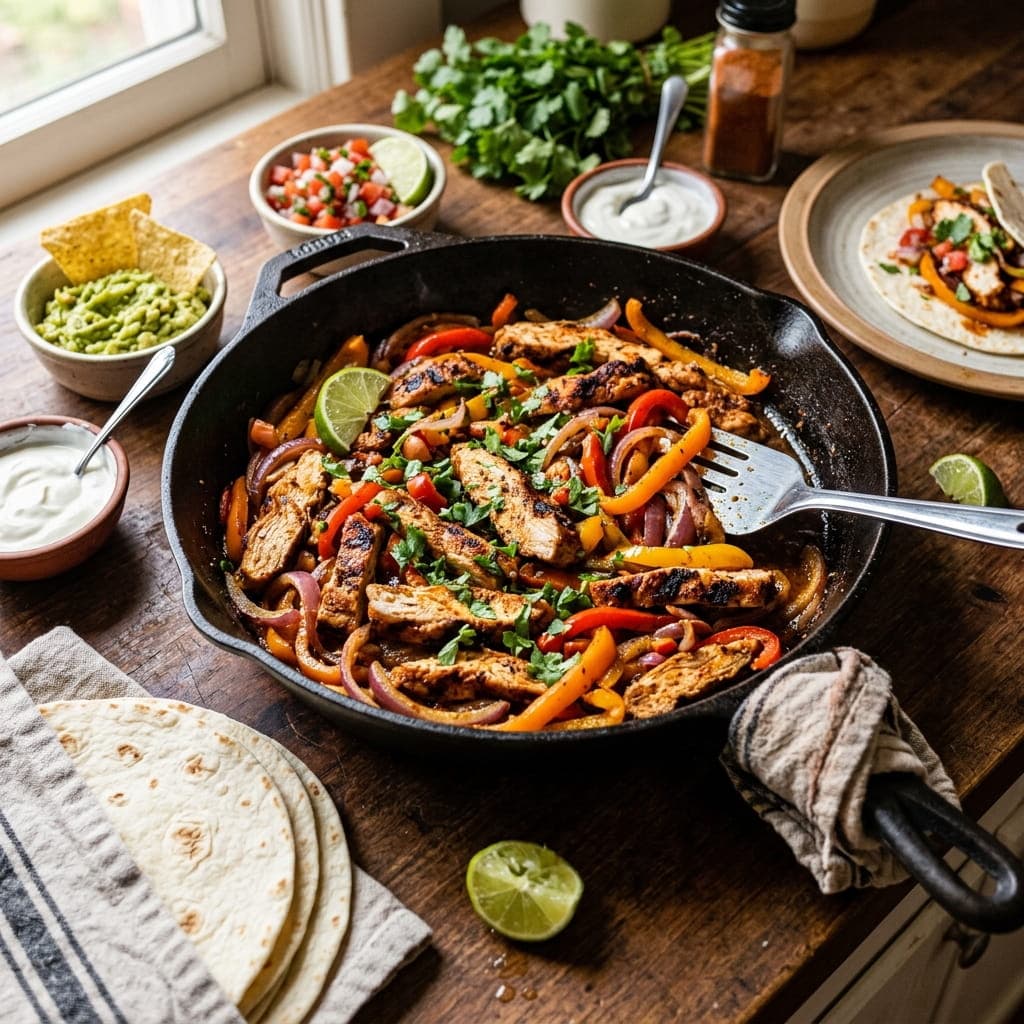
The audible sizzle when peppers and onions hit a screaming-hot pan isn't just for show - that high heat is what chars the vegetable edges in minutes instead of steaming them soft. Thin-sliced chicken cooks at the same speed, so the whole thing comes together in one pan, one pass, with no waiting around between steps.