Loading...
Loading...
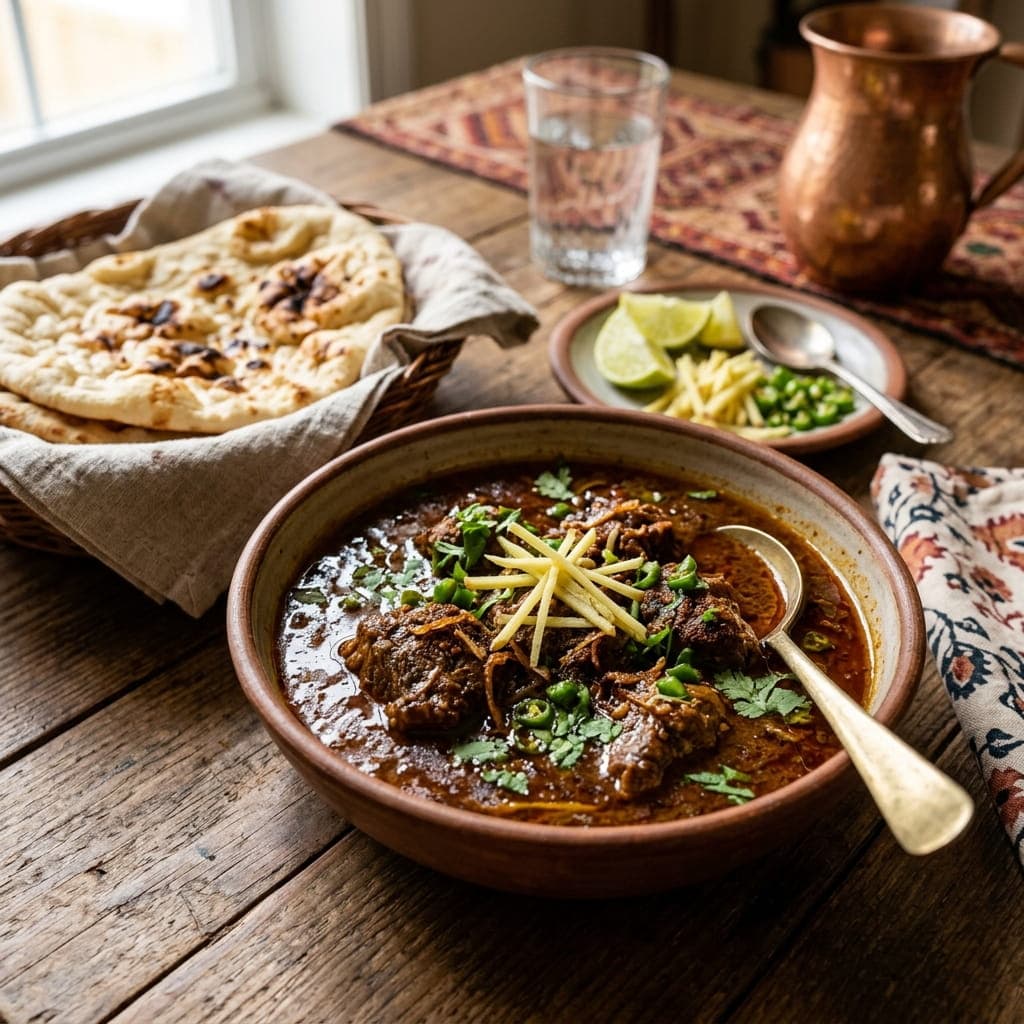
This Pakistani Slow-Cooked Nihari with Ginger is a rich, deeply spiced beef shank stew simmered for hours until the meat is meltingly tender and the gravy turns dark, glossy, and intensely aromatic. Traditionally eaten for breakfast, this Mughal-era classic is finished with fresh ginger, green chilies, and a squeeze of lemon for that unmistakable nihari kick.
Prep Time
20 min
Per serving
440kcal
Calories
Cook Time
240 min
Servings
6 people
Difficulty
medium
38g
Protein
10g
Carbs
27g
Fat
1g
Fiber
2g
Sugar
Follow step-by-step with voice guidance.
Heat the oil in a large heavy-bottomed pot over medium heat. Add the sliced onion and fry until deep golden brown, about 10-12 minutes; remove half for garnish and set aside.
Add the beef shank pieces and ginger-garlic paste to the pot, and fry on medium-high heat until the meat browns slightly, about 8-10 minutes.
Stir in the nihari masala, red chili powder, and salt, mixing well to coat the meat. Cook for 2-3 minutes until fragrant.
Add enough water to fully submerge the meat, bring to a boil, then reduce to a low simmer. Cover and cook for 3-4 hours (or pressure cook for 45-50 minutes, then simmer uncovered for 30 minutes), until the meat is extremely tender and the gravy has reduced and thickened.
Dissolve the wheat flour in a little cold water to make a smooth slurry, then stir it into the pot to thicken the gravy further. Simmer for another 15-20 minutes, stirring occasionally.
Just before serving, stir in most of the julienned ginger and green chilies, reserving some for garnish.
Ladle the nihari into bowls, top with the reserved fried onions, julienned ginger, green chilies, and a scattering of fresh coriander, and serve hot with naan and lemon wedges.
Low and Slow Is Non-Negotiable: Nihari gets its signature melt-in-the-mouth texture from hours of gentle simmering - rushing this step leaves the meat tough and the flavors underdeveloped. Don't Skip the Fresh Ginger Garnish: The julienned ginger added right before serving is what gives nihari its distinctive sharp, fresh kick that balances the deep, slow-cooked richness. Use Bone-In Shank: The bone marrow and connective tissue in beef shank slowly dissolve into the gravy during the long cook, giving nihari its characteristic thick, glossy texture.
Beef shank with the bone in is the classic choice, since the marrow and connective tissue break down slowly during the long simmer, giving the gravy its rich, thick texture.
0 reviews • 0.0 / 5 Average Rating
No reviews yet. Be the first to review this recipe!
More Like This
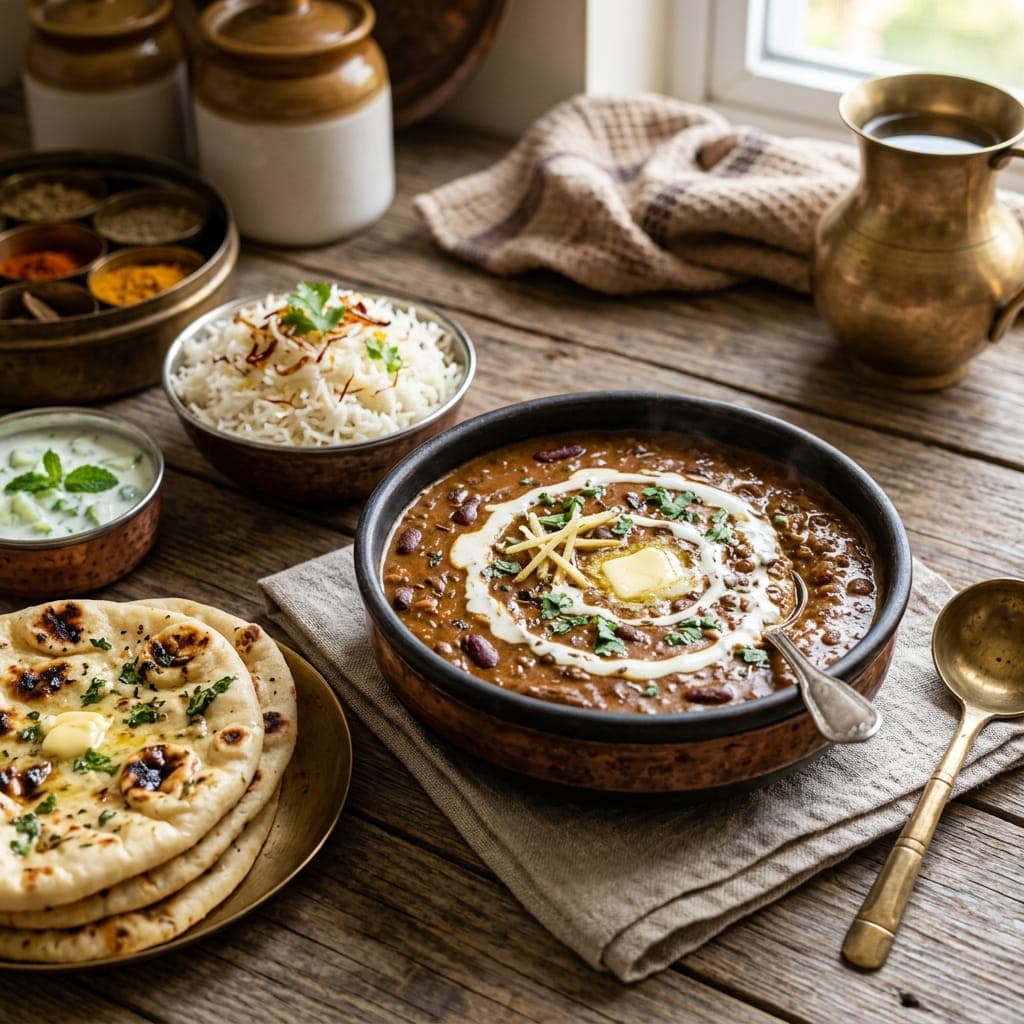
This Indian Slow-Cooked Dal Makhani simmers whole black lentils and kidney beans low and slow until they turn irresistibly creamy, finished with a swirl of butter and cream for that classic North Indian restaurant richness. Patience is the real secret ingredient here - the longer it simmers, the deeper and silkier it becomes.
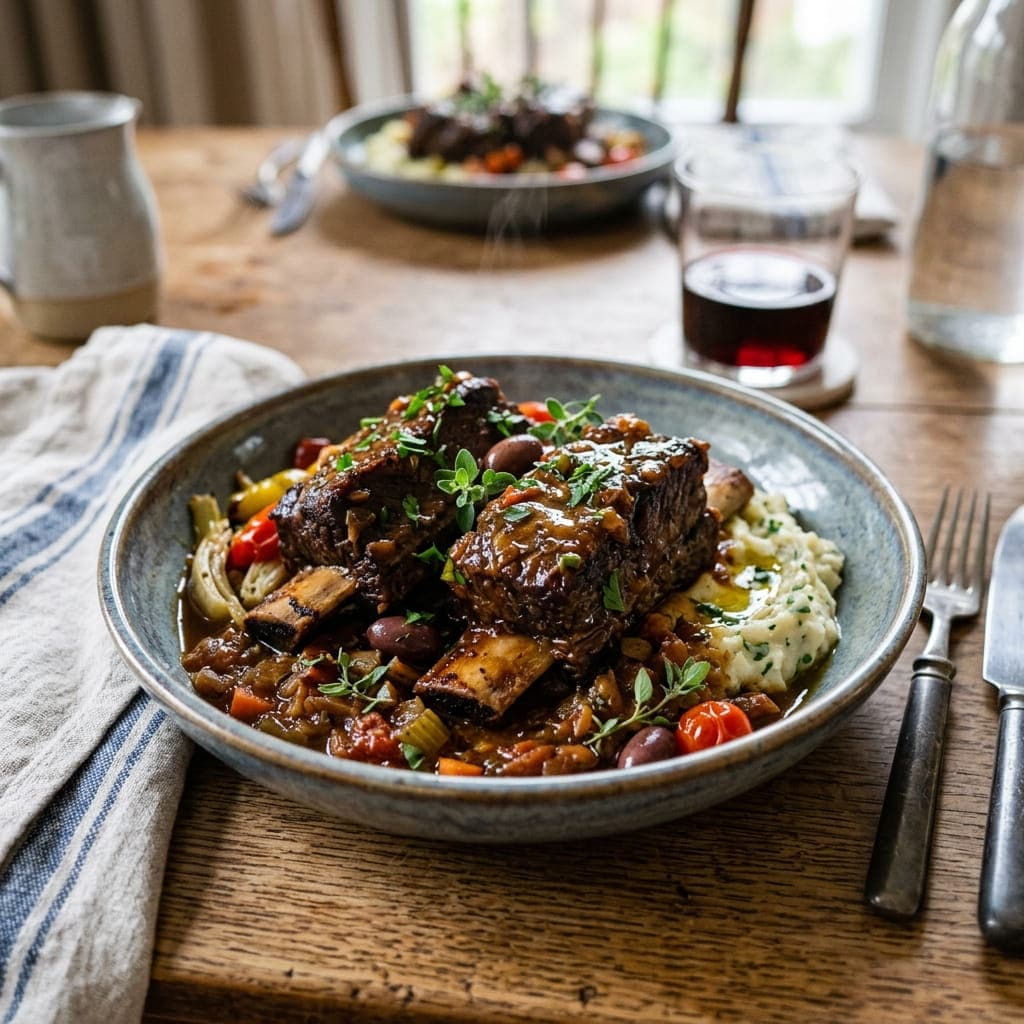
These Braised Mediterranean Beef Short Ribs are seared until deeply caramelized, then slow-braised in a bright tomato, red wine, and herb sauce until they're fall-off-the-bone tender. Olives and a hint of cinnamon give this dish an unmistakable Mediterranean warmth, perfect served over polenta or crusty bread.
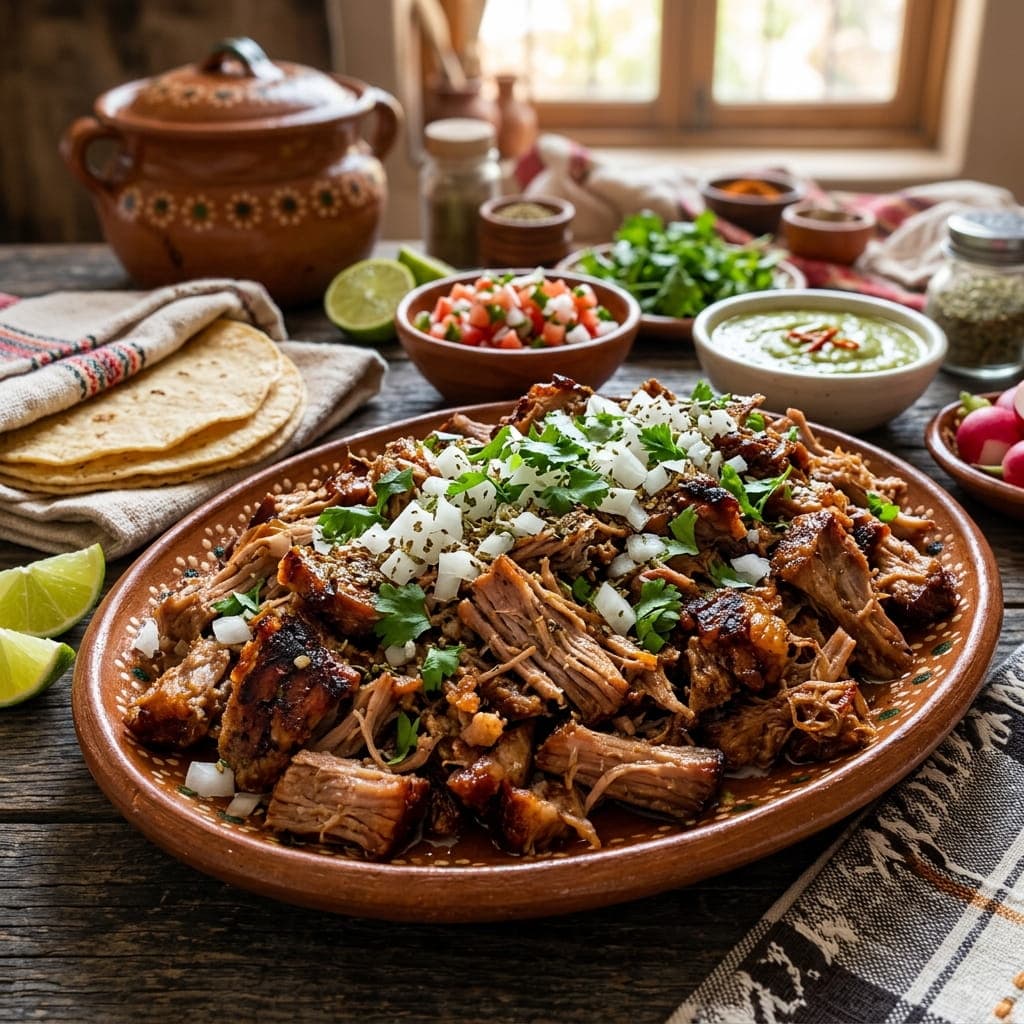
These Slow-Cooked Mexican Pork Carnitas transform a humble pork shoulder into tender, citrus-and-spice infused meat that's then crisped up until the edges turn golden and caramelized. Perfect piled into tacos, burritos, or bowls, this is the same restaurant-style carnitas method used in taquerias, made easy at home.
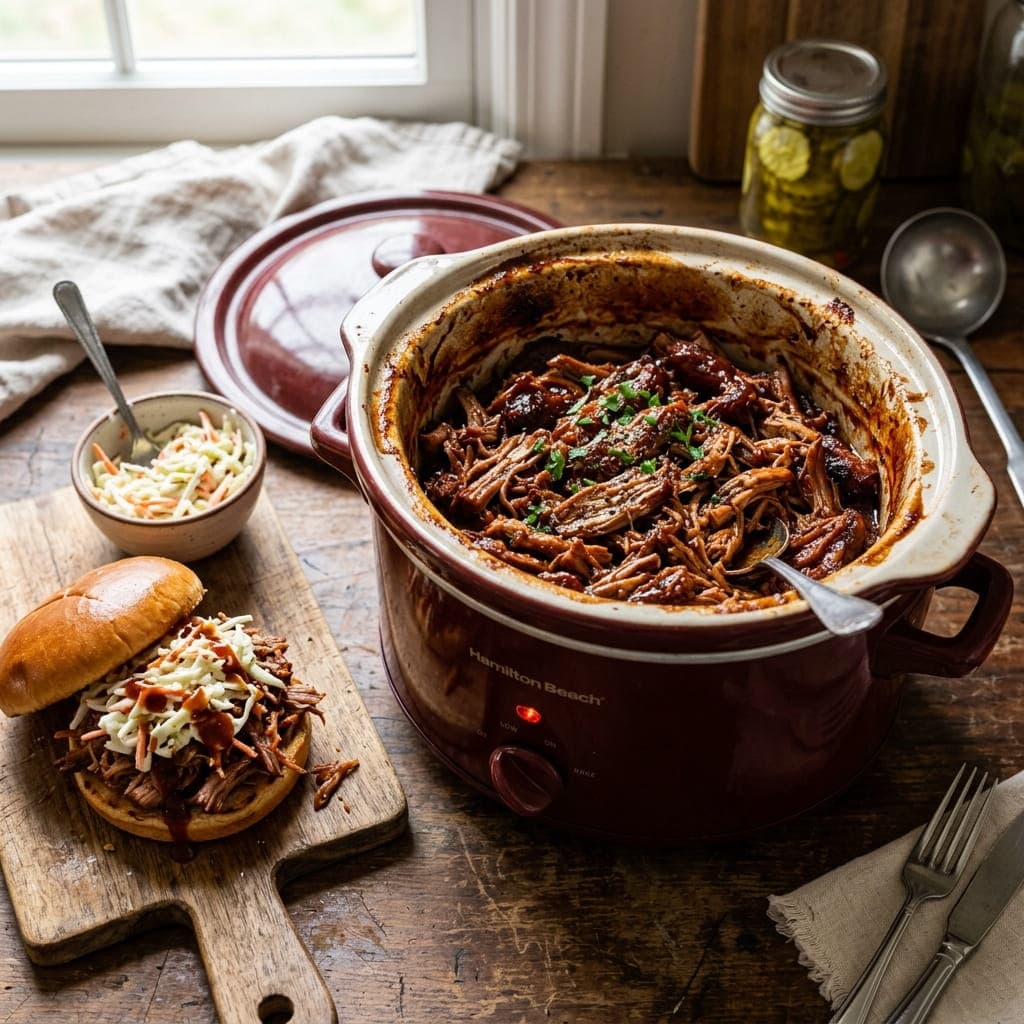
This Crockpot BBQ Pulled Pork Shoulder needs just a few minutes of prep before the slow cooker takes over, turning a tough cut of pork into fall-apart tender, smoky-sweet shredded meat. Toss it with a tangy barbecue sauce and pile it onto buns for the easiest crowd-pleasing dinner in your rotation.