Loading...

Loading...
Salting the sliced onions and letting them sit before mixing draws out just enough natural moisture to bind with the gram flour, meaning little to no extra water is needed in the batter - too much water is the most common reason bhajis turn greasy instead of crisp. Fried in small, loosely packed clusters rather than dense balls, these have plenty of crispy, craggy edges throughout.
Per serving
190kcal
Calories
5g
Protein
22
Prep Time
20 min
Cook Time
15 min
Servings
4 people
Difficulty
medium
Carbs
10g
Fat
4g
Fiber
3g
Sugar
Follow step-by-step with voice guidance.
Thinly slice the onions and place in a bowl. Sprinkle with a pinch of salt and let sit for 10-15 minutes, until they release some moisture.
Add the gram flour, rice flour, red chili powder, turmeric, cumin seeds, and chopped green chilies to the onions, mixing thoroughly - the released onion moisture should be enough to bring the mixture together into a thick, coating batter (add a splash of water only if truly needed).
Stir in the chopped coriander leaves and remaining salt.
Heat the oil in a deep pan to about 175°C (350°F).
Using your hands or a spoon, drop small, loosely packed clusters of the onion mixture into the hot oil, frying in batches to avoid overcrowding.
Fry for 3-4 minutes per side, until deep golden and crisp.
Drain on a wire rack and serve hot with mint chutney or ketchup.
Salt the Onions First, Don't Add Extra Water: Letting the onions release their own moisture through salting is usually enough to bind the batter - adding water on top of this often makes the bhajis greasy and less crisp. Keep the Clusters Loose, Not Packed: Dropping loosely formed clumps into the oil, rather than tightly packed balls, creates more surface area and craggy edges that fry up extra crispy. Maintain a Steady Oil Temperature: Frying at too low a temperature makes the bhajis absorb excess oil and turn greasy, while too high scorches the outside before the inside cooks through - aim for a steady 175°C.
This usually means too much water was added to the batter, or the oil temperature was too low - rely on the onion's own released moisture to bind the batter and maintain a steady 175°C oil temperature.
0 reviews • 0.0 / 5 Average Rating
No reviews yet. Be the first to review this recipe!
More Like This
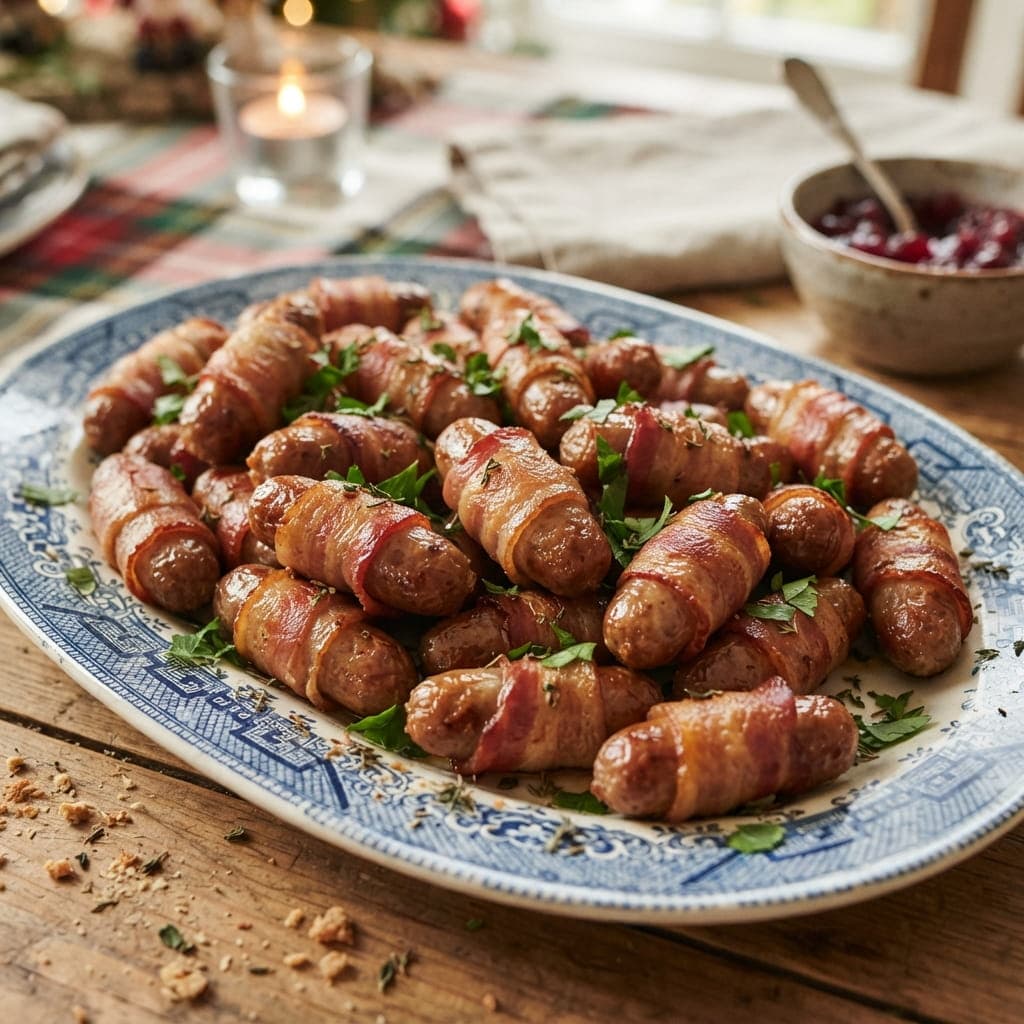
A British Christmas dinner staple, these small cocktail sausages wrapped in bacon depend on the bacon rendering fully to crisp before the sausage inside dries out - which is why starting them at a slightly lower oven temperature and finishing hot is more reliable than blasting the heat the whole time. A light brush of honey or maple syrup near the end caramelizes into a sticky glaze that makes these disappear fast off any party platter.
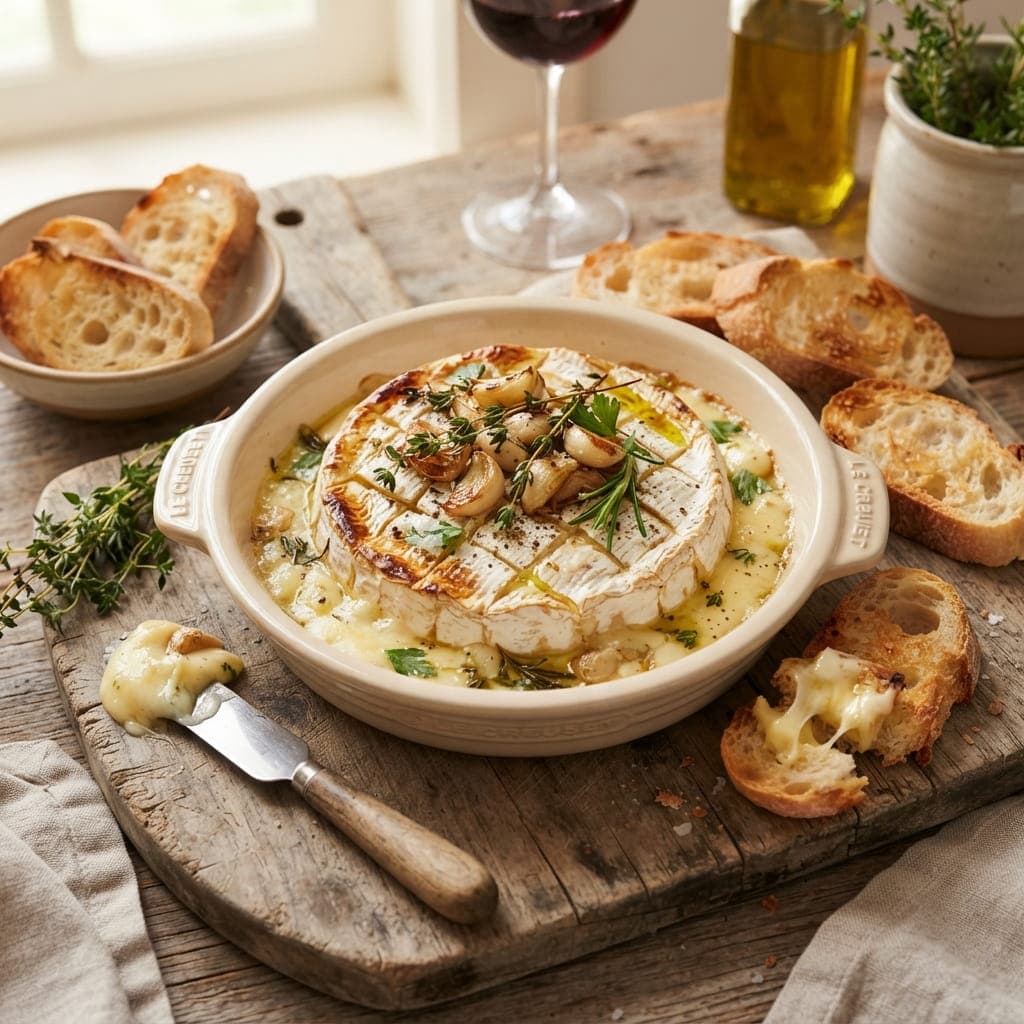
Scoring a shallow criss-cross pattern into the top rind before baking gives the garlic and herb oil somewhere to seep in, rather than just sitting on the surface. Baked just until the center turns molten, this whole wheel becomes an effortless centerpiece that needs nothing more than a knife and some bread for scooping.
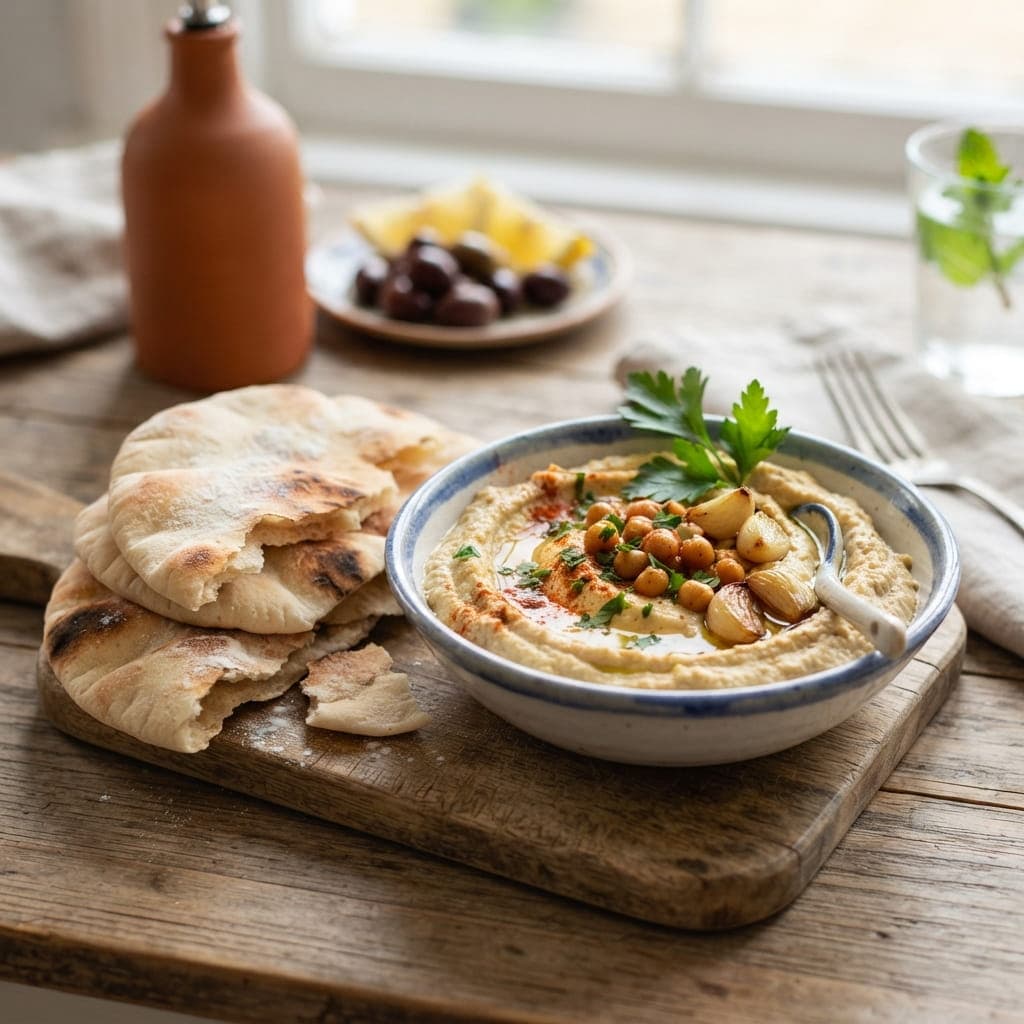
Peeling the skins off the chickpeas - tedious as it sounds - is the single biggest factor in getting genuinely silky, restaurant-style hummus rather than a slightly grainy dip. Blending the tahini and lemon juice together first, before adding the chickpeas, is a lesser-known trick that whips the tahini into a lighter, fluffier base that makes the final texture noticeably smoother.
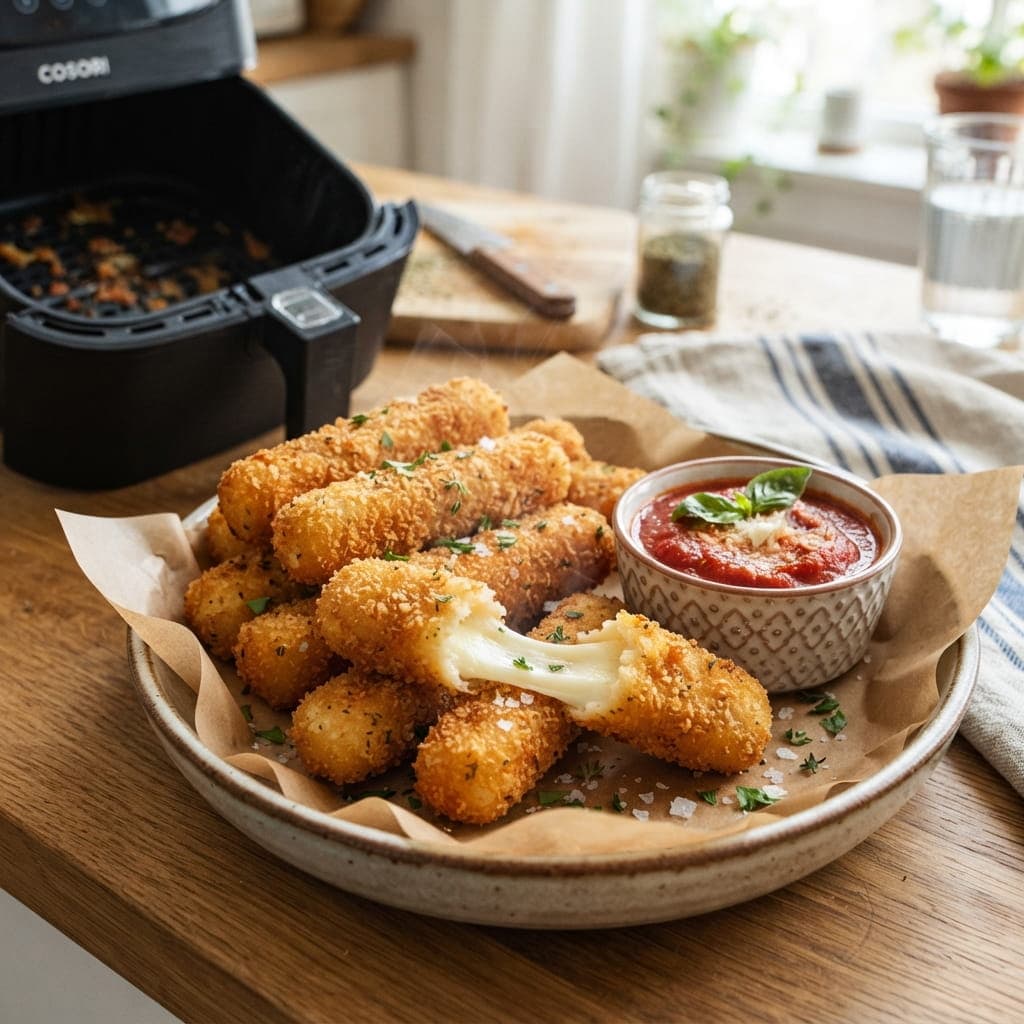
Freezing the breaded mozzarella sticks solid before they ever touch the air fryer is the step that keeps the cheese from bursting through the coating - without it, the cheese melts and escapes before the breadcrumbs even turn golden. A double coat of egg and breadcrumbs also matters here, sealing every gap so nothing but crunch surrounds the melted center.