Loading...
Loading...
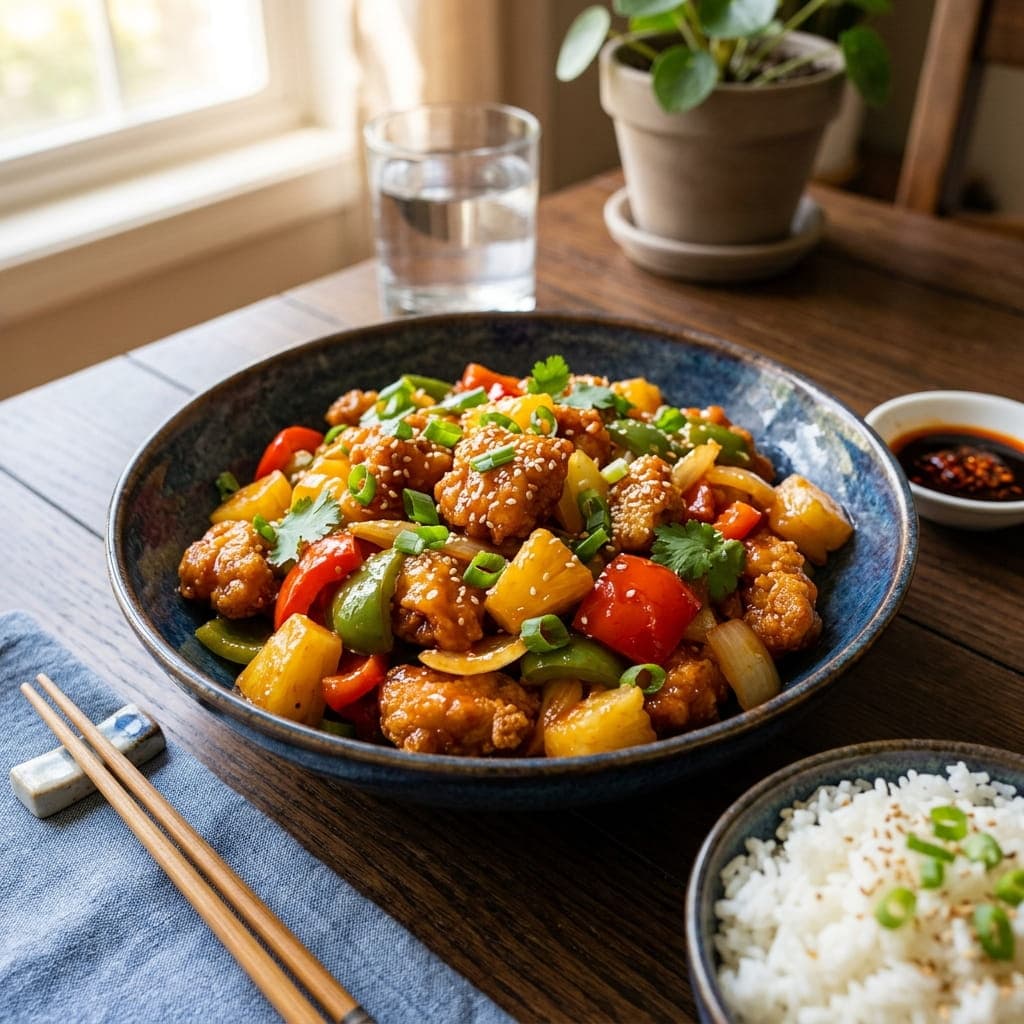
The sweet and sour sauce here relies on the same balance behind the Chinese-American takeout classic - ketchup and vinegar for tang, sugar for sweetness, and cornstarch to build it into something glossy and clingy rather than watery. Pineapple chunks bring their own natural sweetness and juice that thins the sauce just enough without extra water.
Prep Time
15 min
Per serving
340kcal
Calories
Cook Time
15 min
Servings
4 people
Difficulty
easy
28g
Protein
34g
Carbs
10g
Fat
2g
Fiber
20g
Sugar
Follow step-by-step with voice guidance.
Cut the chicken into bite-sized pieces and toss with a pinch of salt, pepper, and 1 tablespoon of cornstarch until lightly coated.
Heat 1 tablespoon of the oil in a large skillet or wok over high heat. Add the chicken in a single layer and cook for 5-6 minutes, stirring occasionally, until browned and cooked through. Remove and set aside.
Add the remaining oil to the pan, then add the bell peppers and onion. Stir-fry for 3-4 minutes, until slightly softened but still crisp.
In a small bowl, whisk together the ketchup, rice vinegar, soy sauce, brown sugar, and the remaining 1 tablespoon of cornstarch mixed with a little water.
Pour the sauce into the pan along with the pineapple chunks and their juice, and cook for 2-3 minutes, stirring, until the sauce thickens and coats the vegetables.
Return the chicken to the pan, tossing to coat evenly in the sauce, and cook for another 1-2 minutes to reheat.
Garnish with sesame seeds and serve immediately over steamed rice.
Coat the Chicken in Cornstarch Before Cooking: This light dusting helps the chicken develop a slightly crisp exterior even without deep frying, giving better texture in the finished stir-fry. Keep the Heat High: Stir-frying works best with high, consistent heat that cooks ingredients quickly while keeping vegetables crisp rather than steaming them soft. Whisk the Cornstarch Slurry Separately: Mixing the second tablespoon of cornstarch with water before adding it to the sauce prevents lumps from forming when it hits the hot pan.
Yes, boneless chicken thighs work well and stay juicier, though they may need an extra minute or two of cooking time compared to breast meat.
0 reviews • 0.0 / 5 Average Rating
No reviews yet. Be the first to review this recipe!
More Like This
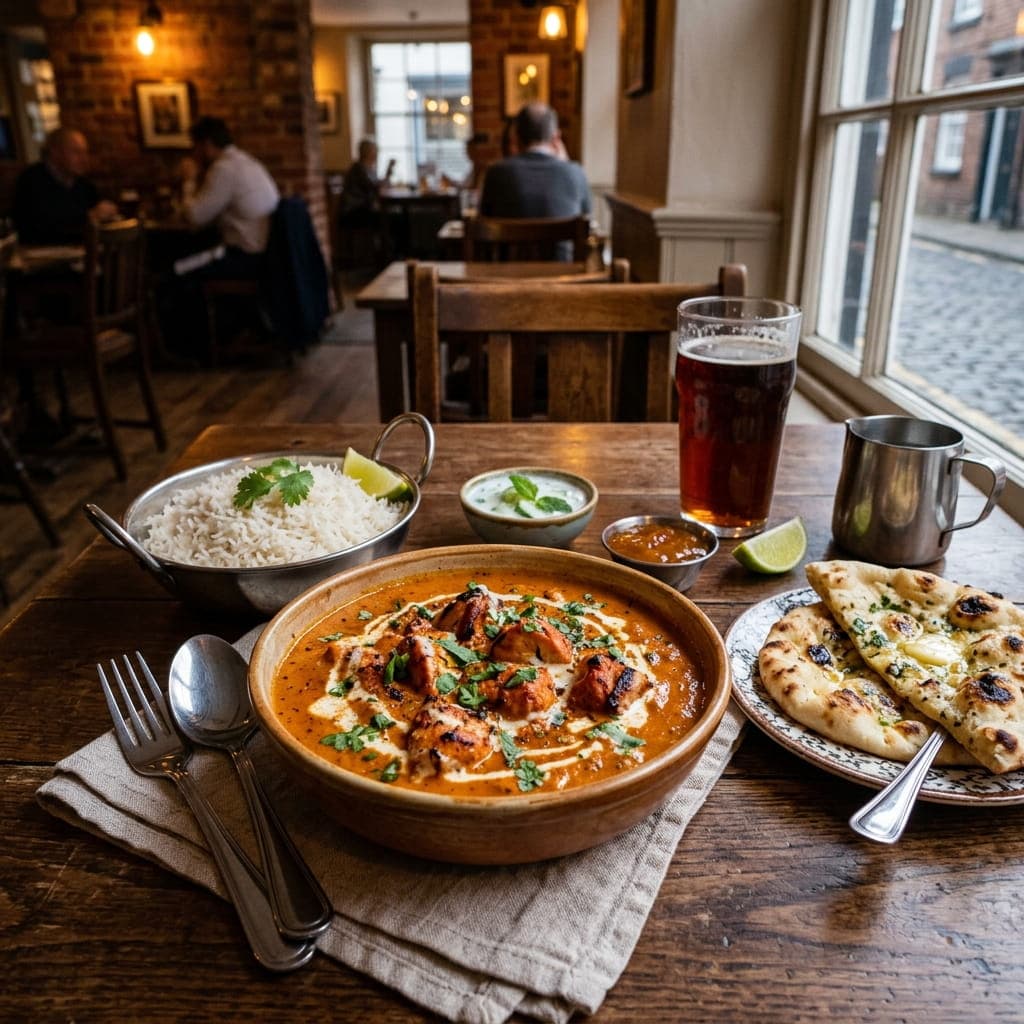
Widely credited as a British invention rather than a traditional Indian dish, chicken tikka masala was reportedly created when a curry house chef added a creamy tomato sauce to grilled chicken tikka for a customer who found it too dry. Today it's one of the most-ordered dishes in the UK, built on smoky, char-grilled chicken simmered in a rich, spiced tomato-cream sauce.
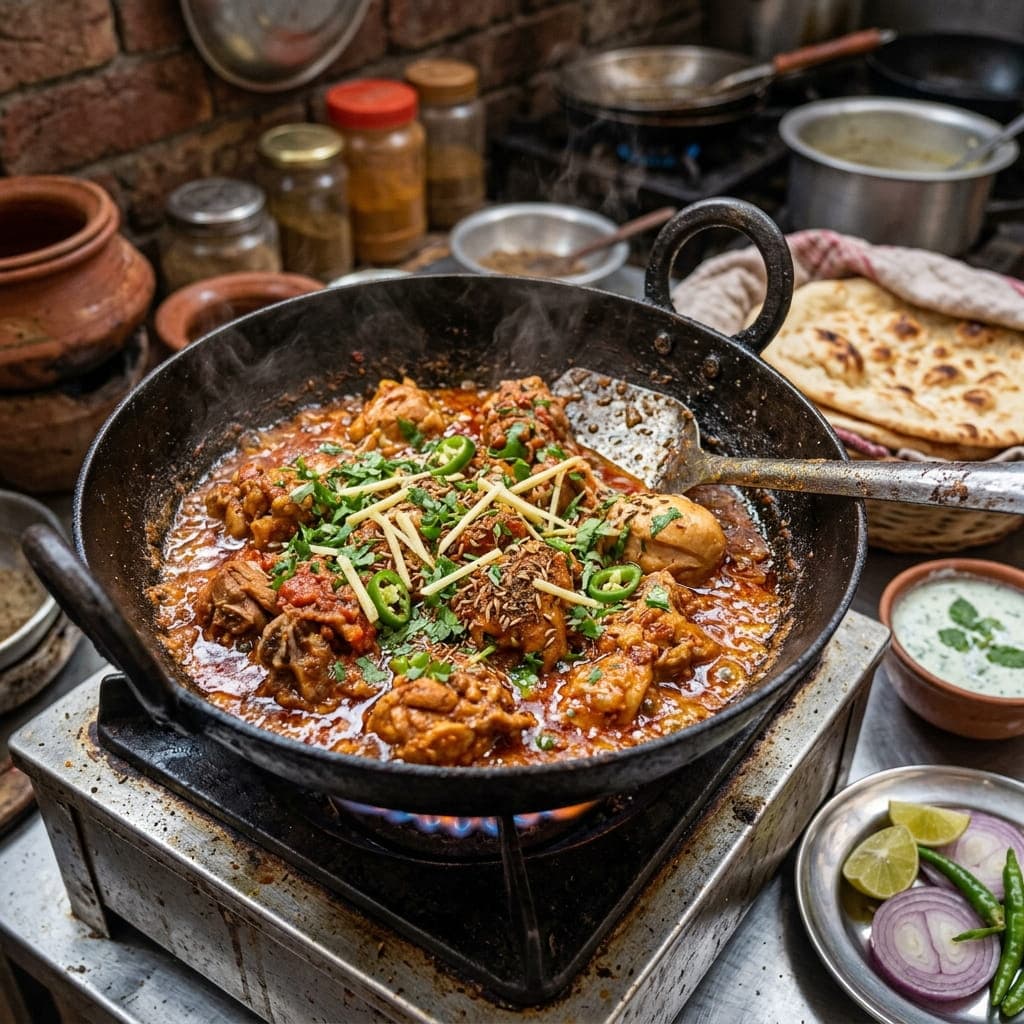
True chicken karahi, named after the wok-like pan it's cooked in, is traditionally made with no yogurt and few onions - just chicken, tomatoes, ginger, and green chilies reduced down through bhunna, the technique of stir-frying on high heat until the oil visibly separates from the masala. Originating in Khyber Pakhtunkhwa, this dry, tomato-forward curry is a Dhaba and restaurant staple across Pakistan.
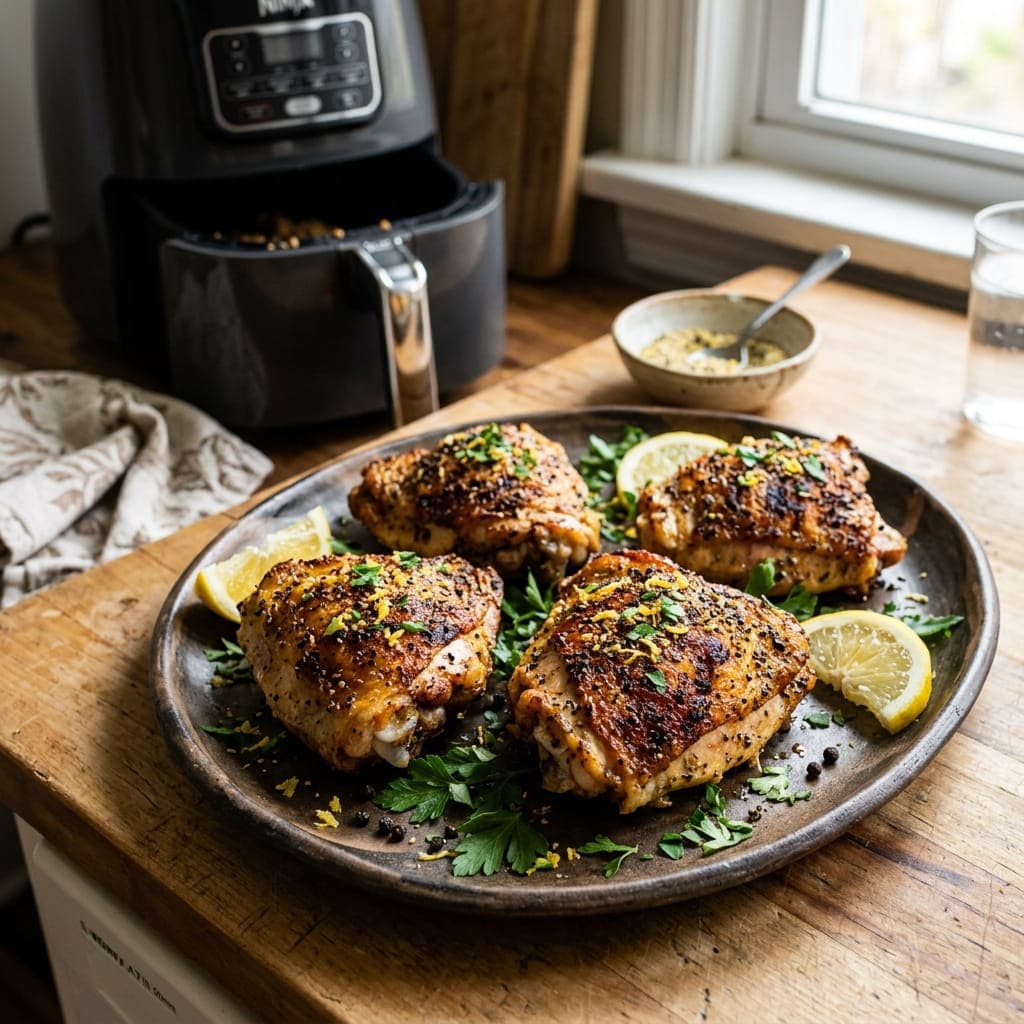
The air fryer's rapidly circulating hot air crisps chicken skin nearly as well as deep frying, using a fraction of the oil and none of the mess. Bone-in, skin-on thighs hold up especially well to this method - the fat renders out of the skin as it cooks, basting the meat from the outside in while the coarsely cracked pepper forms a genuine crust.
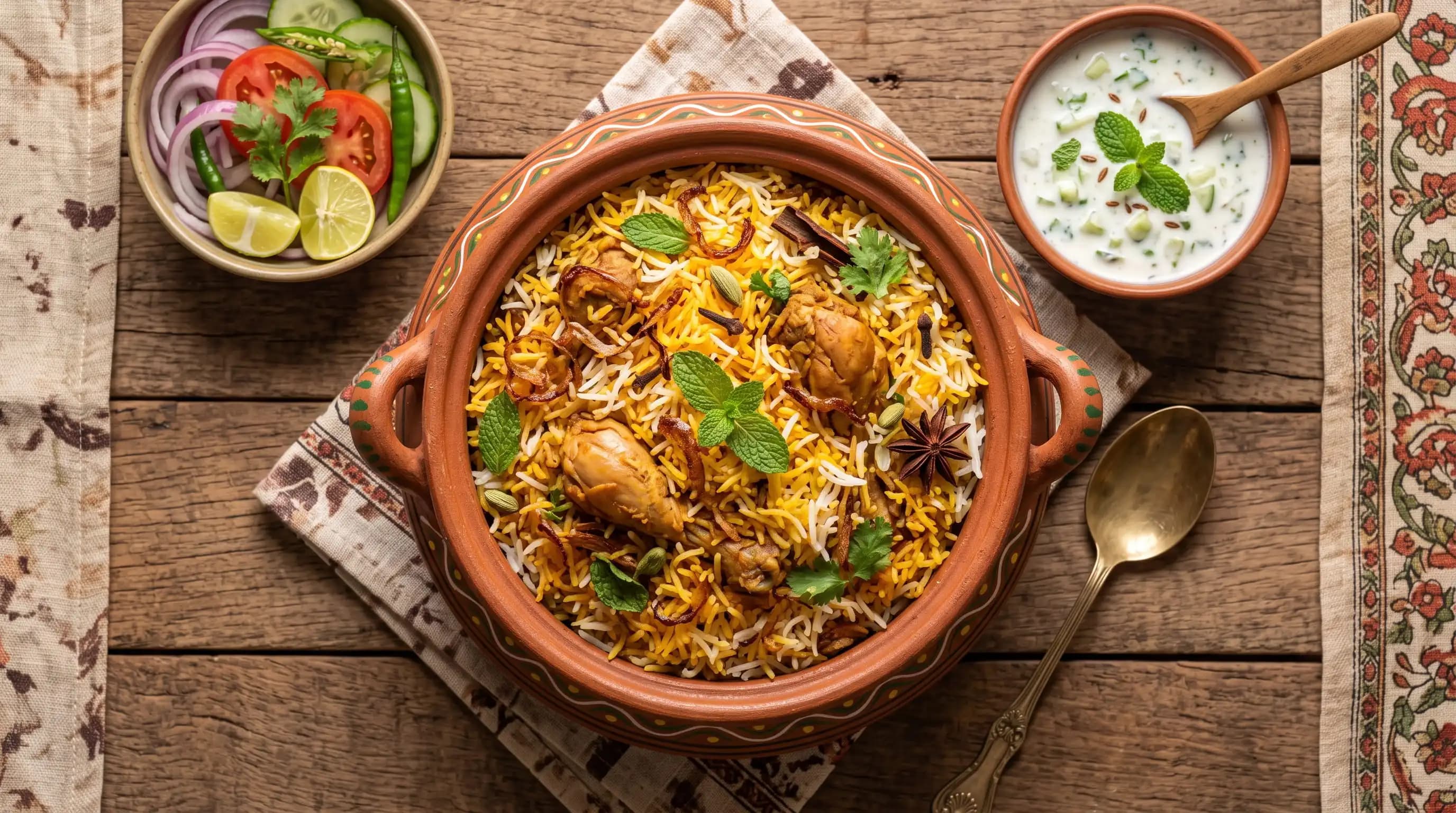
Learn how to make the ultimate restaurant-style Pakistani chicken biryani at home. Featuring perfectly fluffy, non-sticky basmati rice layered with a rich, highly aromatic, and juicy chicken masala (Korma) cooked using the traditional steam-trapping Dum method.