Loading...
Loading...
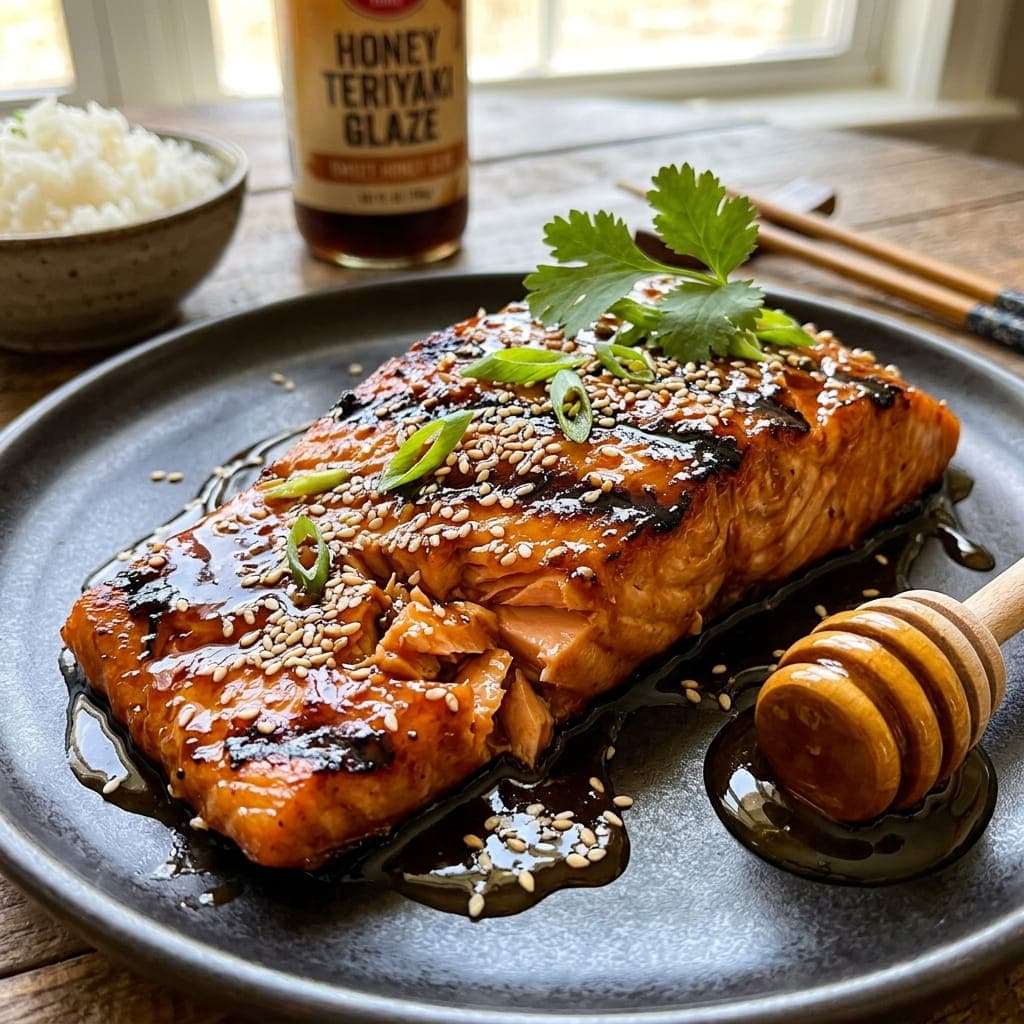
Building the glaze in the same pan the salmon just seared in means every bit of flavor left behind in the skillet gets folded straight back into the sauce, rather than wasted. Honey replaces the usual mirin here for a slightly different sweetness, reducing down alongside soy sauce and garlic into a glossy coating that clings to the salmon rather than pooling around it.
Prep Time
10 min
Per serving
380kcal
Calories
32g
Protein
18g
Cook Time
15 min
Servings
4 people
Difficulty
easy
Carbs
20g
Fat
15g
Sugar
Follow step-by-step with voice guidance.
Pat the salmon fillets dry and season with a pinch of salt and black pepper.
Heat the oil in a skillet over medium-high heat. Add the salmon skin-side down and cook for 4-5 minutes, until crisp, then flip and cook for another 2-3 minutes, until nearly cooked through. Remove and set aside.
In the same skillet, reduce the heat to medium and add the soy sauce, honey, minced garlic, and grated ginger.
Simmer for 3-4 minutes, stirring occasionally, until the sauce thickens into a glossy glaze.
Return the salmon to the skillet, spooning the glaze over the top, and cook for another 1-2 minutes, until the salmon reaches an internal temperature of 63°C (145°F) and is well-coated.
Garnish with sesame seeds and sliced green onions, and serve immediately with steamed rice.
Sear the Salmon Before Glazing: Building a bit of color on the salmon first, then finishing it in the sauce, gives better texture and flavor than simmering raw salmon directly in the glaze from the start. Watch the Glaze Closely: Honey-based sauces can go from perfectly thickened to burnt quickly, so keep the heat at medium and stir occasionally rather than walking away. Don't Overcook the Salmon: Pull it from the heat once it reaches 63°C internally, since it continues cooking slightly from residual heat and can dry out if left too long.
Yes, thaw it completely in the refrigerator overnight and pat very dry before cooking to ensure a good sear rather than steaming.
0 reviews • 0.0 / 5 Average Rating
No reviews yet. Be the first to review this recipe!
More Like This
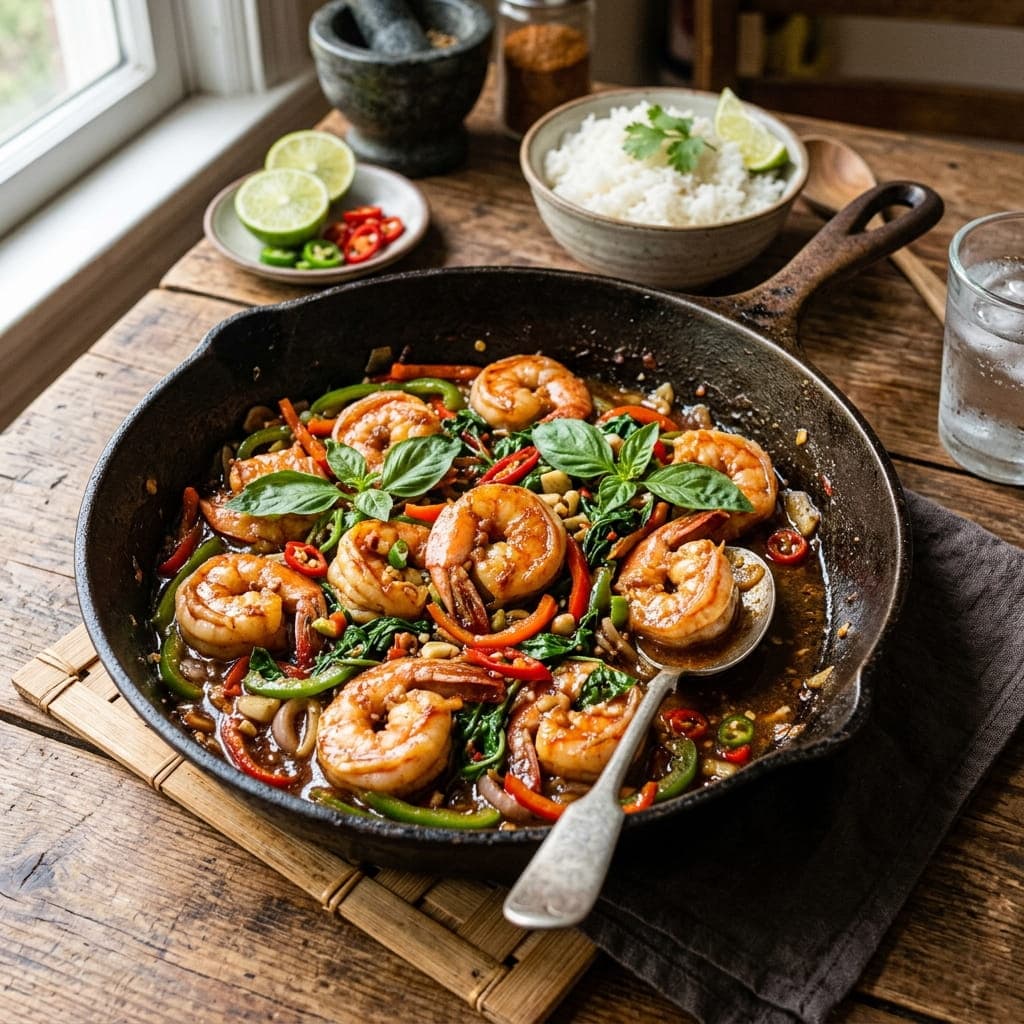
Known as pad kra pao in Thailand, this dish depends on Thai holy basil for its distinctive peppery, slightly clove-like flavor - a different variety entirely from the sweet basil found in most grocery stores, though sweet basil makes a reasonable substitute in a pinch. Fresh Thai chilies pounded or minced directly into the sauce give this its real heat, well beyond what dried chili flakes could provide.
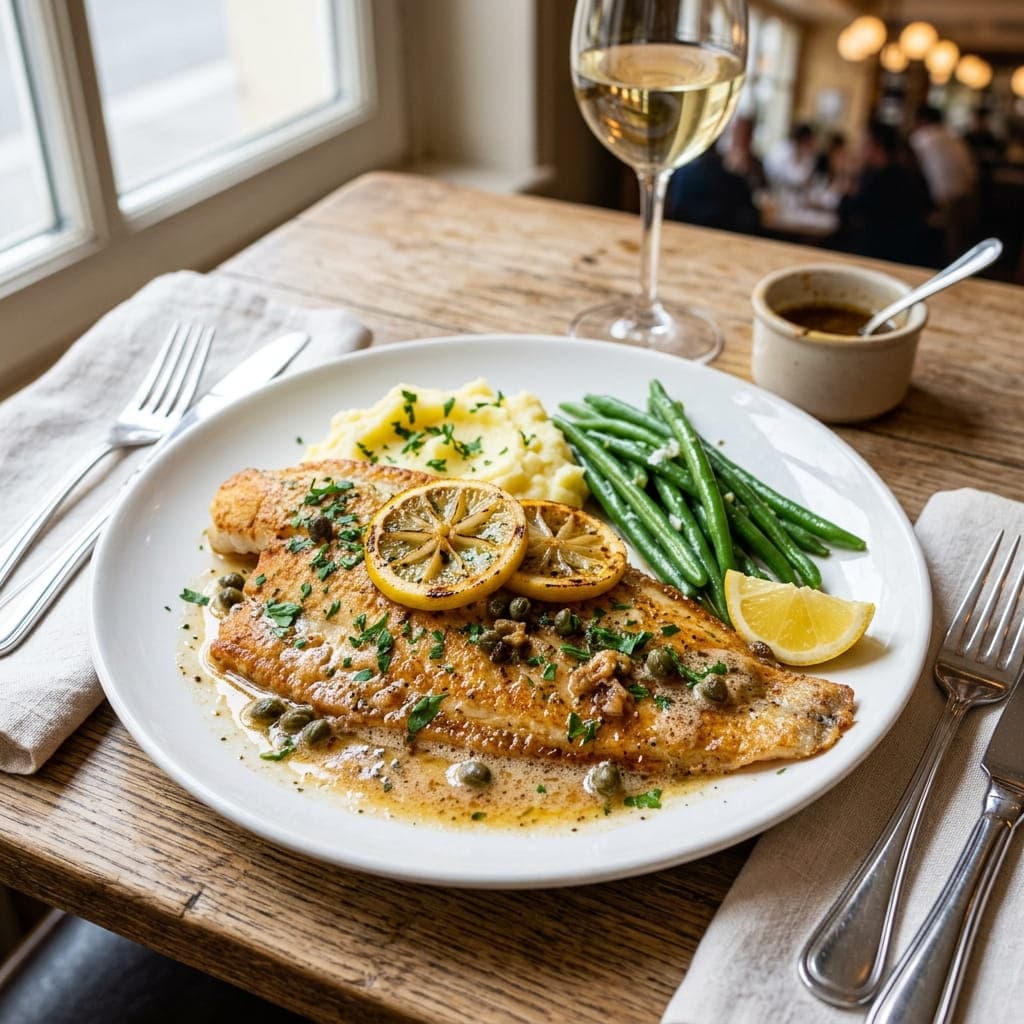
Meunière simply means 'in the style of the miller's wife,' referring to the light dusting of flour the fish is coated in before it hits the pan - just enough to help it brown without masking the fish's own delicate flavor. Butter cooked until it turns a deep nutty brown, then finished with lemon juice, is the whole sauce; nothing about this classic French preparation needs to be complicated.
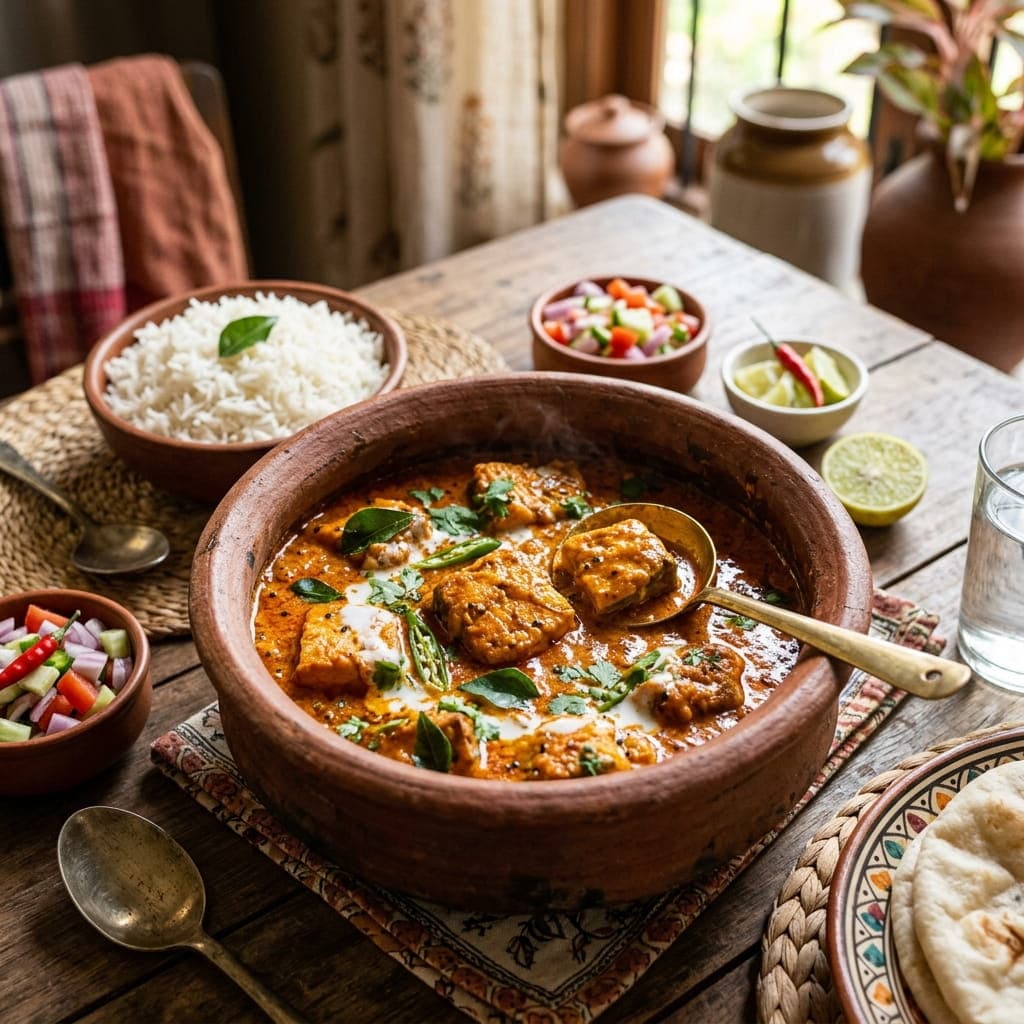
Goan curry leans on tamarind for its distinctive sourness, a legacy of the region's Portuguese-influenced coastal cooking, balanced against the richness of coconut milk and a base of roasted whole spices. Firm white fish is added only in the final few minutes of simmering, since fish overcooks fast and this gravy's flavor is built entirely before the fish ever touches the pot.
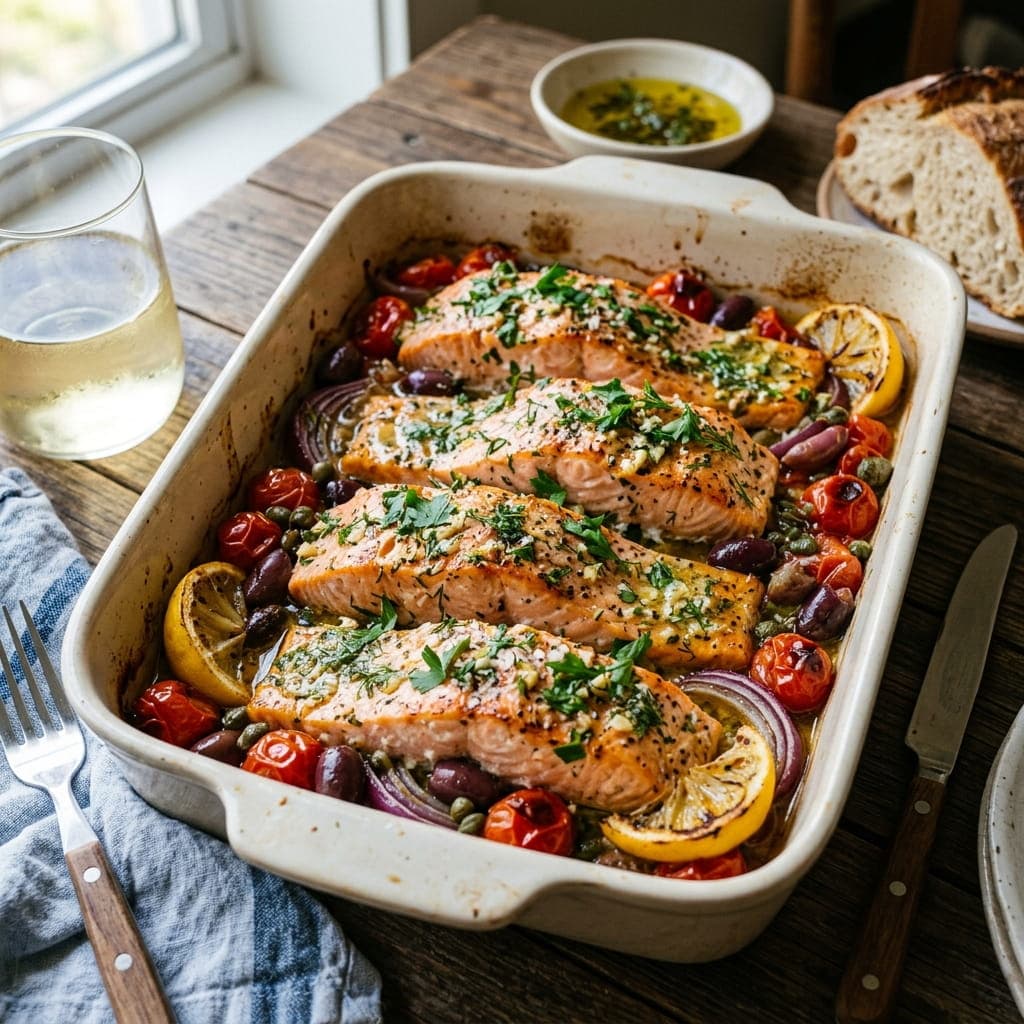
Baking salmon in foil traps steam alongside the fish, essentially poaching it in its own garlic butter as it cooks - the result is consistently moist, never dry, with almost no chance of overcooking if you stick to the timing. This is about as hands-off as salmon gets, ready to go from oven to table in under 25 minutes total.