Loading...
Loading...
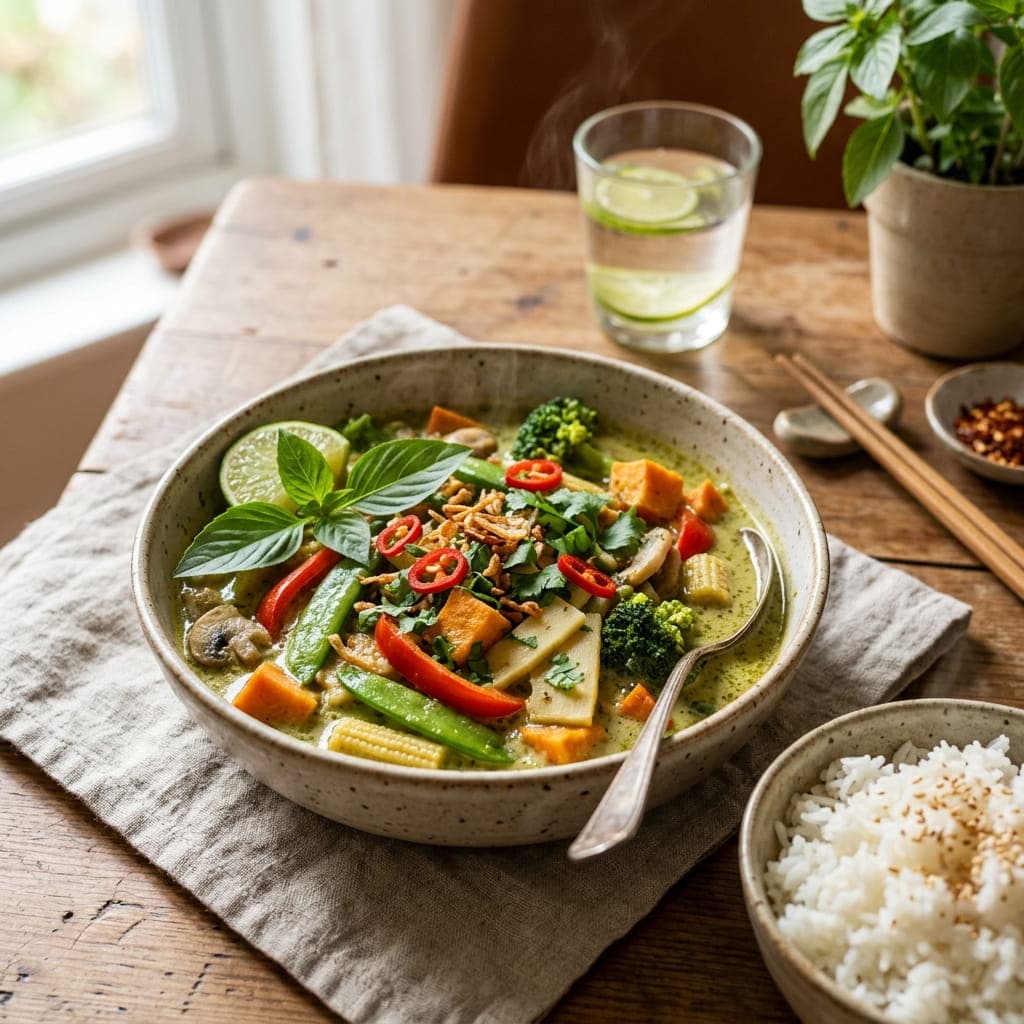
Frying green curry paste in the thick cream that separates from the top of a can of coconut milk - rather than mixing everything together at once - is a technique borrowed from real Thai cooking that intensifies the paste's aromatics before the rest of the liquid goes in. Loaded with crisp-tender vegetables, this stays fully plant-based without losing any of the dish's signature heat and richness.
Per serving
280kcal
Calories
5g
Protein
Prep Time
15 min
Cook Time
20 min
Servings
4 people
Difficulty
easy
20g
Carbs
21g
Fat
4g
Fiber
9g
Sugar
Follow step-by-step with voice guidance.
Open the can of coconut milk without shaking it, and scoop out the thick cream that has risen to the top into a large pot or wok, reserving the thinner liquid underneath.
Heat the coconut cream in the pot over medium heat and add the green curry paste, frying for 2-3 minutes, until fragrant and the oil begins to separate slightly.
Add the reserved thin coconut milk, vegetable stock, and brown sugar, stirring to combine, and bring to a simmer.
Add the bell pepper, carrots, and green beans, and simmer for 5-6 minutes, until just tender.
Stir in the bamboo shoots and simmer for another 2 minutes.
Add the soy sauce and lime juice, tasting and adjusting seasoning as needed.
Remove from the heat and stir in the Thai basil leaves.
Serve hot over steamed jasmine rice.
Fry the Paste in Coconut Cream First: This traditional technique, using just the thick cream from the top of the can rather than the whole mixture, intensifies the curry paste's aromatics far more than simply simmering everything together from the start. Don't Shake the Coconut Milk Can: Keeping the can still lets the thick cream naturally separate and rise to the top, which is what you need for the initial frying step. Add Vegetables by Cooking Time: Harder vegetables like carrots go in first, while quicker-cooking ones like bamboo shoots are added later, so nothing turns mushy or stays undercooked.
Check the label carefully, as many brands contain shrimp paste - look for a version labeled vegan or vegetarian, or make your own paste to be certain it's fully plant-based.
0 reviews • 0.0 / 5 Average Rating
No reviews yet. Be the first to review this recipe!
More Like This
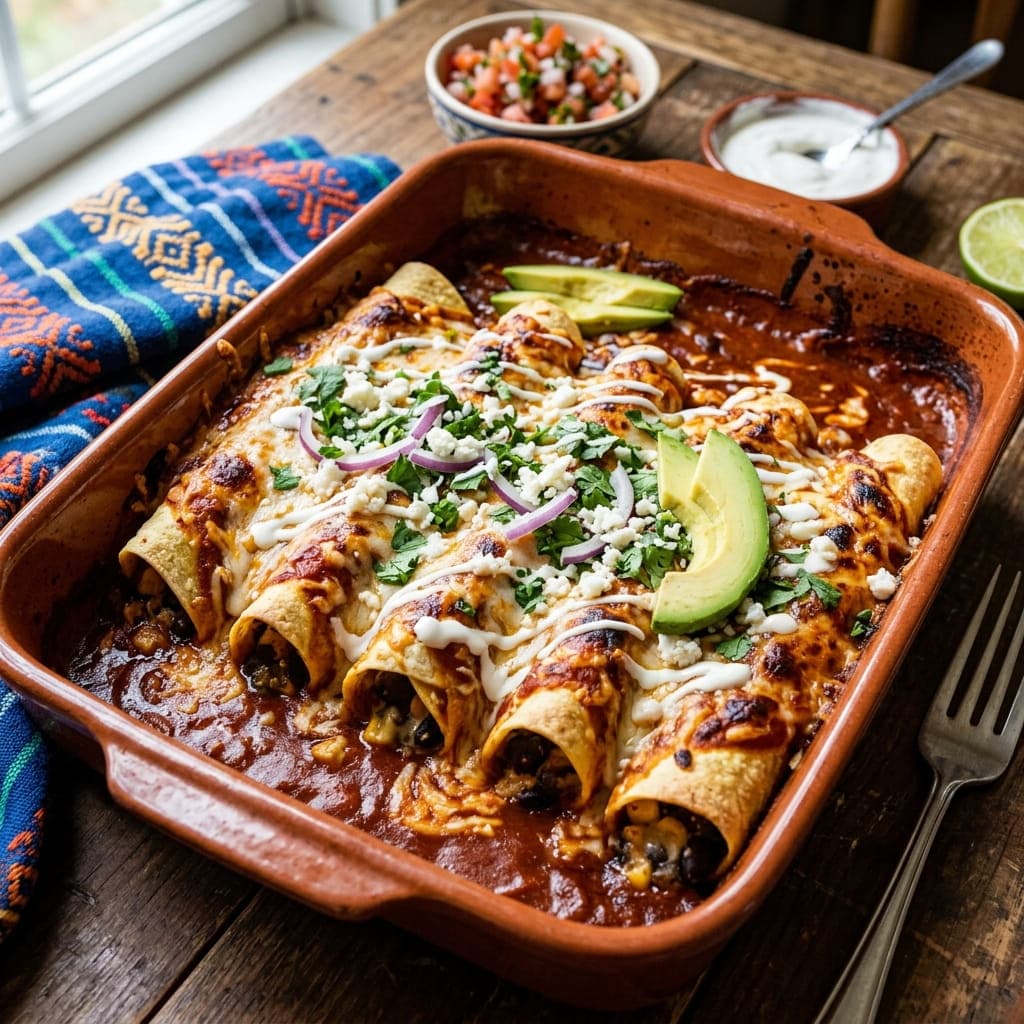
Lightly mashing half the black beans while leaving the rest whole gives this filling a texture that holds together when rolled without turning into a dense paste - the same trick that makes a good burrito filling. Warmed tortillas rolled around beans, corn, and cheese, then baked under a blanket of enchilada sauce, make this a genuinely filling vegetarian dinner that doesn't feel like it's missing meat.
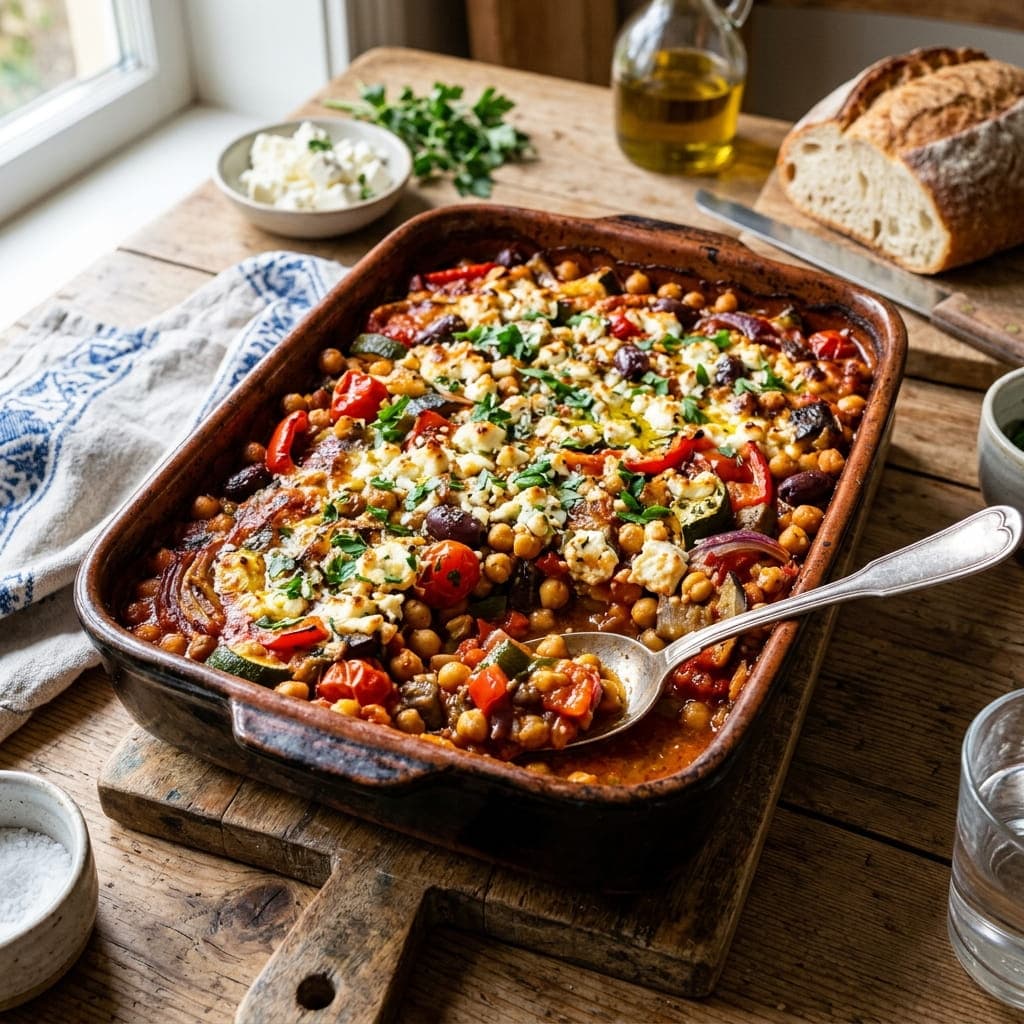
Roasting the vegetables separately first, before combining everything in a baking dish, concentrates their flavor through caramelization in a way that simmering them straight in a casserole never could. Chickpeas added toward the end soak up all that roasted vegetable flavor while holding their shape, making this a genuinely hearty, fully plant-based dinner.
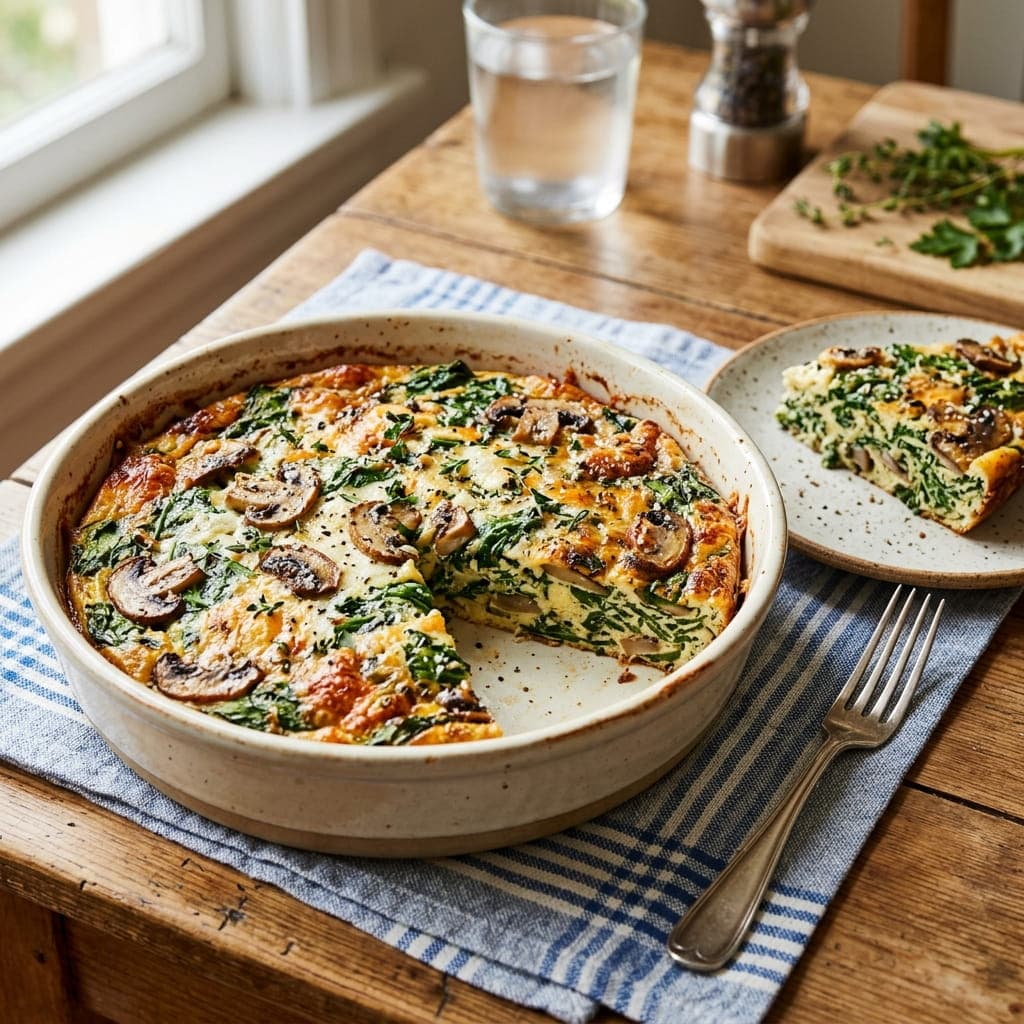
Skipping the pastry shell entirely - rather than trying to make a low-carb version of one - is what actually keeps this genuinely keto-friendly without sacrificing much in the way of texture. Mushrooms cooked until their released liquid fully evaporates before the eggs go in are what keep the finished quiche from turning watery, since baked egg dishes have almost no ability to cook off excess moisture themselves.
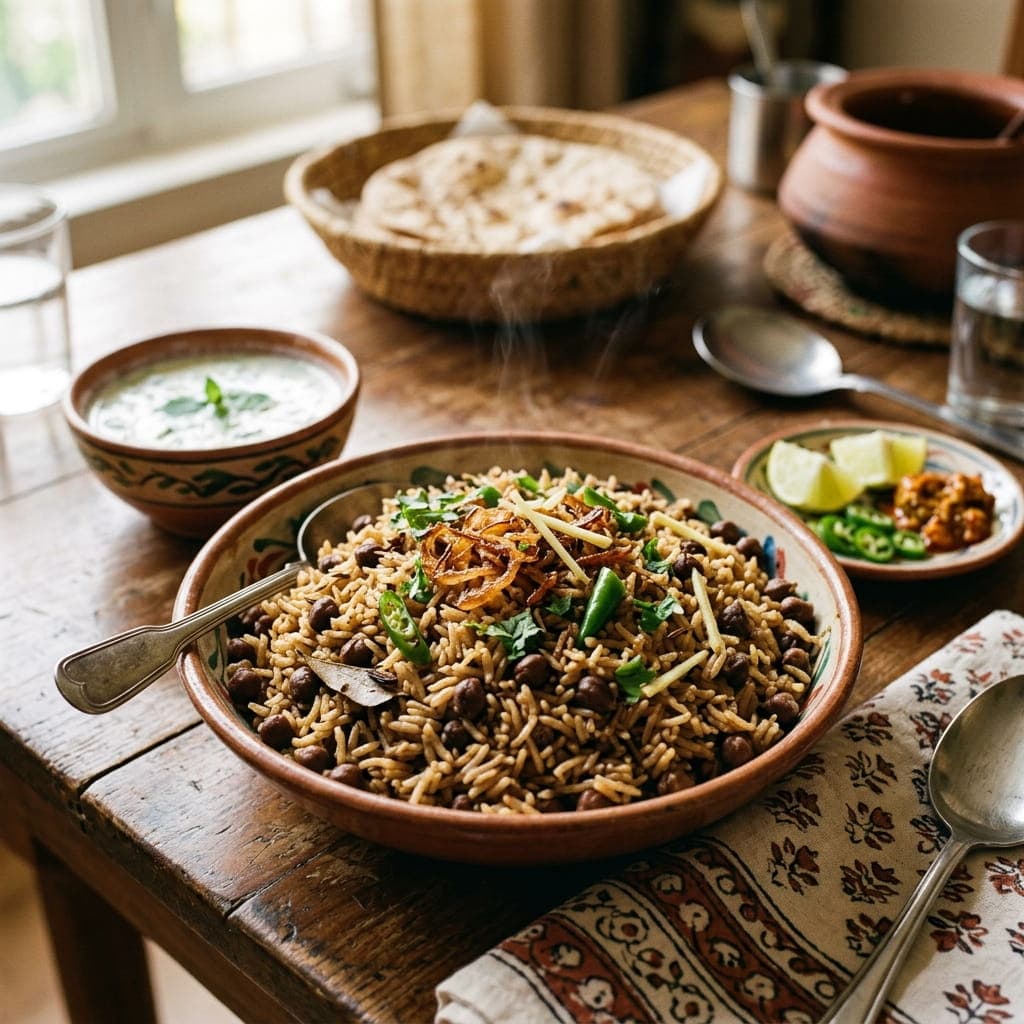
Kala chana (black chickpeas) take much longer to soften than their pale, canned cousins, which is why they're always boiled separately first before joining the rice - skipping that step leaves you with undercooked, chalky chana no amount of simmering with rice will fix. Earthier and firmer-textured than white chickpeas, they hold their bite beautifully in this aromatic, whole-spice pulao.