Loading...
Loading...
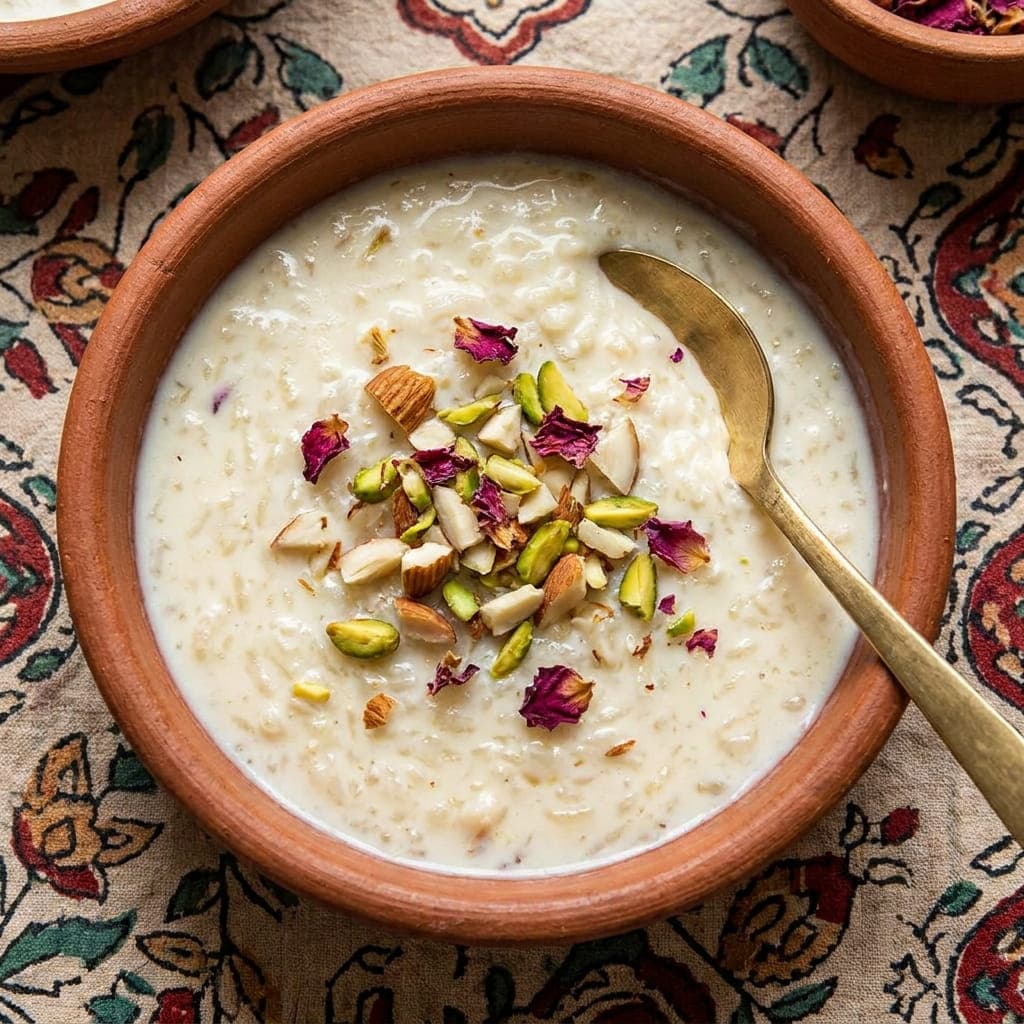
Soaking the rice first, then breaking it down slightly as it simmers, is what gives kheer its characteristically thick, slightly grainy body rather than the smoothness of a custard-based pudding. Slow-simmered in full-fat milk until it reduces by nearly half, this is the dessert served at nearly every Pakistani wedding and Eid gathering, finished with a scatter of nuts and a whisper of cardamom.
Per serving
260kcal
Calories
7g
Protein
38g
Carbs
9g
Fat
Prep Time
35 min
Cook Time
50 min
Servings
6 people
Difficulty
easy
1g
Fiber
26g
Sugar
Follow step-by-step with voice guidance.
Wash the rice and soak in water for 30 minutes, then drain.
In a heavy-bottomed pot, bring the milk to a boil over medium heat, stirring occasionally to prevent it from sticking or boiling over.
Add the soaked rice to the boiling milk, reduce the heat to low, and simmer uncovered for 35-40 minutes, stirring frequently, until the rice softens and breaks down slightly, thickening the mixture.
Stir in the sugar and continue simmering for another 8-10 minutes, until the kheer reaches a thick, creamy consistency.
Stir in the cardamom powder and saffron strands (soaked in a tablespoon of warm milk beforehand), mixing well.
Remove from the heat and let cool slightly.
Garnish with the chopped almonds and pistachios.
Serve warm, or chill in the refrigerator for a few hours for a cold version.
Stir Frequently While Simmering: Milk-based puddings can easily stick and scorch on the bottom of the pot, so keep a spatula moving regularly throughout the long simmer. Use a Heavy-Bottomed, Wide Pot: This helps the milk reduce evenly without scorching, and the wider surface area speeds up the evaporation and thickening process. Let the Rice Break Down Naturally: Don't rush this step - allowing the rice to soften and slightly break apart on its own over the simmering time is what gives kheer its signature thick, slightly grainy texture.
This usually means it needs more simmering time - kheer thickens as the milk reduces and the rice breaks down, which can take a full 40-50 minutes of steady, patient simmering.
0 reviews • 0.0 / 5 Average Rating
No reviews yet. Be the first to review this recipe!
More Like This
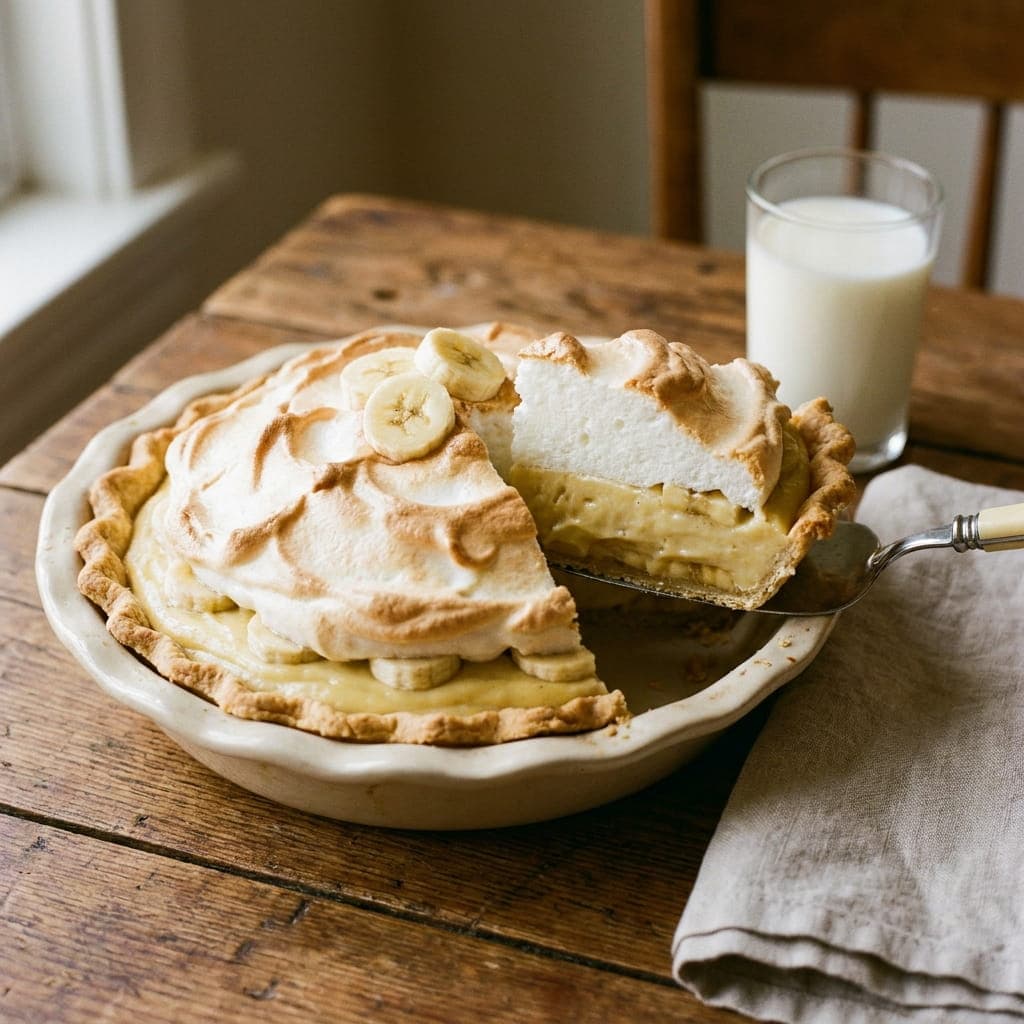
Whisking the hot milk into the egg yolks gradually (rather than dumping it in) is what tempers them properly, preventing the custard from turning into sweet scrambled eggs the moment it hits the heat. Sliced fresh banana folded directly into the cooled pastry cream, rather than just layered on top, means every bite gets banana flavor instead of finding it only in certain spots.
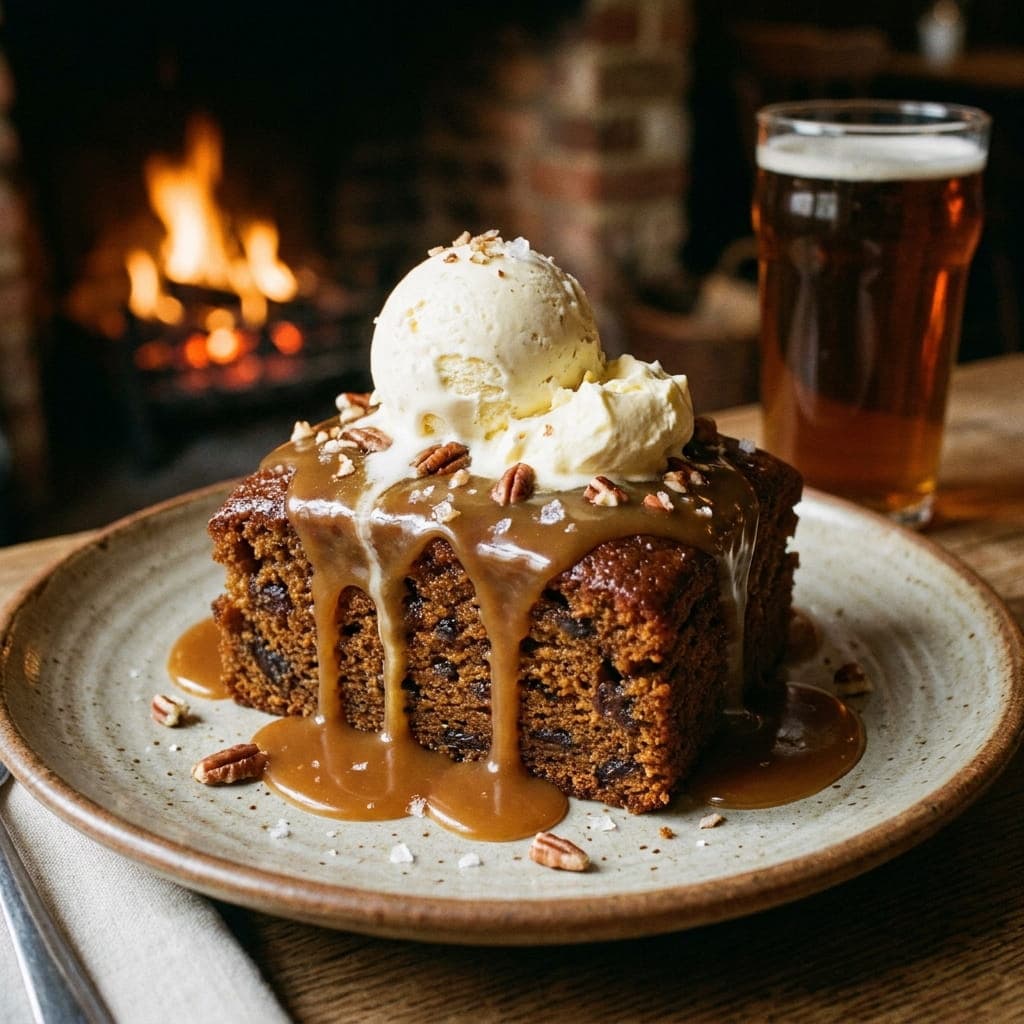
Soaking chopped dates in hot water and baking soda before blending them into the batter is what breaks them down into a paste that melts throughout the sponge, keeping it deeply moist without any visible date chunks. Poured warm toffee sauce over the finished cake right before serving soaks in just enough to make this one of Britain's most requested puddings.
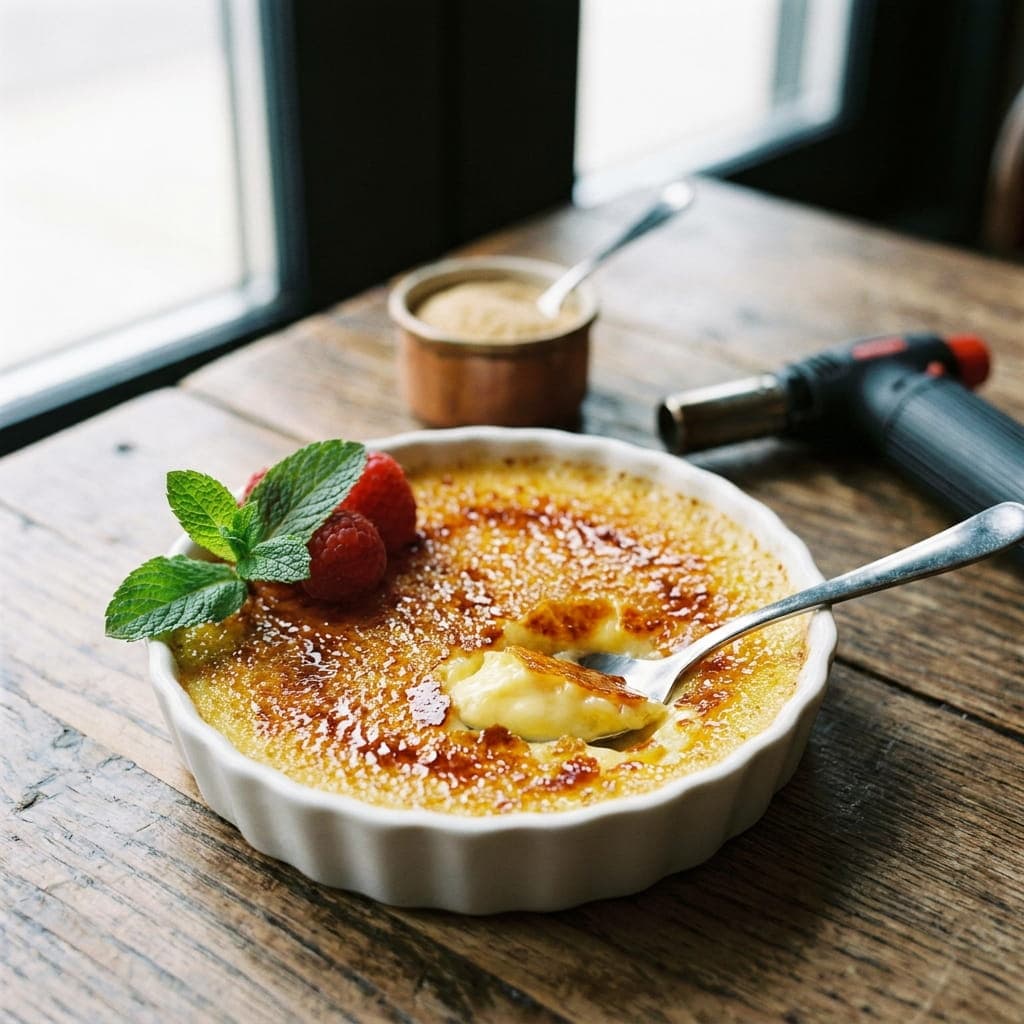
A water bath is what keeps the custard's gentle, even heat from ever spiking into a boil, which is exactly what would turn a silky crème brûlée into a curdled, scrambled mess. The contrast between the crackling, torched sugar crust and the cool, barely-set custard underneath is the entire point of this dessert - lose either one and it's just custard.
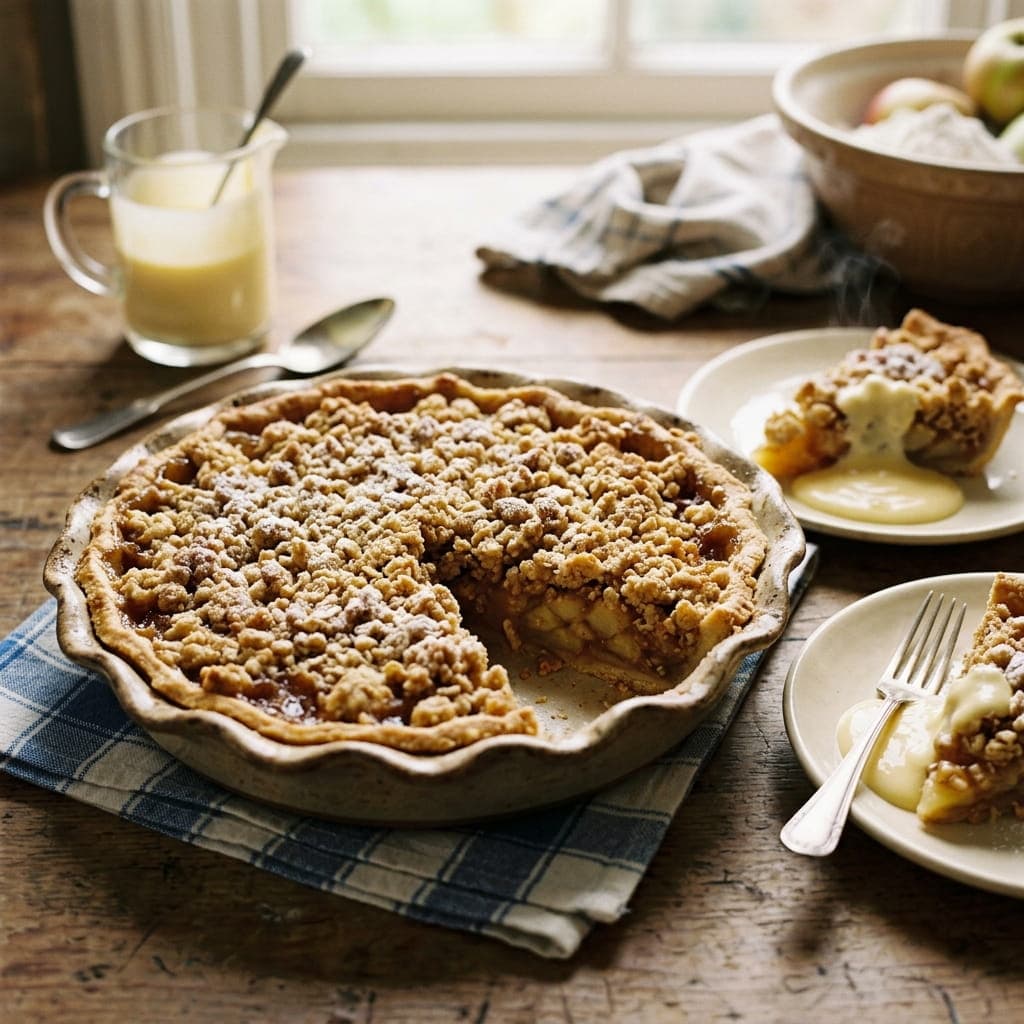
Tossing the sliced apples with flour before they go into the tart shell is what thickens their released juices as they bake, keeping the filling from turning into a watery pool once sliced. This combines a proper pastry base with the buttery oat crumble topping British apple crumble is known for, giving you both textures in one dessert.