Loading...
Loading...
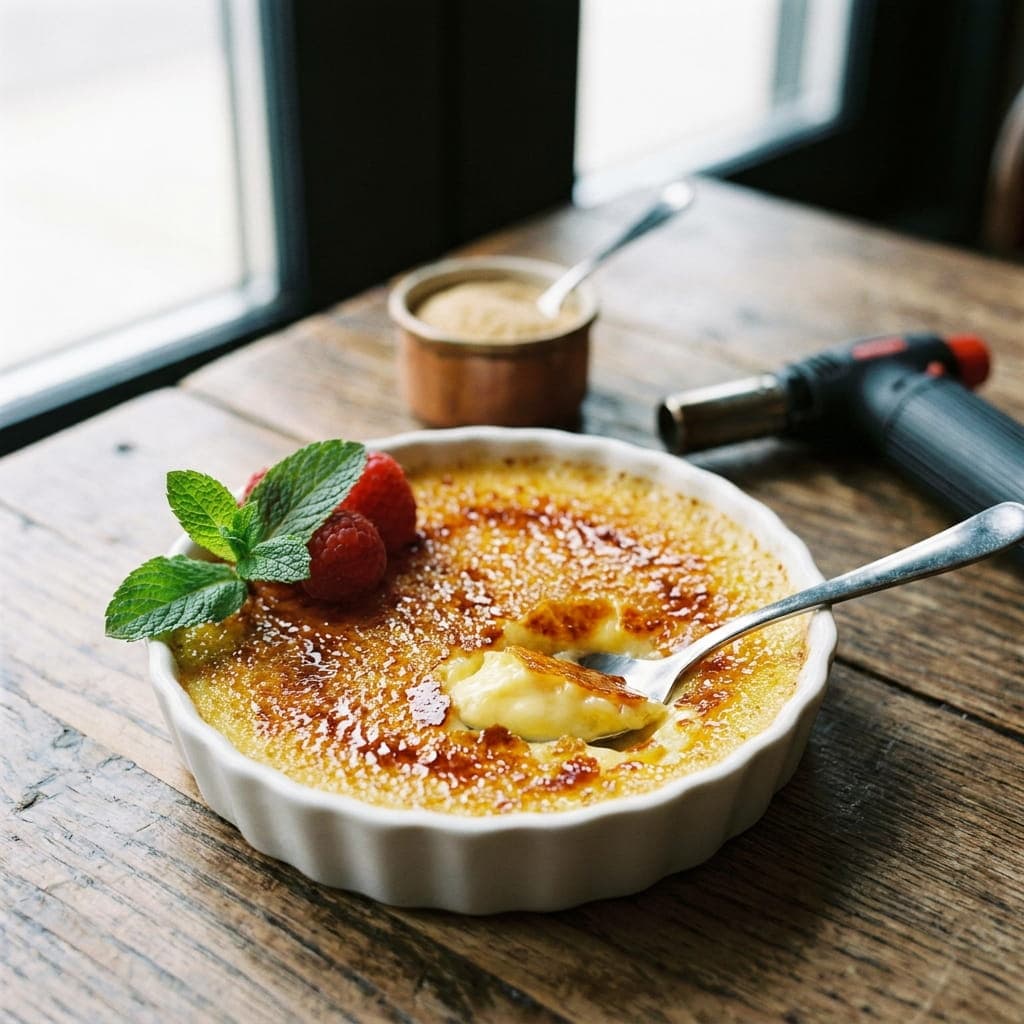
A water bath is what keeps the custard's gentle, even heat from ever spiking into a boil, which is exactly what would turn a silky crème brûlée into a curdled, scrambled mess. The contrast between the crackling, torched sugar crust and the cool, barely-set custard underneath is the entire point of this dessert - lose either one and it's just custard.
Per serving
380kcal
Calories
6g
Protein
26g
Carbs
30g
Fat
24g
Sugar
Prep Time
20 min
Cook Time
40 min
Servings
4 people
Difficulty
medium
Follow step-by-step with voice guidance.
Preheat the oven to 150°C (300°F) and place four ramekins in a large baking dish.
In a saucepan, heat the heavy cream over medium heat until it just begins to steam (do not boil).
In a separate bowl, whisk the egg yolks and sugar together until pale and slightly thickened.
Slowly pour the warm cream into the egg mixture in a thin stream, whisking constantly to temper the eggs without scrambling them.
Stir in the vanilla extract, then strain the mixture through a fine sieve to remove any lumps.
Divide the custard evenly among the ramekins.
Pour hot water into the baking dish, around the ramekins, until it reaches about halfway up their sides.
Bake for 35-40 minutes, until the custards are just set with a slight jiggle in the center.
Carefully remove the ramekins from the water bath and let cool to room temperature, then refrigerate for at least 4 hours, or overnight.
Just before serving, sprinkle an even layer of sugar over each custard and caramelize using a kitchen torch, moving it in a circular motion until the sugar melts and turns deep golden. Let the sugar harden for 1-2 minutes before serving.
Temper the Eggs Slowly: Pouring warm cream into the egg mixture too quickly can scramble the eggs - add it gradually in a thin stream while whisking constantly to bring the eggs up to temperature gently. Use a Water Bath: Surrounding the ramekins with hot water insulates the custard from direct oven heat, allowing it to cook gently and evenly without curdling or developing a rubbery texture. Torch the Sugar Just Before Serving: The caramelized sugar topping stays crisp for only about 10-15 minutes before the custard's moisture starts to soften it, so add this final touch right before you're ready to eat.
This usually happens if the warm cream was added too quickly to the eggs, or if the custard was baked at too high a temperature - temper the eggs slowly and always use a water bath for gentle, even cooking.
0 reviews • 0.0 / 5 Average Rating
No reviews yet. Be the first to review this recipe!
More Like This
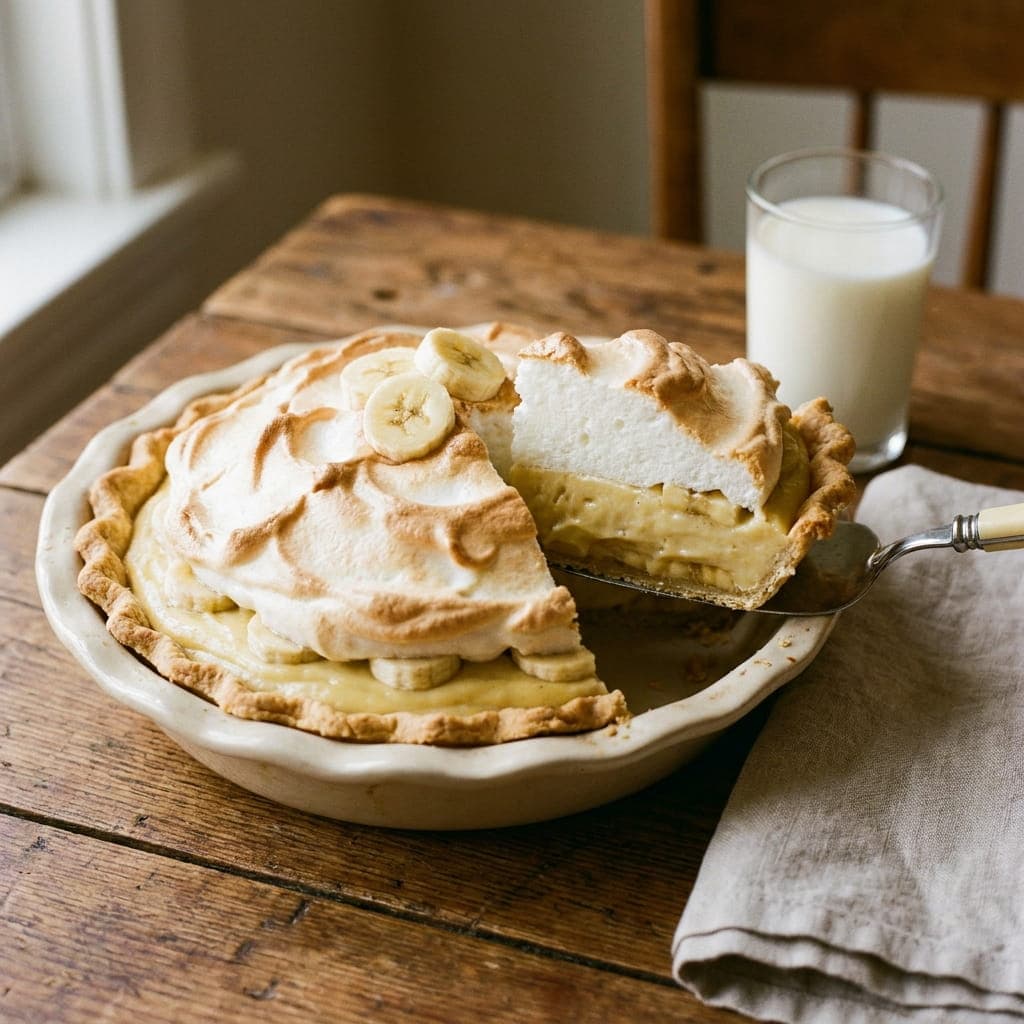
Whisking the hot milk into the egg yolks gradually (rather than dumping it in) is what tempers them properly, preventing the custard from turning into sweet scrambled eggs the moment it hits the heat. Sliced fresh banana folded directly into the cooled pastry cream, rather than just layered on top, means every bite gets banana flavor instead of finding it only in certain spots.
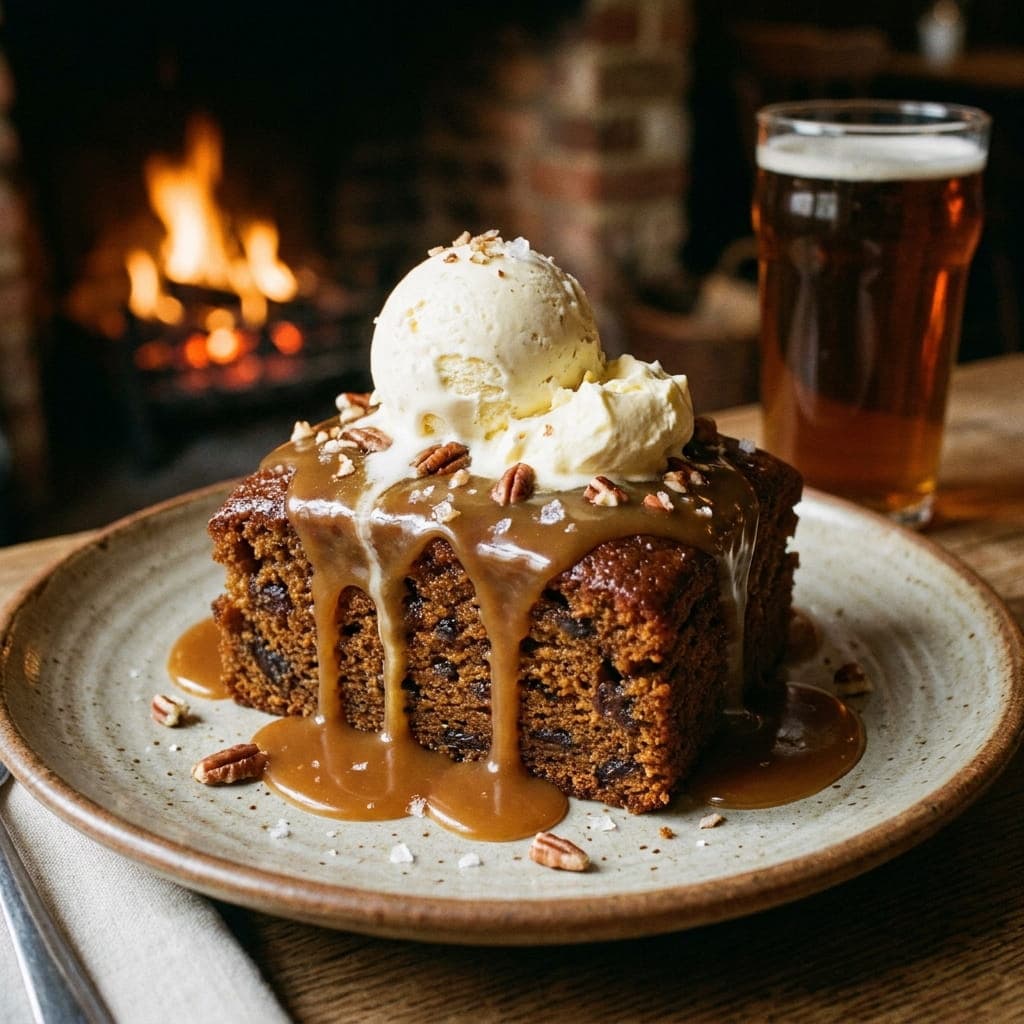
Soaking chopped dates in hot water and baking soda before blending them into the batter is what breaks them down into a paste that melts throughout the sponge, keeping it deeply moist without any visible date chunks. Poured warm toffee sauce over the finished cake right before serving soaks in just enough to make this one of Britain's most requested puddings.
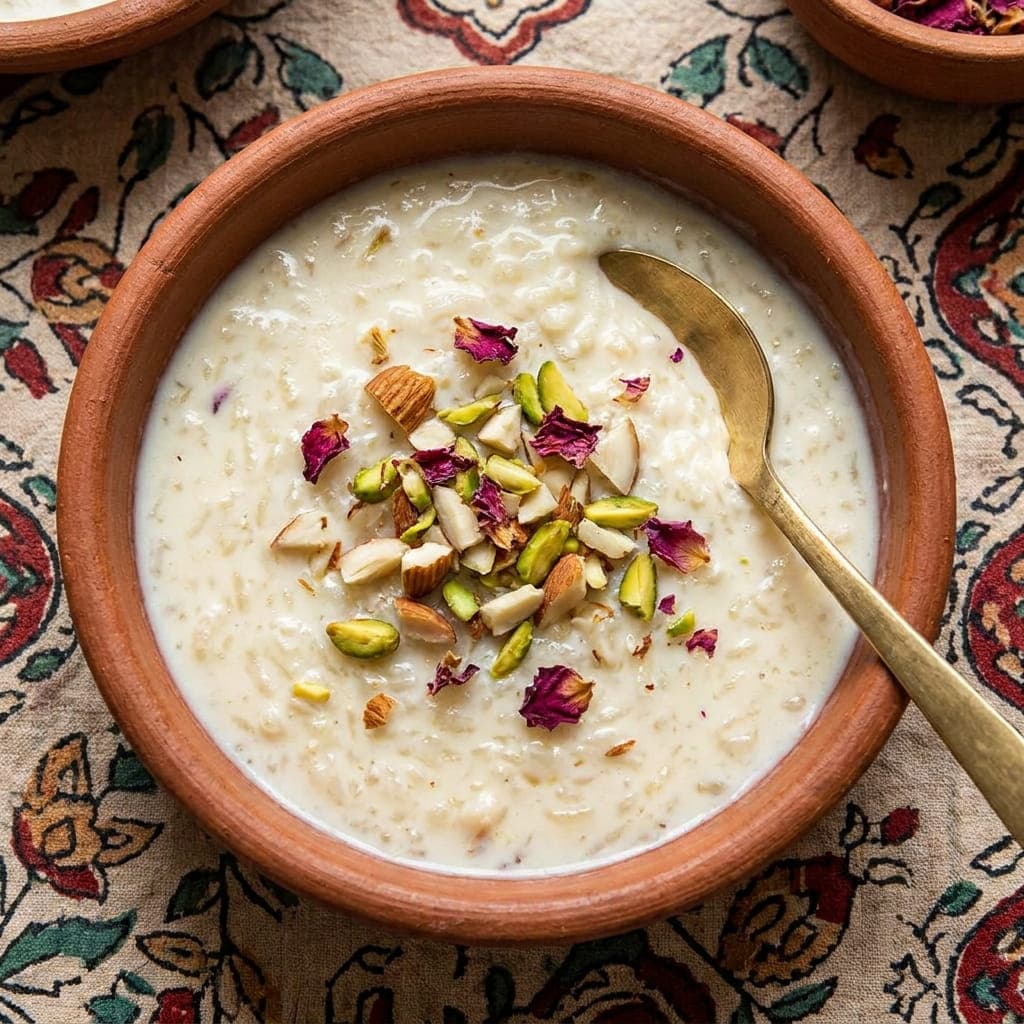
Soaking the rice first, then breaking it down slightly as it simmers, is what gives kheer its characteristically thick, slightly grainy body rather than the smoothness of a custard-based pudding. Slow-simmered in full-fat milk until it reduces by nearly half, this is the dessert served at nearly every Pakistani wedding and Eid gathering, finished with a scatter of nuts and a whisper of cardamom.
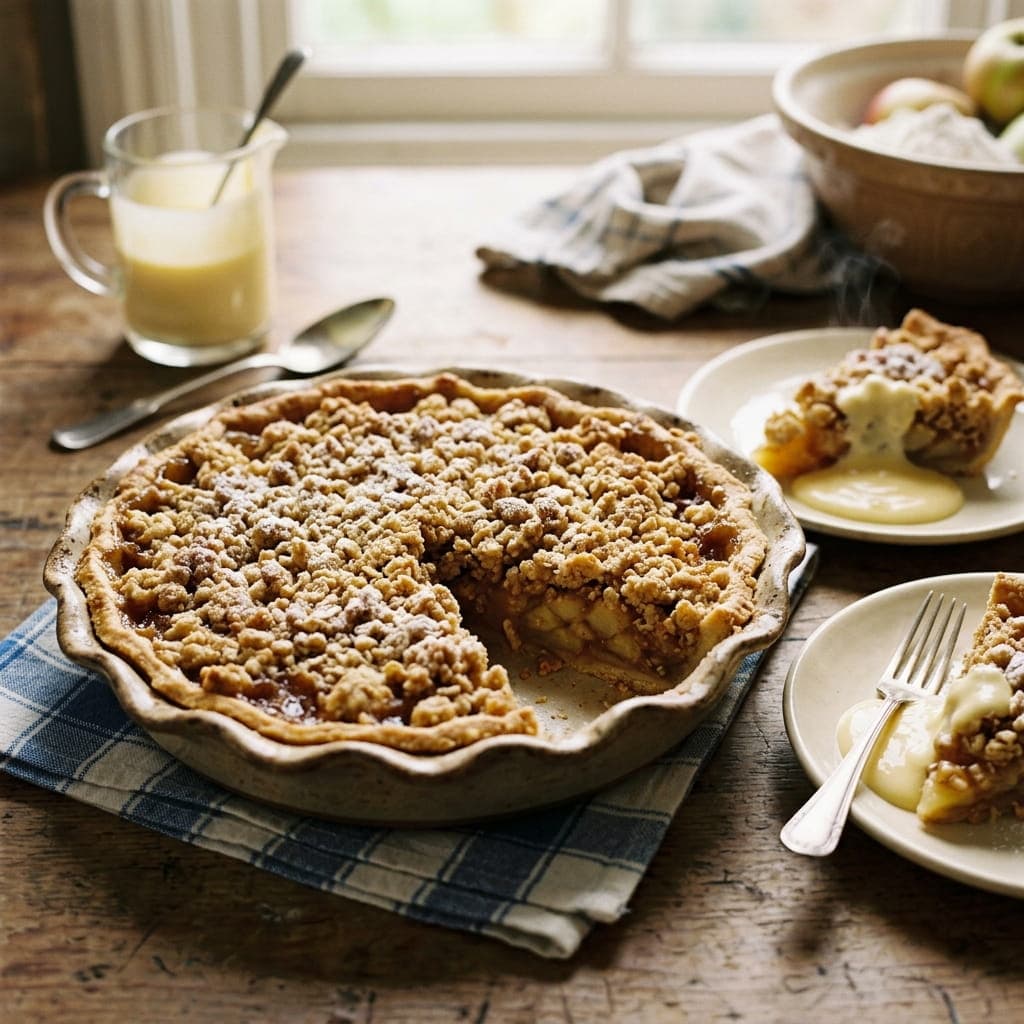
Tossing the sliced apples with flour before they go into the tart shell is what thickens their released juices as they bake, keeping the filling from turning into a watery pool once sliced. This combines a proper pastry base with the buttery oat crumble topping British apple crumble is known for, giving you both textures in one dessert.