Loading...
Loading...
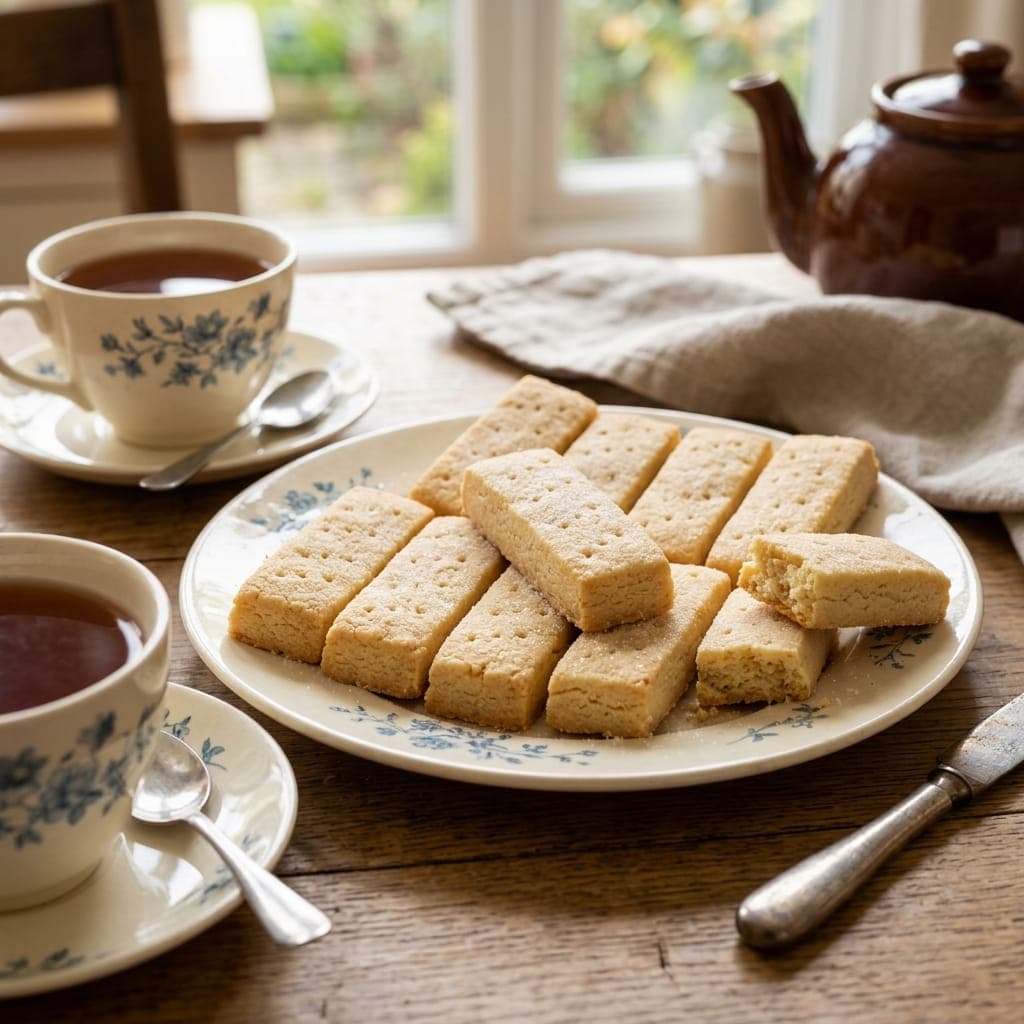
The classic 1:2:3 ratio - one part sugar, two parts butter, three parts flour - is all that's needed here, with no eggs or leavening agents at all to complicate things. Baking these low and slow, rather than hot and fast, is what keeps them pale and delicately crumbly instead of browned and crisp like a cookie.
Per serving
160kcal
Calories
2g
Protein
16g
Carbs
10g
Fat
5g
Sugar
Prep Time
15 min
Cook Time
22 min
Servings
16 people
Difficulty
easy
Follow step-by-step with voice guidance.
Preheat the oven to 150°C (300°F) and line a baking sheet with parchment paper.
In a large bowl, beat the softened butter and sugar together for 2-3 minutes, until light and creamy (do not overbeat until fluffy - just combined and smooth).
Gradually add the flour and salt, mixing on low speed or folding by hand, until the mixture comes together into a soft dough.
Turn the dough out onto a lightly floured surface and gently press or roll it to about 1.5cm thickness.
Cut into rounds or fingers using a cookie cutter or knife, and place on the prepared baking sheet, spacing them slightly apart.
Prick each biscuit a few times with a fork.
Bake for 20-25 minutes, until pale golden at the edges but still light in color overall - shortbread should not brown significantly.
Let cool on the baking sheet for 10 minutes, then transfer to a wire rack to cool completely.
Don't Overbeat the Butter and Sugar: Unlike cakes, shortbread doesn't need the butter and sugar whipped until fluffy - just beat until smooth and combined to keep the texture properly dense and crumbly rather than airy. Bake Low and Slow: A lower oven temperature keeps the biscuits pale rather than browned, which is characteristic of proper shortbread - resist the urge to bake hotter for faster results. Handle the Dough Gently: Overworking shortbread dough develops gluten and can make it tough rather than tender - mix just until it comes together.
Traditional shortbread relies solely on butter, sugar, and flour to create its dense, crumbly texture - eggs or leavening agents would introduce air and structure that would change it into a different kind of cookie entirely.
0 reviews • 0.0 / 5 Average Rating
No reviews yet. Be the first to review this recipe!
More Like This
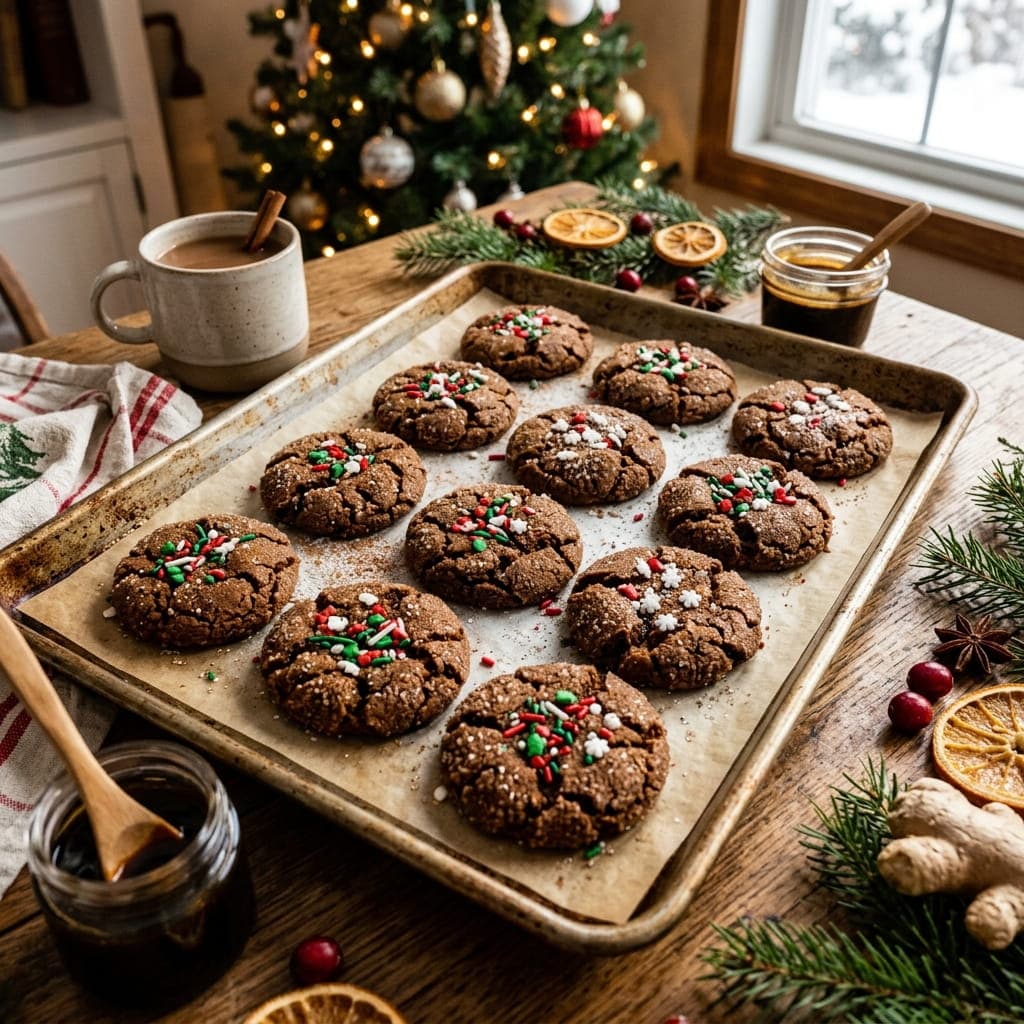
Rolling the chilled dough balls in coarse sugar before baking is what gives these their signature sparkly, crackled surface - the sugar crystals catch and hold as the cookie spreads and cracks in the oven. A generous hit of both fresh and ground ginger alongside molasses gives these real warmth and depth rather than just background spice.
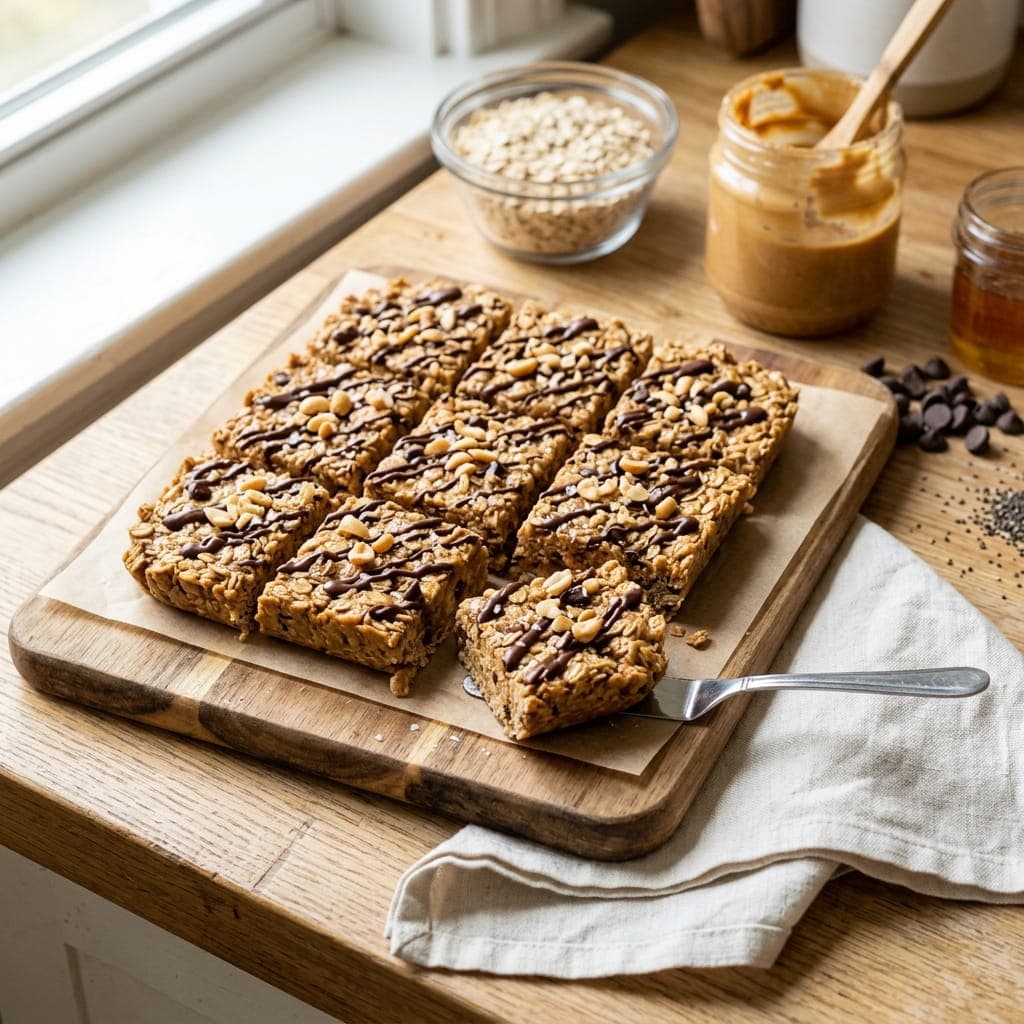
Warming honey and peanut butter together until fully melted is what allows them to properly coat every oat, rather than clumping in uneven pockets through the bars once set. With no oven and no added refined sugar, this comes together in one bowl and firms up in the fridge into something closer to a homemade granola bar than a dessert.
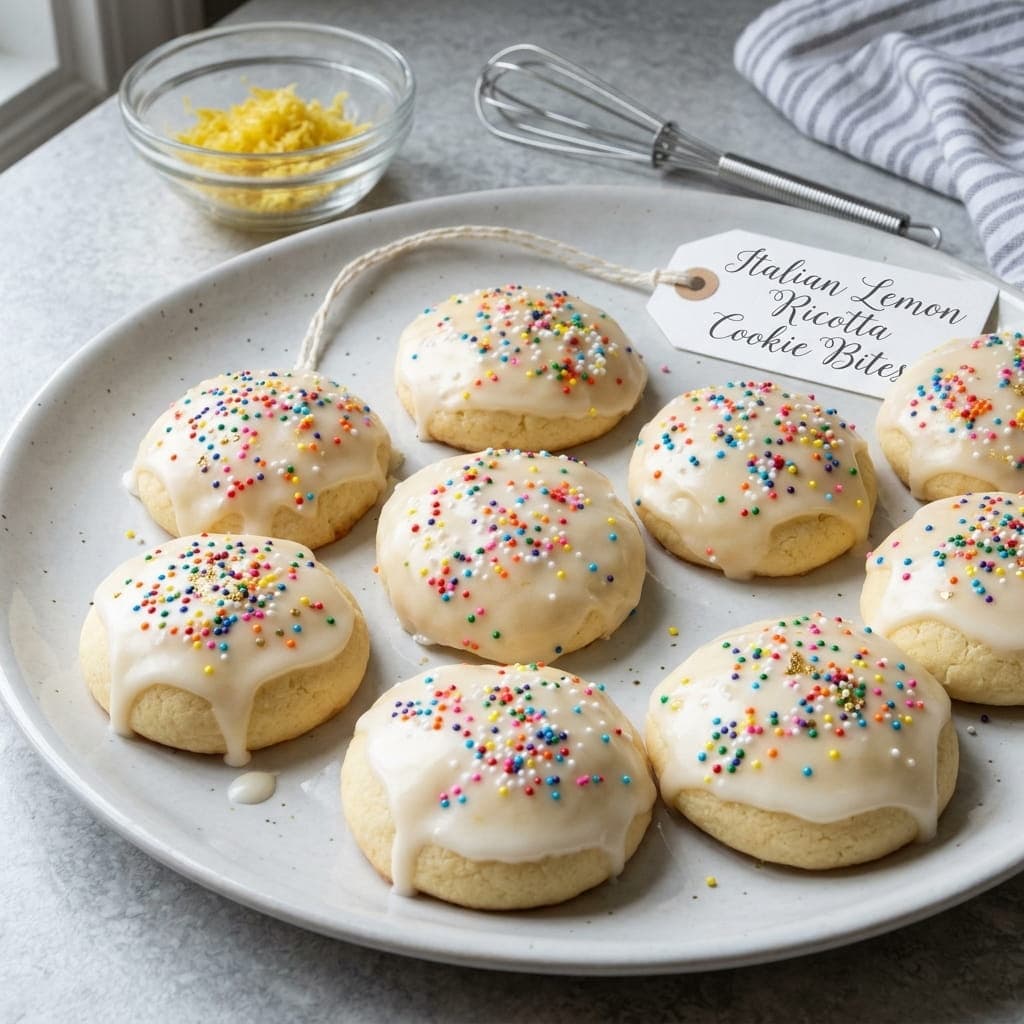
Ricotta cheese folded into the batter is what gives these their distinctly soft, almost cake-like interior - closer to a small tender muffin top than a typical crisp cookie. A bright lemon glaze drizzled over the cooled cookies plays against the ricotta's mild creaminess, making these a lighter finish to an Italian meal than a heavier dessert would be.
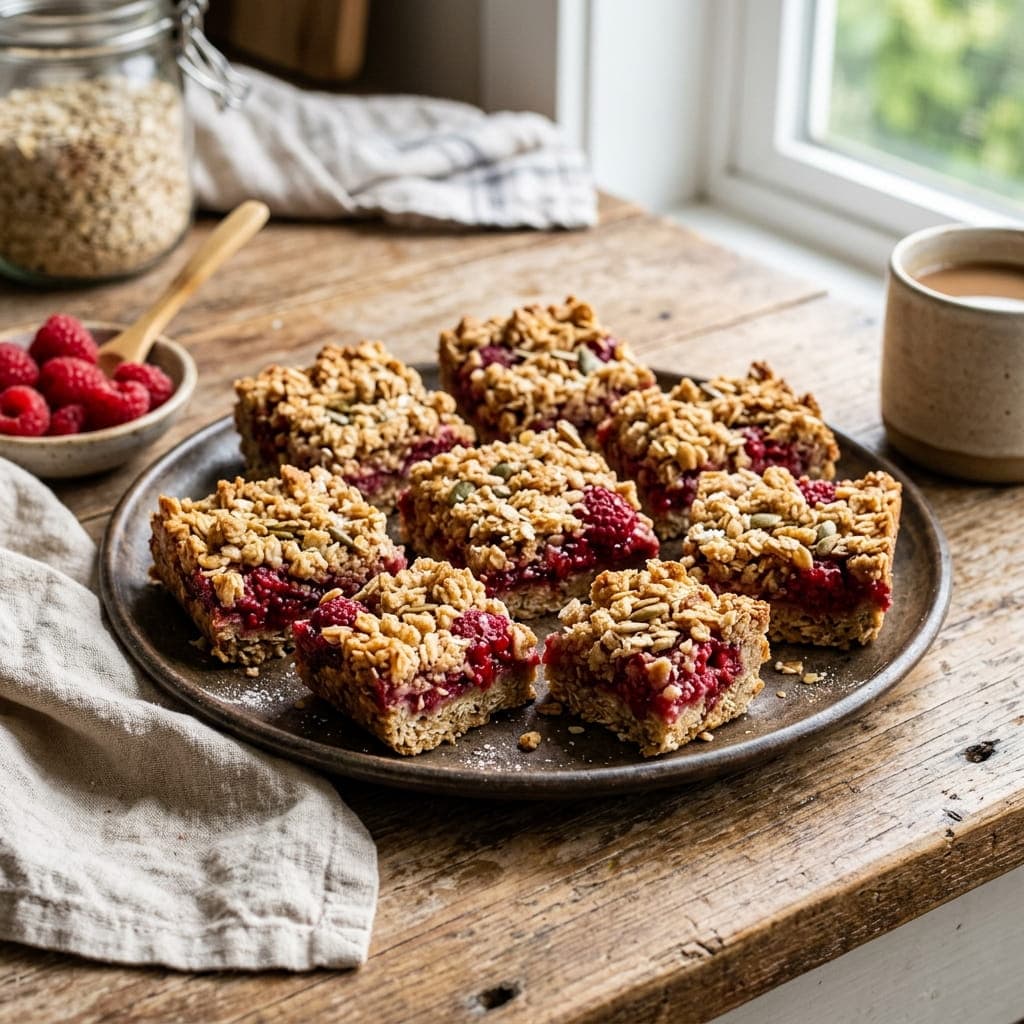
The same oat mixture is used twice here - pressed into the pan as a base, then crumbled loosely on top - so there's no need to mix a separate crumb topping. Cooking the raspberries down briefly with a touch of cornstarch thickens the filling just enough to hold its shape between the layers when sliced, without any need for eggs or dairy.