Loading...
Loading...
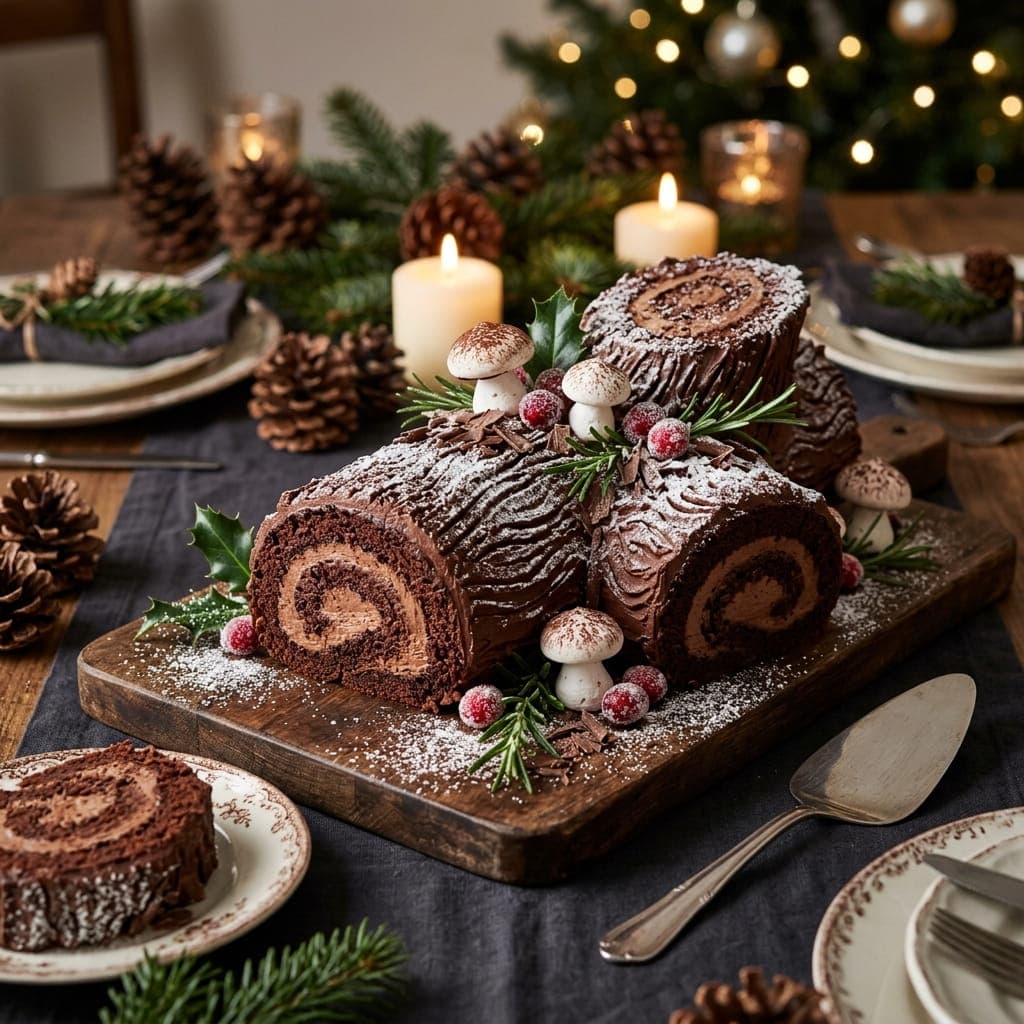
This rolls the warm sponge cake up in a towel immediately after baking, before it has a chance to cool and firm up, which trains it into a curved shape so it can be unrolled, filled, and re-rolled later without cracking. Dragging a fork through the chocolate ganache once it's spread over the outside is the classic technique that creates the log's signature bark-like texture.
Per serving
320kcal
Calories
5g
Protein
Prep Time
45 min
Cook Time
12 min
Servings
10 people
Difficulty
hard
34g
Carbs
19g
Fat
2g
Fiber
25g
Sugar
Follow step-by-step with voice guidance.
Preheat the oven to 190°C (375°F) and line a rimmed baking sheet with parchment paper.
Whisk together the flour, cocoa powder, baking powder, and salt in a bowl.
In a separate bowl, beat the eggs and sugar together until pale and thickened, about 5 minutes.
Gently fold the dry ingredients into the egg mixture until just combined.
Spread the batter evenly onto the prepared baking sheet.
Bake for 10 to 12 minutes, until the cake springs back when lightly touched.
While still warm, invert the cake onto a clean towel dusted with powdered sugar, peel off the parchment, and roll the cake up in the towel from the short end. Let cool completely while rolled.
For the filling, whip the heavy cream with powdered sugar and vanilla until soft peaks form.
Gently unroll the cooled cake, spread the whipped cream filling evenly, then re-roll without the towel.
For the ganache, heat the cream until steaming and pour over the chopped chocolate, letting it sit for 2 minutes before stirring until smooth.
Let the ganache cool slightly until spreadable, then cover the rolled cake with it.
Use a fork to drag lines through the ganache to create a bark-like texture.
Chill for at least 30 minutes before slicing and serving.
Roll the Cake While Still Warm: This trains it into a curved shape while it's flexible, so it can later be unrolled, filled, and re-rolled without cracking apart. Don't Overbake the Sponge: A thin sponge like this bakes quickly, and overbaking will make it too dry and prone to cracking when rolled. Drag a Fork Through the Ganache: This classic technique creates the log's signature bark-like texture once the ganache has cooled to a spreadable consistency.
This usually happens if the cake was overbaked and became too dry, or if it wasn't rolled up while still warm and flexible, so try rolling it immediately after baking, even before it's fully cooled.
0 reviews • 0.0 / 5 Average Rating
No reviews yet. Be the first to review this recipe!
More Like This
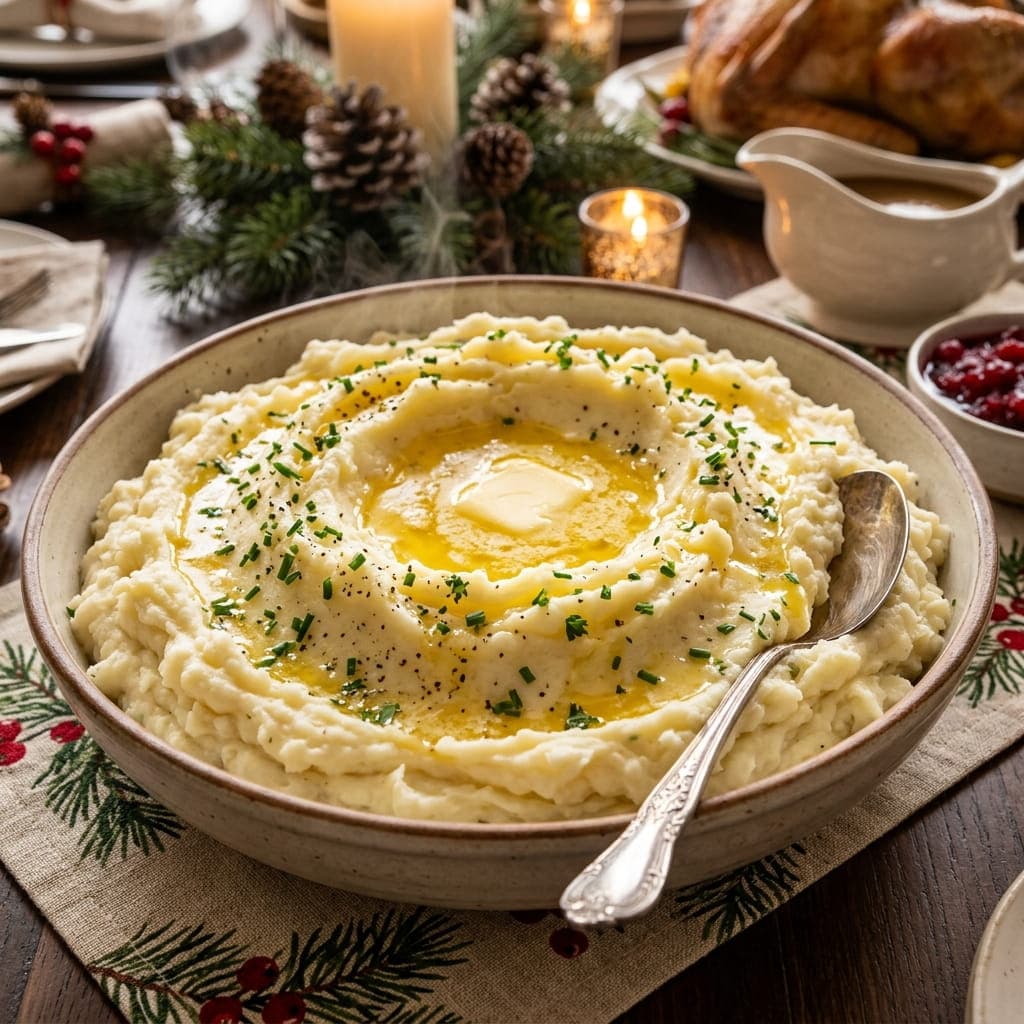
This starts the potatoes in cold water rather than dropping them into water that's already boiling, since heating them gradually together is what cooks the potatoes evenly through to the center instead of leaving the outside mushy while the middle stays firm. Warming the milk and butter before adding them to the mashed potatoes keeps the whole mixture from cooling down and turning gluey.
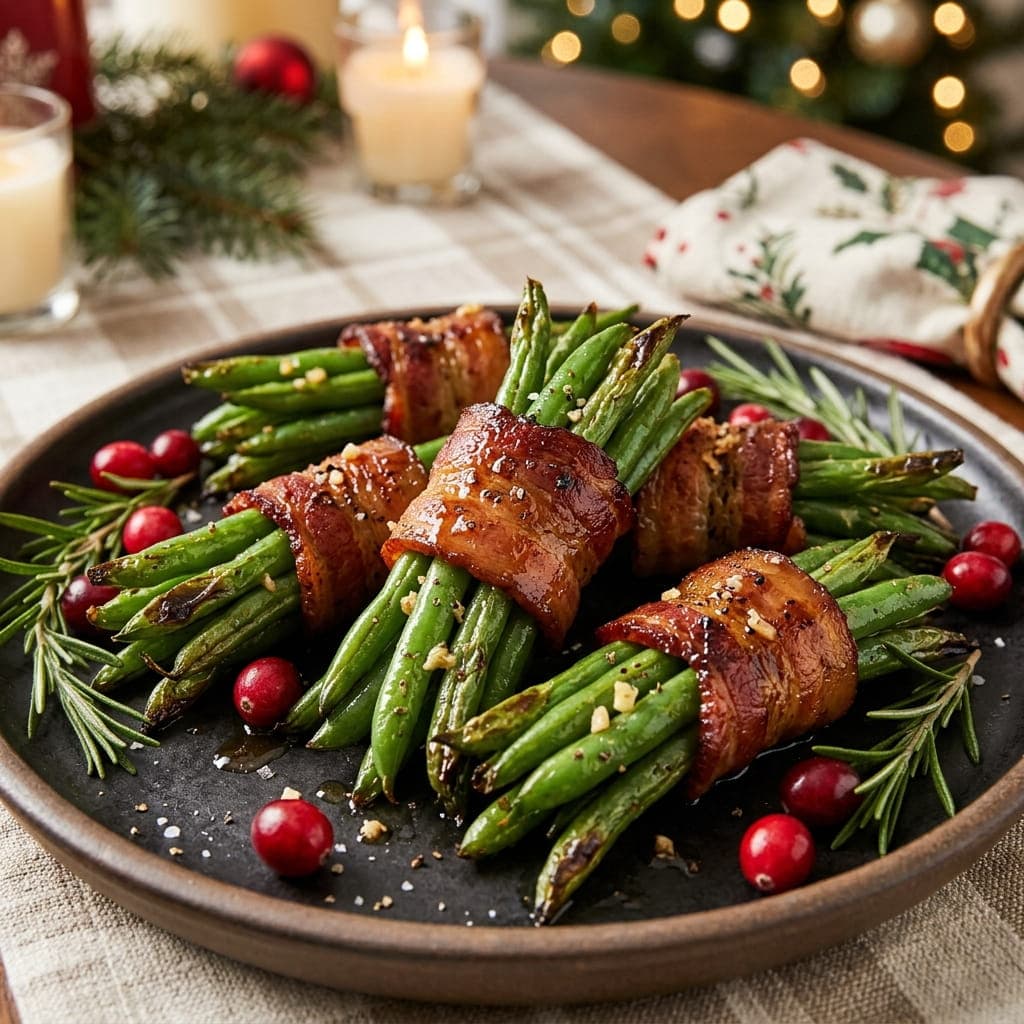
This blanches the green beans briefly in boiling water before wrapping them in bacon, which partially cooks them so they finish tender in the oven at the same rate the bacon needs to crisp, rather than the beans staying raw and crunchy while the bacon burns. Securing each bundle with a toothpick keeps the bacon wrapped tightly around the beans as it renders and shrinks during baking.
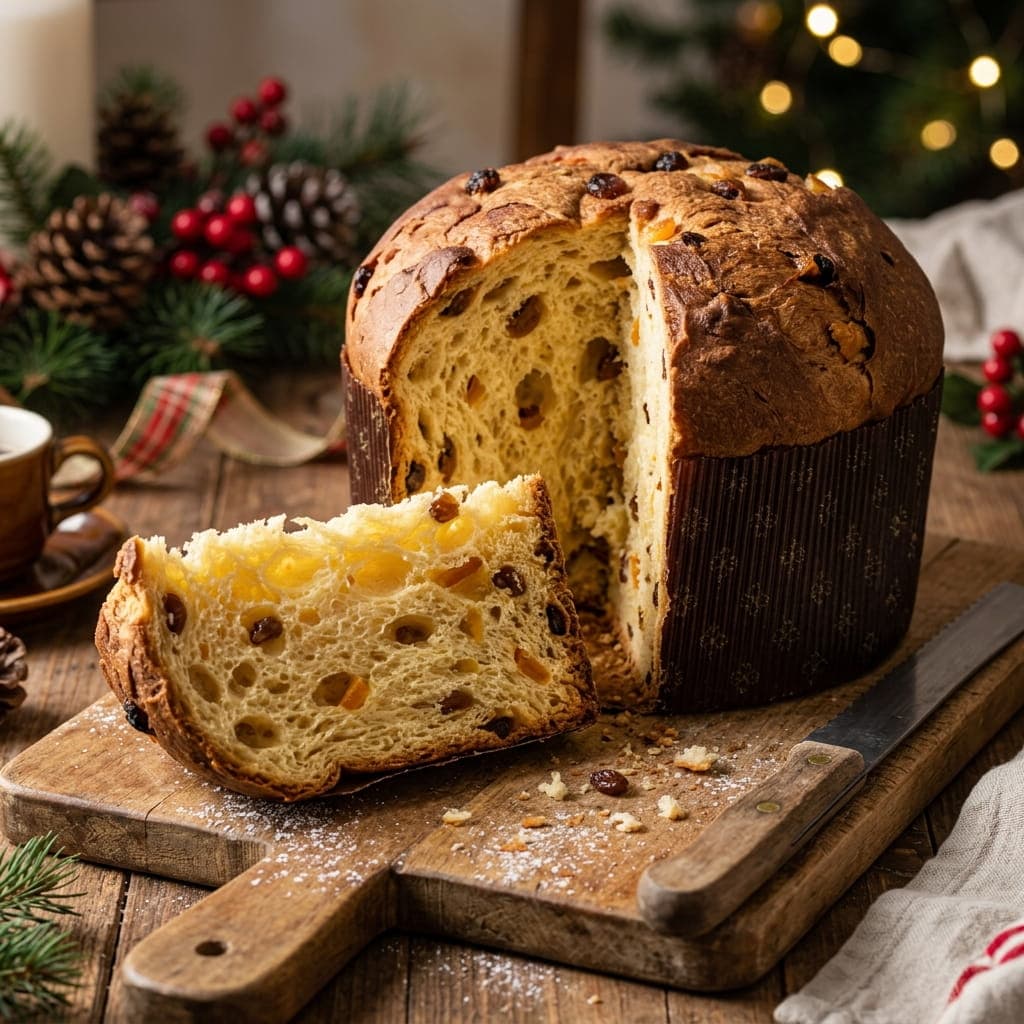
This builds the dough in two separate stages, first a smaller enriched starter dough that rises on its own, then combined with the remaining flour, eggs, and butter, which is the traditional method that gives panettone its signature light, airy, almost cottony texture over a long rise. Soaking the dried fruit in warm water or rum beforehand plumps it back up so it bakes into soft, juicy pockets rather than hard, chewy bits.
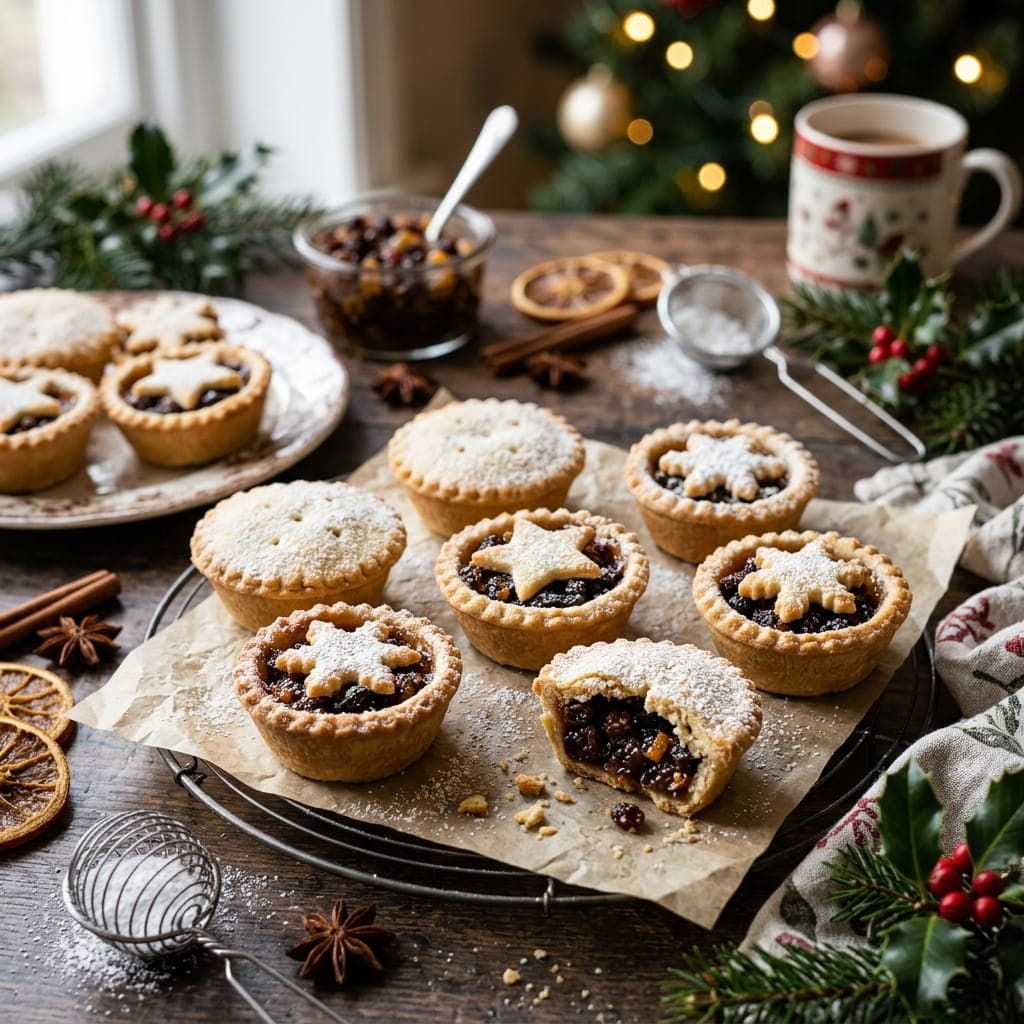
This uses a jarred or homemade fruit mincemeat, the traditional spiced mixture of dried fruit, suet or butter, and warming spices, rather than actual minced meat, since modern British mince pies moved away from savory meat centuries ago while keeping the name. Chilling the pastry thoroughly before baking is what keeps these small pies crisp and short, rather than tough from overworked, warm dough.