Loading...
Loading...
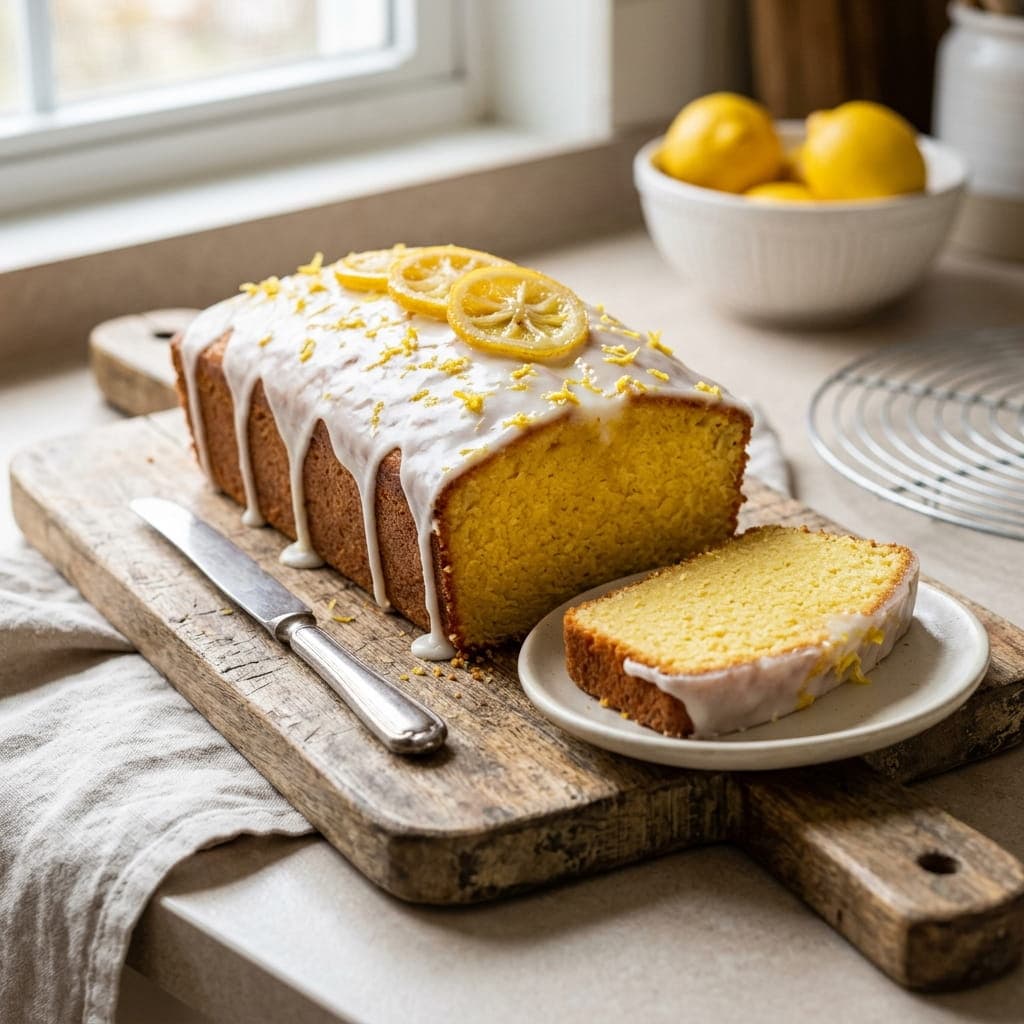
Rubbing lemon zest directly into the sugar before creaming it with butter releases far more of the citrus oils than simply stirring the zest in later would - a small step that makes the whole loaf taste more intensely of lemon rather than just looking speckled with it. Soaked with a lemon syrup right out of the oven, then finished with a tangy glaze once cooled, this is a bakery-style loaf with citrus flavor built into every layer.
Per serving
320kcal
Calories
4
Prep Time
20 min
Cook Time
55 min
Servings
10 people
Difficulty
medium
Protein
46g
Carbs
14g
Fat
1g
Fiber
30g
Sugar
Follow step-by-step with voice guidance.
Preheat the oven to 175°C (350°F) and grease and line a loaf pan with parchment paper.
In a bowl, rub the lemon zest into the sugar with your fingers until fragrant and the sugar turns slightly damp.
Cream the softened butter with the lemon sugar for 3-4 minutes, until pale and fluffy.
Add the eggs one at a time, beating well after each addition.
In a separate bowl, whisk together the flour, baking powder, and salt.
Alternate adding the flour mixture and the milk to the butter mixture, mixing until just combined.
Stir in the lemon juice and vanilla extract.
Pour the batter into the prepared loaf pan and bake for 50-55 minutes, until a toothpick inserted in the center comes out clean.
While the cake bakes, make the lemon syrup by warming the lemon juice and sugar together until the sugar dissolves.
As soon as the cake comes out of the oven, poke holes all over the top with a skewer and brush generously with the warm lemon syrup.
Let the cake cool completely in the pan, then whisk together the powdered sugar and lemon juice for the glaze and drizzle over the top.
Rub Zest into the Sugar: Massaging lemon zest into sugar with your fingers releases the citrus oils far more effectively than simply folding it into the batter, giving a noticeably more intense lemon flavor throughout. Soak the Cake While Still Warm: Poking holes and brushing on the lemon syrup right out of the oven lets the liquid soak deep into the crumb, keeping the loaf moist and packed with flavor. Let the Cake Cool Fully Before Glazing: A warm cake will melt the glaze right off - wait until it's completely cool for the glaze to set properly on top.
This technique releases the aromatic citrus oils from the zest much more effectively than simply stirring it in, resulting in a more pronounced lemon flavor throughout the finished cake.
0 reviews • 0.0 / 5 Average Rating
No reviews yet. Be the first to review this recipe!
More Like This
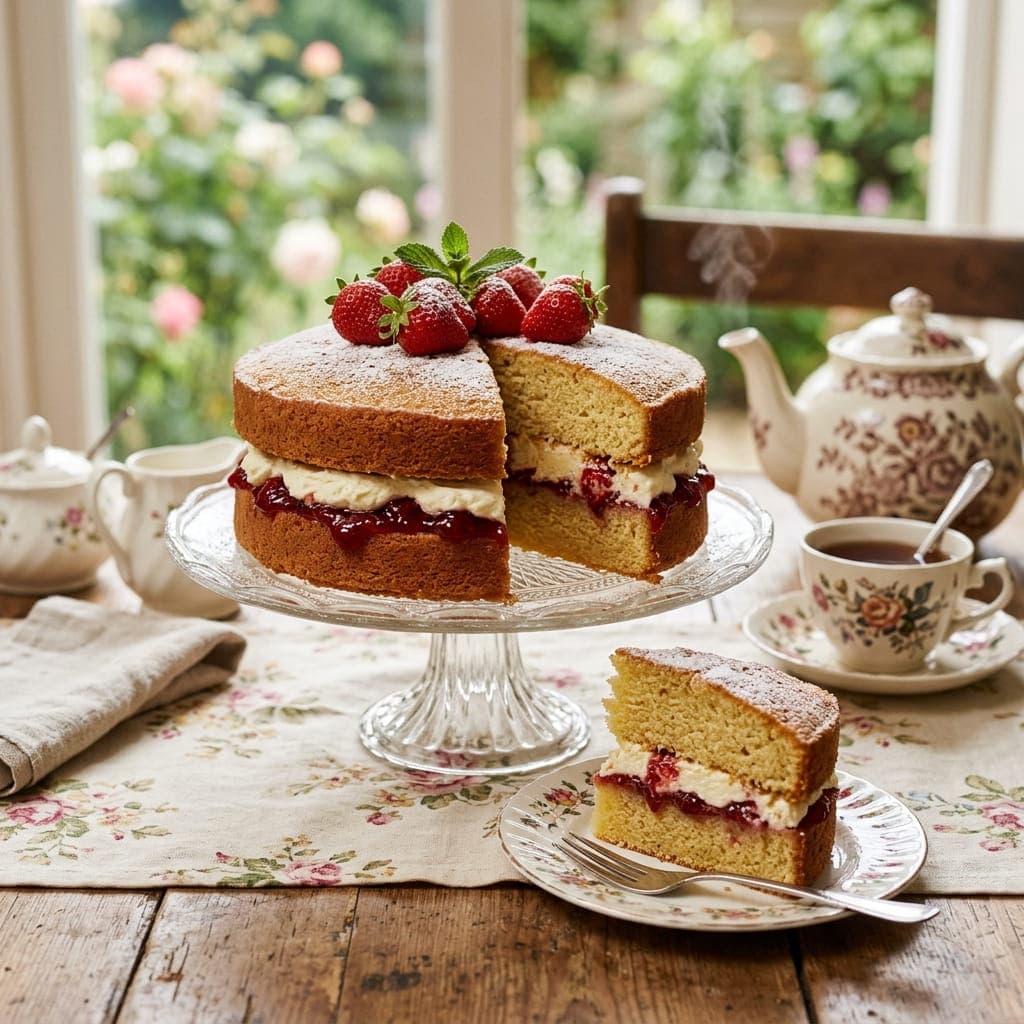
Named after Queen Victoria, who was said to enjoy a slice with her afternoon tea, this sponge relies on the classic equal-weights method - butter, sugar, flour, and eggs all matched in weight to guarantee a light, even crumb every time. Simply filled with jam and whipped cream, no elaborate frosting needed, it remains one of the most iconic bakes in British baking history.
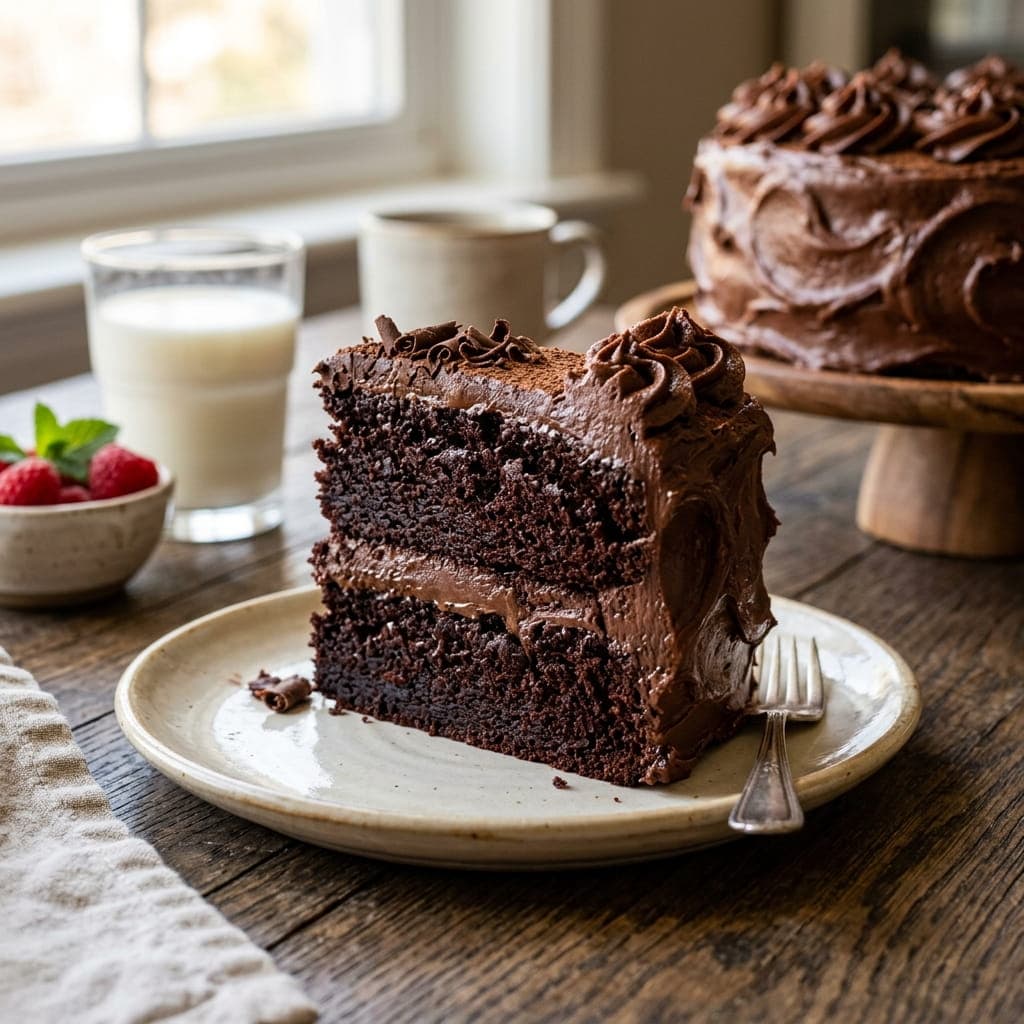
Boiling water added to the batter at the very end is the trick that separates a genuinely moist chocolate cake from a dry, crumbly one - the heat blooms the cocoa powder, deepening its flavor while thinning the batter just enough for an ultra-tender crumb. Topped with a glossy fudge frosting, this is the kind of cake that gets requested again the moment it's finished.
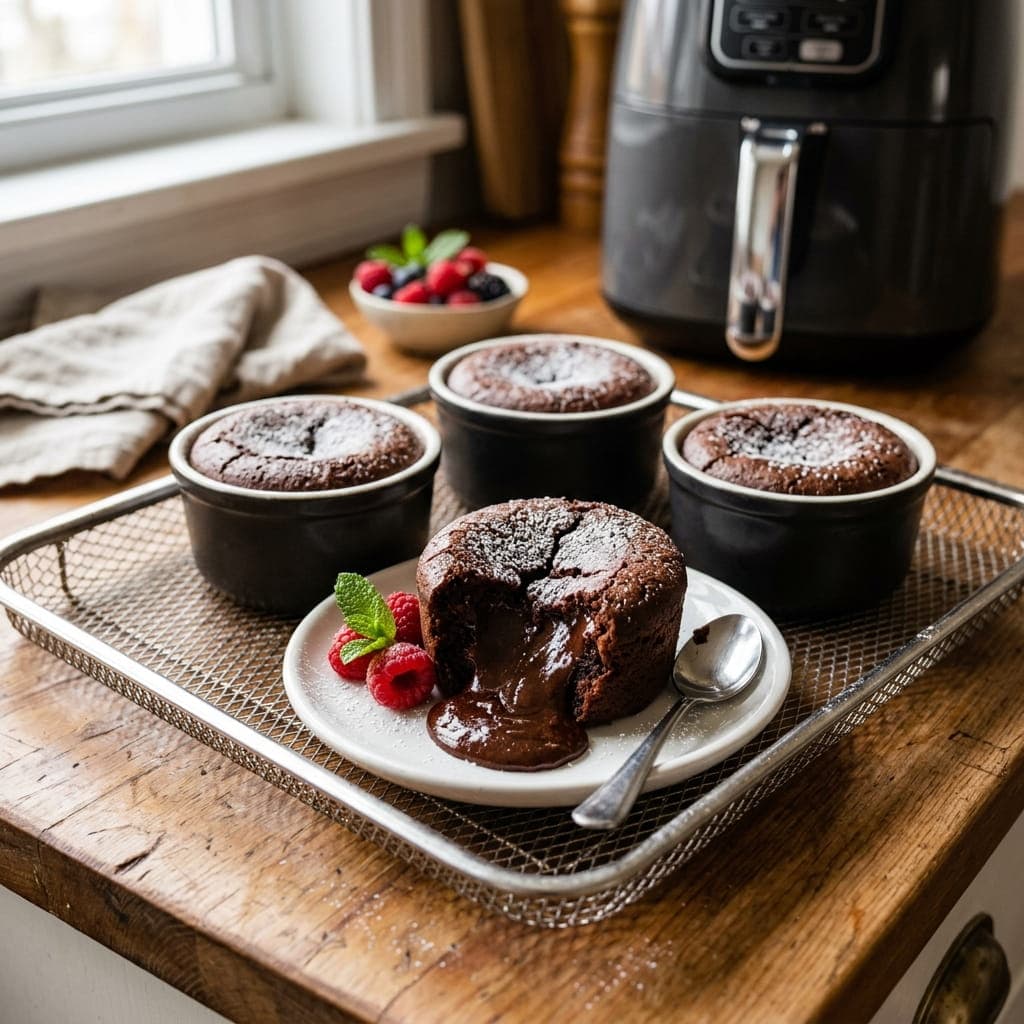
An air fryer's rapid, direct heat cooks the outside of these small cakes just as fast as an oven would while using a fraction of the preheat time - genuinely useful when the whole appeal of a lava cake is a molten center you want minutes after deciding to make dessert. Slightly underbaking is the entire point here, so pulling them out a minute early rather than late is the safer call.
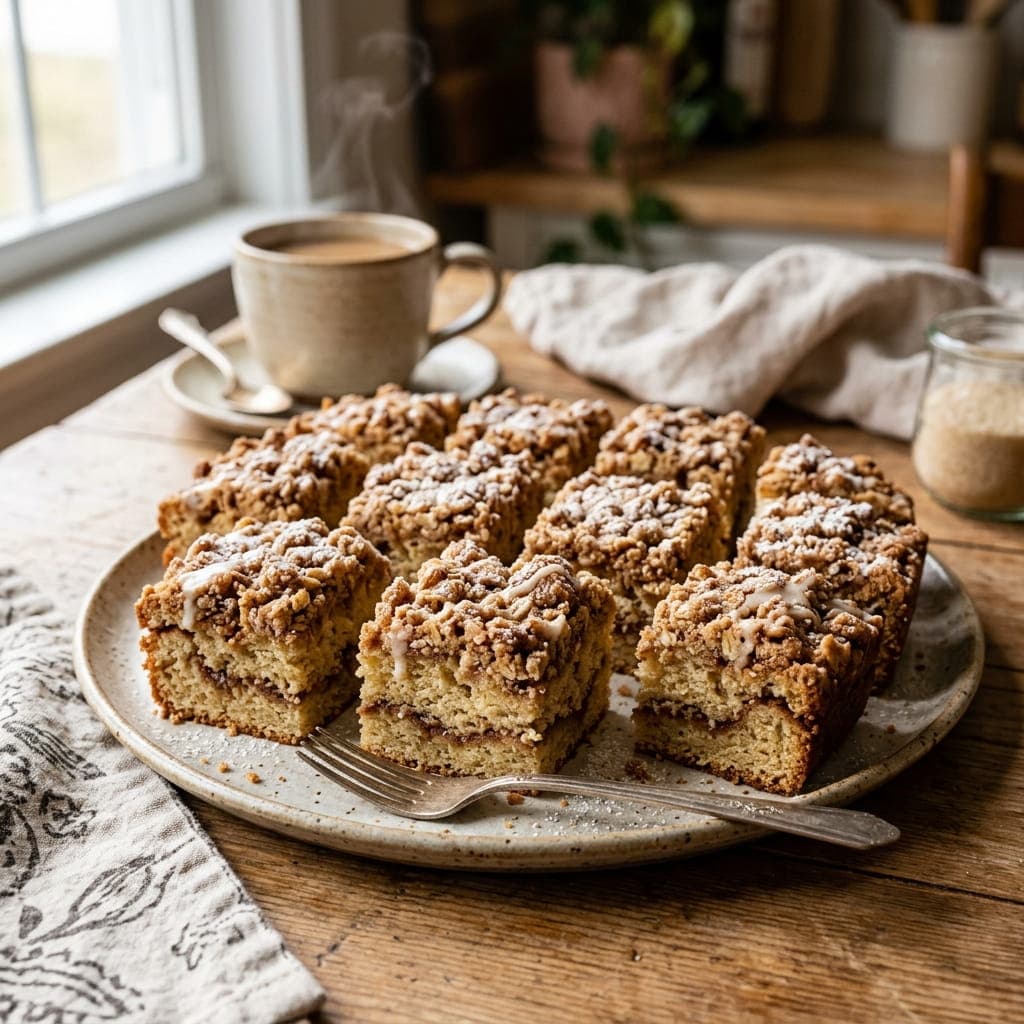
Layering half the streusel into the middle of the batter, not just on top, is what gives this cake a genuine ribbon of cinnamon running through the center - most versions only sprinkle streusel on the surface and miss out on that swirl entirely. Named for pairing with a cup of coffee rather than containing any actual coffee, this is a classic American brunch bake.