Loading...
Loading...
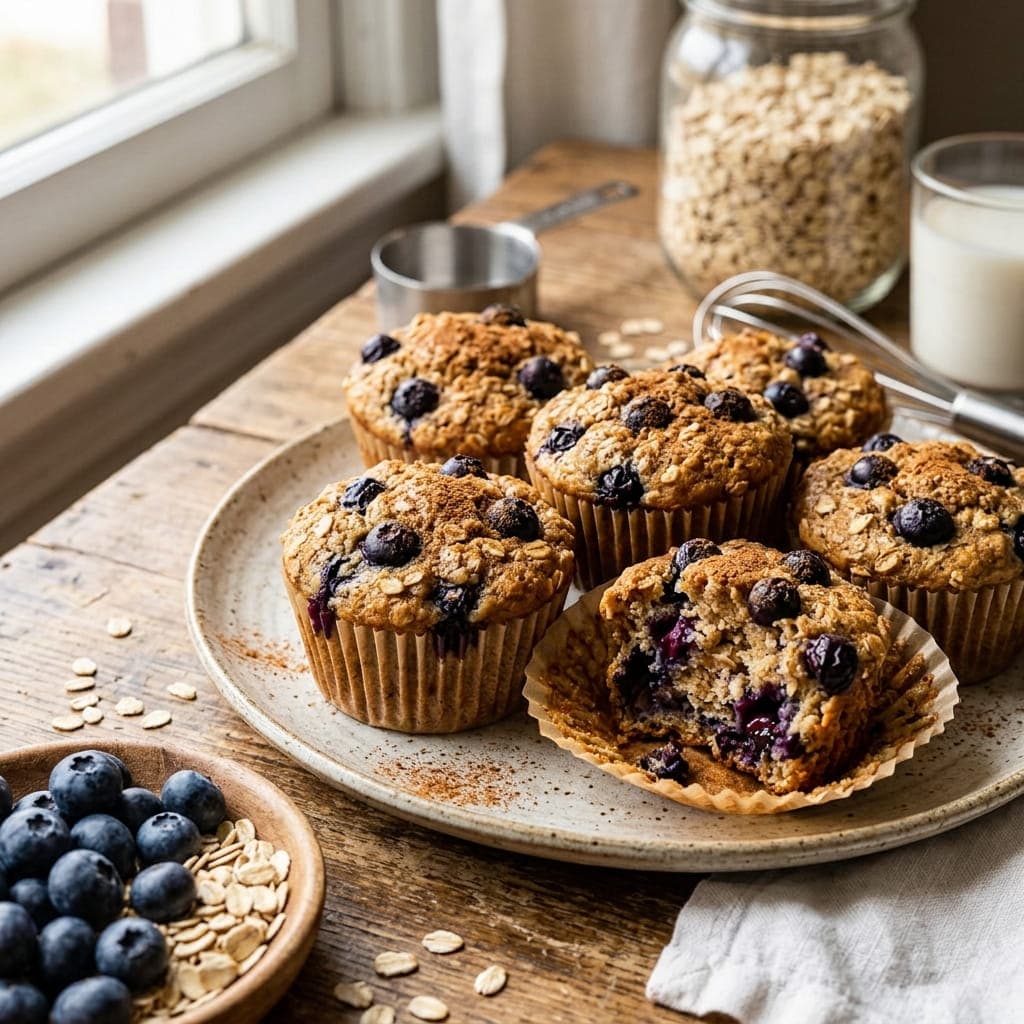
Mashed banana and applesauce carry the sweetness here instead of any added sugar, which is what keeps these muffins from tasting flat or one-dimensional the way many sugar-free bakes can. Tossing the blueberries in a spoonful of oat flour before folding them into the batter keeps them suspended evenly through each muffin instead of all sinking to the bottom.
Per serving
130kcal
Calories
4g
Protein
Prep Time
15 min
Cook Time
20 min
Servings
12 people
Difficulty
easy
20g
Carbs
4g
Fat
3g
Fiber
6g
Sugar
Follow step-by-step with voice guidance.
Preheat the oven to 190°C (375°F) and line a muffin tin with paper liners.
In a large bowl, mash the banana until smooth, then whisk in the applesauce, eggs, milk, and vanilla extract.
In a separate bowl, whisk together the oat flour, rolled oats, baking powder, baking soda, cinnamon, and salt.
Pour the wet ingredients into the dry ingredients and stir until just combined - do not overmix.
Toss the blueberries with 1 tablespoon of extra oat flour, then gently fold them into the batter.
Divide the batter evenly among the muffin cups, filling each about three-quarters full.
Bake for 18-20 minutes, until a toothpick inserted in the center comes out clean.
Let cool in the tin for 5 minutes, then transfer to a wire rack to cool completely.
Toss Blueberries in Flour First: This simple step keeps the berries evenly distributed through the batter instead of all sinking to the bottom during baking. Don't Overmix the Batter: Stirring just until the dry and wet ingredients are combined keeps the muffins tender - overmixing develops gluten and can make them dense or rubbery. Use Very Ripe Banana: The riper and more spotted the banana, the more natural sweetness it contributes, which matters even more in a recipe with no added sugar.
Yes, add them straight from frozen without thawing to prevent excess color from bleeding into the batter, and expect a slightly longer baking time of a few extra minutes.
0 reviews • 0.0 / 5 Average Rating
No reviews yet. Be the first to review this recipe!
More Like This
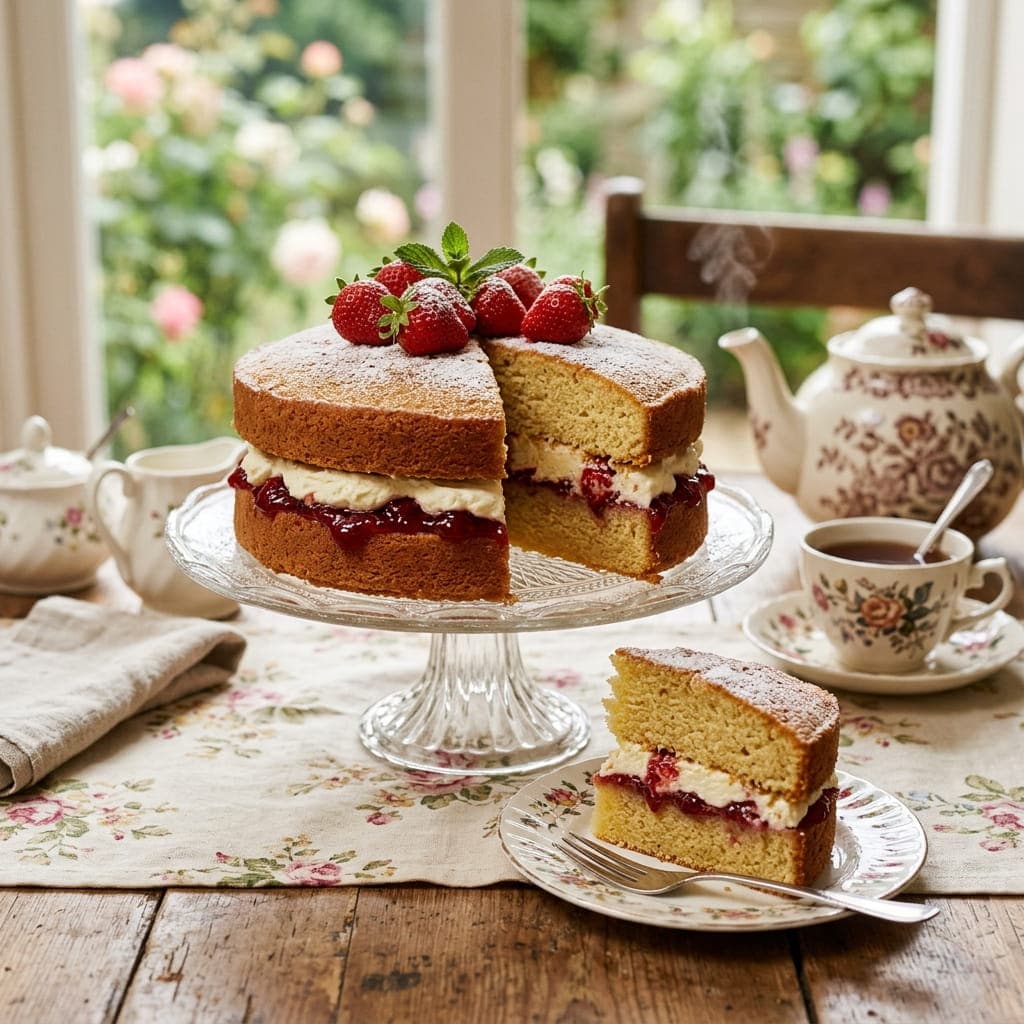
Named after Queen Victoria, who was said to enjoy a slice with her afternoon tea, this sponge relies on the classic equal-weights method - butter, sugar, flour, and eggs all matched in weight to guarantee a light, even crumb every time. Simply filled with jam and whipped cream, no elaborate frosting needed, it remains one of the most iconic bakes in British baking history.
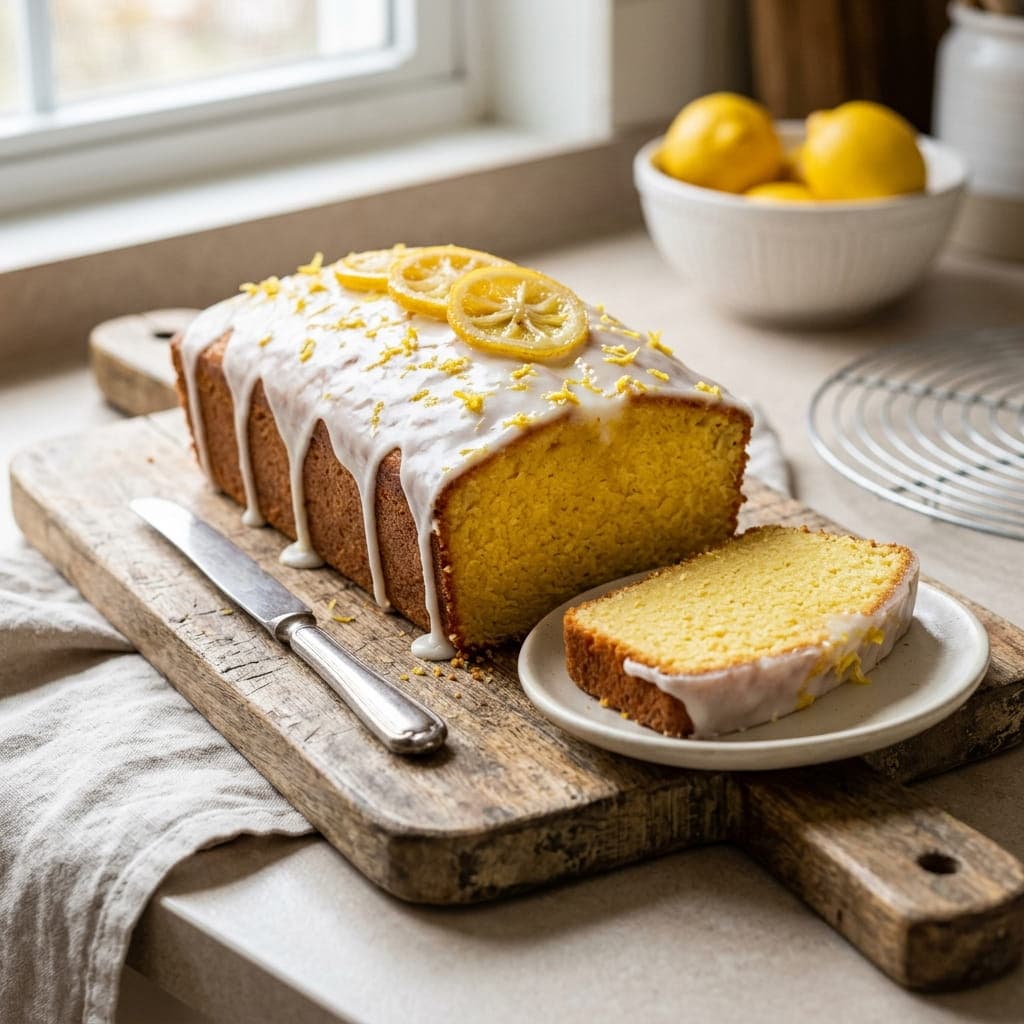
Rubbing lemon zest directly into the sugar before creaming it with butter releases far more of the citrus oils than simply stirring the zest in later would - a small step that makes the whole loaf taste more intensely of lemon rather than just looking speckled with it. Soaked with a lemon syrup right out of the oven, then finished with a tangy glaze once cooled, this is a bakery-style loaf with citrus flavor built into every layer.
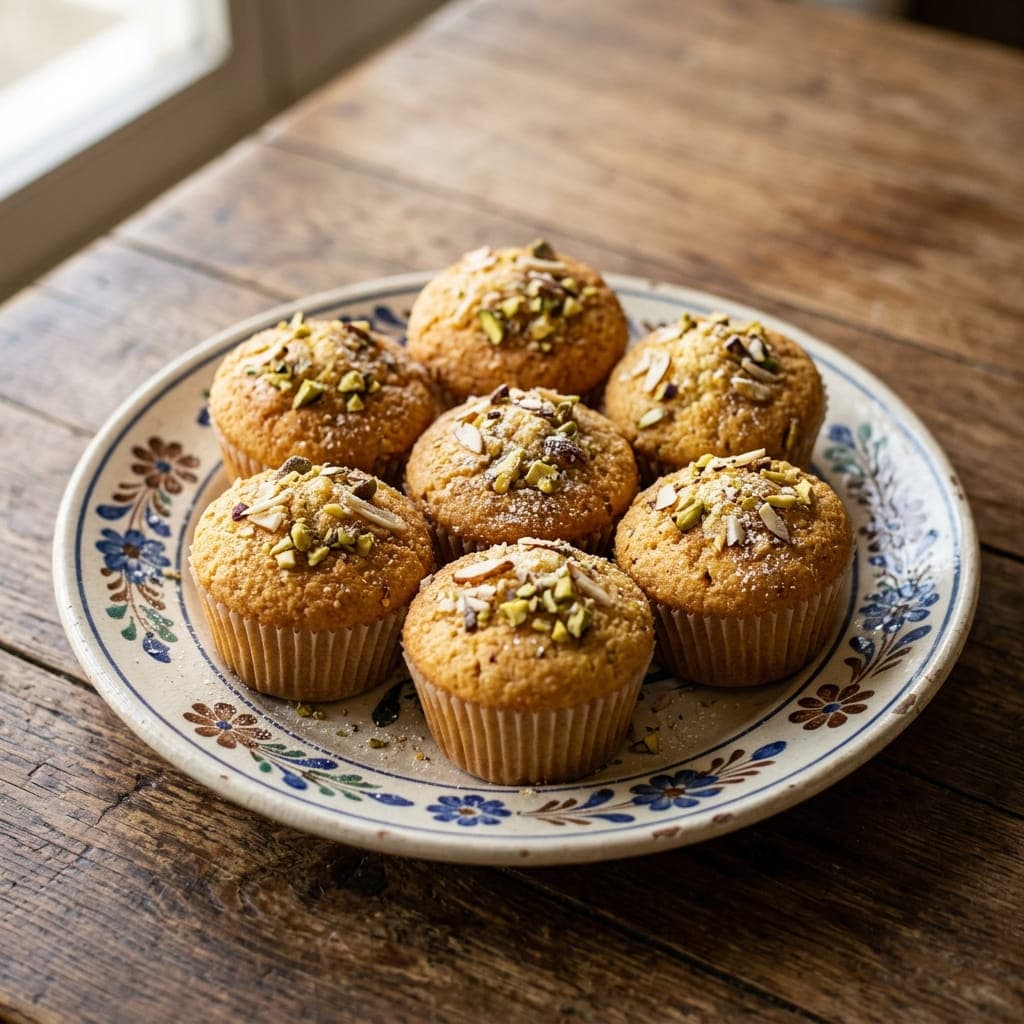
This is the tea-time cake sold at local Pakistani bakeries, built on semolina instead of flour - a texture people who grew up eating it can spot immediately, slightly grainy in the best way and never quite like a Western sponge cake. Letting the batter rest before baking is the one step that makes or breaks it: the semolina needs time to properly absorb the yogurt and milk, or the finished muffins turn out gritty instead of tender.
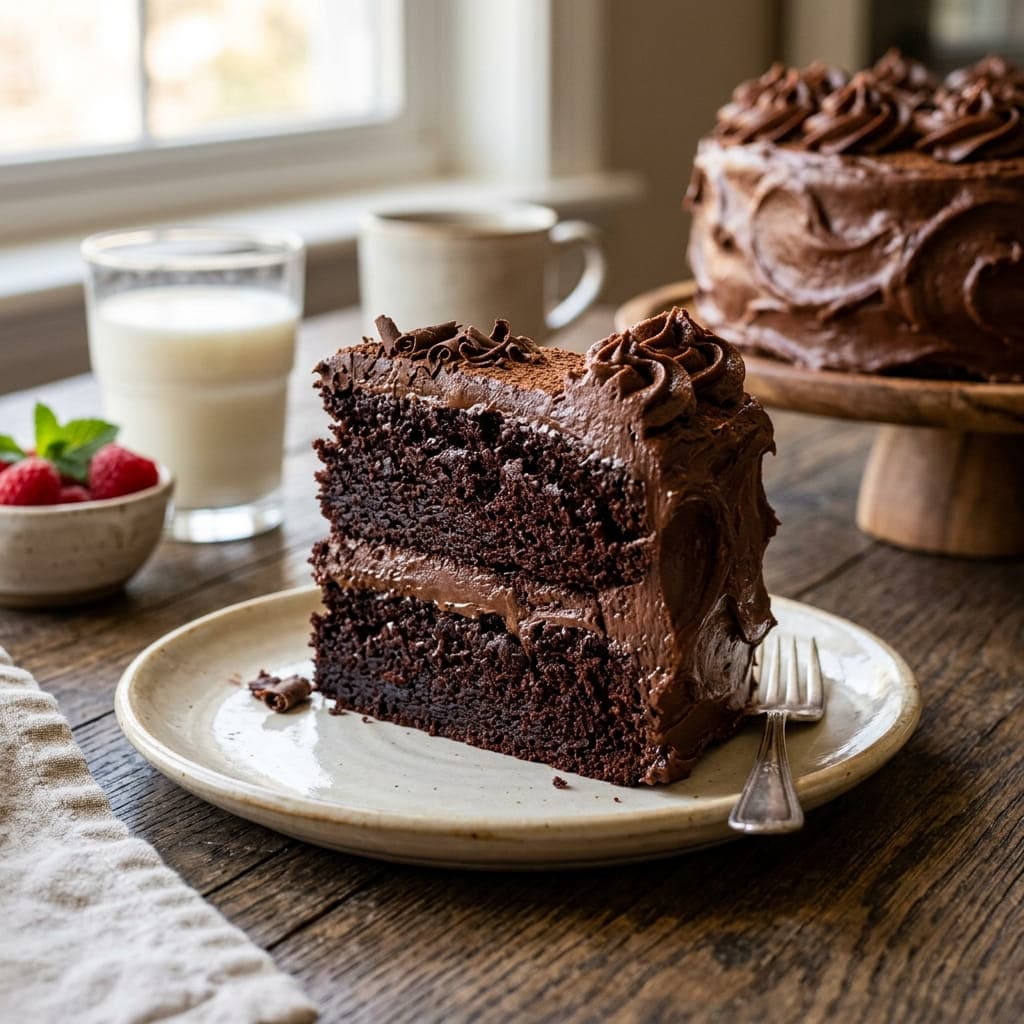
Boiling water added to the batter at the very end is the trick that separates a genuinely moist chocolate cake from a dry, crumbly one - the heat blooms the cocoa powder, deepening its flavor while thinning the batter just enough for an ultra-tender crumb. Topped with a glossy fudge frosting, this is the kind of cake that gets requested again the moment it's finished.