Loading...
Loading...
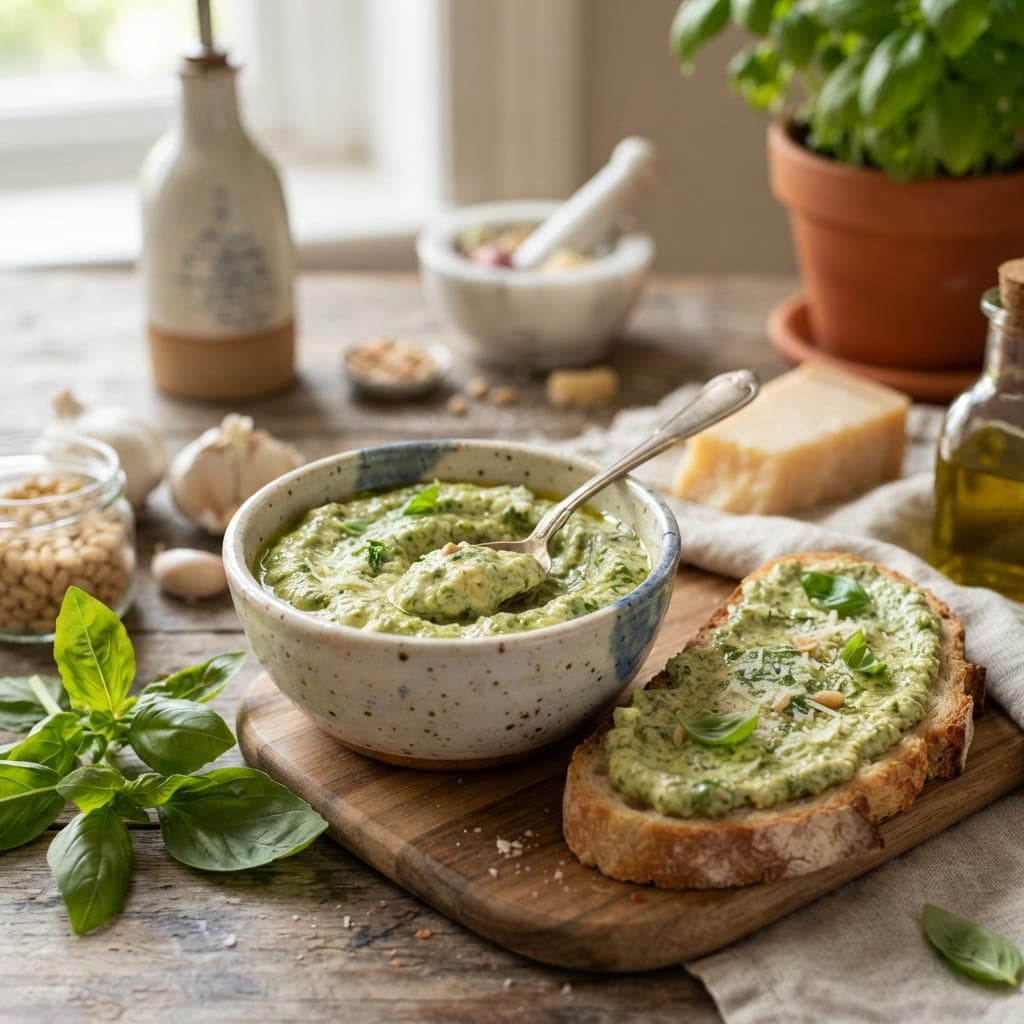
Blanching the basil leaves briefly in boiling water, then shocking them in ice water, is a trick that keeps this pesto's color a vivid green rather than the dull, oxidized brown it can turn within an hour of blending. A splash of cream folded in at the end softens the pesto's sharp bite into something spreadable enough for bread, not just a pasta sauce.
Per serving
150kcal
Calories
3g
Protein
2g
Carbs
15g
Fat
Prep Time
15 min
Cook Time
2 min
Servings
8 people
Difficulty
easy
1g
Fiber
Follow step-by-step with voice guidance.
Bring a small pot of water to a boil. Blanch the basil leaves for 10 seconds, then immediately transfer to a bowl of ice water to stop the cooking and preserve the color.
Drain the basil and squeeze out as much excess water as possible using a clean towel.
In a food processor, combine the blanched basil, pine nuts, garlic, and parmesan, and pulse until finely chopped.
With the processor running, slowly drizzle in the olive oil until a thick, well-combined pesto forms.
Stir in the heavy cream and a pinch of salt, mixing until smooth and spreadable.
Taste and adjust salt or cream as needed for consistency.
Transfer to a jar or serving bowl and refrigerate until ready to use.
Blanch the Basil First: This quick technique preserves the pesto's vibrant green color much longer than using raw basil, which oxidizes and turns brownish within an hour of blending. Squeeze Out Excess Water Thoroughly: Any leftover moisture from blanching will thin out the pesto, so press the basil firmly in a towel before blending. Add Cream Gradually: Start with a small amount and add more only if needed - the goal is a spreadable consistency, not a thin, runny sauce.
A quick dip in boiling water followed by an ice bath deactivates the enzymes that cause basil to oxidize and turn brown once blended, keeping the pesto's color vibrant green for much longer.
0 reviews • 0.0 / 5 Average Rating
No reviews yet. Be the first to review this recipe!
More Like This
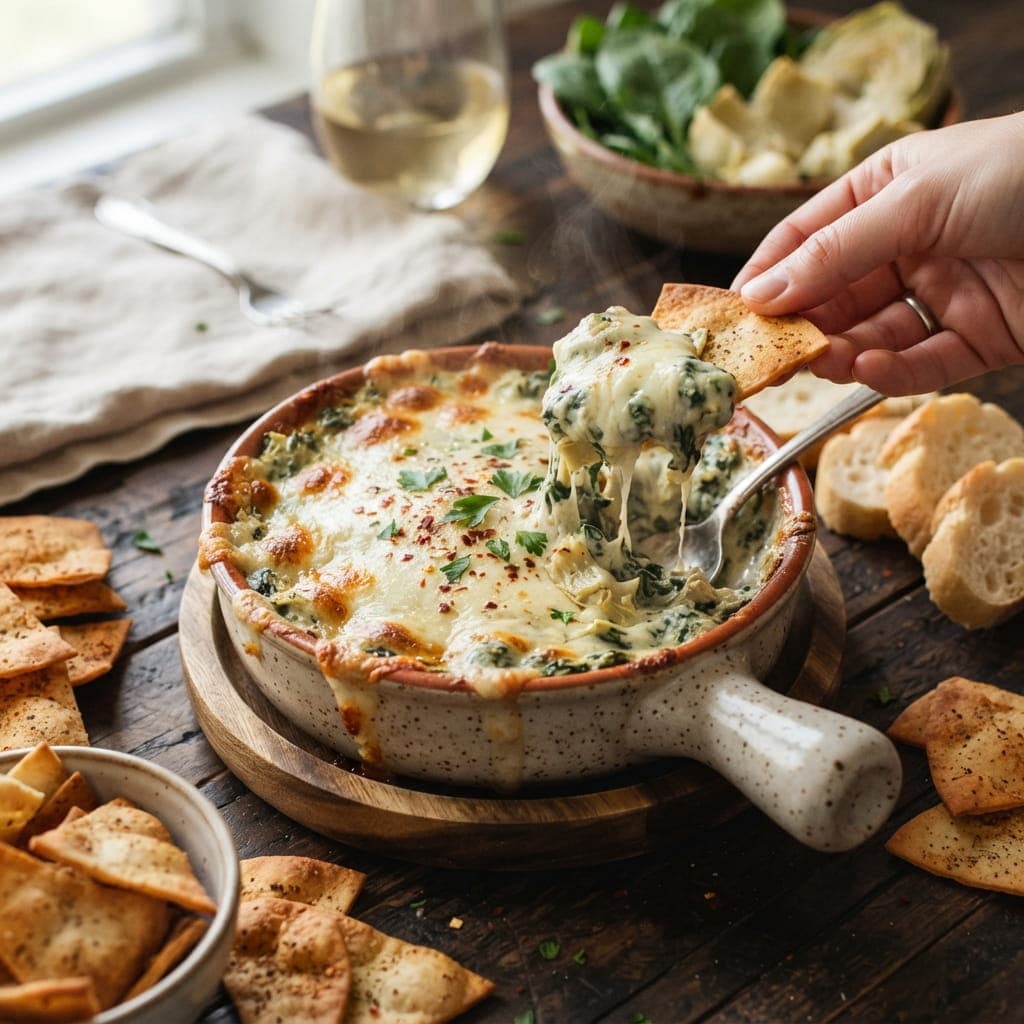
Squeezing every bit of water out of thawed frozen spinach is what keeps this dip thick and scoopable rather than watery once baked - spinach holds a surprising amount of moisture that dilutes the cream cheese base if not removed first. Baked until bubbling and just beginning to brown at the edges, this is the classic party dip that disappears within minutes of hitting the table.
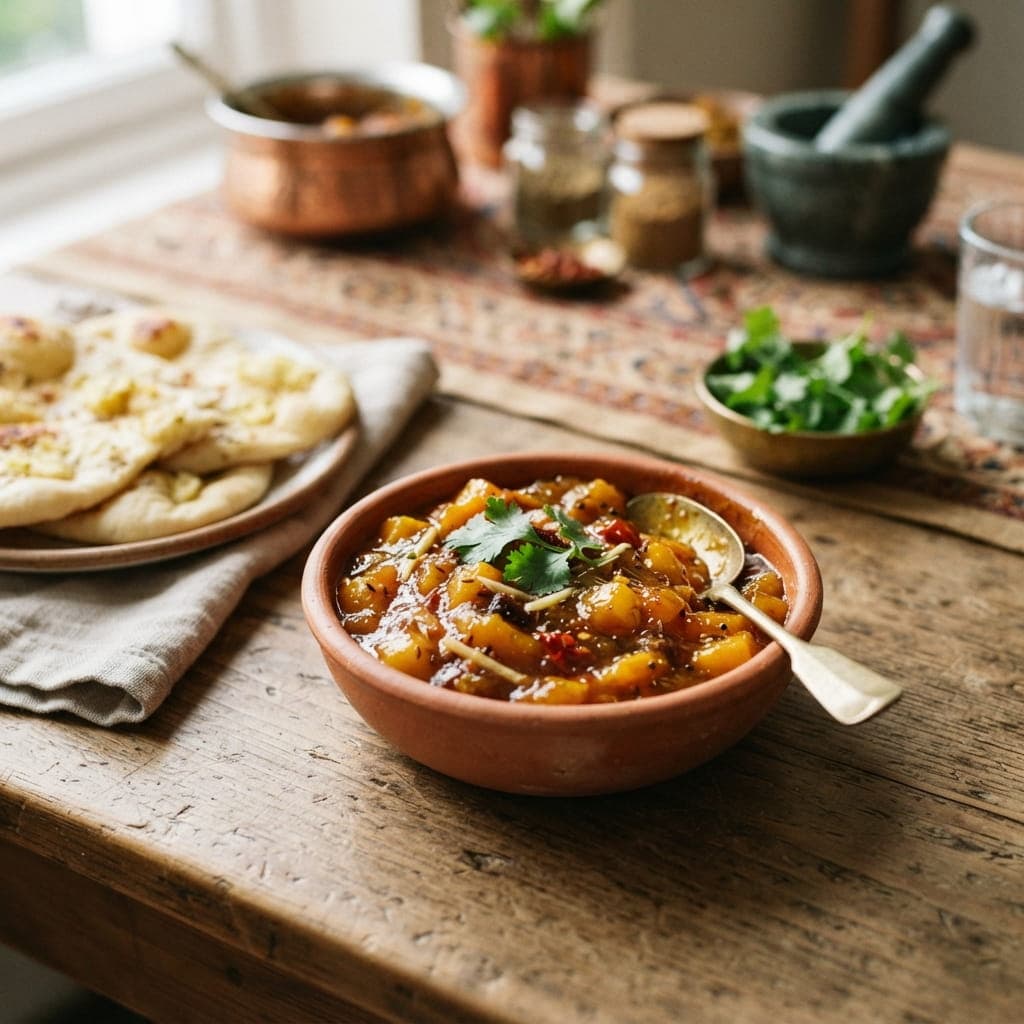
Using slightly underripe, firm mangoes rather than sweet, ripe ones is what gives this chutney its proper balance - fully ripe mango turns to mush too quickly and lacks the tartness needed to stand up against the sugar and chili. Simmered low and slow until thick and jammy, this is the same sweet-hot condiment that comes alongside samosas and pakoras at Indian restaurants.
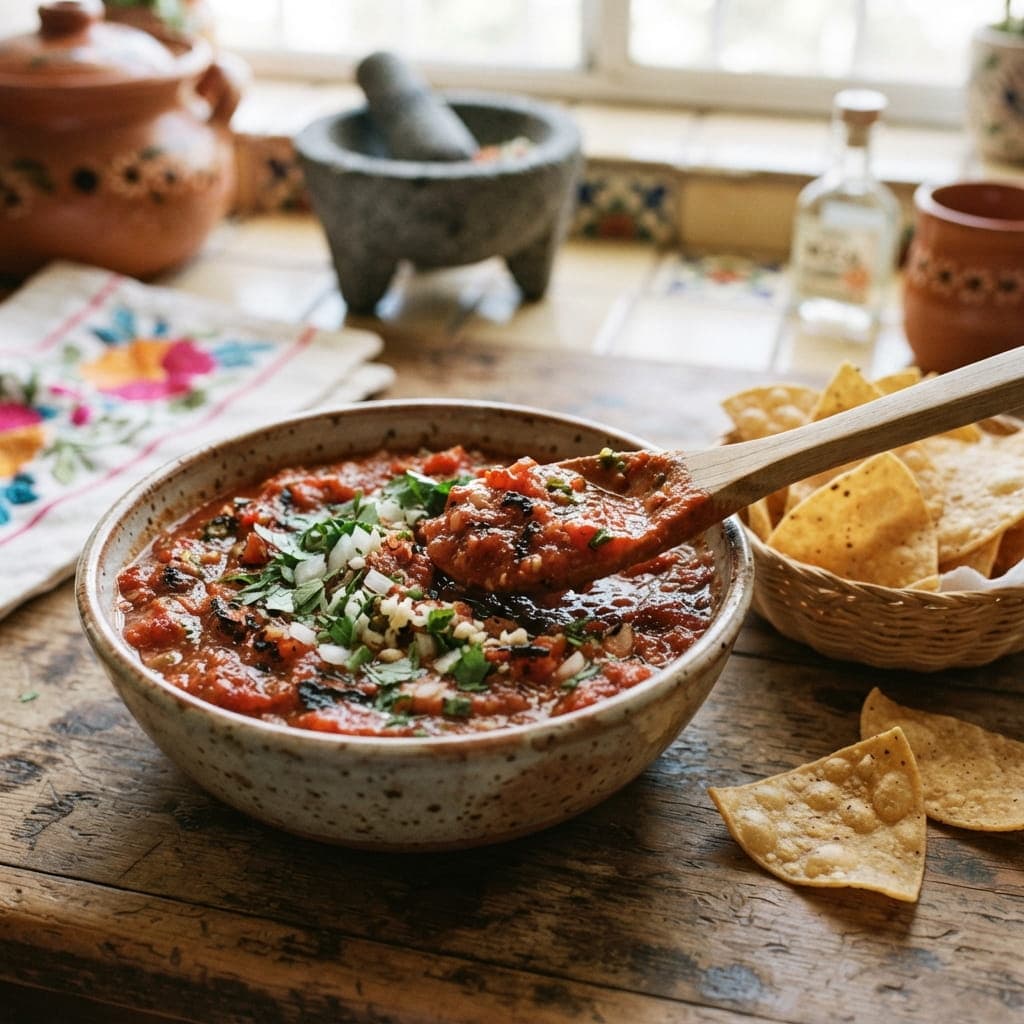
Blistering the tomatoes, onion, and chilies under a broiler before blending is the technique that gives this salsa its deep, smoky roasted flavor - raw tomato salsa tastes noticeably brighter and thinner by comparison. Pulsing rather than fully pureeing keeps some texture intact, closer to what you'd get at an actual taqueria than a smooth, restaurant-style bottled salsa.
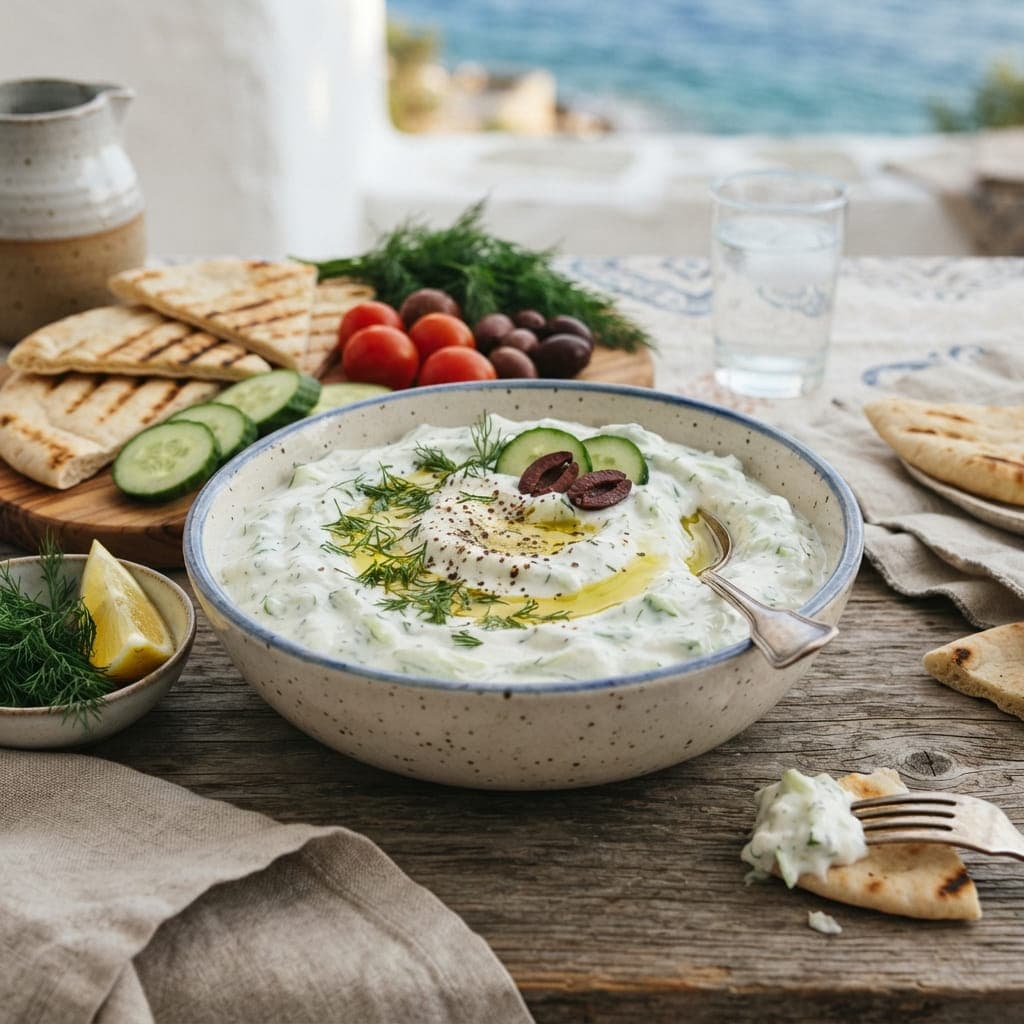
Grating the cucumber and then squeezing it dry in a clean towel is the step most people skip, and it's exactly why store-bought tzatziki is often thin and watery - fresh cucumber releases a surprising amount of liquid that will thin the dip within an hour if not removed first. Thick Greek yogurt as the base, rather than regular yogurt, is what gives this its characteristic body and tang.