Loading...
Loading...
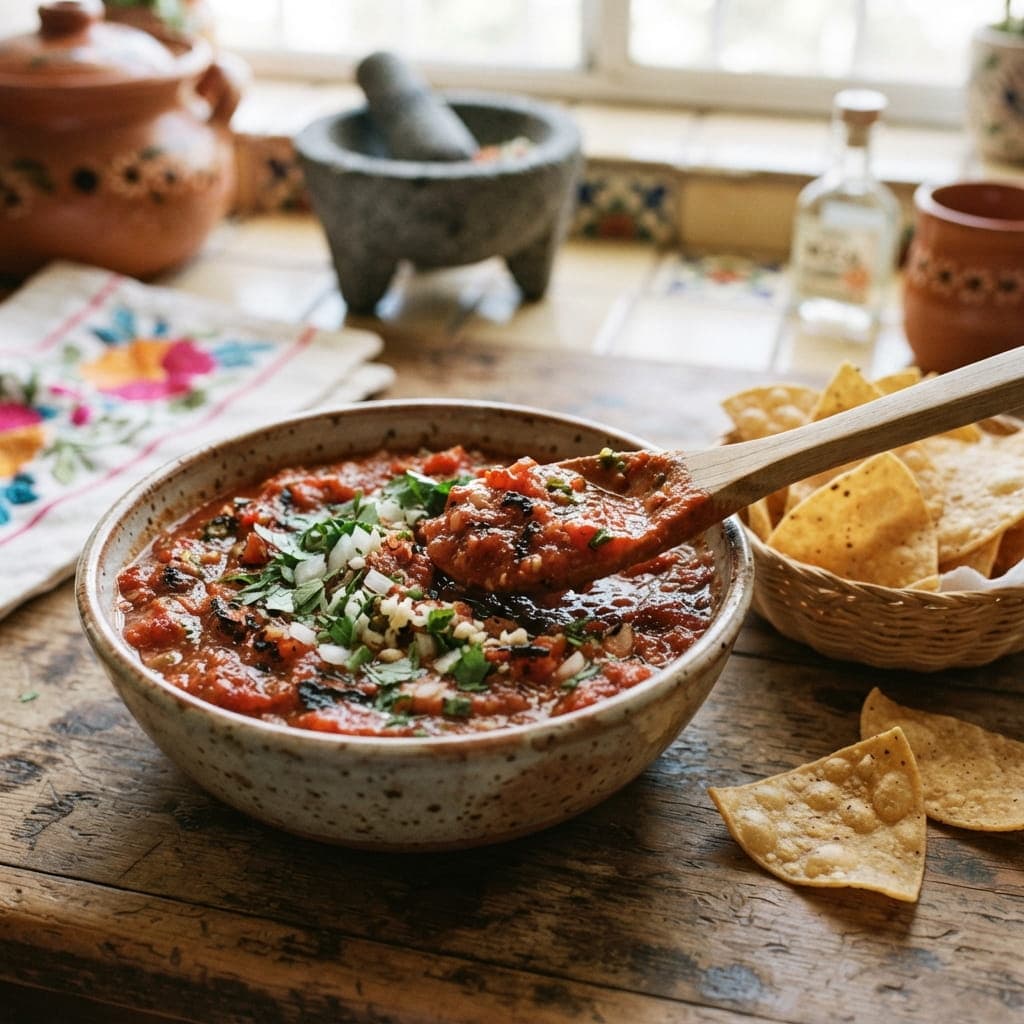
Blistering the tomatoes, onion, and chilies under a broiler before blending is the technique that gives this salsa its deep, smoky roasted flavor - raw tomato salsa tastes noticeably brighter and thinner by comparison. Pulsing rather than fully pureeing keeps some texture intact, closer to what you'd get at an actual taqueria than a smooth, restaurant-style bottled salsa.
Per serving
30kcal
Calories
1g
Protein
6g
Carbs
1g
Fiber
Prep Time
15 min
Cook Time
10 min
Servings
8 people
Difficulty
easy
3g
Sugar
Follow step-by-step with voice guidance.
Preheat the broiler and line a baking sheet with foil.
Arrange the tomatoes, onion quarters, jalapenos, and garlic (still in the skin) on the baking sheet.
Broil for 8-10 minutes, turning occasionally, until the vegetables are blistered and charred in spots.
Let the vegetables cool slightly, then peel the garlic and remove the jalapeno stems (seeds can be removed for less heat).
Transfer the charred vegetables to a blender or food processor along with the lime juice, chopped cilantro, and salt.
Pulse several times until the salsa reaches a chunky, coarse consistency - avoid over-blending into a smooth puree.
Taste and adjust salt, lime, or heat as needed.
Serve immediately with tortilla chips, or refrigerate until ready to serve.
Char the Vegetables Properly: Getting real blistered, blackened spots under the broiler is what gives this salsa its distinctive smoky depth - don't rush this step or pull the vegetables before they've developed good color. Pulse, Don't Puree: Stopping the blender while some texture remains gives a more authentic, chunky salsa closer to what's served at Mexican taquerias, rather than a smooth, bottled-style sauce. Adjust Heat by Removing Seeds: Jalapeno seeds and membranes carry most of the heat, so remove them for a milder salsa or leave them in for extra spice.
Yes, grilling over medium-high heat gives an even smokier flavor and works just as well as broiling - turn occasionally until blistered on all sides.
0 reviews • 0.0 / 5 Average Rating
No reviews yet. Be the first to review this recipe!
More Like This

Squeezing every bit of water out of thawed frozen spinach is what keeps this dip thick and scoopable rather than watery once baked - spinach holds a surprising amount of moisture that dilutes the cream cheese base if not removed first. Baked until bubbling and just beginning to brown at the edges, this is the classic party dip that disappears within minutes of hitting the table.
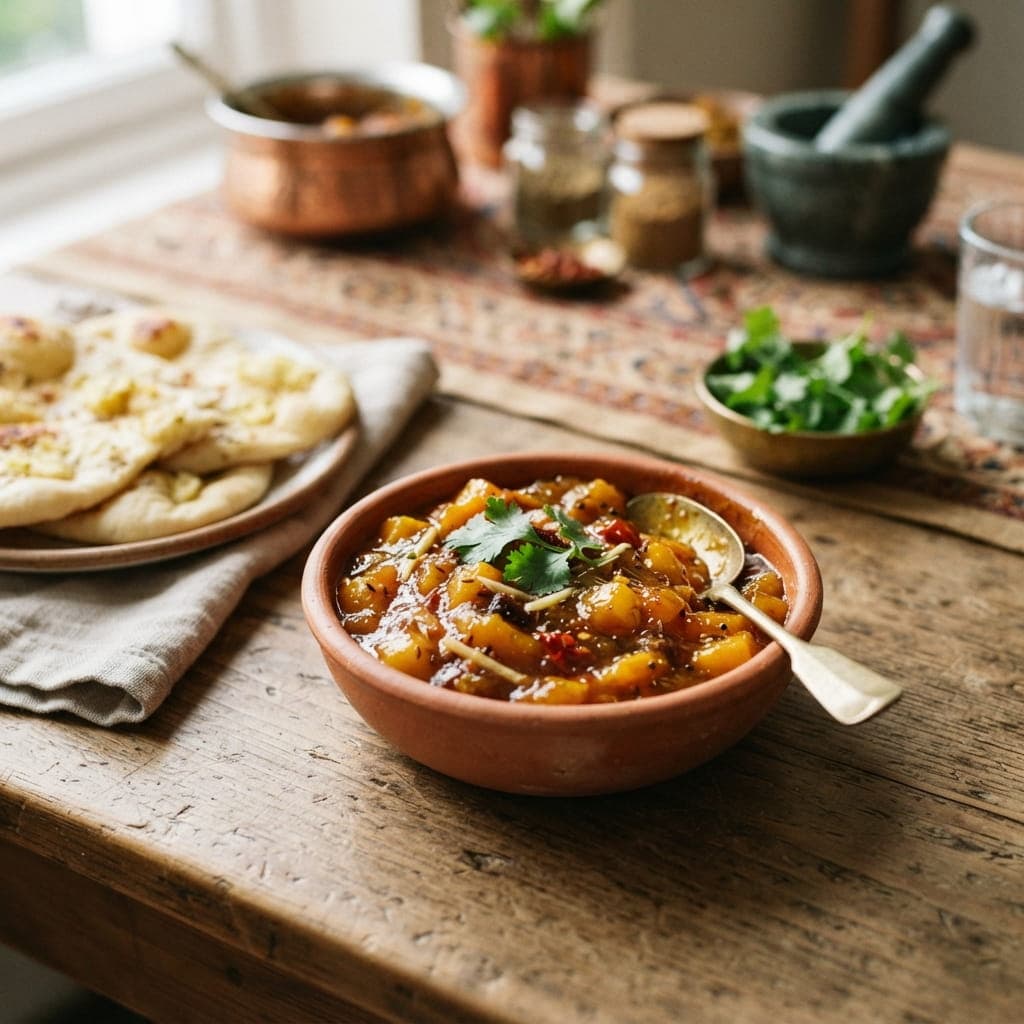
Using slightly underripe, firm mangoes rather than sweet, ripe ones is what gives this chutney its proper balance - fully ripe mango turns to mush too quickly and lacks the tartness needed to stand up against the sugar and chili. Simmered low and slow until thick and jammy, this is the same sweet-hot condiment that comes alongside samosas and pakoras at Indian restaurants.
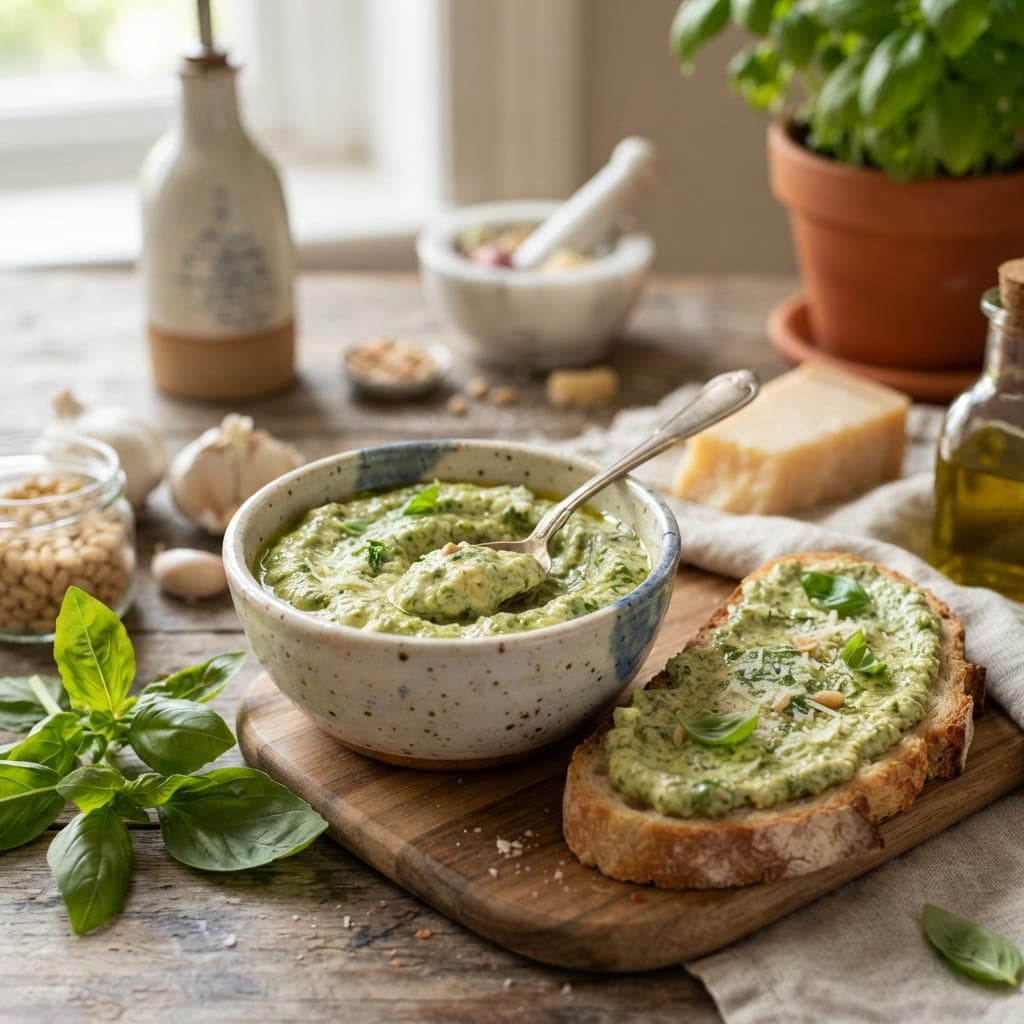
Blanching the basil leaves briefly in boiling water, then shocking them in ice water, is a trick that keeps this pesto's color a vivid green rather than the dull, oxidized brown it can turn within an hour of blending. A splash of cream folded in at the end softens the pesto's sharp bite into something spreadable enough for bread, not just a pasta sauce.
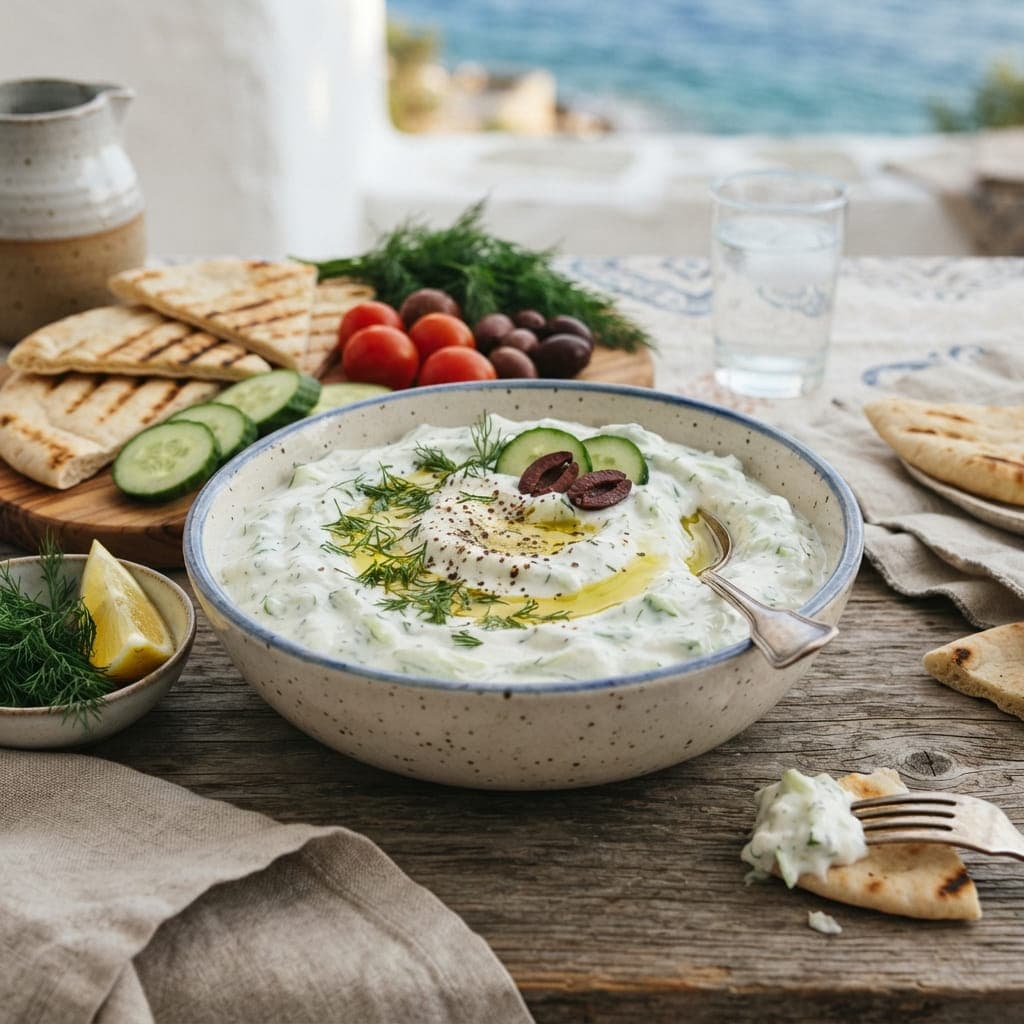
Grating the cucumber and then squeezing it dry in a clean towel is the step most people skip, and it's exactly why store-bought tzatziki is often thin and watery - fresh cucumber releases a surprising amount of liquid that will thin the dip within an hour if not removed first. Thick Greek yogurt as the base, rather than regular yogurt, is what gives this its characteristic body and tang.