Loading...
Loading...
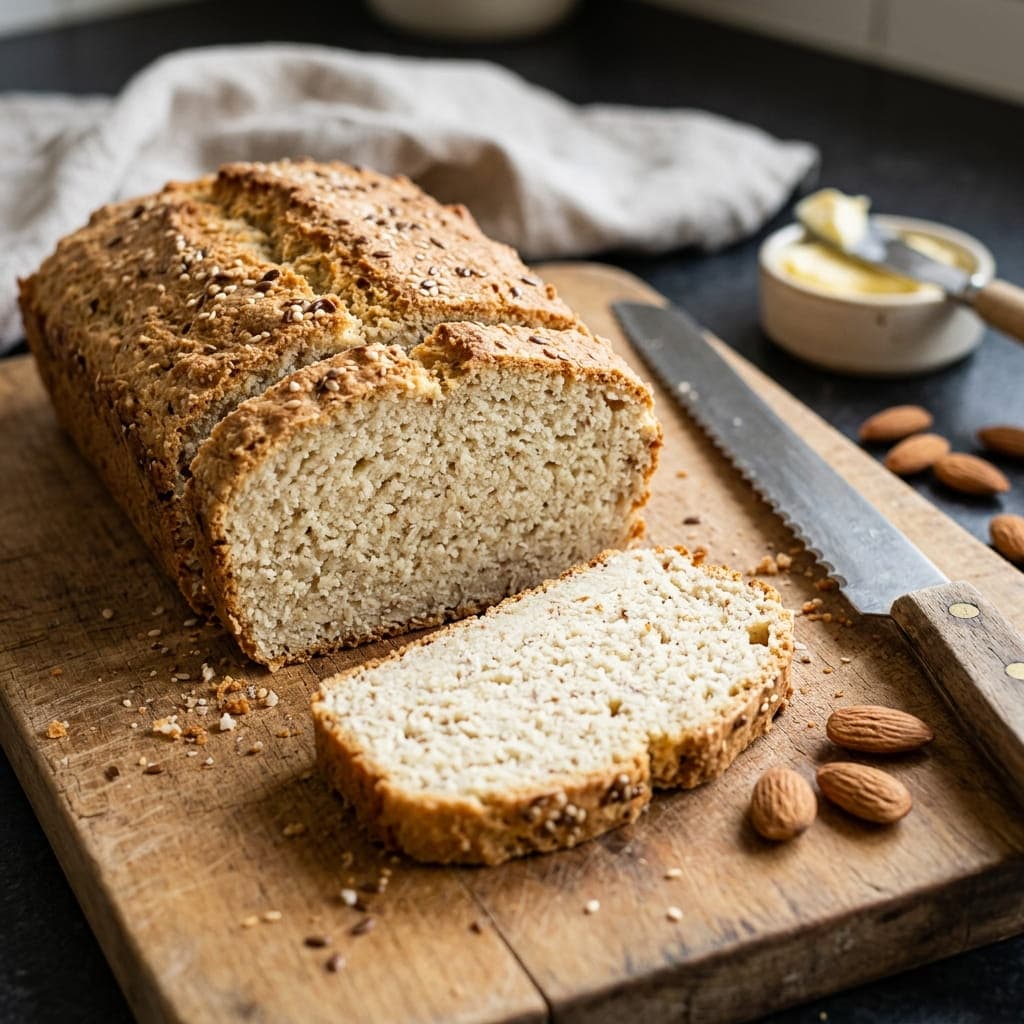
This whips the eggs until light and airy before folding them into the almond flour mixture, since almond flour has no gluten to trap air on its own, meaning the eggs are what give this keto loaf its lift and structure instead. Baking it low and slow keeps the exterior from browning too quickly while the dense, moisture rich center has time to fully set.
Per serving
190kcal
Calories
7g
Protein
5g
Carbs
17g
Fat
3g
Prep Time
10 min
Cook Time
45 min
Servings
10 people
Difficulty
easy
Fiber
1g
Sugar
Follow step-by-step with voice guidance.
Preheat the oven to 160°C (325°F) and grease a small loaf pan.
In a large bowl, whisk the eggs until light and slightly frothy, about 1 minute.
Whisk in the melted butter and apple cider vinegar.
In a separate bowl, combine the almond flour, baking powder, and salt.
Add the dry ingredients to the egg mixture and stir until fully combined and smooth.
Pour the batter into the prepared loaf pan and smooth the top.
Bake for 40 to 45 minutes, until golden and a toothpick inserted into the center comes out clean.
Cool in the pan for 15 minutes, then transfer to a wire rack to cool completely before slicing.
Whisk the Eggs Well: Since almond flour has no gluten to trap air, well beaten eggs are what give this bread its lift and prevent it from turning out too flat and dense. Bake Low and Slow: A lower oven temperature keeps the exterior from browning too fast while the center, which is naturally denser than wheat bread, has time to fully cook through. Let It Cool Completely Before Slicing: Almond flour bread is more delicate than wheat bread while warm, so cutting into it too soon can cause it to crumble.
Almond flour has no gluten, which is the protein that gives wheat bread its stretchy, airy structure, so keto bread is naturally denser and more delicate, relying on eggs for structure instead.
0 reviews • 0.0 / 5 Average Rating
No reviews yet. Be the first to review this recipe!
More Like This
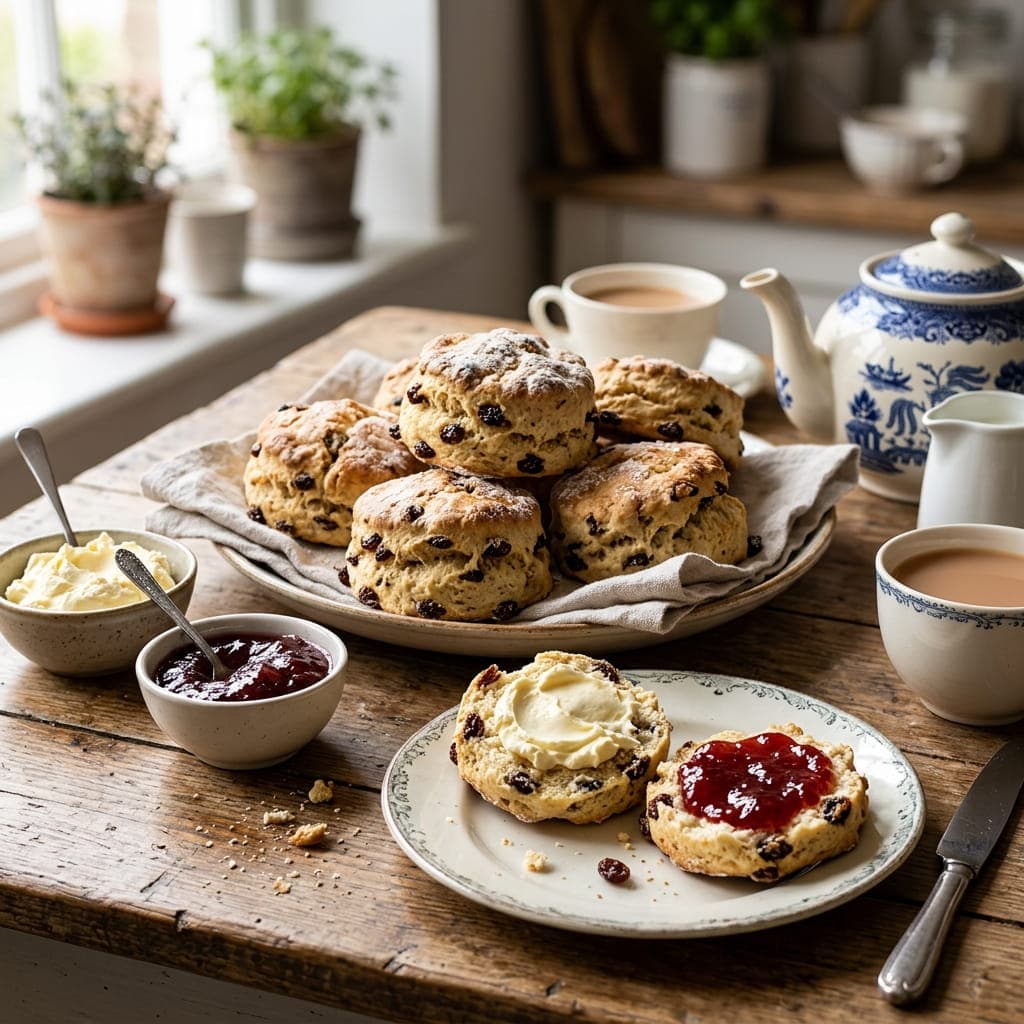
This cuts very cold, cubed butter into the flour until only pea sized pieces remain, the same technique used for flaky pastry, since those small pockets of solid fat are what melt and create steam during baking, giving scones their characteristic light, layered crumb. Handling the dough as little as possible once the liquid is added is what keeps them tender instead of turning out tough and bread like.
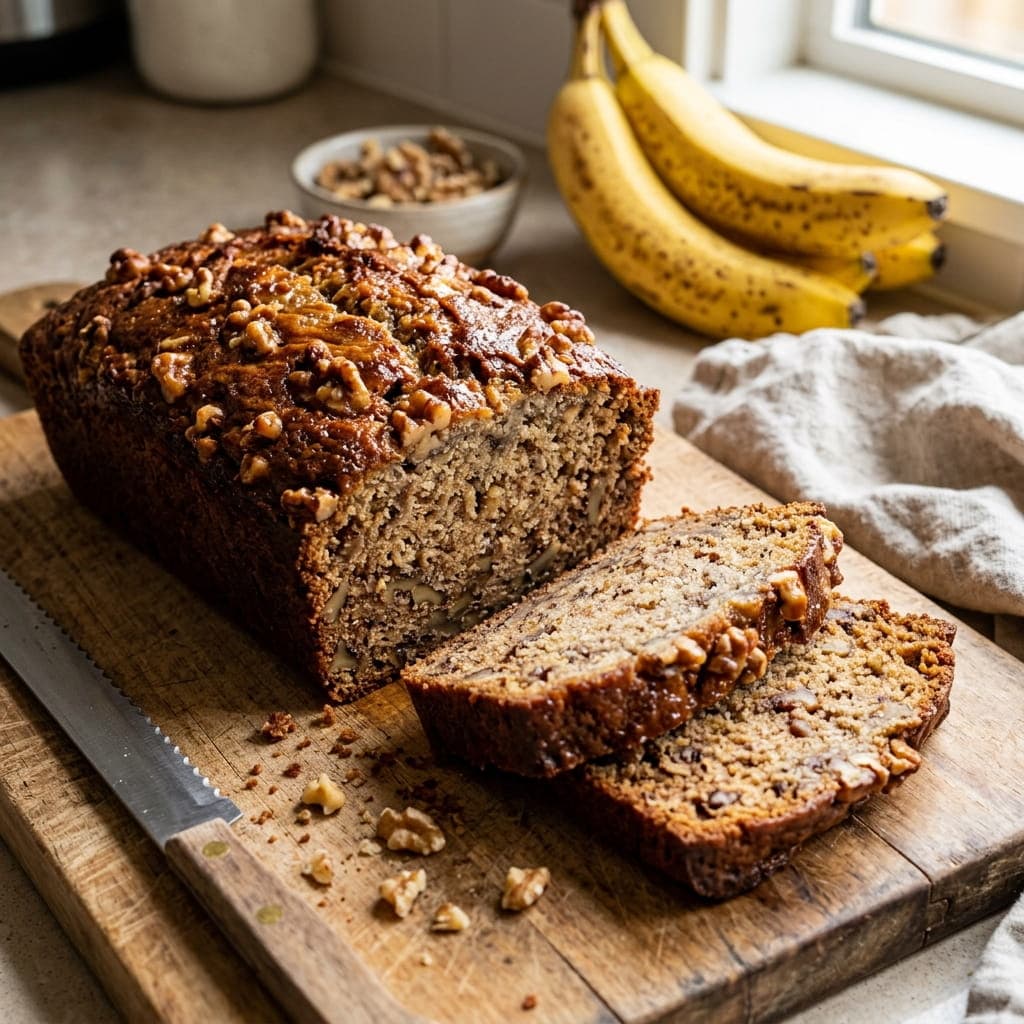
This uses bananas that are heavily speckled with brown spots, well past the point most people would eat them fresh, since that extra ripeness is what concentrates their natural sugars and gives this bread its deep banana flavor. Stirring the batter only until the dry ingredients disappear, rather than beating it smooth, is what keeps this quick bread tender instead of tough and rubbery.
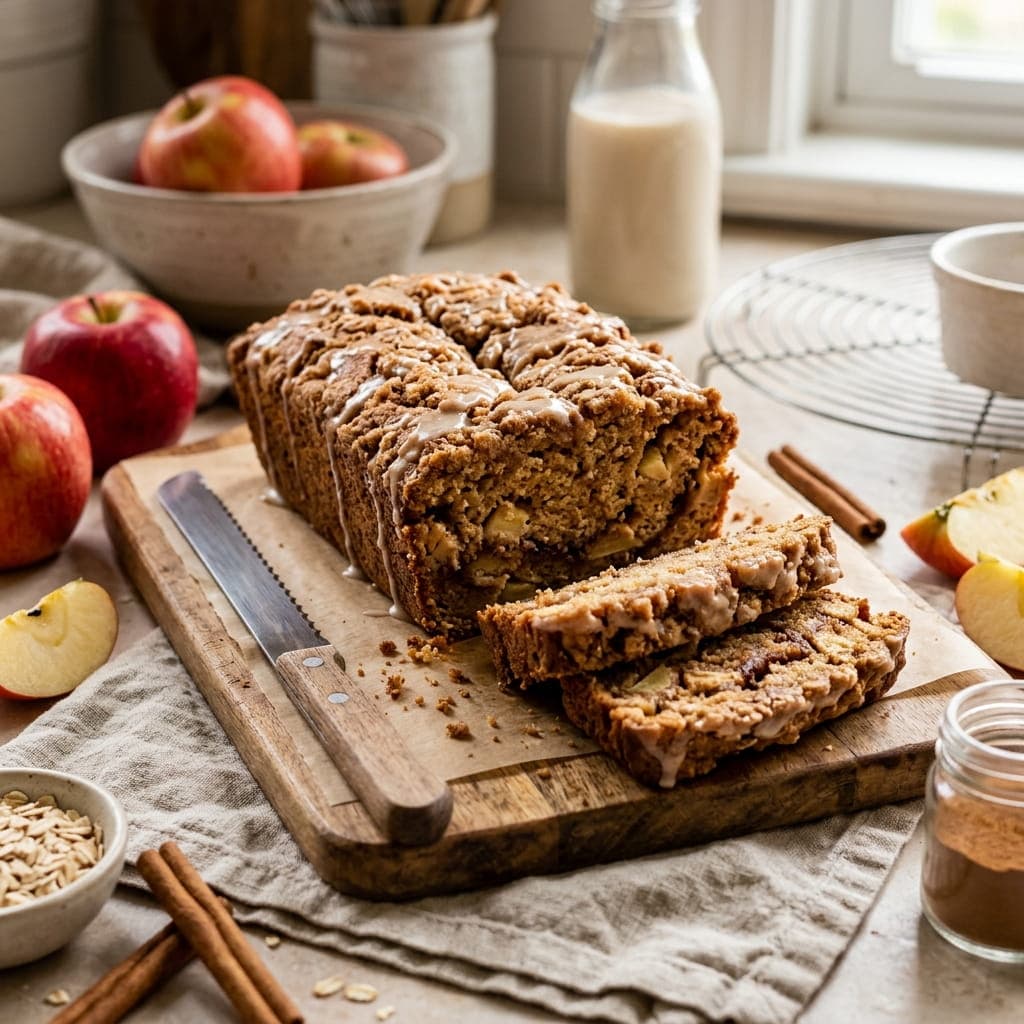
This folds finely diced apple directly into the batter rather than layering it on top, which distributes little pockets of soft, cinnamon spiced fruit through every slice instead of concentrating them in just one part of the loaf. Using a neutral oil in place of butter keeps this loaf entirely dairy free while still baking up moist and tender, since oil stays liquid at room temperature unlike solid butter.
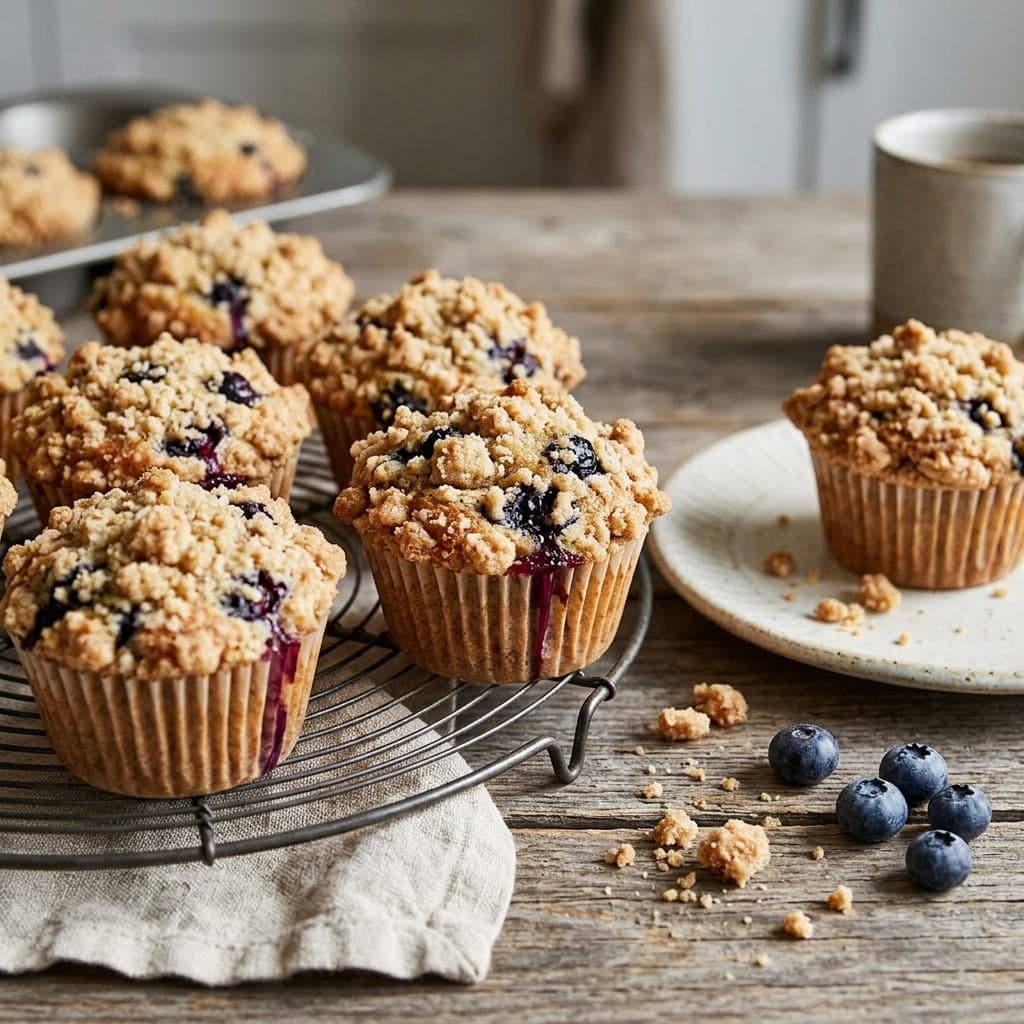
This tosses the fresh blueberries in a spoonful of flour before folding them into the batter, a simple trick that helps suspend them evenly throughout the muffin instead of letting them all sink to the bottom during baking. A buttery streusel topping, rubbed together with fingertips rather than mixed smooth, keeps its crumbly texture and bakes into a golden, slightly crunchy top.