Loading...
Artisan & Sourdough Recipes
Showing 1-10 of 10 delicious artisan & sourdough recipes
Artisan & Sourdough
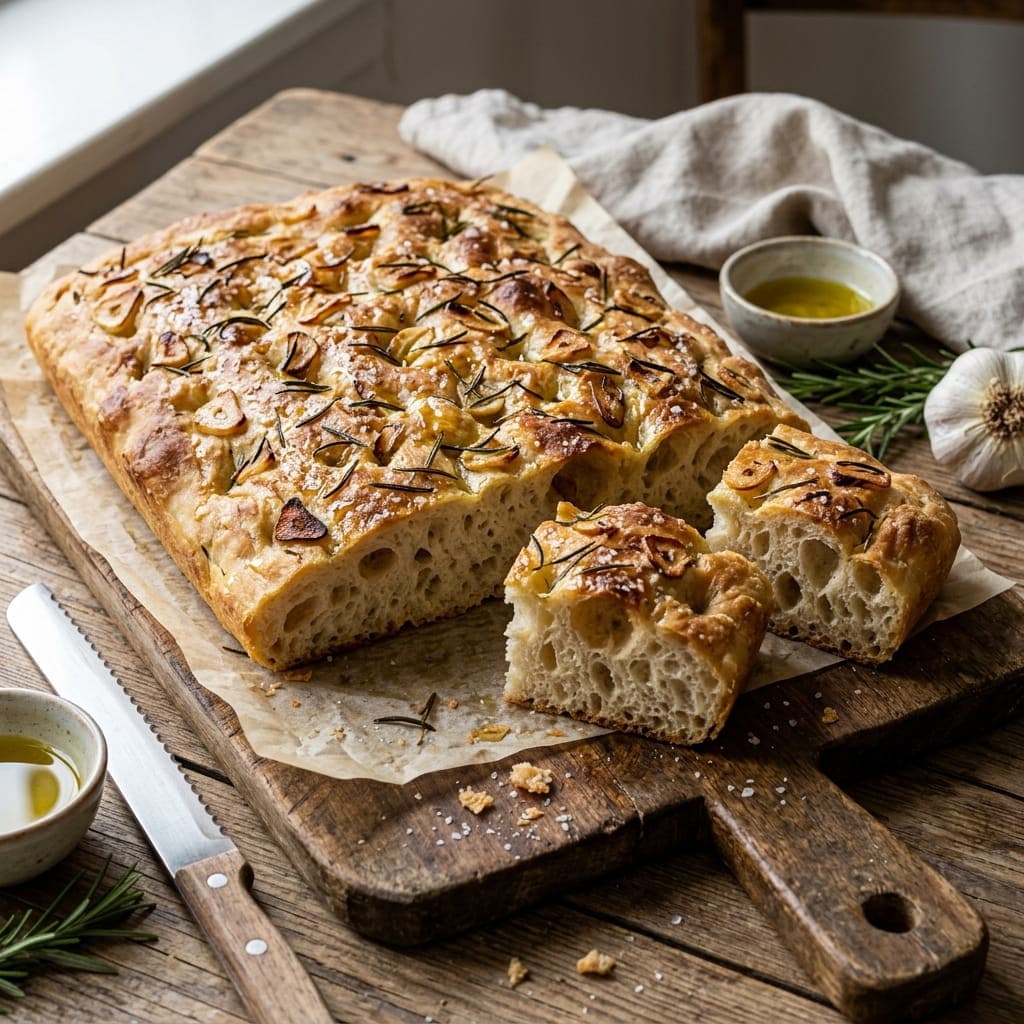
Italian Garlic Rosemary Focaccia Bread
This dimples the risen dough firmly with oiled fingertips right before baking, the signature focaccia technique that creates little pools for olive oil to collect in, giving the bread its characteristic craggy top and rich flavor in every bite. A generous layer of olive oil poured into the pan before the dough goes in is what fries the bottom crust to a deep golden, almost fried texture.
50m8
Artisan & Sourdough
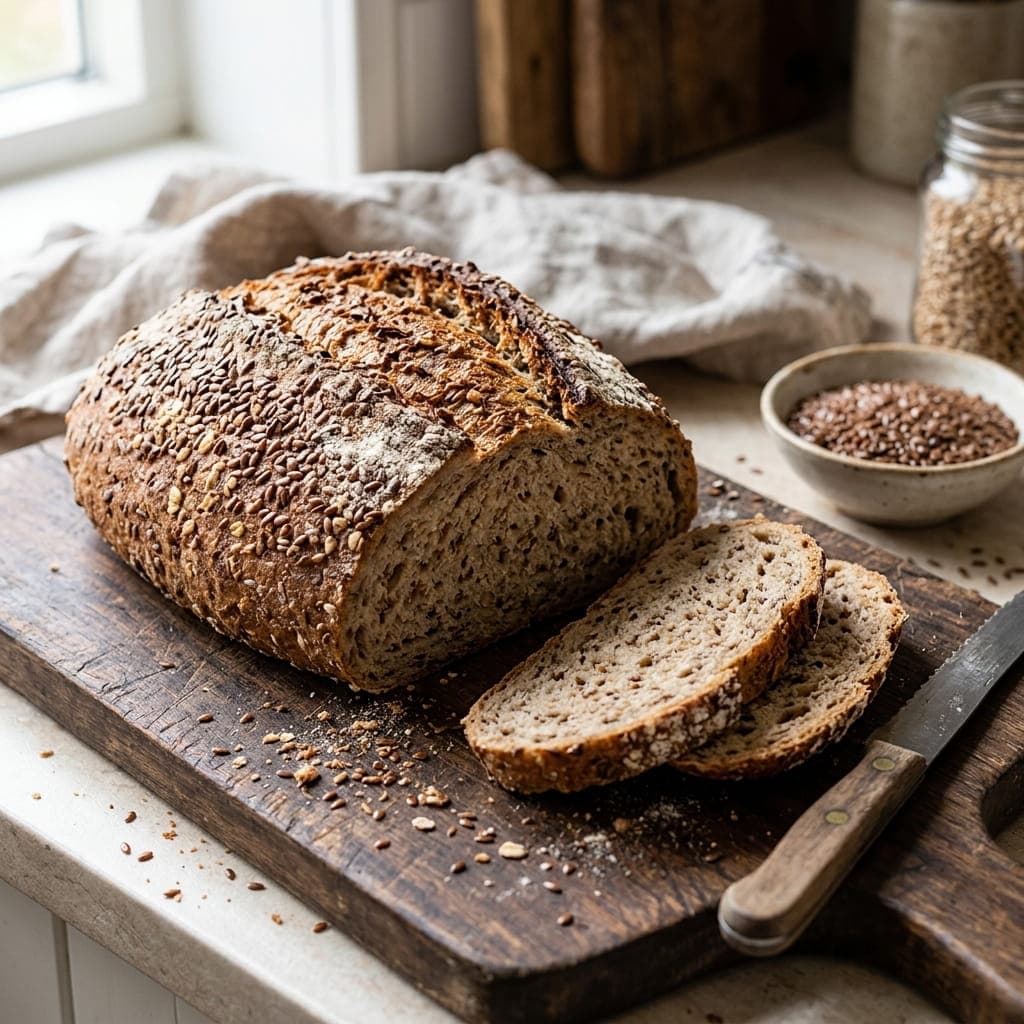
Whole Wheat Gut-Healthy Flaxseed Bread
This soaks the ground flaxseed in warm water before mixing it into the dough, letting it form a gel that adds moisture and helps bind the denser whole wheat flour, which otherwise tends to bake up dry and crumbly. A blend of whole wheat and a small amount of bread flour keeps the loaf hearty and fiber rich without turning out so heavy it doesn't rise properly.
65m12
Artisan & Sourdough
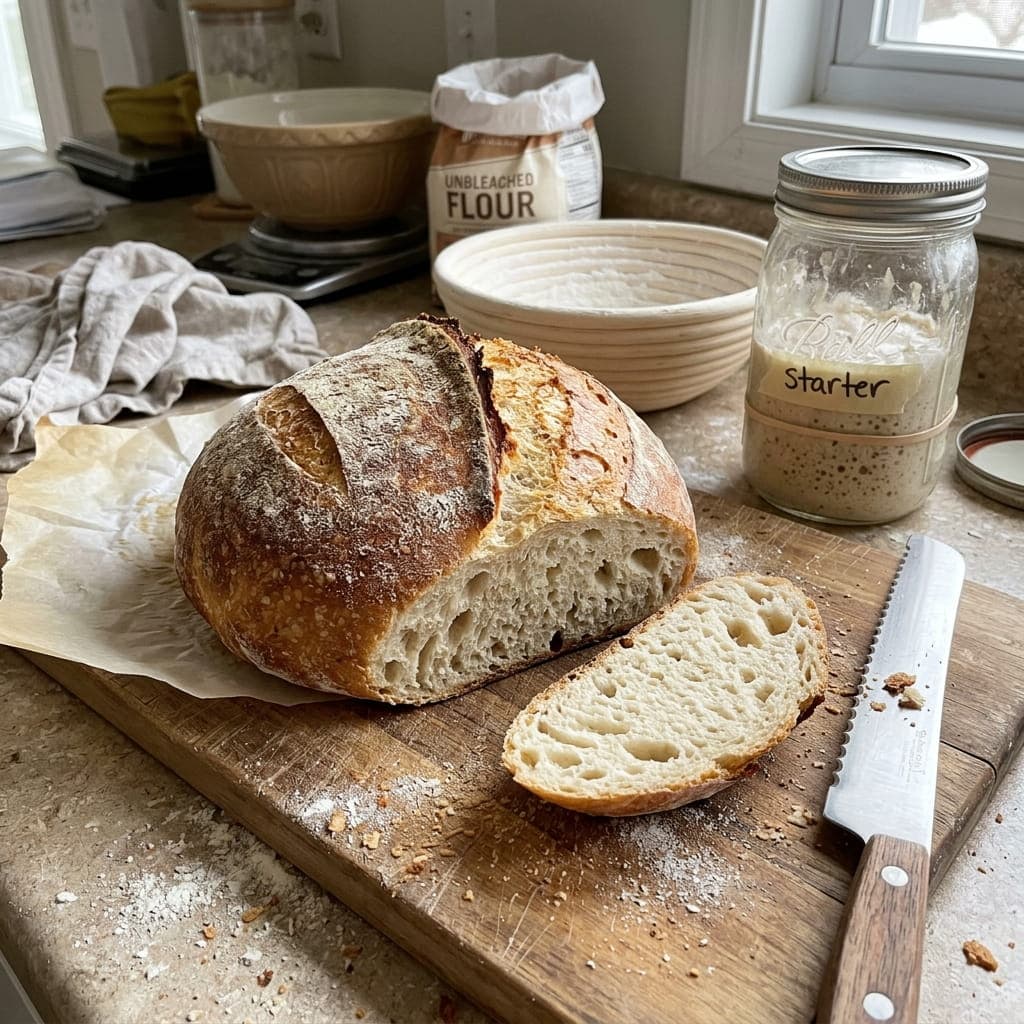
Beginner Friendly Sourdough Bread Loaf
This relies on stretch and folds every 30 minutes during bulk fermentation instead of traditional kneading, a gentler technique that builds gluten strength in a wet sourdough dough without the mess of hand kneading a sticky mass. Baking the loaf inside a covered Dutch oven traps steam naturally, giving even a first attempt the kind of blistered, crackling crust that usually takes practice to achieve.
90m10
Artisan & Sourdough
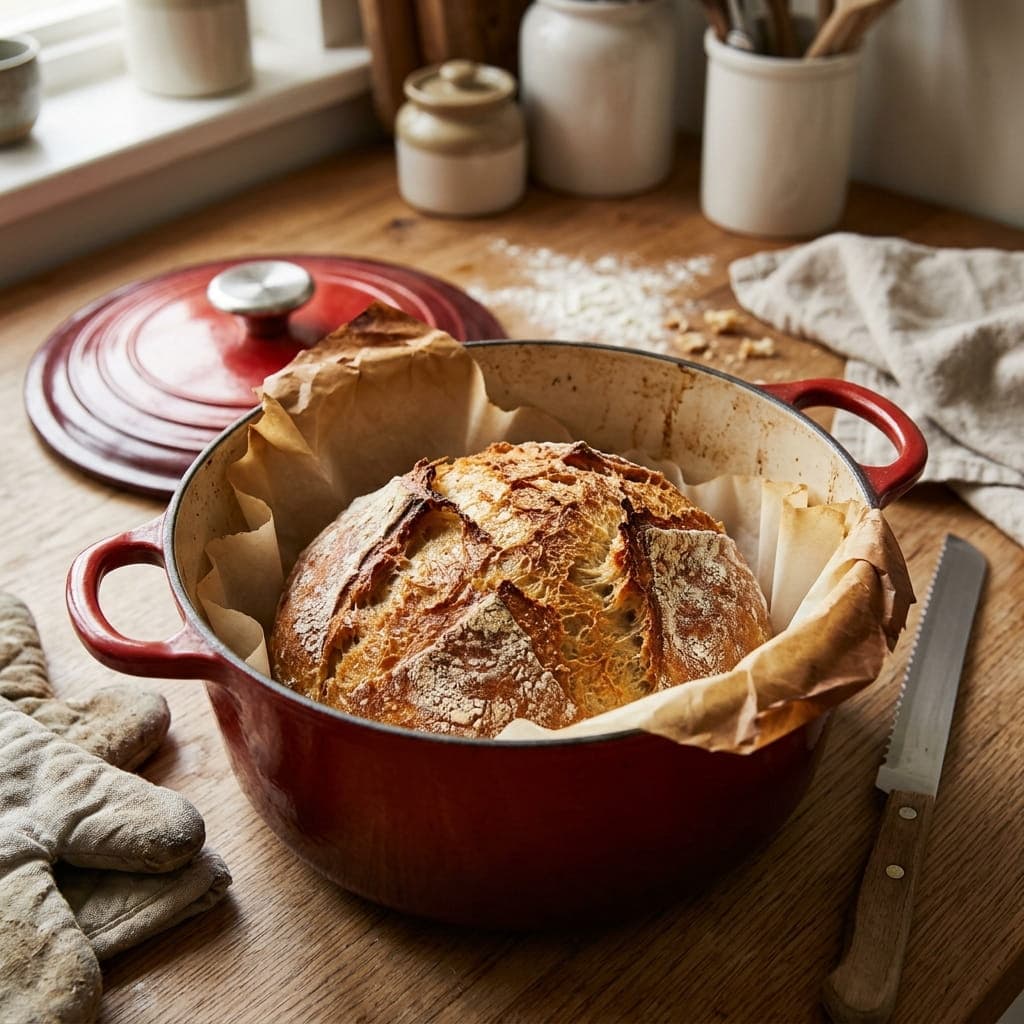
Easy No-Knead Pot Dutch Oven Bread
This skips kneading entirely and instead relies on a very long, slow rise, since extended time develops the gluten structure on its own, which is what makes this method so forgiving for a first attempt at homemade bread. Baking inside a covered Dutch oven traps the dough's own steam, giving even this simple, hands off recipe a crackling, bakery style crust.
65m10
Artisan & Sourdough
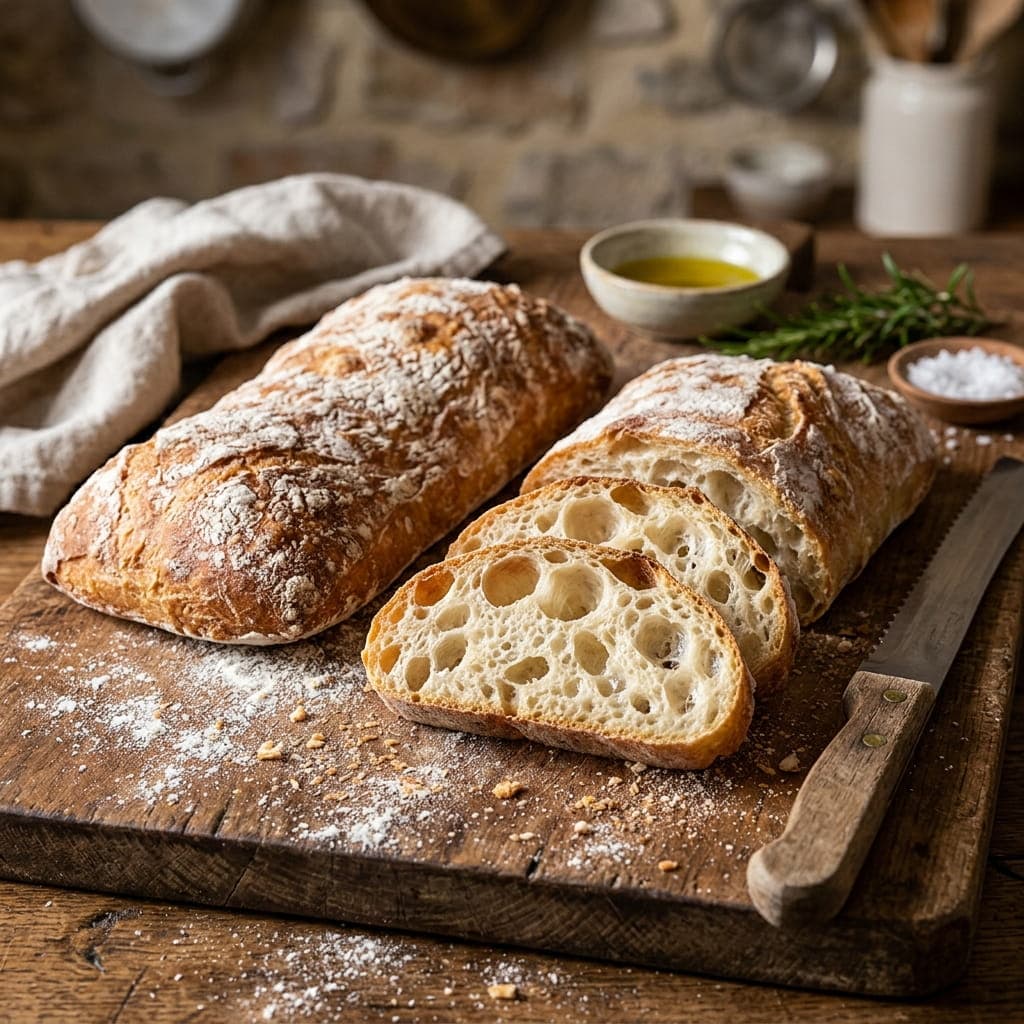
Italian Ciabatta Sandwich Bread Slippers
This uses an intentionally wet, sticky dough, far wetter than most bread recipes call for, since that high hydration is exactly what creates ciabatta's signature large, irregular holes once baked. Handling the dough as little as possible while shaping, letting it keep its naturally loose, slipper like form, is what gives this bread its name and rustic character.
55m2
Artisan & Sourdough
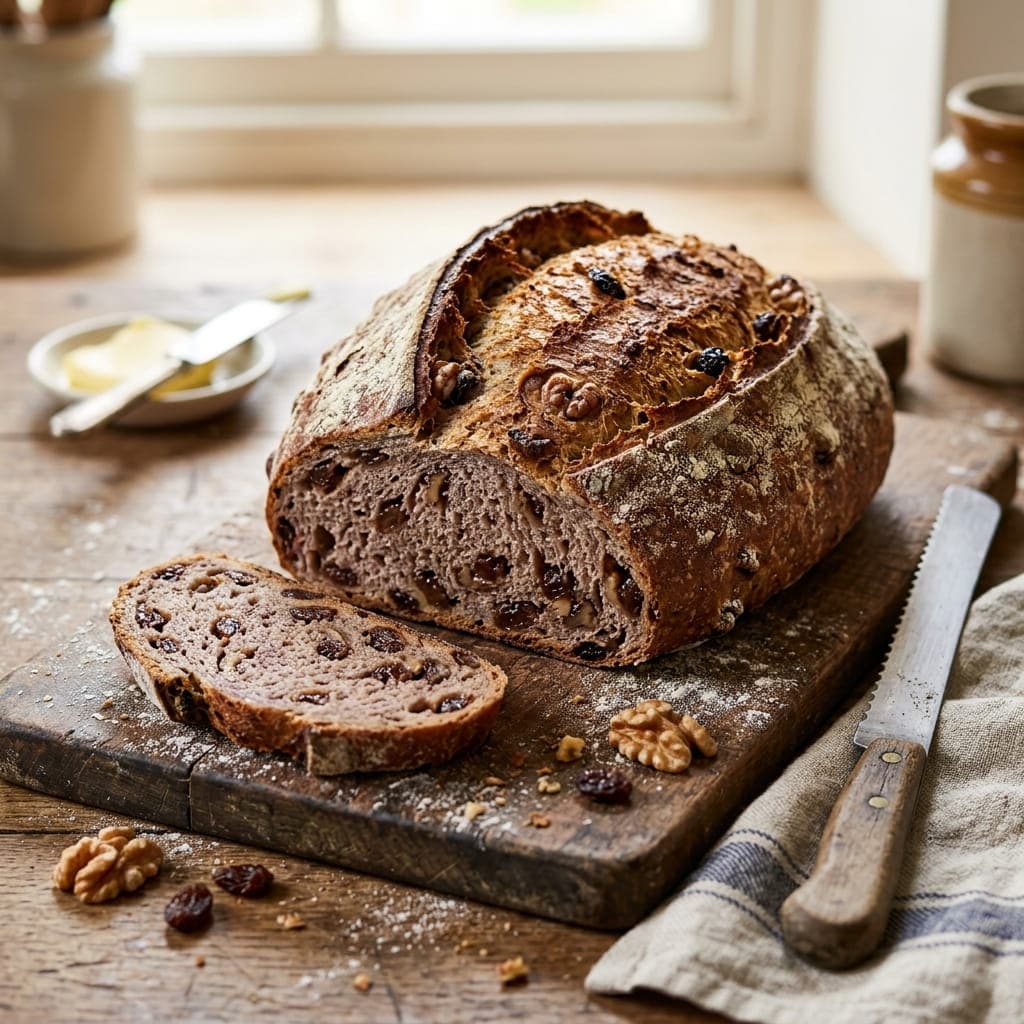
British Walnut Raisin Artisan Loaf
This soaks the raisins in warm water briefly before folding them into the dough, which plumps them back up so they bake into soft, juicy bites instead of drying out further in the oven's heat. Toasting the walnuts beforehand deepens their flavor, giving the finished loaf a richer, nuttier bite than simply folding them in raw.
65m12
Artisan & Sourdough
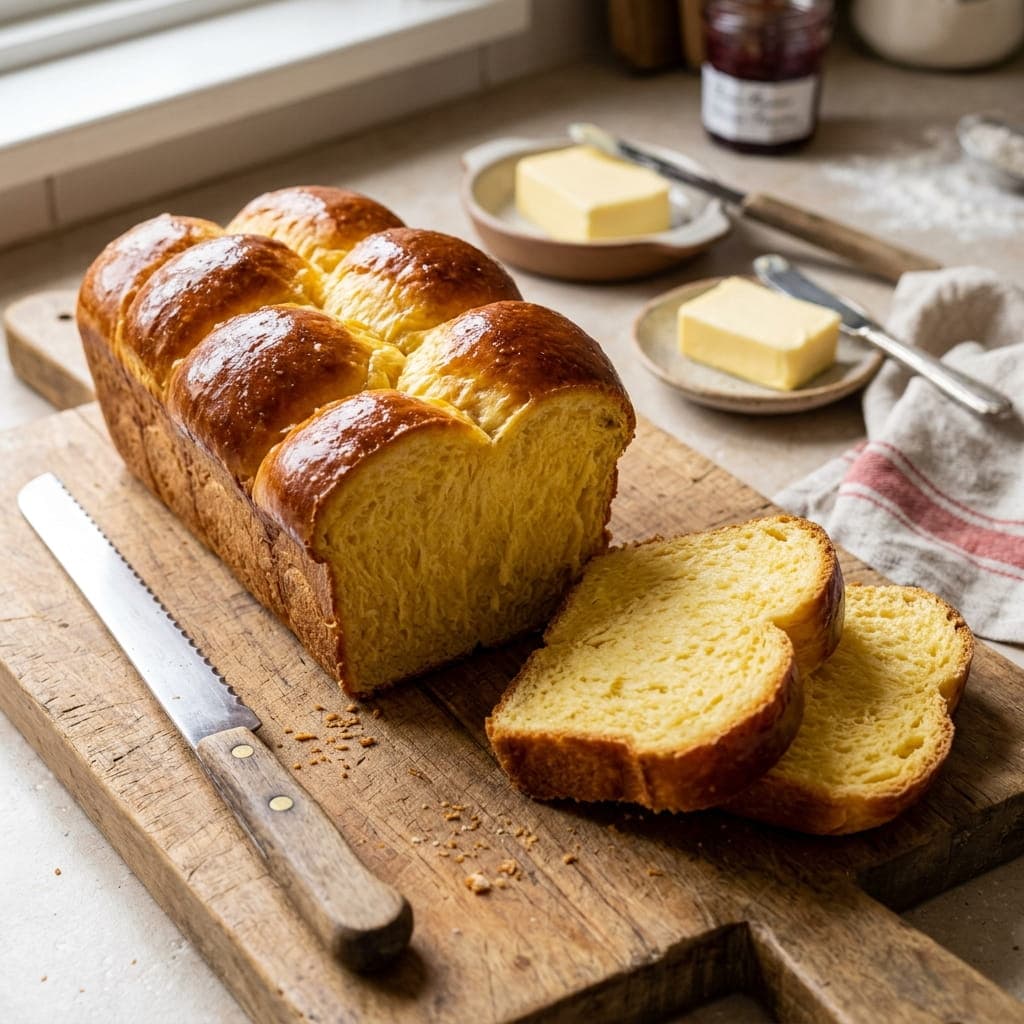
French Brioche Bread Loaf (Rich Butter Style)
This adds the butter to the dough gradually, only once the base dough has already developed some gluten structure through kneading, since dumping in all that fat too early would coat the flour and prevent proper gluten formation. A cold overnight rest in the fridge firms the very soft, buttery dough back up, which is what makes it possible to shape without it collapsing into a sticky mess.
75m10
Artisan & Sourdough
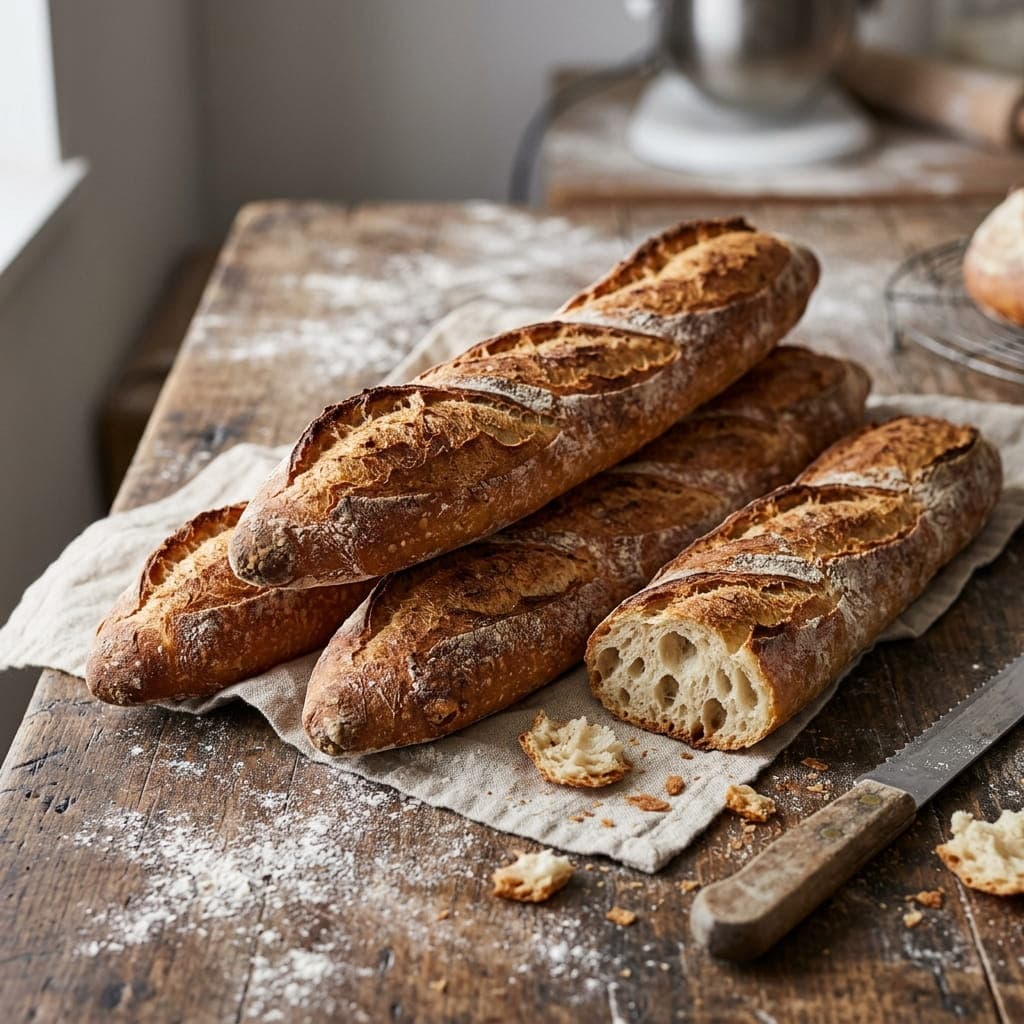
Classic Crusty French Artisan Baguette
This uses a long, slow cold fermentation in the fridge overnight rather than rushing the rise at room temperature, since that extended time is what develops the deep, wheaty flavor a real French baguette depends on. Baking with steam in the first several minutes is what forces the crust to stay soft just long enough for a dramatic oven spring, before it sets into that signature crackling shell.
65m3
Artisan & Sourdough
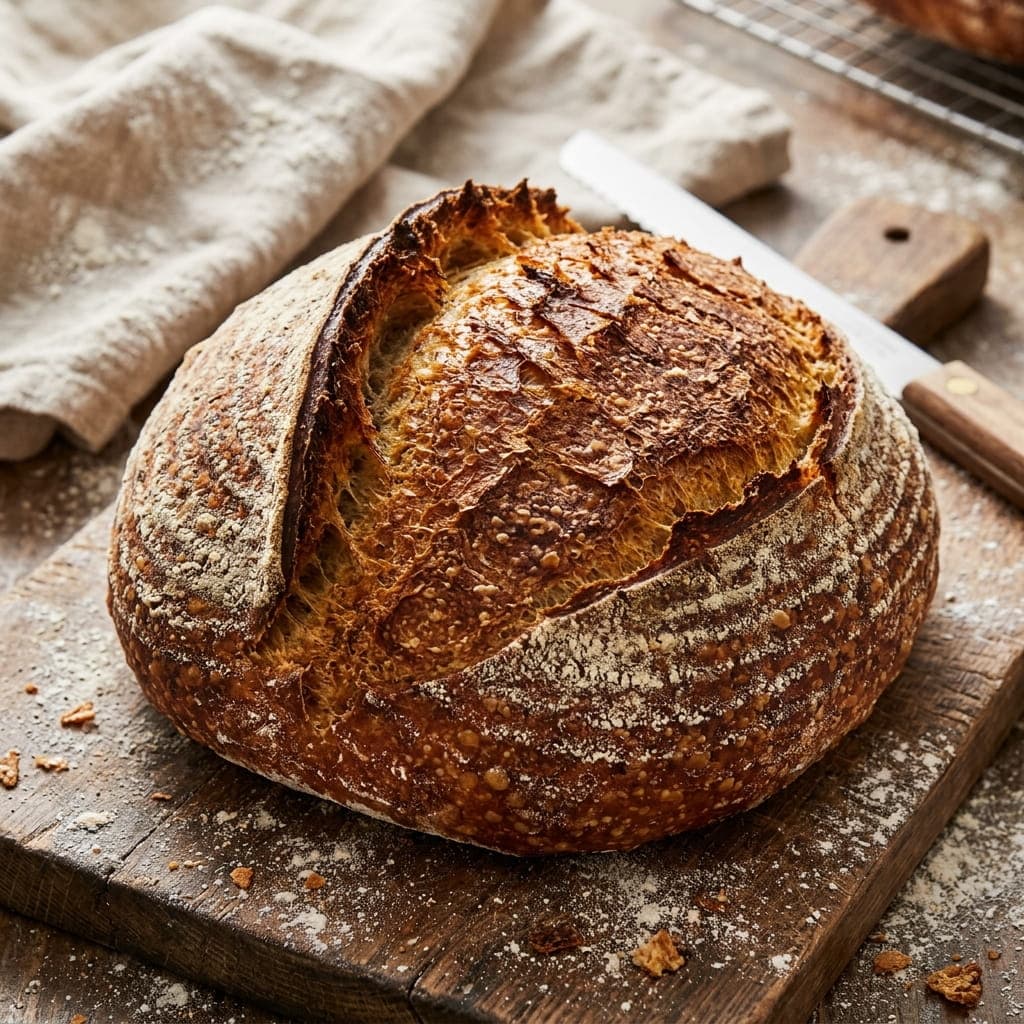
Traditional San Francisco Sourdough Round
This leans on an extra long, cool bulk fermentation, longer than most standard sourdough recipes call for, since that slower process is what builds the sharp, distinctly tangy flavor San Francisco sourdough is famous for. Shaping the dough into a tight, taut boule and proofing it seam side up is what gives the finished loaf its classic round shape and dramatic, open ear once scored and baked.
85m10
Artisan & Sourdough
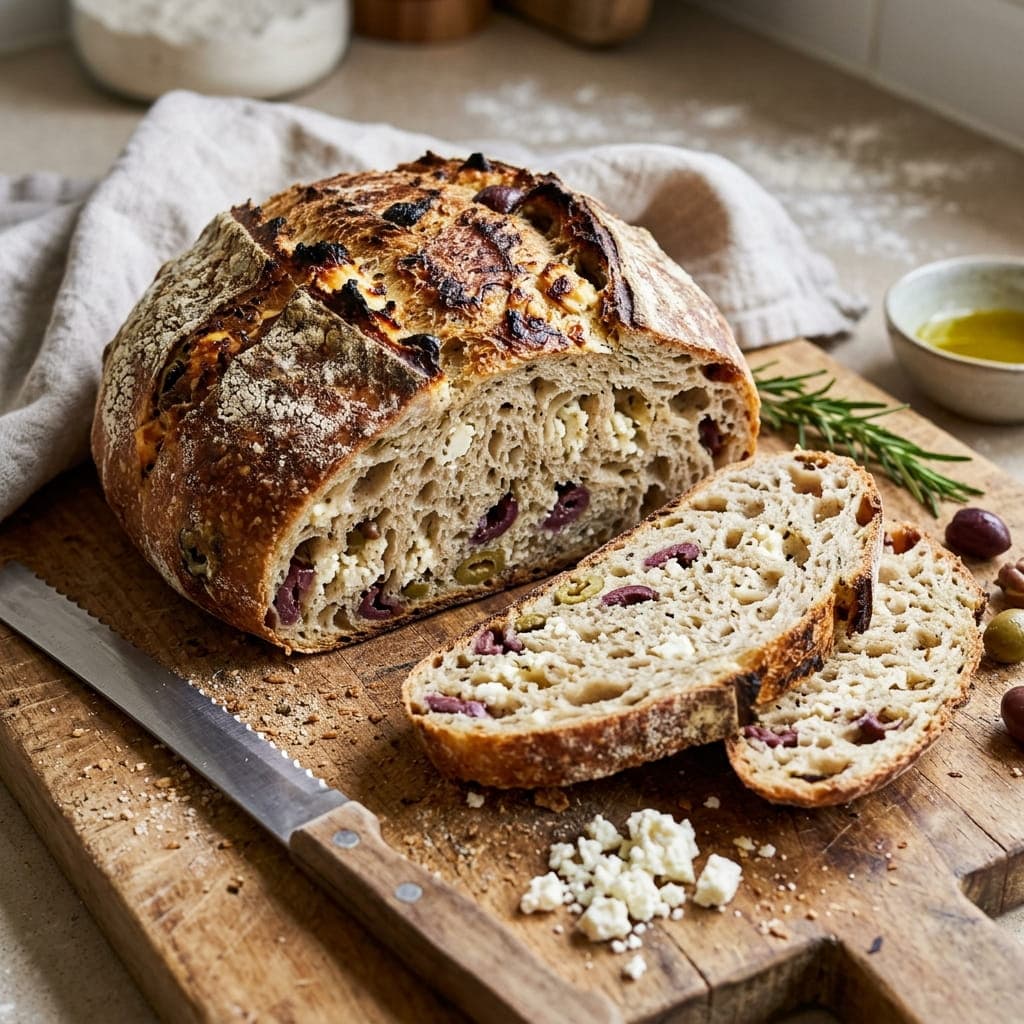
Olives and Feta Mediterranean Sourdough Bread
This folds the olives and feta into the dough during the final stretch and fold rather than kneading them in from the start, which distributes them evenly throughout the loaf without overworking the dough or breaking the cheese down into a paste. Draining the olives well beforehand is what keeps their brine from adding excess moisture that could throw off the dough's hydration.
85m10