Loading...
Loading...
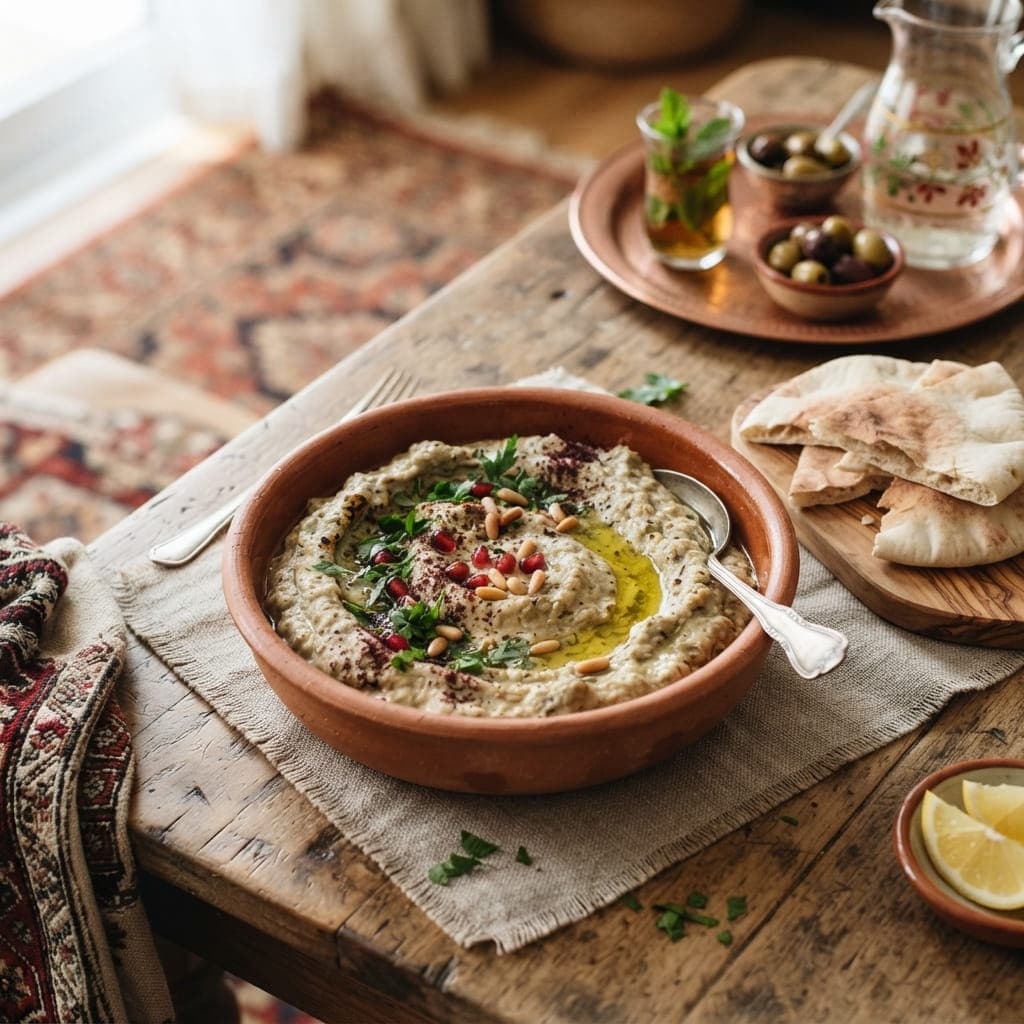
Charring the eggplant directly over an open flame - whether a gas stovetop burner or an outdoor grill - is what gives real baba ganoush its deep, smoky character that an oven alone can't fully replicate. Draining the roasted flesh in a colander for a few minutes afterward removes excess bitter liquid, and chopping it by hand rather than blending keeps some rustic texture instead of turning it into a uniform paste.
Per serving
90kcal
Calories
2g
Protein
8g
Carbs
6
Prep Time
15 min
Cook Time
15 min
Servings
6 people
Difficulty
medium
Fat
3g
Fiber
3g
Sugar
Follow step-by-step with voice guidance.
If using a gas stovetop, place the whole eggplants directly over the open flame on a burner. Char for 10-12 minutes, turning occasionally with tongs, until the skin is blackened and blistered on all sides and the flesh feels completely soft.
If using a grill or broiler, cook the eggplants over high heat for 15-20 minutes, turning occasionally, until charred and collapsed.
Let the eggplants cool slightly, then slice them open and scoop the soft flesh into a colander, discarding the charred skin. Let drain for 10 minutes to remove excess bitter liquid.
Roughly chop the drained eggplant flesh by hand, keeping some texture rather than pureeing it smooth.
In a bowl, combine the chopped eggplant, tahini, minced garlic, lemon juice, and a pinch of salt, mixing until well combined but still slightly chunky.
Taste and adjust lemon, garlic, or salt as needed.
Transfer to a serving bowl, drizzle with olive oil, and garnish with chopped parsley and a sprinkle of paprika.
Serve with warm pita bread or vegetables.
Char Over an Open Flame If Possible: Direct contact with fire (stovetop burner or grill) gives baba ganoush its distinctive smoky depth that baking in an oven alone simply can't replicate. Drain the Roasted Flesh: Letting it sit in a colander for a few minutes removes excess liquid that can carry a slightly bitter taste, resulting in a cleaner, more balanced final flavor. Chop by Hand, Don't Blend: Keeping some texture rather than pureeing smooth gives baba ganoush its traditional rustic character, closer to how it's made in Middle Eastern kitchens.
It helps for the traditional smoky flavor, but a grill or even a broiler set to high heat will still char the eggplant well and give a good, though slightly less intense, smoky result.
0 reviews • 0.0 / 5 Average Rating
No reviews yet. Be the first to review this recipe!
More Like This
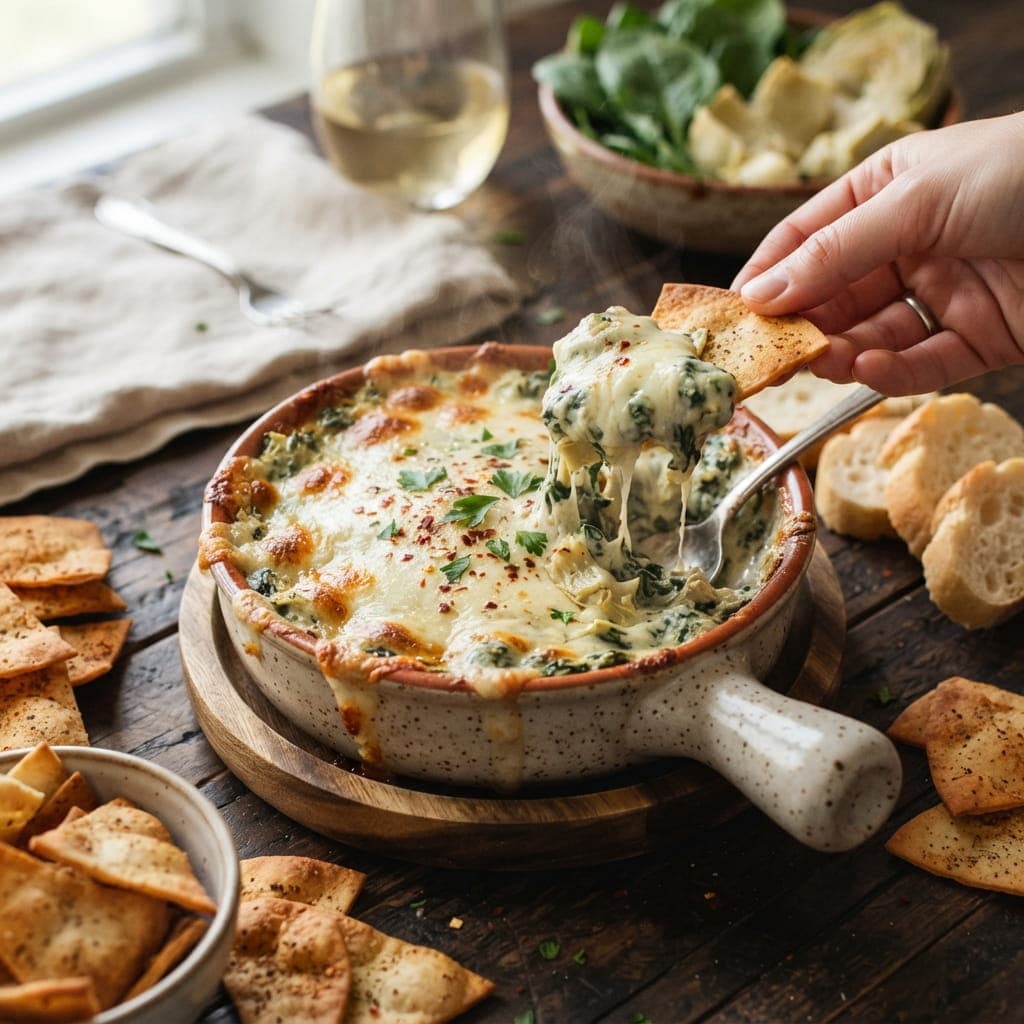
Squeezing every bit of water out of thawed frozen spinach is what keeps this dip thick and scoopable rather than watery once baked - spinach holds a surprising amount of moisture that dilutes the cream cheese base if not removed first. Baked until bubbling and just beginning to brown at the edges, this is the classic party dip that disappears within minutes of hitting the table.
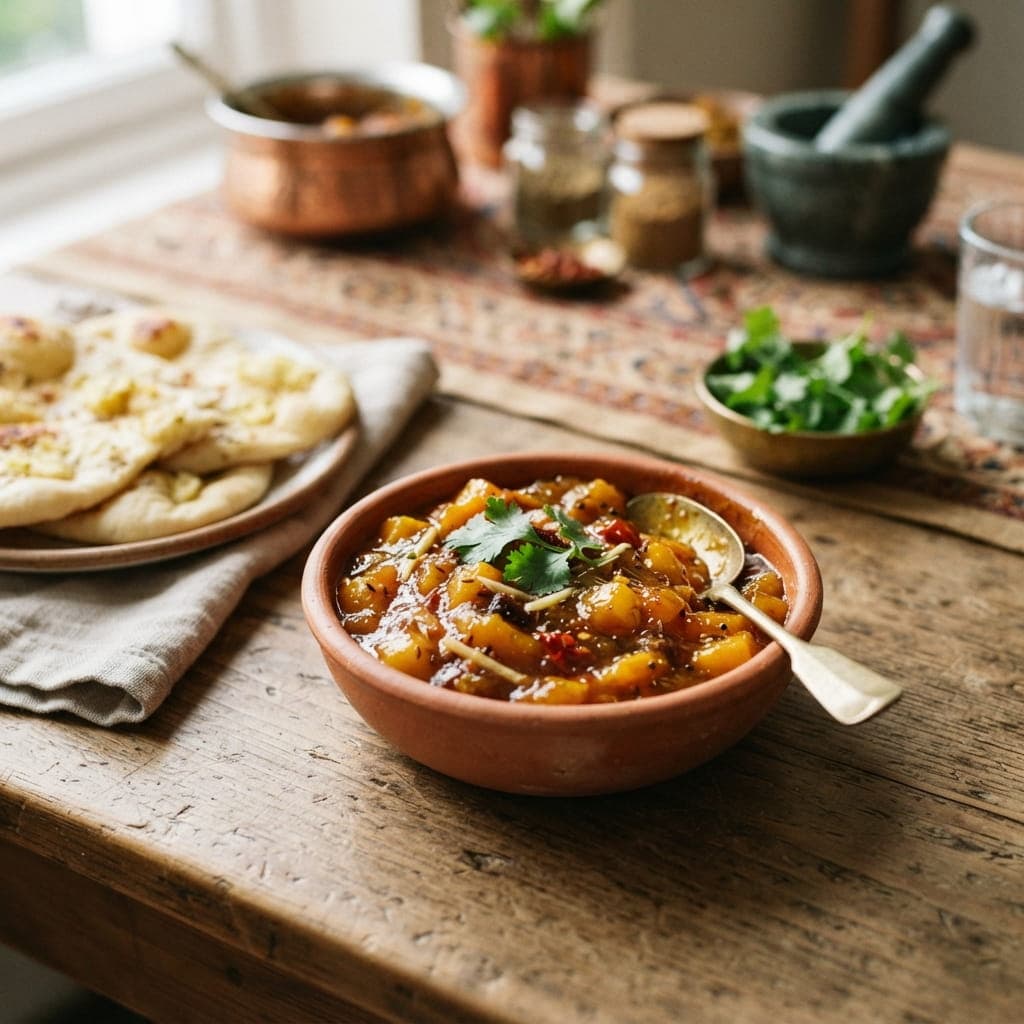
Using slightly underripe, firm mangoes rather than sweet, ripe ones is what gives this chutney its proper balance - fully ripe mango turns to mush too quickly and lacks the tartness needed to stand up against the sugar and chili. Simmered low and slow until thick and jammy, this is the same sweet-hot condiment that comes alongside samosas and pakoras at Indian restaurants.
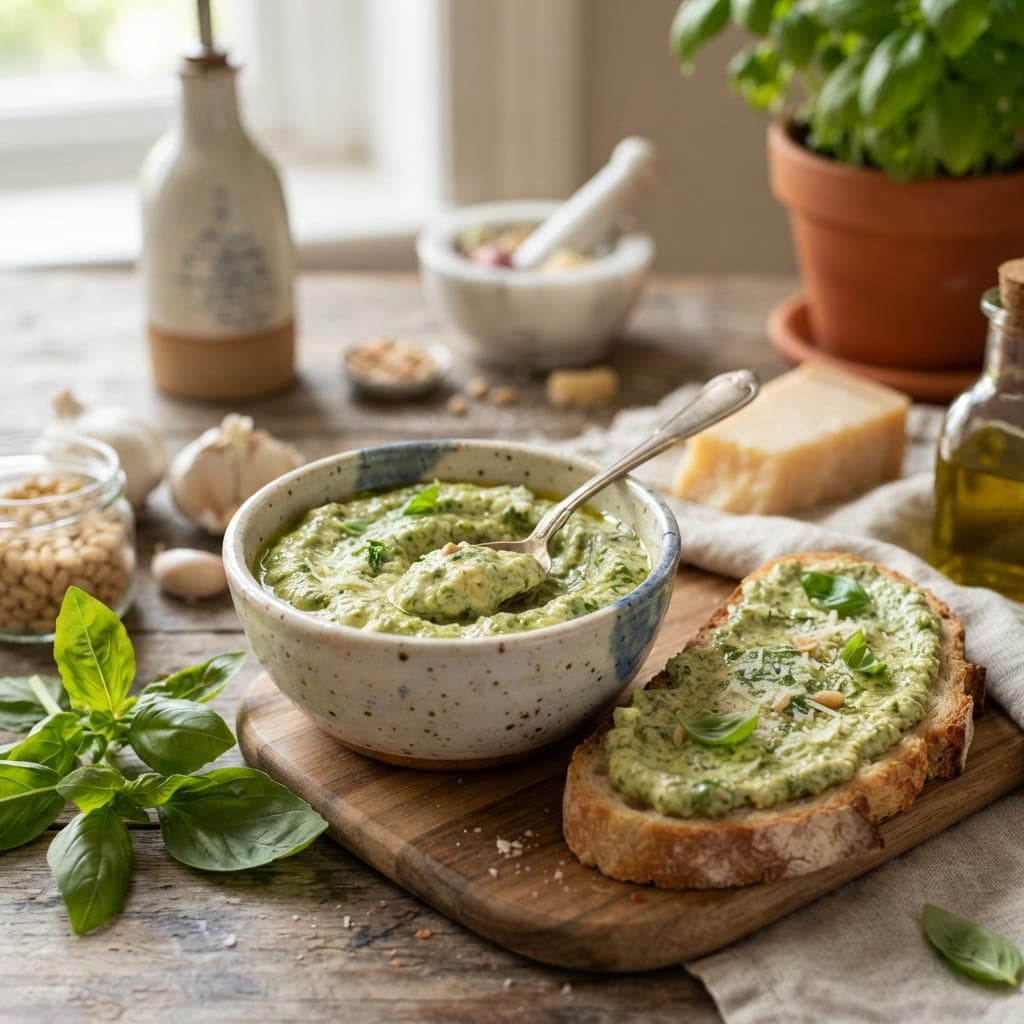
Blanching the basil leaves briefly in boiling water, then shocking them in ice water, is a trick that keeps this pesto's color a vivid green rather than the dull, oxidized brown it can turn within an hour of blending. A splash of cream folded in at the end softens the pesto's sharp bite into something spreadable enough for bread, not just a pasta sauce.
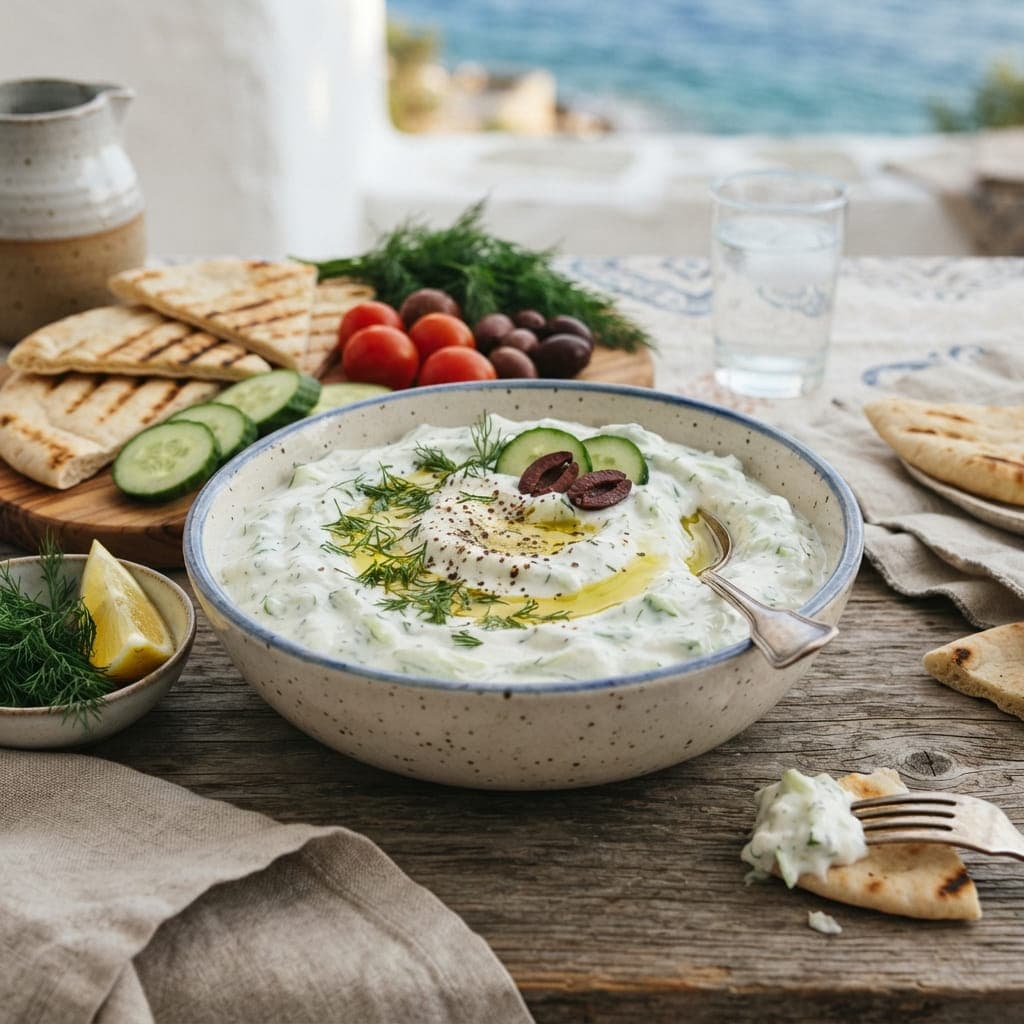
Grating the cucumber and then squeezing it dry in a clean towel is the step most people skip, and it's exactly why store-bought tzatziki is often thin and watery - fresh cucumber releases a surprising amount of liquid that will thin the dip within an hour if not removed first. Thick Greek yogurt as the base, rather than regular yogurt, is what gives this its characteristic body and tang.