Loading...
Loading...
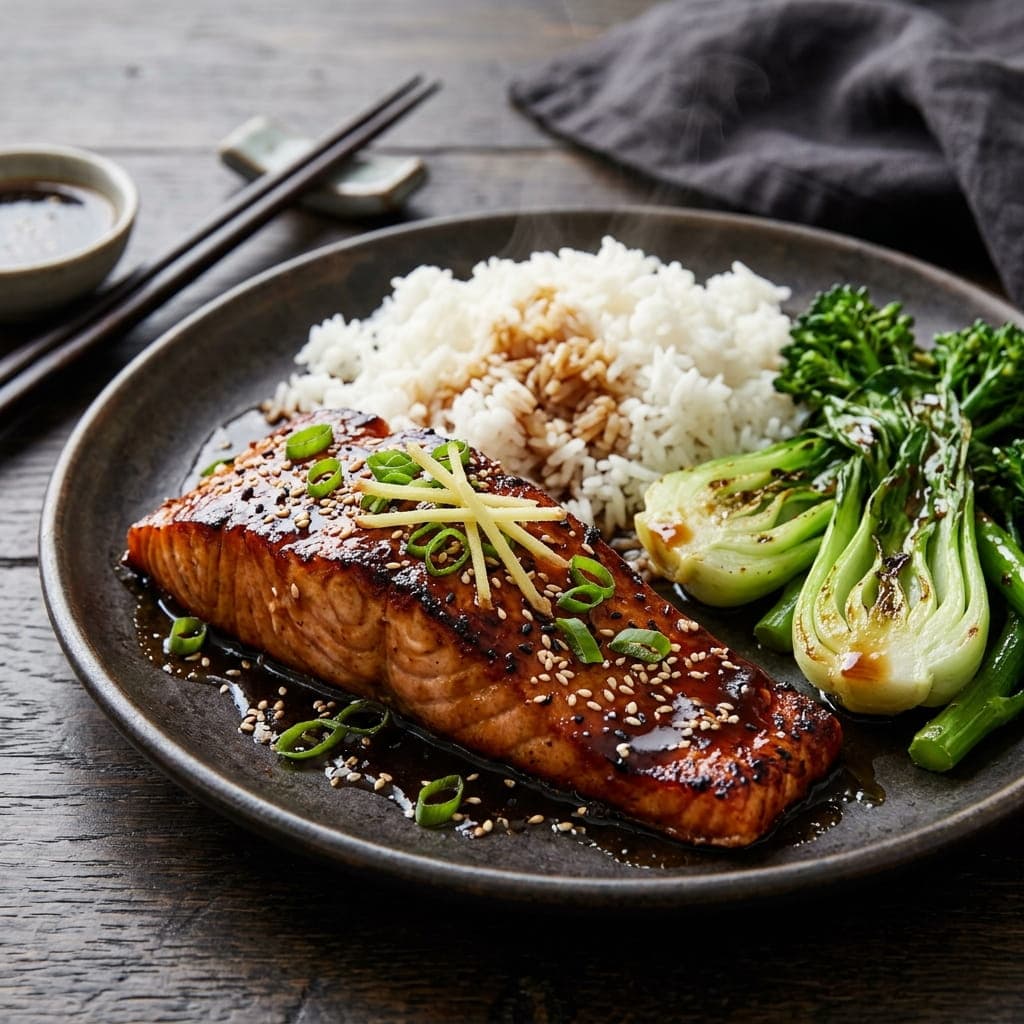
This keeps the marinating time short, since salmon's more delicate flesh can start to turn mushy and take on a cured texture if left in a salty, acidic marinade for too long, unlike heartier cuts of meat. Reserving a portion of the marinade before it touches raw fish, then simmering it separately into a glaze, is what lets you safely brush extra flavor onto the salmon while it cooks.
Prep Time
10 min
Per serving
90kcal
Calories
2g
Protein
14g
Carbs
3g
Fat
Cook Time
5 min
Servings
4 people
Difficulty
easy
12g
Sugar
Follow step-by-step with voice guidance.
In a bowl, whisk together the soy sauce, honey, rice vinegar, grated ginger, and minced garlic.
Whisk in the sesame oil.
Reserve about a third of the marinade in a separate small saucepan for glazing later.
Place the salmon fillets in a shallow dish and pour the remaining marinade over them, turning to coat.
Cover and refrigerate for 15 to 30 minutes, no longer, since salmon is delicate.
While the salmon marinates, bring the reserved marinade to a simmer in the saucepan and cook for 5 minutes, until slightly thickened, to use as a glaze.
Remove the salmon from the marinade, discarding the used portion, and cook according to your preferred method, basting with the cooked glaze partway through.
Keep the Marinating Time Short: Salmon's delicate flesh can start to turn mushy if left in a salty, acidic marinade for too long, so 15 to 30 minutes is plenty. Reserve Marinade Before It Touches Raw Fish: Setting some aside beforehand lets you safely simmer it into a glaze for basting, without any risk from raw fish contact. Simmer the Reserved Glaze Until Slightly Thickened: This concentrates its flavor and helps it cling to the salmon as it cooks, rather than running right off.
Its delicate flesh is much more prone to turning mushy or taking on an overly cured texture when exposed to salty, acidic ingredients for too long, unlike sturdier meats like chicken or beef.
0 reviews • 0.0 / 5 Average Rating
No reviews yet. Be the first to review this recipe!
More Like This
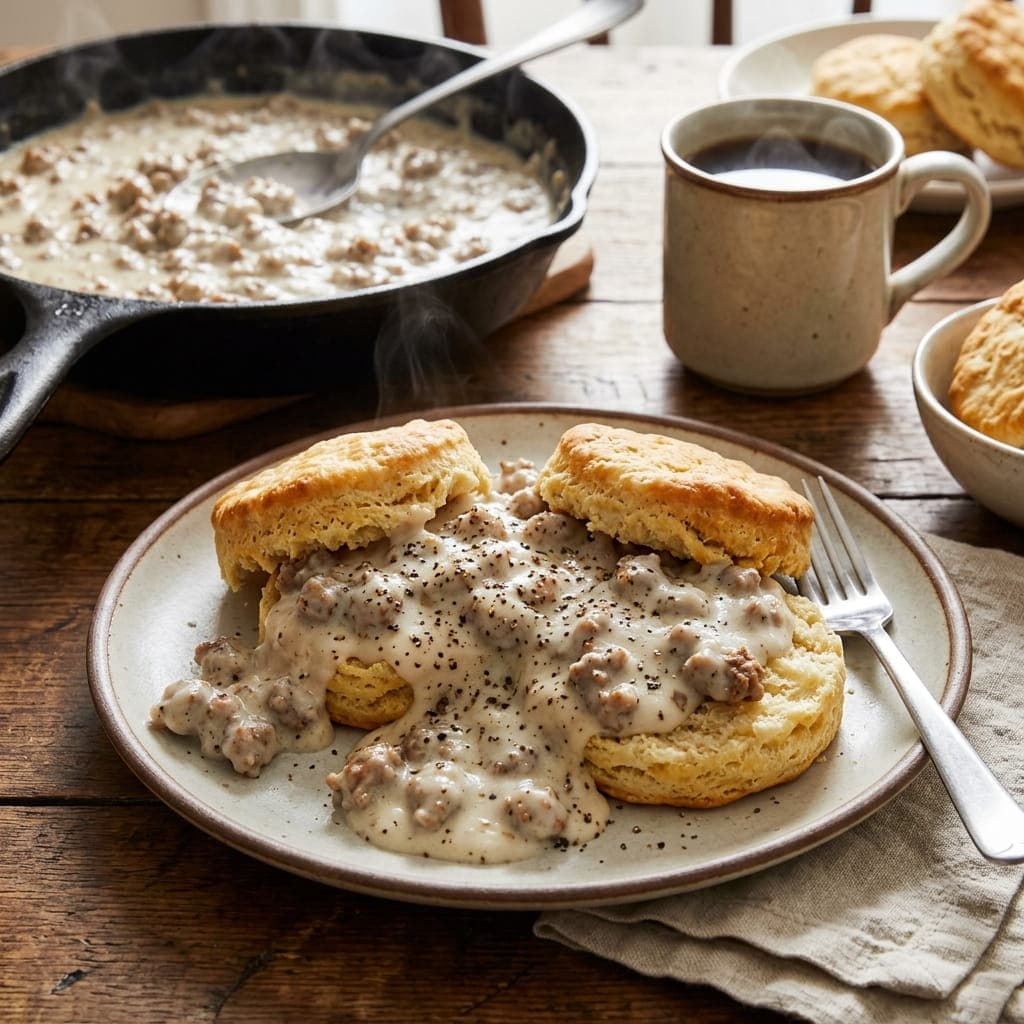
This browns the breakfast sausage thoroughly and leaves all its rendered fat in the pan, since that flavorful fat becomes the base for the roux instead of adding butter or oil separately. A generous amount of black pepper stirred in at the end is what gives this Southern staple its characteristic peppery bite, cutting through the richness of the milk based gravy.

This separates the fat from the turkey drippings first, since using too much fat in the roux can leave the gravy tasting greasy rather than smooth and savory. Simmering the gravy with the reserved turkey neck and giblets, if available, while the bird rests is what deepens the flavor well beyond what drippings alone could provide.
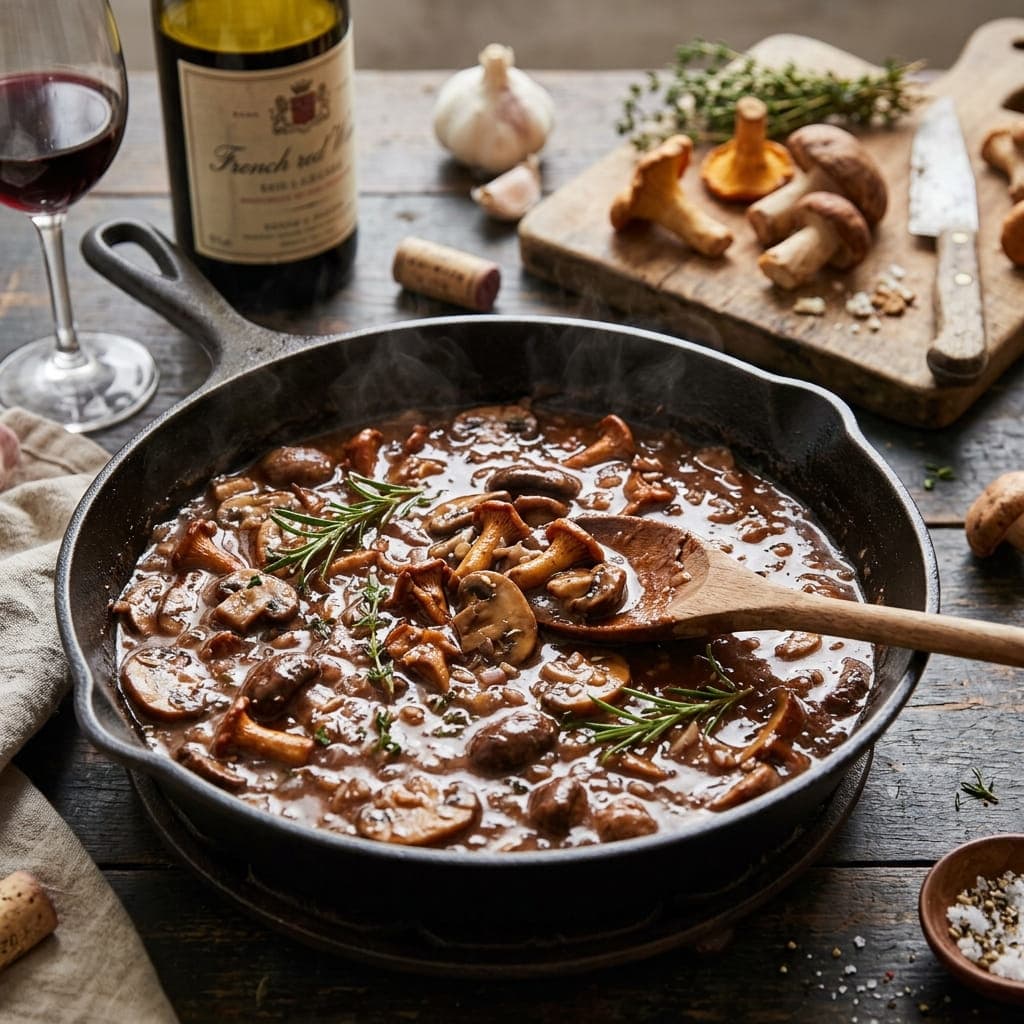
This sears the mushrooms in a single layer without crowding the pan, since overcrowded mushrooms steam instead of browning, missing out on the deep, caramelized flavor this French style gravy depends on. Deglazing the pan with red wine after the mushrooms and shallots are cooked lifts every browned bit stuck to the bottom straight into the sauce.
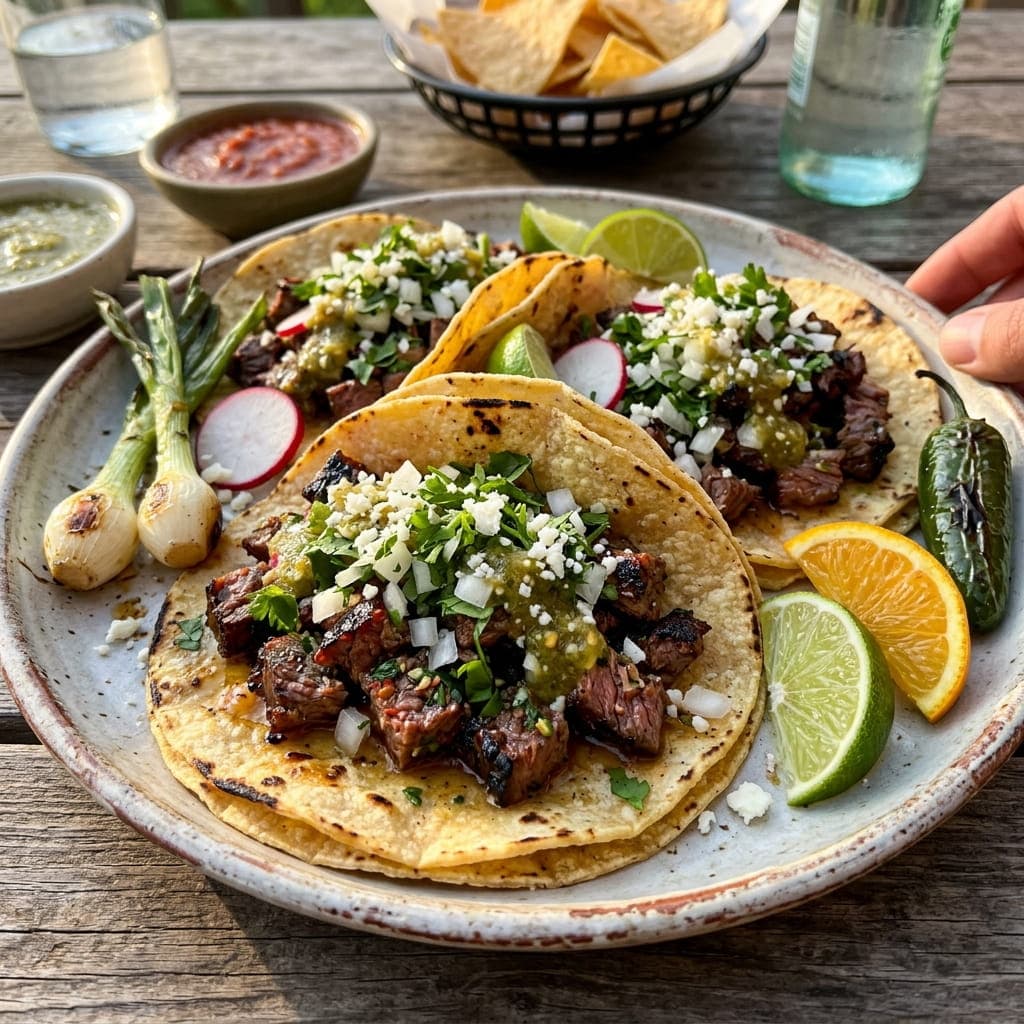
This combines both orange and lime juice, following the traditional carne asada approach, since the orange's natural sweetness balances the lime's sharp acidity, together tenderizing the beef while building a more complex citrus flavor than either juice could achieve alone. A generous amount of fresh cilantro blended right into the marinade infuses the beef with flavor from the inside rather than just being sprinkled on as a garnish afterward.