Loading...
Game-Day and Party Specials Recipes
Showing 1-11 of 11 delicious game-day and party specials recipes
Game-Day and Party Specials
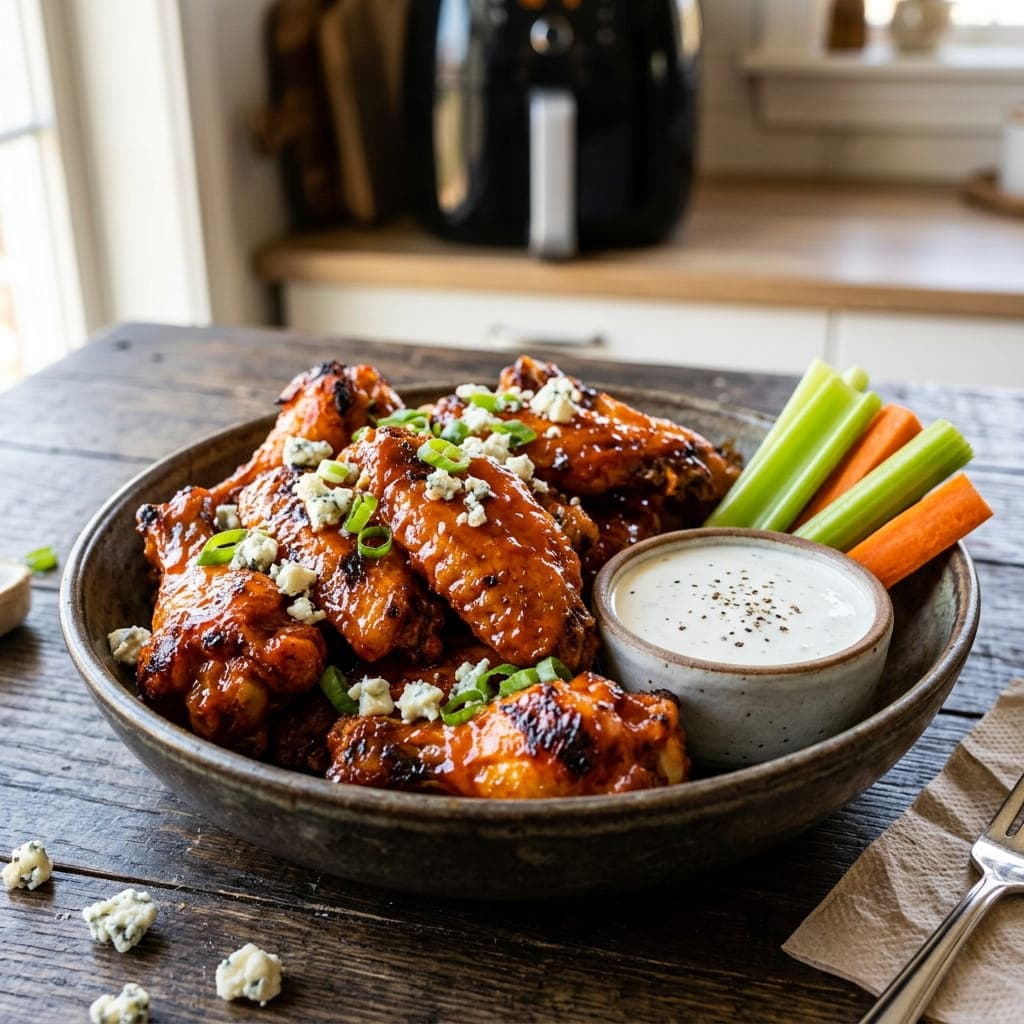
Air Fryer Crispy Buffalo Chicken Wings Bowl
This tosses the wings in a light coating of baking powder before air frying, a technique that draws moisture to the surface and alters the skin's pH to help it crisp up remarkably well without deep frying in oil. Tossing the wings in buffalo sauce only after they're fully cooked and crispy keeps that crunch intact instead of the sauce turning them soft.
34m4
Game-Day and Party Specials
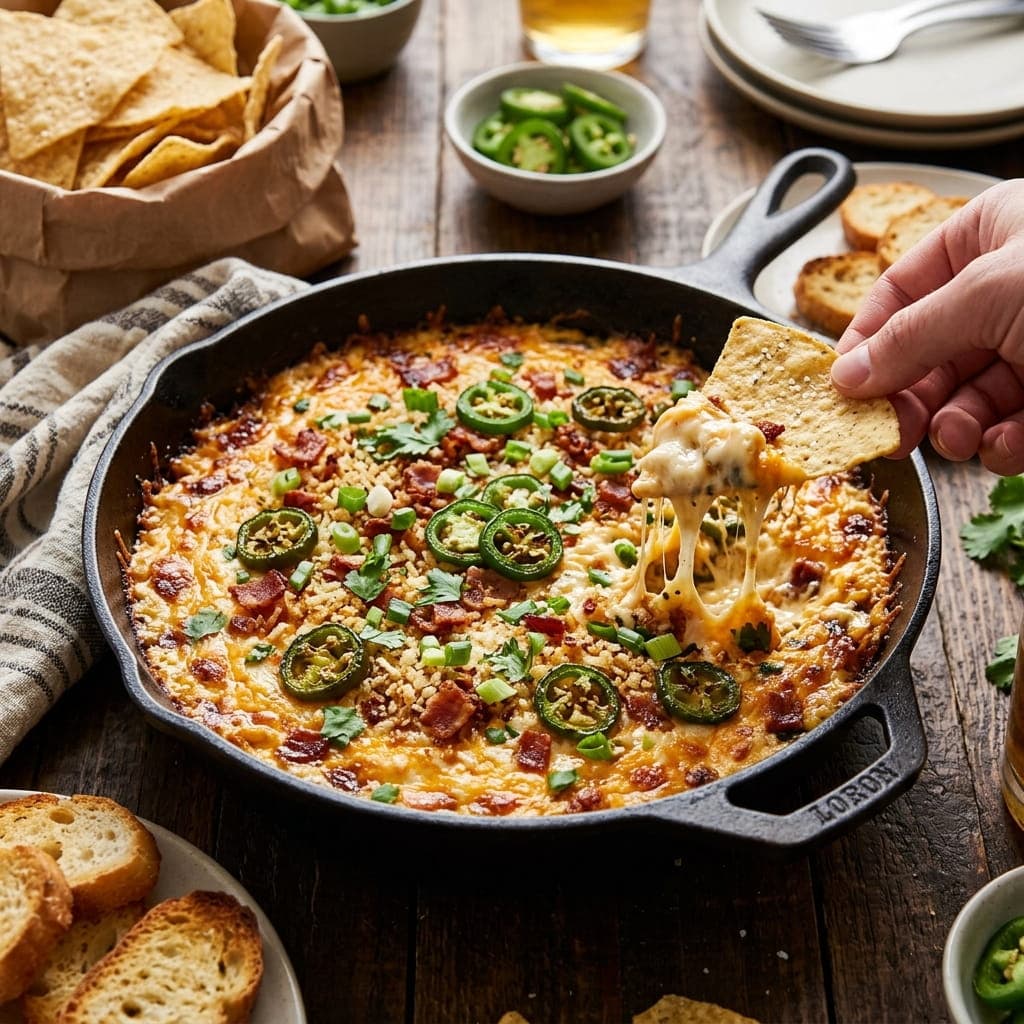
Cheesy Jalapeno Popper Warm Dip Skillet
This roasts the jalapenos briefly before mixing them into the dip, which mellows their raw sharpness into a rounder, slightly smoky heat rather than a harsh bite that can overpower the creamy base. A crunchy panko breadcrumb topping, toasted separately in butter before baking, mimics the crispy fried coating found on classic jalapeno poppers without needing to deep fry anything.
50m8
Game-Day and Party Specials
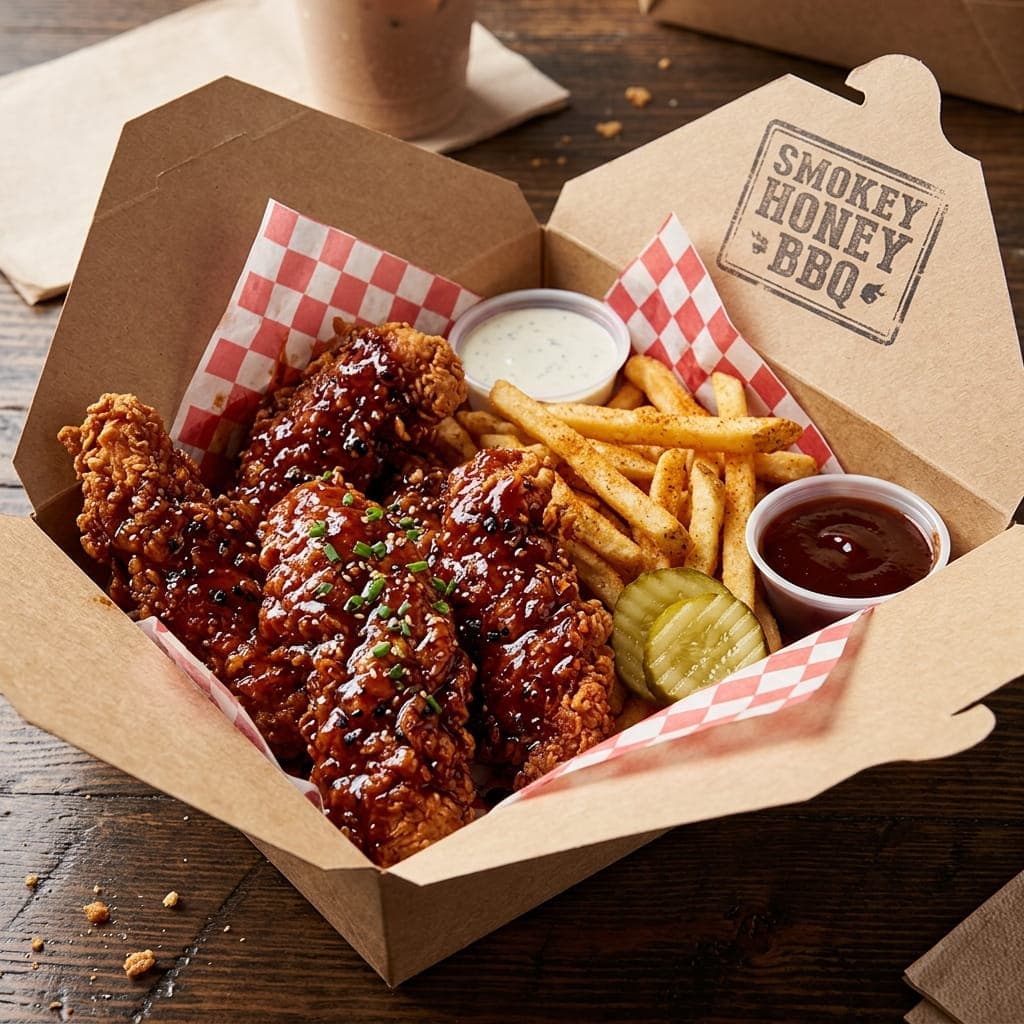
Sweet Honey BBQ Smokey Chicken Tenders Box
This double coats the chicken tenders, dredging them in seasoned flour, then buttermilk, then flour again, which is what builds the thick, craggy crust that holds up well once tossed in the sticky honey BBQ glaze instead of a thin coating that dissolves into the sauce. Tossing the tenders in the glaze right after frying, while they're still hot, helps the sauce cling evenly to every ridge of that crispy coating.
40m5
Game-Day and Party Specials
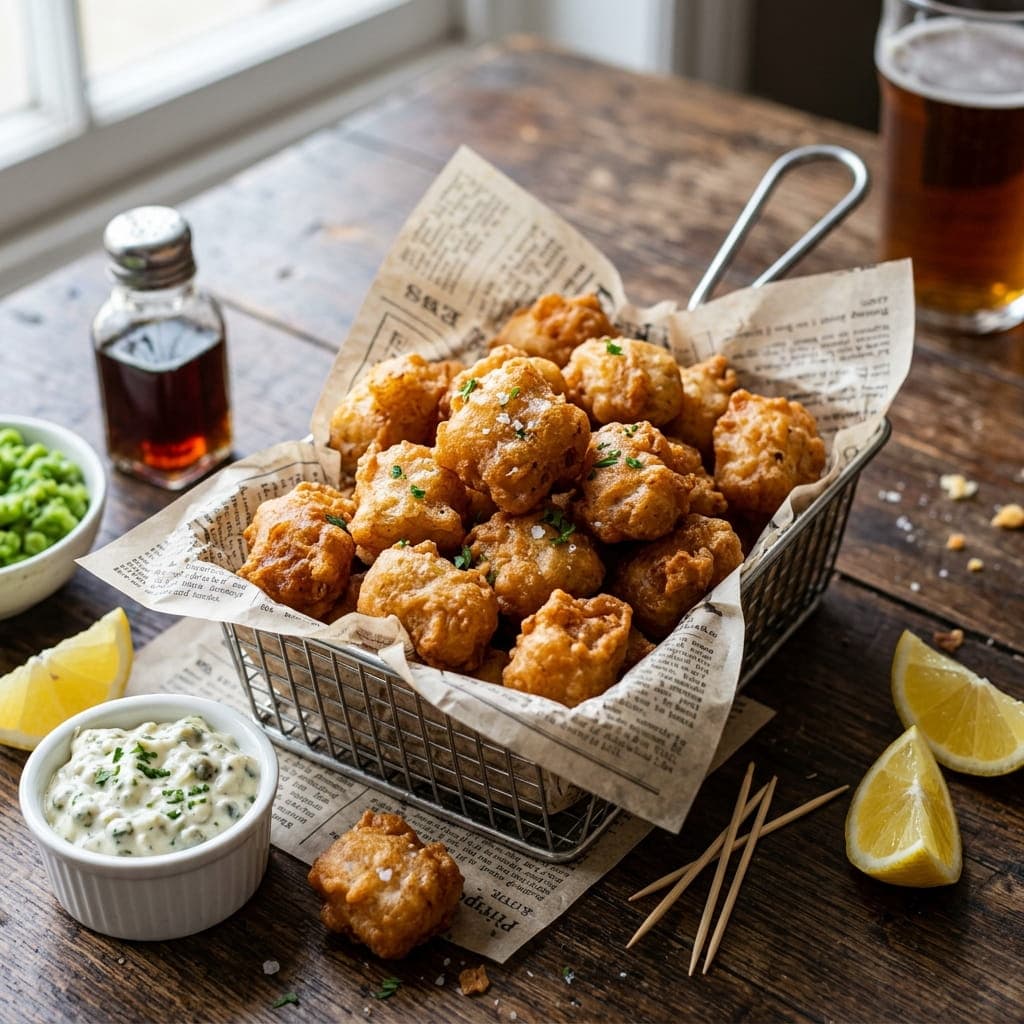
British Style Crispy Cocktail Fish Bites
This uses a light beer batter, the same technique behind classic British fish and chips, since the carbonation in the beer creates tiny air bubbles that fry up into an exceptionally light, crisp coating rather than a heavy, doughy one. Cutting the fish into small, bite sized cocktail pieces rather than full fillets is what makes these fun, poppable party food instead of a sit down plated meal.
35m6
Game-Day and Party Specials
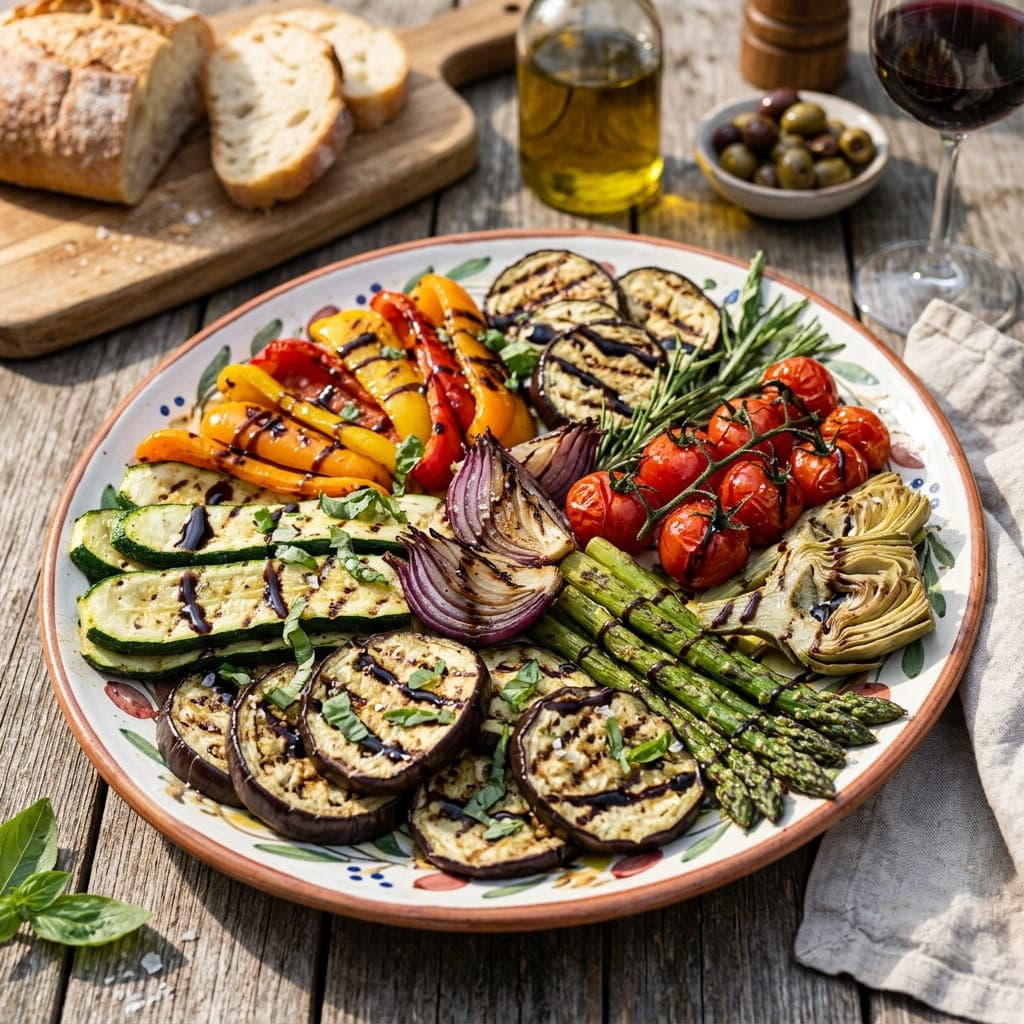
Italian Grilled Veggie Platter with Balsamic Drizzle
This cuts each vegetable to a thickness suited to how quickly it cooks, keeping denser vegetables like eggplant and zucchini thicker while more delicate ones like bell peppers stay in larger pieces, so everything finishes grilling at roughly the same time. Reducing balsamic vinegar into a syrupy glaze rather than drizzling it straight from the bottle gives the platter a concentrated sweetness that a thin vinegar can't match.
45m6
Game-Day and Party Specials
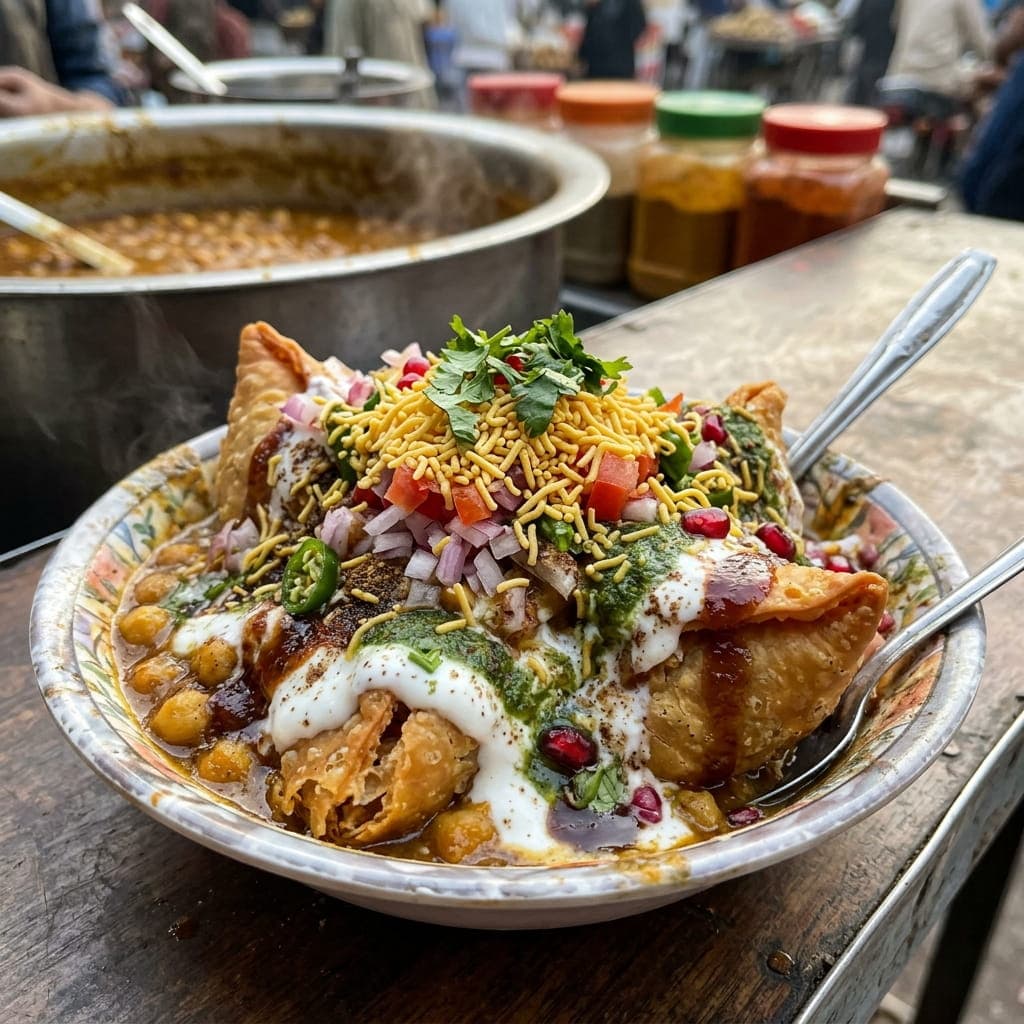
Pakistani Street Style Crispy Samosa Chaat Bowl
This crushes the fried samosas roughly rather than leaving them whole, a defining feature of chaat that lets every bite soak up a bit of the yogurt, tamarind, and chutneys instead of being a separate crunchy element on the side. Assembling the dish just before serving is essential, since samosas that sit too long under the wet yogurt and chutneys lose their crispness entirely.
25m4
Game-Day and Party Specials
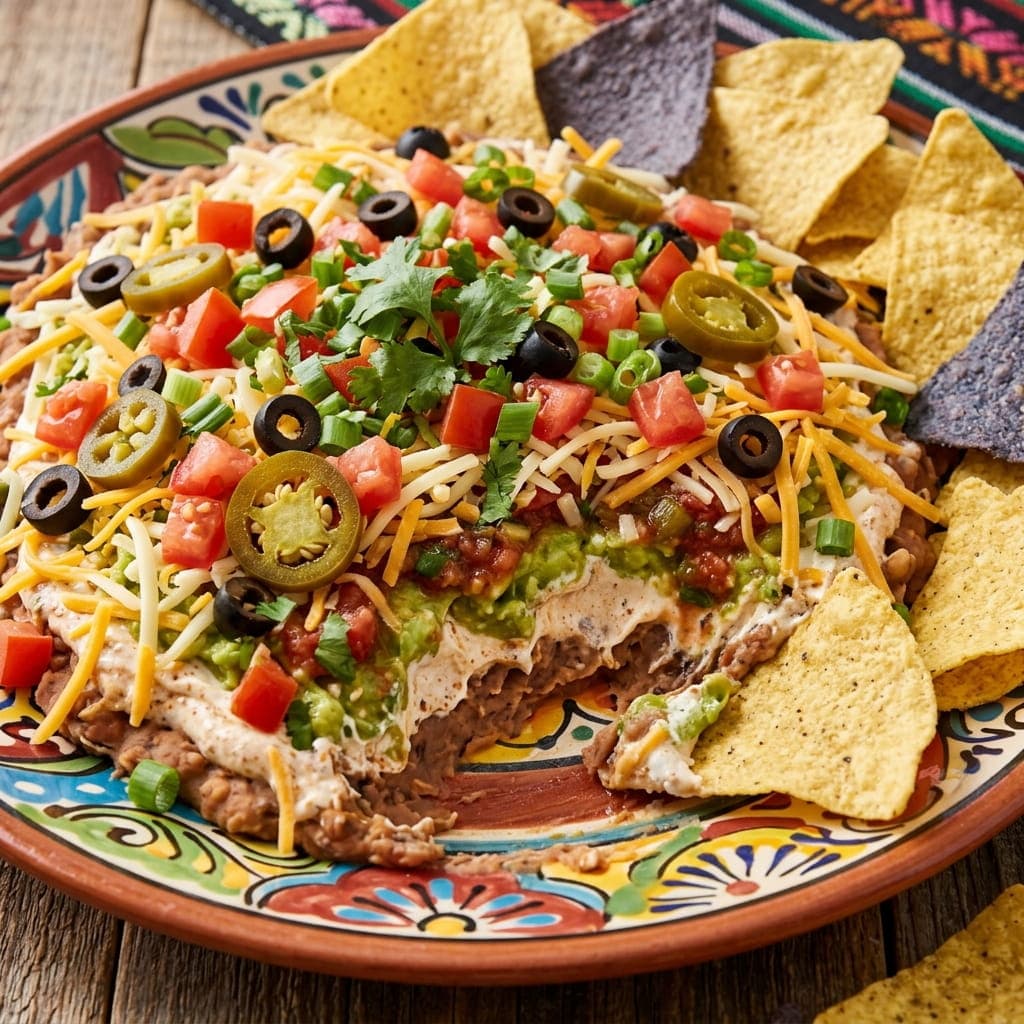
Mexican Creamy Layered Taco Party Spread
This spreads each layer all the way to the edges of the dish before adding the next, since gaps or thin spots mean some bites end up with fewer layers than others once it's scooped and served. Chilling the dip for at least an hour before serving lets the layers firm up enough to hold together when a chip scoops through them, rather than sliding apart into a mess.
25m10
Game-Day and Party Specials
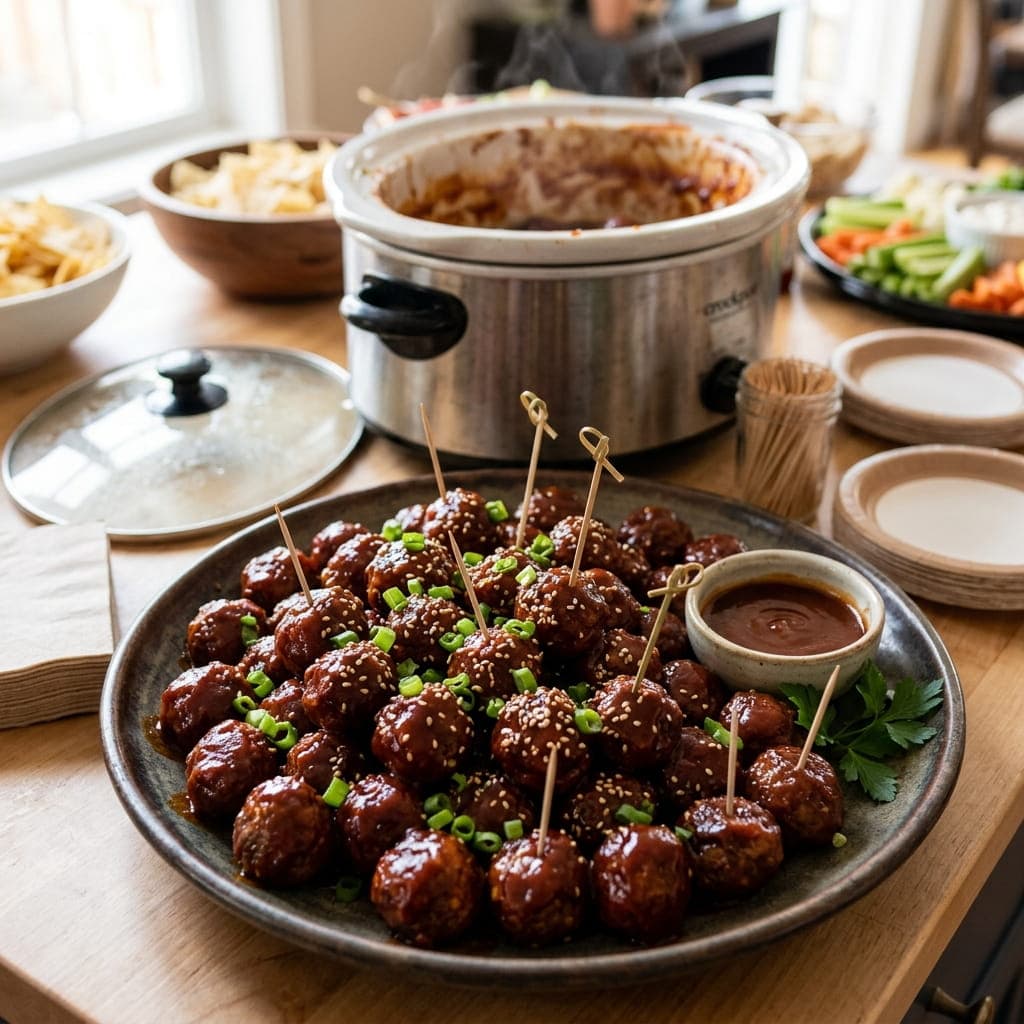
Easy Crockpot BBQ Meatballs Party Platter
This browns the meatballs briefly in a skillet before they go into the slow cooker, a step that builds a caramelized crust the slow cooker's gentle heat alone can't achieve, since braising them straight from raw would leave the surface pale and steamed rather than seared. Letting the meatballs simmer in the sauce for hours rather than just warming through allows them to soak up the barbecue flavor all the way to the center.
220m8
Game-Day and Party Specials
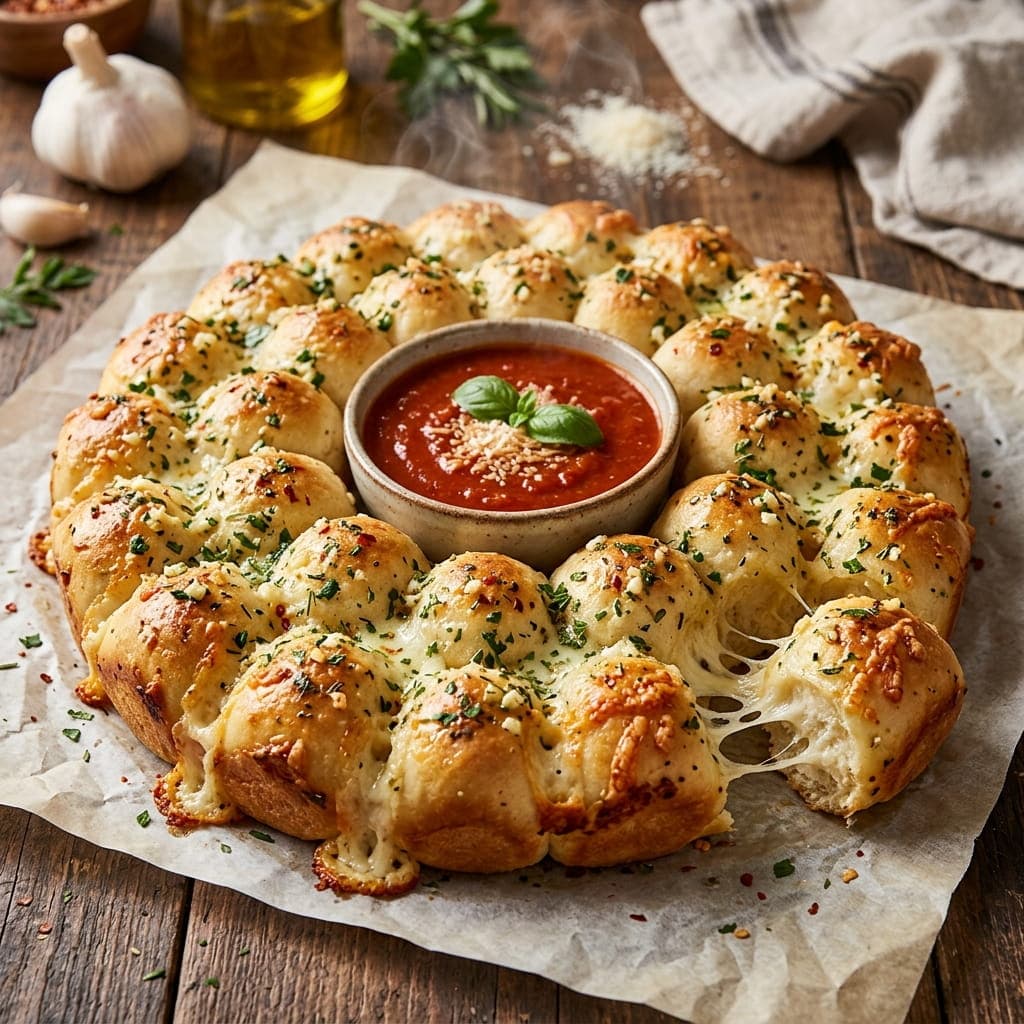
Italian Pull-Apart Garlic Bread Cheese Ring
This cuts a grid of deep slits into a round loaf without cutting all the way through the bottom, which creates dozens of little pockets for garlic butter and cheese to melt into while still holding the loaf together as one shareable piece. Stuffing mozzarella down into those slits, rather than just sprinkling it over the top, is what gives every torn off piece its own gooey, cheesy pull.
40m8
Game-Day and Party Specials
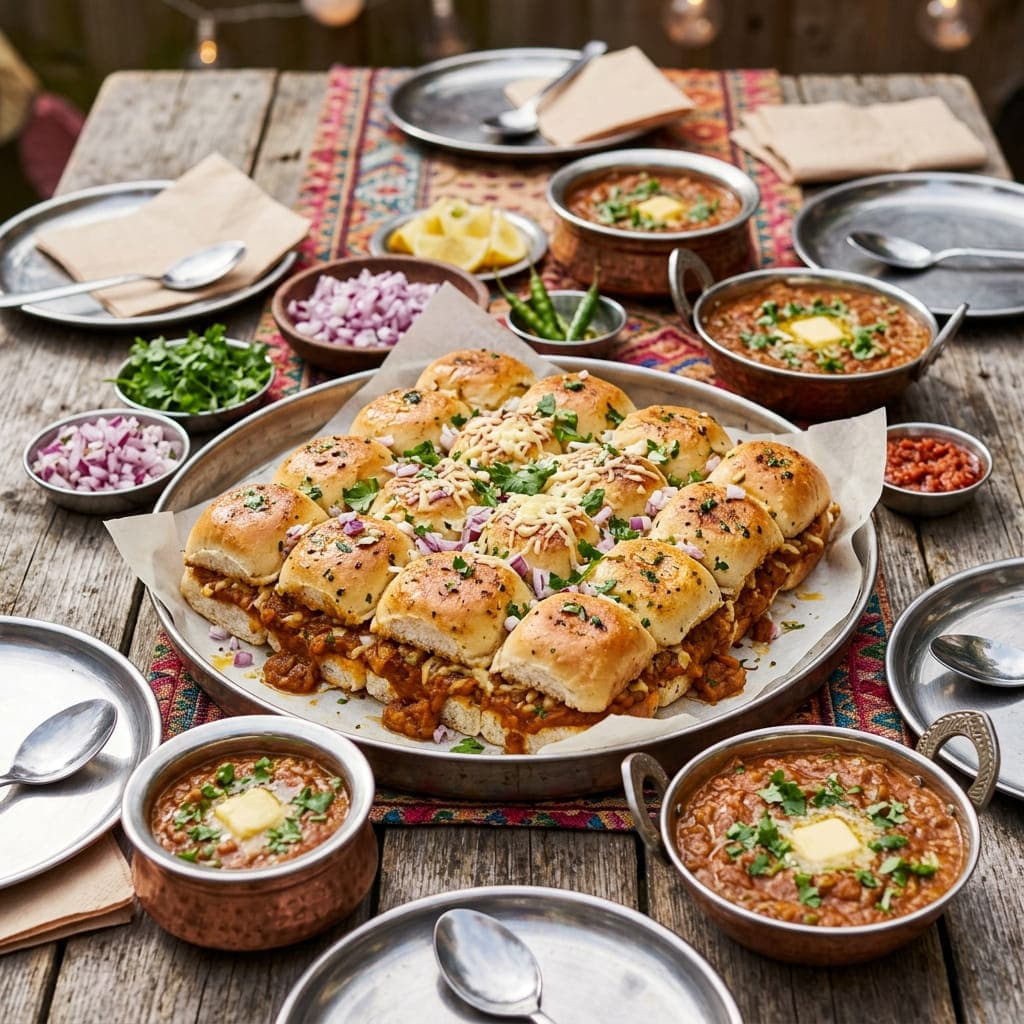
Indian Street Pav Bhaji Party Sliders Pots
This mashes the cooked vegetables directly in the pan while they simmer with the spices, the traditional street food technique that lets the bhaji absorb the pav bhaji masala fully rather than just coating vegetables that stay in distinct pieces. Toasting the small pav buns in butter on a hot griddle, the same way street vendors do, gives them a golden, slightly crisp exterior that holds up well to being dunked into the thick vegetable mash.
55m6
Game-Day and Party Specials
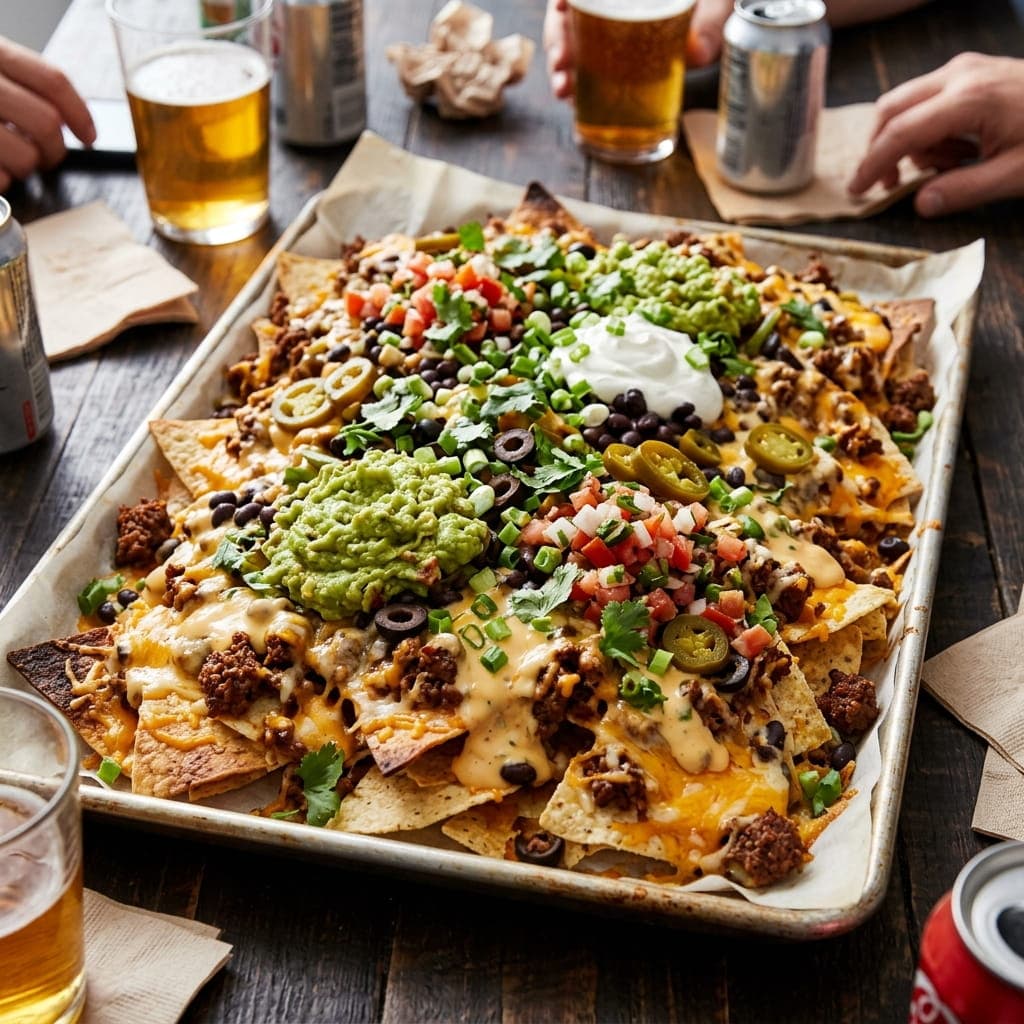
Game-Day Loaded Cheesy Beef Nachos Platter
This layers the chips, beef, and cheese two or three times over rather than piling everything on in a single layer, since a single top layer leaves most of the chips underneath completely bare, without any cheese to hold toppings in place. Broiling briefly at the very end melts everything together quickly without the chips having time to turn soggy under prolonged oven heat.
30m6