Loading...
Gravies and Marinades Recipes
Showing 1-10 of 10 delicious gravies and marinades recipes
Gravies and Marinades
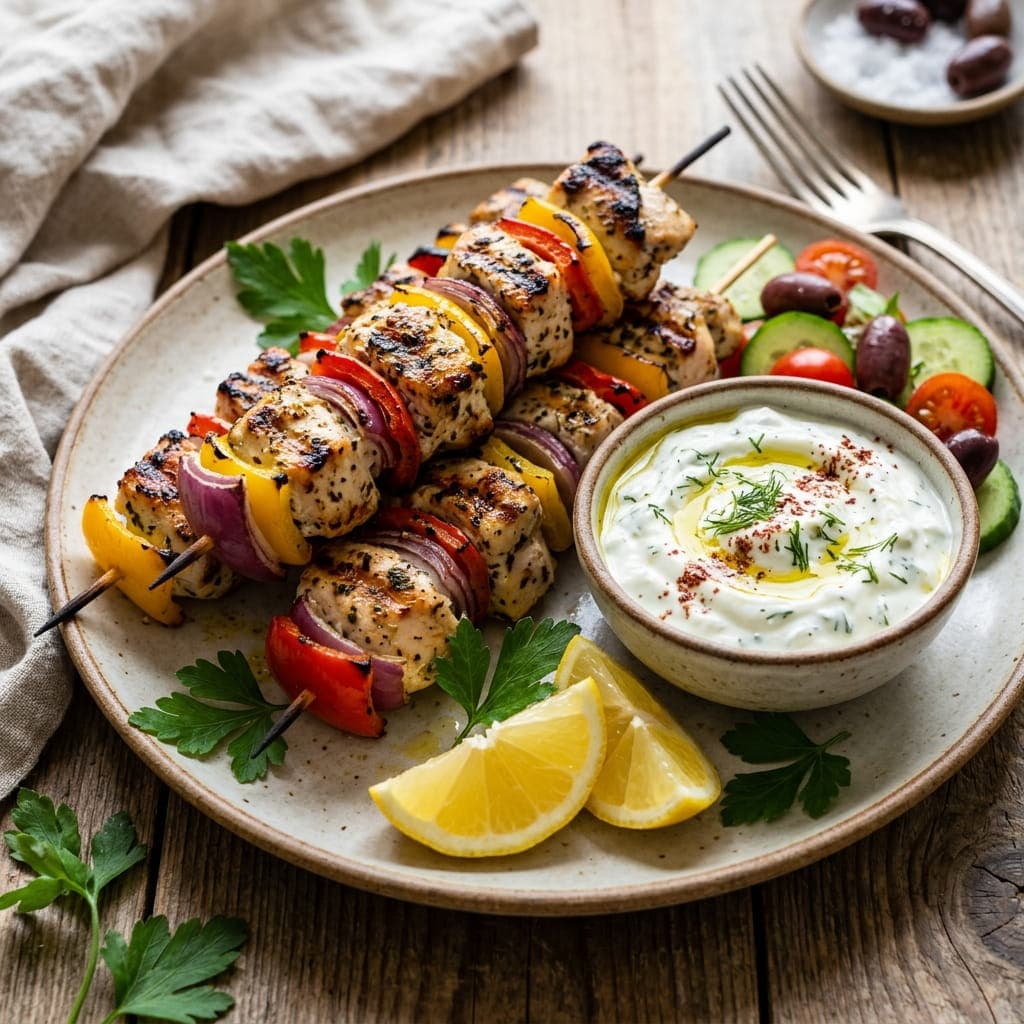
Healthy Greek Yogurt Kebabs Protein Marinade
This uses Greek yogurt as the marinade base, which is thicker and higher in protein than regular yogurt, so it clings to the meat more effectively while also gently tenderizing it thanks to its mild natural acidity. Fresh oregano and lemon zest whisked directly into the yogurt bring the same bright, herbaceous flavor found in classic Greek souvlaki without needing any added oil to carry it.
15m6
Gravies and Marinades
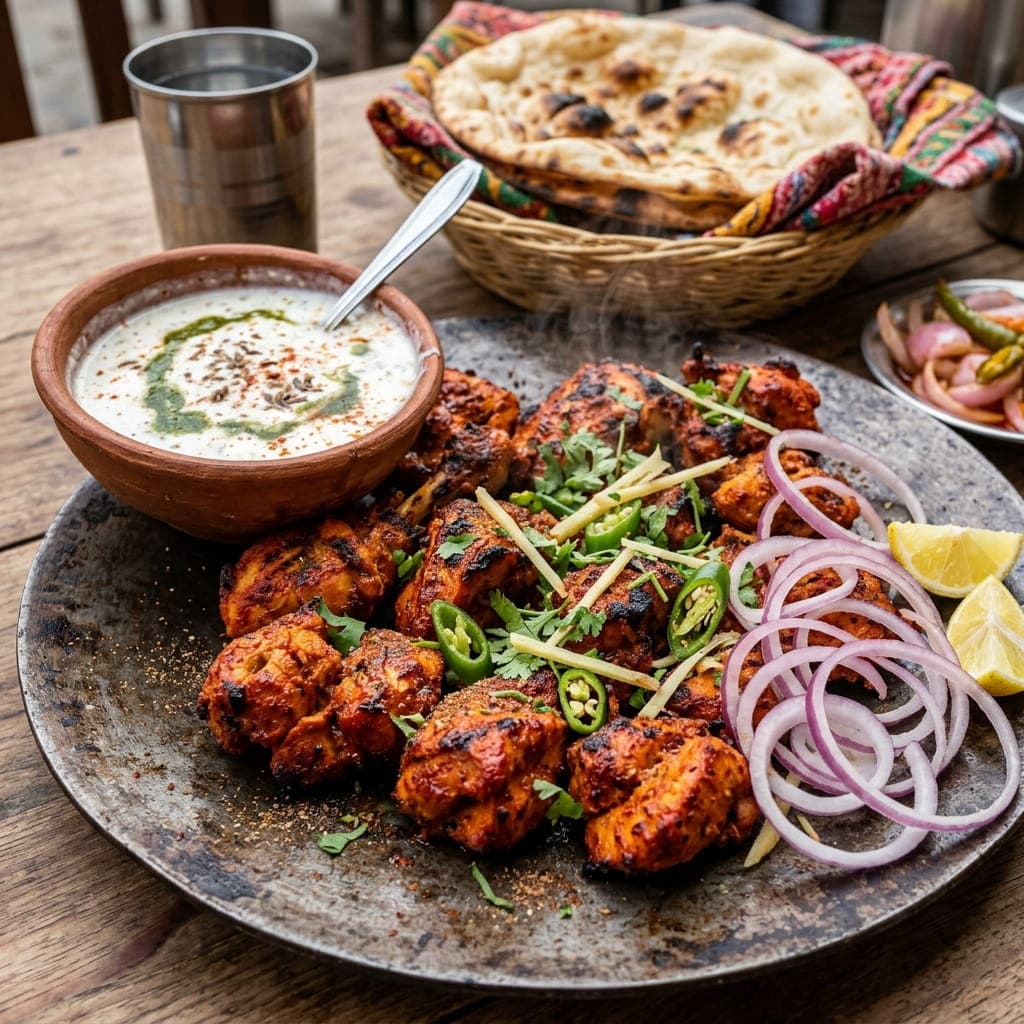
Spicy Pakistani Chicken Tikka Yoghurt Marinade
This uses full fat yogurt as the marinade base rather than a purely acidic liquid like lemon juice or vinegar, since yogurt's mild acidity and enzymes tenderize the chicken gently without breaking down its texture into mush the way a stronger acid can over a long marinating time. Roasting and grinding whole spices just before mixing them into the yogurt is what gives this tikka marinade its sharp, fresh aroma instead of a muted, dusty flavor.
20m6
Gravies and Marinades
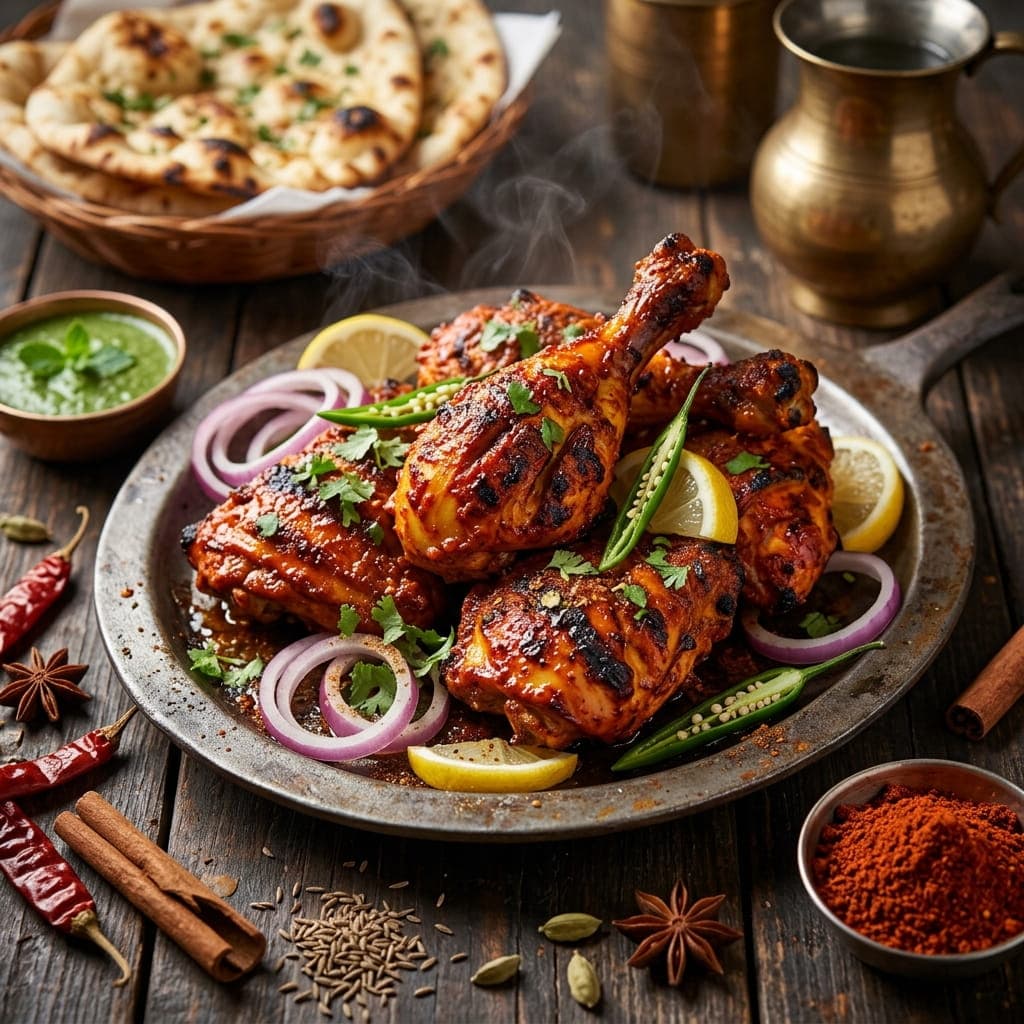
Indian Tandoori Masala Rich Spiced Marinade
This marinates the meat in two stages, first in a simple ginger garlic and lemon juice mixture, then in the full spiced yogurt marinade, which is the traditional double marination technique used to build deeper, more complex flavor than a single step could achieve. A touch of Kashmiri red chili powder, valued for its deep red color rather than intense heat, gives this marinade its signature vibrant hue without making it overwhelmingly spicy.
25m6
Gravies and Marinades
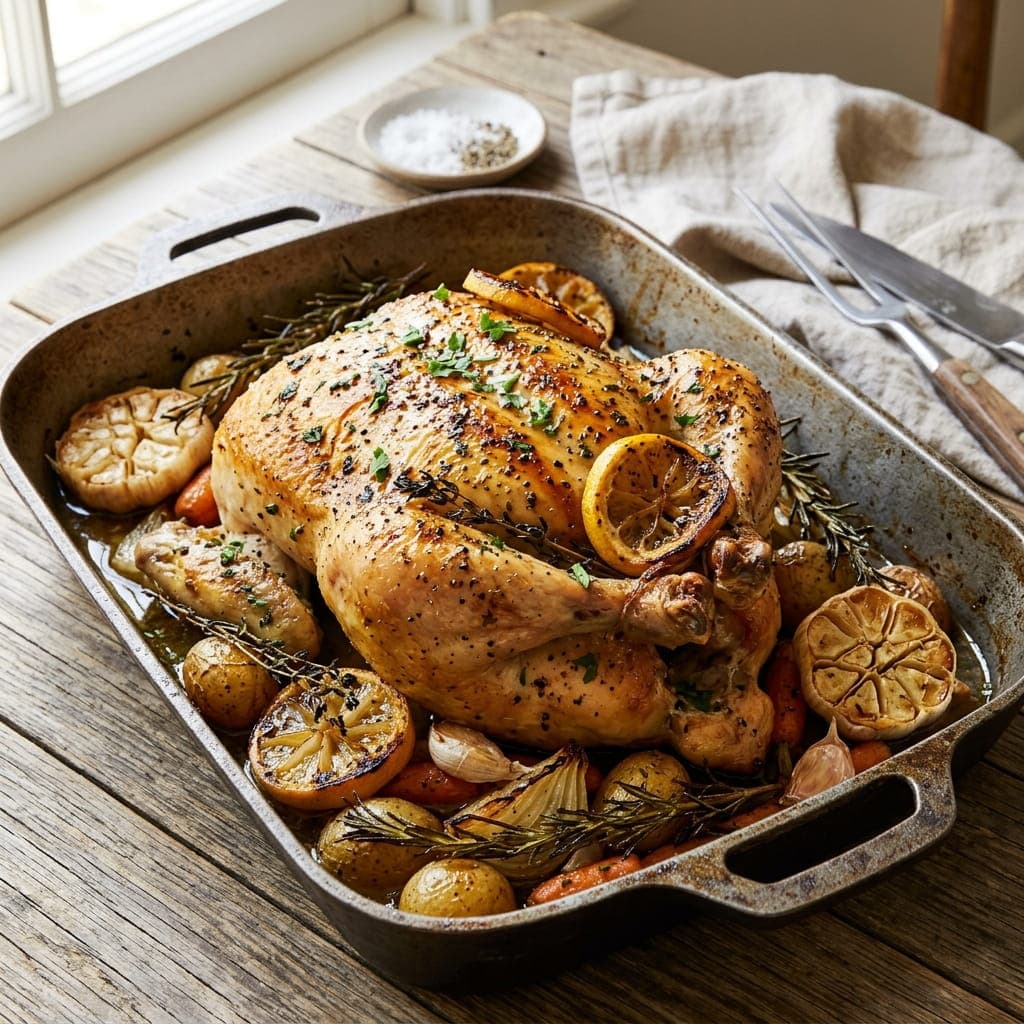
Lemon Garlic Herb Roast Chicken Marinade
This whisks the lemon zest in along with the juice, since the zest carries much of the citrus's aromatic oil and adds a brighter, more concentrated lemon flavor than juice alone can provide. Keeping the marinating time to a moderate few hours, rather than overnight, is what prevents the lemon's acidity from starting to toughen the chicken's texture.
10m6
Gravies and Marinades
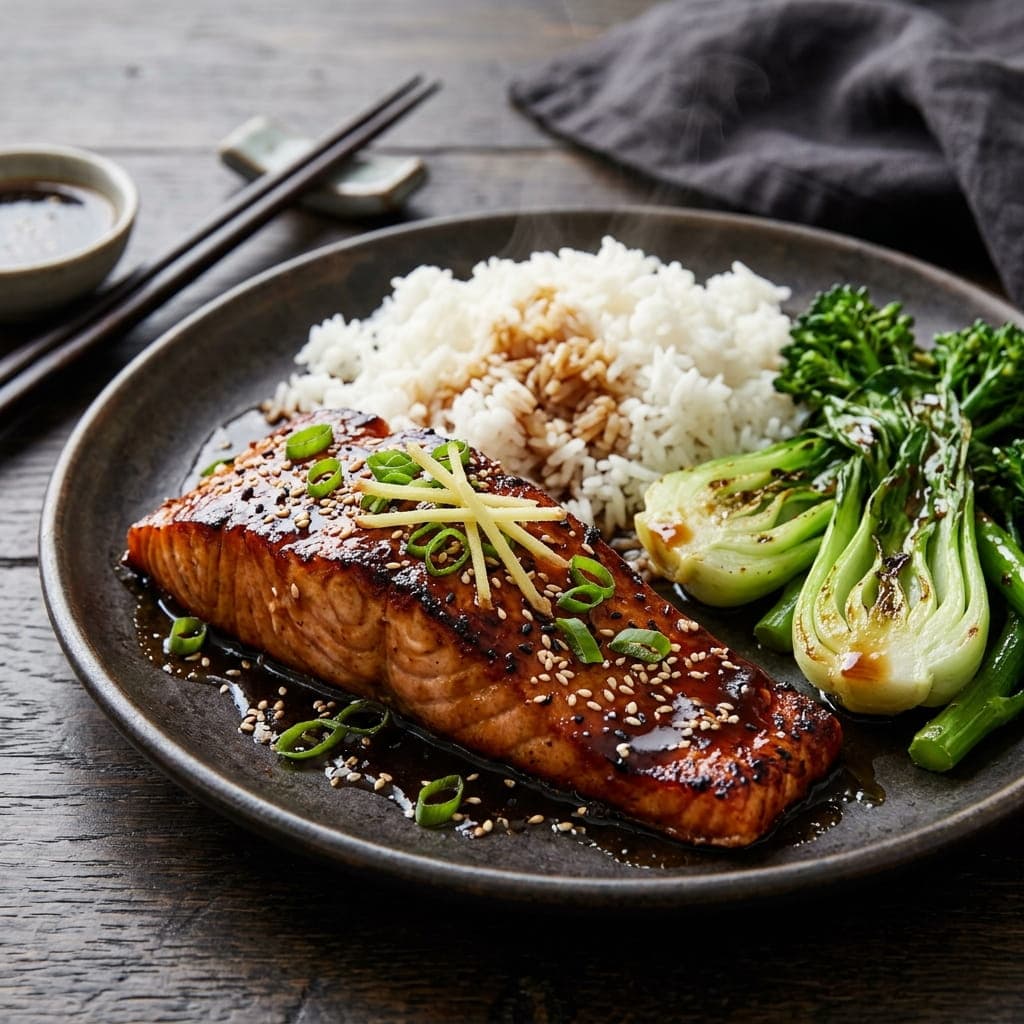
Sweet Teriyaki Ginger Soy Salmon Marinade
This keeps the marinating time short, since salmon's more delicate flesh can start to turn mushy and take on a cured texture if left in a salty, acidic marinade for too long, unlike heartier cuts of meat. Reserving a portion of the marinade before it touches raw fish, then simmering it separately into a glaze, is what lets you safely brush extra flavor onto the salmon while it cooks.
15m4
Gravies and Marinades
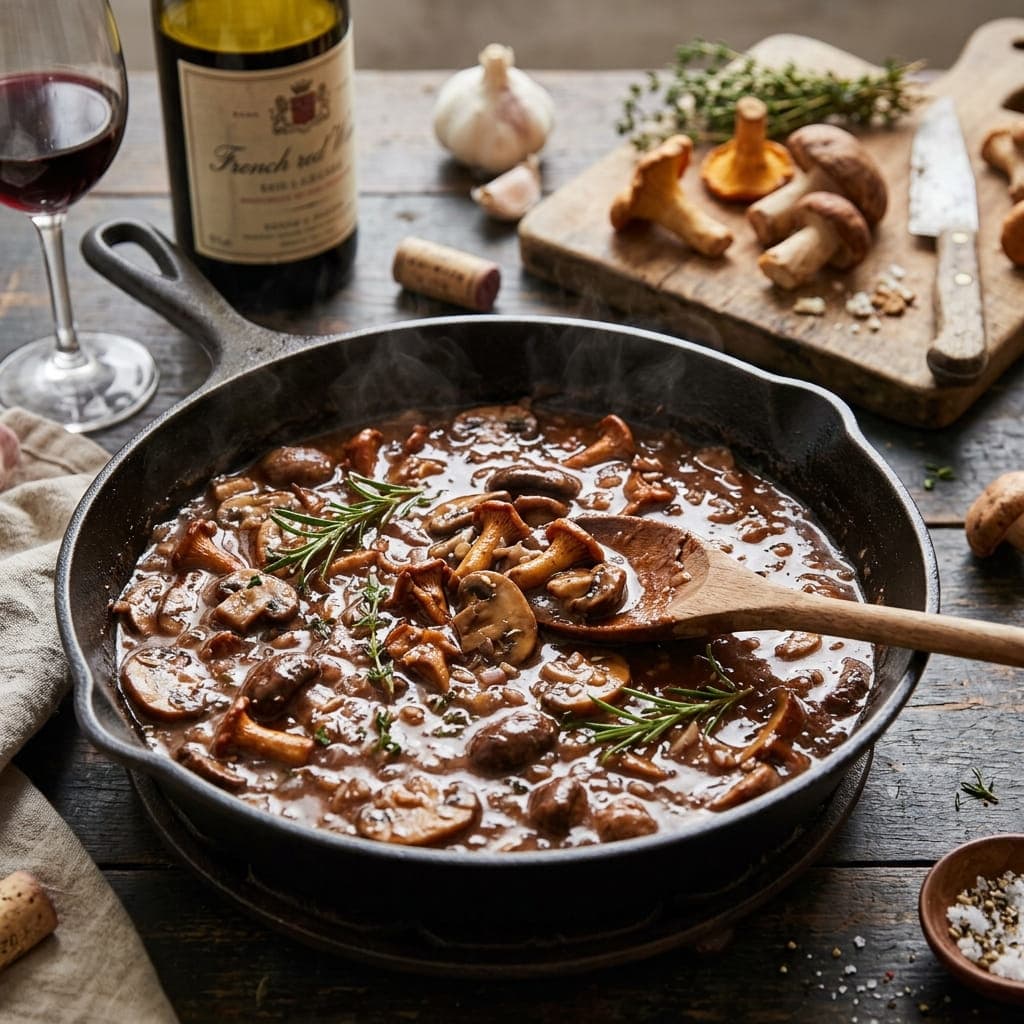
French Red Wine Wild Mushroom Gravy Sauce
This sears the mushrooms in a single layer without crowding the pan, since overcrowded mushrooms steam instead of browning, missing out on the deep, caramelized flavor this French style gravy depends on. Deglazing the pan with red wine after the mushrooms and shallots are cooked lifts every browned bit stuck to the bottom straight into the sauce.
40m6
Gravies and Marinades
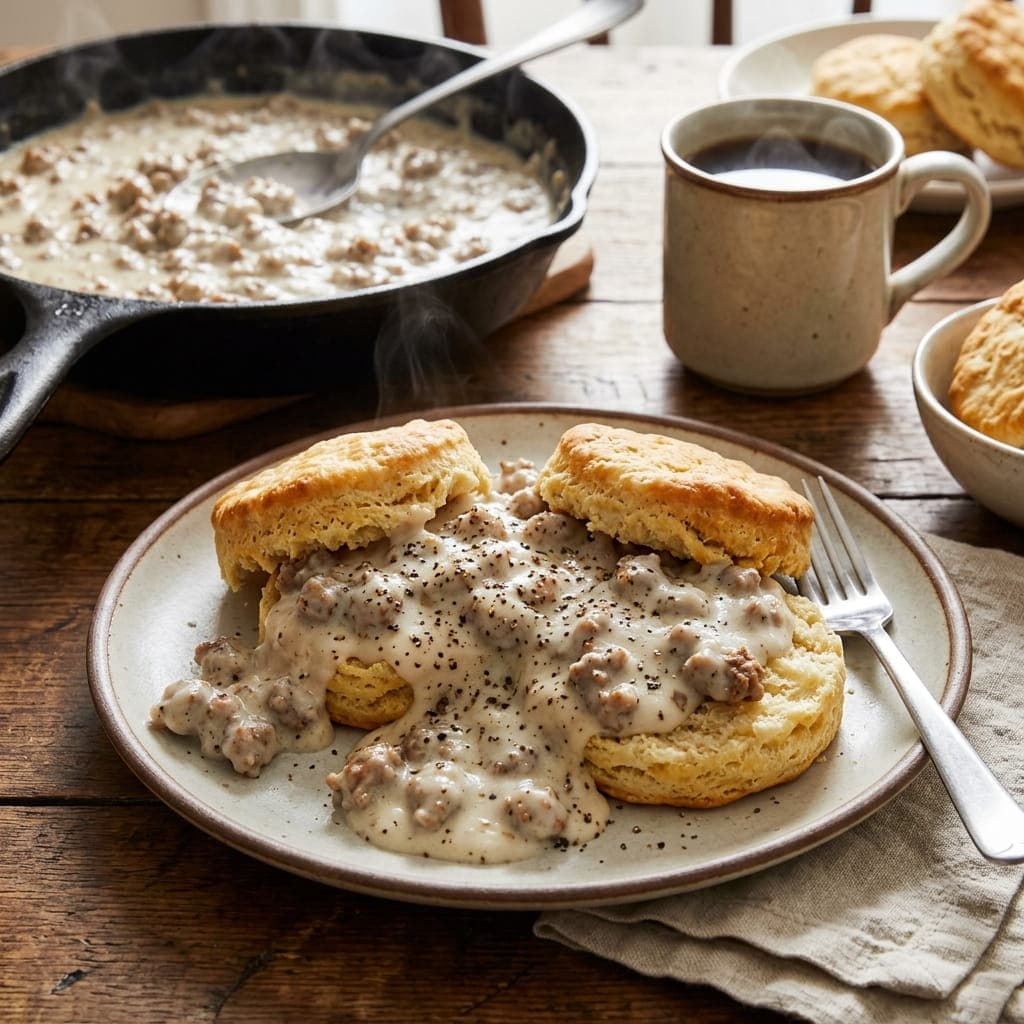
Classic Southern Creamy White Sausage Gravy
This browns the breakfast sausage thoroughly and leaves all its rendered fat in the pan, since that flavorful fat becomes the base for the roux instead of adding butter or oil separately. A generous amount of black pepper stirred in at the end is what gives this Southern staple its characteristic peppery bite, cutting through the richness of the milk based gravy.
20m6
Gravies and Marinades
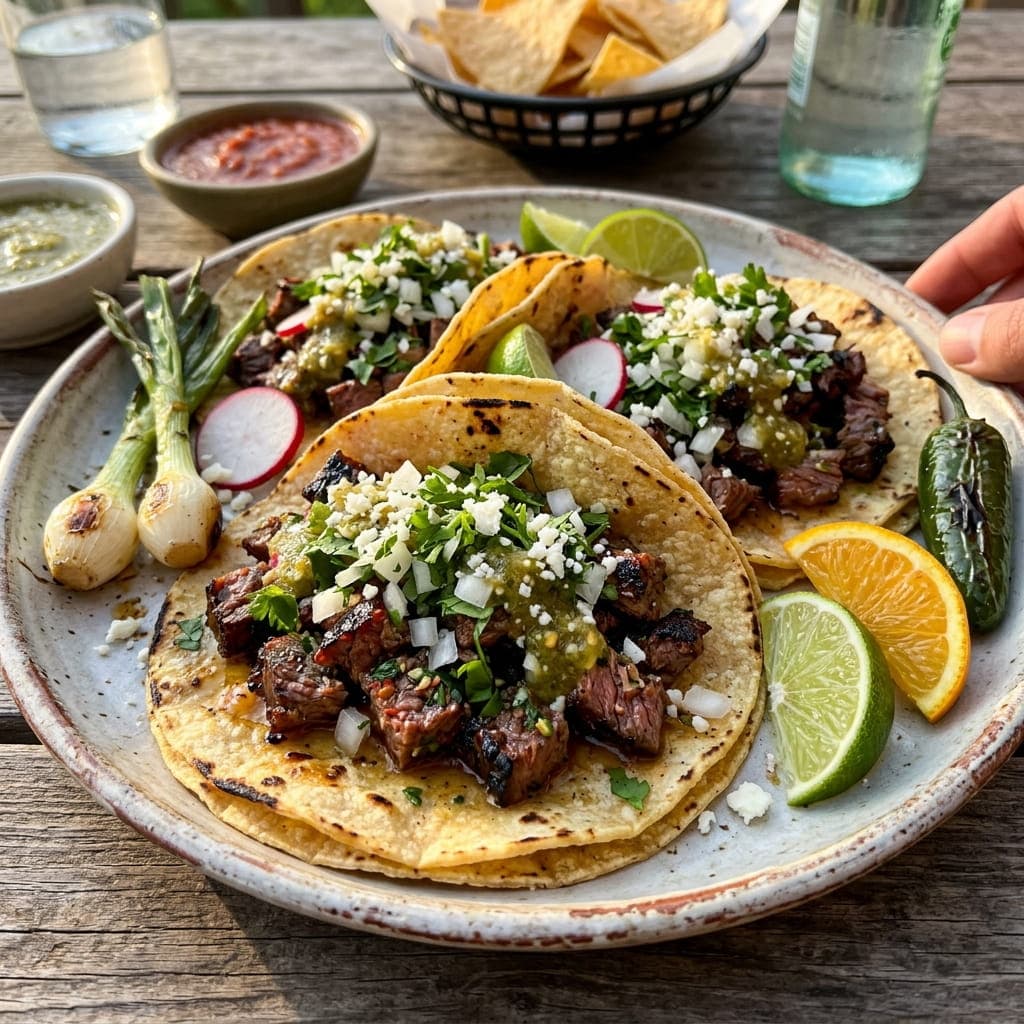
Carne Asada Citrus Beef Taco Marinade
This combines both orange and lime juice, following the traditional carne asada approach, since the orange's natural sweetness balances the lime's sharp acidity, together tenderizing the beef while building a more complex citrus flavor than either juice could achieve alone. A generous amount of fresh cilantro blended right into the marinade infuses the beef with flavor from the inside rather than just being sprinkled on as a garnish afterward.
15m6
Gravies and Marinades
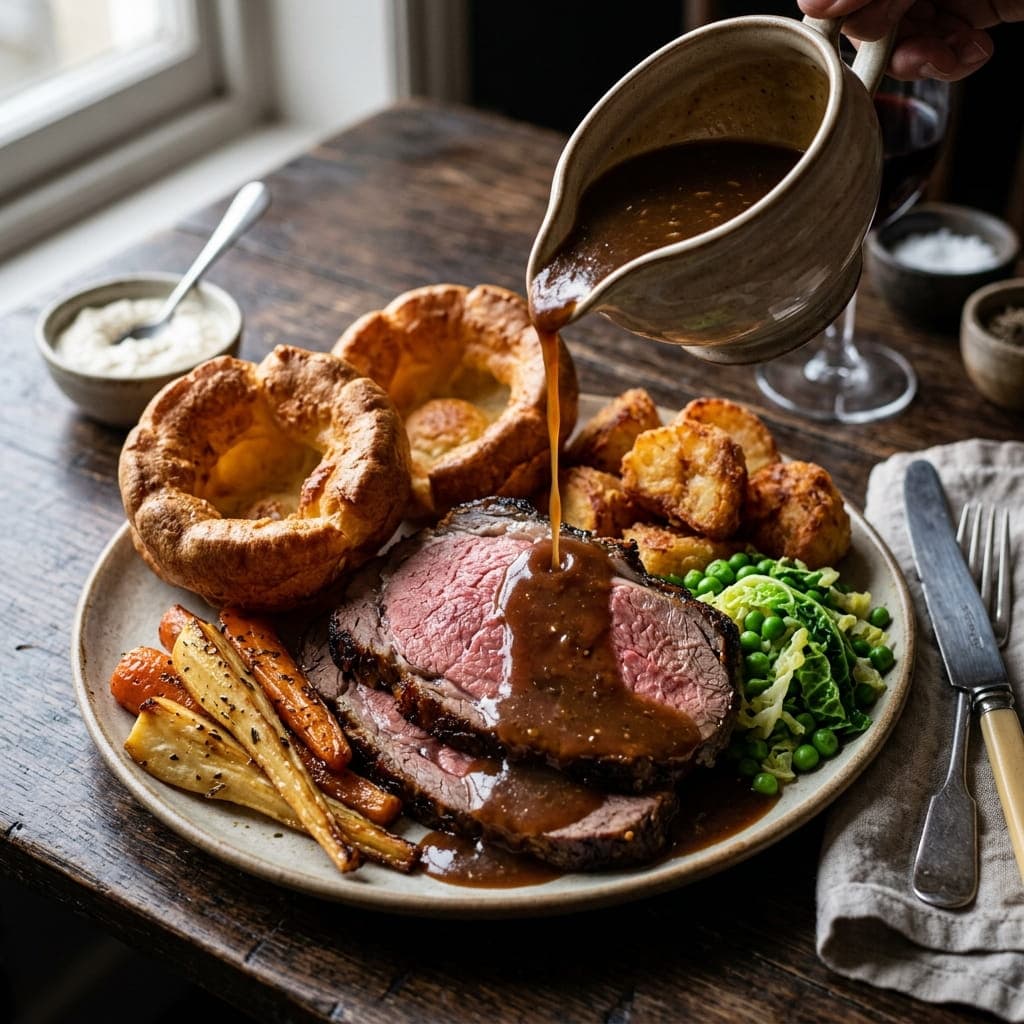
Traditional British Roast Beef Brown Gravy
This builds the gravy directly in the roasting pan, scraping up all the browned meat drippings stuck to the bottom, since those caramelized bits hold far more flavor than starting a gravy in a clean, separate saucepan ever could. Whisking the flour into the pan drippings before adding any liquid is what prevents the lumps that plague so many homemade gravies.
20m8
Gravies and Marinades
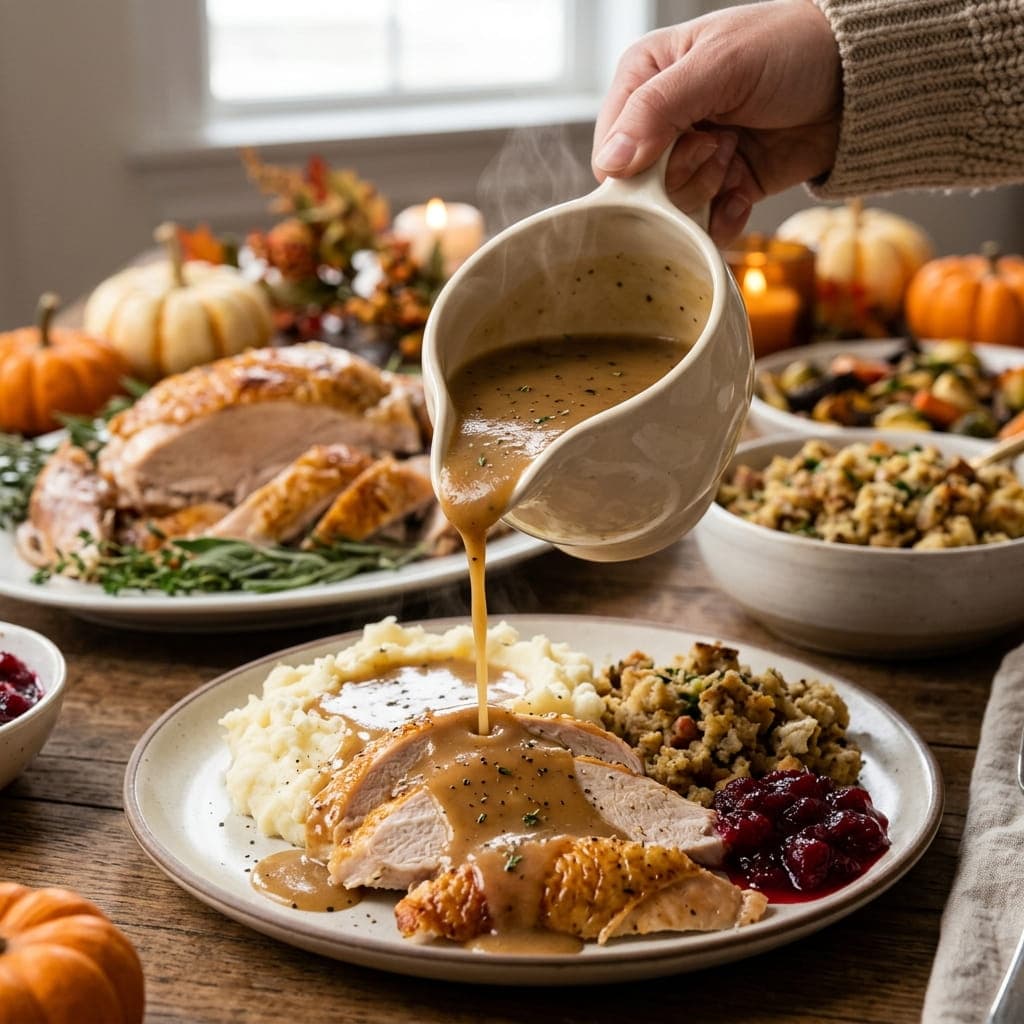
Easy Savory Turkey Gravy for Thanksgiving
This separates the fat from the turkey drippings first, since using too much fat in the roux can leave the gravy tasting greasy rather than smooth and savory. Simmering the gravy with the reserved turkey neck and giblets, if available, while the bird rests is what deepens the flavor well beyond what drippings alone could provide.
25m10