Loading...
Sauces and Condiments Recipes
Showing 1-16 of 30 delicious sauces and condiments recipes
BBQ and Hot Sauces
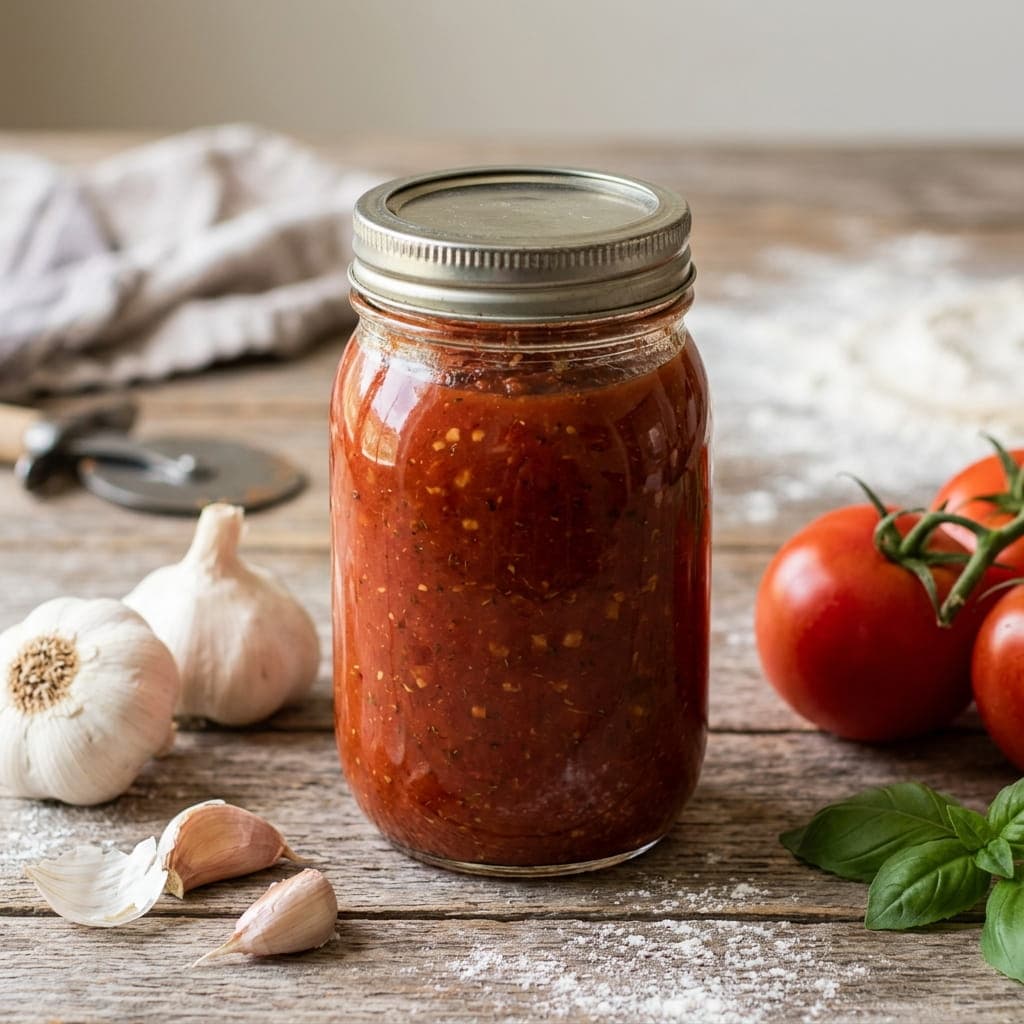
Low-Sodium Garlic Tomato Pizza Sauce Base
This starts with plain, unsalted crushed tomatoes rather than a pre-seasoned pasta sauce, since store bought pizza sauces are often one of the saltiest parts of a homemade pizza without anyone realizing it. Simmering the sauce uncovered lets excess liquid evaporate and the tomato flavor concentrate naturally, building richness without needing to rely on added salt.
30m8
Gravies and Marinades
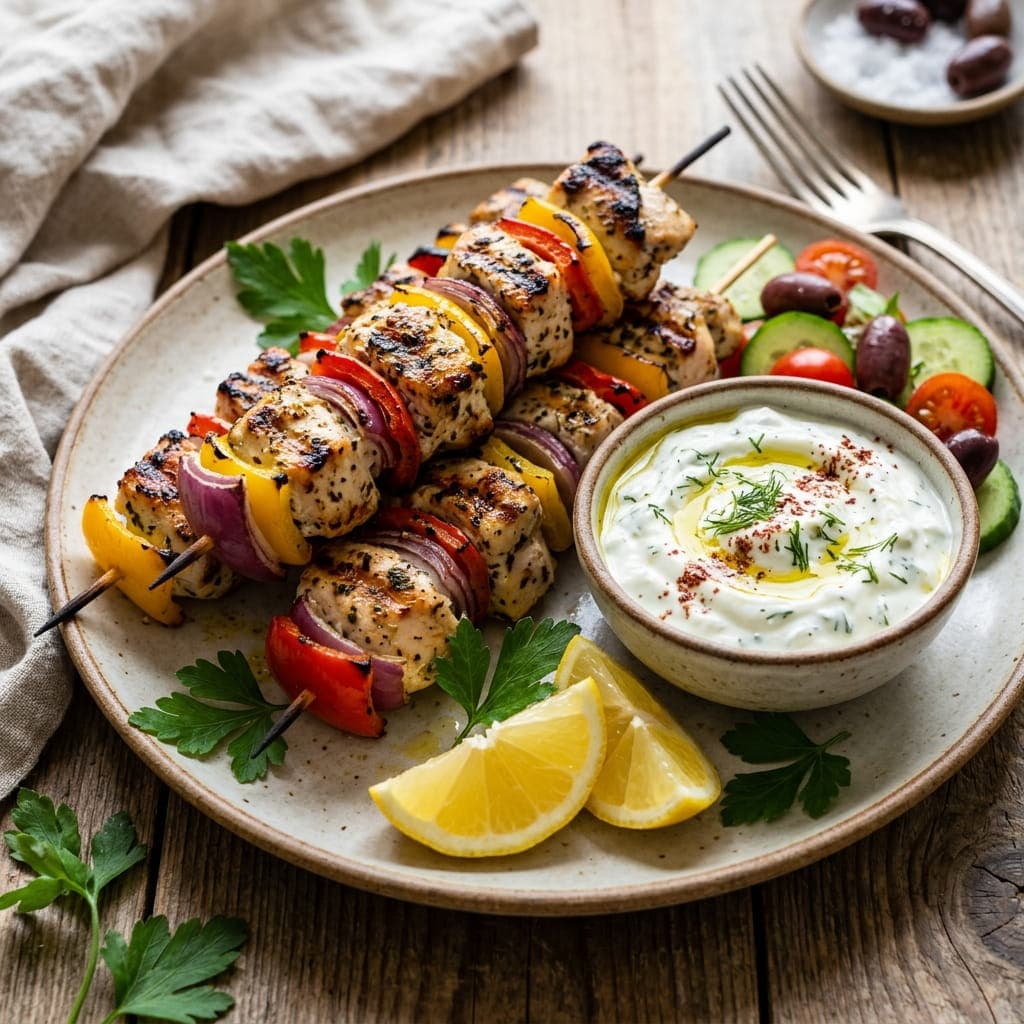
Healthy Greek Yogurt Kebabs Protein Marinade
This uses Greek yogurt as the marinade base, which is thicker and higher in protein than regular yogurt, so it clings to the meat more effectively while also gently tenderizing it thanks to its mild natural acidity. Fresh oregano and lemon zest whisked directly into the yogurt bring the same bright, herbaceous flavor found in classic Greek souvlaki without needing any added oil to carry it.
15m6
Dressings and Vinaigrettes
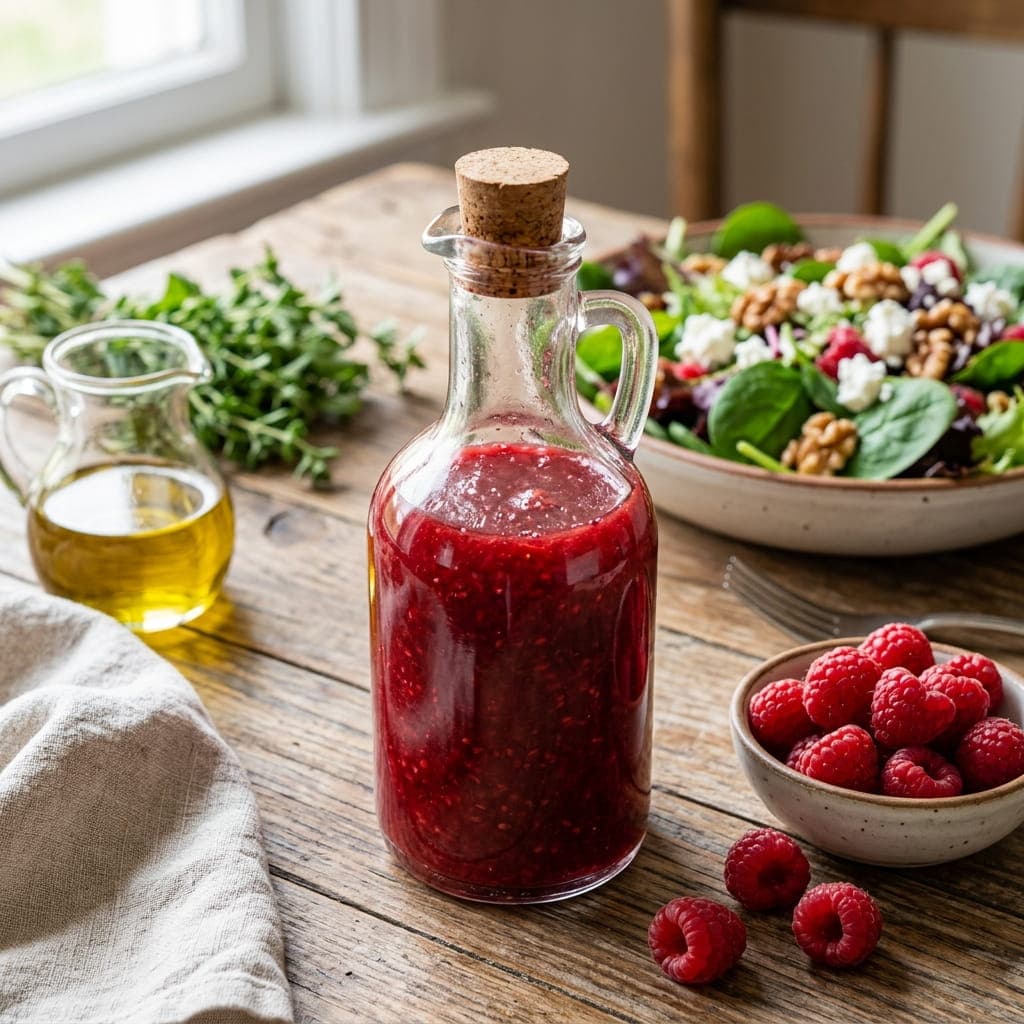
Sugar-Free Sweet Raspberry Vinaigrette
This purees fresh raspberries and strains out the seeds, relying entirely on the fruit's natural sweetness and a sugar free sweetener rather than any added sugar to balance the tang of the vinegar. Straining the puree through a fine mesh sieve is what gives this vinaigrette its smooth, glossy texture instead of a seedy, textured finish.
10m6
Dressings and Vinaigrettes
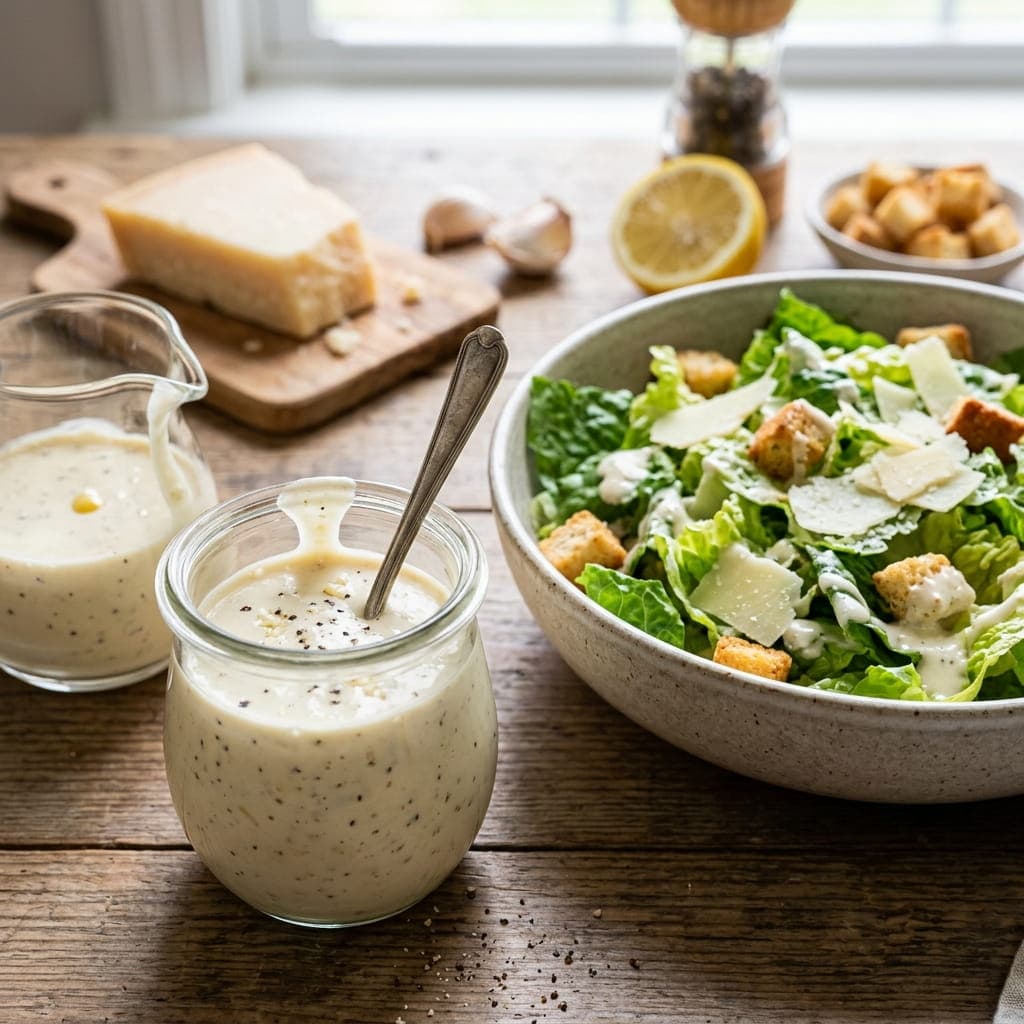
Classic Creamy American Caesar Salad Dressing
This whisks the egg yolk with lemon juice and garlic first before slowly streaming in the oil, the same emulsifying technique used for mayonnaise, which is what gives a scratch made Caesar dressing its thick, creamy body instead of a thin, oily texture. Mashing the anchovy fillets into a paste rather than mincing them is what lets their savory flavor blend seamlessly through the dressing instead of leaving distinct fishy bits.
10m6
Gravies and Marinades
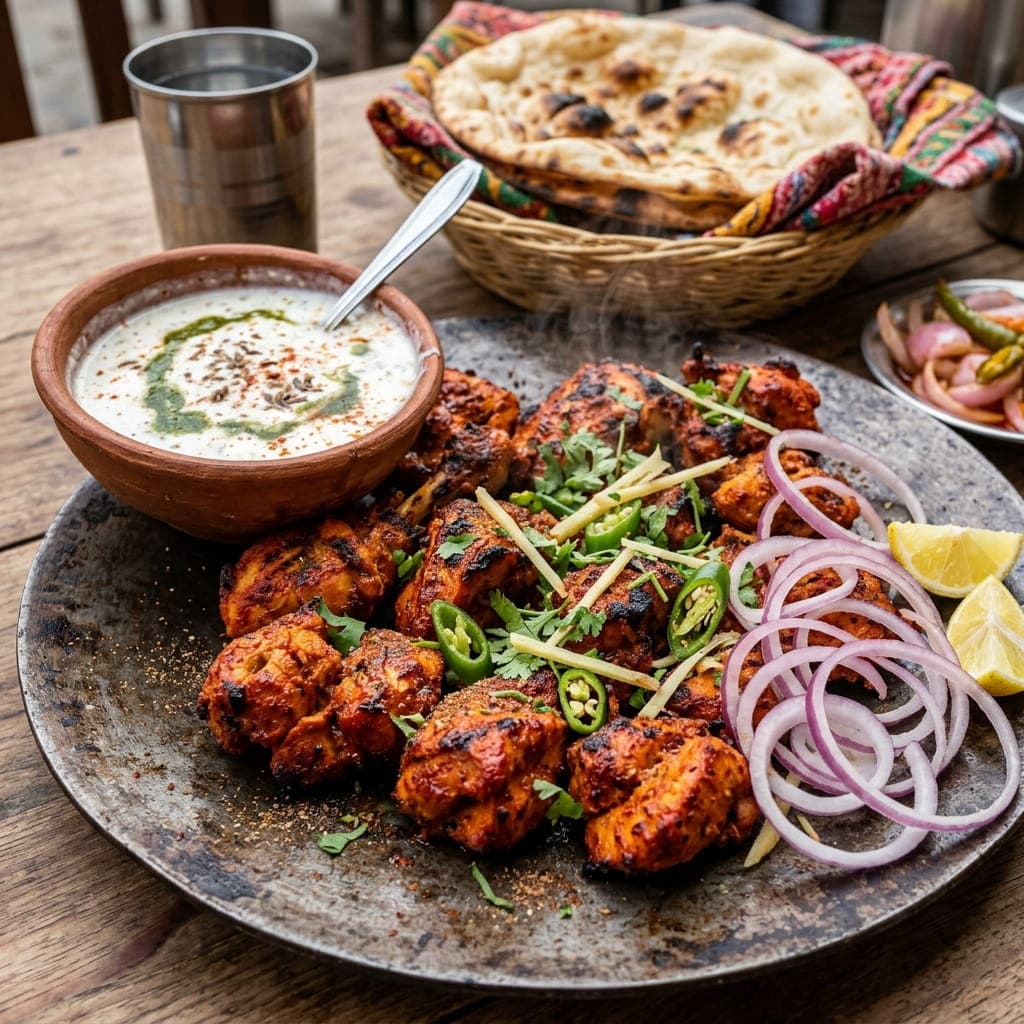
Spicy Pakistani Chicken Tikka Yoghurt Marinade
This uses full fat yogurt as the marinade base rather than a purely acidic liquid like lemon juice or vinegar, since yogurt's mild acidity and enzymes tenderize the chicken gently without breaking down its texture into mush the way a stronger acid can over a long marinating time. Roasting and grinding whole spices just before mixing them into the yogurt is what gives this tikka marinade its sharp, fresh aroma instead of a muted, dusty flavor.
20m6
Gravies and Marinades
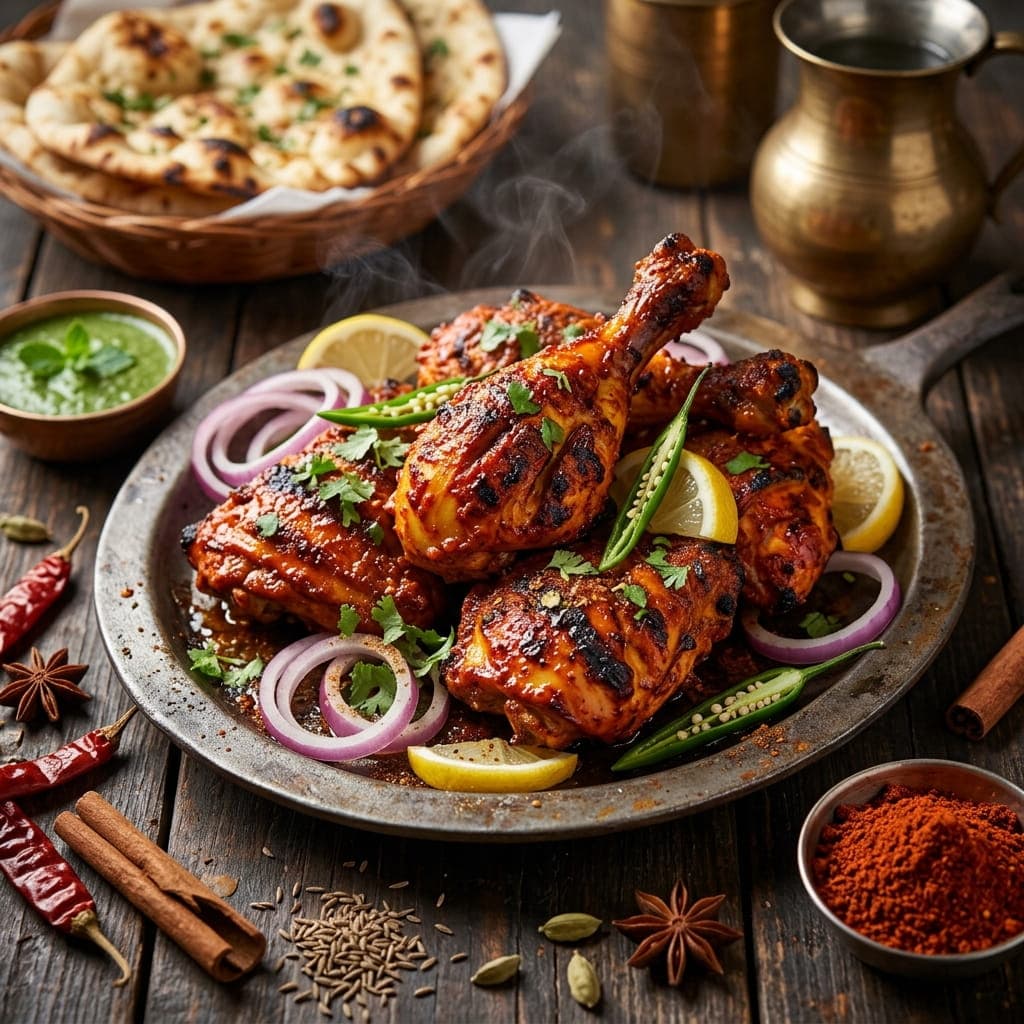
Indian Tandoori Masala Rich Spiced Marinade
This marinates the meat in two stages, first in a simple ginger garlic and lemon juice mixture, then in the full spiced yogurt marinade, which is the traditional double marination technique used to build deeper, more complex flavor than a single step could achieve. A touch of Kashmiri red chili powder, valued for its deep red color rather than intense heat, gives this marinade its signature vibrant hue without making it overwhelmingly spicy.
25m6
Gravies and Marinades
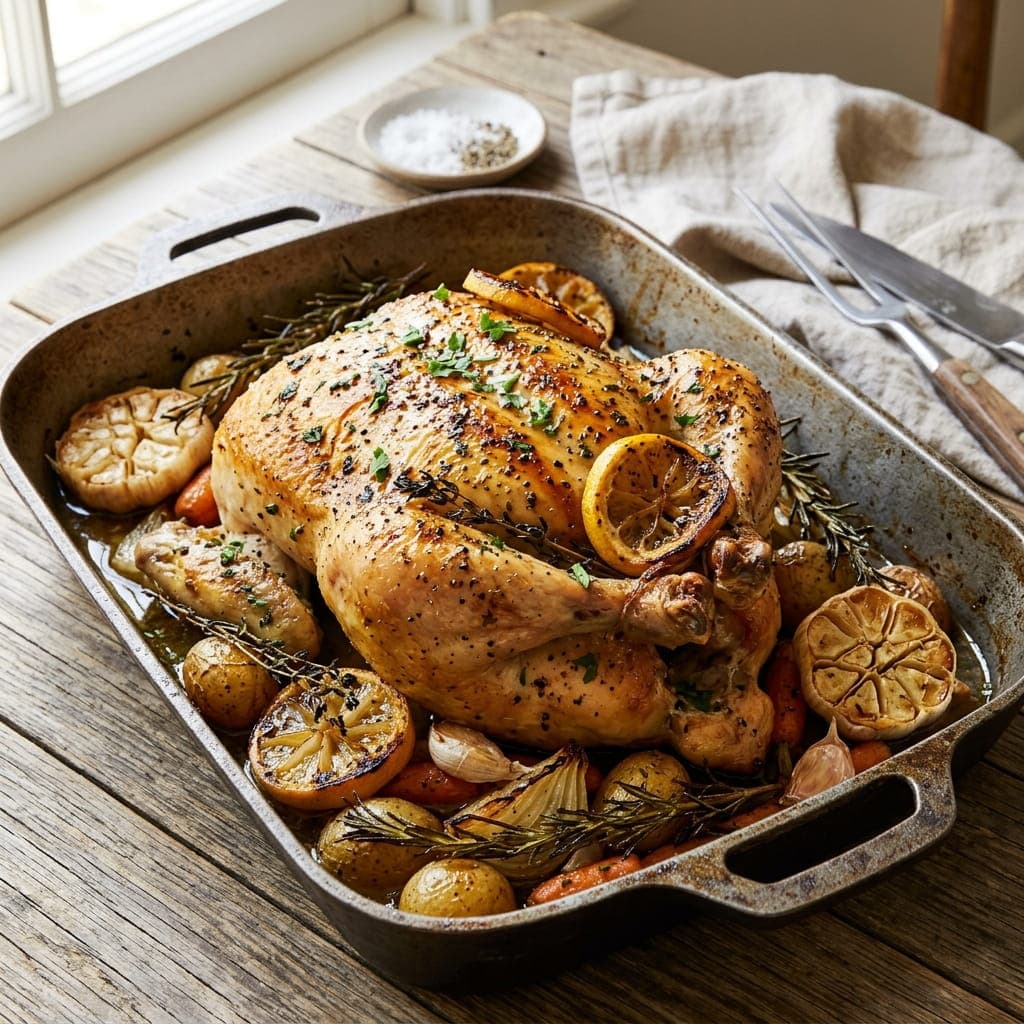
Lemon Garlic Herb Roast Chicken Marinade
This whisks the lemon zest in along with the juice, since the zest carries much of the citrus's aromatic oil and adds a brighter, more concentrated lemon flavor than juice alone can provide. Keeping the marinating time to a moderate few hours, rather than overnight, is what prevents the lemon's acidity from starting to toughen the chicken's texture.
10m6
Dressings and Vinaigrettes
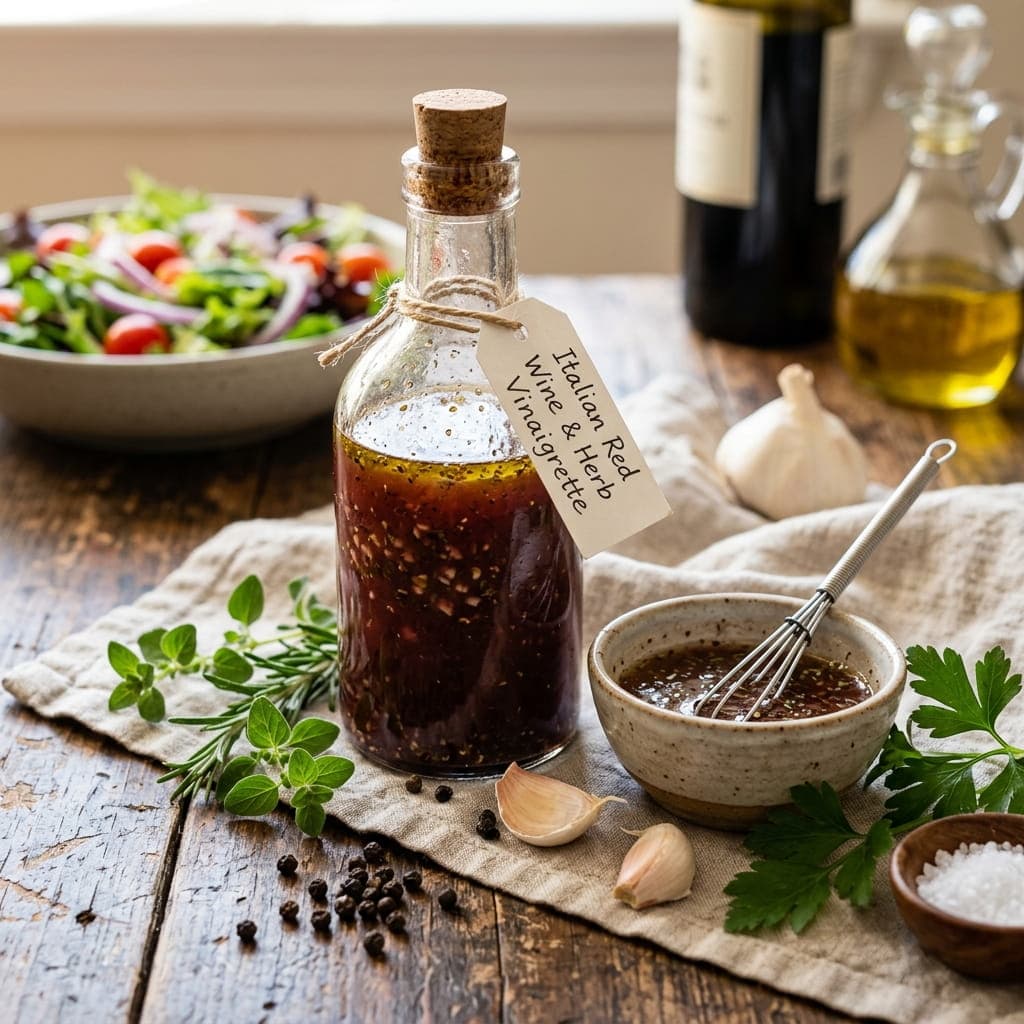
Italian Red Wine Herb Vinaigrette Sauce
This lets the minced garlic and dried herbs sit in the red wine vinegar for a few minutes before whisking in the oil, giving them time to soften and release more flavor into the acidic base than if everything were combined all at once. A classic three to one ratio of oil to vinegar keeps the dressing balanced, rich enough to coat greens without the sharp vinegar overpowering every bite.
10m6
BBQ and Hot Sauces
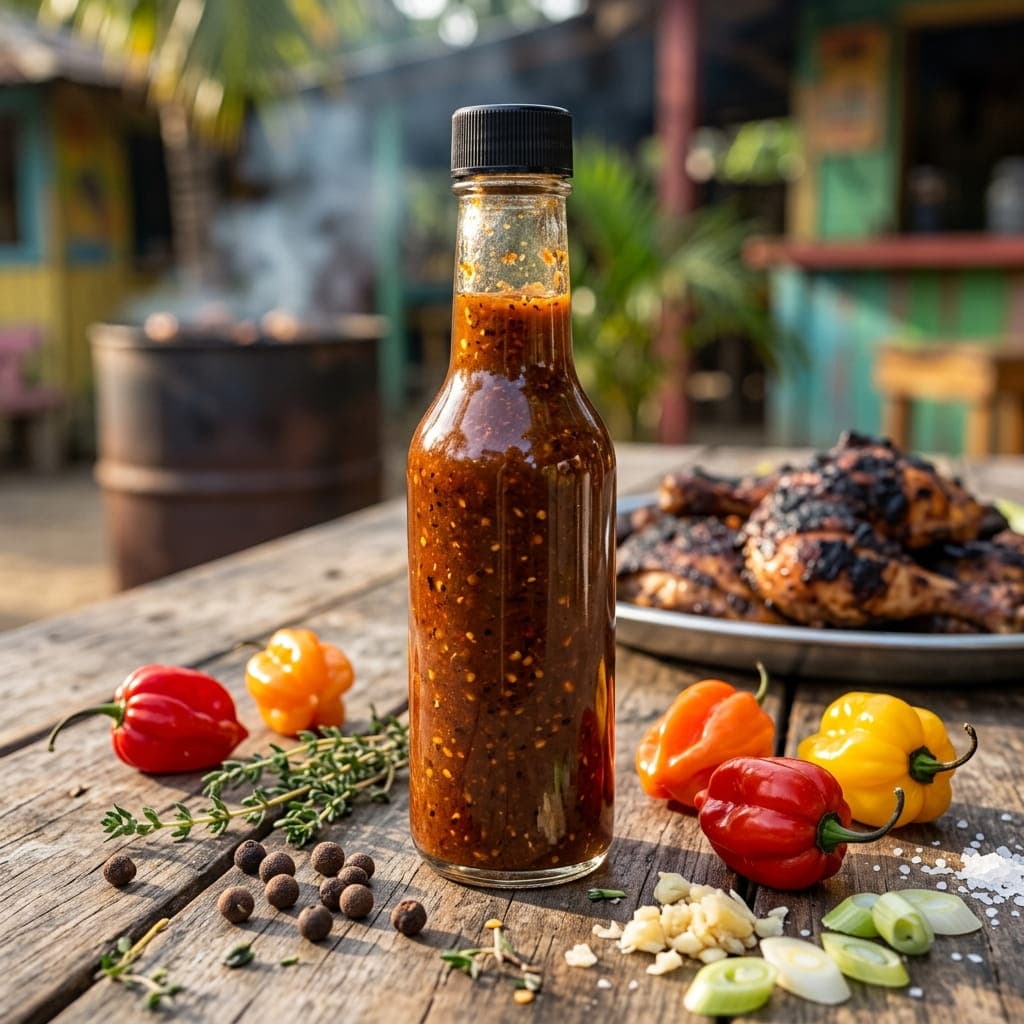
Jamaican Spicy Habanero Jerk Hot Sauce
This builds in the classic jerk seasoning aromatics, allspice and thyme, directly into the hot sauce rather than treating it as a plain habanero blend, which is what gives it a distinctly Jamaican character beyond just raw heat. A touch of brown sugar balances the habanero's intense, fruity heat, rounding out the sauce instead of leaving it purely fiery.
27m10
Dressings and Vinaigrettes
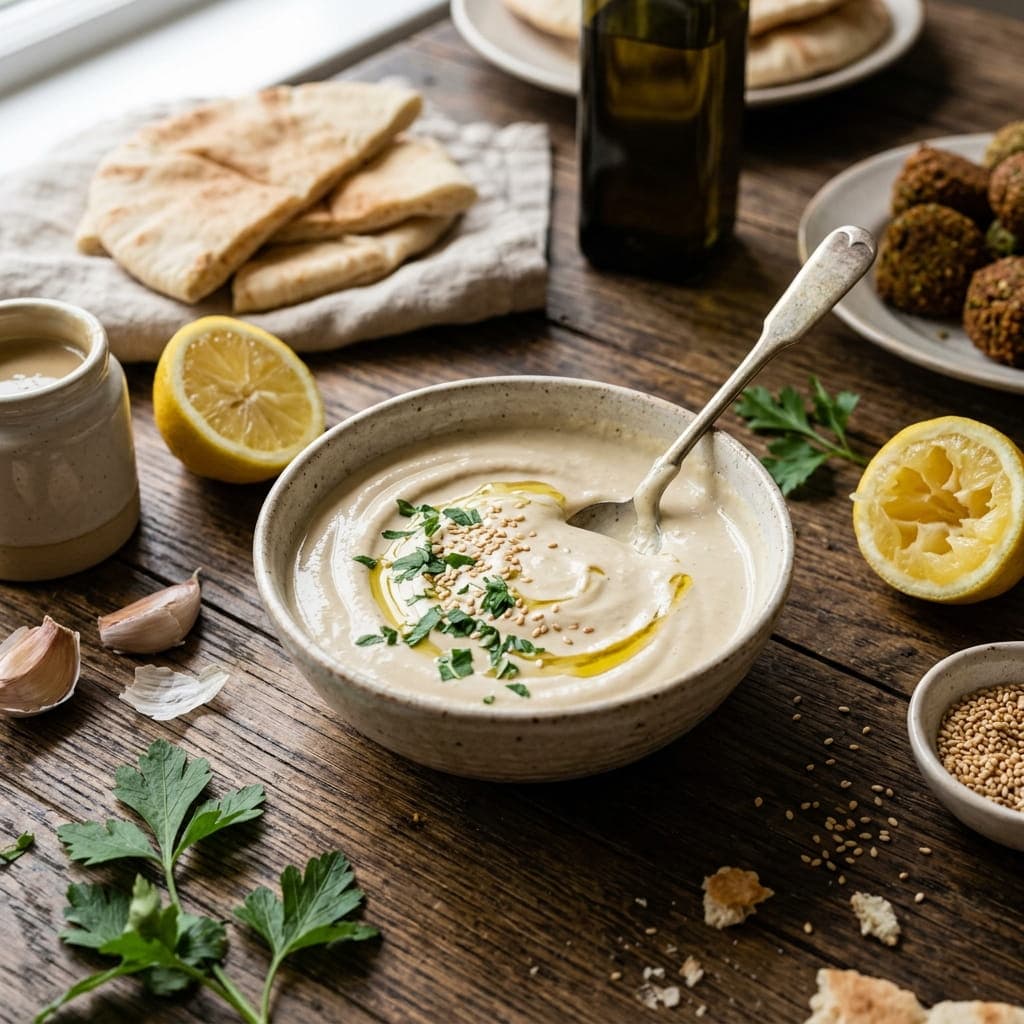
Middle Eastern Lemon Tahini Dressing Sauce
This whisks in the water very gradually, since tahini reacts strangely with liquid at first, seizing up into a thick, clumpy paste before it suddenly loosens back into a smooth sauce as more water is added. Fresh lemon juice and a bit of garlic balance tahini's naturally deep, slightly bitter, nutty flavor into something bright and pourable.
10m6
Dressings and Vinaigrettes
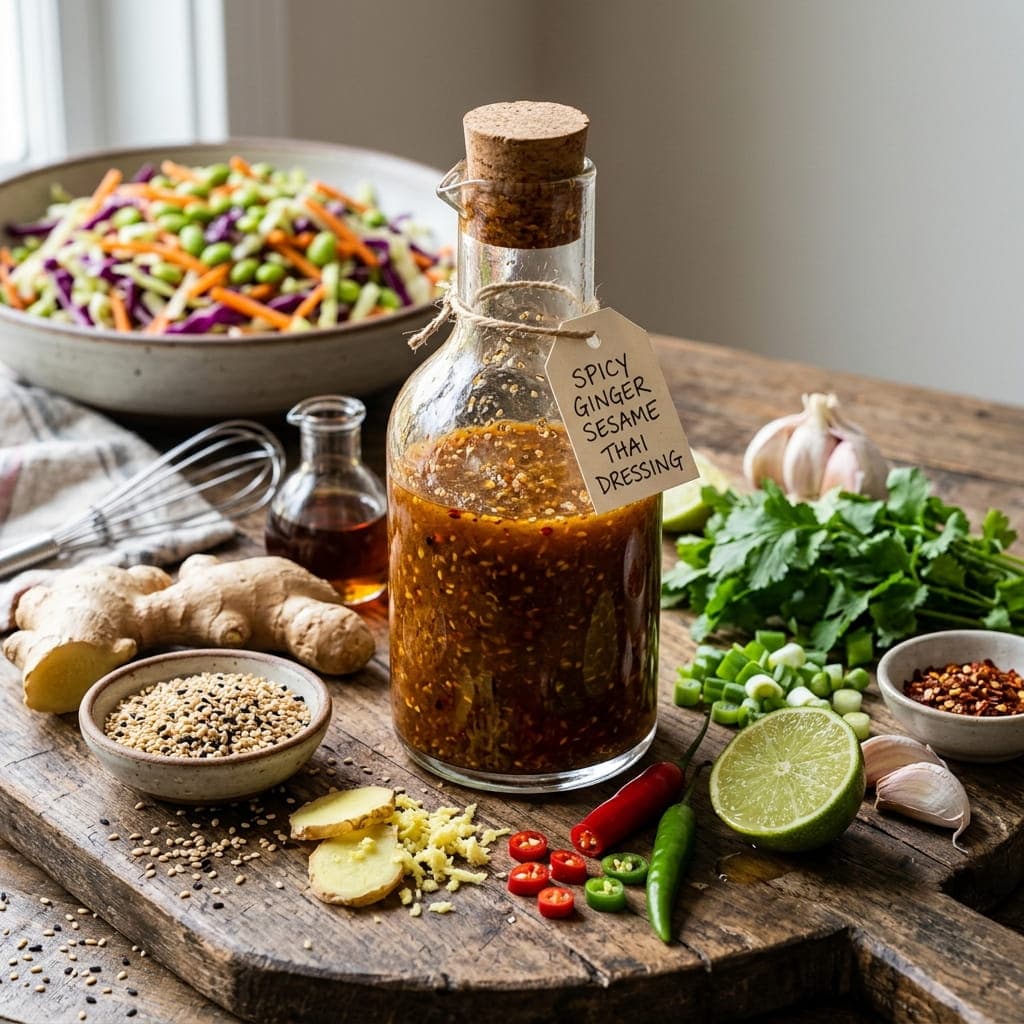
Spicy Ginger Sesame Thai Salad Dressing
This grates the fresh ginger and garlic very finely rather than mincing them, which releases far more of their juice and aroma directly into the dressing than larger chopped pieces would. Balancing salty fish sauce, sweet honey, spicy chili, and tangy lime all in one dressing mirrors the layered flavor profile found throughout much of Thai cooking.
10m6
BBQ and Hot Sauces
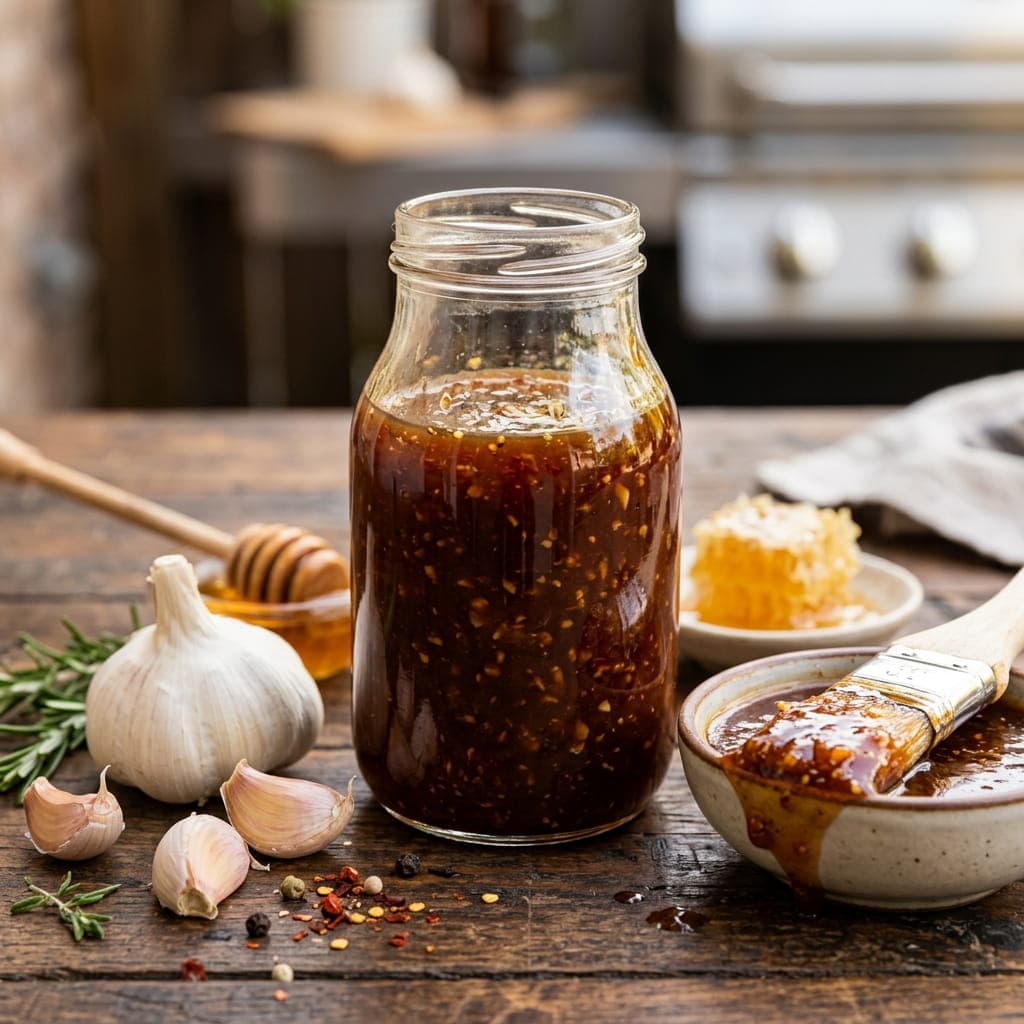
Sweet Honey Garlic BBQ Glaze Sauce
This simmers the sauce until it visibly coats the back of a spoon, the classic test for a glaze, since a properly reduced sauce is what allows it to cling to grilled meat rather than running off. Sautéing the garlic briefly in a touch of oil before adding the liquid ingredients mellows its raw sharpness into a softer, more rounded flavor throughout the glaze.
20m8
Gravies and Marinades
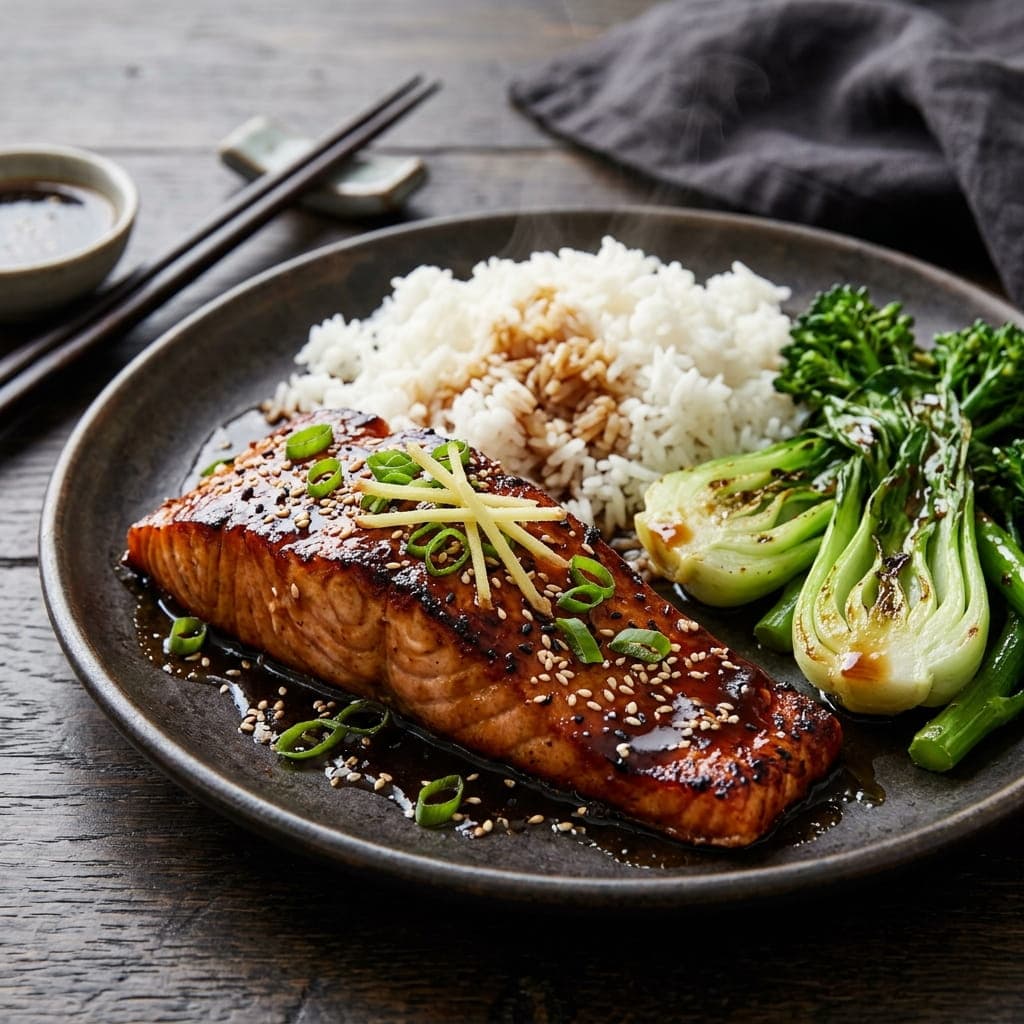
Sweet Teriyaki Ginger Soy Salmon Marinade
This keeps the marinating time short, since salmon's more delicate flesh can start to turn mushy and take on a cured texture if left in a salty, acidic marinade for too long, unlike heartier cuts of meat. Reserving a portion of the marinade before it touches raw fish, then simmering it separately into a glaze, is what lets you safely brush extra flavor onto the salmon while it cooks.
15m4
BBQ and Hot Sauces
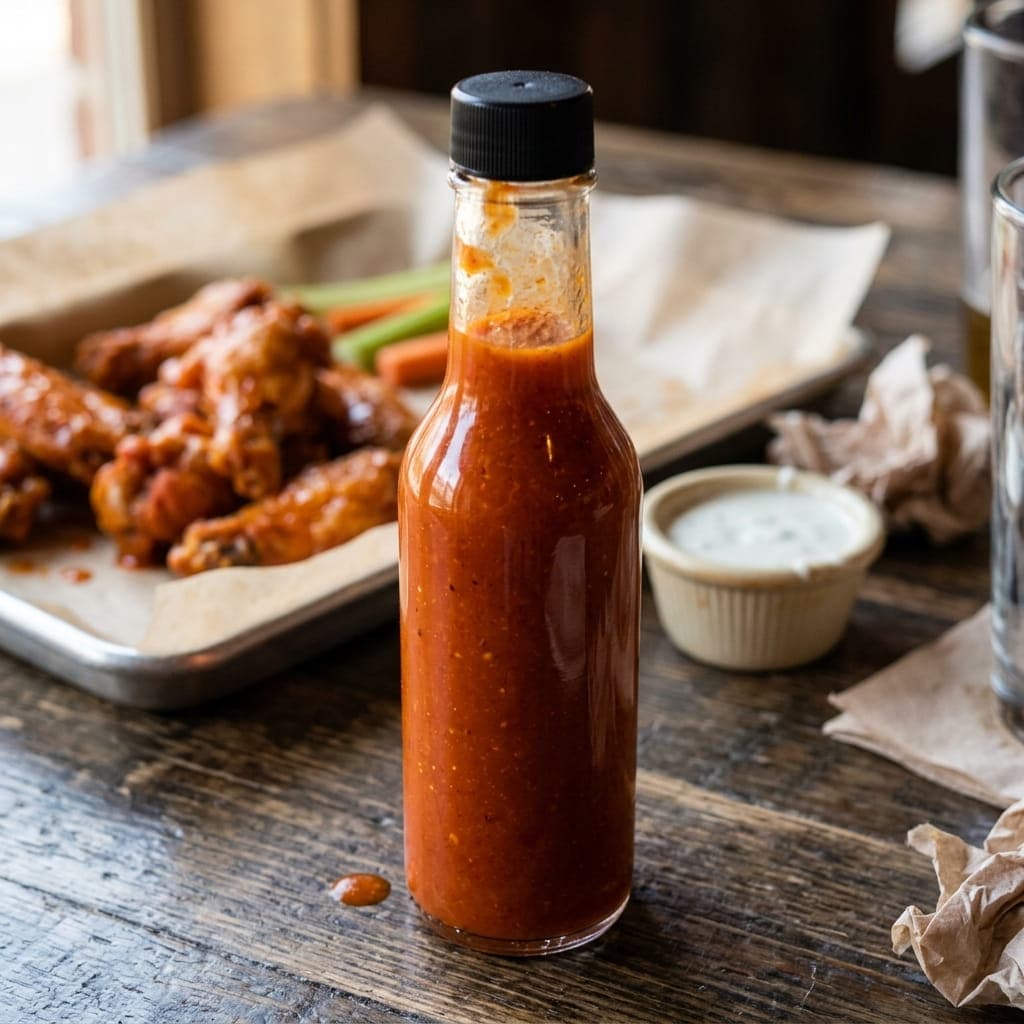
Classic Spicy Buffalo Wing Hot Sauce
This whisks the melted butter into the hot sauce gradually off the heat, rather than boiling them together, since high heat can cause the butter to separate and turn the sauce greasy instead of glossy and smooth. Sticking to the traditional equal ratio of hot sauce to butter is what gives classic buffalo sauce its balanced heat and richness, rather than tasting purely fiery or purely buttery.
10m8
BBQ and Hot Sauces
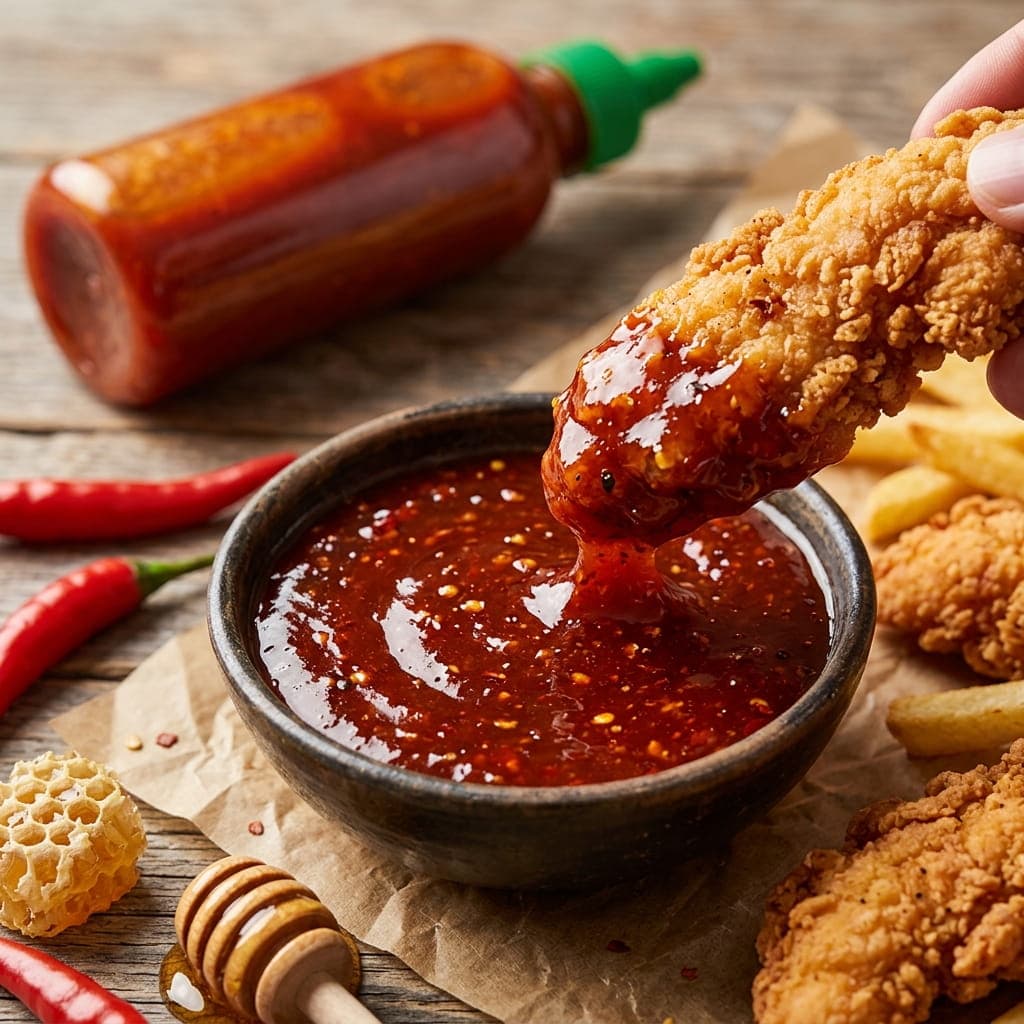
Spicy Sriracha Honey Dipping Hot Sauce
This whisks honey directly into sriracha rather than adding sugar, since honey's thicker consistency helps mellow the sauce's sharp vinegar bite into a smoother, more clingy dipping sauce. A splash of rice vinegar and a touch of fresh lime juice brighten the sauce right at the end, balancing the sweetness so it doesn't taste one dimensional.
5m6
BBQ and Hot Sauces
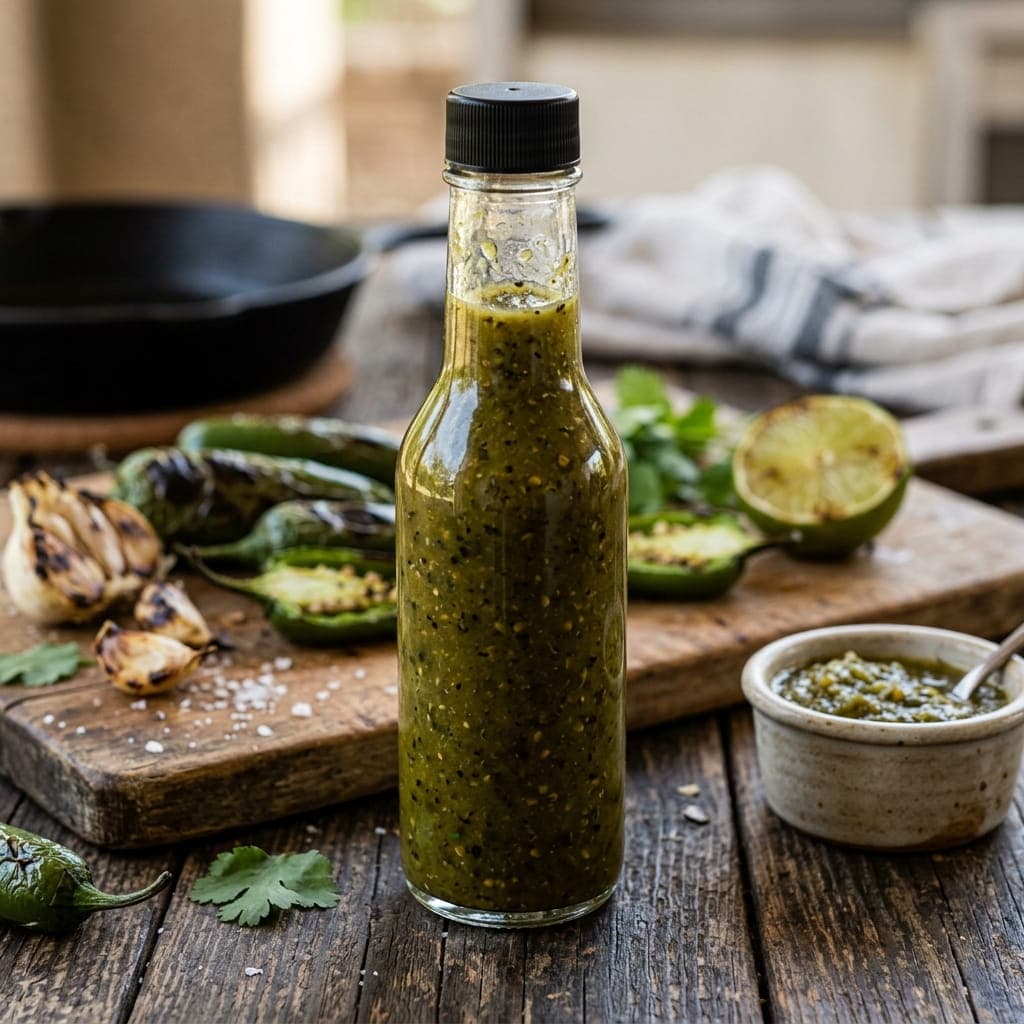
Fire Roasted Jalapeno Green Hot Sauce
This chars the jalapenos and tomatillos directly under a broiler until blackened in spots, the same technique used for Mexican salsa verde, which builds a smoky depth that raw green chilies alone can't achieve. Blending in a handful of fresh cilantro right before serving keeps its bright, herbal flavor intact instead of dulling from being cooked along with the peppers.
25m8