Loading...
Loading...
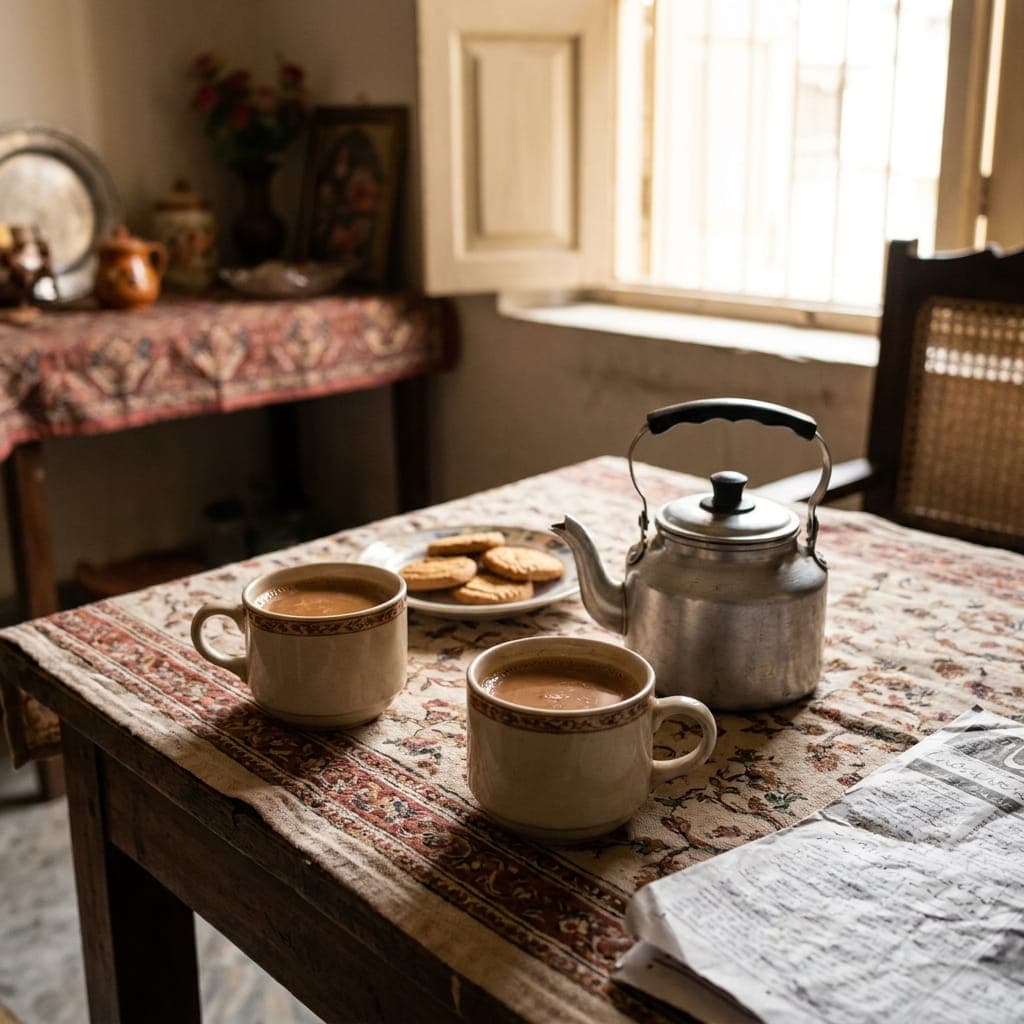
Most tea around the world is steeped in water first with milk added afterward, but doodh patti flips that order completely by brewing the tea leaves directly in milk from the start. That single change is what gives this Pakistani classic its deep caramel color and thick, creamy body that plain milk tea simply can't match.
Per serving
130kcal
Calories
5g
Protein
15g
Carbs
5g
Fat
14g
Sugar
Prep Time
5 min
Cook Time
10 min
Servings
2 people
Difficulty
easy
Follow step-by-step with voice guidance.
Pour the milk and water into a saucepan and bring to a gentle boil over medium heat.
Add the crushed cardamom pods and let them infuse for 2 minutes.
Add the black tea leaves and reduce the heat to low.
Simmer gently for 5 to 7 minutes, stirring occasionally with an upward and downward motion to fully release the tea's color.
Let the milk rise and settle a few times as it simmers, watching closely so it doesn't boil over.
Add sugar to taste and stir for another minute.
Strain into cups using a fine mesh strainer and serve hot.
Use Loose Tea Leaves for Full Strength: Loose black tea releases more color and flavor into the milk than tea bags, which is what gives doodh patti its signature depth. Simmer Low and Slow: Rushing the process on high heat causes the milk to boil over and skips the flavor development that a longer simmer builds. Watch the Pot Closely: Milk can rise and spill over very quickly once it starts to bubble, so stay nearby and lower the heat the moment it climbs.
Regular chai is usually brewed in water first with milk stirred in later, while doodh patti is brewed entirely in milk from the start, which is what gives it a thicker, creamier texture and deeper color.
0 reviews • 0.0 / 5 Average Rating
No reviews yet. Be the first to review this recipe!
More Like This
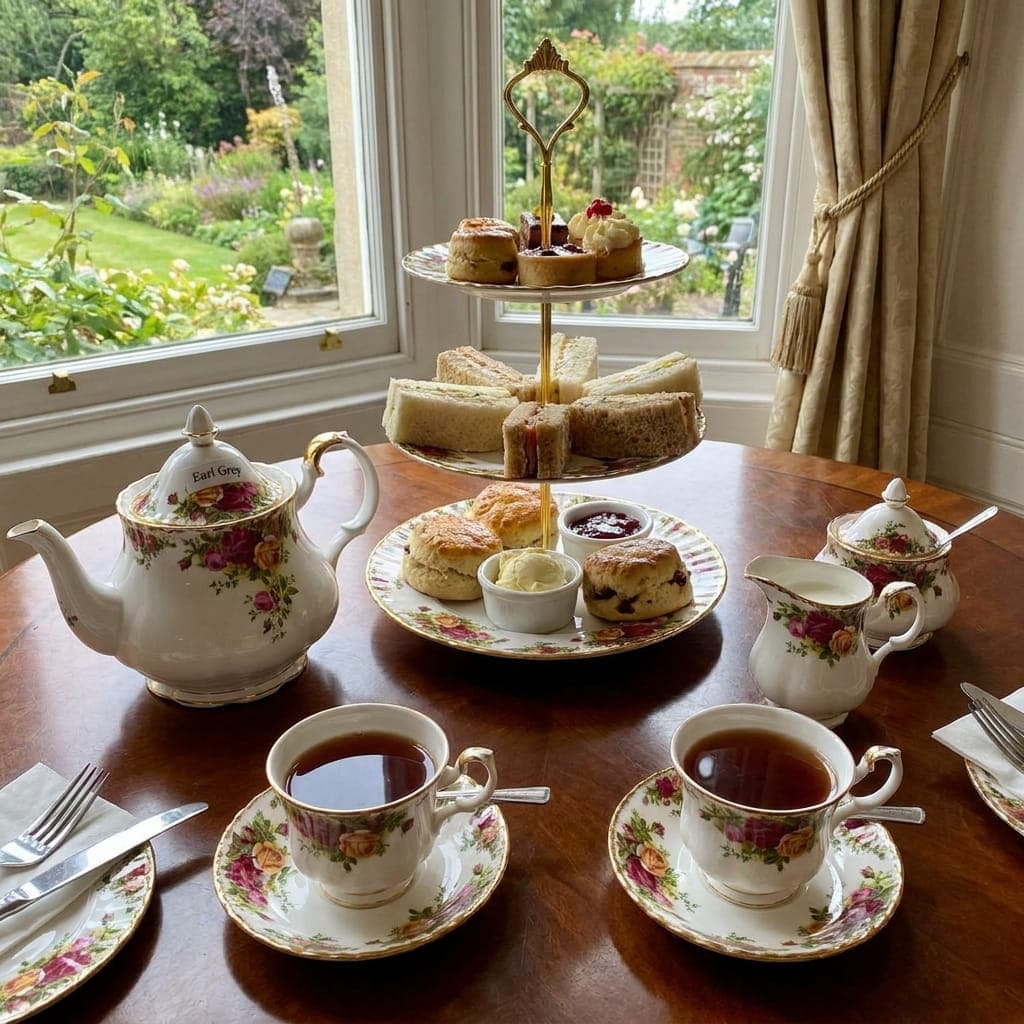
This follows the classic British method of warming the teapot before brewing, a small step that keeps the water at the right temperature long enough for the bergamot oil in Earl Grey to fully unfold. Served with a splash of milk the traditional way, it's the same cup that's been poured for afternoon tea across Britain for generations.
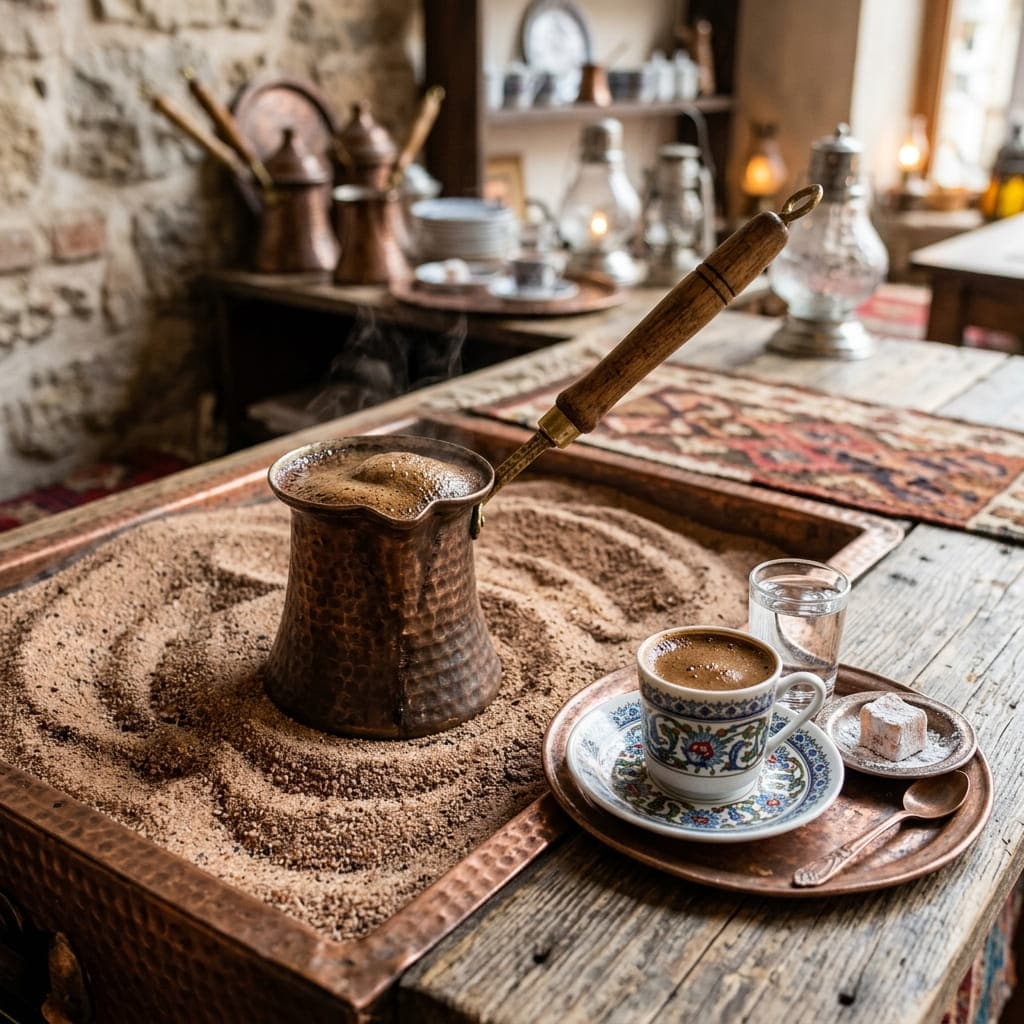
This uses the traditional method of nestling a small copper cezve into hot sand rather than placing it directly on a burner, since the sand acts as a buffer that heats the coffee slowly and evenly from all sides. That gentle, gradual heat is exactly what builds the thick foam and rich, velvety texture that sets real Turkish coffee apart.

This follows the original bulletproof coffee method of blending hot coffee with butter and MCT oil rather than just stirring them in, since blending is what emulsifies the fat into the liquid and creates a thick, latte like froth instead of oily coffee with butter floating on top. It's built specifically to be sugar free, making it a popular fuel for anyone following a keto approach.
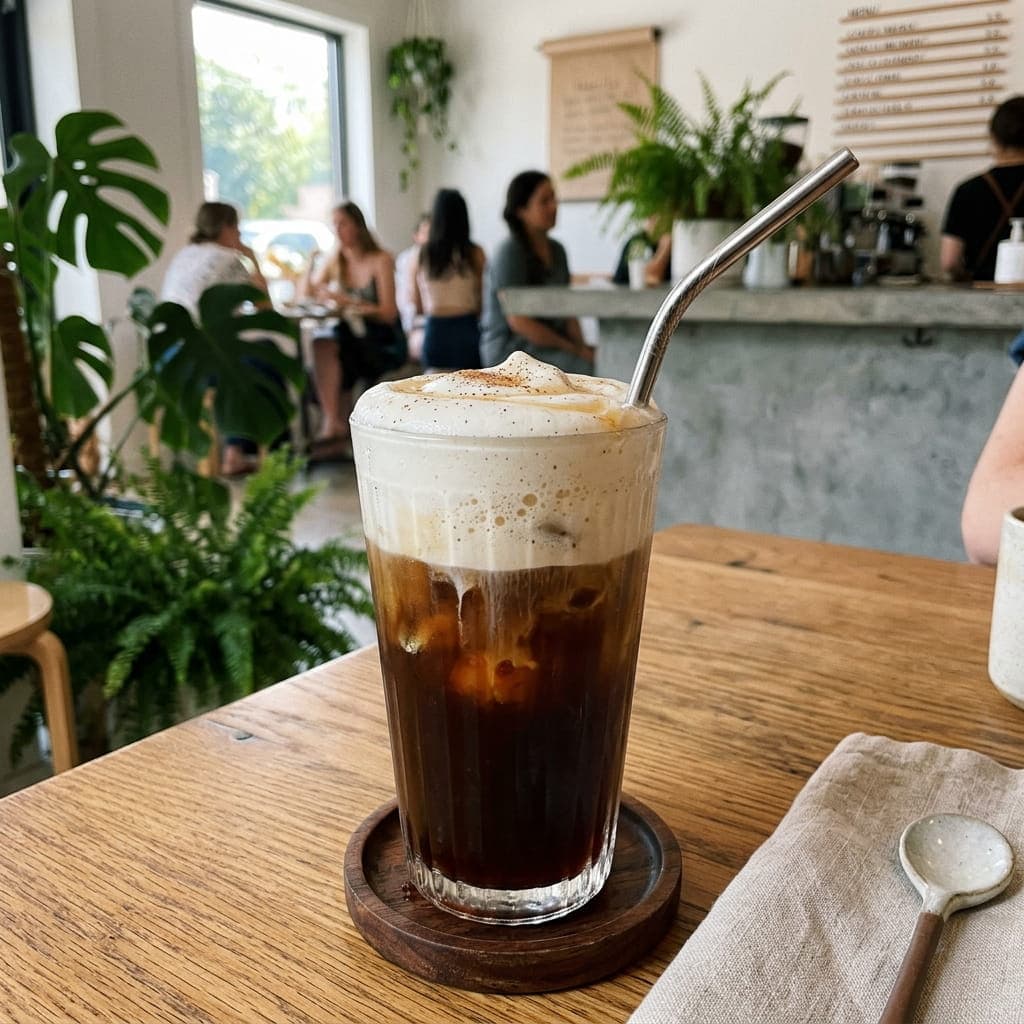
This recreates the coffee shop trend of topping cold brew with a thick, pourable foam instead of whipped cream, which stays light and slightly airy rather than melting into the coffee within minutes. Made by frothing cold milk with vanilla syrup until it thickens, it's the same technique baristas use behind the counter, just without the machine.