Loading...
Loading...
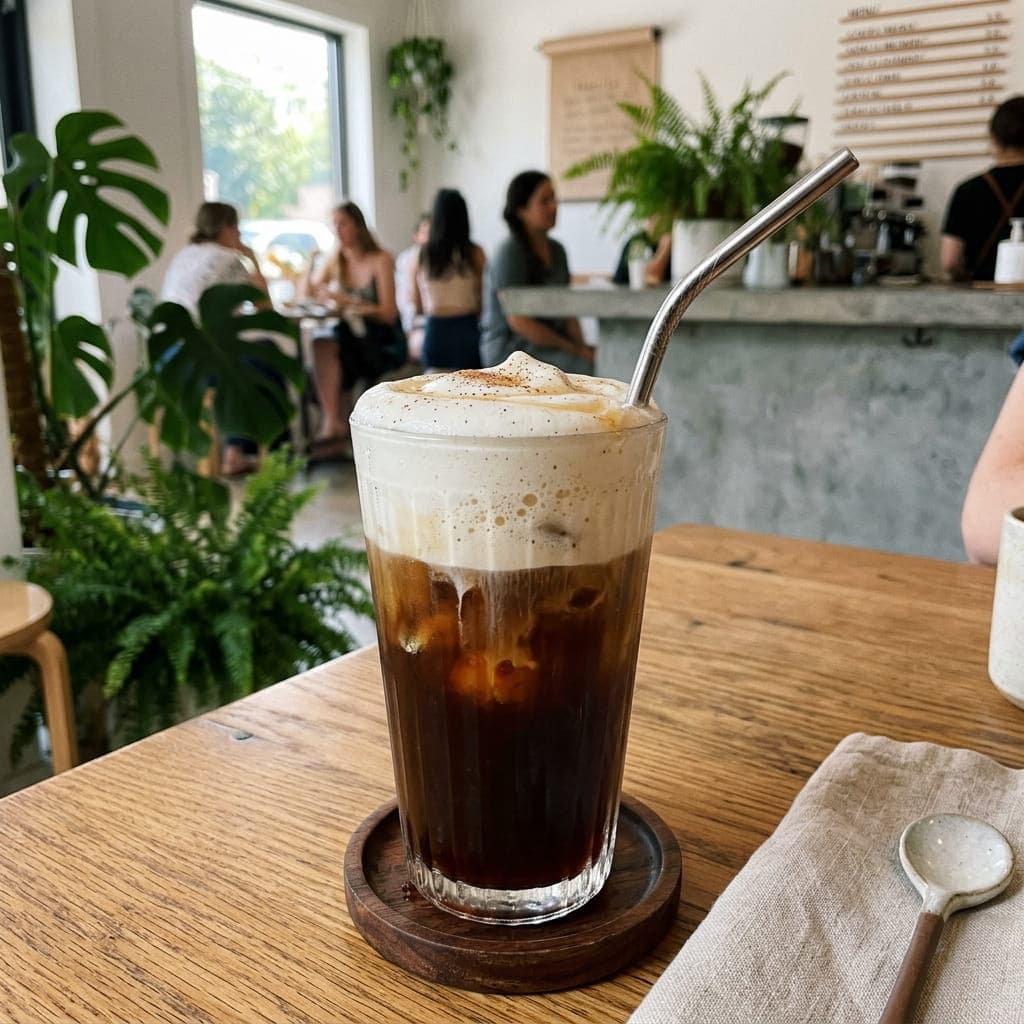
This recreates the coffee shop trend of topping cold brew with a thick, pourable foam instead of whipped cream, which stays light and slightly airy rather than melting into the coffee within minutes. Made by frothing cold milk with vanilla syrup until it thickens, it's the same technique baristas use behind the counter, just without the machine.
Per serving
110kcal
Calories
3g
Protein
16g
Carbs
3g
Fat
15g
Sugar
Prep Time
6 min
Cook Time
0 min
Servings
1 people
Difficulty
easy
Follow step-by-step with voice guidance.
Fill a tall glass with ice cubes.
Pour the cold brew coffee over the ice, filling the glass about three quarters full.
In a separate small container, combine the cold milk and vanilla syrup.
Froth the mixture using a milk frother or a jar with a tight lid, shaking vigorously for 30 to 45 seconds, until thick and foamy.
Spoon the cold foam gently over the top of the coffee.
Let it settle for a moment so the foam sits on the surface.
Serve immediately with a straw or spoon.
Use Cold Milk for Better Foam: Cold milk holds air bubbles much better than room temperature milk, which is essential for getting that thick, pourable foam texture. Don't Overfroth: Frothing too long can turn the foam grainy instead of smooth, so stop once it visibly thickens and holds soft peaks. Pour the Foam Slowly: Spooning or pouring it gently over the back of a spoon helps it sit as a distinct layer instead of sinking into the coffee.
Cold foam is unsweetened or lightly sweetened milk frothed until airy and thick, unlike whipped cream, which contains heavy cream and holds its shape much longer once resting on top of coffee.
0 reviews • 0.0 / 5 Average Rating
No reviews yet. Be the first to review this recipe!
More Like This
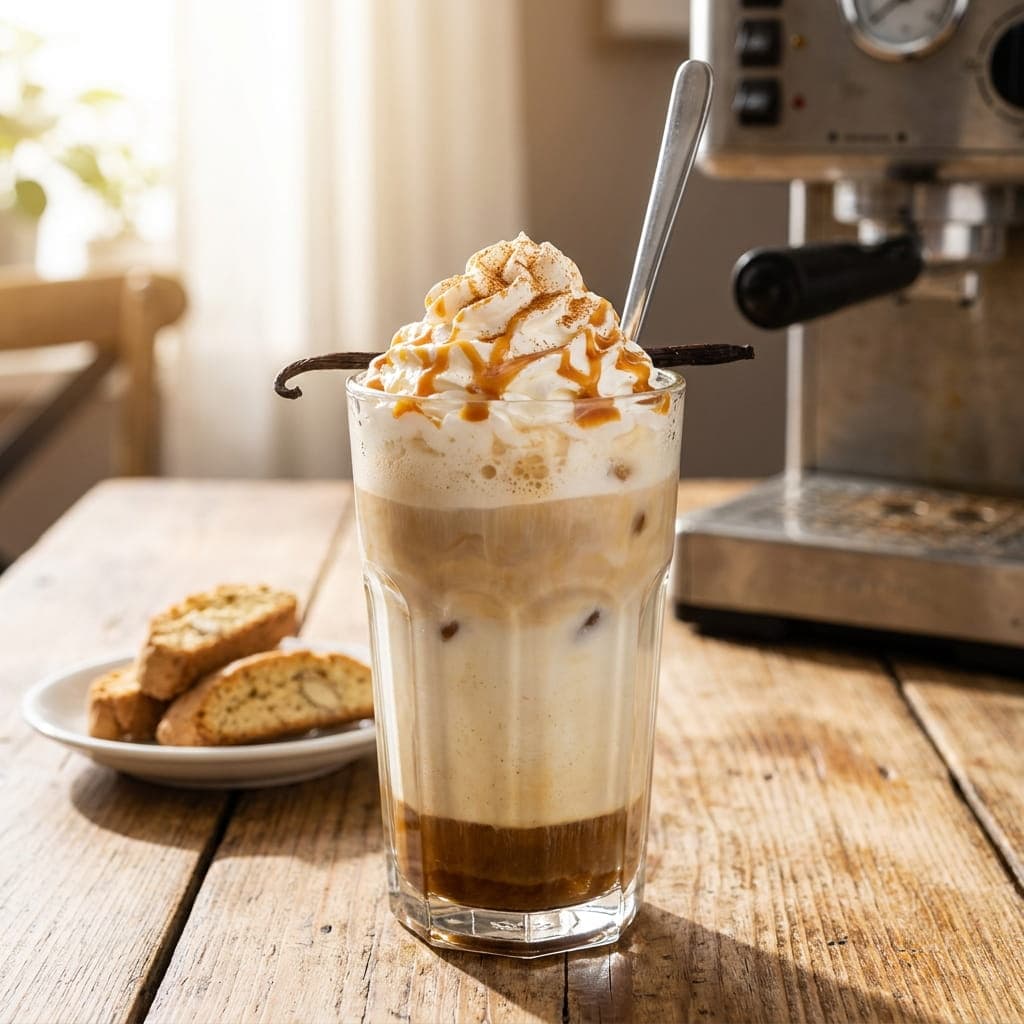
This takes the ratio behind a true Italian latte, strong espresso balanced with steamed milk, and builds it cold instead, so the espresso stays bold rather than getting diluted and watery over ice. A touch of vanilla syrup stirred in while the espresso is still hot is what lets the sweetness blend evenly through the whole glass.
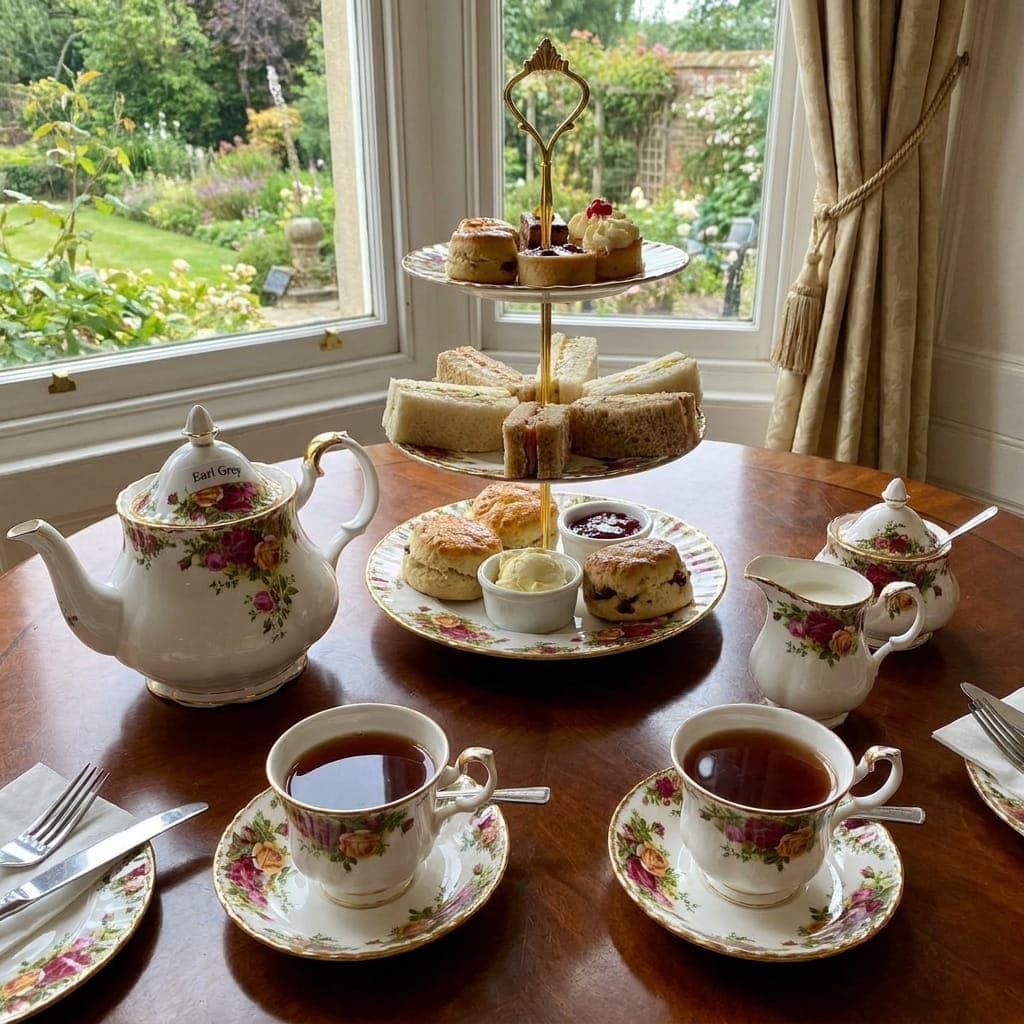
This follows the classic British method of warming the teapot before brewing, a small step that keeps the water at the right temperature long enough for the bergamot oil in Earl Grey to fully unfold. Served with a splash of milk the traditional way, it's the same cup that's been poured for afternoon tea across Britain for generations.
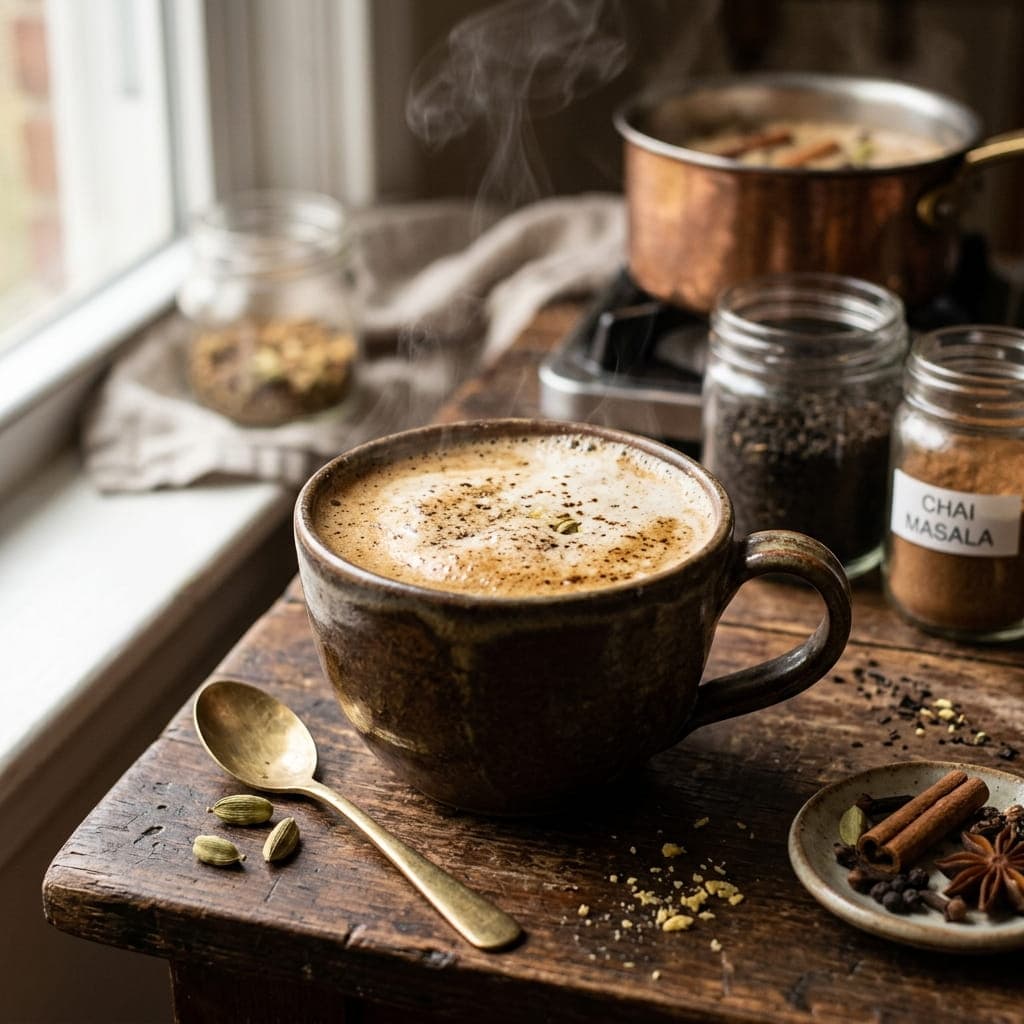
This uses whole spices crushed just before brewing rather than a pre-made powder, which is what gives homemade masala chai a sharper, more fragrant kick than the mellow blends found in most tea bags. Simmering the spices in water before the milk goes in also pulls out far more flavor than simply steeping them together all at once.
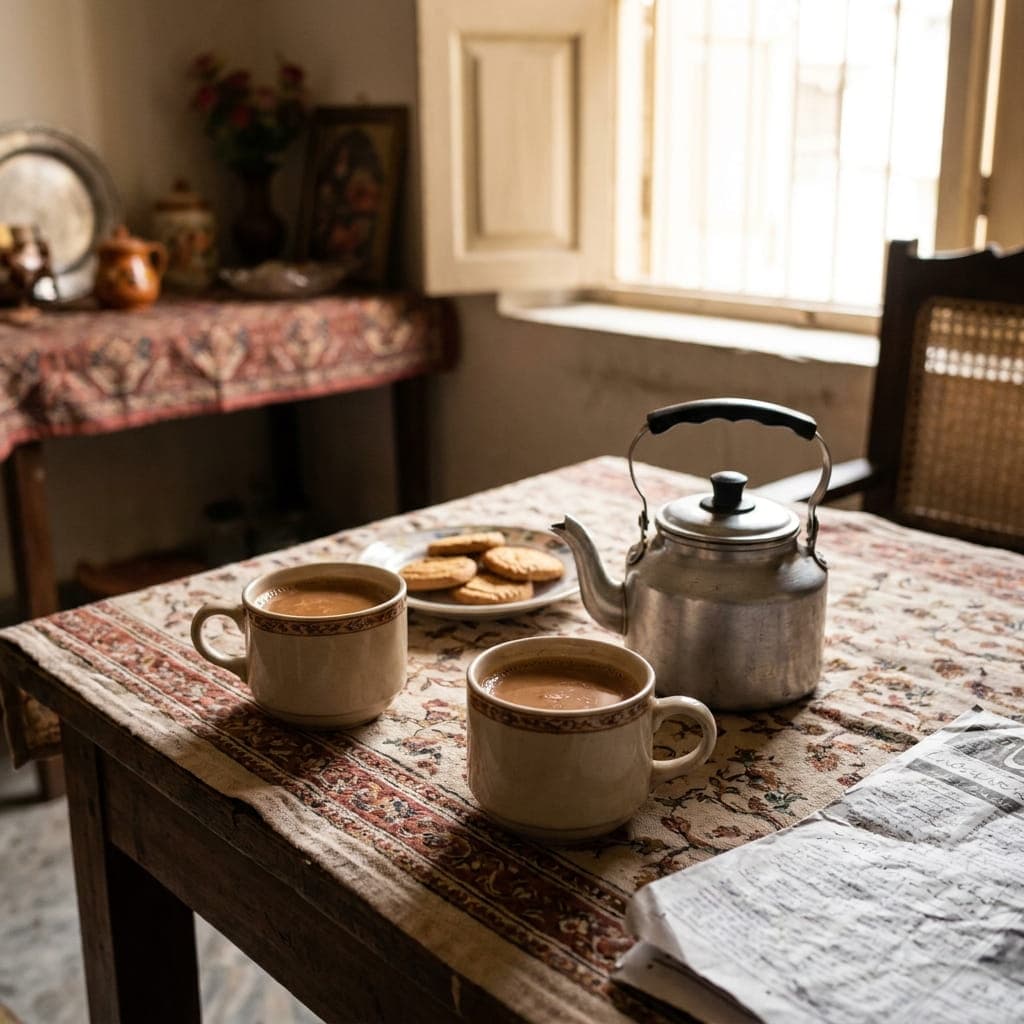
Most tea around the world is steeped in water first with milk added afterward, but doodh patti flips that order completely by brewing the tea leaves directly in milk from the start. That single change is what gives this Pakistani classic its deep caramel color and thick, creamy body that plain milk tea simply can't match.