Loading...
Loading...
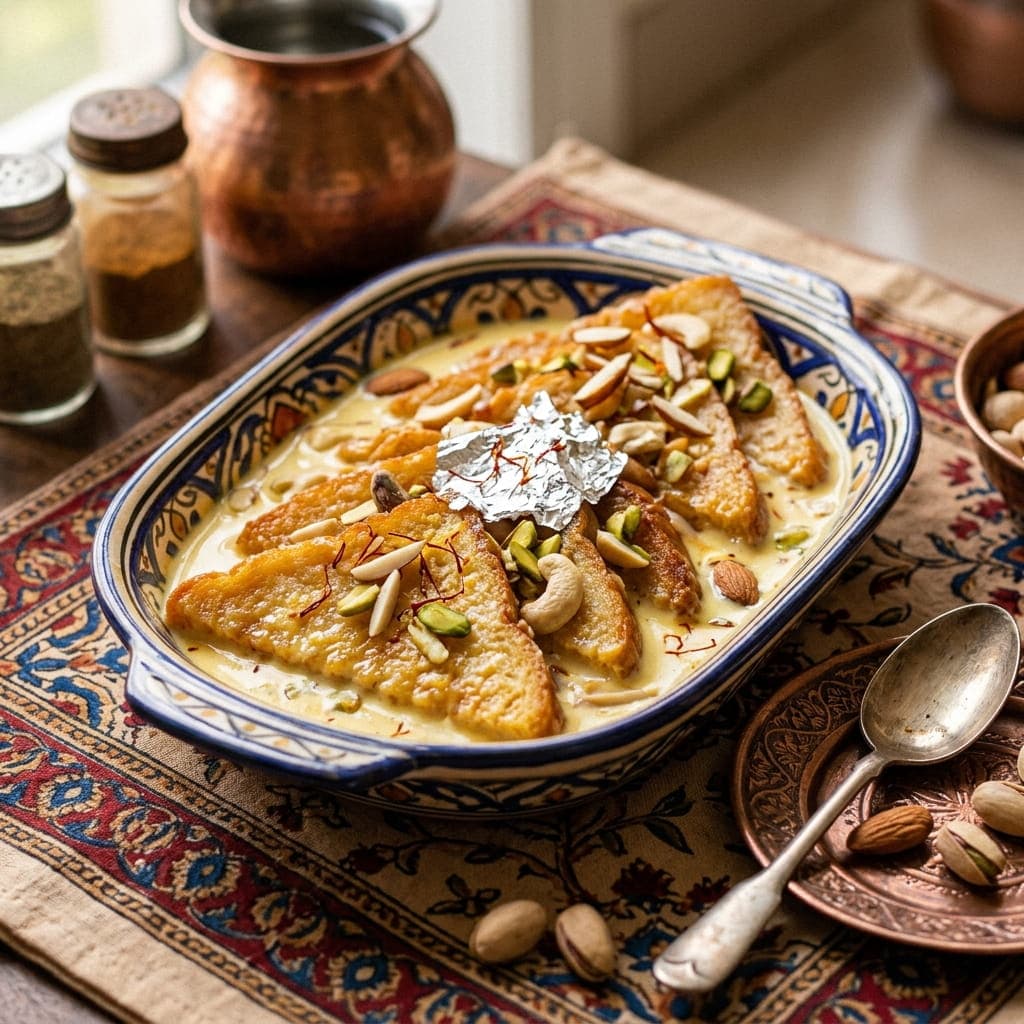
The name literally means 'royal pieces,' a Mughal-era dessert of fried bread bathed in saffron-cardamom milk, popular during Eid and iftar across Pakistan. This no-bake version fries the bread on the stovetop and simmers it briefly in the thickened milk, then chills the whole assembly - no oven needed at any stage, just a pan and patience while it sets in the fridge.
Per serving
380kcal
Calories
9g
Protein
42g
Carbs
19
Prep Time
20 min
Cook Time
20 min
Servings
6 people
Difficulty
medium
Fat
1g
Fiber
30g
Sugar
Follow step-by-step with voice guidance.
Remove the crusts from the bread slices and cut each into two triangles.
Heat the ghee in a shallow pan over medium heat and fry the bread triangles in batches for 2-3 minutes per side, until golden and crisp. Set aside on a wire rack.
In a saucepan, combine the milk, condensed milk, saffron strands, and cardamom powder. Bring to a gentle boil, then reduce the heat and simmer for 8-10 minutes, stirring occasionally, until slightly thickened.
Arrange the fried bread triangles in a serving dish, slightly overlapping in a stacked pattern.
Pour the warm milk mixture evenly over the bread, making sure every piece is well soaked.
Sprinkle the chopped almonds and pistachios over the top.
Refrigerate for at least 2 hours, until fully chilled and the bread has absorbed the milk.
Garnish with a few extra saffron strands or dried rose petals before serving chilled.
Fry the Bread Until Genuinely Crisp: A properly golden, crisp fry is what allows the bread to hold its shape once soaked in milk - underfried bread turns mushy and falls apart too quickly. Let the Milk Reduce Properly: Simmering the milk mixture until it visibly thickens is essential for the dessert's signature rich texture - a thin, watery milk won't cling to the bread the same way. Give It Enough Time to Chill: A minimum of 2 hours lets the bread fully absorb the milk and the flavors meld - serving too early results in bread that's still dry in the center.
It translates to 'royal pieces,' reflecting the dessert's Mughal-era origins as a rich, indulgent sweet traditionally served on special occasions like Eid.
0 reviews • 0.0 / 5 Average Rating
No reviews yet. Be the first to review this recipe!
More Like This
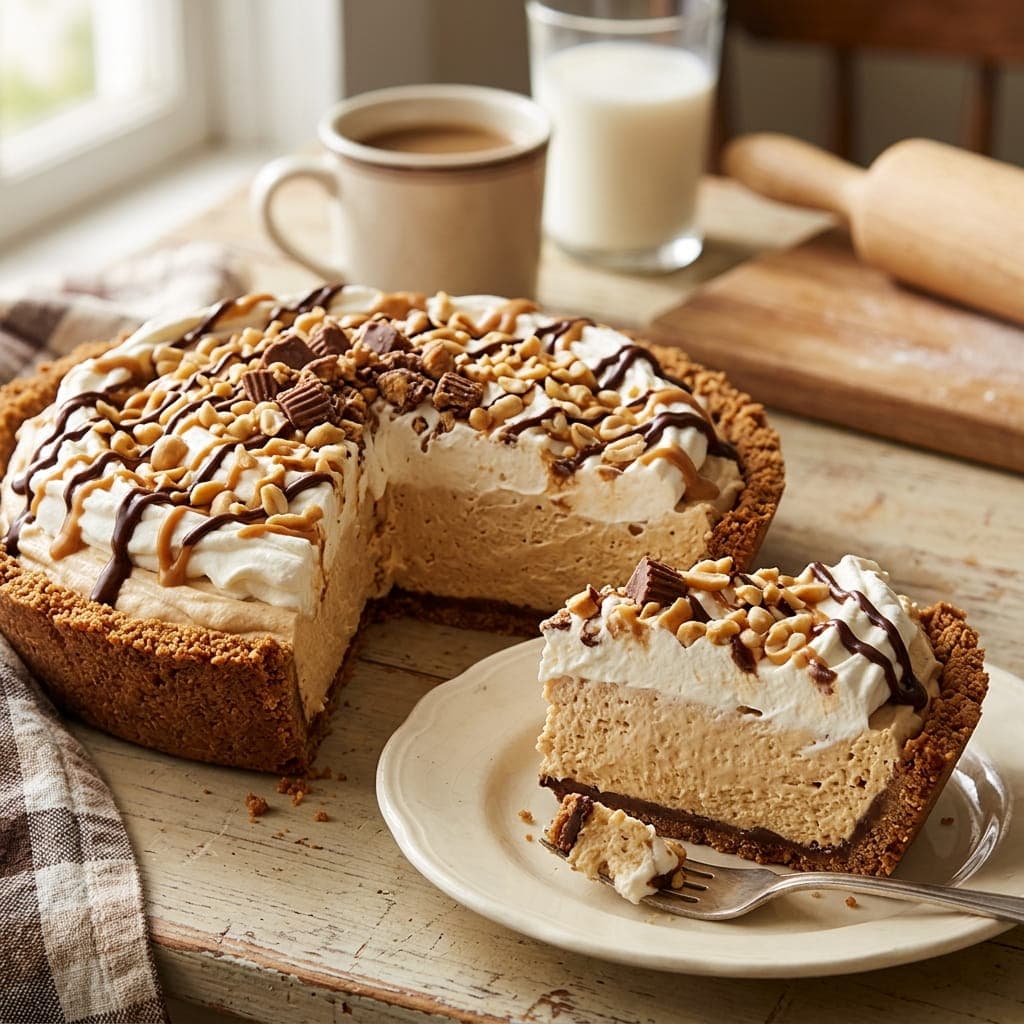
Beating the cream cheese completely smooth before adding peanut butter is what prevents lumps from ever forming in the filling - trying to fix them once the peanut butter goes in almost never fully works. A press-in graham cracker crust needs no oven at all, so from mixing bowl to sliced pie, this whole dessert never touches heat.
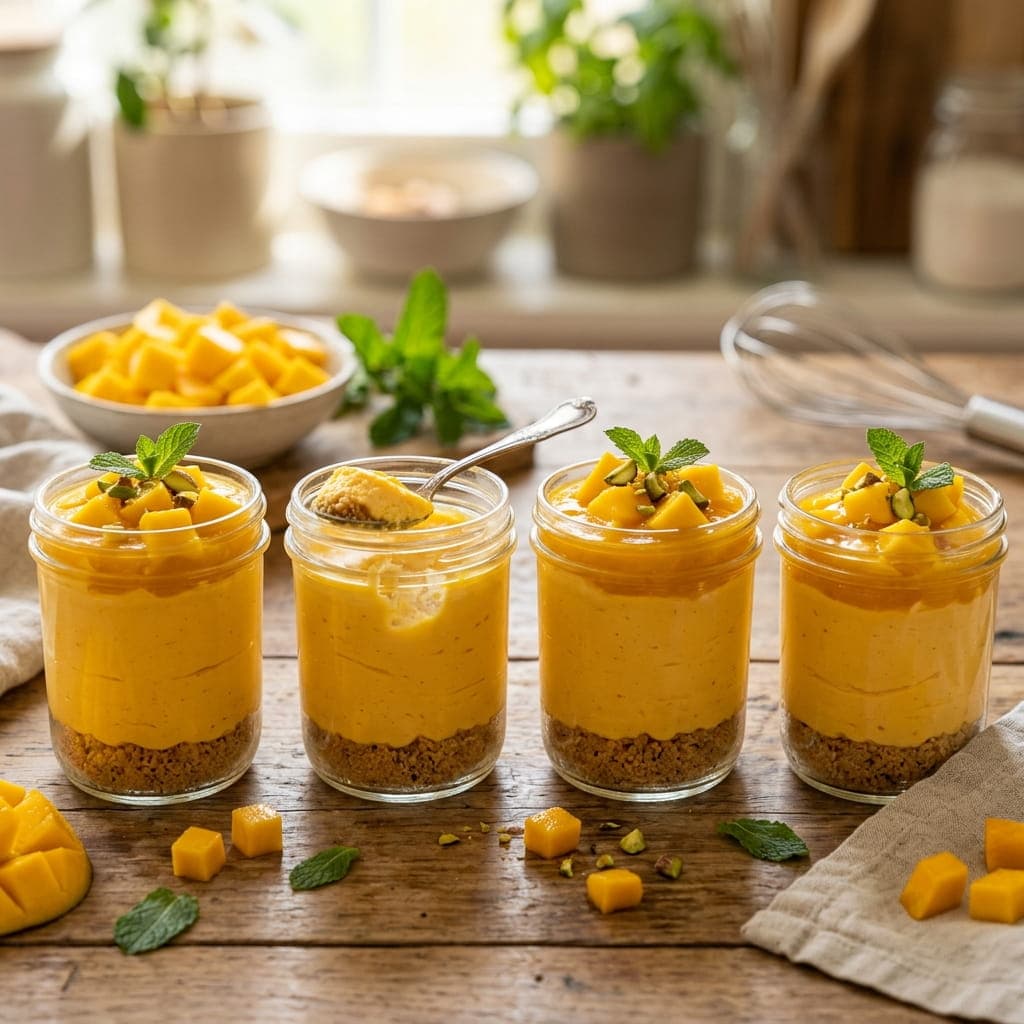
Blending fresh mango into a smooth puree rather than folding in chunks is what keeps this cheesecake filling silky throughout, with concentrated tropical flavor in every spoonful instead of occasional bursts. Layered in individual jars with a crumbled biscuit base, these need only a fridge - no springform pan, no water bath, no oven.
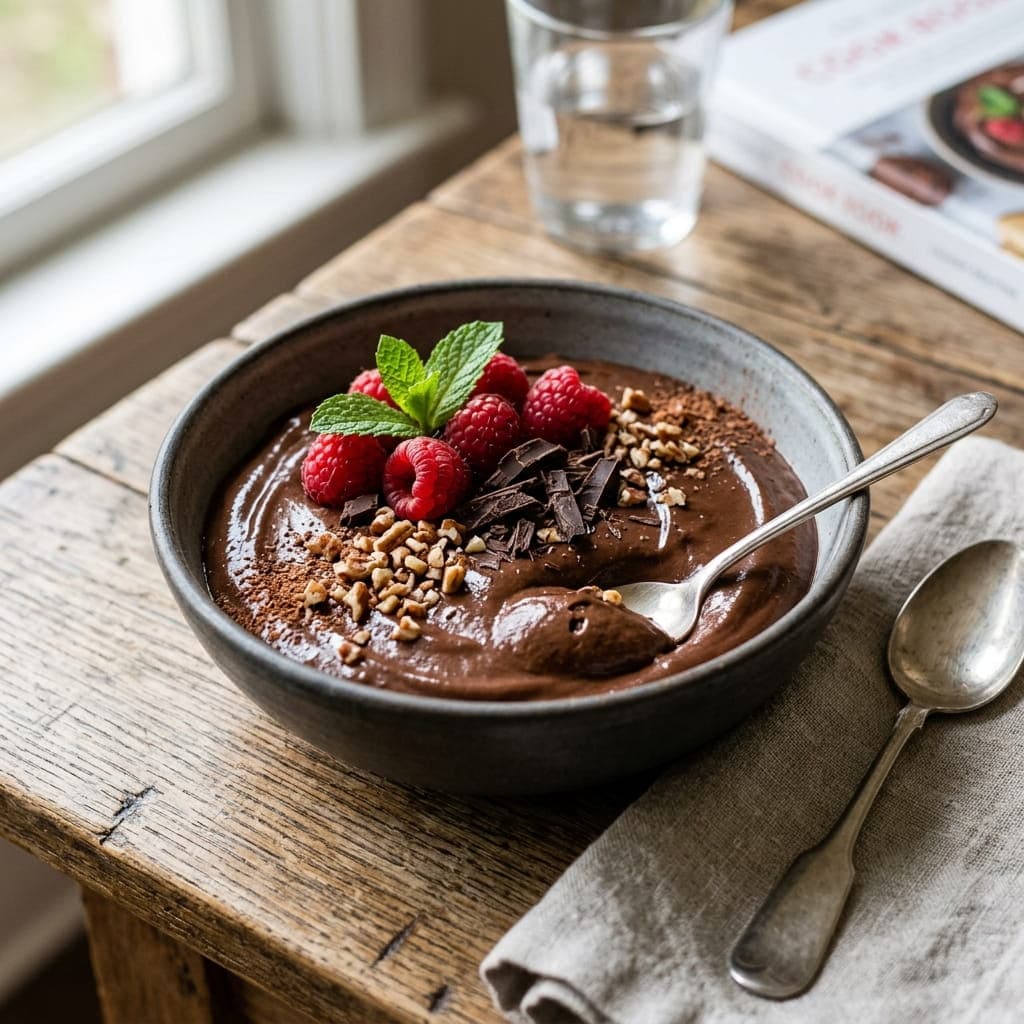
Ripe avocado blended smooth takes on the same rich, thick texture that heavy cream or eggs usually provide in a mousse, without tasting like avocado at all once cocoa powder and sweetener are mixed in. This comes together in a blender in minutes, no cooking or chilling equipment needed beyond a fridge.
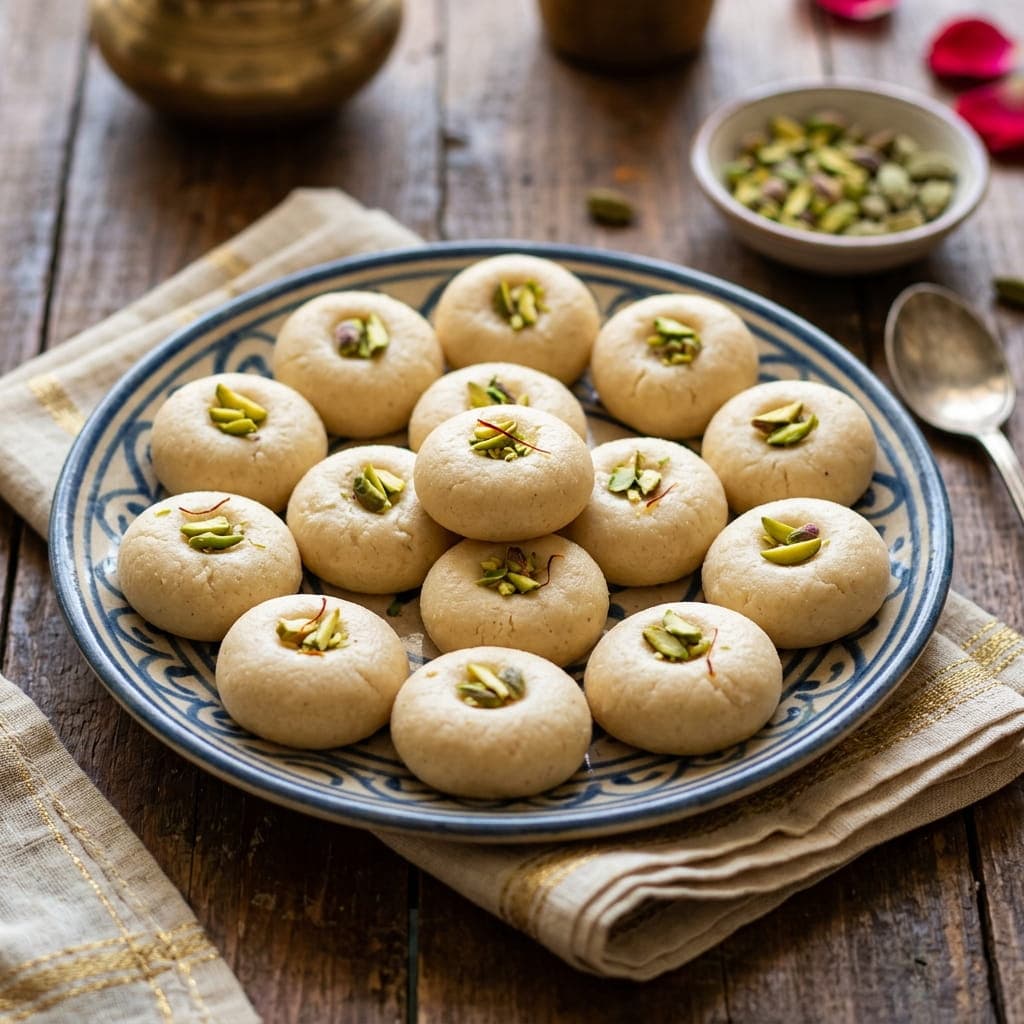
This shortcut version skips the hours of traditional milk-reduction that classic peda requires, using milk powder instead to reach that same dense, fudgy texture in a fraction of the time. Cooked briefly on the stovetop until it pulls away from the pan and cools enough to shape, these little discs are a staple sweet for Diwali, Eid, and other South Asian celebrations.