Loading...
Loading...
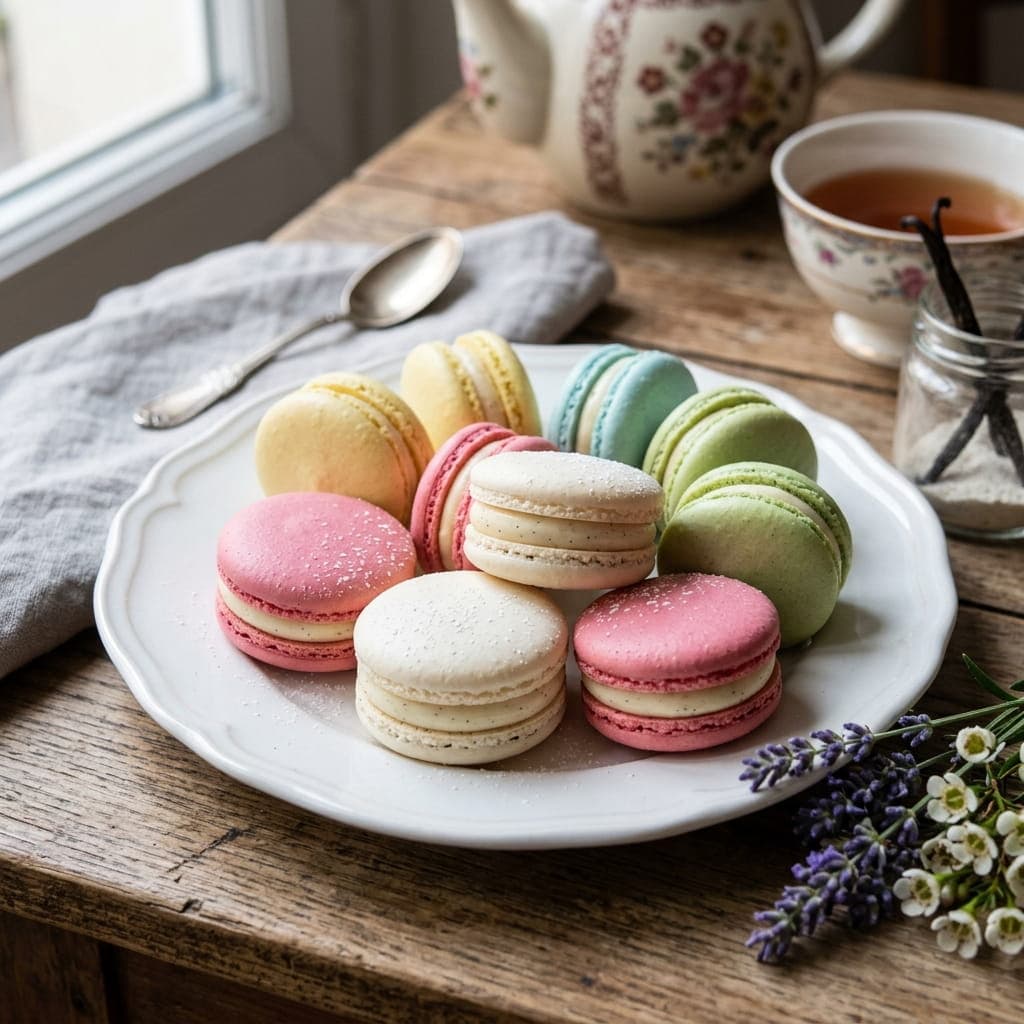
Macaronage - the technique of folding almond flour and powdered sugar into whipped egg whites - is judged entirely by movement, not a fold count: the finished batter should flow in a slow, wide ribbon and settle back into itself within about 10-15 seconds. Get it wrong in either direction and the shells crack, turn hollow, or spread flat with no feet, which is exactly why this is considered one of the more technically demanding cookies in French baking.
Per serving
140kcal
Calories
2g
Protein
Prep Time
60 min
Cook Time
18 min
Servings
20 people
Difficulty
hard
17g
Carbs
8g
Fat
1g
Fiber
15g
Sugar
Follow step-by-step with voice guidance.
Line two baking sheets with parchment paper or silicone baking mats.
Sift the almond flour and powdered sugar together into a bowl, discarding any large pieces that don't pass through the sieve.
In a clean, grease-free bowl, whip the egg whites on medium speed until foamy, then gradually add the sugar in three additions, continuing to whip until stiff, glossy peaks form.
Add a few drops of food coloring if using, and whip briefly to combine.
Sift the almond flour mixture over the meringue in two additions, folding gently with a rubber spatula after each addition.
Continue folding (macaronage) - scraping from the bottom up and pressing the batter against the side of the bowl - until the mixture flows in a slow, wide ribbon and settles back into itself within about 10-15 seconds. Stop as soon as you reach this consistency.
Transfer the batter to a piping bag fitted with a round tip. Pipe 3.8cm circles onto the prepared baking sheets, holding the bag straight up and about 1cm above the surface.
Tap the baking sheets firmly on the counter several times to release any trapped air bubbles.
Let the piped shells rest at room temperature for 20-30 minutes, until the tops are dry to a light touch and no longer sticky.
Preheat the oven to 150°C (300°F) while the shells rest. Bake one tray at a time on the middle rack for 15-18 minutes, until the shells lift cleanly off the parchment.
Let the shells cool completely on the baking sheet before removing.
For the buttercream, beat the softened butter until pale and fluffy, then gradually add the powdered sugar, vanilla extract, and a splash of milk, beating until smooth and pipeable.
Match the cooled macaron shells by size, then pipe a small amount of buttercream onto half the shells and sandwich with the remaining shells.
Refrigerate the filled macarons in an airtight container for at least a few hours, or ideally overnight, to mature before serving.
Judge Macaronage by Movement, Not Fold Count: The batter should flow in a slow, continuous ribbon and settle back into itself within 10-15 seconds - stopping too early leaves cracked, hollow shells, while overmixing causes the shells to spread flat with no feet. Rest the Shells Until Truly Dry to the Touch: This isn't just a timer - gently touch a shell, and if any batter sticks to your finger, it needs more resting time before baking, since underdeveloped skins crack in the oven. Let Them Mature Overnight: Refrigerating the filled macarons for several hours or overnight allows moisture from the filling to soften the interior slightly while the shell keeps its structure, which is when macarons taste and feel their best.
This is usually caused by not resting the piped shells long enough before baking - the surface needs to be completely dry to the touch, forming a skin, before going into the oven, or trapped air bubbles that weren't released by tapping the pan.
0 reviews • 0.0 / 5 Average Rating
No reviews yet. Be the first to review this recipe!
More Like This
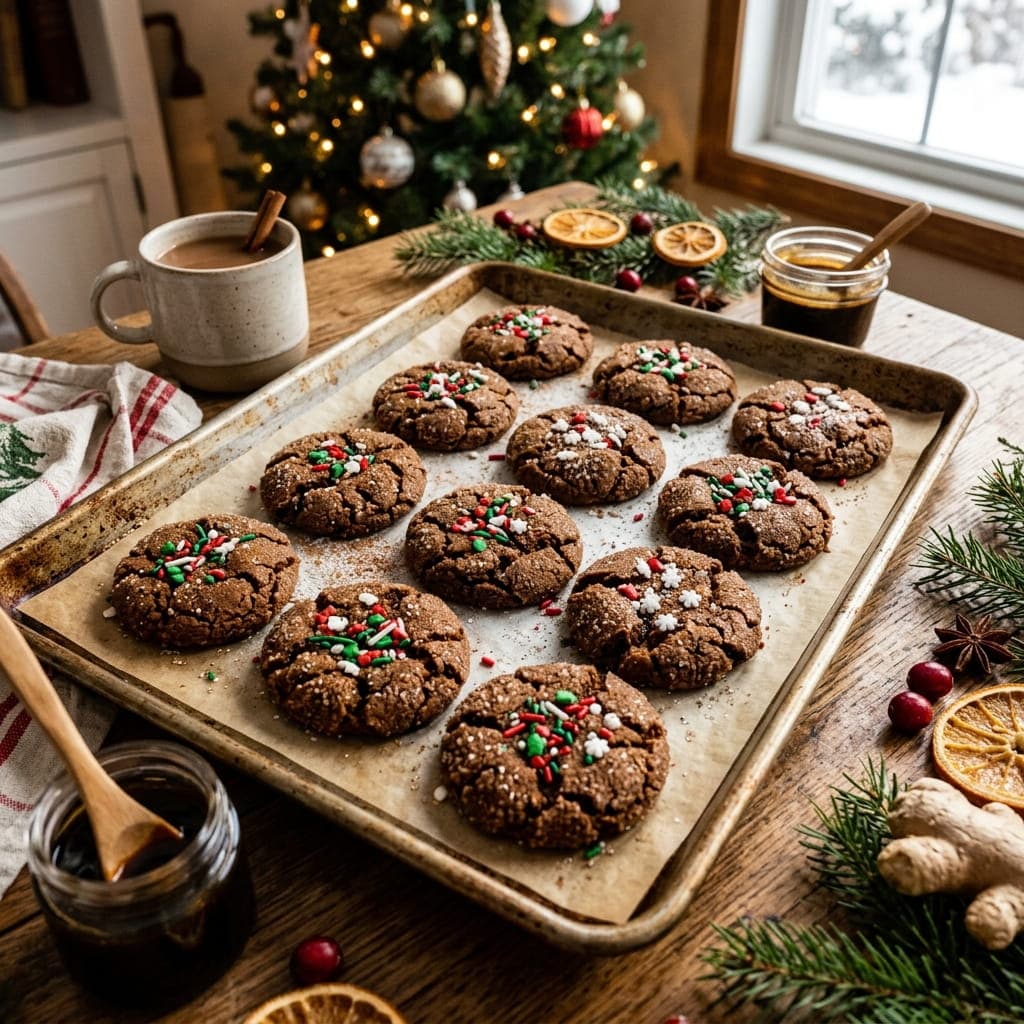
Rolling the chilled dough balls in coarse sugar before baking is what gives these their signature sparkly, crackled surface - the sugar crystals catch and hold as the cookie spreads and cracks in the oven. A generous hit of both fresh and ground ginger alongside molasses gives these real warmth and depth rather than just background spice.
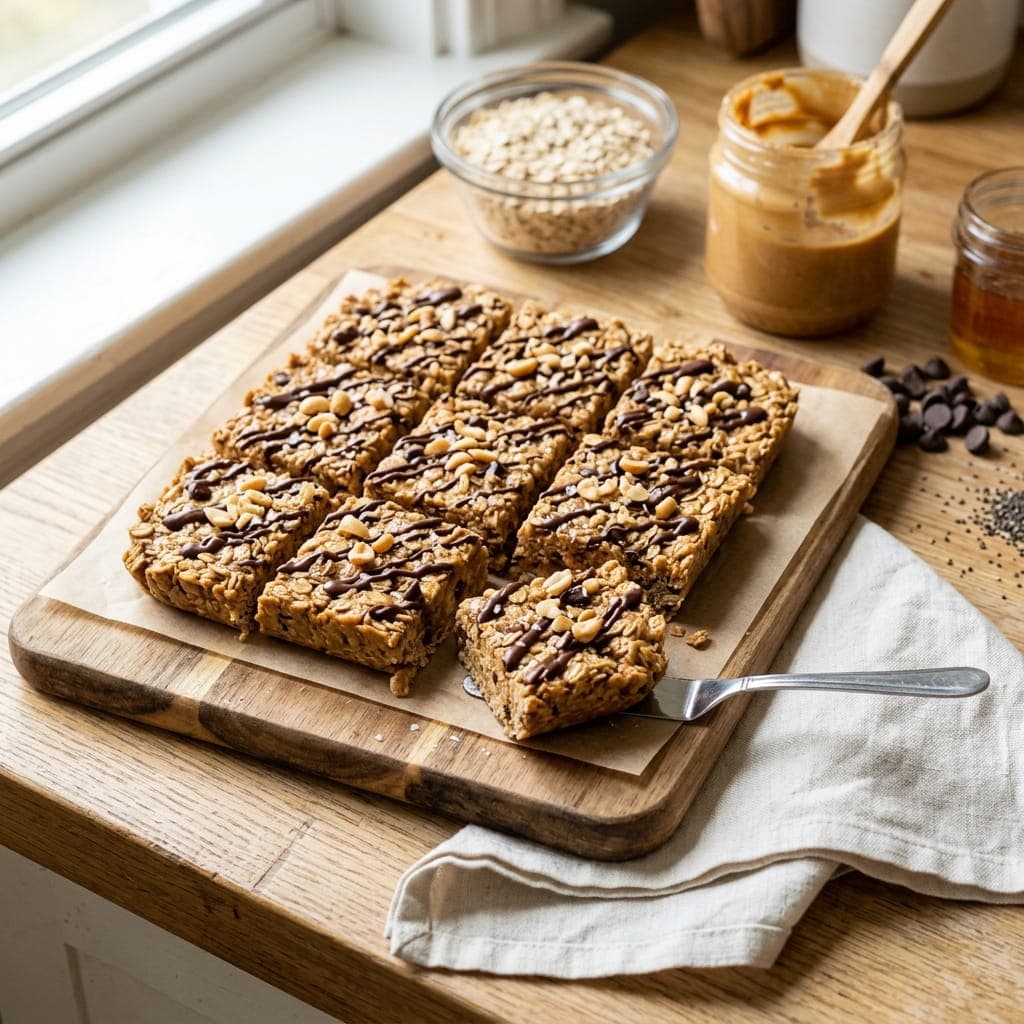
Warming honey and peanut butter together until fully melted is what allows them to properly coat every oat, rather than clumping in uneven pockets through the bars once set. With no oven and no added refined sugar, this comes together in one bowl and firms up in the fridge into something closer to a homemade granola bar than a dessert.
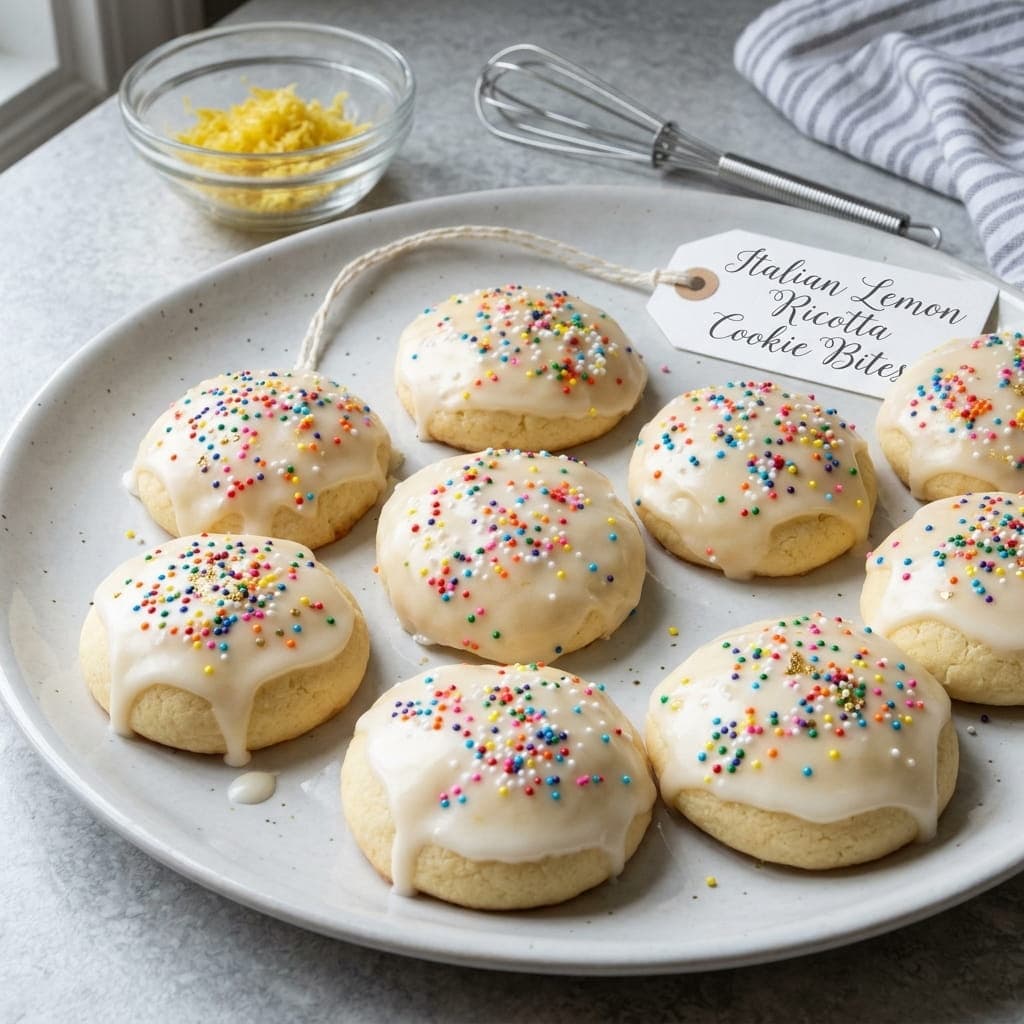
Ricotta cheese folded into the batter is what gives these their distinctly soft, almost cake-like interior - closer to a small tender muffin top than a typical crisp cookie. A bright lemon glaze drizzled over the cooled cookies plays against the ricotta's mild creaminess, making these a lighter finish to an Italian meal than a heavier dessert would be.
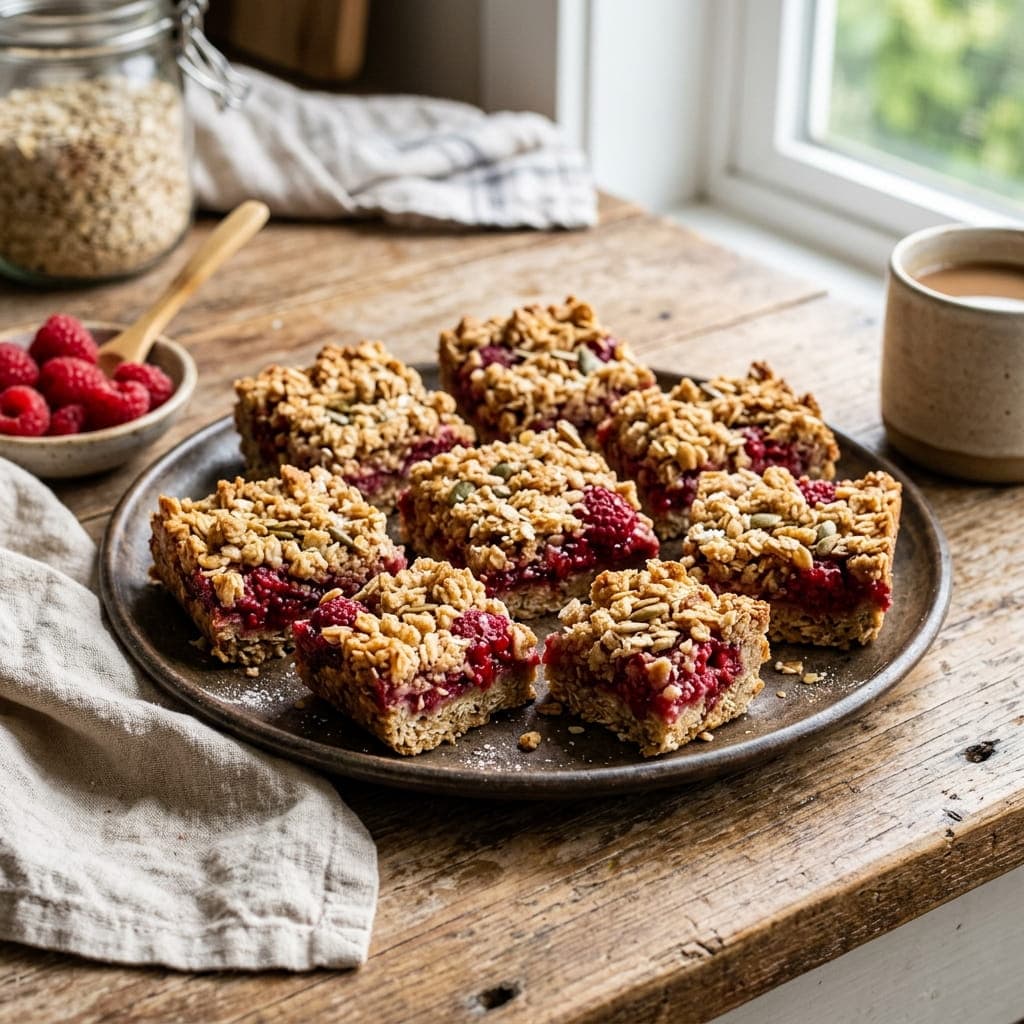
The same oat mixture is used twice here - pressed into the pan as a base, then crumbled loosely on top - so there's no need to mix a separate crumb topping. Cooking the raspberries down briefly with a touch of cornstarch thickens the filling just enough to hold its shape between the layers when sliced, without any need for eggs or dairy.