Loading...
Loading...
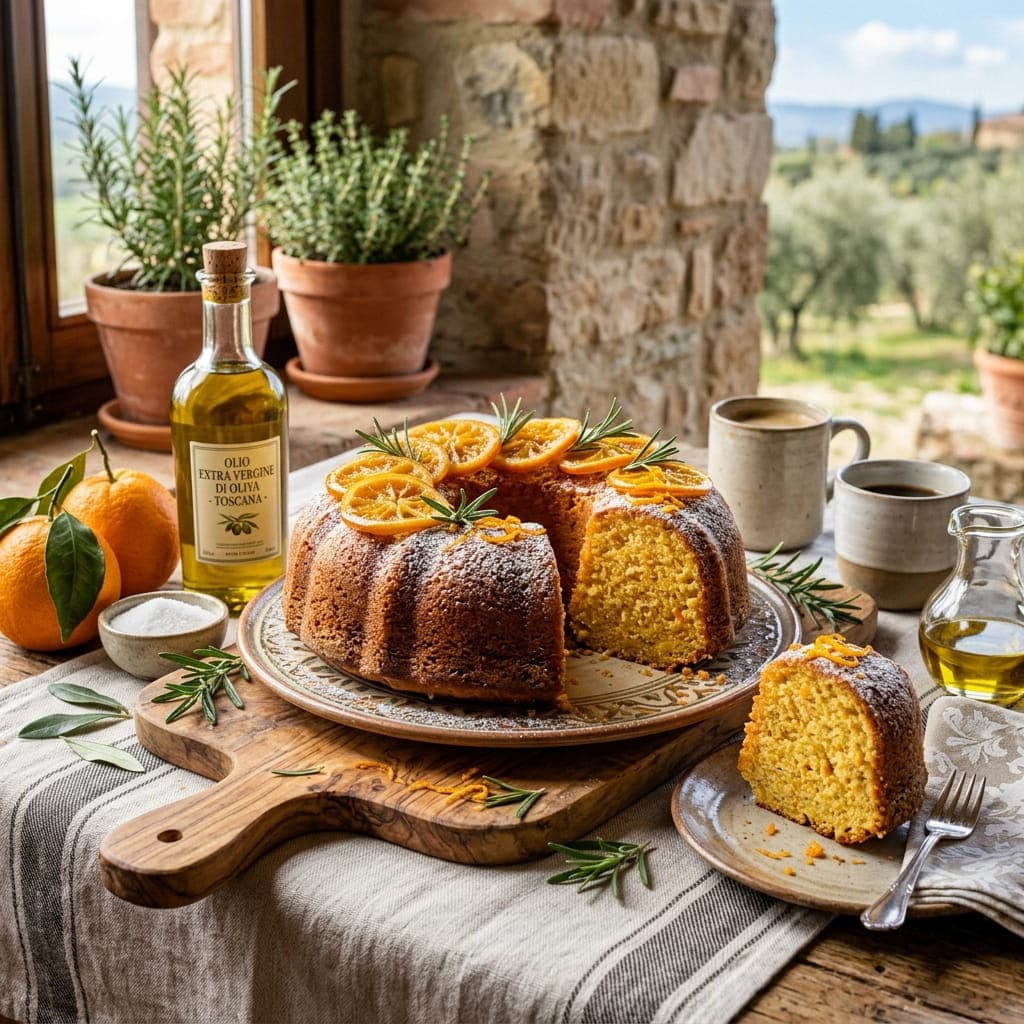
Olive oil in place of butter gives this cake a noticeably moister, denser crumb that stays soft for days rather than drying out - a common technique across Italian home baking that doesn't taste distinctly of olive oil once orange zest and juice are folded in. Naturally dairy-free without any substitution needed, it's simple enough to mix by hand in one bowl.
Per serving
290kcal
Calories
4g
Protein
36g
Carbs
Prep Time
15 min
Cook Time
40 min
Servings
10 people
Difficulty
easy
15g
Fat
1g
Fiber
22g
Sugar
Follow step-by-step with voice guidance.
Preheat the oven to 175°C (350°F) and grease and line a round cake pan with parchment paper.
In a large bowl, rub the orange zest into the sugar with your fingers until fragrant.
Whisk in the eggs, olive oil, orange juice, and vanilla extract until well combined.
In a separate bowl, whisk together the flour, baking powder, baking soda, and salt.
Fold the dry ingredients into the wet ingredients until just combined - do not overmix.
Pour the batter into the prepared pan and bake for 35-40 minutes, until golden and a toothpick inserted in the center comes out clean.
Let the cake cool in the pan for 10 minutes, then turn out onto a wire rack to cool completely.
Dust with powdered sugar before serving, or drizzle with a simple orange glaze if desired.
Use a Good Quality Extra Virgin Olive Oil: Since it's a primary flavor component, a fruity, mild olive oil gives the best results - a very strong, peppery oil can overpower the delicate orange flavor. Rub the Zest into the Sugar: This releases the citrus oils far more effectively than simply stirring the zest into the batter, giving a more pronounced orange flavor throughout. Don't Overmix the Batter: Fold the dry ingredients in just until combined - overmixing develops gluten and can make the cake dense rather than tender.
Not overtly - a mild, fruity extra virgin olive oil blends into the background, contributing moisture and a subtle richness rather than a strong olive flavor, especially once balanced with the orange.
0 reviews • 0.0 / 5 Average Rating
No reviews yet. Be the first to review this recipe!
More Like This
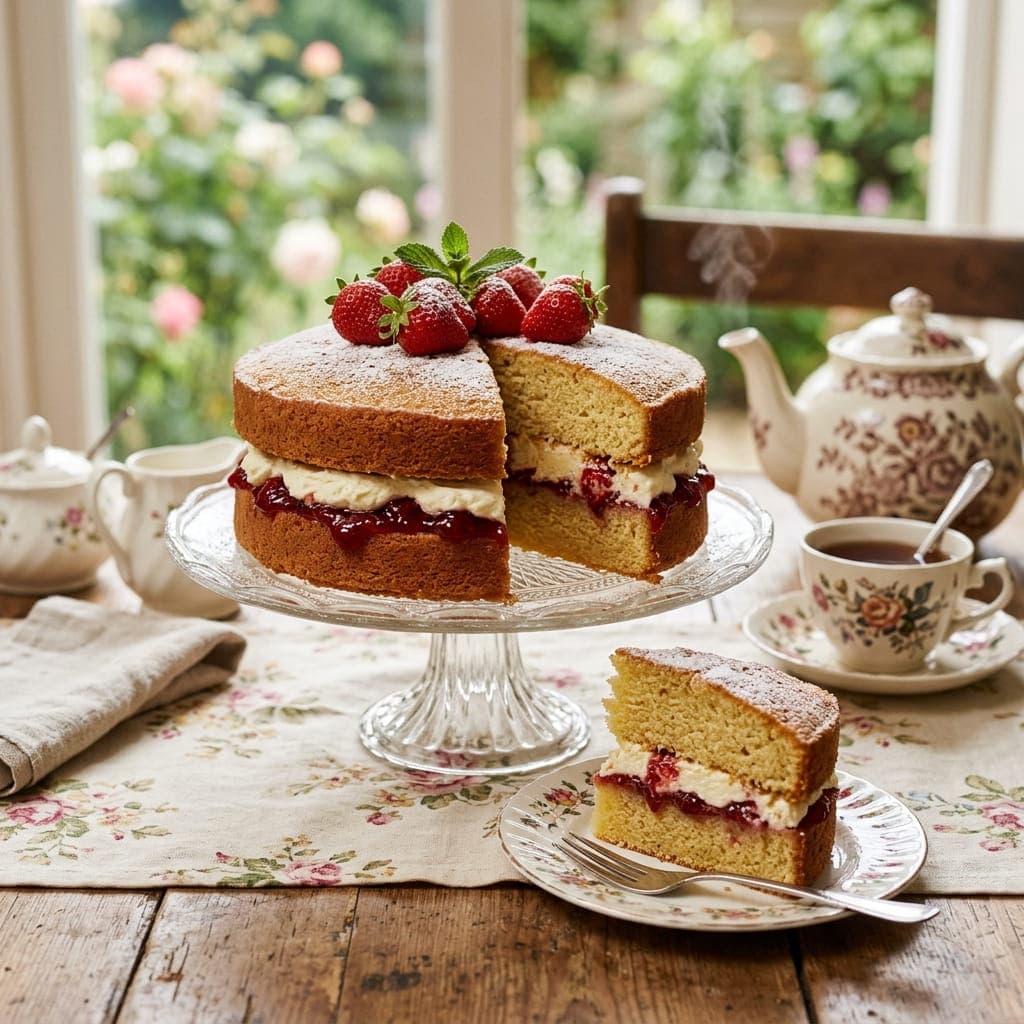
Named after Queen Victoria, who was said to enjoy a slice with her afternoon tea, this sponge relies on the classic equal-weights method - butter, sugar, flour, and eggs all matched in weight to guarantee a light, even crumb every time. Simply filled with jam and whipped cream, no elaborate frosting needed, it remains one of the most iconic bakes in British baking history.
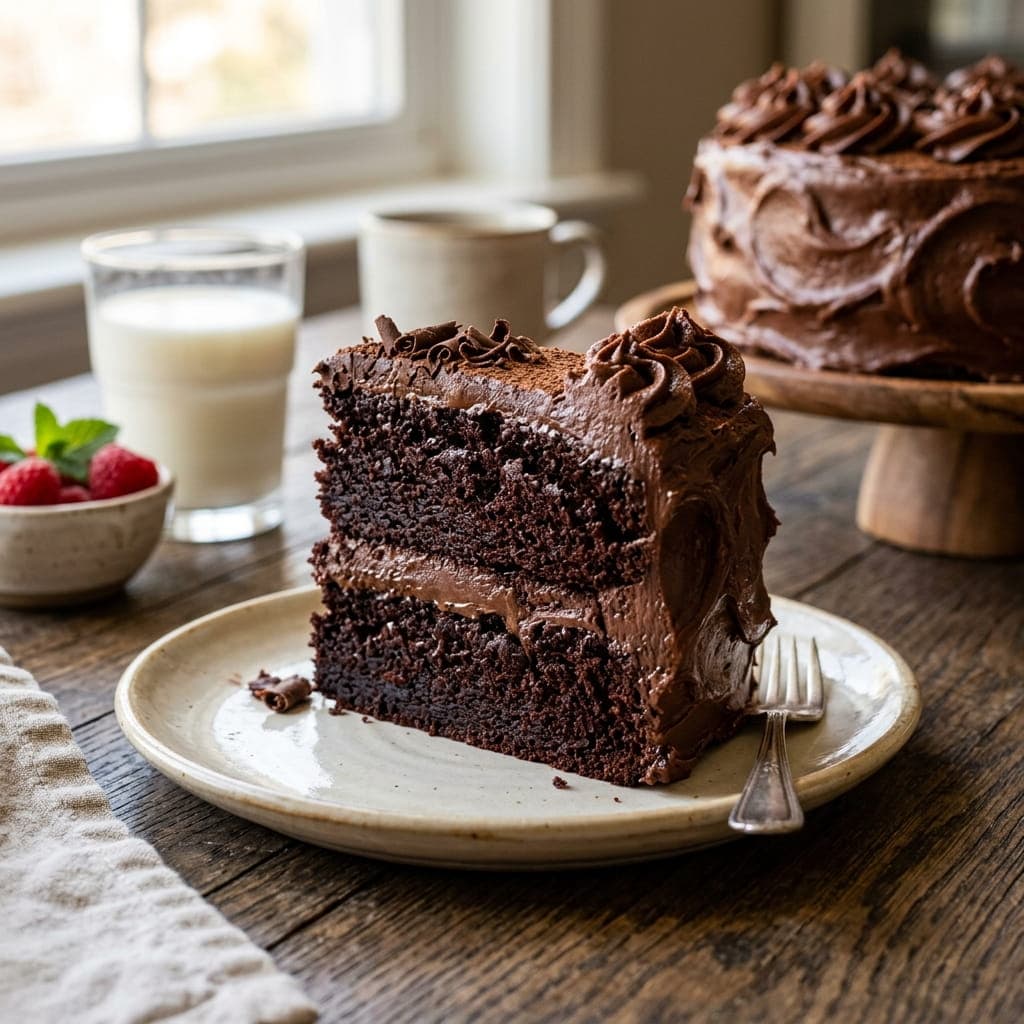
Boiling water added to the batter at the very end is the trick that separates a genuinely moist chocolate cake from a dry, crumbly one - the heat blooms the cocoa powder, deepening its flavor while thinning the batter just enough for an ultra-tender crumb. Topped with a glossy fudge frosting, this is the kind of cake that gets requested again the moment it's finished.
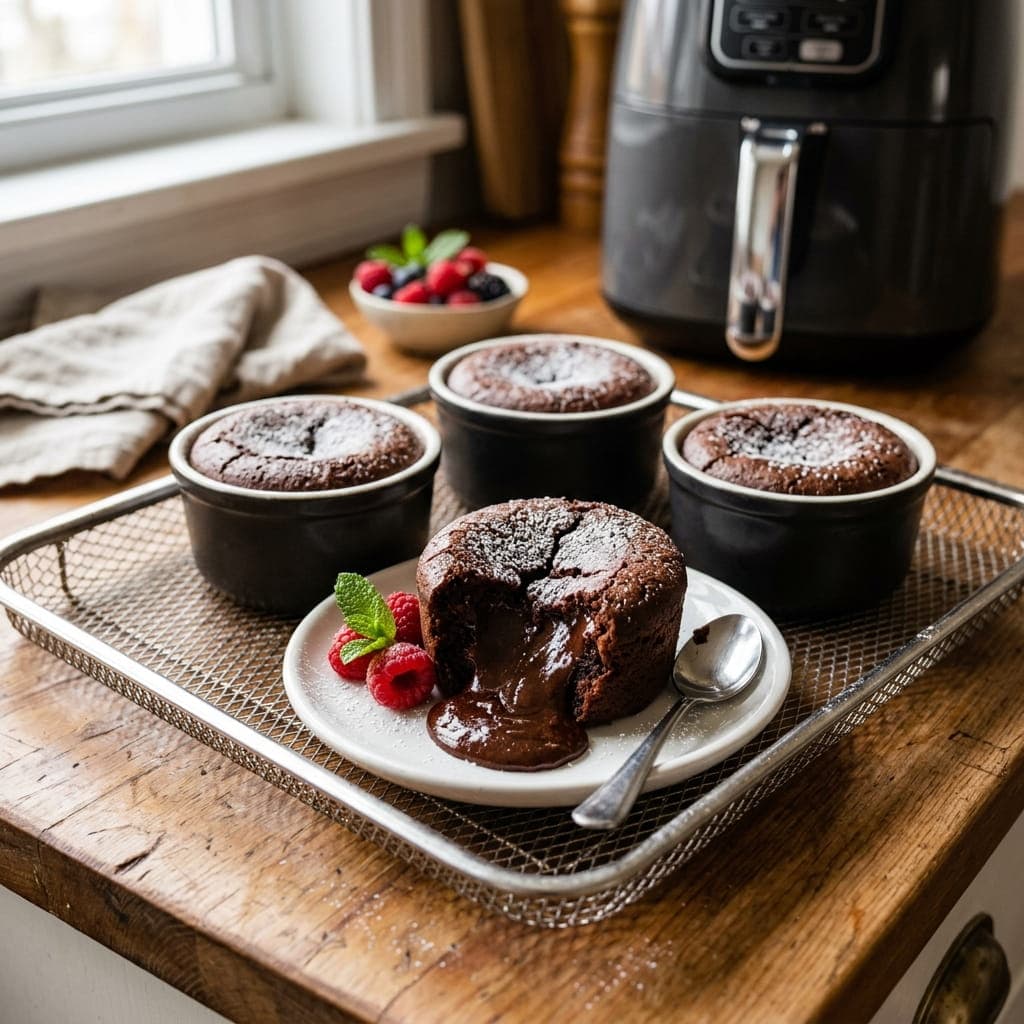
An air fryer's rapid, direct heat cooks the outside of these small cakes just as fast as an oven would while using a fraction of the preheat time - genuinely useful when the whole appeal of a lava cake is a molten center you want minutes after deciding to make dessert. Slightly underbaking is the entire point here, so pulling them out a minute early rather than late is the safer call.
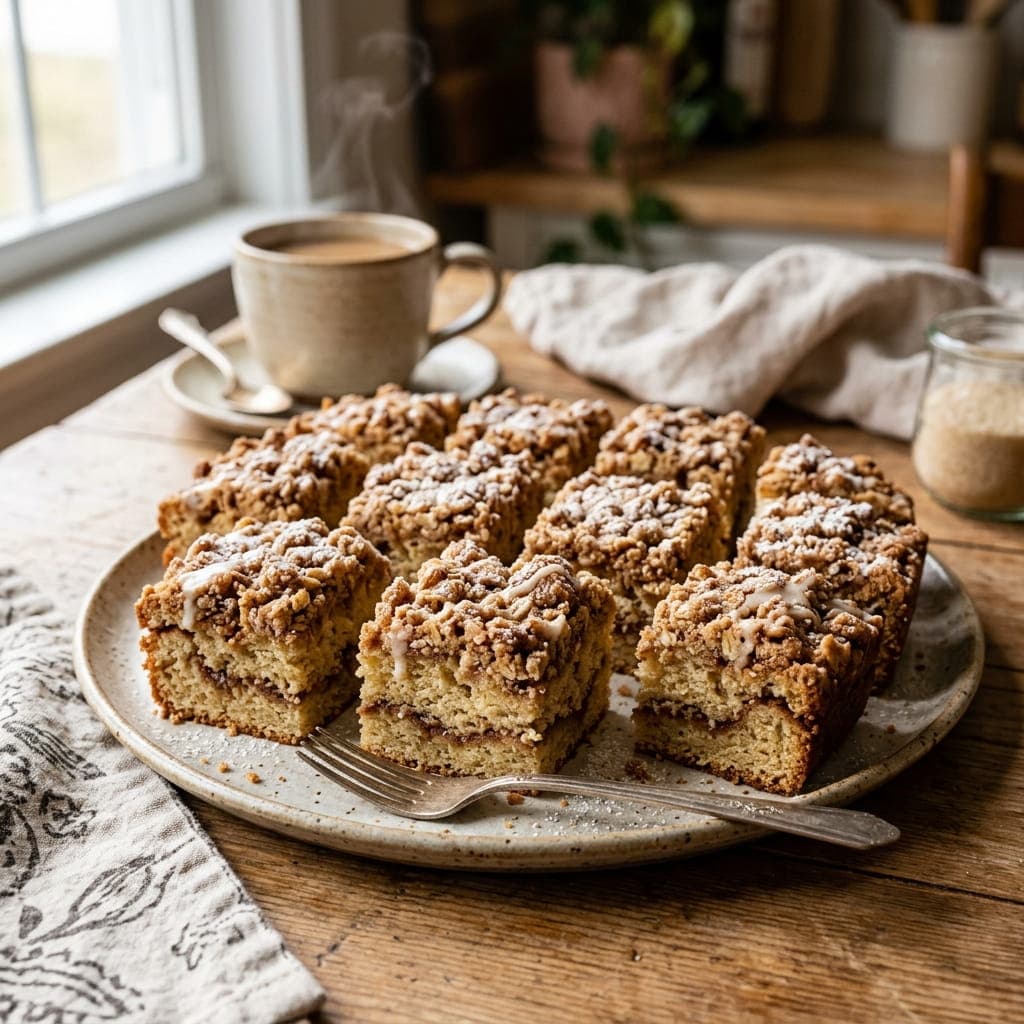
Layering half the streusel into the middle of the batter, not just on top, is what gives this cake a genuine ribbon of cinnamon running through the center - most versions only sprinkle streusel on the surface and miss out on that swirl entirely. Named for pairing with a cup of coffee rather than containing any actual coffee, this is a classic American brunch bake.