Loading...
Loading...
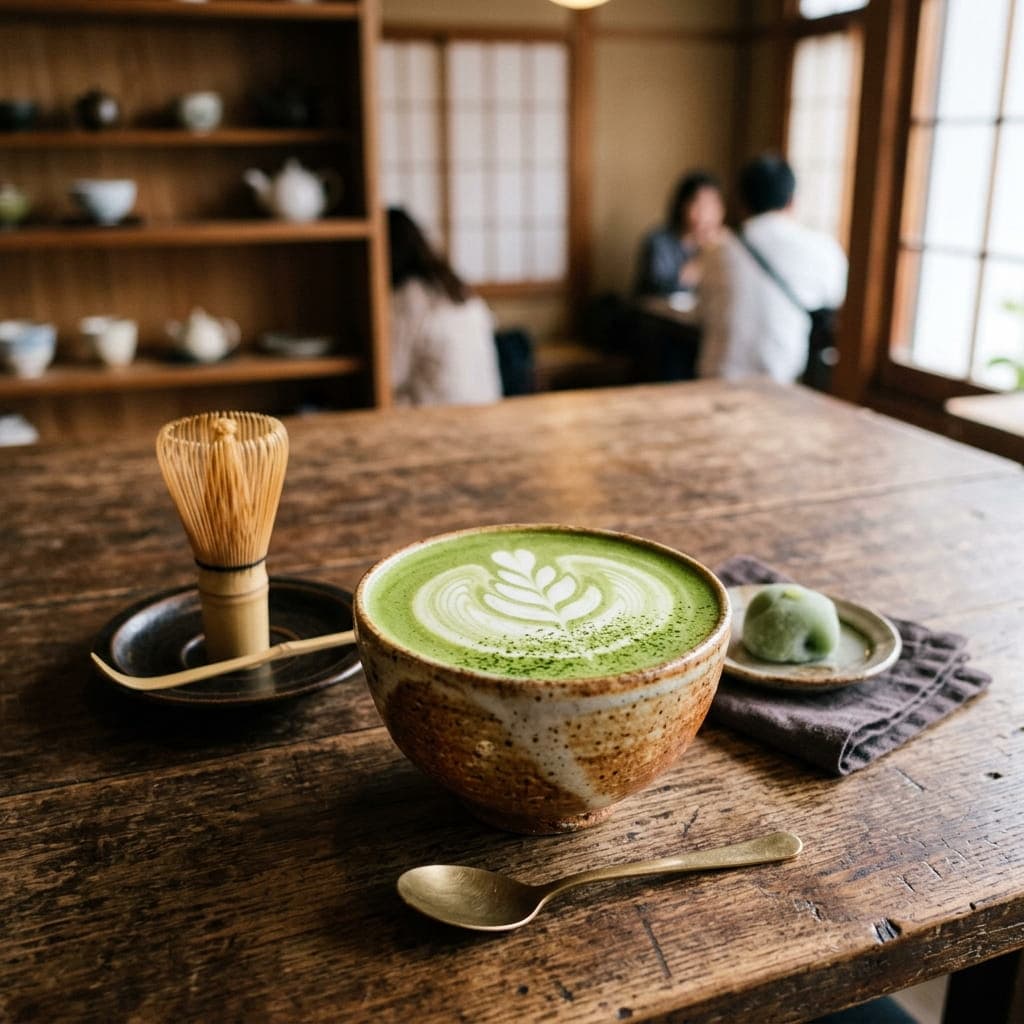
This follows the traditional Japanese method of whisking matcha powder into a small amount of hot water in a zigzag motion, which is what breaks up clumps and creates a smooth, lump free base before the milk is ever added. Skipping this step and just stirring matcha into milk directly almost always leaves behind gritty pockets of powder.
Per serving
100kcal
Calories
4g
Protein
12g
Carbs
3g
Fat
11g
Sugar
Prep Time
7 min
Cook Time
3 min
Servings
1 people
Difficulty
medium
Follow step-by-step with voice guidance.
Sift the matcha powder into a bowl to remove any clumps.
Add the hot water to the bowl.
Using a bamboo whisk or a small regular whisk, whisk briskly in a zigzag motion until the matcha is smooth and slightly frothy, with no visible clumps.
Warm the milk in a small saucepan or microwave until hot but not boiling.
Froth the warm milk using a frother, whisk, or by shaking it in a sealed jar.
Pour the whisked matcha into a mug.
Slowly pour the frothed milk over the matcha, holding back the foam with a spoon, then spoon the foam on top.
Add honey or sweetener if desired and stir gently before drinking.
Sift the Matcha First: Matcha powder clumps easily, and sifting it before whisking is the single biggest factor in avoiding a gritty textured latte. Whisk in a Zigzag, Not a Circle: A back and forth zigzag motion incorporates air and breaks up clumps far more effectively than stirring in circles. Don't Boil the Milk: Milk that's boiled rather than gently warmed can scald and develop a skin, which affects both the texture and taste of the finished latte.
This usually happens when the matcha isn't sifted before whisking, or when it's stirred into milk directly instead of first being whisked smooth with a small amount of hot water.
0 reviews • 0.0 / 5 Average Rating
No reviews yet. Be the first to review this recipe!
More Like This
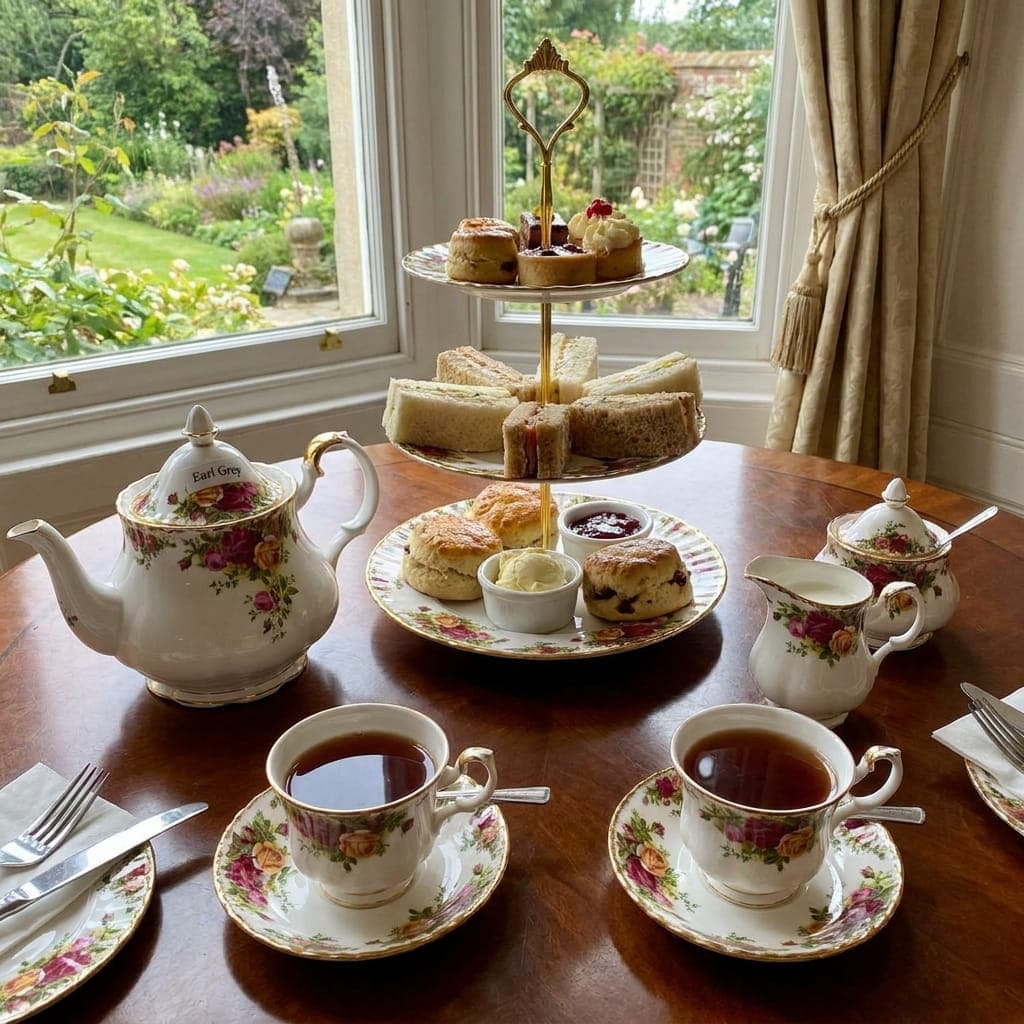
This follows the classic British method of warming the teapot before brewing, a small step that keeps the water at the right temperature long enough for the bergamot oil in Earl Grey to fully unfold. Served with a splash of milk the traditional way, it's the same cup that's been poured for afternoon tea across Britain for generations.
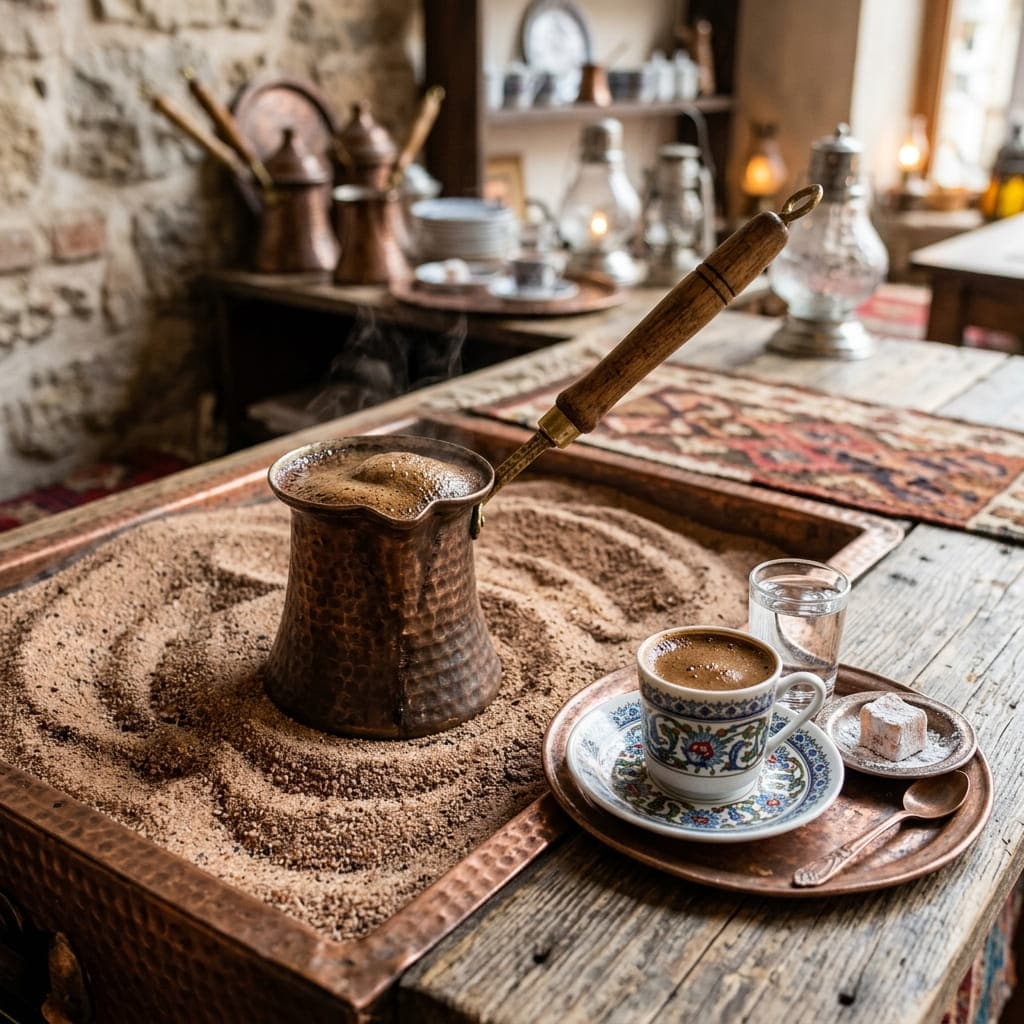
This uses the traditional method of nestling a small copper cezve into hot sand rather than placing it directly on a burner, since the sand acts as a buffer that heats the coffee slowly and evenly from all sides. That gentle, gradual heat is exactly what builds the thick foam and rich, velvety texture that sets real Turkish coffee apart.

This follows the original bulletproof coffee method of blending hot coffee with butter and MCT oil rather than just stirring them in, since blending is what emulsifies the fat into the liquid and creates a thick, latte like froth instead of oily coffee with butter floating on top. It's built specifically to be sugar free, making it a popular fuel for anyone following a keto approach.
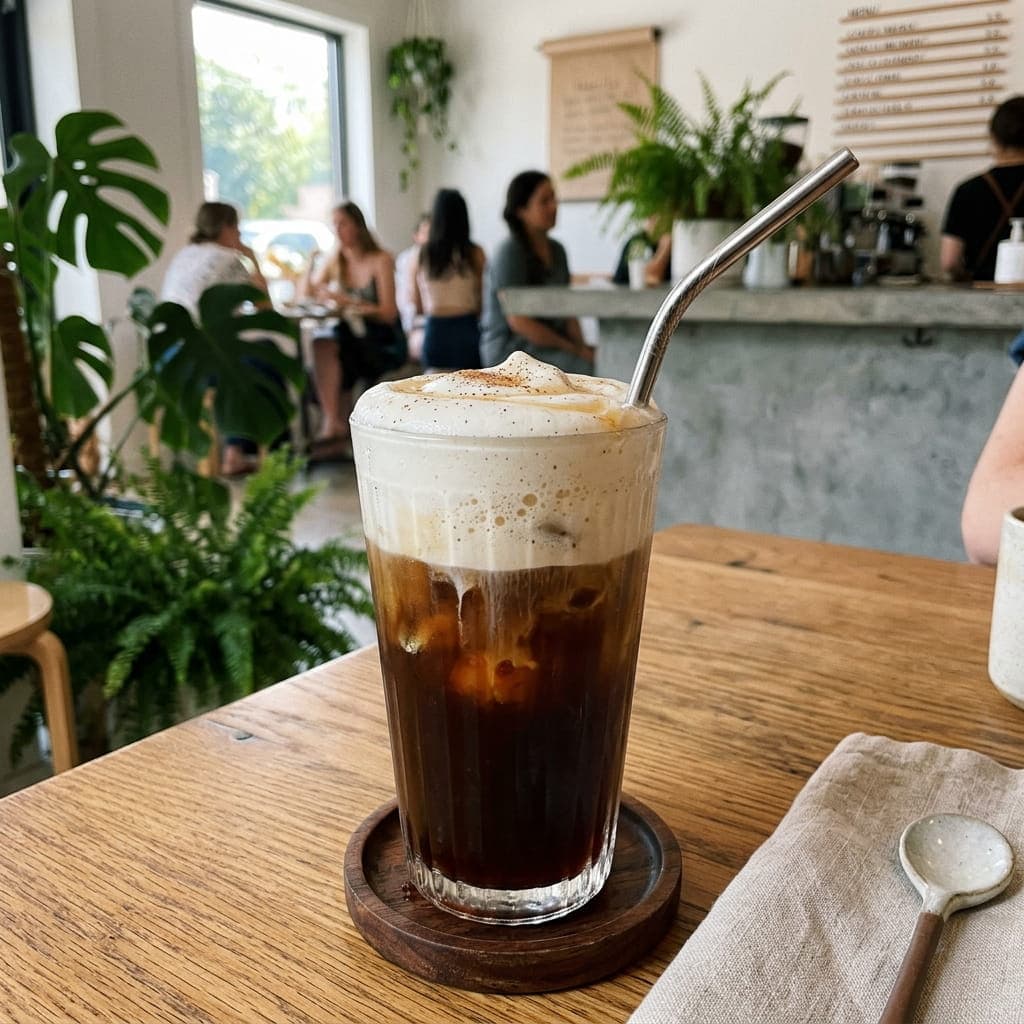
This recreates the coffee shop trend of topping cold brew with a thick, pourable foam instead of whipped cream, which stays light and slightly airy rather than melting into the coffee within minutes. Made by frothing cold milk with vanilla syrup until it thickens, it's the same technique baristas use behind the counter, just without the machine.