Loading...
Loading...
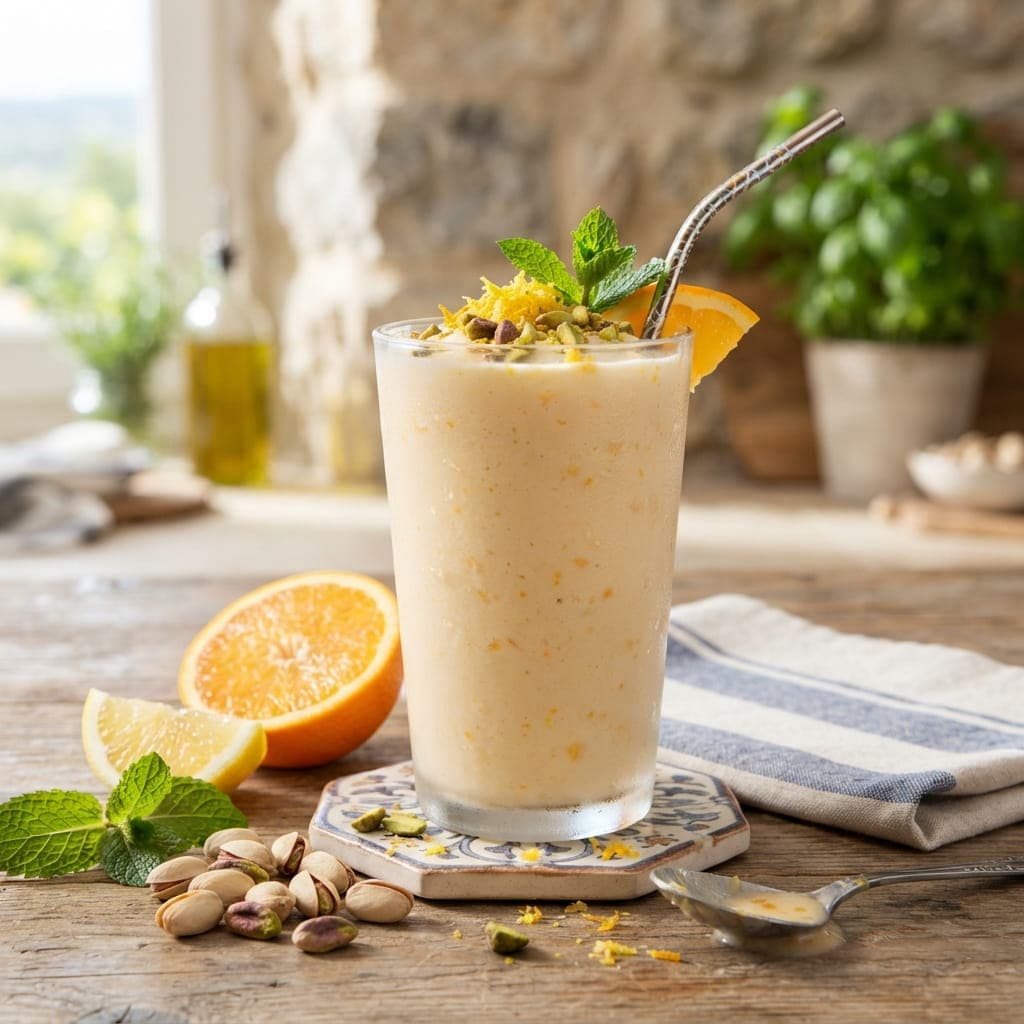
Greek yogurt provides the protein base here instead of a processed powder loaded with sodium-heavy additives, keeping this genuinely low-sodium without sacrificing a substantial protein count. Orange and lemon together give it a bright, Mediterranean citrus profile that feels fresher than a typical heavy, sweet protein shake.
Per serving
220kcal
Calories
18g
Protein
30g
Carbs
3g
Fat
2
Prep Time
10 min
Cook Time
0 min
Servings
1 people
Difficulty
easy
Fiber
24g
Sugar
Follow step-by-step with voice guidance.
Add the Greek yogurt, orange segments, lemon juice, honey, and unsweetened almond milk to a blender.
Blend on high speed for 30-45 seconds, until completely smooth.
Add a handful of ice if a colder, thicker consistency is desired, and blend again briefly.
Taste and adjust sweetness or citrus tartness as needed.
Pour into a glass and serve immediately.
Use Plain, Unsalted Greek Yogurt: Some flavored or specialty yogurts contain added sodium, so checking the label and choosing a plain variety helps keep this shake genuinely low-sodium. Balance the Citrus: Orange provides sweetness while lemon adds tartness - adjust the ratio slightly to taste depending on how bright or mellow you prefer the flavor. Blend Thoroughly for Smoothness: Orange segments can sometimes leave small fibrous bits if underblended, so blend for the full time to ensure a smooth final texture.
Greek yogurt provides a substantial amount of protein naturally, without the added sodium and other additives often found in processed protein powders, keeping this shake genuinely low-sodium.
0 reviews • 0.0 / 5 Average Rating
No reviews yet. Be the first to review this recipe!
More Like This
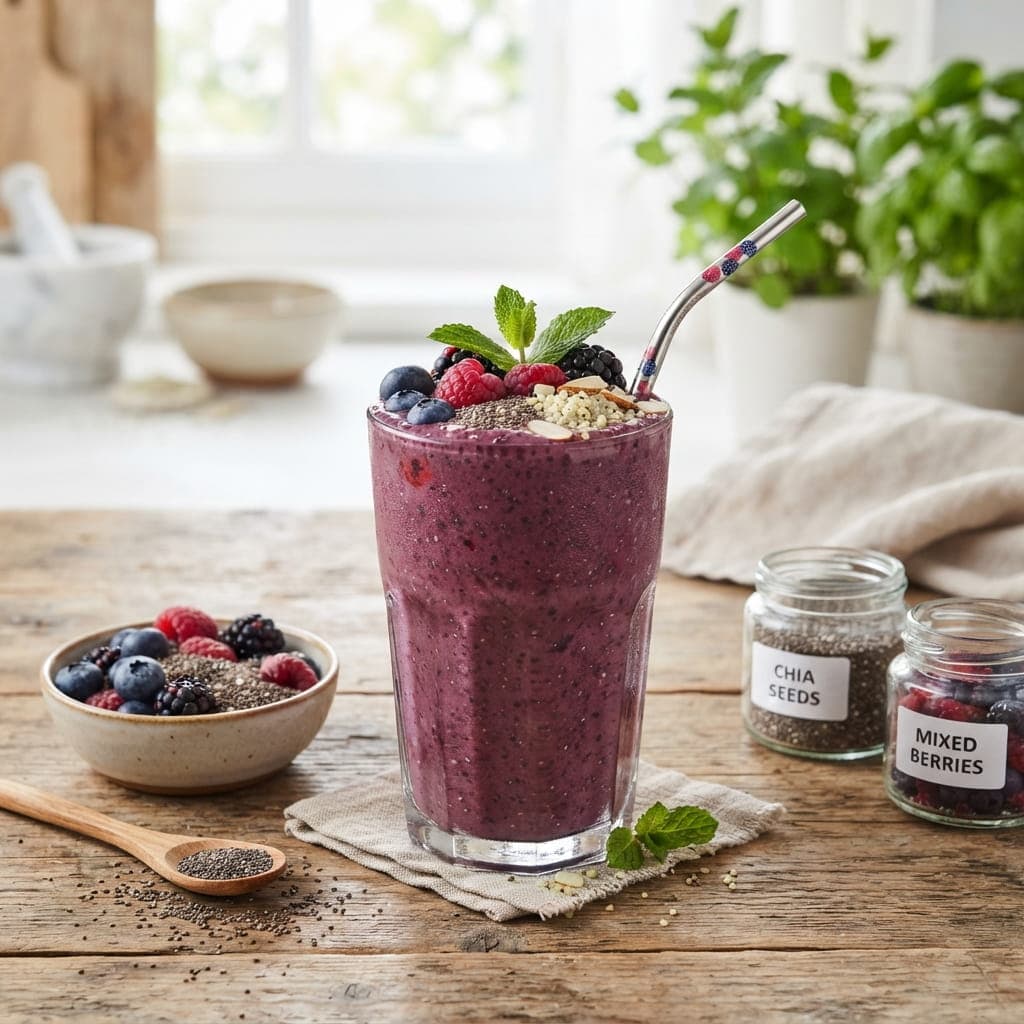
Letting the chia seeds sit in the smoothie for a few minutes after blending, rather than drinking it immediately, gives them time to swell slightly and add a pleasant, subtle texture without turning the whole drink gel-like. Using a mix of several berry varieties rather than just one gives a broader range of antioxidant compounds than sticking to a single type.

The Pakistani version of lassi leans heavily on mango rather than yogurt, using ripe Chaunsa or Sindhri mango as the dominant flavor rather than treating it as a mix-in - this is what separates it from the thinner, yogurt-forward version common at Indian restaurants abroad. Because premium ripe Pakistani mangoes are naturally so sweet, very little added sugar is needed, and the result should be thick enough to need a spoon rather than sipped through a straw.

Not to be confused with Western buttermilk, chaas is yogurt thinned with water and blended with roasted cumin, mint, and a hit of black salt - a cooling, savory drink meant to settle the stomach after a heavy meal, especially in the heat of Indian summers. Roasting the cumin seeds fresh before grinding, rather than using pre-ground cumin, gives this its signature toasty aroma.
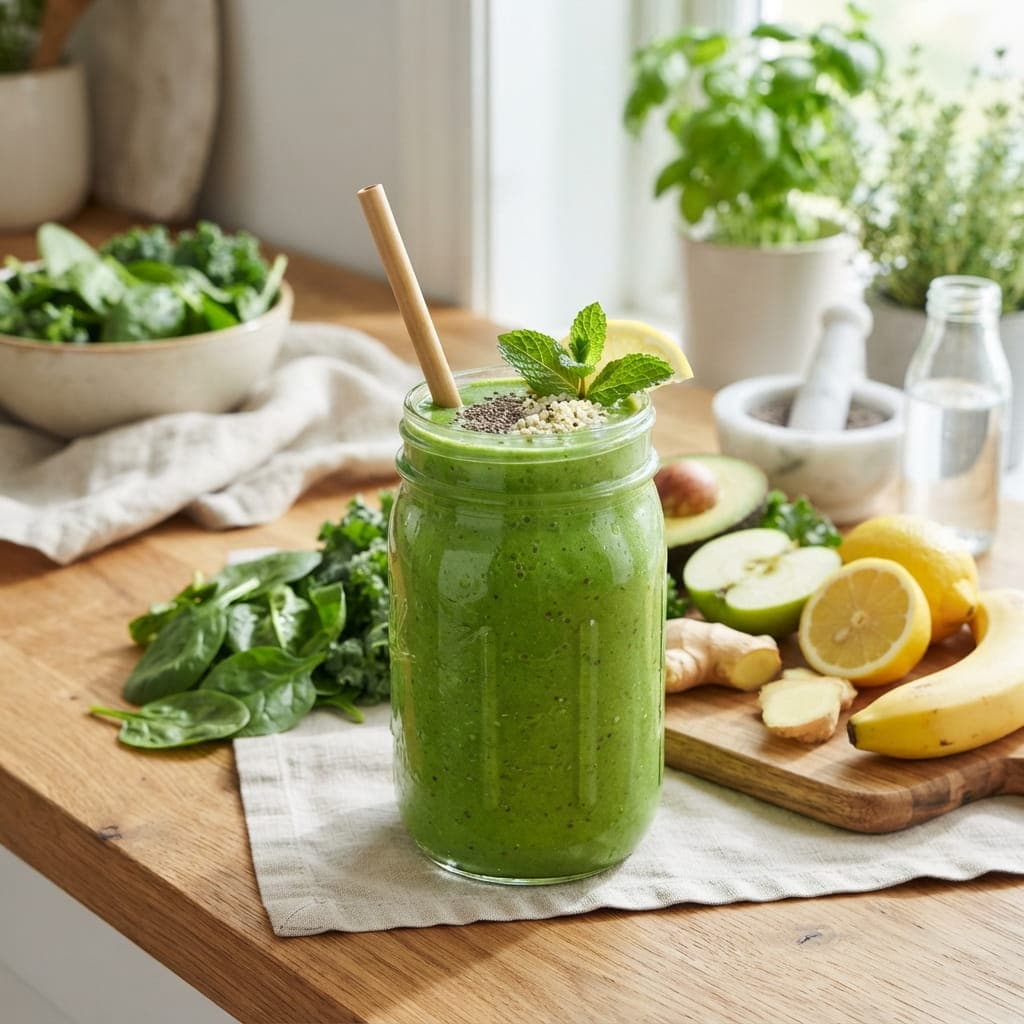
Blending the spinach with the liquid base first, before adding other ingredients, is what breaks it down into a smooth puree rather than leaving flecks of leaf floating throughout the finished drink. Green apple and a squeeze of lemon balance the earthy vegetables with brightness, keeping this from tasting purely like liquid greens.