Loading...
Loading...
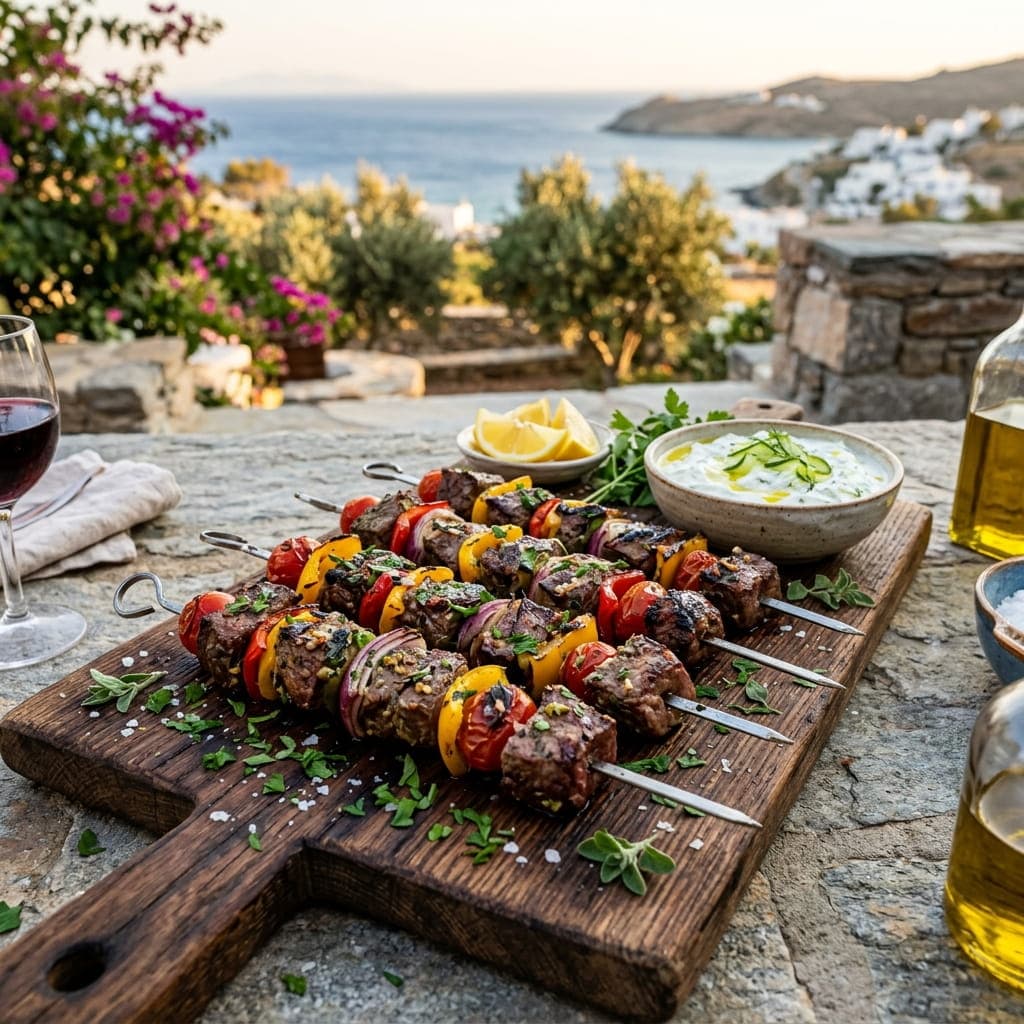
Cutting the beef into evenly sized cubes and threading them with a little space between each piece is what lets a hot grill sear every side properly - crowding pieces together on the skewer causes them to steam rather than char. A simple olive oil, lemon, and oregano marinade does the rest, letting the beef's own flavor lead rather than masking it.
Prep Time
40 min
Per serving
340kcal
Calories
34g
Protein
6
Cook Time
10 min
Servings
4 people
Difficulty
easy
Carbs
20g
Fat
1g
Fiber
2g
Sugar
Follow step-by-step with voice guidance.
Cut the beef into even, roughly 3cm cubes.
In a bowl, whisk together the olive oil, lemon juice, minced garlic, dried oregano, salt, and black pepper to make the marinade.
Add the beef cubes, tossing to coat evenly, and marinate for at least 30 minutes (up to 4 hours in the fridge).
Thread the marinated beef onto skewers, leaving a small gap between each piece, alternating with pieces of bell pepper and red onion if desired.
Preheat a grill or grill pan to high heat and lightly oil the grates.
Grill the skewers for 3-4 minutes per side, until charred on the outside and cooked to your preferred doneness (about 55-57°C internal temperature for medium-rare).
Let rest for a few minutes, then serve with a squeeze of fresh lemon juice and a sprinkle of fresh parsley.
Cut the Beef Evenly: Uniform cube sizes ensure every piece cooks at the same rate, so nothing is overdone while other pieces remain underdone. Leave Space Between Pieces on the Skewer: Crowding the beef together prevents heat from reaching all sides, resulting in steamed rather than charred meat - a small gap lets the grill do its job properly. Don't Overcook: A few minutes per side at high heat is enough for tender beef skewers - checking with a thermometer helps avoid overcooking past your desired doneness.
Sirloin and ribeye are both good choices for their balance of tenderness and flavor - avoid leaner or tougher cuts unless marinated for a longer period first.
0 reviews • 0.0 / 5 Average Rating
No reviews yet. Be the first to review this recipe!
More Like This
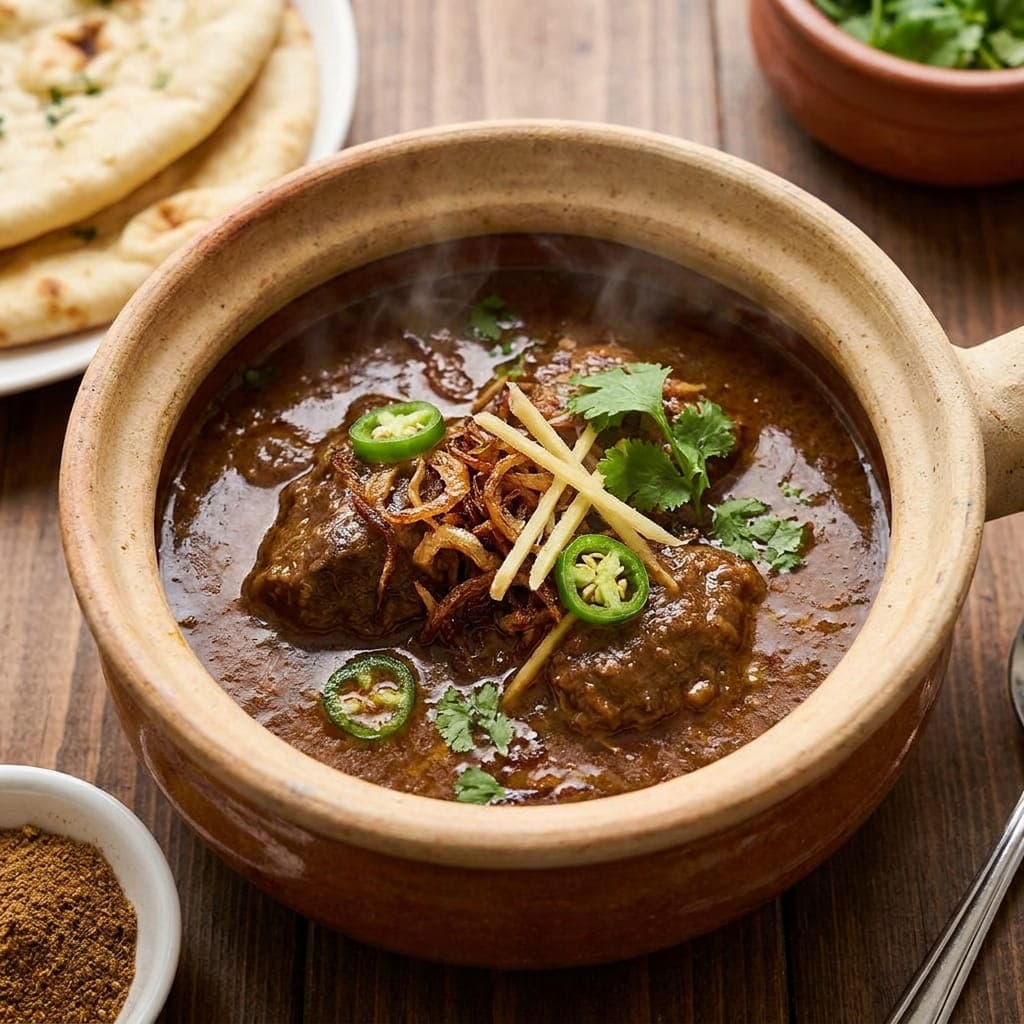
The word nihari comes from the Arabic 'nahar,' meaning morning - this was originally a Mughal-era dish, slow-cooked overnight by royal cooks and served at dawn. In Old Lahore, nihari shops still open before sunrise and sell out by mid-morning. The non-negotiable ingredient here is nalli, bone-in beef shank with the marrow intact, which slowly liquefies into the gravy over hours of cooking, giving nihari its signature silky, clinging texture that no amount of ghee alone could replicate.
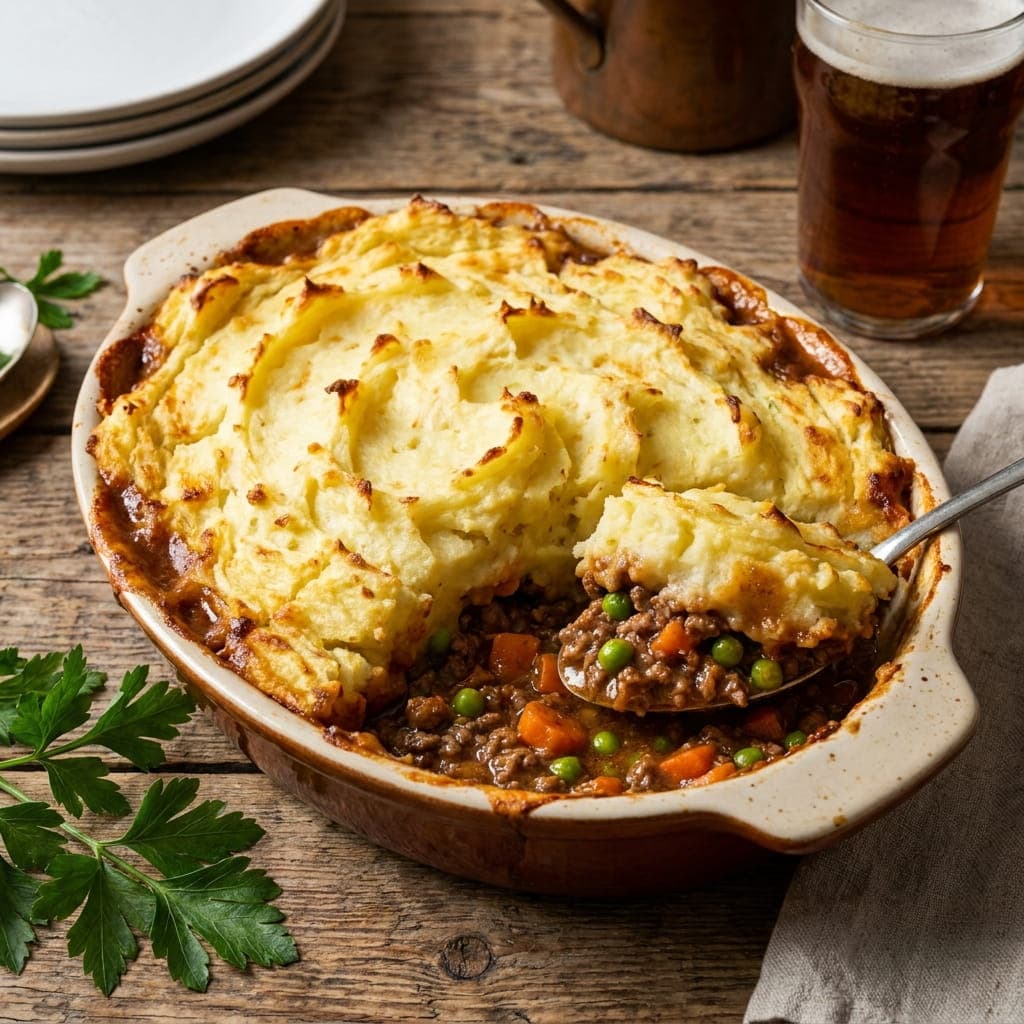
The distinction matters to the British - cottage pie uses beef, while its cousin shepherd's pie is made with lamb, both topped with mashed potato rather than pastry. A savory beef and vegetable filling simmered until rich and thick, then blanketed with fluffy mash and baked until the peaks turn golden, this is exactly the kind of dish built to use up leftover mince and stretch a family dinner.
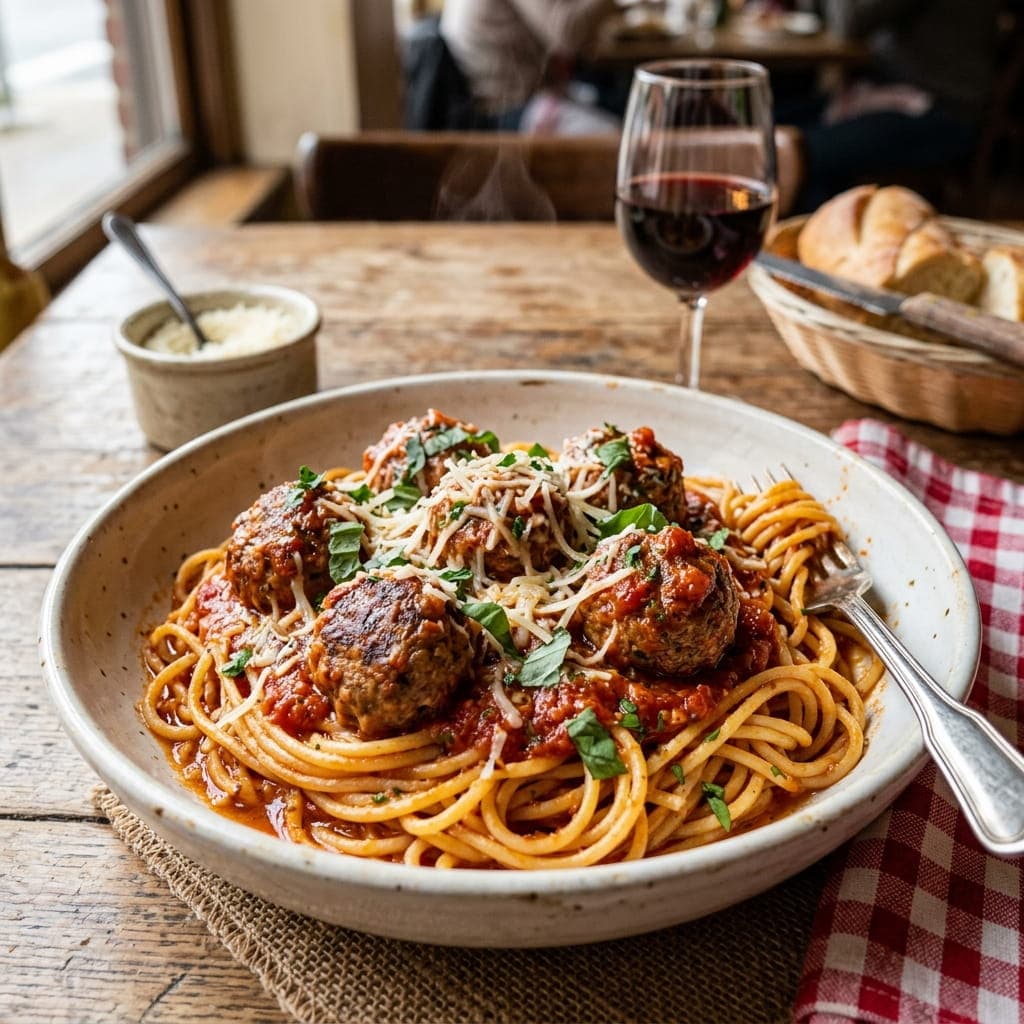
Soaking breadcrumbs in milk before mixing them into the meatballs (a panade) is what keeps them tender rather than dense - the moisture gets trapped inside the meat as it cooks instead of evaporating out. Simmering the browned meatballs directly in the marinara sauce for the last stretch of cooking lets them finish gently while the sauce picks up their flavor.
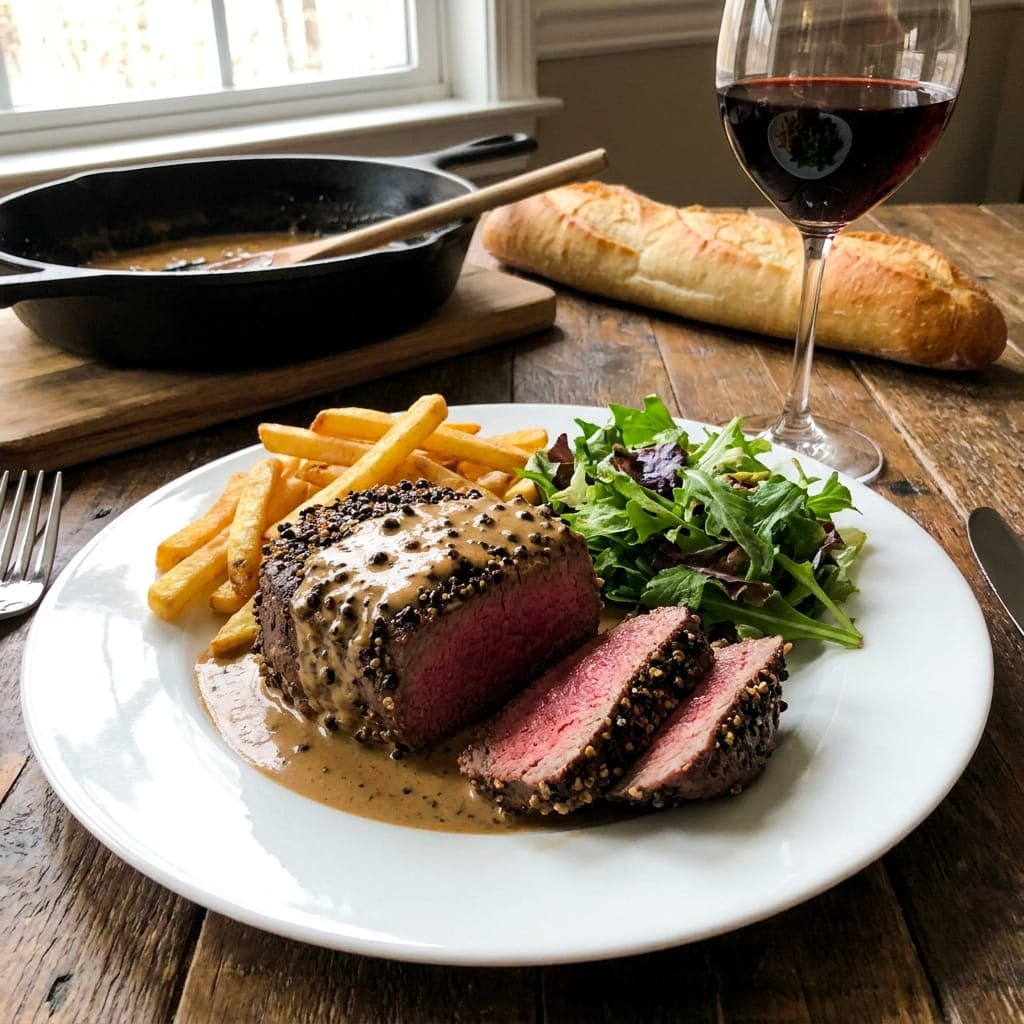
Crushing whole peppercorns coarsely, rather than using pre-ground pepper, is what gives steak au poivre its signature crust - large, cracked pieces press into the meat and hold their bite through cooking rather than dissolving into dust. The classic finishing move is deglazing the same pan with brandy and cream, turning the fond left behind by the sear into a glossy pan sauce in under five minutes.