Loading...
Loading...
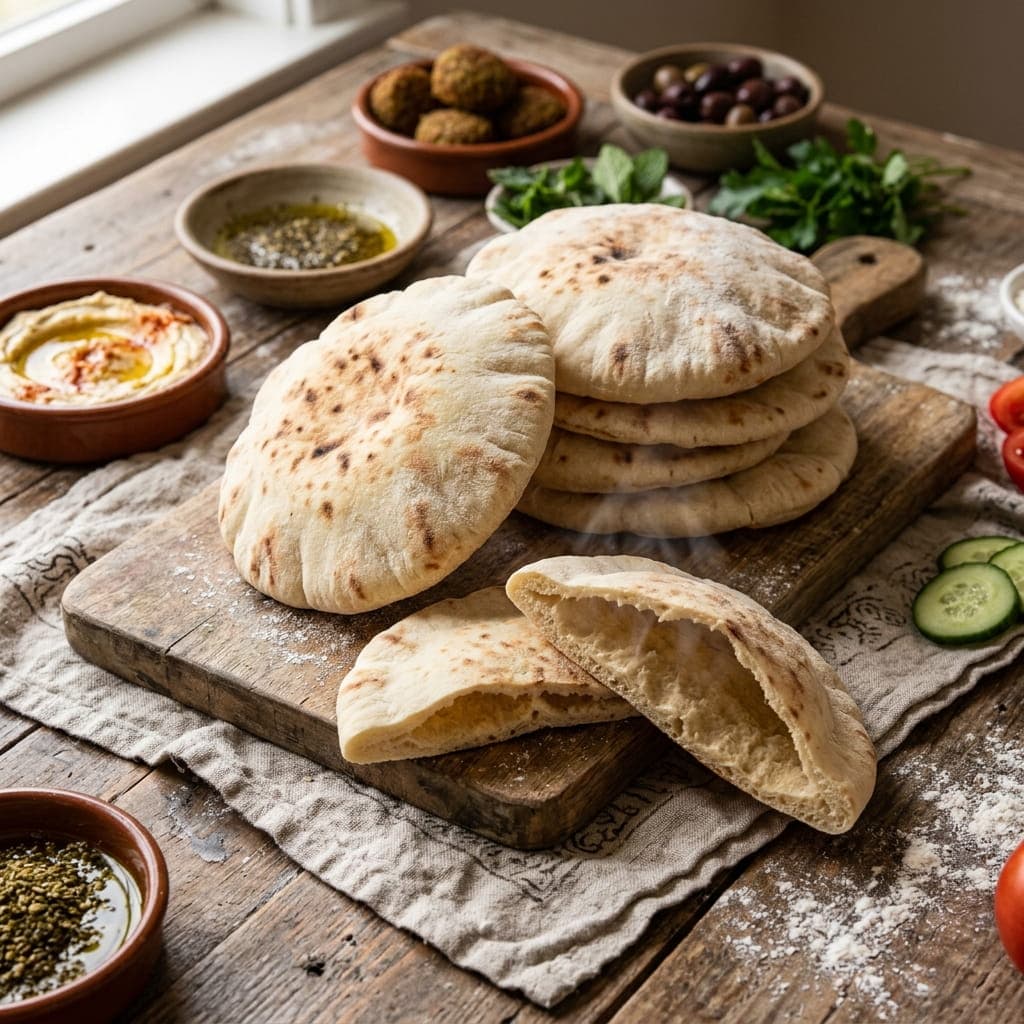
This bakes the rolled dough rounds on a preheated baking stone or upside down sheet pan at a very high temperature, since that intense, immediate heat from below is exactly what causes the steam inside the dough to puff the pita into two separate layers, creating its signature pocket. Rolling the dough evenly, without thin spots, is just as important, since any uneven area is likely to be where the pocket fails to form.
Per serving
170kcal
Calories
5g
Protein
32g
Carbs
2g
Fat
1g
Prep Time
25 min
Cook Time
15 min
Servings
8 people
Difficulty
medium
Fiber
1g
Sugar
Follow step-by-step with voice guidance.
In a small bowl, combine the warm water, yeast, and sugar, and let sit for 10 minutes, until foamy.
In a large bowl, combine the flour and salt.
Add the yeast mixture and olive oil, and mix until a shaggy dough forms.
Knead for 8 to 10 minutes, until smooth and elastic.
Place the dough in an oiled bowl, cover, and let rise for 1 hour, until doubled.
Preheat the oven to 260°C (500°F) with a baking stone or an upside down baking sheet inside.
Punch down the dough and divide it into 8 equal pieces, rolling each into a ball.
On a floured surface, roll each ball into a round about a quarter inch thick, keeping the thickness even throughout.
Let the rolled rounds rest for 10 minutes.
Carefully transfer 2 to 3 rounds at a time onto the hot stone or sheet.
Bake for 3 to 4 minutes, until puffed into a dramatic dome and lightly golden.
Wrap the baked pitas in a clean towel immediately to keep them soft as they cool.
Preheat the Oven and Stone Thoroughly: The pita needs intense, immediate heat from below to create the steam that puffs it into two layers, so give the stone plenty of time to fully heat up. Roll the Dough Evenly: Any thin spots are likely to be where the pocket fails to form properly, so aim for a consistent thickness across the entire round. Wrap the Baked Pitas Right Away: Covering them in a towel as soon as they come out of the oven traps steam and keeps them soft instead of letting them dry out and turn crisp.
This is usually caused by an oven that isn't hot enough, a baking surface that hasn't fully preheated, or dough that was rolled unevenly, since any of these can prevent the steam pocket from forming properly.
0 reviews • 0.0 / 5 Average Rating
No reviews yet. Be the first to review this recipe!
More Like This
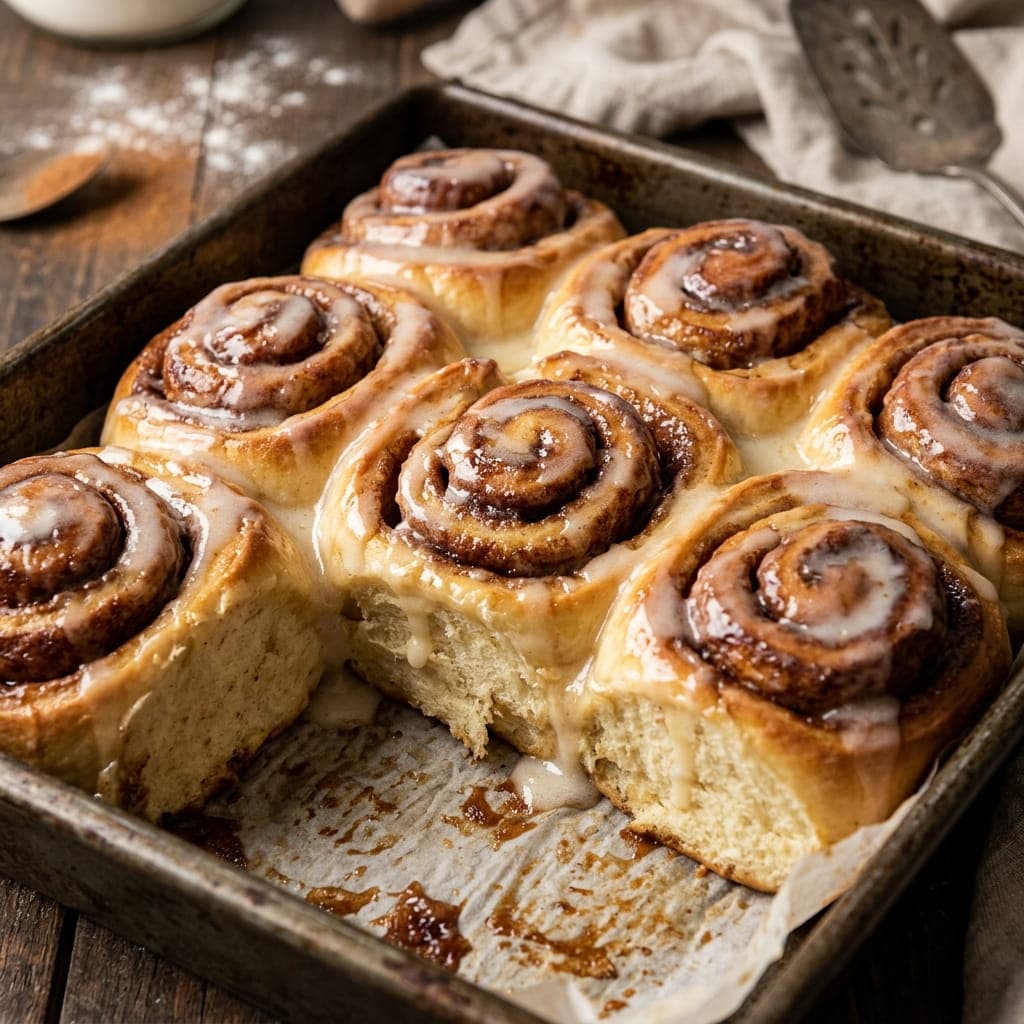
This spreads the softened butter all the way to the edges of the rolled out dough before adding the cinnamon sugar, since any bare spots are where the filling can't stick and will leak out as gaps once the rolls are sliced. Rolling the dough up tightly from the long side, rather than loosely, is what gives the finished rolls their tight, defined spiral instead of loose, uneven layers.
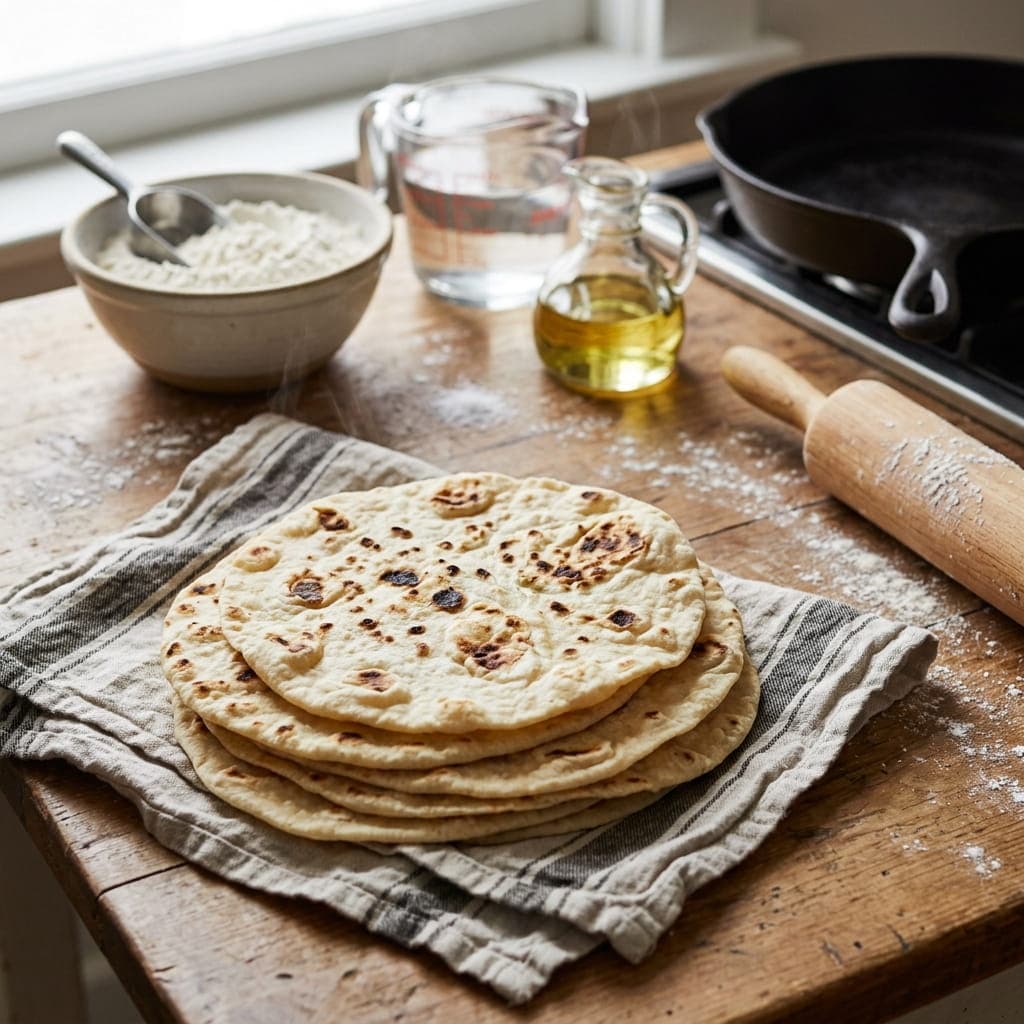
This lets the dough rest for a full 20 minutes before rolling, a step that relaxes the gluten enough to make the tortillas easy to stretch thin without snapping back into a smaller shape. Cooking them in a completely dry, hot skillet rather than one with oil is what gives these tortillas their characteristic light brown spots and soft, pliable texture.
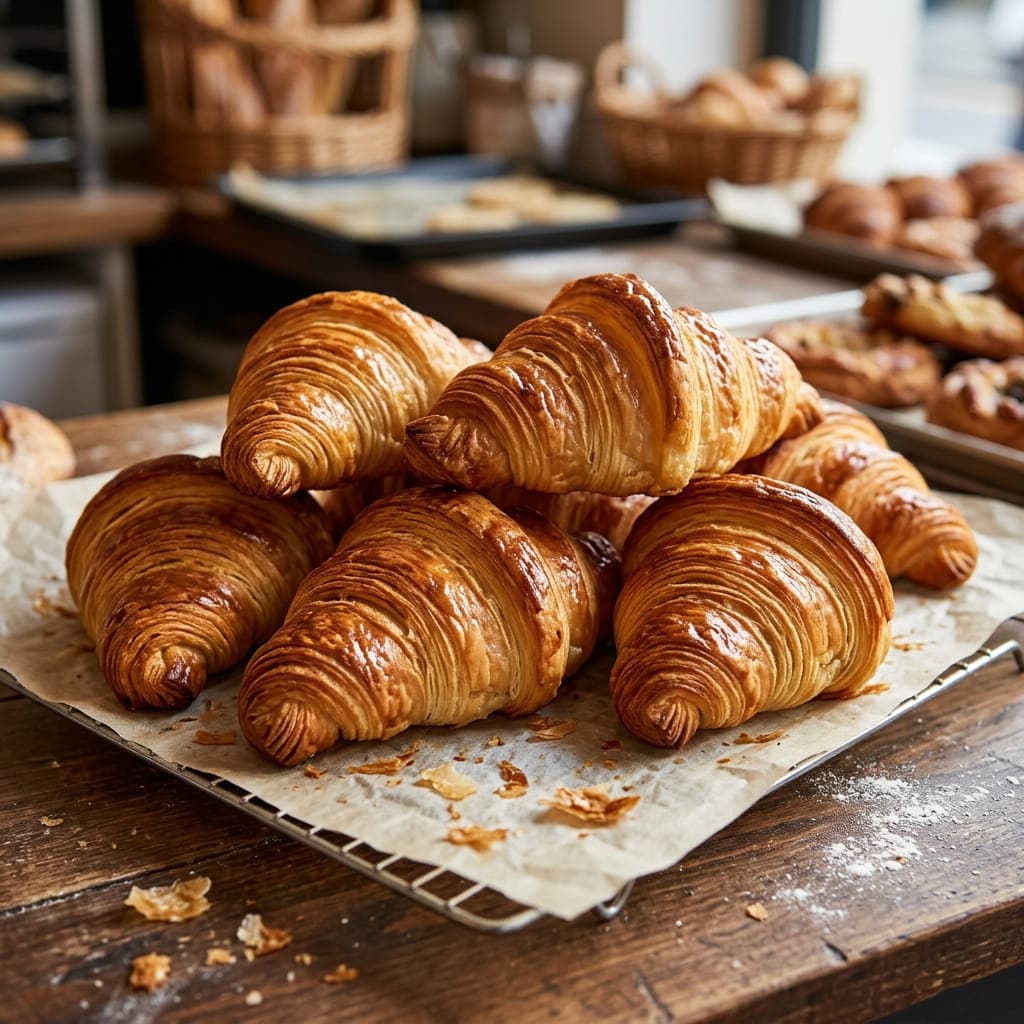
This relies on lamination, folding a solid block of cold butter into the dough and repeatedly rolling and folding it into thin layers, since it's those alternating layers of butter and dough that puff apart into hundreds of flaky sheets in the oven. Keeping everything cold throughout the process, chilling between every fold, is what prevents the butter from melting into the dough too early and turning the croissants dense instead of airy.
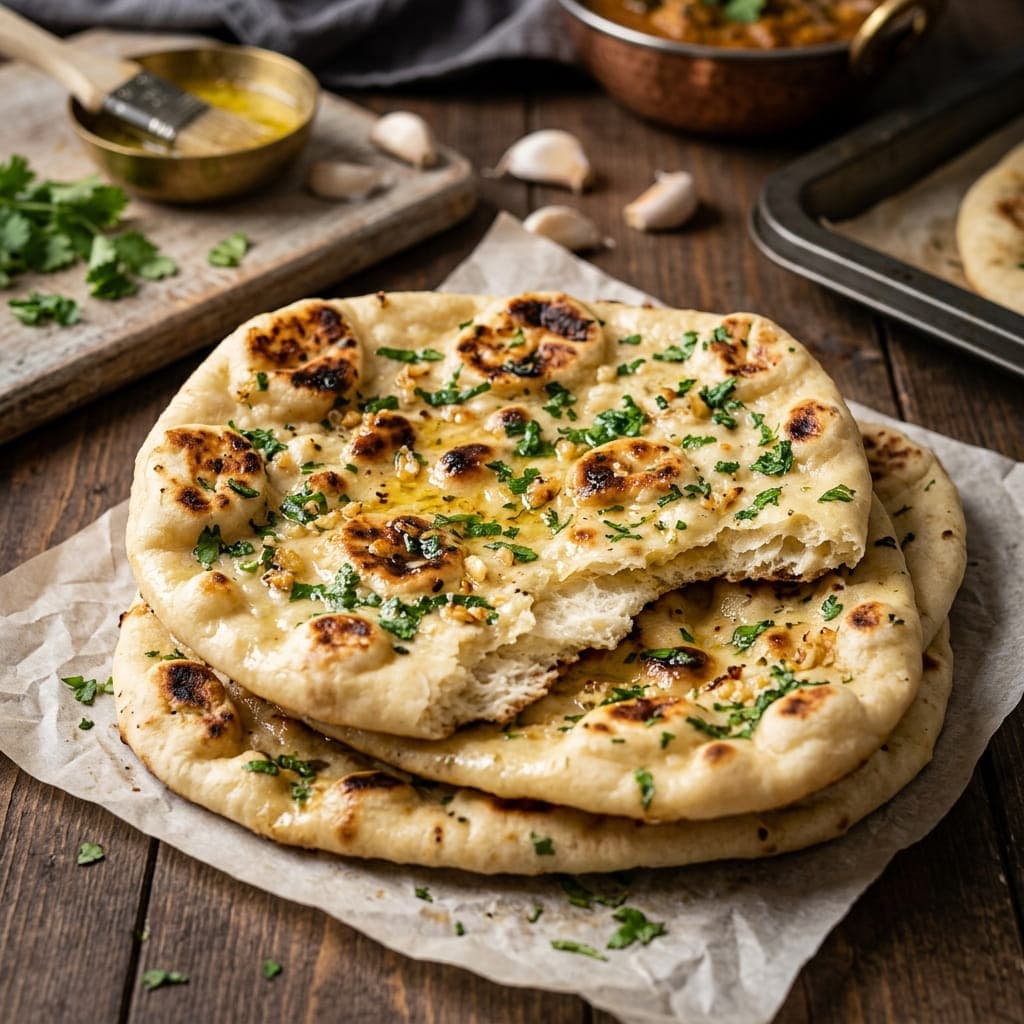
This builds the dough with yogurt instead of eggs, which is what gives naan its chewy texture and large, irregular air pockets rather than the tighter, cake like crumb that egg based versions produce. Cooking it in a screaming hot, dry skillet mimics the intense heat of a clay tandoor closely enough to get those same charred, bubbled spots without any special equipment.