Loading...
Loading...
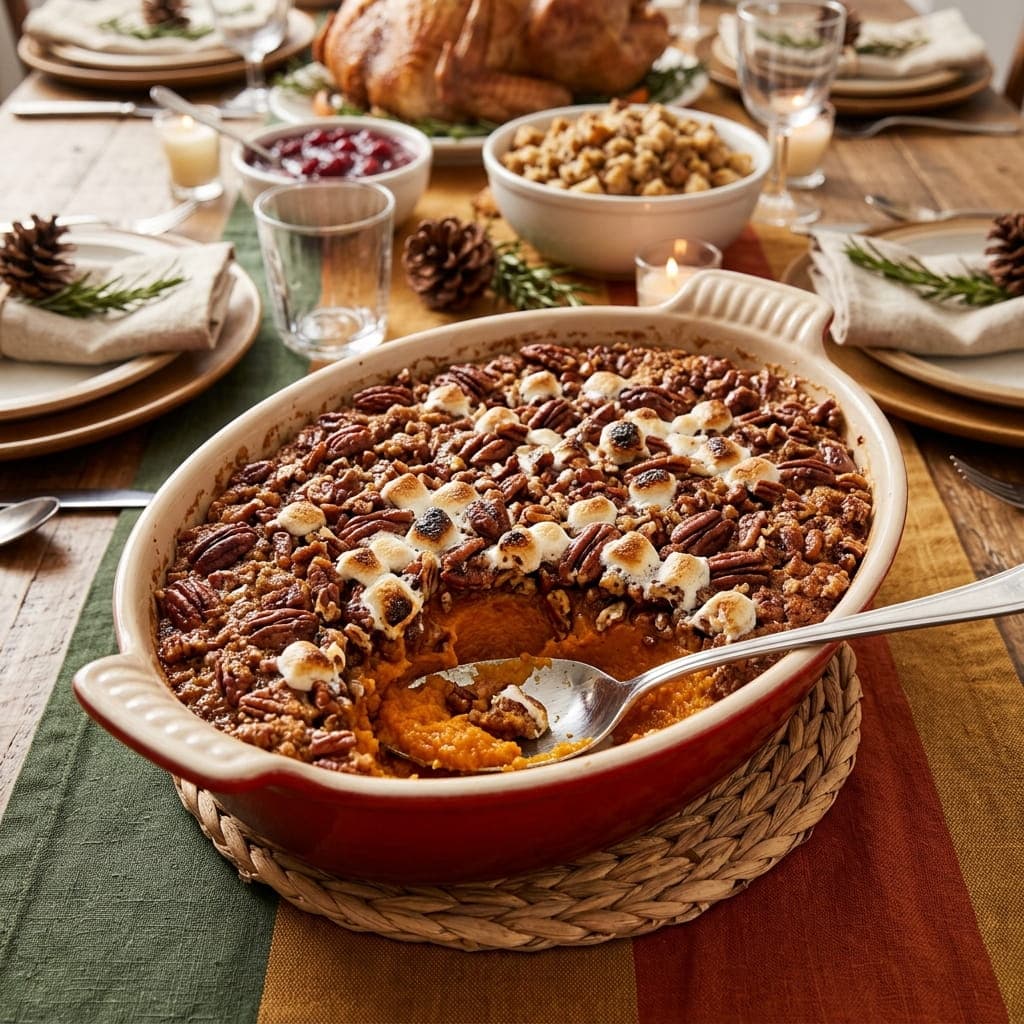
This boils and mashes the sweet potatoes rather than roasting them, since boiling keeps them moist enough to blend smoothly into a creamy base without needing excessive butter to compensate for dryness. A crunchy pecan streusel topping, rather than marshmallows, leans into the classic Southern approach that balances the sweet potato's natural sweetness with a buttery, nutty crunch.
Per serving
310kcal
Calories
4g
Protein
Prep Time
20 min
Cook Time
35 min
Servings
10 people
Difficulty
medium
42g
Carbs
15g
Fat
3g
Fiber
27g
Sugar
Follow step-by-step with voice guidance.
Preheat the oven to 175°C (350°F) and grease a baking dish.
Peel and cube the sweet potatoes, then boil in salted water for 15 to 18 minutes, until fork tender.
Drain well and mash the sweet potatoes until smooth.
Stir in the melted butter, brown sugar, eggs, milk, vanilla extract, and cinnamon until well combined.
Spread the sweet potato mixture evenly into the prepared baking dish.
For the topping, combine the flour, brown sugar, and chopped pecans in a bowl, then work in the cold cubed butter with your fingertips until crumbly.
Sprinkle the pecan streusel evenly over the sweet potato mixture.
Bake for 30 to 35 minutes, until the topping is golden and the filling is set.
Let cool for 10 minutes before serving.
Boil the Sweet Potatoes Rather Than Roasting: This keeps them moist enough to blend into a smooth, creamy base without needing excessive butter to compensate for dryness. Keep the Streusel Butter Cold: Cold butter rubbed into the topping mixture is what gives it a crumbly texture that bakes up crisp rather than melting into a flat, greasy layer. Mash the Sweet Potatoes Thoroughly: Any remaining lumps will be noticeable in the finished casserole, so mash well before adding the other filling ingredients.
This leans into a classic Southern preparation that balances the sweet potato's natural sweetness with a buttery, crunchy topping, rather than the marshmallow topped version that's also popular in other regions.
0 reviews • 0.0 / 5 Average Rating
No reviews yet. Be the first to review this recipe!
More Like This
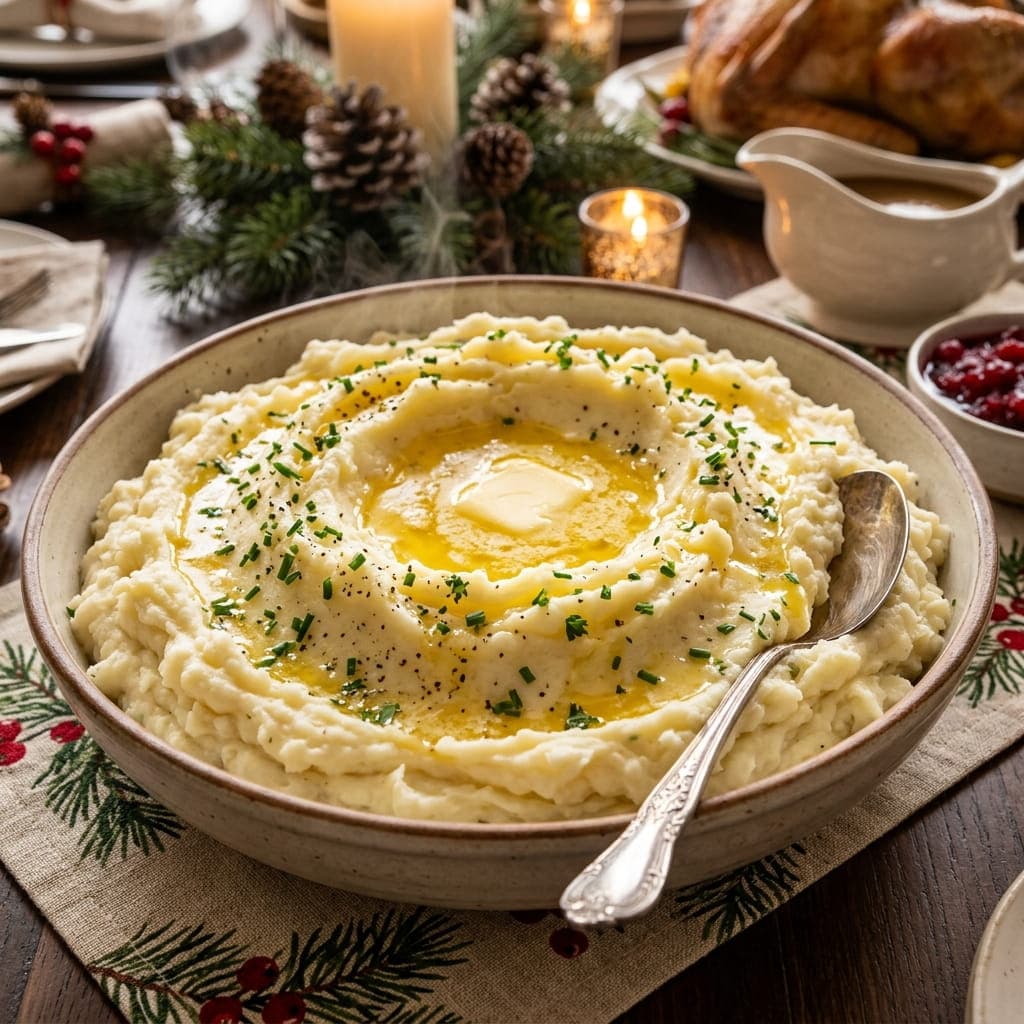
This starts the potatoes in cold water rather than dropping them into water that's already boiling, since heating them gradually together is what cooks the potatoes evenly through to the center instead of leaving the outside mushy while the middle stays firm. Warming the milk and butter before adding them to the mashed potatoes keeps the whole mixture from cooling down and turning gluey.
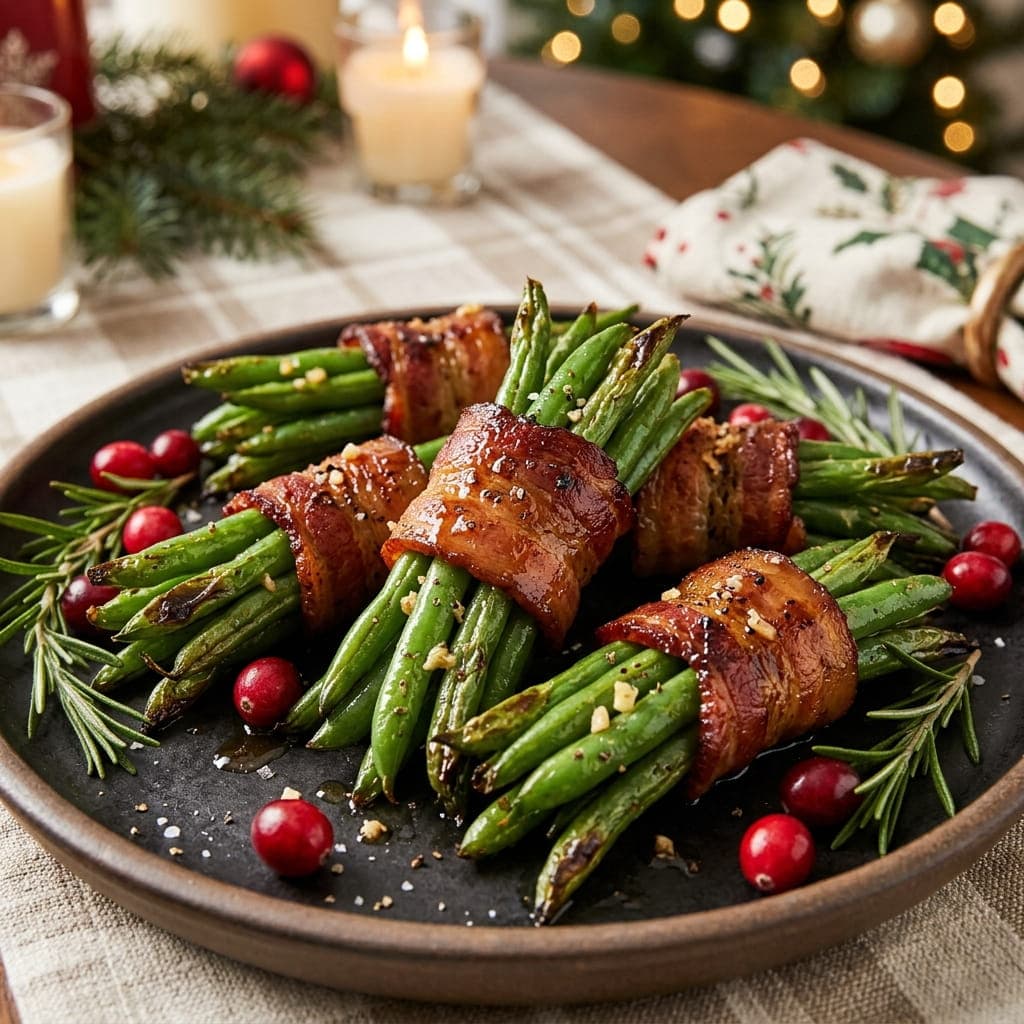
This blanches the green beans briefly in boiling water before wrapping them in bacon, which partially cooks them so they finish tender in the oven at the same rate the bacon needs to crisp, rather than the beans staying raw and crunchy while the bacon burns. Securing each bundle with a toothpick keeps the bacon wrapped tightly around the beans as it renders and shrinks during baking.
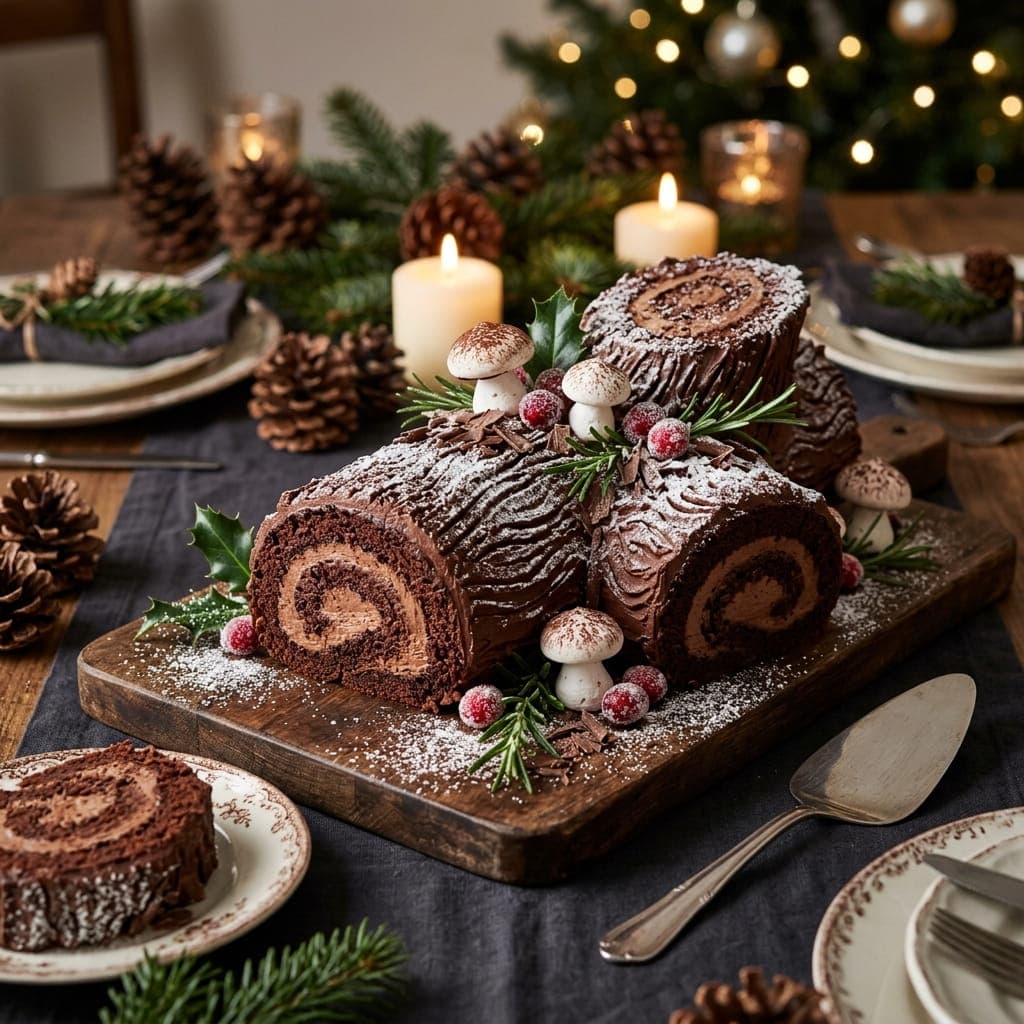
This rolls the warm sponge cake up in a towel immediately after baking, before it has a chance to cool and firm up, which trains it into a curved shape so it can be unrolled, filled, and re-rolled later without cracking. Dragging a fork through the chocolate ganache once it's spread over the outside is the classic technique that creates the log's signature bark-like texture.
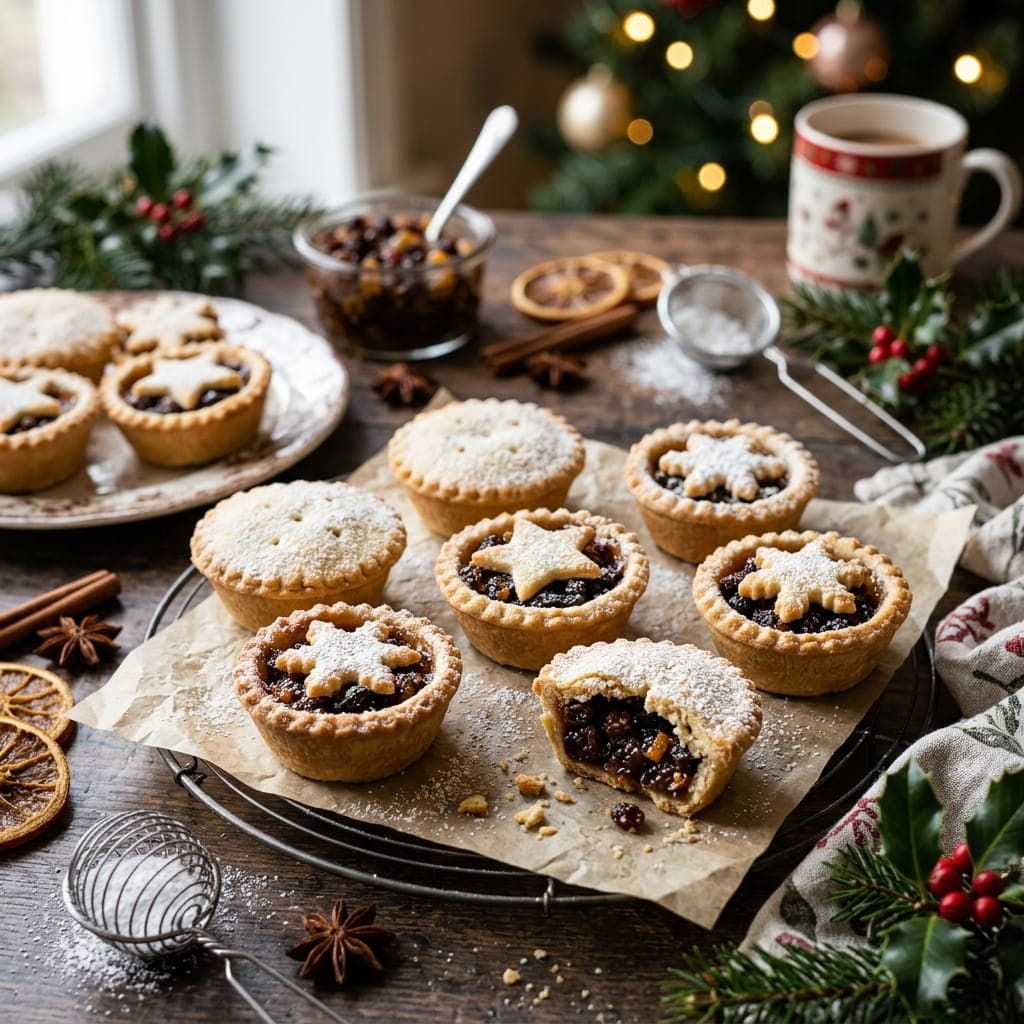
This uses a jarred or homemade fruit mincemeat, the traditional spiced mixture of dried fruit, suet or butter, and warming spices, rather than actual minced meat, since modern British mince pies moved away from savory meat centuries ago while keeping the name. Chilling the pastry thoroughly before baking is what keeps these small pies crisp and short, rather than tough from overworked, warm dough.