Loading...
Loading...
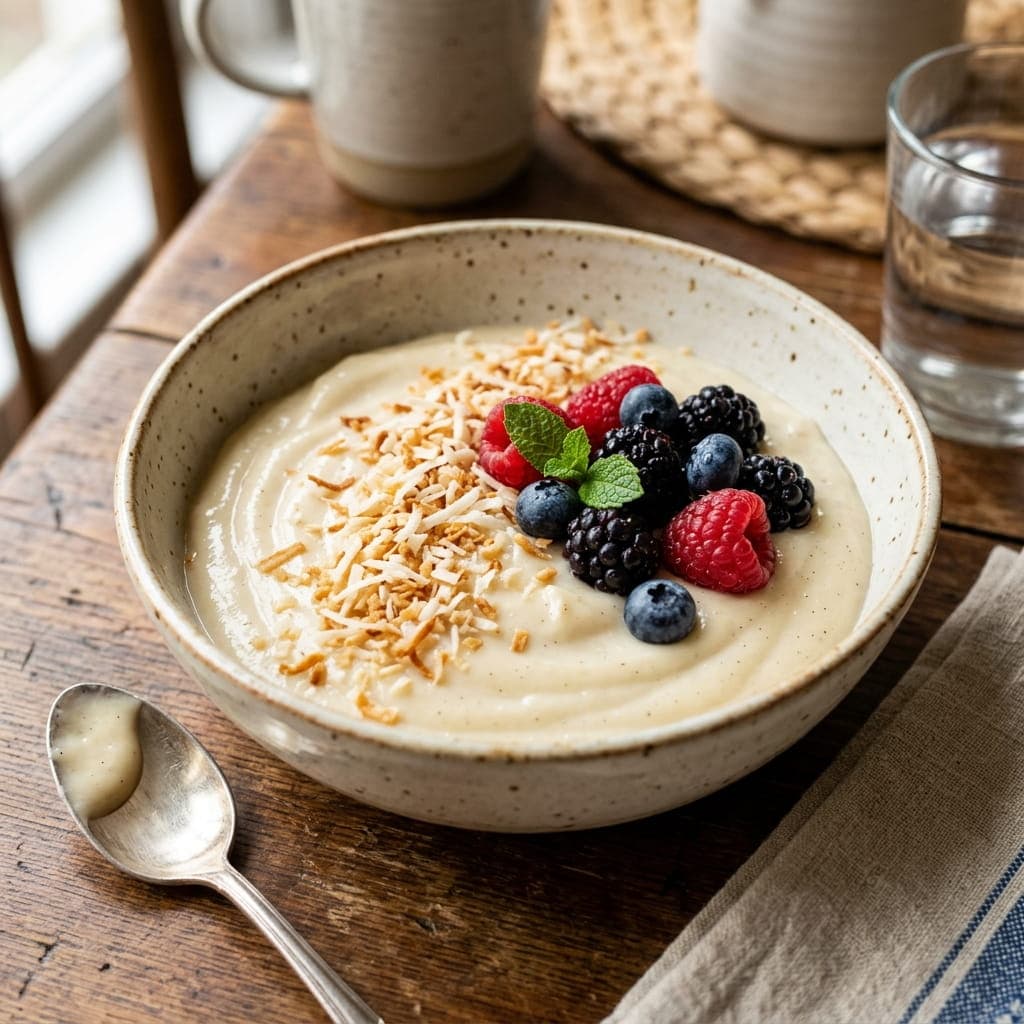
Cornstarch does the thickening job here that eggs would normally handle in a traditional custard, whisked into coconut milk and cooked gently until it transforms from a thin liquid into a spoonable pudding. No dairy, no eggs, and no special equipment beyond a saucepan and a whisk - just patience while it thickens on the stove.
Per serving
220kcal
Calories
2g
Protein
24g
Carbs
14g
Fat
Prep Time
10 min
Cook Time
10 min
Servings
4 people
Difficulty
easy
1g
Fiber
18g
Sugar
Follow step-by-step with voice guidance.
In a saucepan, whisk together the cornstarch and sugar.
Gradually whisk in the coconut milk and plant milk until smooth, with no lumps of cornstarch remaining.
Cook over medium heat, whisking constantly, for 8-10 minutes, until the mixture thickens to a pudding-like consistency and starts to bubble gently.
Remove from the heat and stir in the vanilla extract and a pinch of salt.
Divide the pudding evenly among serving bowls or glasses.
Press plastic wrap directly onto the surface of each pudding to prevent a skin from forming, and refrigerate for at least 2 hours, until fully set and chilled.
Before serving, top with toasted coconut flakes or fresh fruit if desired.
Whisk Constantly While Cooking: Cornstarch-based puddings can develop lumps or scorch on the bottom if left unstirred, so keep whisking continuously throughout the cooking process. Press Plastic Wrap Directly on the Surface: This prevents a rubbery skin from forming on top as the pudding chills, keeping the texture smooth throughout. Don't Rush the Cooking Time: The pudding needs to reach a proper simmer and thicken fully on the stove - removing it too early results in a pudding that won't set firm enough once chilled.
This usually means the cornstarch wasn't fully whisked into the liquid before heating, or the mixture wasn't stirred continuously while cooking - always whisk out any lumps first and keep stirring throughout.
0 reviews • 0.0 / 5 Average Rating
No reviews yet. Be the first to review this recipe!
More Like This
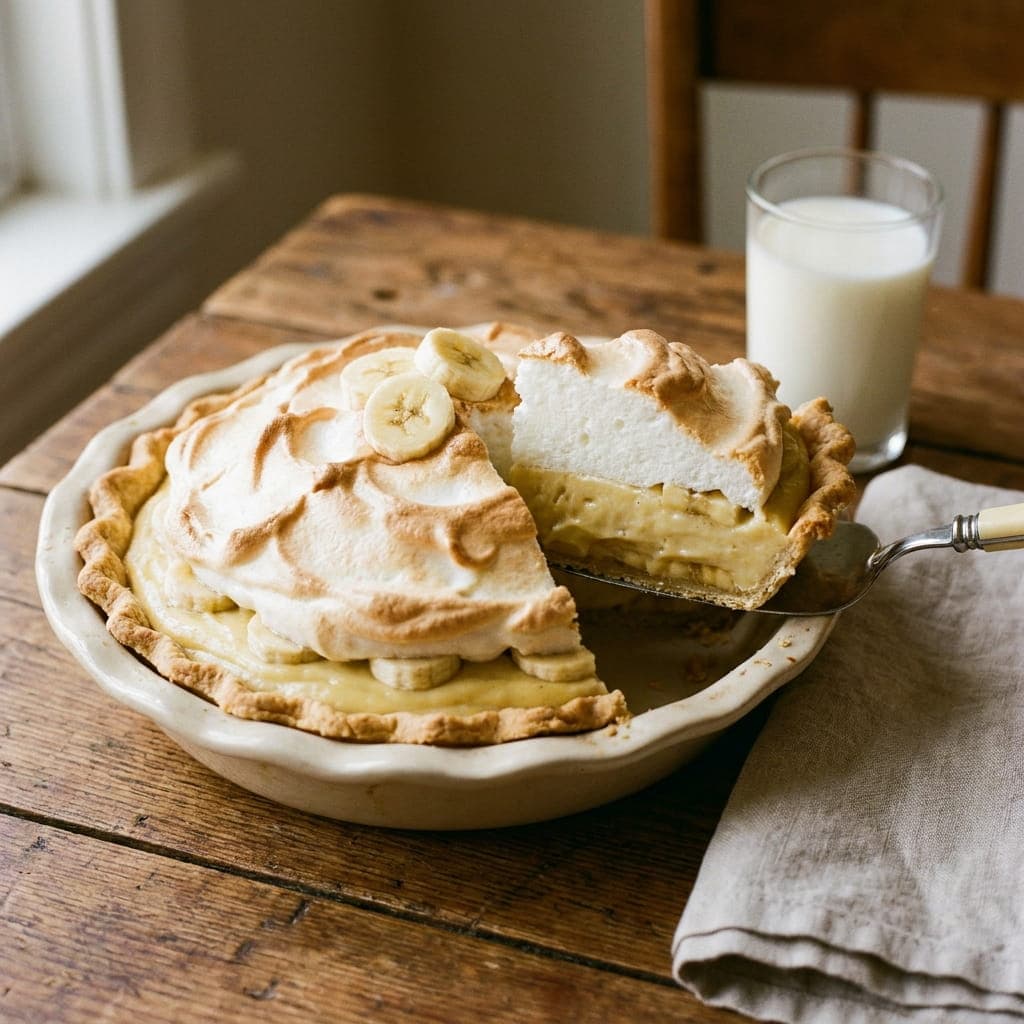
Whisking the hot milk into the egg yolks gradually (rather than dumping it in) is what tempers them properly, preventing the custard from turning into sweet scrambled eggs the moment it hits the heat. Sliced fresh banana folded directly into the cooled pastry cream, rather than just layered on top, means every bite gets banana flavor instead of finding it only in certain spots.
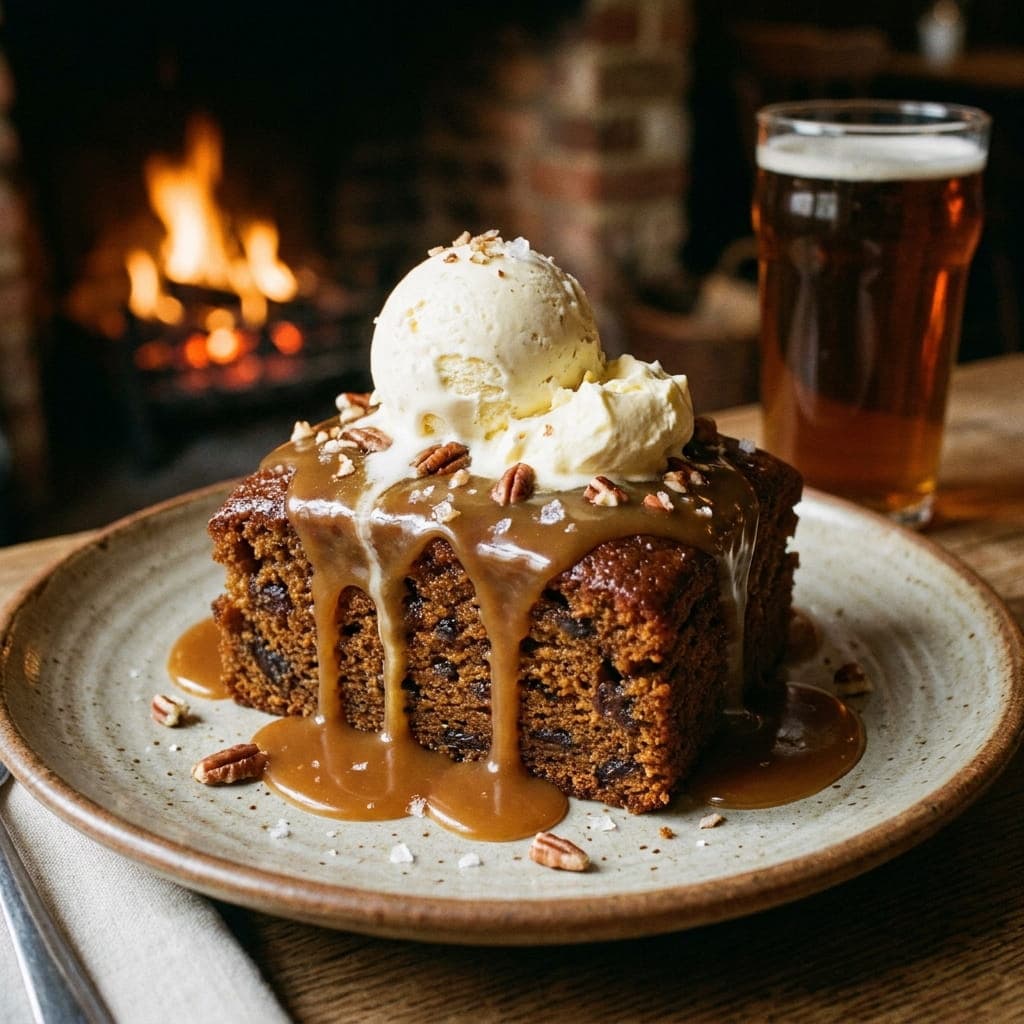
Soaking chopped dates in hot water and baking soda before blending them into the batter is what breaks them down into a paste that melts throughout the sponge, keeping it deeply moist without any visible date chunks. Poured warm toffee sauce over the finished cake right before serving soaks in just enough to make this one of Britain's most requested puddings.
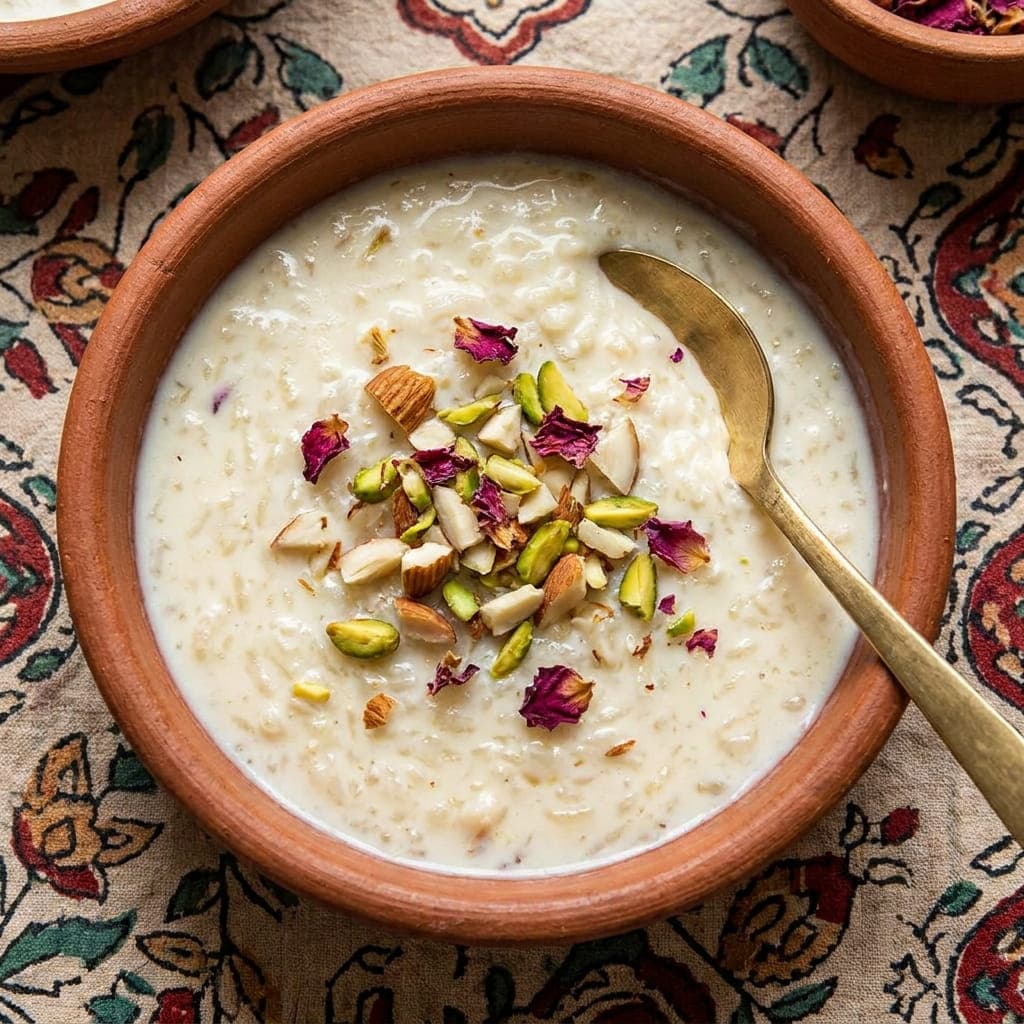
Soaking the rice first, then breaking it down slightly as it simmers, is what gives kheer its characteristically thick, slightly grainy body rather than the smoothness of a custard-based pudding. Slow-simmered in full-fat milk until it reduces by nearly half, this is the dessert served at nearly every Pakistani wedding and Eid gathering, finished with a scatter of nuts and a whisper of cardamom.
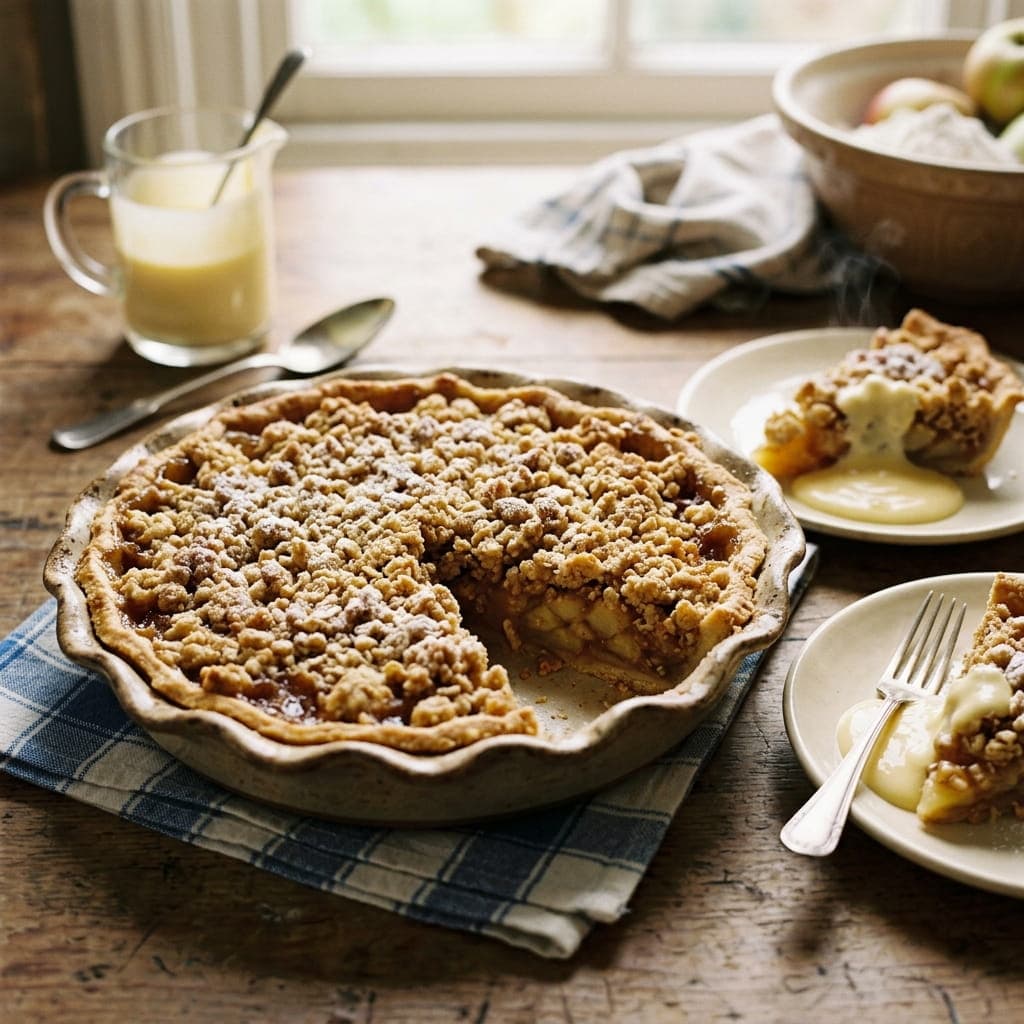
Tossing the sliced apples with flour before they go into the tart shell is what thickens their released juices as they bake, keeping the filling from turning into a watery pool once sliced. This combines a proper pastry base with the buttery oat crumble topping British apple crumble is known for, giving you both textures in one dessert.