Loading...
Beef And Steak Recipes
Showing 1-10 of 10 delicious beef and steak recipes
Beef And Steak
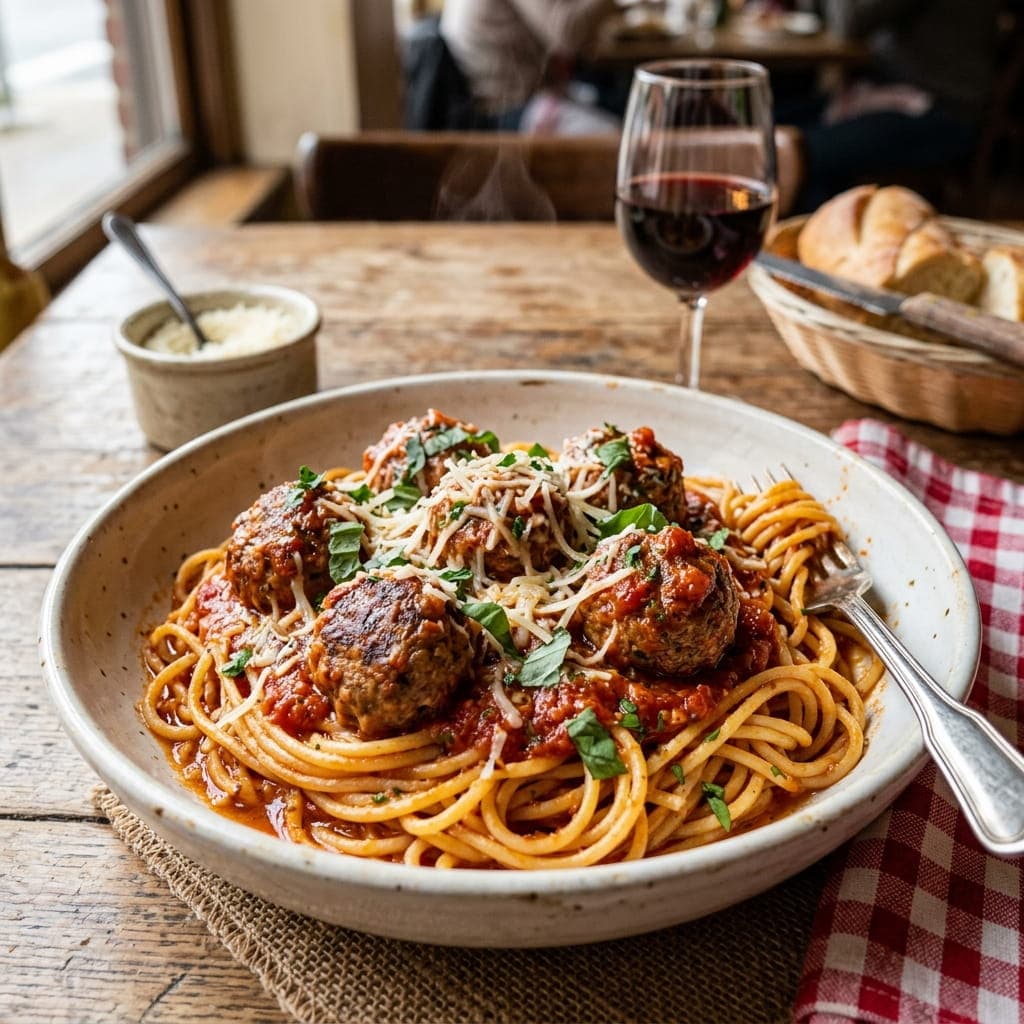
Italian Classic Spaghetti Beef Meatballs
Soaking breadcrumbs in milk before mixing them into the meatballs (a panade) is what keeps them tender rather than dense - the moisture gets trapped inside the meat as it cooks instead of evaporating out. Simmering the browned meatballs directly in the marinara sauce for the last stretch of cooking lets them finish gently while the sauce picks up their flavor.
55m4
Beef And Steak
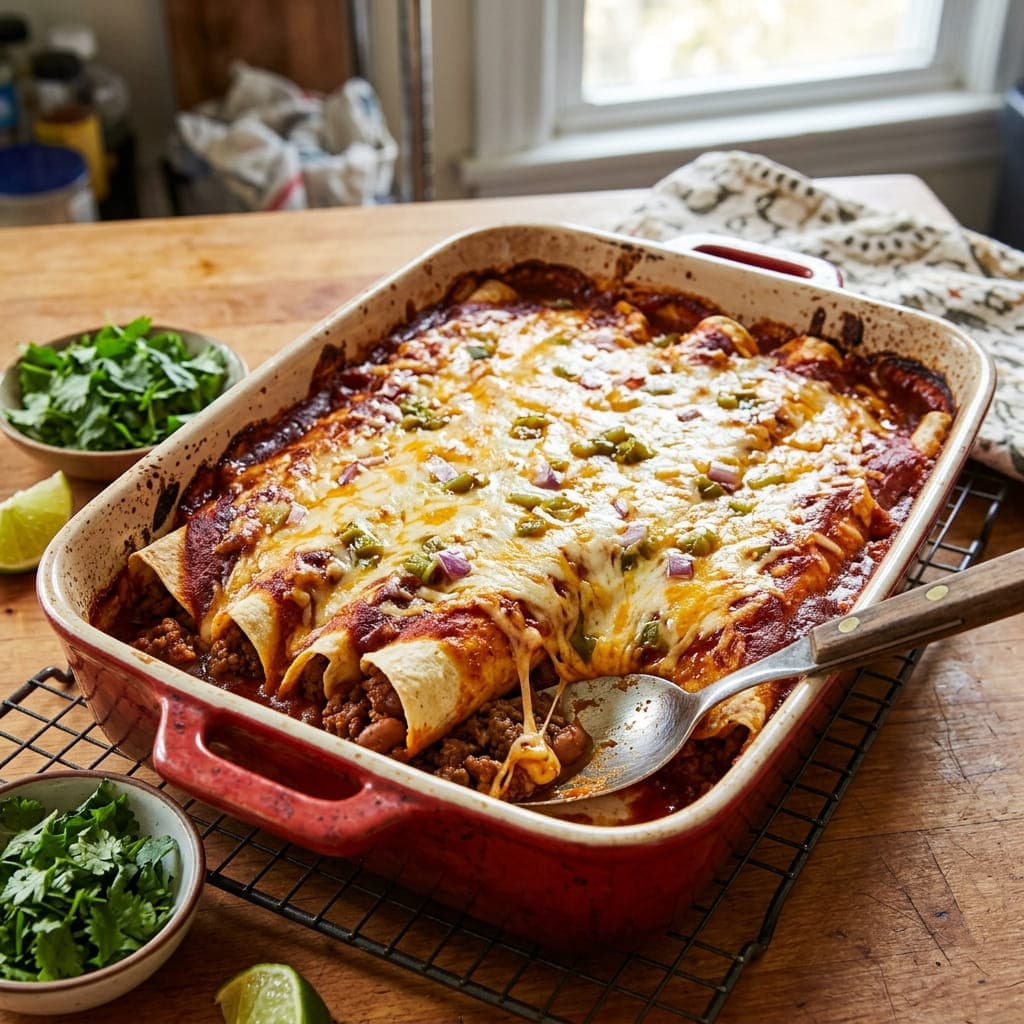
Easy Mexican Beef Enchiladas Bake
Warming the tortillas before rolling them is the step most people skip, and it's exactly why enchiladas often crack apart in the pan - cold tortillas straight from the fridge or bag are stiff and prone to tearing under filling. Rolled around a spiced beef filling and smothered in enchilada sauce and melted cheese, this bake delivers restaurant-style enchiladas without any individual frying.
50m4
Beef And Steak
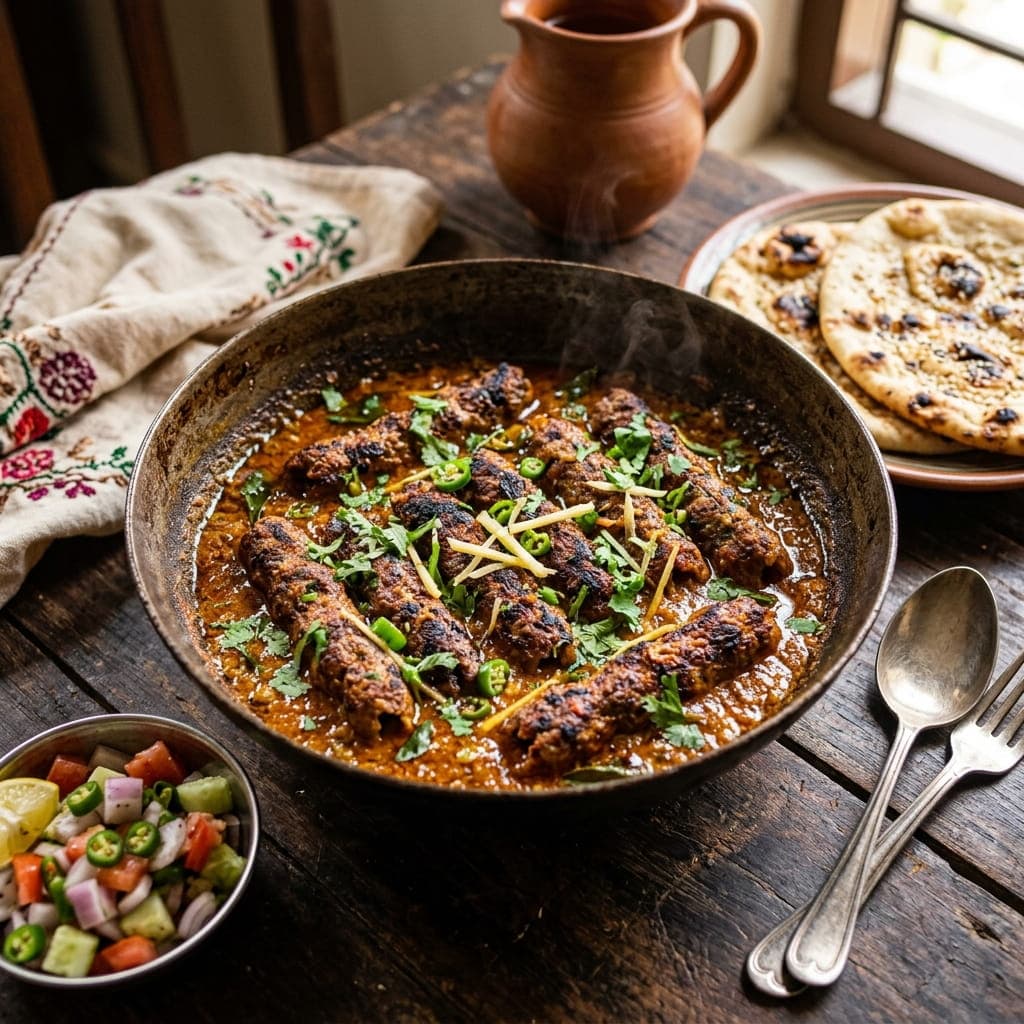
Pakistani Spicy Beef Seekh Kebab Gravy
This is what happens when leftover or freshly grilled seekh kebabs meet a karahi-style tomato-onion gravy - the already-cooked kebabs are added whole or sliced into the simmering masala near the end, just long enough to absorb the sauce without falling apart. A weeknight shortcut to restaurant-style kabab karahi, and a smart way to stretch a batch of kebabs into a full curry dinner.
65m4
Beef And Steak
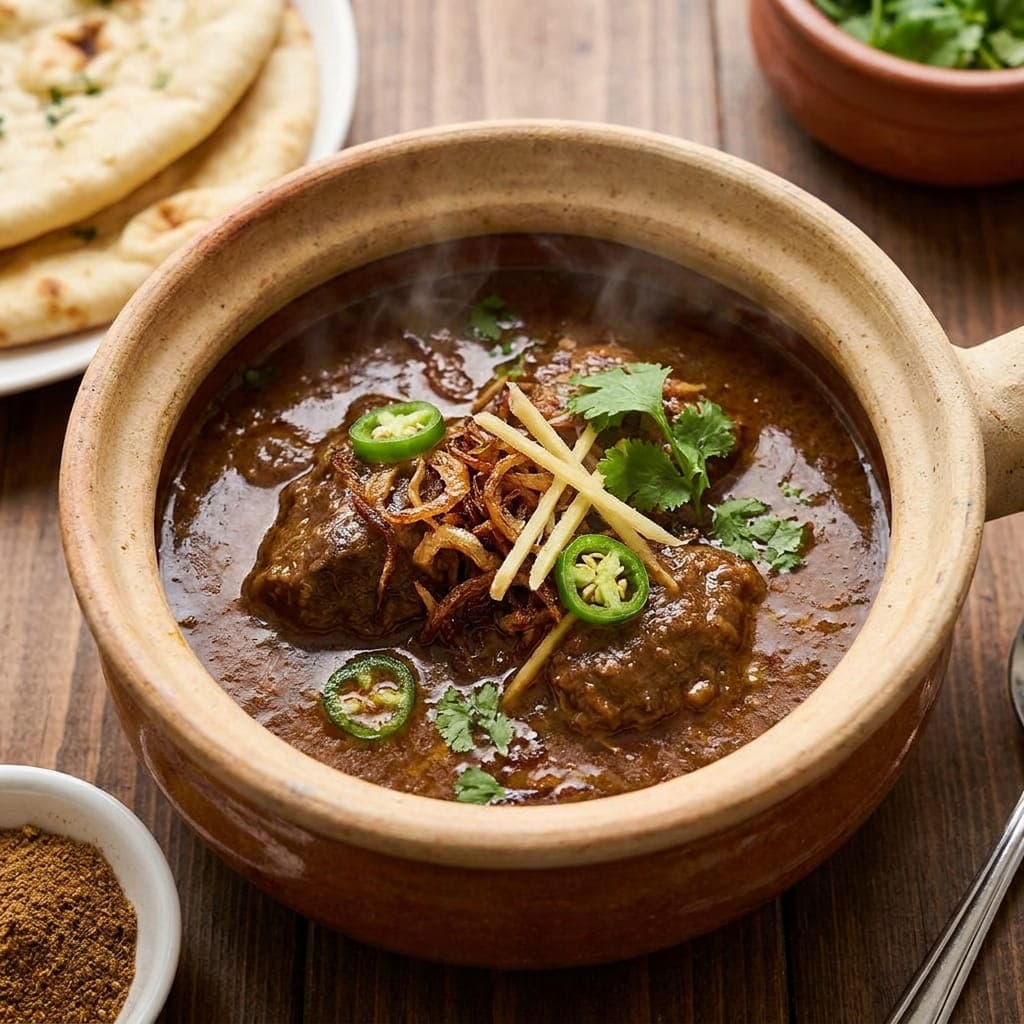
Authentic Lahori Beef Nihari
The word nihari comes from the Arabic 'nahar,' meaning morning - this was originally a Mughal-era dish, slow-cooked overnight by royal cooks and served at dawn. In Old Lahore, nihari shops still open before sunrise and sell out by mid-morning. The non-negotiable ingredient here is nalli, bone-in beef shank with the marrow intact, which slowly liquefies into the gravy over hours of cooking, giving nihari its signature silky, clinging texture that no amount of ghee alone could replicate.
370m6
Beef And Steak
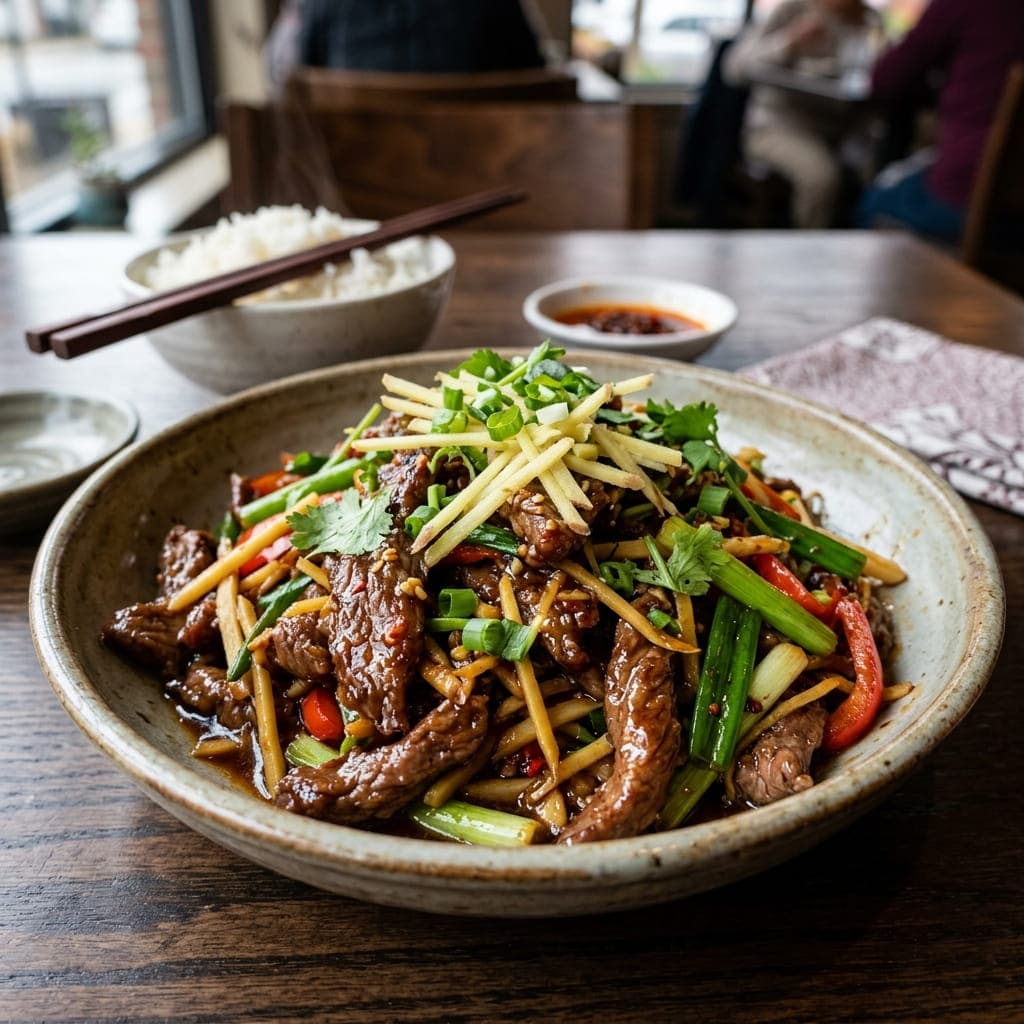
Stir-Fried Chinese Ginger Beef Strips
Velveting - a Chinese technique of coating thin-sliced beef in cornstarch and a splash of soy sauce before it hits the wok - creates a thin protective layer that seals in moisture during the intense heat of stir-frying, so the meat stays tender rather than turning tough and stringy. A generous amount of fresh ginger, sliced rather than minced, gives this dish its sharp, warming bite.
32m3
Beef And Steak
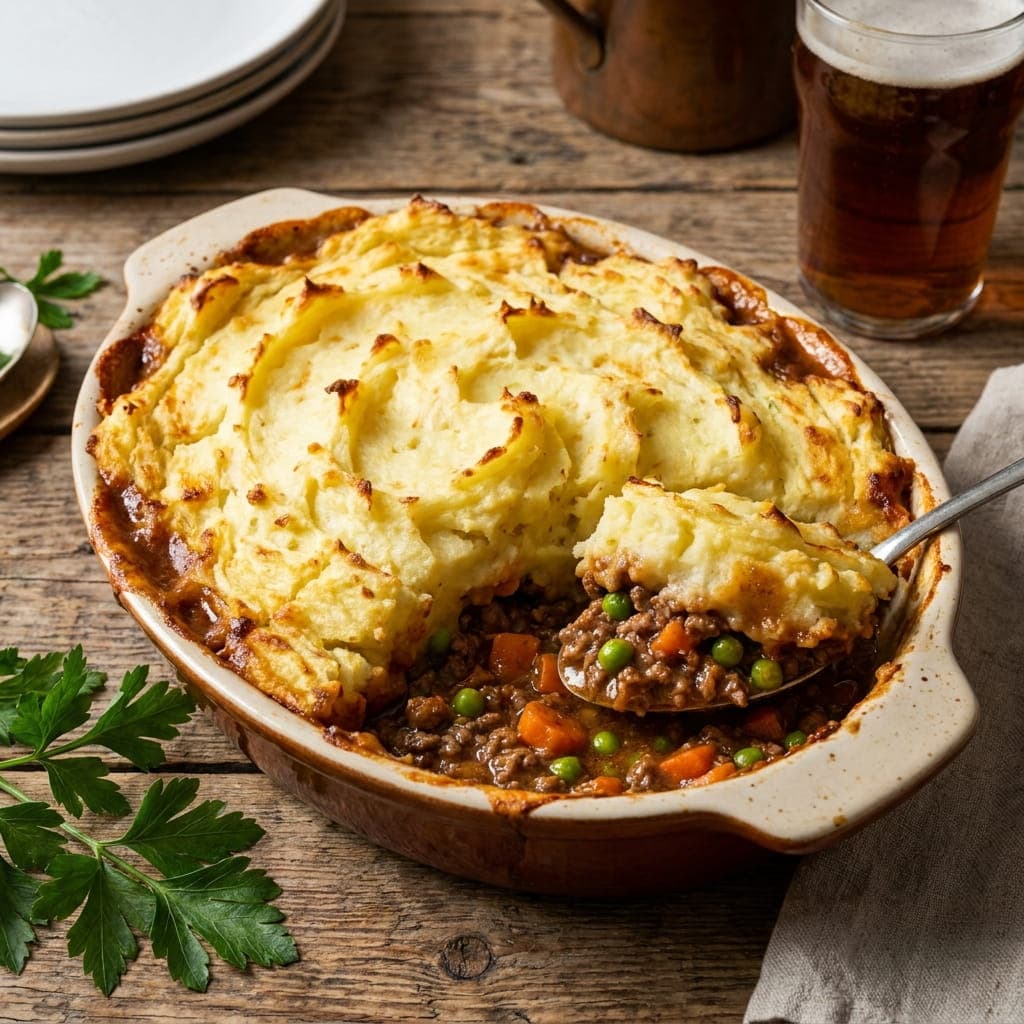
British Cottage Pie with Fluffy Mash
The distinction matters to the British - cottage pie uses beef, while its cousin shepherd's pie is made with lamb, both topped with mashed potato rather than pastry. A savory beef and vegetable filling simmered until rich and thick, then blanketed with fluffy mash and baked until the peaks turn golden, this is exactly the kind of dish built to use up leftover mince and stretch a family dinner.
75m6
Beef And Steak
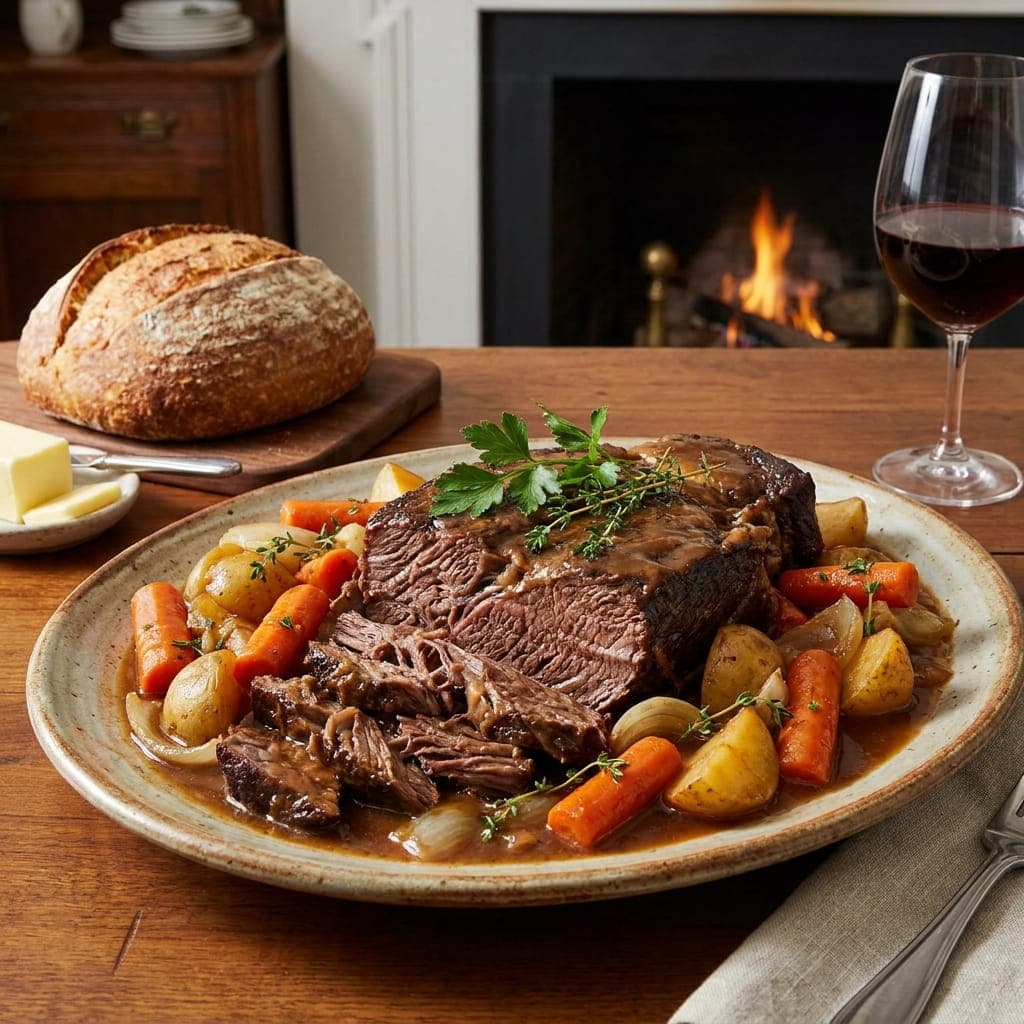
Classic American Beef Pot Roast with Carrots
Chuck roast is a tough cut loaded with connective tissue, which is exactly why it's the right choice here - hours of slow, moist cooking break that tissue down into gelatin, turning what would be a chewy cut on the grill into something that falls apart with a fork. Carrots and potatoes added partway through soak up the beefy, herb-scented braising liquid right alongside it.
260m6
Beef And Steak
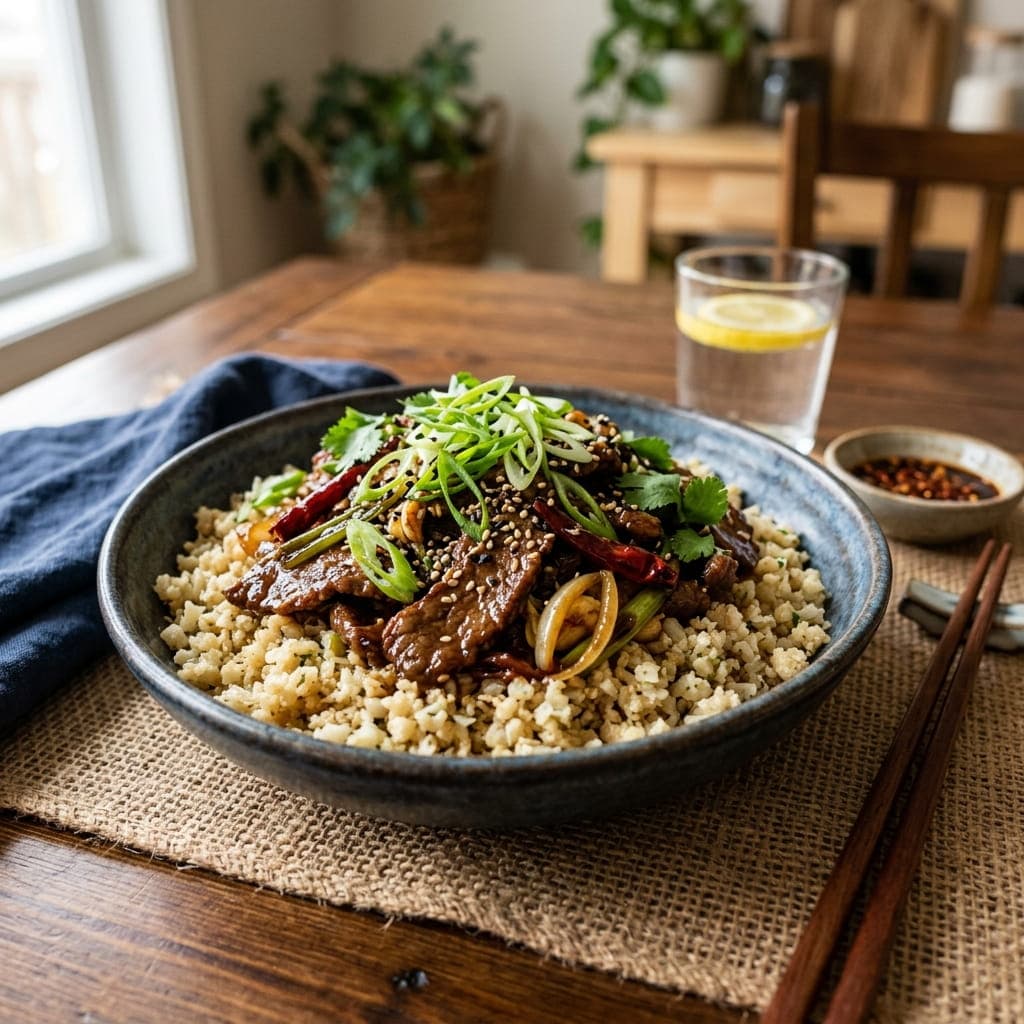
Healthy Mongolian Beef Cauliflower Rice
Restaurant Mongolian beef gets much of its sweetness from a generous amount of brown sugar, which this version swaps for a low-carb sweetener while keeping the same glossy, dark sauce built on soy sauce and hoisin. Cauliflower rice underneath soaks up the sauce the same way steamed rice would, without the carbs that usually come with a plate of this dish.
30m3
Beef And Steak
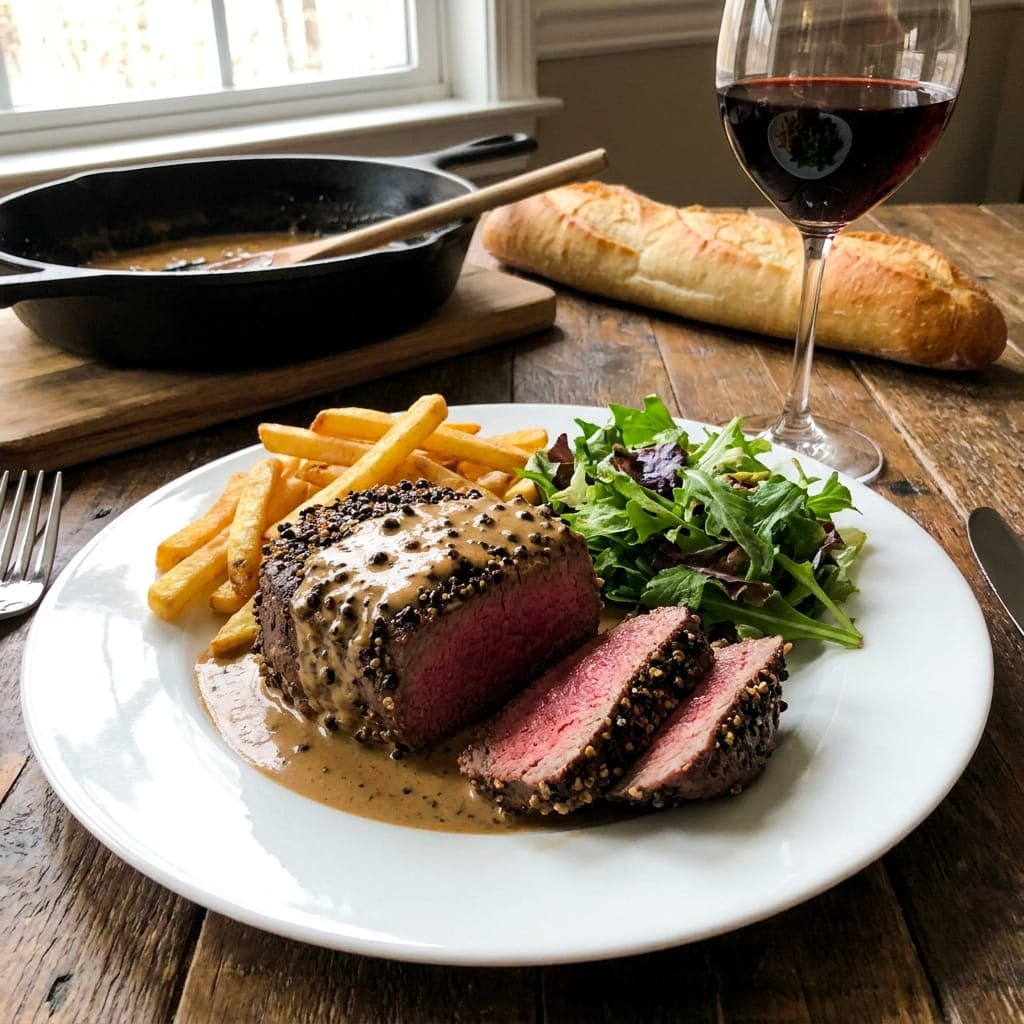
French Peppercorn Steak (Steak au Poivre)
Crushing whole peppercorns coarsely, rather than using pre-ground pepper, is what gives steak au poivre its signature crust - large, cracked pieces press into the meat and hold their bite through cooking rather than dissolving into dust. The classic finishing move is deglazing the same pan with brandy and cream, turning the fond left behind by the sear into a glossy pan sauce in under five minutes.
25m2
Beef And Steak
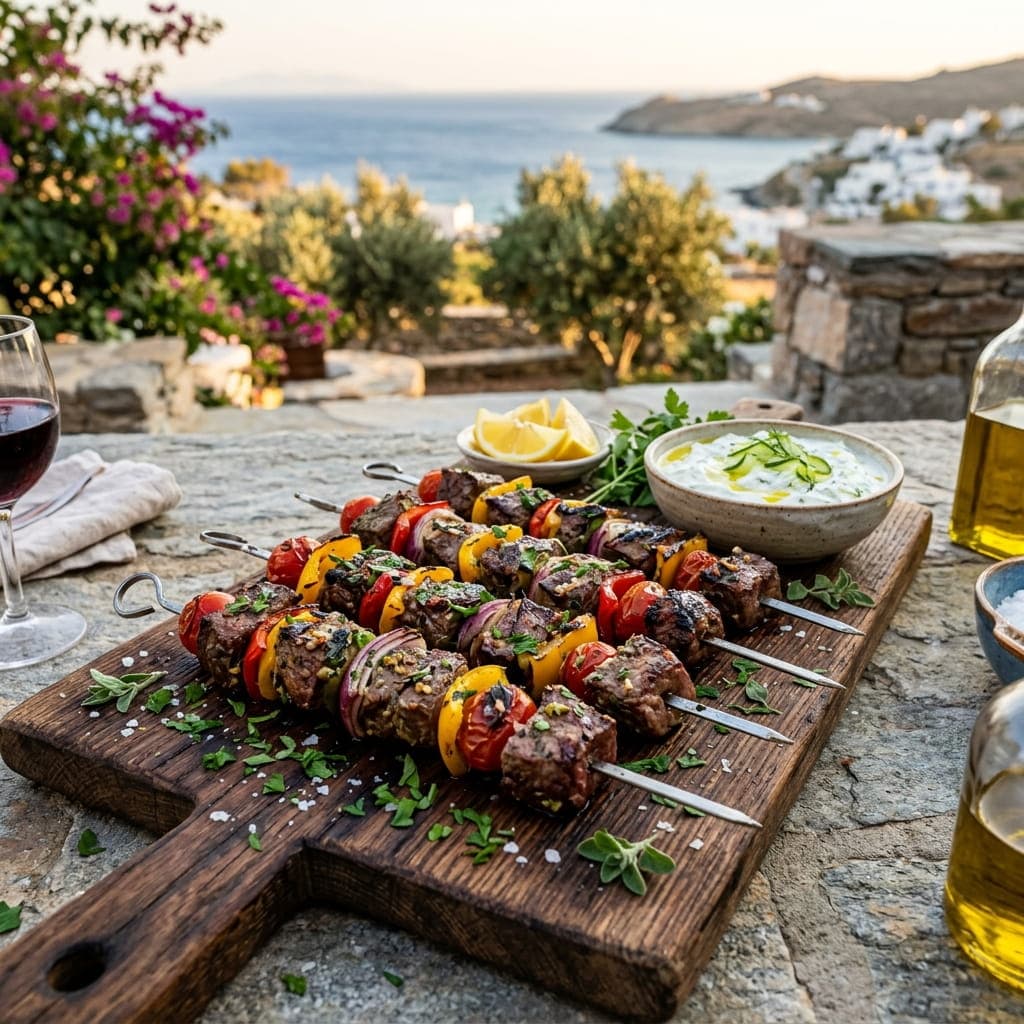
Mediterranean Garlic Herb Grilled Beef Skewers
Cutting the beef into evenly sized cubes and threading them with a little space between each piece is what lets a hot grill sear every side properly - crowding pieces together on the skewer causes them to steam rather than char. A simple olive oil, lemon, and oregano marinade does the rest, letting the beef's own flavor lead rather than masking it.
50m4