Loading...
Cakes And Muffins Recipes
Showing 1-10 of 10 delicious cakes and muffins recipes
Cakes And Muffins
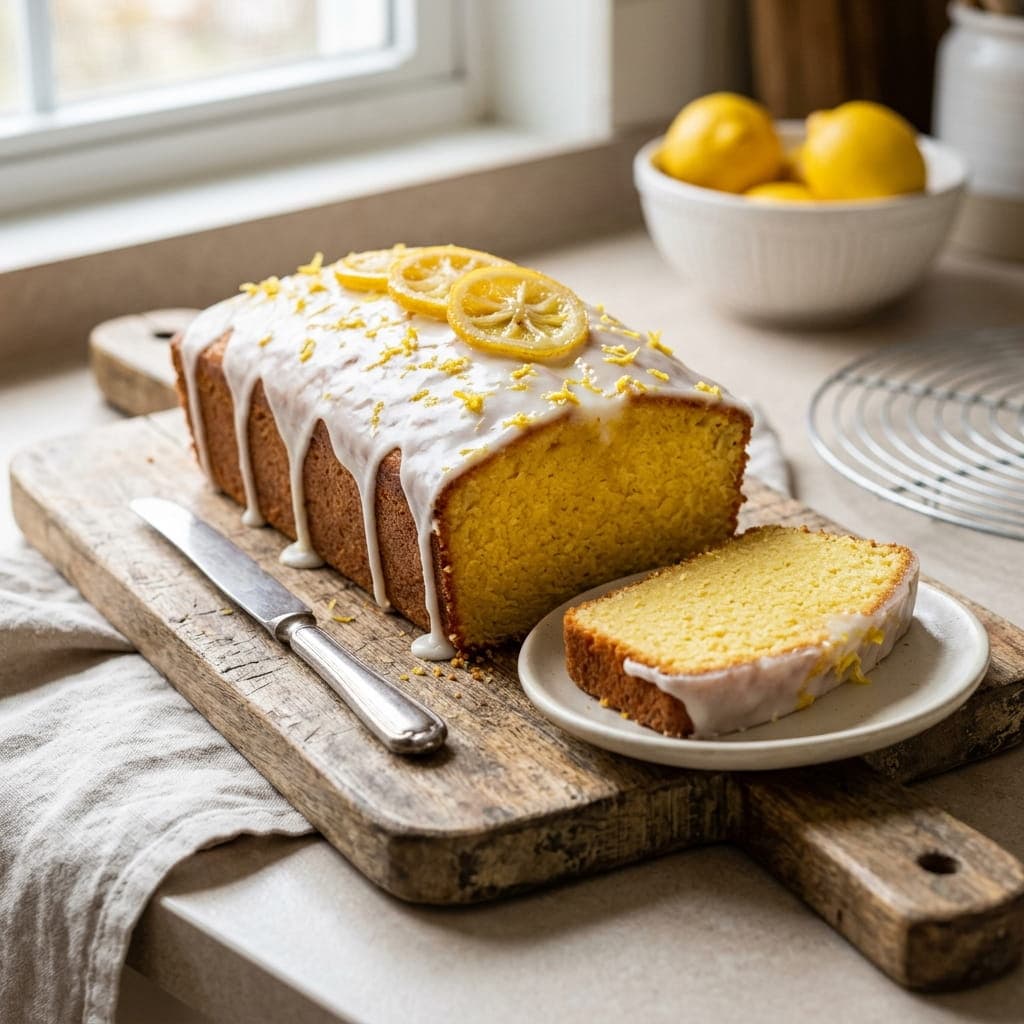
French Lemon Loaf Cake with Glaze
Rubbing lemon zest directly into the sugar before creaming it with butter releases far more of the citrus oils than simply stirring the zest in later would - a small step that makes the whole loaf taste more intensely of lemon rather than just looking speckled with it. Soaked with a lemon syrup right out of the oven, then finished with a tangy glaze once cooled, this is a bakery-style loaf with citrus flavor built into every layer.
75m10
Cakes And Muffins
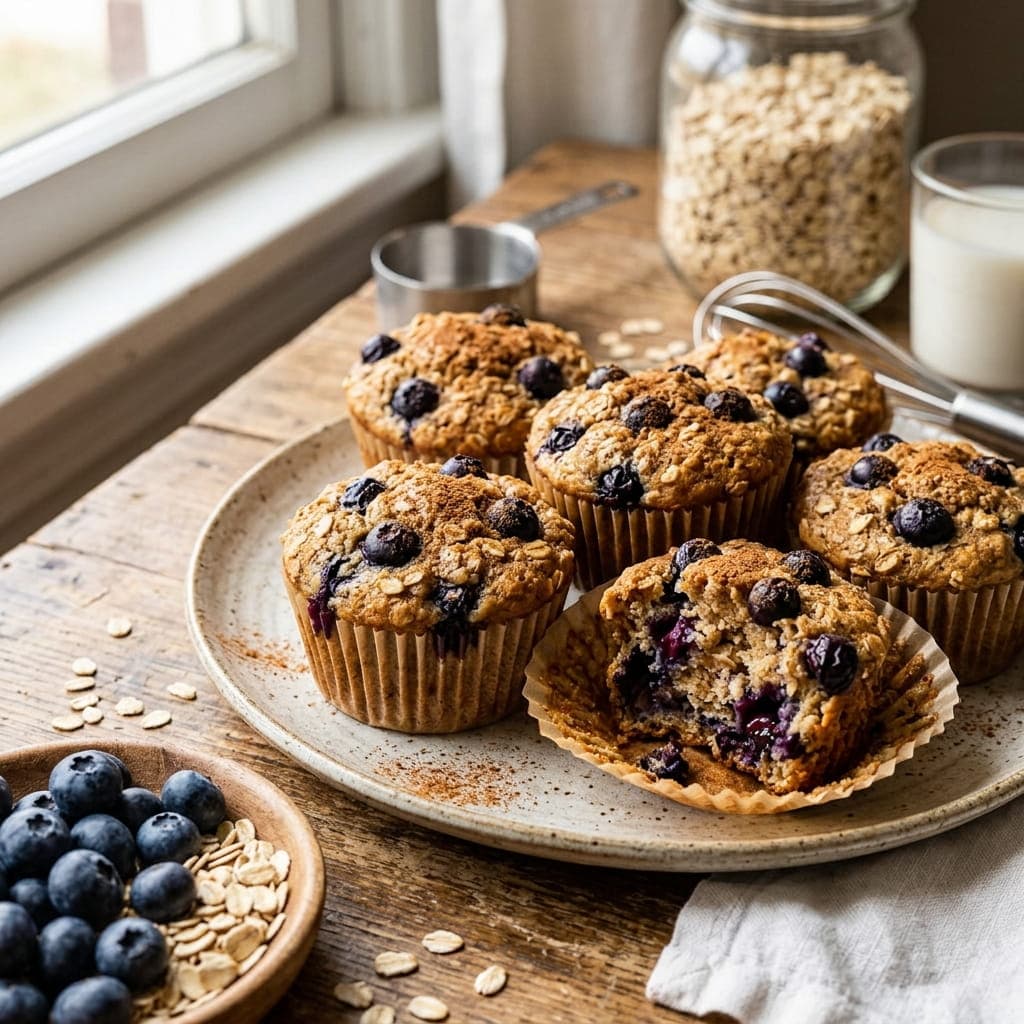
Healthy Sugar-Free Blueberry Oatmeal Muffins
Mashed banana and applesauce carry the sweetness here instead of any added sugar, which is what keeps these muffins from tasting flat or one-dimensional the way many sugar-free bakes can. Tossing the blueberries in a spoonful of oat flour before folding them into the batter keeps them suspended evenly through each muffin instead of all sinking to the bottom.
35m12
Cakes And Muffins
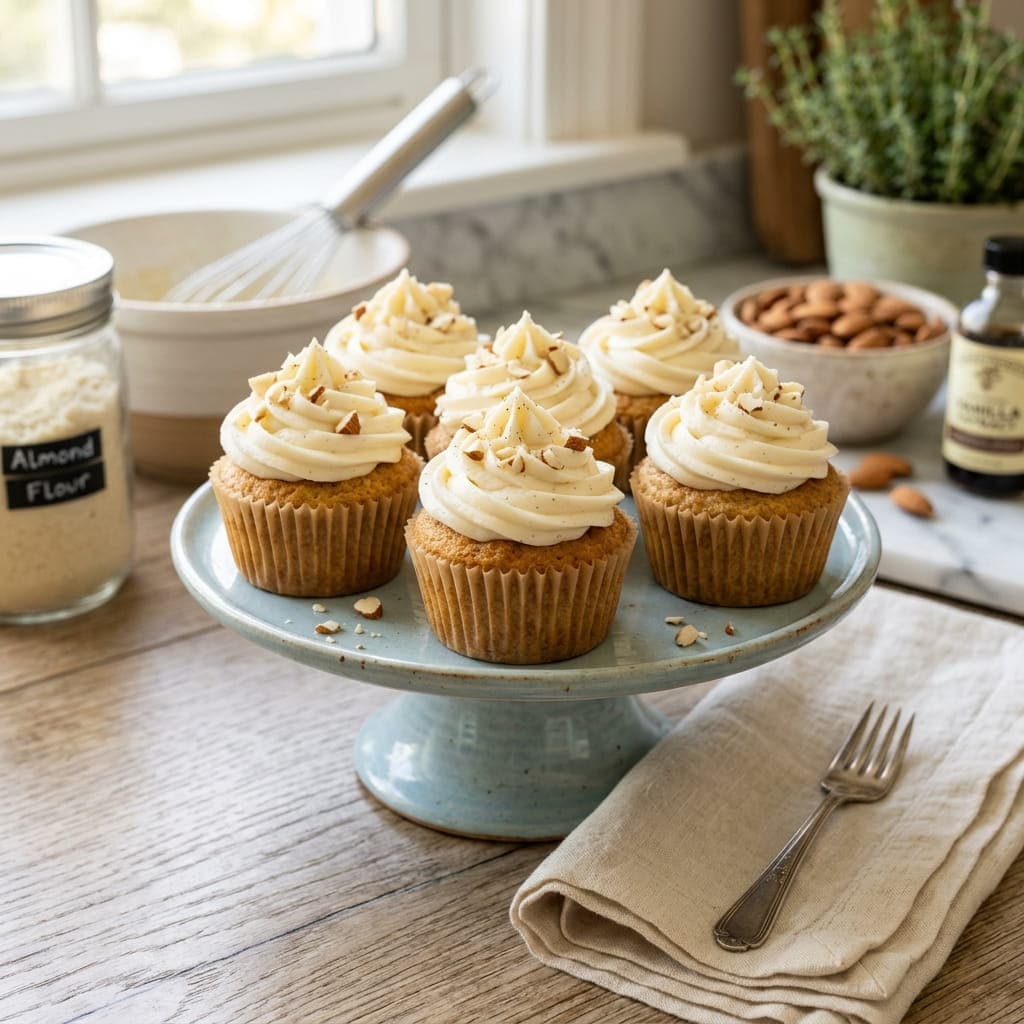
Keto Almond Flour Vanilla Cupcakes
Almond flour behaves nothing like wheat flour in a cupcake batter - it's denser and has no gluten to trap air, so these rely more heavily on eggs and baking powder for structure and rise. The result is a slightly more tender, moist crumb than a classic wheat cupcake, without any of the carbs or sugar a traditional version would carry.
30m10
Cakes And Muffins
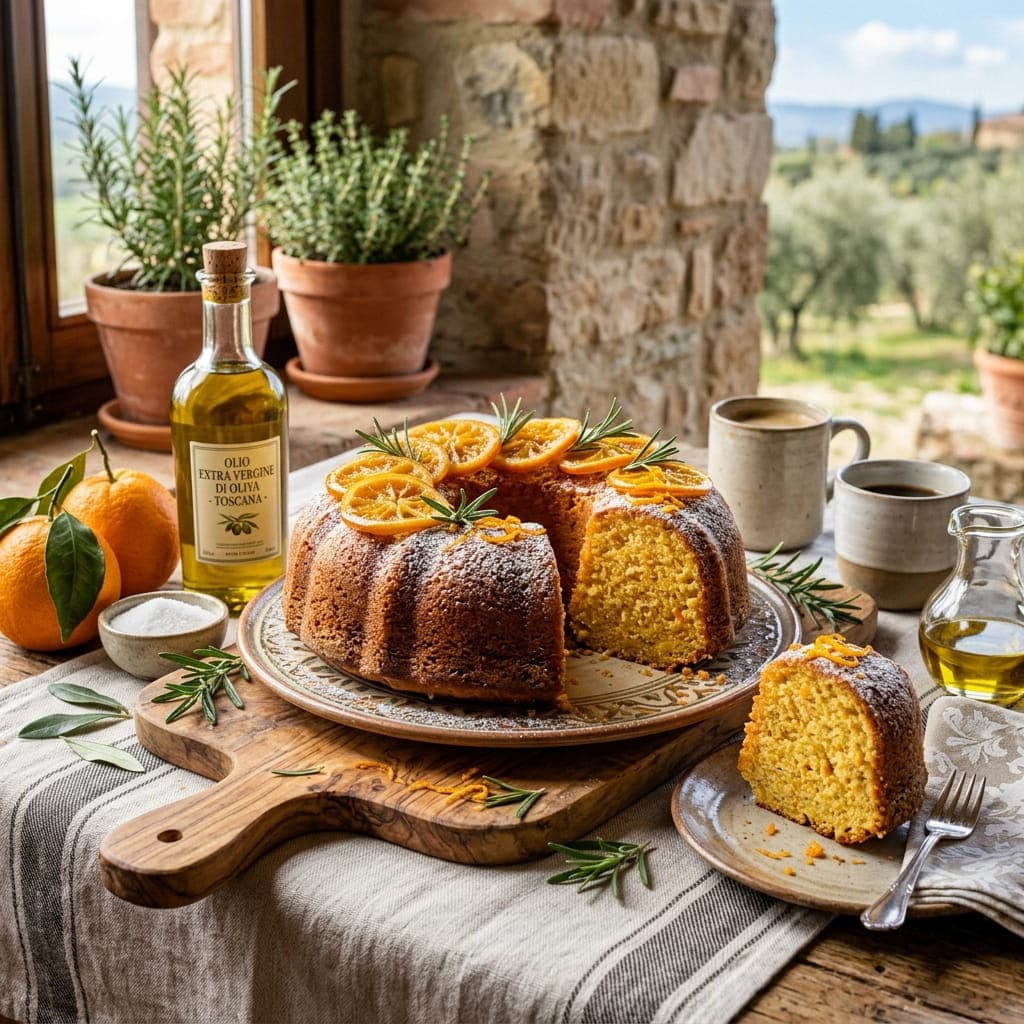
Italian Olive Oil Orange Cake
Olive oil in place of butter gives this cake a noticeably moister, denser crumb that stays soft for days rather than drying out - a common technique across Italian home baking that doesn't taste distinctly of olive oil once orange zest and juice are folded in. Naturally dairy-free without any substitution needed, it's simple enough to mix by hand in one bowl.
55m10
Cakes And Muffins
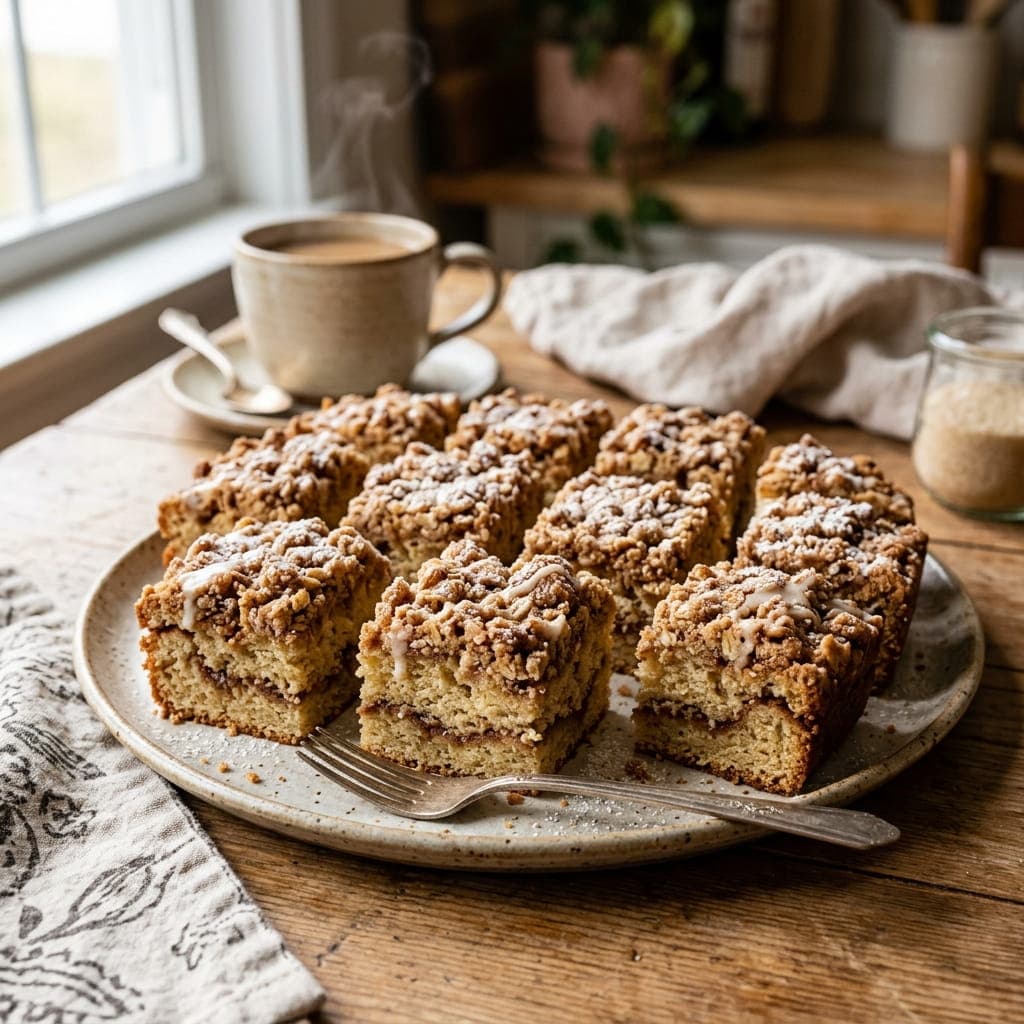
Cinnamon Streusel Coffee Cake Squares
Layering half the streusel into the middle of the batter, not just on top, is what gives this cake a genuine ribbon of cinnamon running through the center - most versions only sprinkle streusel on the surface and miss out on that swirl entirely. Named for pairing with a cup of coffee rather than containing any actual coffee, this is a classic American brunch bake.
65m9
Cakes And Muffins
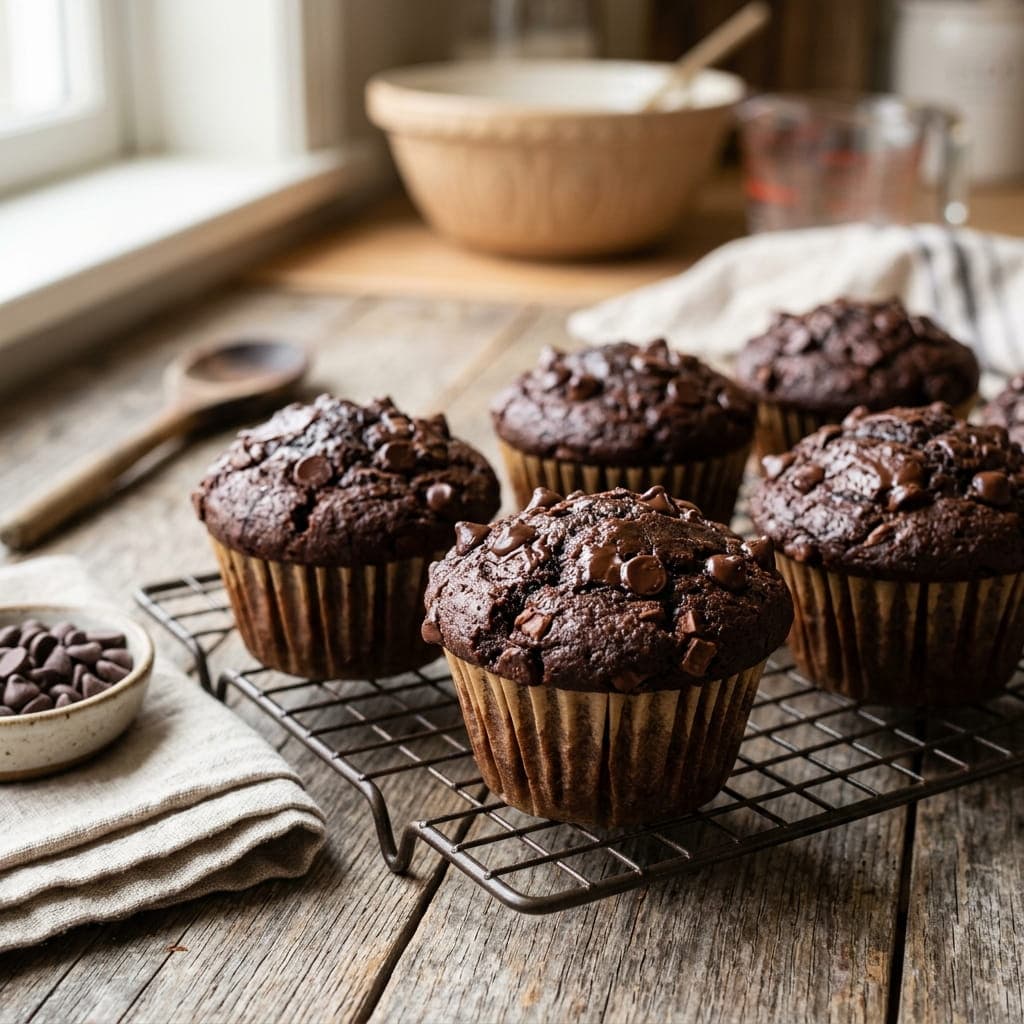
Vegan Double Chocolate Chip Muffins
No eggs, no dairy, and honestly no one will notice the difference - a flax egg and apple cider vinegar curdled into plant milk do the same binding and leavening work eggs and buttermilk normally provide. Cocoa powder in the batter plus a generous handful of chocolate chips folded in gives these their double-chocolate name, rich enough that they could pass for dessert rather than a snack.
35m12
Cakes And Muffins
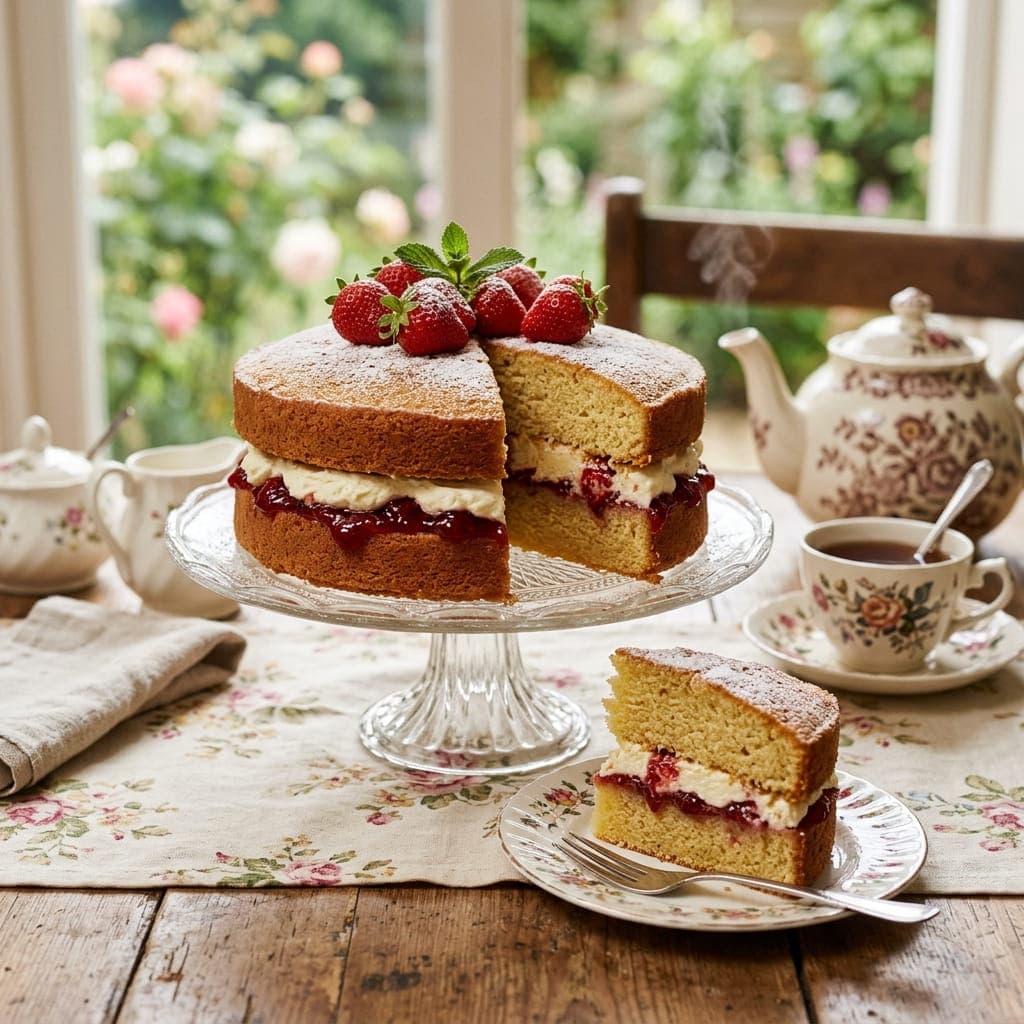
Traditional British Victoria Sponge Cake
Named after Queen Victoria, who was said to enjoy a slice with her afternoon tea, this sponge relies on the classic equal-weights method - butter, sugar, flour, and eggs all matched in weight to guarantee a light, even crumb every time. Simply filled with jam and whipped cream, no elaborate frosting needed, it remains one of the most iconic bakes in British baking history.
45m10
Cakes And Muffins
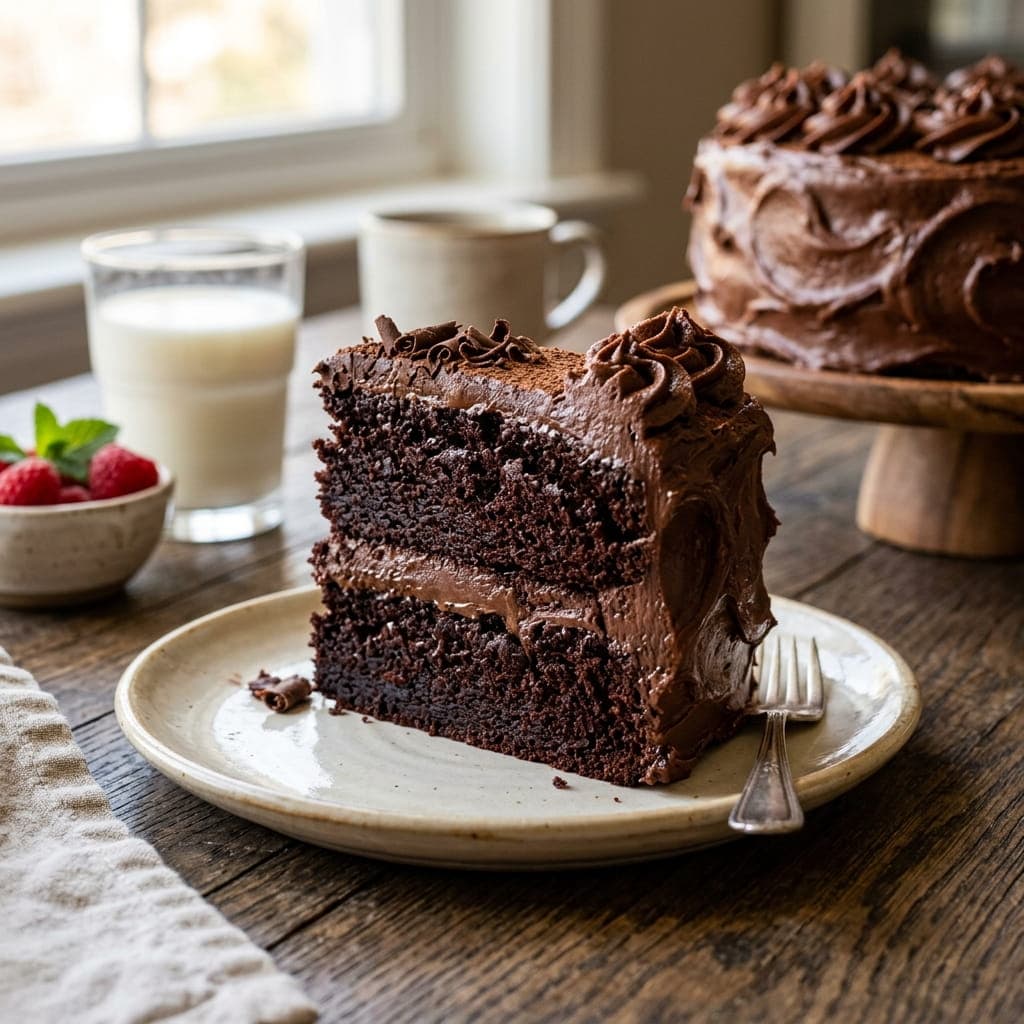
Classic American Moist Chocolate Fudge Cake
Boiling water added to the batter at the very end is the trick that separates a genuinely moist chocolate cake from a dry, crumbly one - the heat blooms the cocoa powder, deepening its flavor while thinning the batter just enough for an ultra-tender crumb. Topped with a glossy fudge frosting, this is the kind of cake that gets requested again the moment it's finished.
55m12
Cakes And Muffins
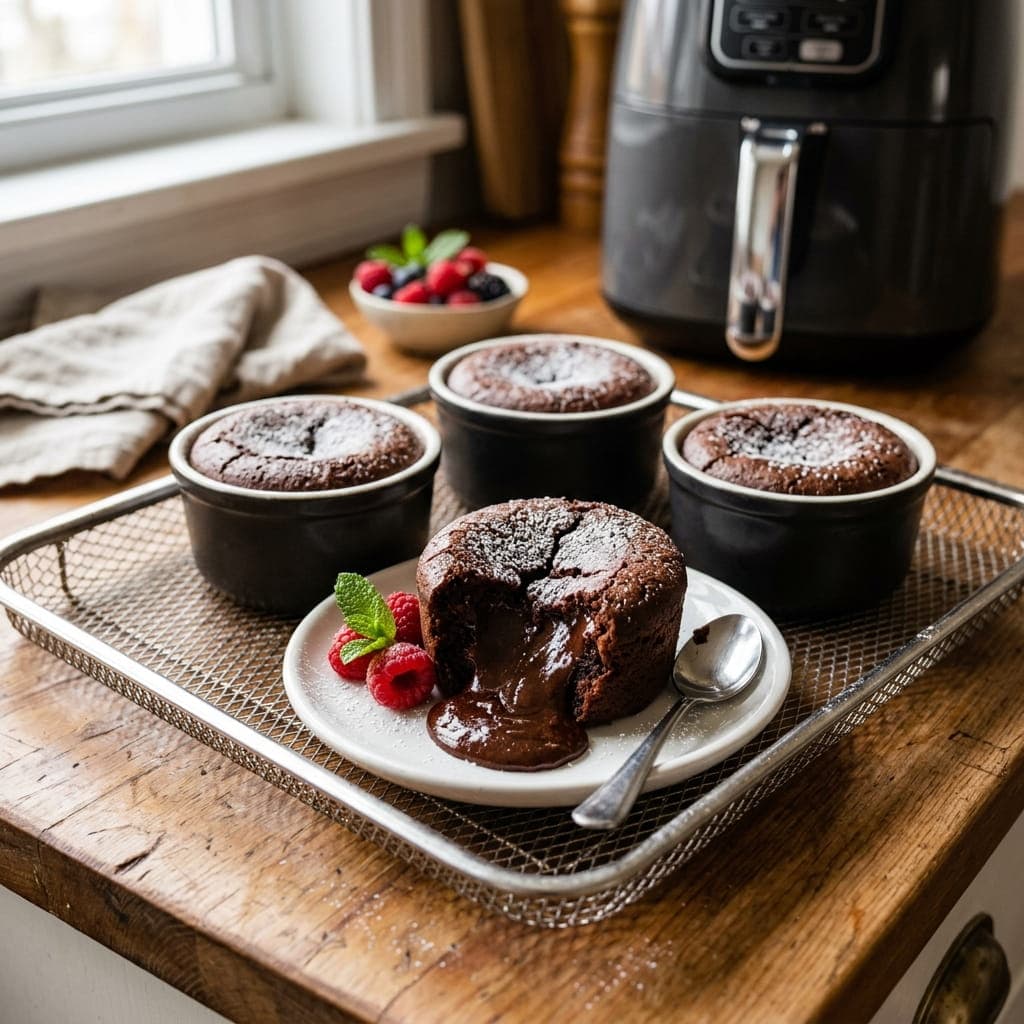
Air Fryer Quick Lava Cakes
An air fryer's rapid, direct heat cooks the outside of these small cakes just as fast as an oven would while using a fraction of the preheat time - genuinely useful when the whole appeal of a lava cake is a molten center you want minutes after deciding to make dessert. Slightly underbaking is the entire point here, so pulling them out a minute early rather than late is the safer call.
21m2
Cakes And Muffins
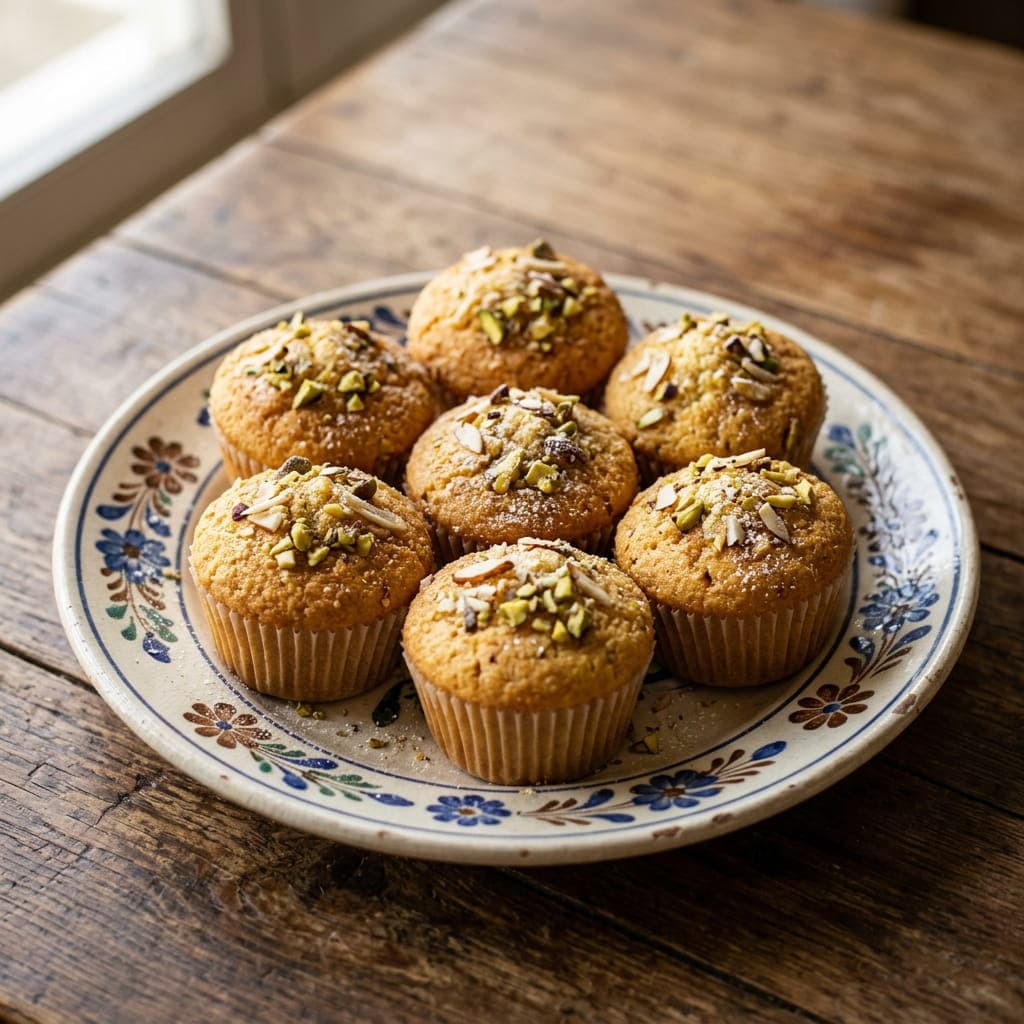
Pakistani Sooji Muffin Cakes (Bakery Style)
This is the tea-time cake sold at local Pakistani bakeries, built on semolina instead of flour - a texture people who grew up eating it can spot immediately, slightly grainy in the best way and never quite like a Western sponge cake. Letting the batter rest before baking is the one step that makes or breaks it: the semolina needs time to properly absorb the yogurt and milk, or the finished muffins turn out gritty instead of tender.
57m10