Loading...
Cookies And Bars Recipes
Showing 1-10 of 10 delicious cookies and bars recipes
Cookies And Bars
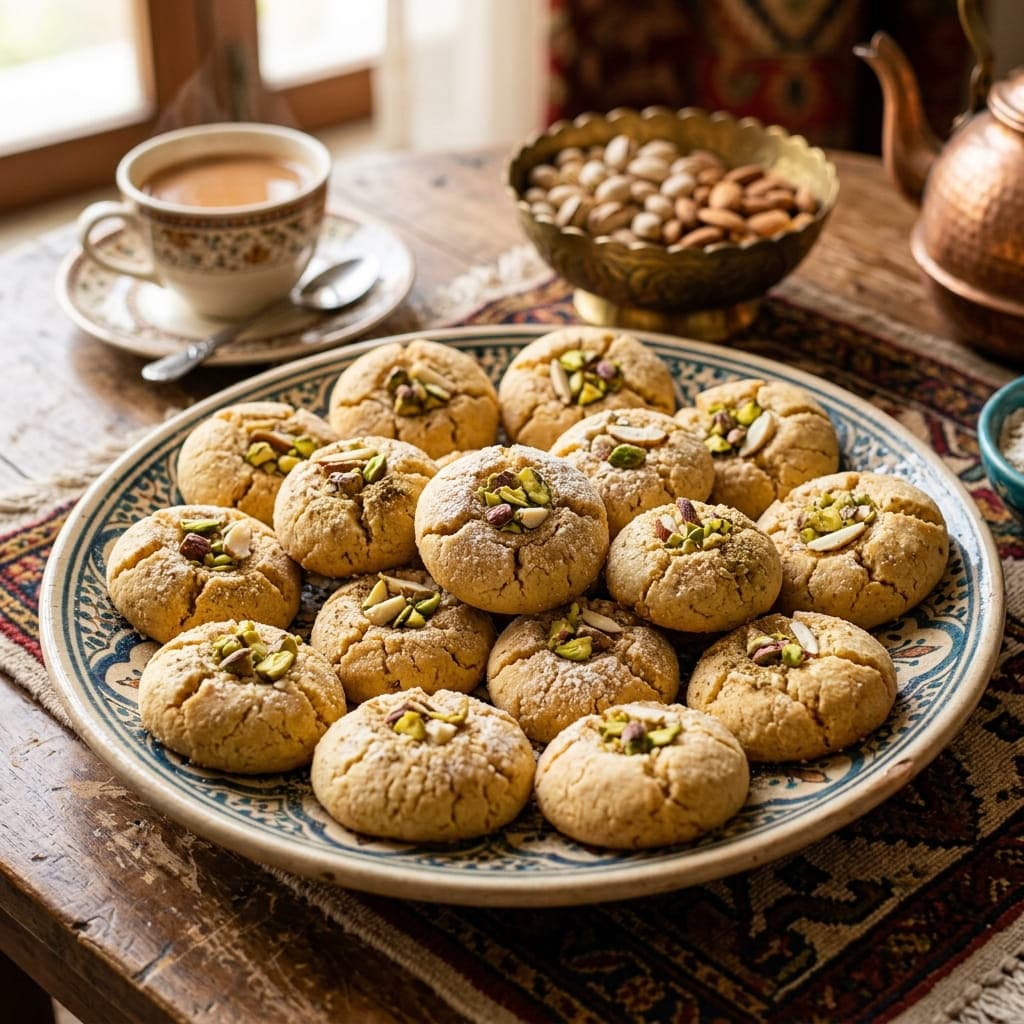
Pakistani Sweet Nankhatai (Shortbread Cookies)
The word nankhatai comes from Persian - 'naan' for bread and 'khatai' for biscuit - and these cardamom-scented shortbread cookies have been a fixture of South Asian bakeries since the Mughal era. Besan (gram flour) blended in alongside regular flour is what gives them their distinctly crumbly, melt-in-the-mouth texture that pure wheat flour alone can't replicate, and using ghee rather than butter keeps them free of any water content that would toughen the dough.
65m20
Cookies And Bars
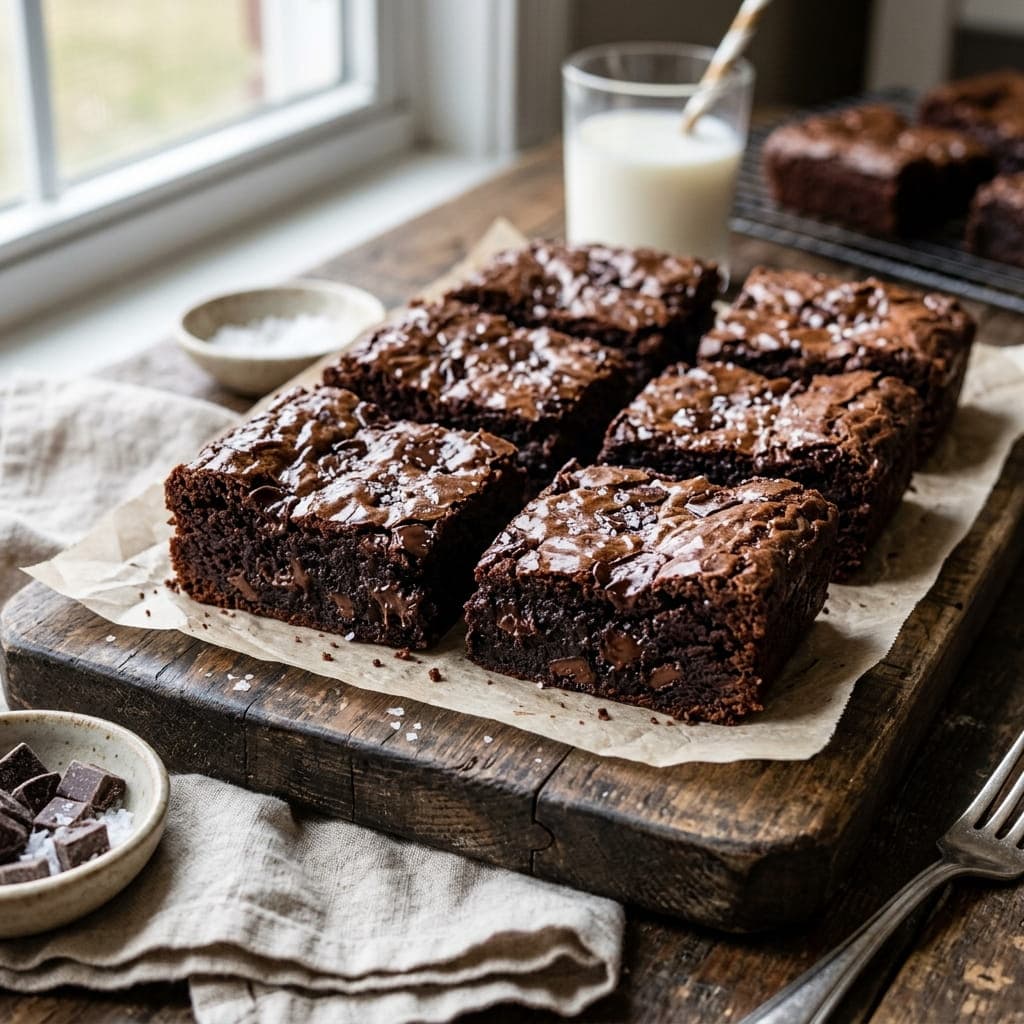
Fudgy Bakery Style Chocolate Brownie Bars
The ratio of fat to flour is what separates a fudgy brownie from a cakey one - this recipe leans heavily on melted butter and a generous amount of chocolate relative to flour, which is what keeps the center dense and gooey rather than light and airy. Vigorously whisking the eggs and sugar together before adding anything else is also what builds that shiny, crackly top bakeries are known for.
43m16
Cookies And Bars
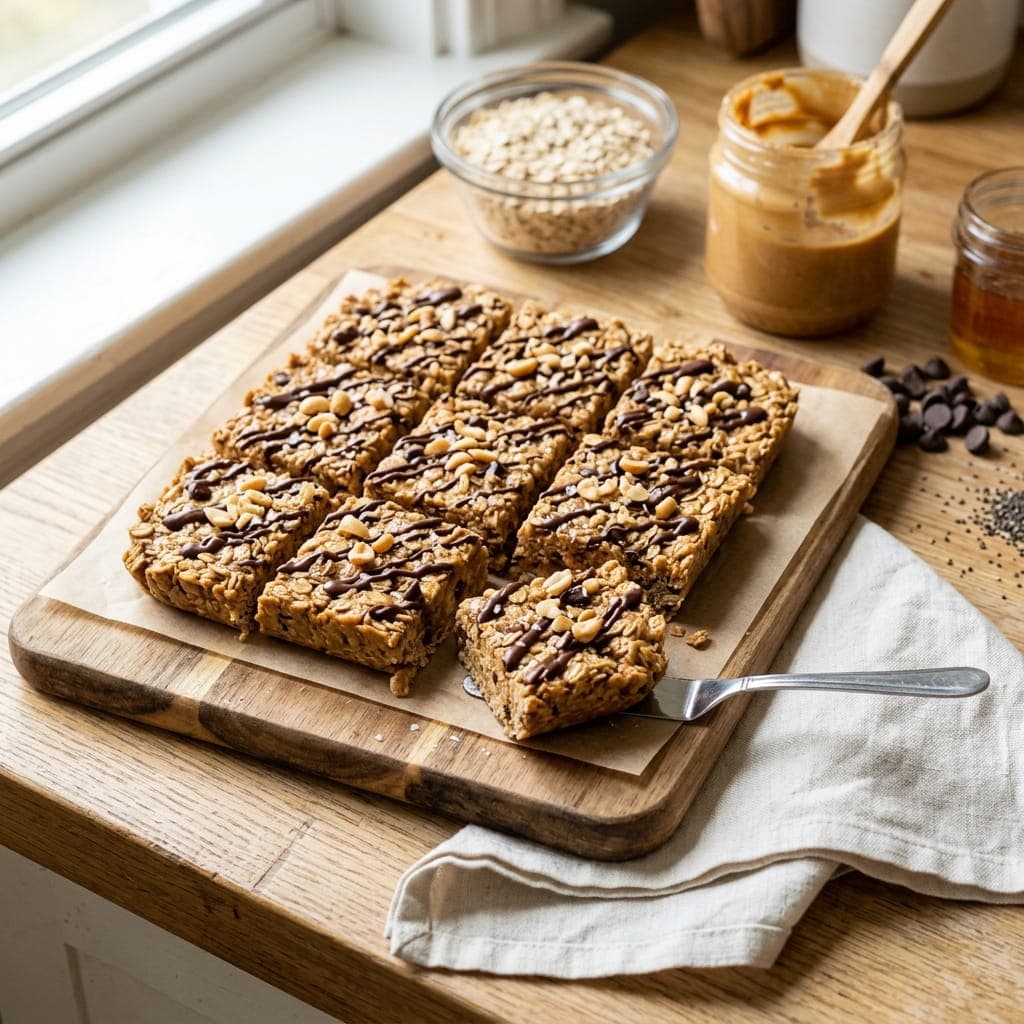
Healthy No-Bake Peanut Butter Oatmeal Bars
Warming honey and peanut butter together until fully melted is what allows them to properly coat every oat, rather than clumping in uneven pockets through the bars once set. With no oven and no added refined sugar, this comes together in one bowl and firms up in the fridge into something closer to a homemade granola bar than a dessert.
10m12
Cookies And Bars
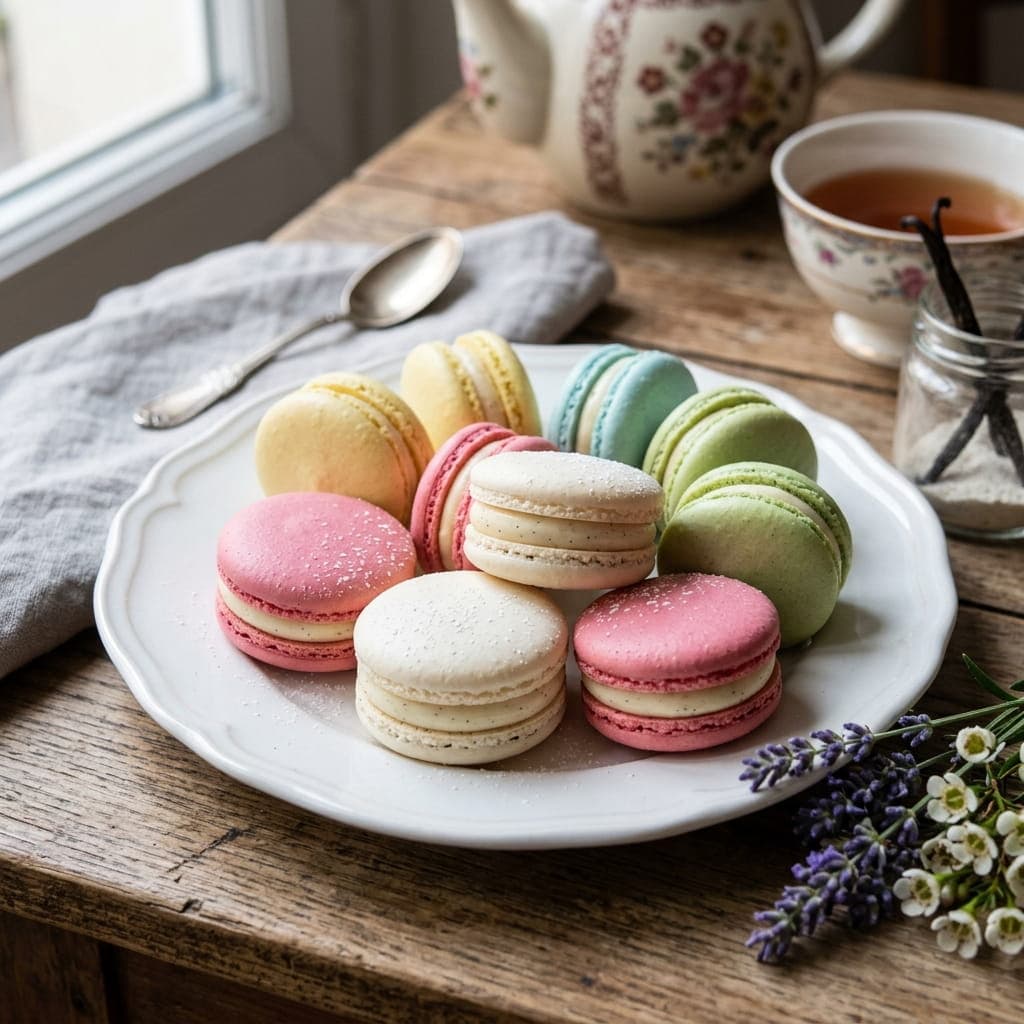
French Macarons with Vanilla Buttercream
Macaronage - the technique of folding almond flour and powdered sugar into whipped egg whites - is judged entirely by movement, not a fold count: the finished batter should flow in a slow, wide ribbon and settle back into itself within about 10-15 seconds. Get it wrong in either direction and the shells crack, turn hollow, or spread flat with no feet, which is exactly why this is considered one of the more technically demanding cookies in French baking.
78m20
Cookies And Bars
Spicy Ginger Molasses Holiday Cookies
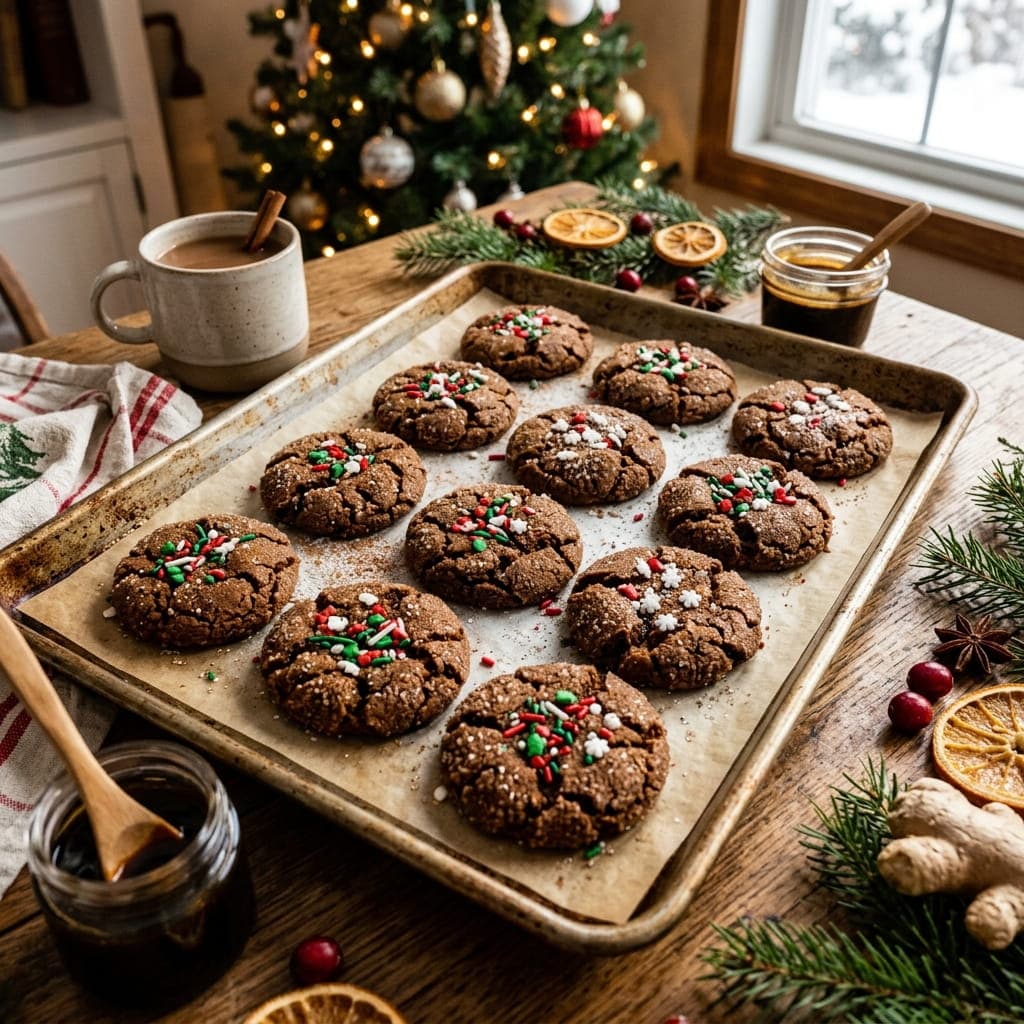
Rolling the chilled dough balls in coarse sugar before baking is what gives these their signature sparkly, crackled surface - the sugar crystals catch and hold as the cookie spreads and cracks in the oven. A generous hit of both fresh and ground ginger alongside molasses gives these real warmth and depth rather than just background spice.
87m24
Cookies And Bars
Vegan Oatmeal Raspberry Crumble Bars
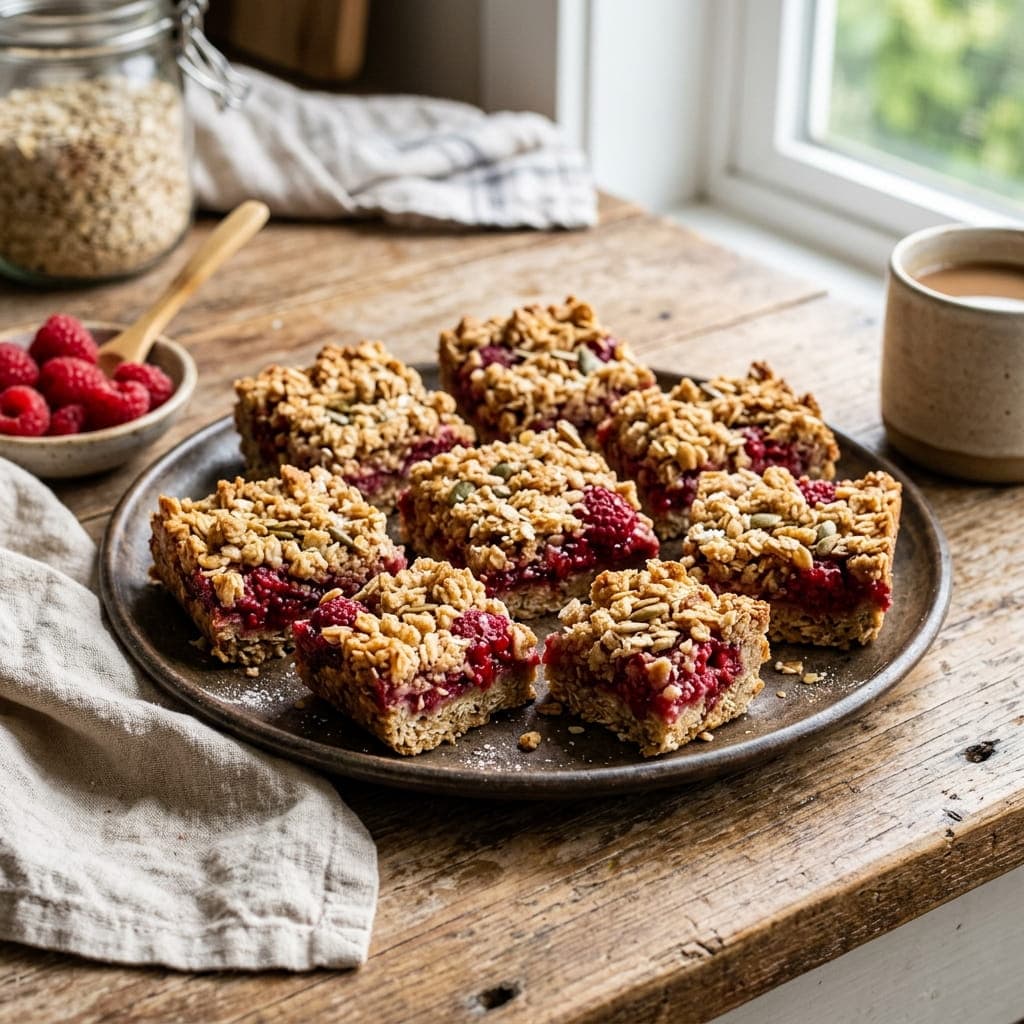
The same oat mixture is used twice here - pressed into the pan as a base, then crumbled loosely on top - so there's no need to mix a separate crumb topping. Cooking the raspberries down briefly with a touch of cornstarch thickens the filling just enough to hold its shape between the layers when sliced, without any need for eggs or dairy.
55m12
Cookies And Bars
British Shortbread Butter Biscuits
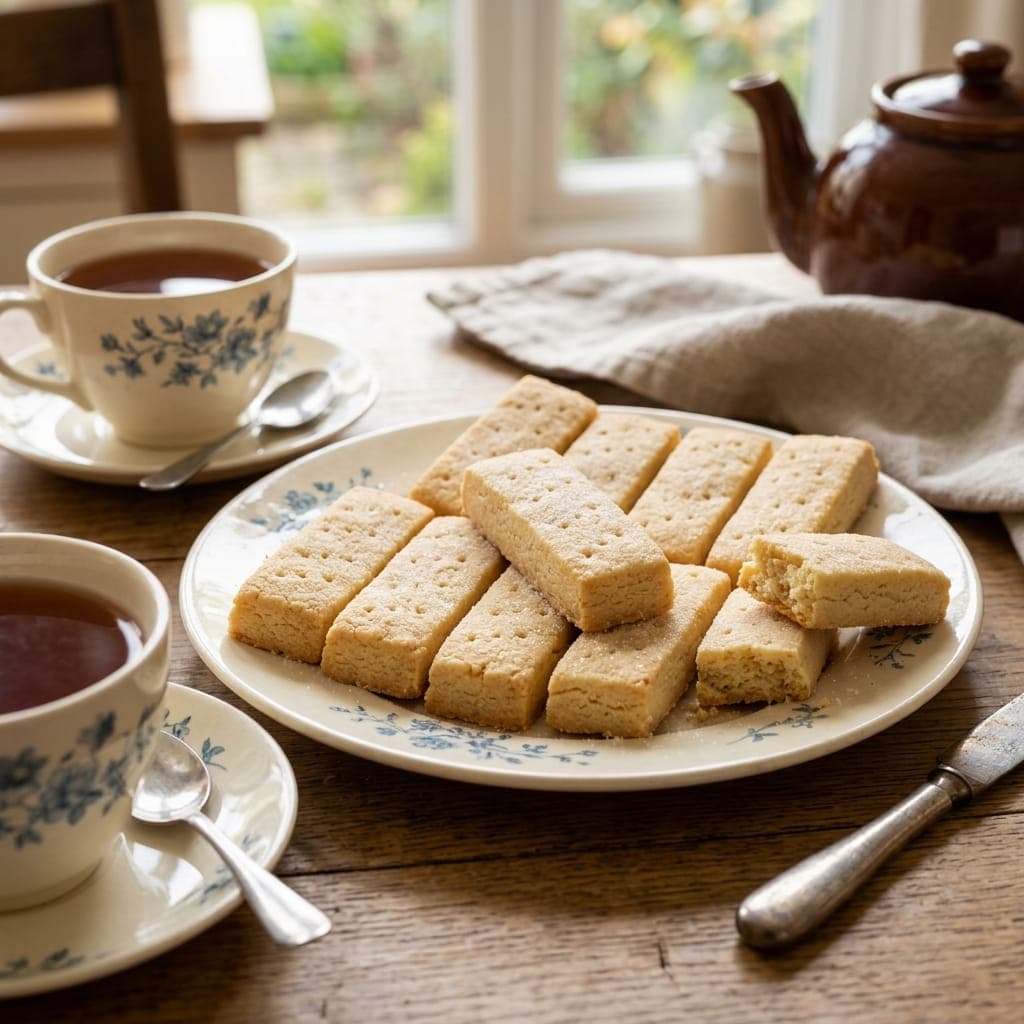
The classic 1:2:3 ratio - one part sugar, two parts butter, three parts flour - is all that's needed here, with no eggs or leavening agents at all to complicate things. Baking these low and slow, rather than hot and fast, is what keeps them pale and delicately crumbly instead of browned and crisp like a cookie.
37m16
Cookies And Bars
Classic Chewy American Chocolate Chip Cookies
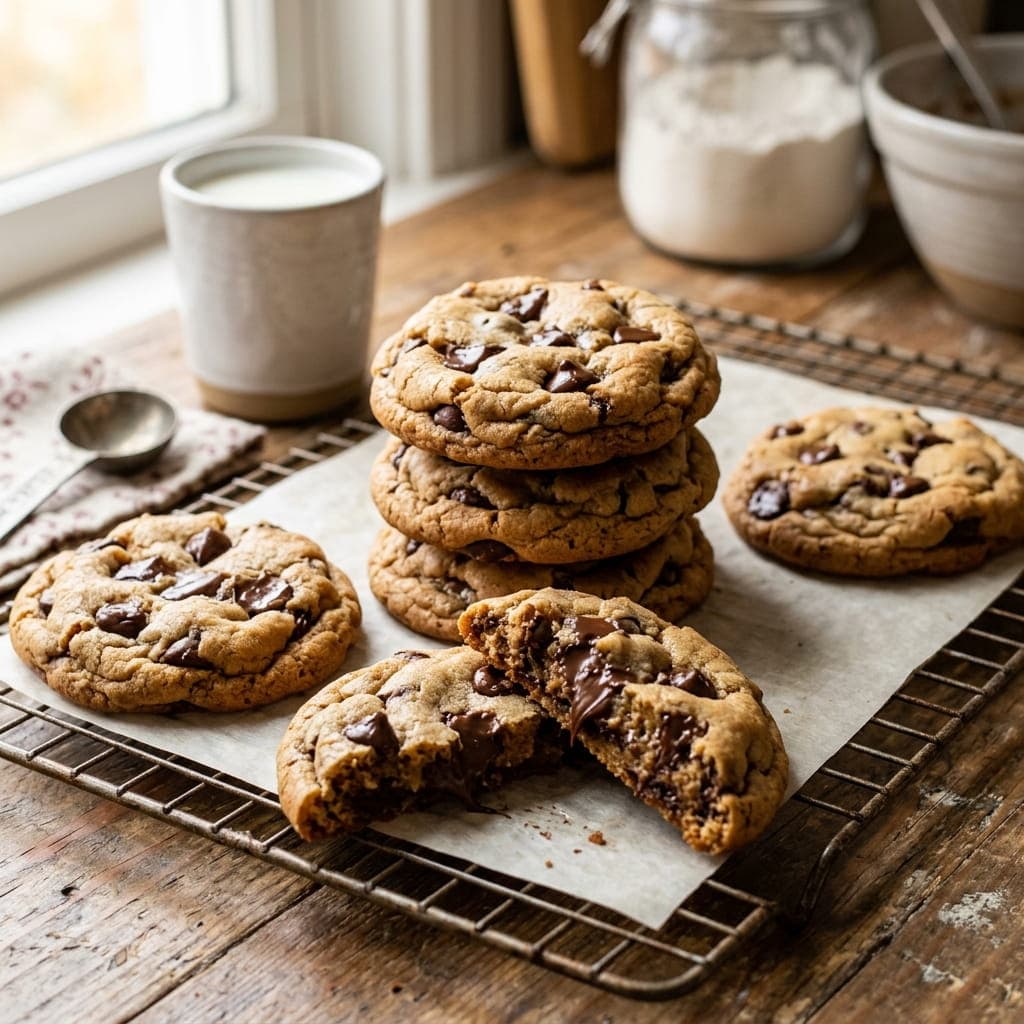
The ratio of brown sugar to white sugar is what actually decides whether a chocolate chip cookie turns out chewy or crisp - more brown sugar means more moisture and molasses, both of which keep the center soft while the edges still turn golden. Chilling the dough before baking slows the spread, giving thicker, less flat cookies with a proper chewy bite.
26m24
Cookies And Bars
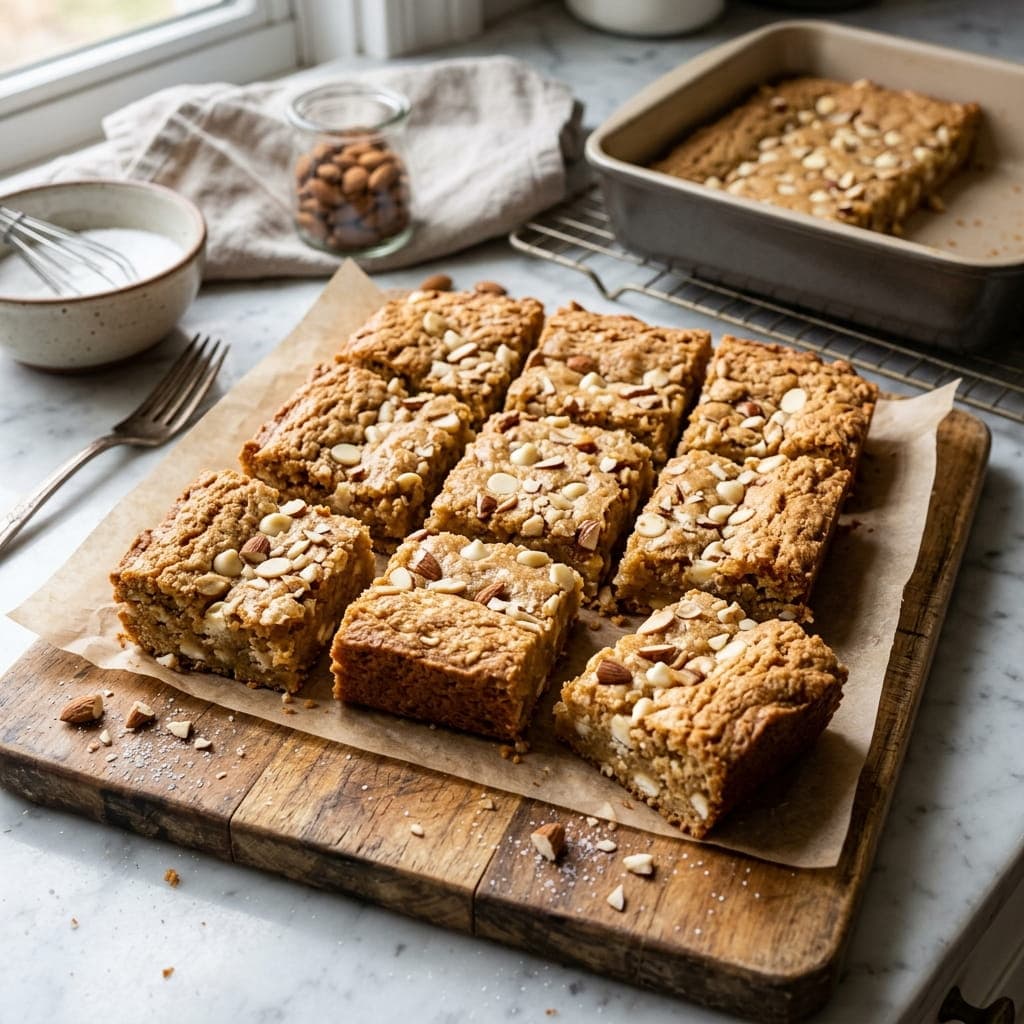
Keto Sugar-Free Almond Flour Blondies
Browning the butter before it goes into the batter adds a nutty, caramel-like depth that plain melted butter can't replicate - a small extra step that makes a genuinely noticeable difference in a recipe with so few other flavor sources. Almond flour keeps these low-carb, while sugar-free chocolate chips fold in for pockets of melty richness throughout.
37m16
Cookies And Bars
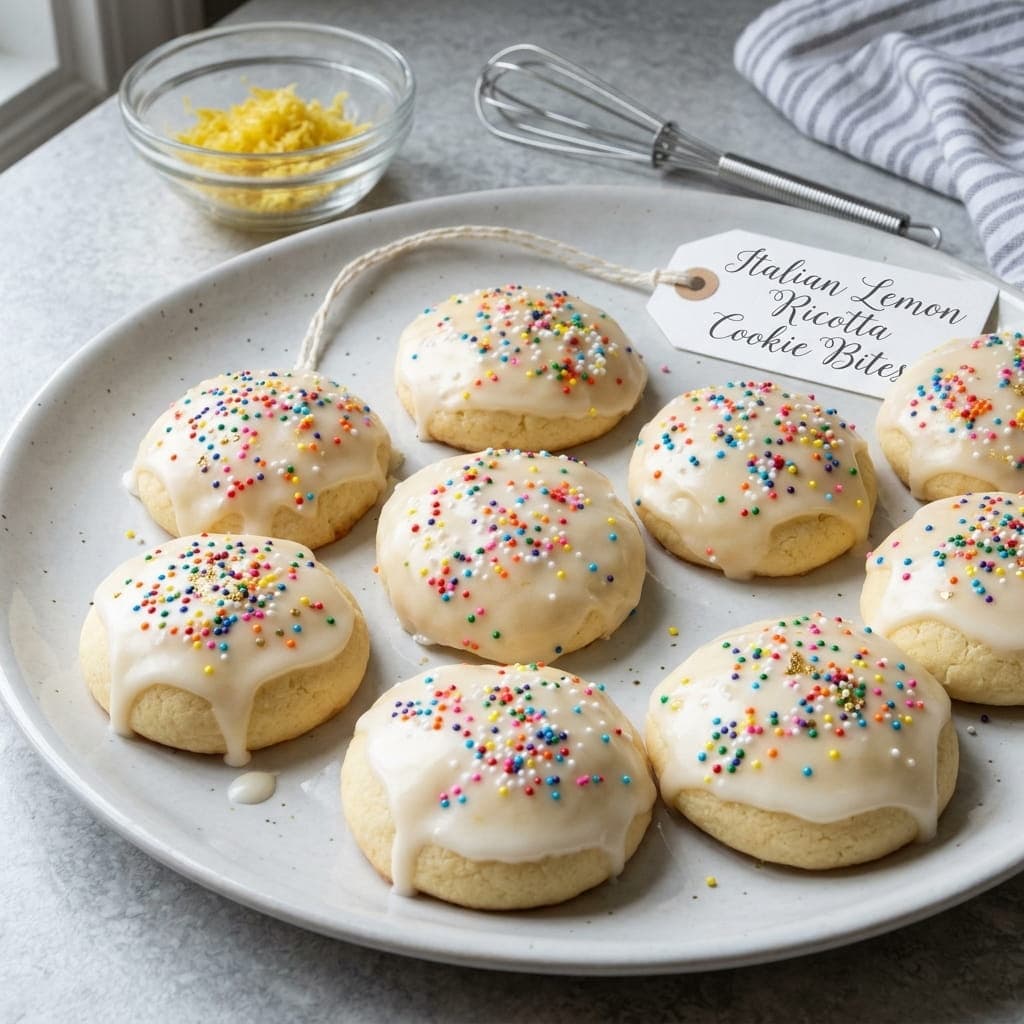
Italian Lemon Ricotta Cookie Bites
Ricotta cheese folded into the batter is what gives these their distinctly soft, almost cake-like interior - closer to a small tender muffin top than a typical crisp cookie. A bright lemon glaze drizzled over the cooled cookies plays against the ricotta's mild creaminess, making these a lighter finish to an Italian meal than a heavier dessert would be.
34m24