Loading...
Puddings And Tarts Recipes
Showing 1-10 of 10 delicious puddings and tarts recipes
Puddings And Tarts
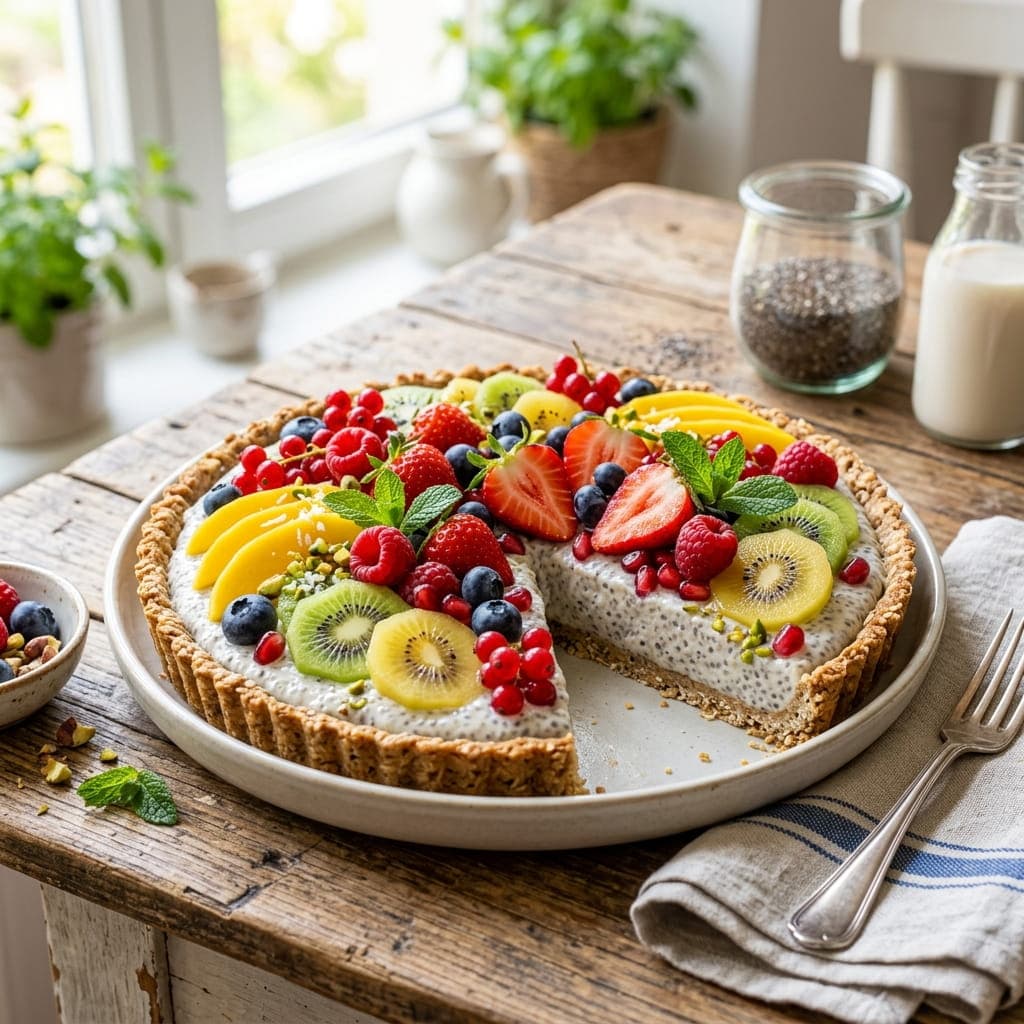
Low-Calorie Chia Seed Pudding Fruit Tart
A base of set chia pudding stands in for pastry cream here, spread into a store-bought tart shell or simply into a dish and topped with a colorful arrangement of fresh fruit - no baking, no refined sugar in the filling itself. This keeps the classic look of a fruit tart while staying genuinely light and fiber-rich.
15m6
Puddings And Tarts
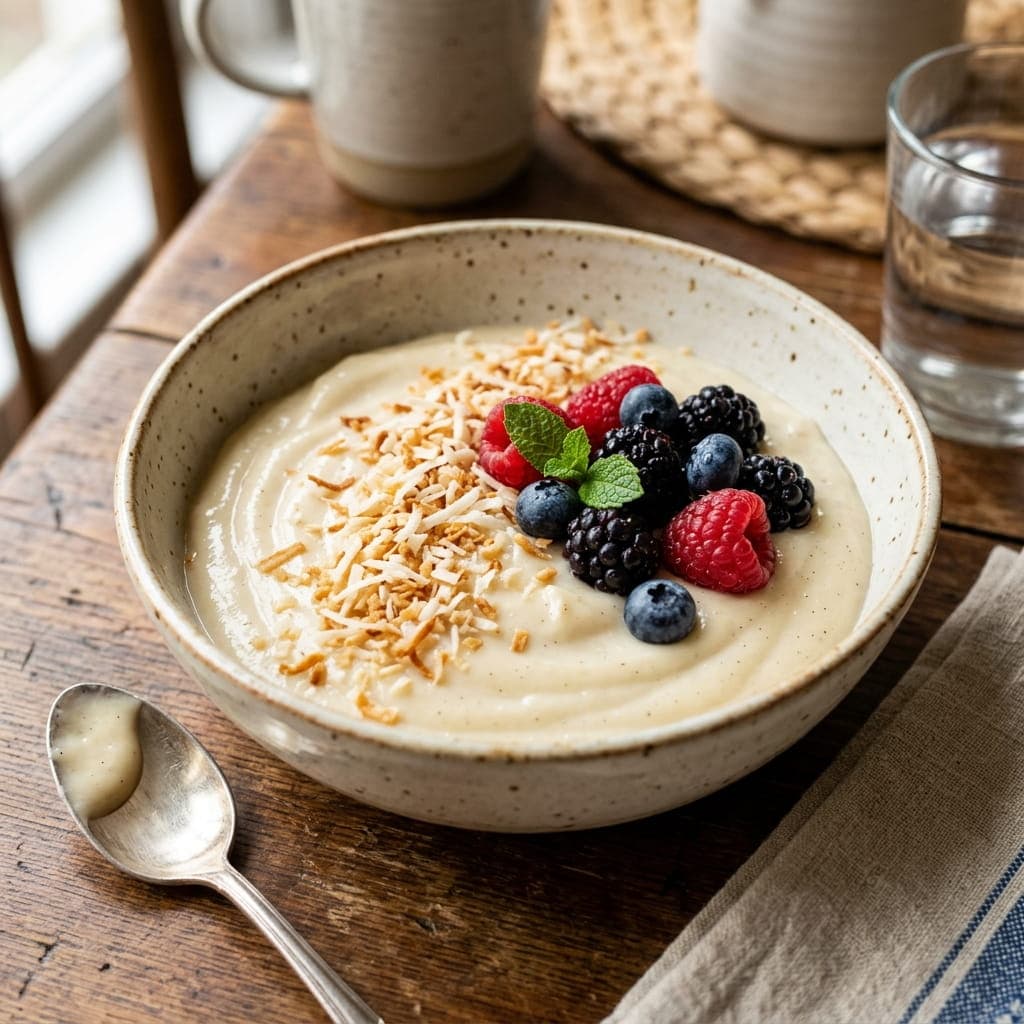
Vegan Coconut Vanilla Custard Pudding
Cornstarch does the thickening job here that eggs would normally handle in a traditional custard, whisked into coconut milk and cooked gently until it transforms from a thin liquid into a spoonable pudding. No dairy, no eggs, and no special equipment beyond a saucepan and a whisk - just patience while it thickens on the stove.
20m4
Puddings And Tarts
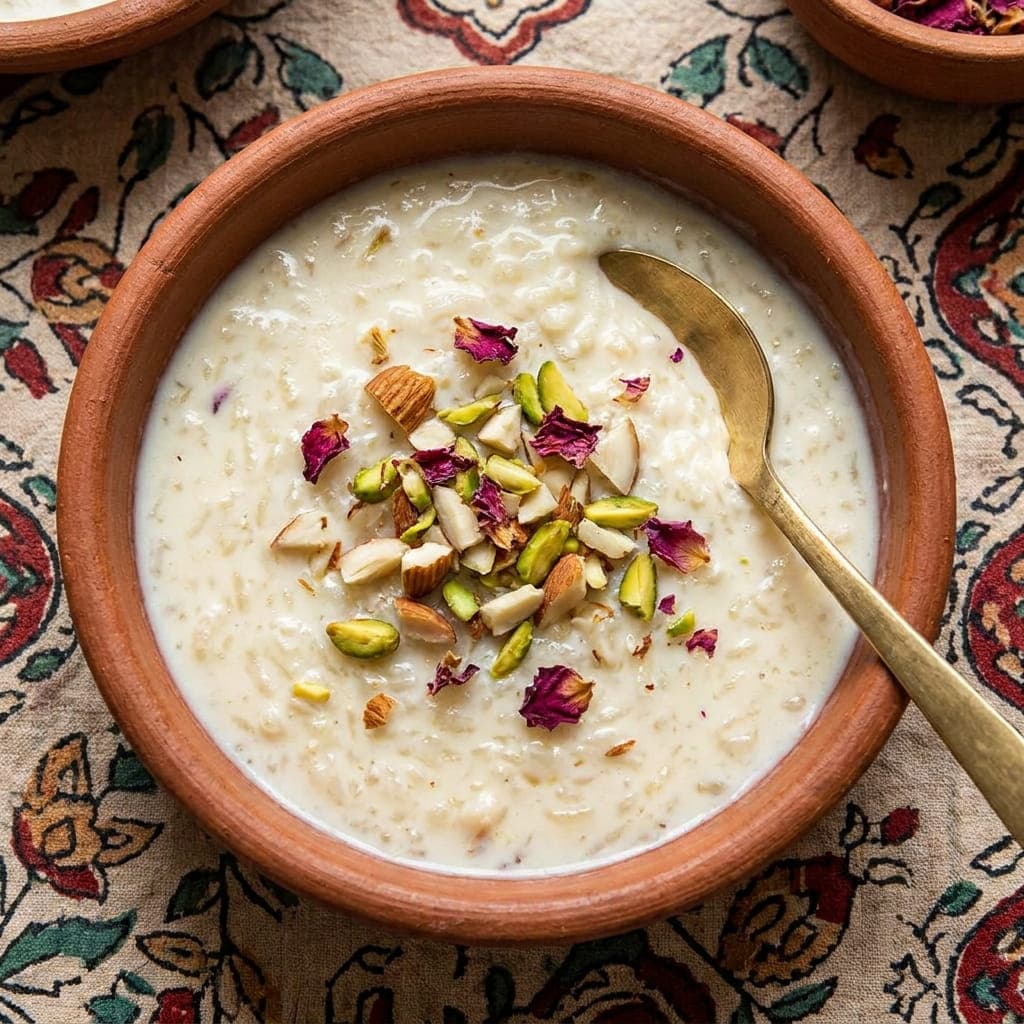
Authentic Pakistani Rice Kheer (Pudding)
Soaking the rice first, then breaking it down slightly as it simmers, is what gives kheer its characteristically thick, slightly grainy body rather than the smoothness of a custard-based pudding. Slow-simmered in full-fat milk until it reduces by nearly half, this is the dessert served at nearly every Pakistani wedding and Eid gathering, finished with a scatter of nuts and a whisper of cardamom.
85m6
Puddings And Tarts
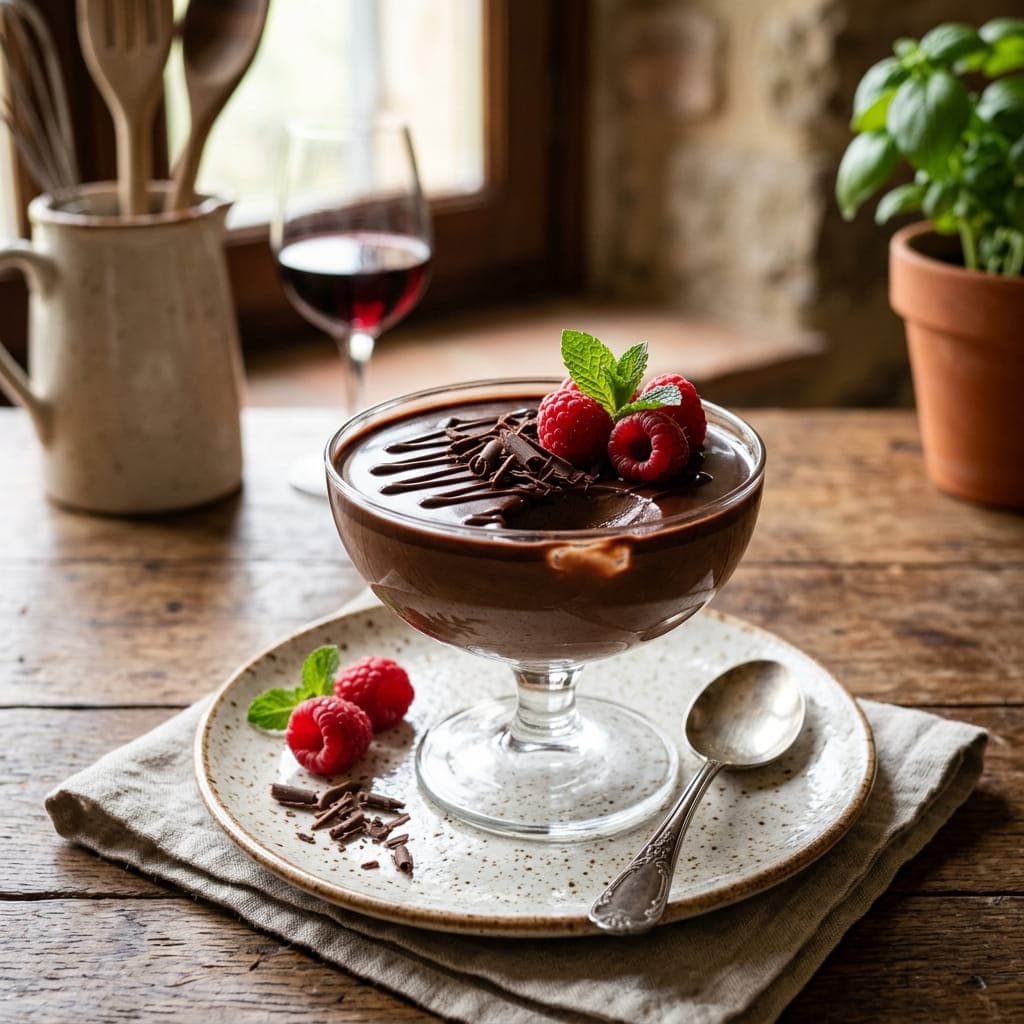
Italian Chocolate Panna Cotta Custard
Panna cotta means 'cooked cream' in Italian, and true to its name, this needs no eggs at all - just cream set with gelatin, which is what gives it that distinctive soft wobble rather than the firmer set of a baked custard. Blooming the gelatin in cold water first, then dissolving it into warm (not boiling) cream, is the step that determines whether it sets smoothly or turns grainy.
25m6
Puddings And Tarts
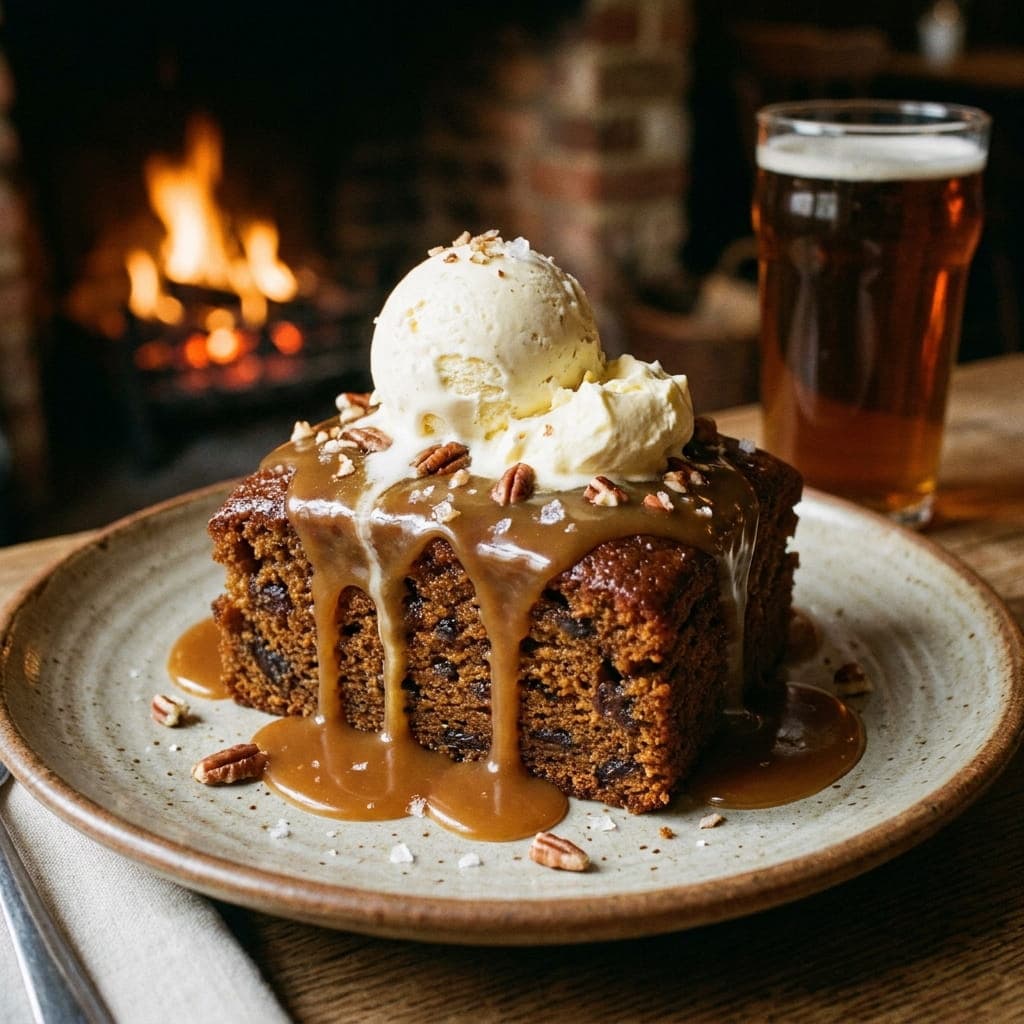
Traditional British Sticky Toffee Pudding
Soaking chopped dates in hot water and baking soda before blending them into the batter is what breaks them down into a paste that melts throughout the sponge, keeping it deeply moist without any visible date chunks. Poured warm toffee sauce over the finished cake right before serving soaks in just enough to make this one of Britain's most requested puddings.
55m8
Puddings And Tarts
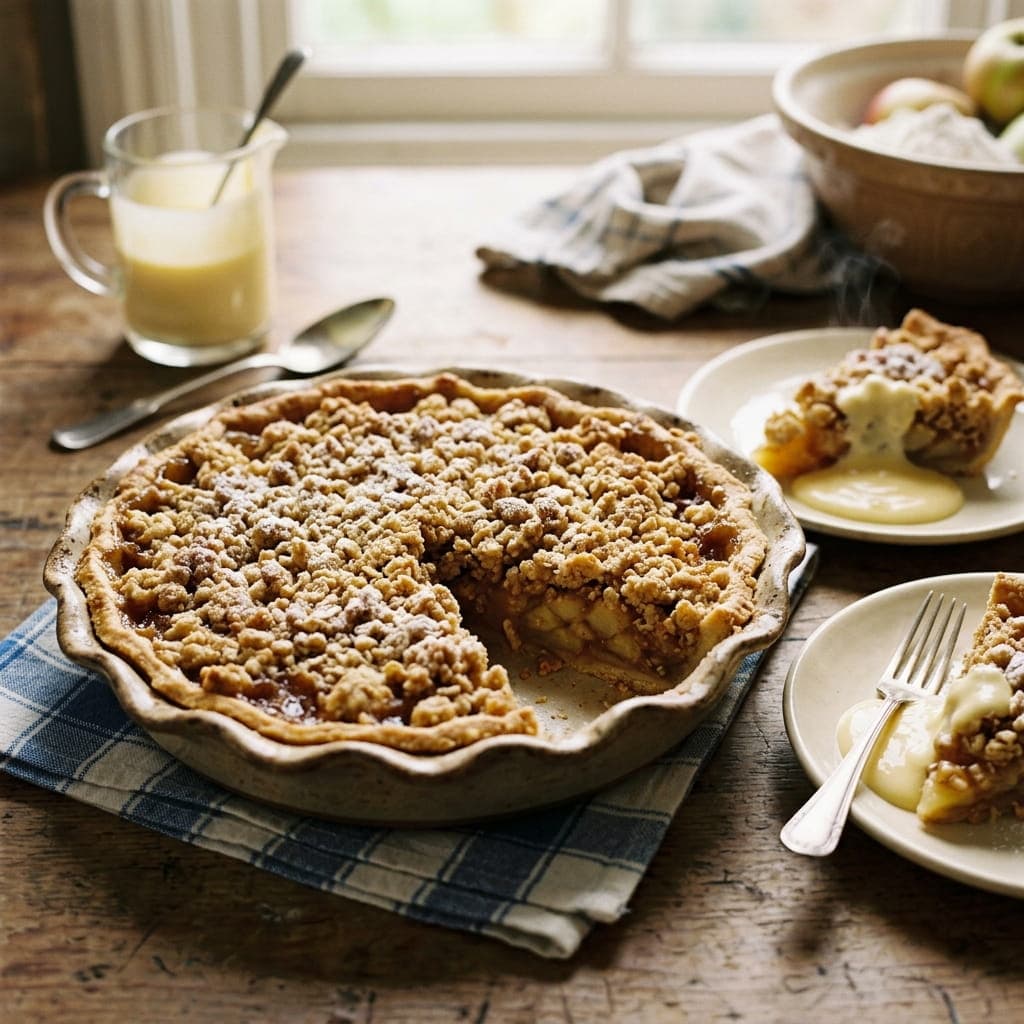
Easy British Apple Crumble Pie Tart
Tossing the sliced apples with flour before they go into the tart shell is what thickens their released juices as they bake, keeping the filling from turning into a watery pool once sliced. This combines a proper pastry base with the buttery oat crumble topping British apple crumble is known for, giving you both textures in one dessert.
80m8
Puddings And Tarts
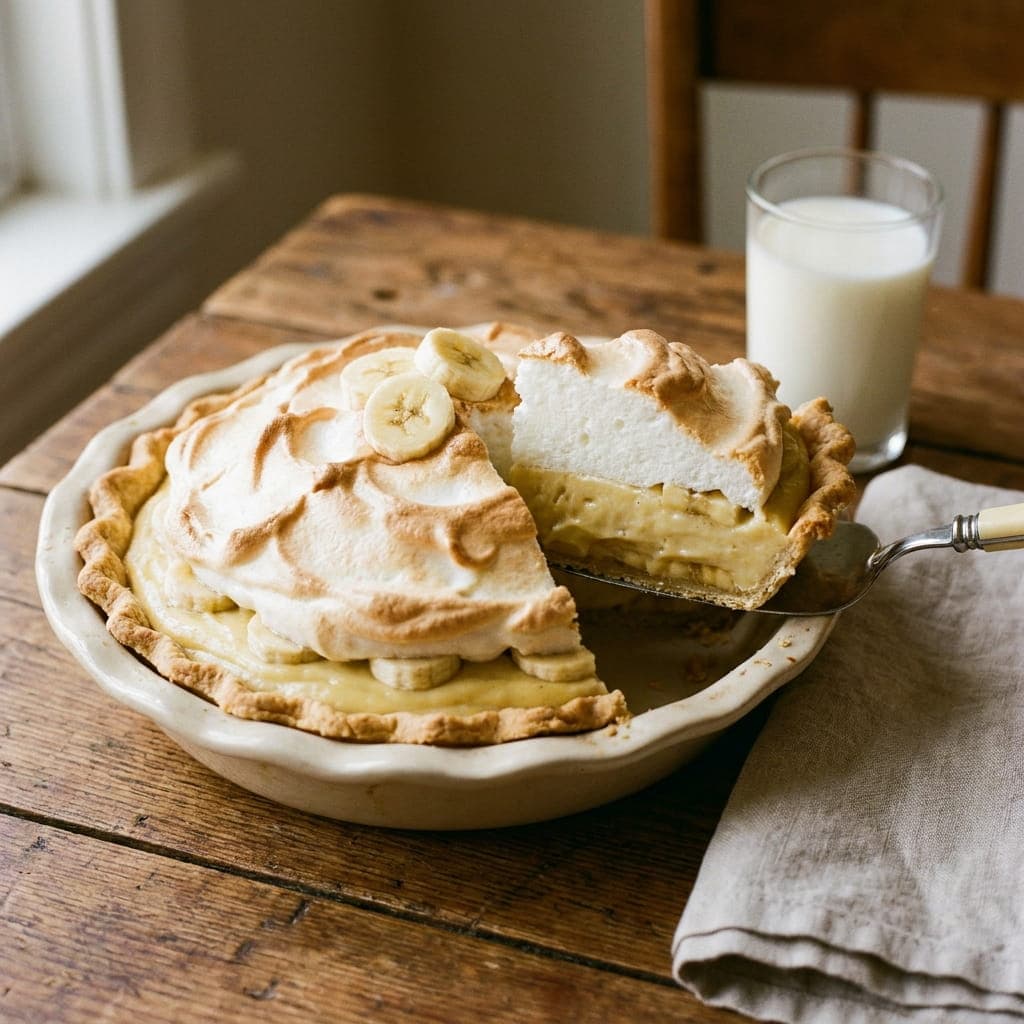
Classic American Silky Banana Cream Pie
Whisking the hot milk into the egg yolks gradually (rather than dumping it in) is what tempers them properly, preventing the custard from turning into sweet scrambled eggs the moment it hits the heat. Sliced fresh banana folded directly into the cooled pastry cream, rather than just layered on top, means every bite gets banana flavor instead of finding it only in certain spots.
45m8
Puddings And Tarts
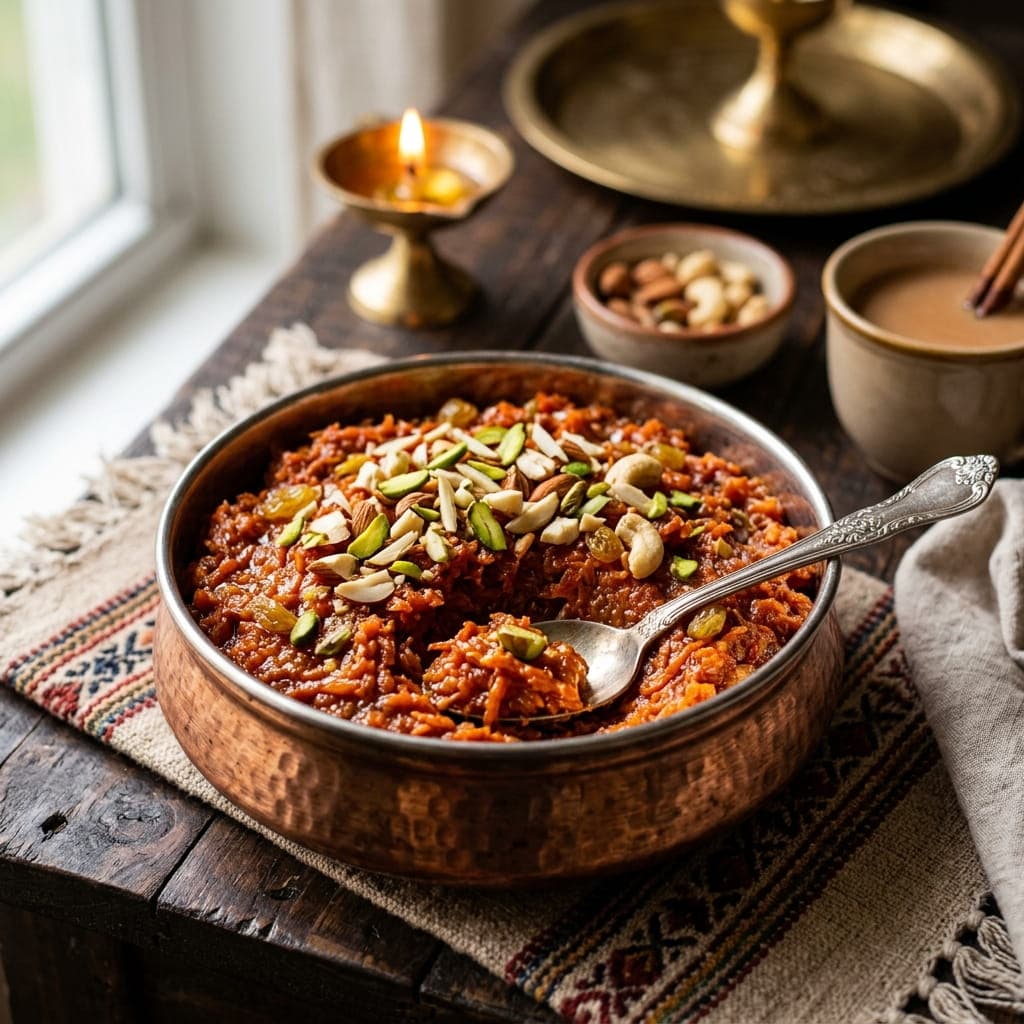
Indian Sweet Carrot Pudding (Gajar Ka Halwa)
Made properly with the deep red-orange winter carrots found across South Asia, this halwa relies on a wide, heavy pan rather than a deep pot - more surface area means the milk and carrot juices evaporate faster, concentrating the flavor without hours of standing over the stove. Khoya (dried whole milk solids) stirred in near the end thickens it into the rich, fudgy texture that separates real gajar ka halwa from a thin carrot-milk soup.
80m6
Puddings And Tarts
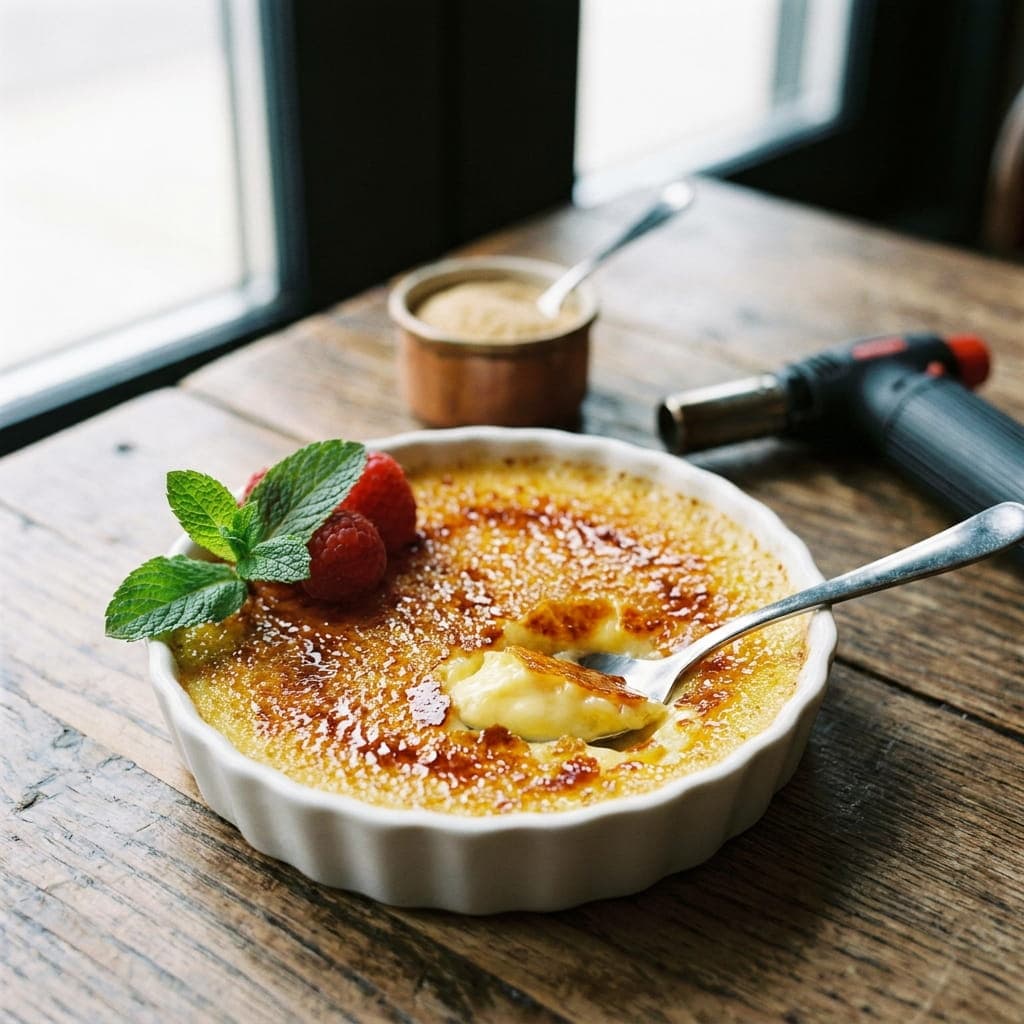
Classic French Crème Brûlée
A water bath is what keeps the custard's gentle, even heat from ever spiking into a boil, which is exactly what would turn a silky crème brûlée into a curdled, scrambled mess. The contrast between the crackling, torched sugar crust and the cool, barely-set custard underneath is the entire point of this dessert - lose either one and it's just custard.
60m4
Puddings And Tarts
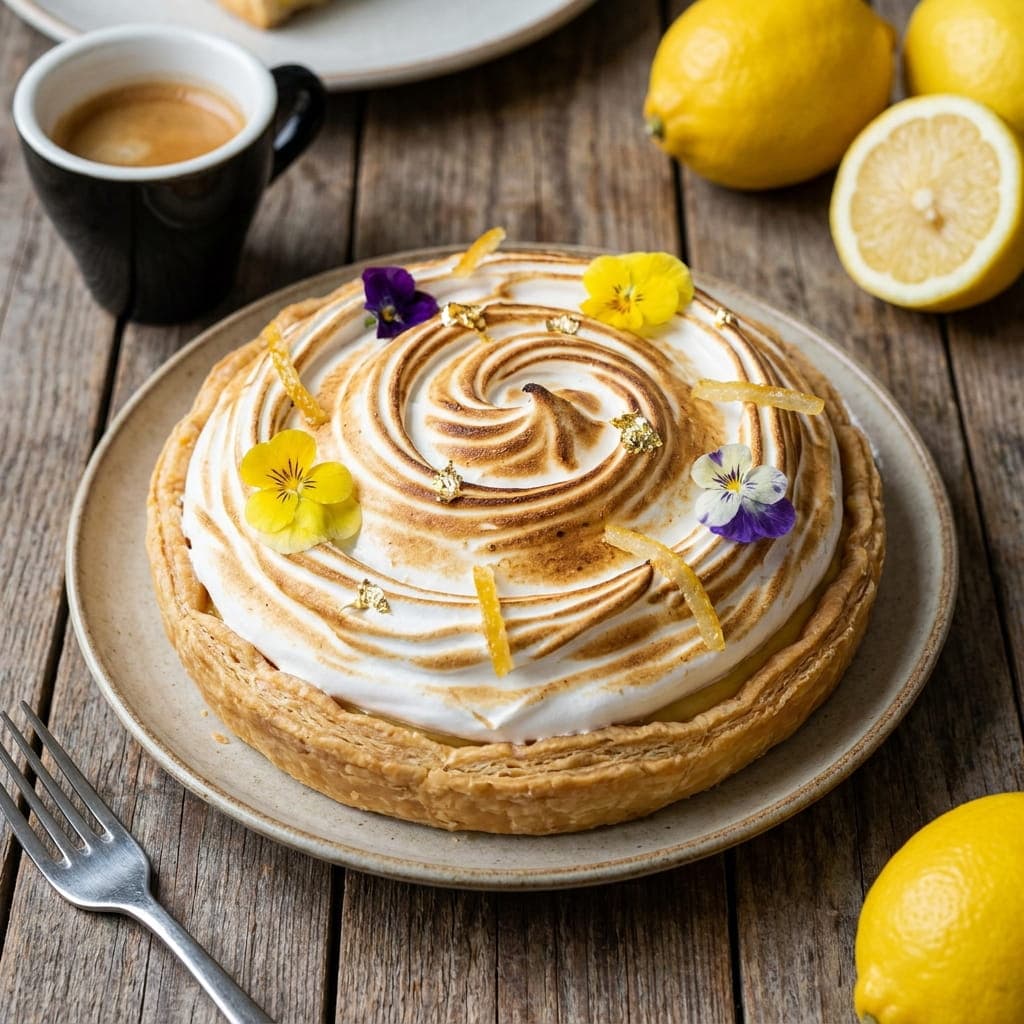
Gourmet French Lemon Meringue Tart
Blind-baking the tart shell with pie weights first is what prevents a soggy bottom once the lemon curd goes in - skip this and the pastry never fully crisps under the weight of the filling. A torched, swirled meringue on top brings the classic sweet-tart contrast that makes this tart a French bistro staple.
75m8