Loading...
Baking Breads Recipes
Showing 17-30 of 30 delicious baking breads recipes
Quick Breads And Muffins
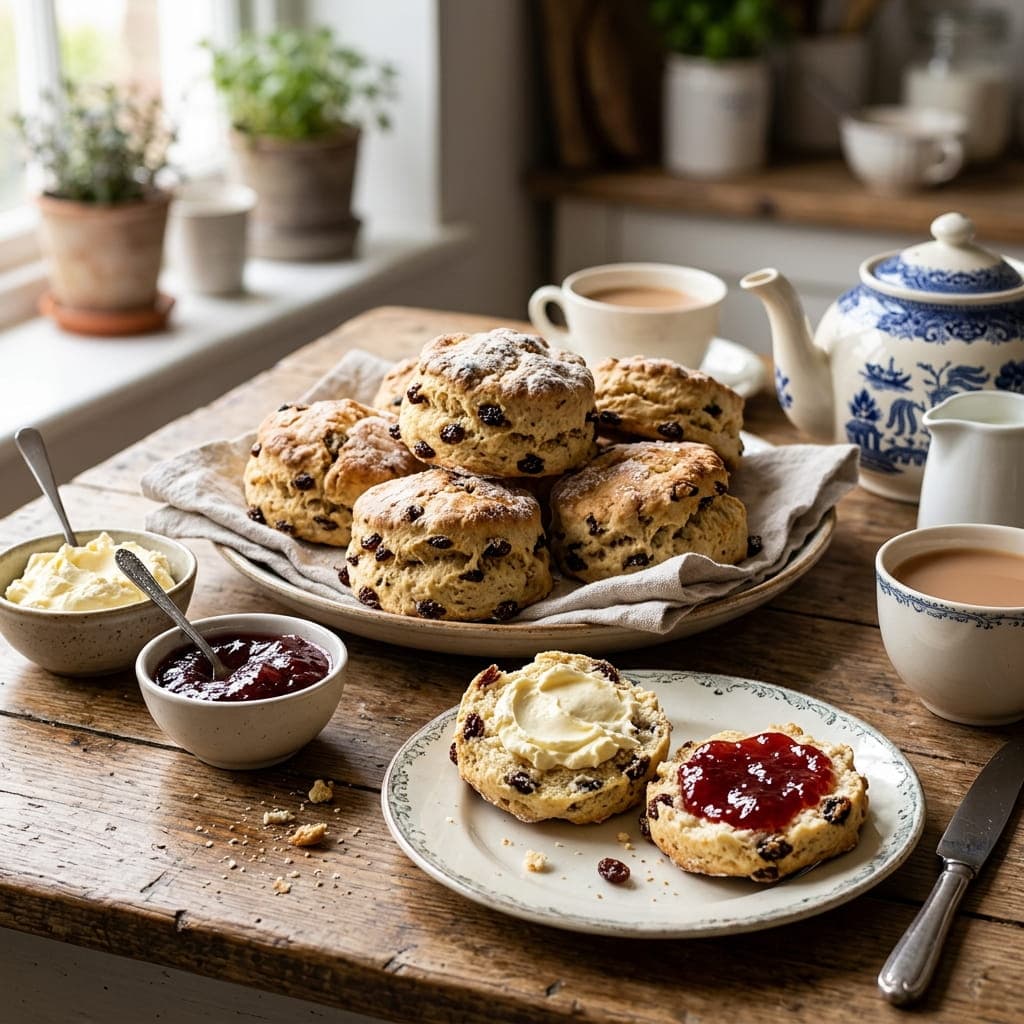
British Sweet Raisin Breakfast Scones
This cuts very cold, cubed butter into the flour until only pea sized pieces remain, the same technique used for flaky pastry, since those small pockets of solid fat are what melt and create steam during baking, giving scones their characteristic light, layered crumb. Handling the dough as little as possible once the liquid is added is what keeps them tender instead of turning out tough and bread like.
38m8
Artisan And Sourdough
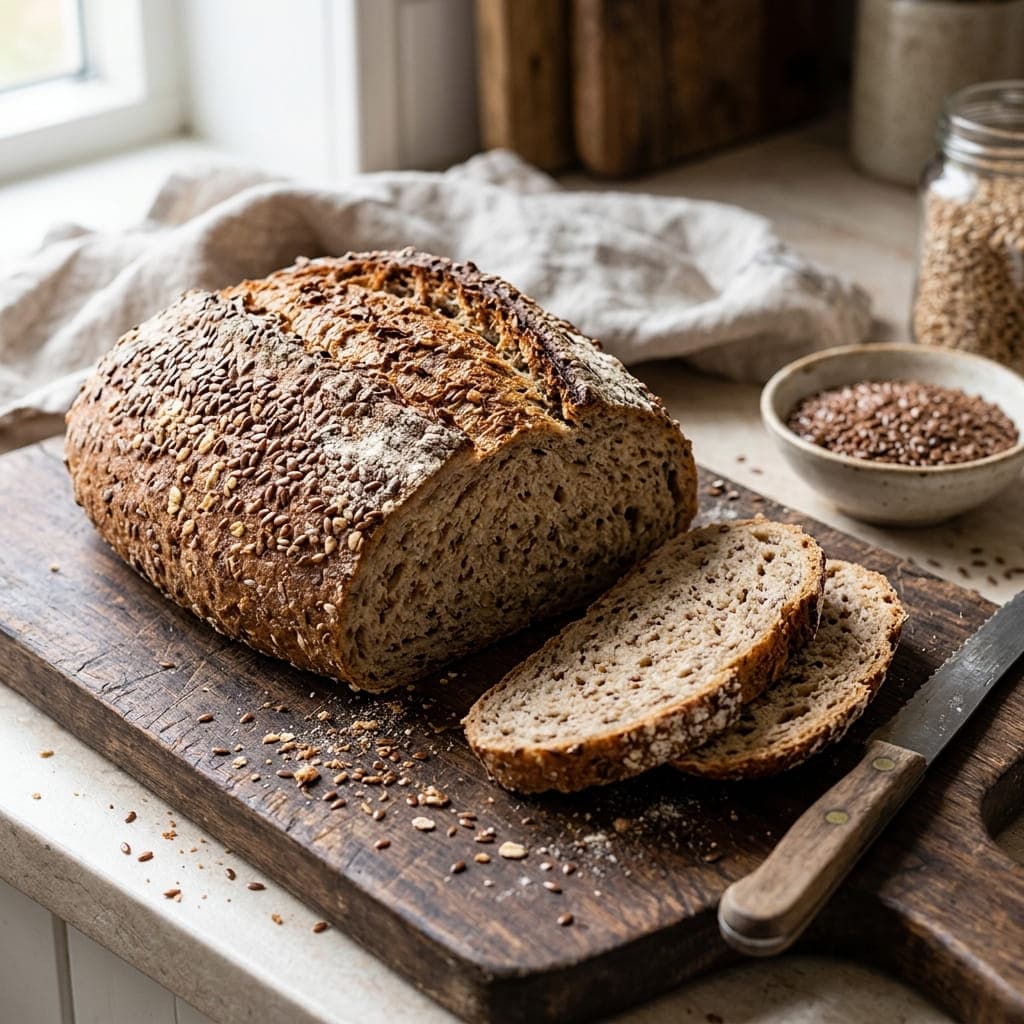
Whole Wheat Gut-Healthy Flaxseed Bread
This soaks the ground flaxseed in warm water before mixing it into the dough, letting it form a gel that adds moisture and helps bind the denser whole wheat flour, which otherwise tends to bake up dry and crumbly. A blend of whole wheat and a small amount of bread flour keeps the loaf hearty and fiber rich without turning out so heavy it doesn't rise properly.
65m12
Quick Breads And Muffins
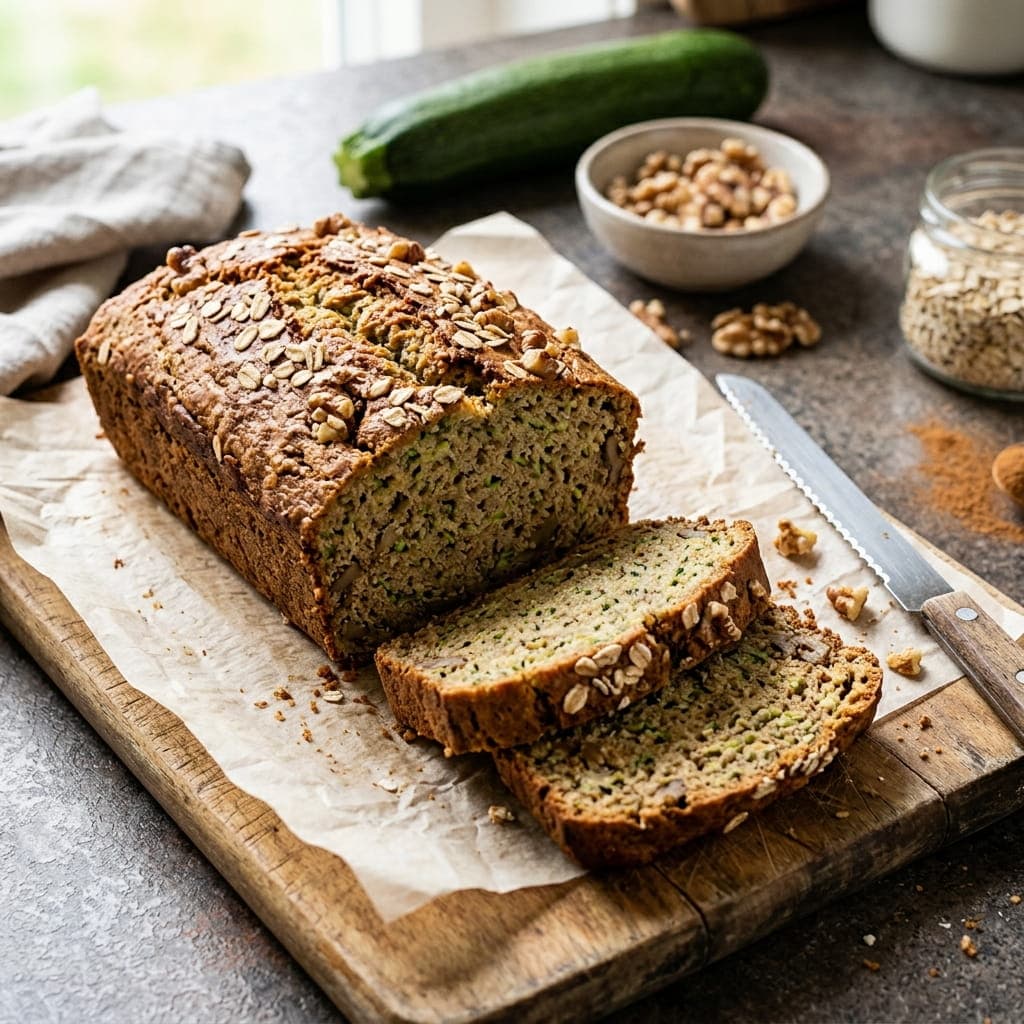
Healthy Sugar-Free Zucchini Bread Loaf
This squeezes the shredded zucchini firmly in a clean towel before mixing it into the batter, removing excess water that would otherwise leave this sugar free loaf dense and soggy. Leaning on a granulated sugar substitute and the natural sweetness of the zucchini itself, rather than added sugar, is what keeps the whole loaf genuinely sugar free without tasting flat.
75m10
Quick Breads And Muffins
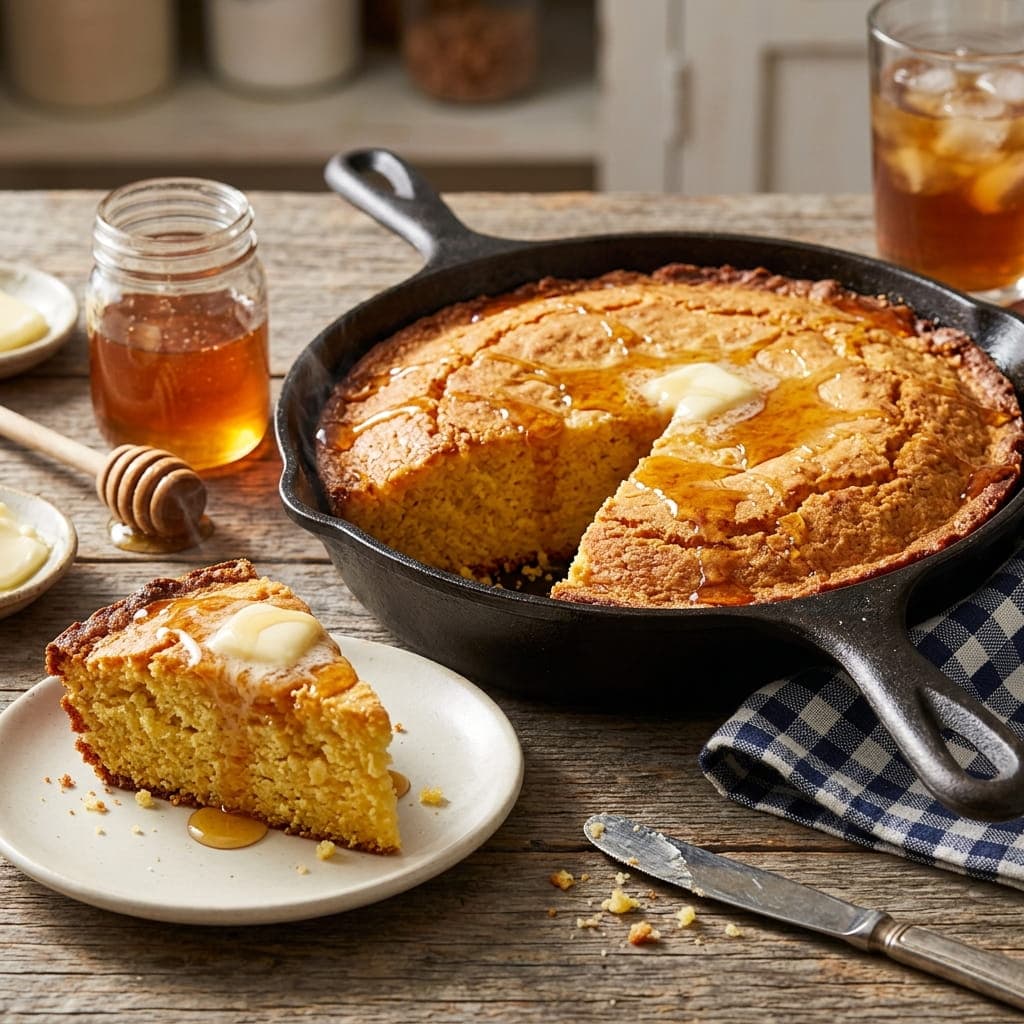
Easy Southern Sweet Honey Cornbread
This pours the batter into a cast iron skillet that's been preheated in the oven with butter already melted inside, a classic Southern technique that gives the bottom crust an instant sizzle and deep golden color the moment it hits the pan. A generous swirl of honey stirred into the wet ingredients, rather than drizzled on after baking, bakes right into the crumb for sweetness in every bite.
35m8
Artisan And Sourdough
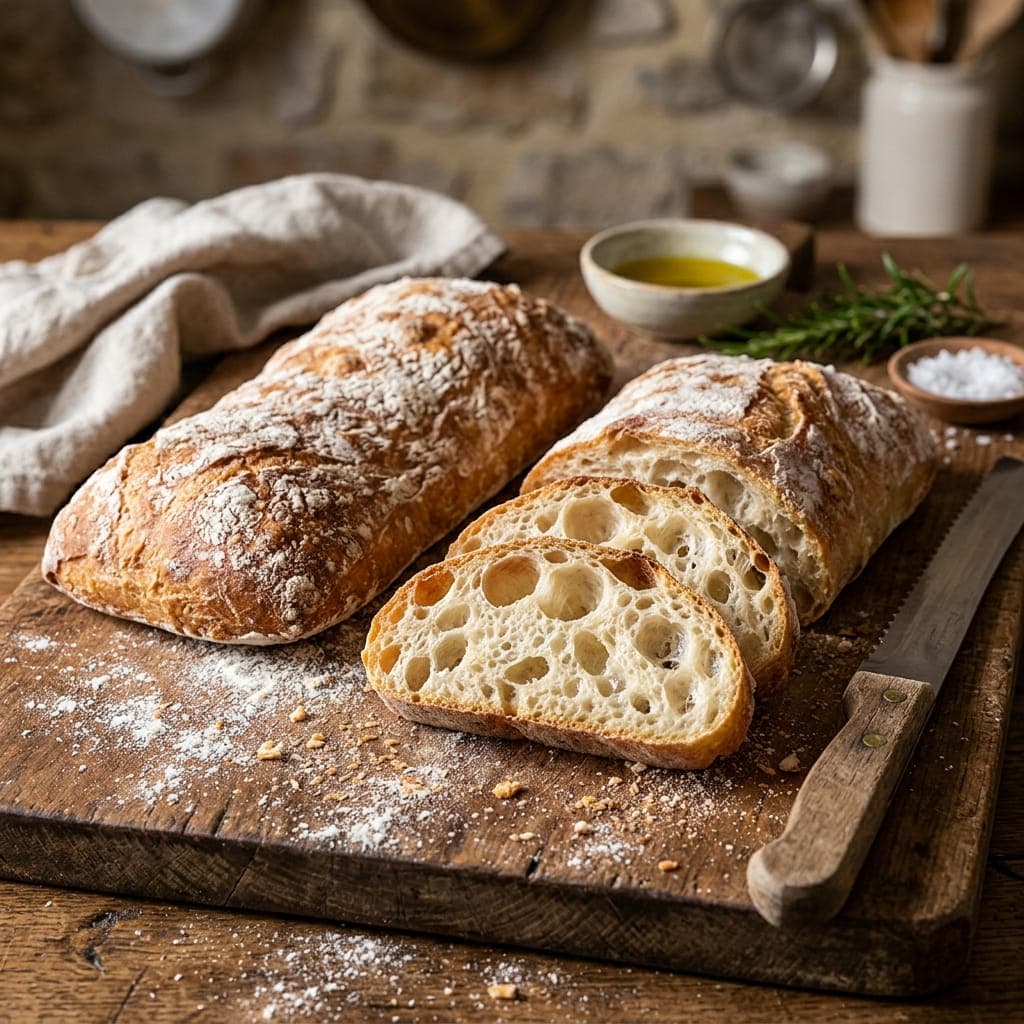
Italian Ciabatta Sandwich Bread Slippers
This uses an intentionally wet, sticky dough, far wetter than most bread recipes call for, since that high hydration is exactly what creates ciabatta's signature large, irregular holes once baked. Handling the dough as little as possible while shaping, letting it keep its naturally loose, slipper like form, is what gives this bread its name and rustic character.
55m2
Artisan And Sourdough
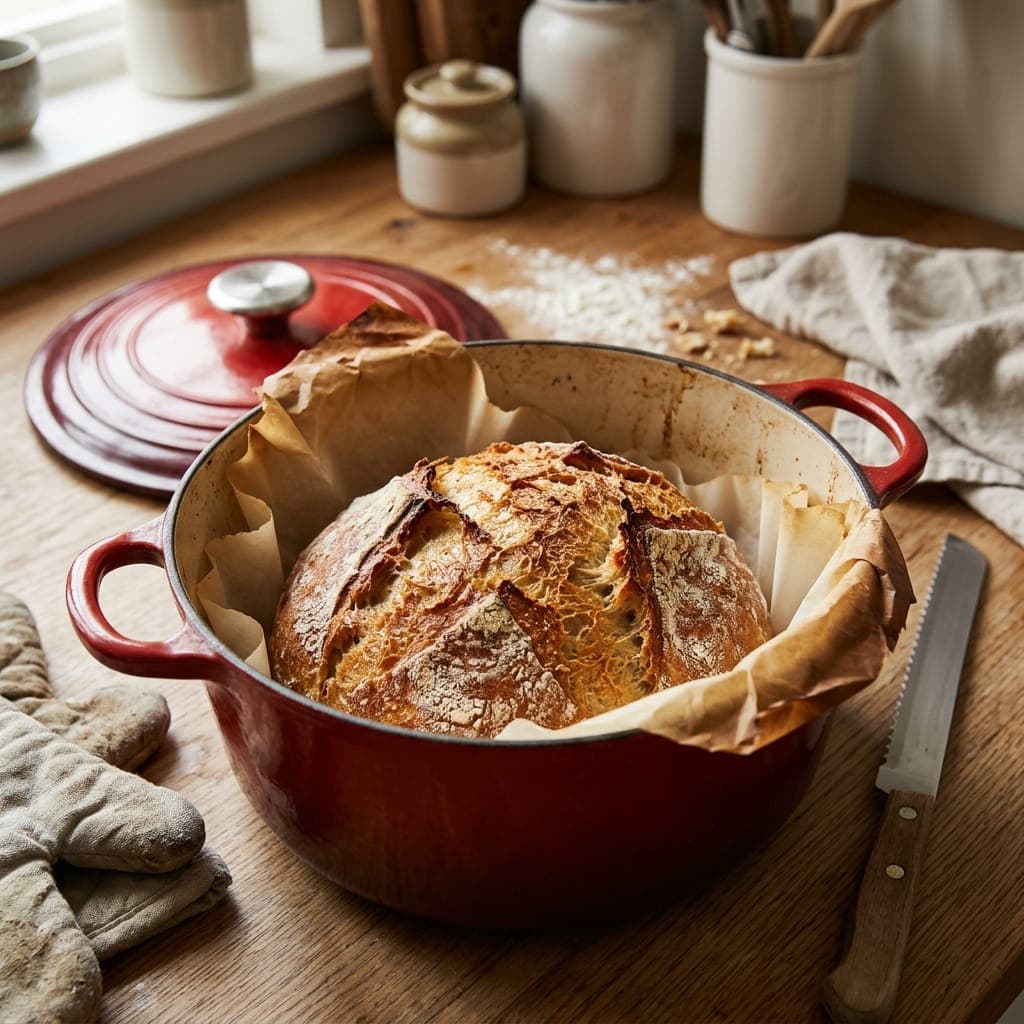
Easy No-Knead Pot Dutch Oven Bread
This skips kneading entirely and instead relies on a very long, slow rise, since extended time develops the gluten structure on its own, which is what makes this method so forgiving for a first attempt at homemade bread. Baking inside a covered Dutch oven traps the dough's own steam, giving even this simple, hands off recipe a crackling, bakery style crust.
65m10
Artisan And Sourdough
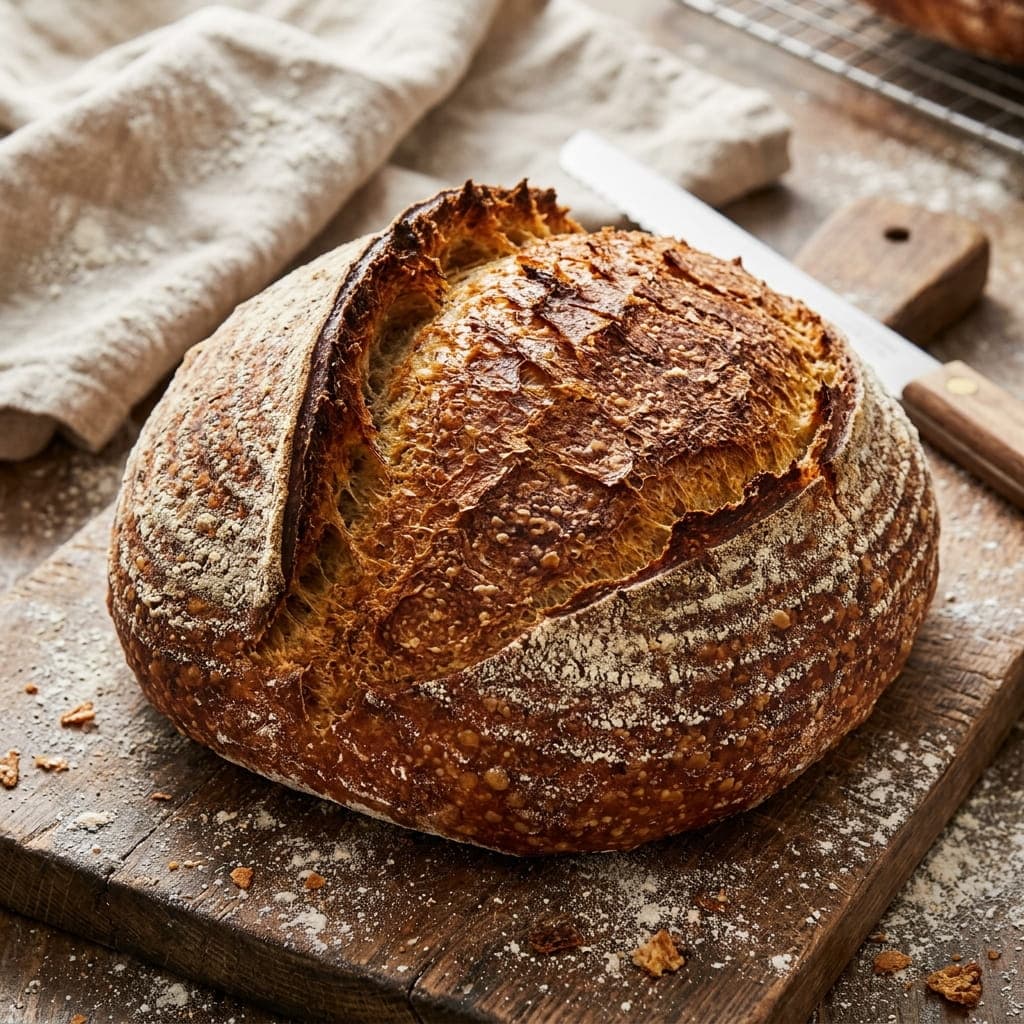
Traditional San Francisco Sourdough Round
This leans on an extra long, cool bulk fermentation, longer than most standard sourdough recipes call for, since that slower process is what builds the sharp, distinctly tangy flavor San Francisco sourdough is famous for. Shaping the dough into a tight, taut boule and proofing it seam side up is what gives the finished loaf its classic round shape and dramatic, open ear once scored and baked.
85m10
Artisan And Sourdough
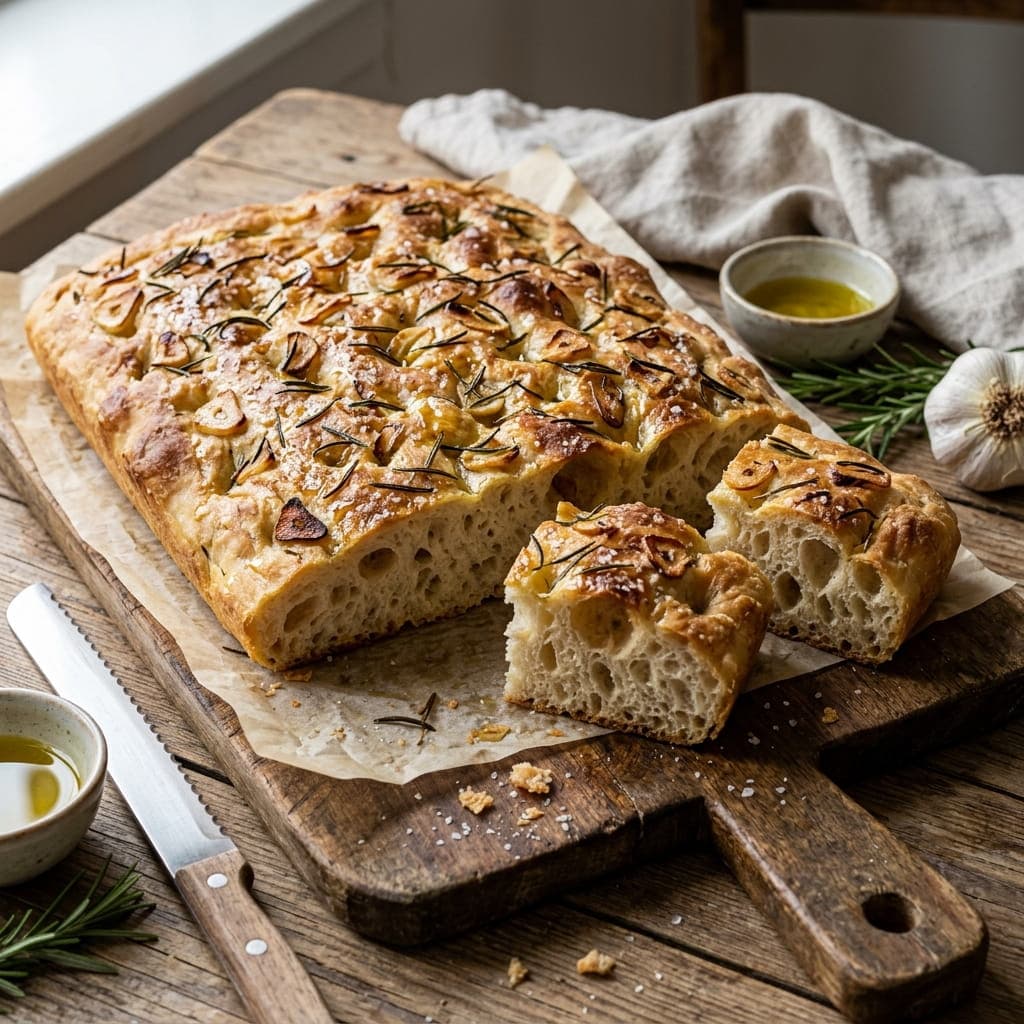
Italian Garlic Rosemary Focaccia Bread
This dimples the risen dough firmly with oiled fingertips right before baking, the signature focaccia technique that creates little pools for olive oil to collect in, giving the bread its characteristic craggy top and rich flavor in every bite. A generous layer of olive oil poured into the pan before the dough goes in is what fries the bottom crust to a deep golden, almost fried texture.
50m8
Buns Rolls And Flatbreads
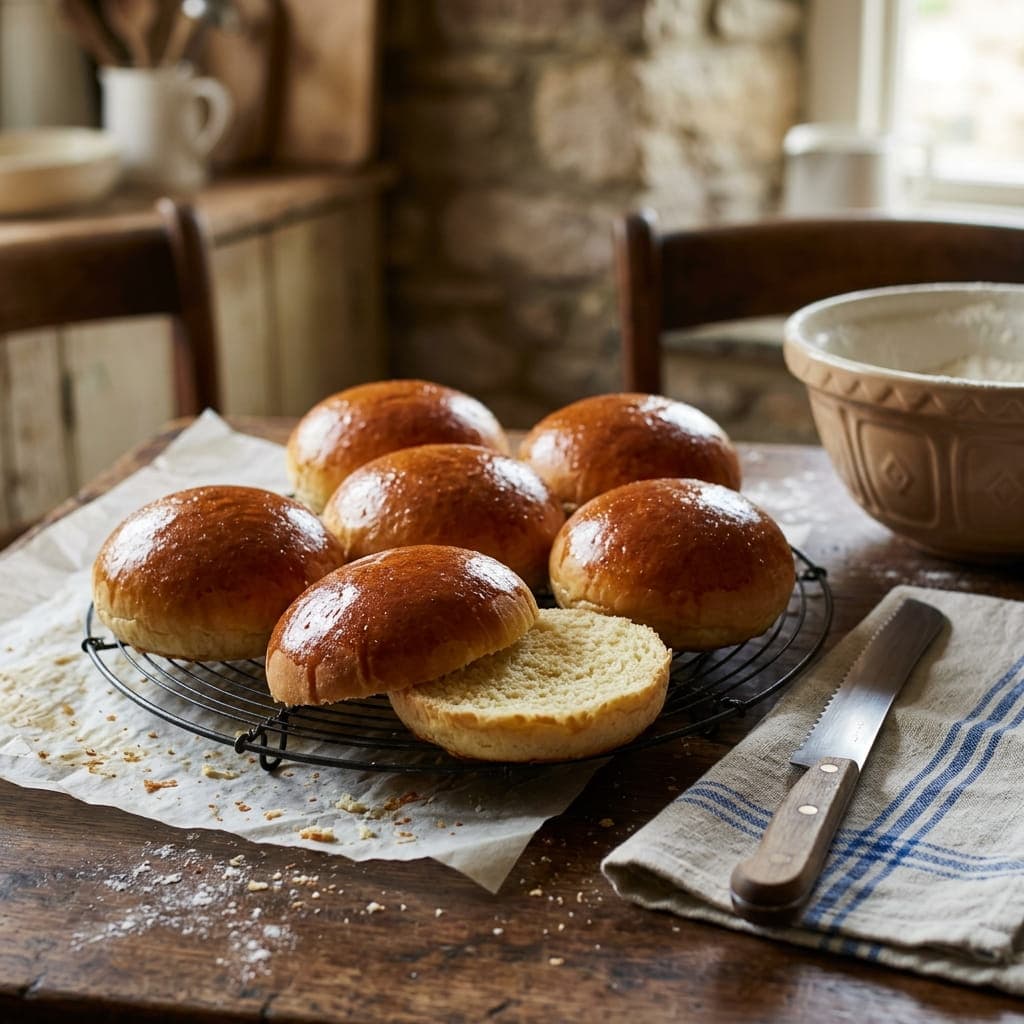
Traditional British Brioche Burger Buns
This works the butter into the dough gradually, only after the base has developed some gluten structure, since adding all that fat at once would coat the flour and prevent the dough from building the strength it needs to rise properly. Shaping the buns into tight, smooth rounds and letting them chill briefly before their final rise is what keeps them from spreading too flat once they hit the hot oven.
58m8
Quick Breads And Muffins
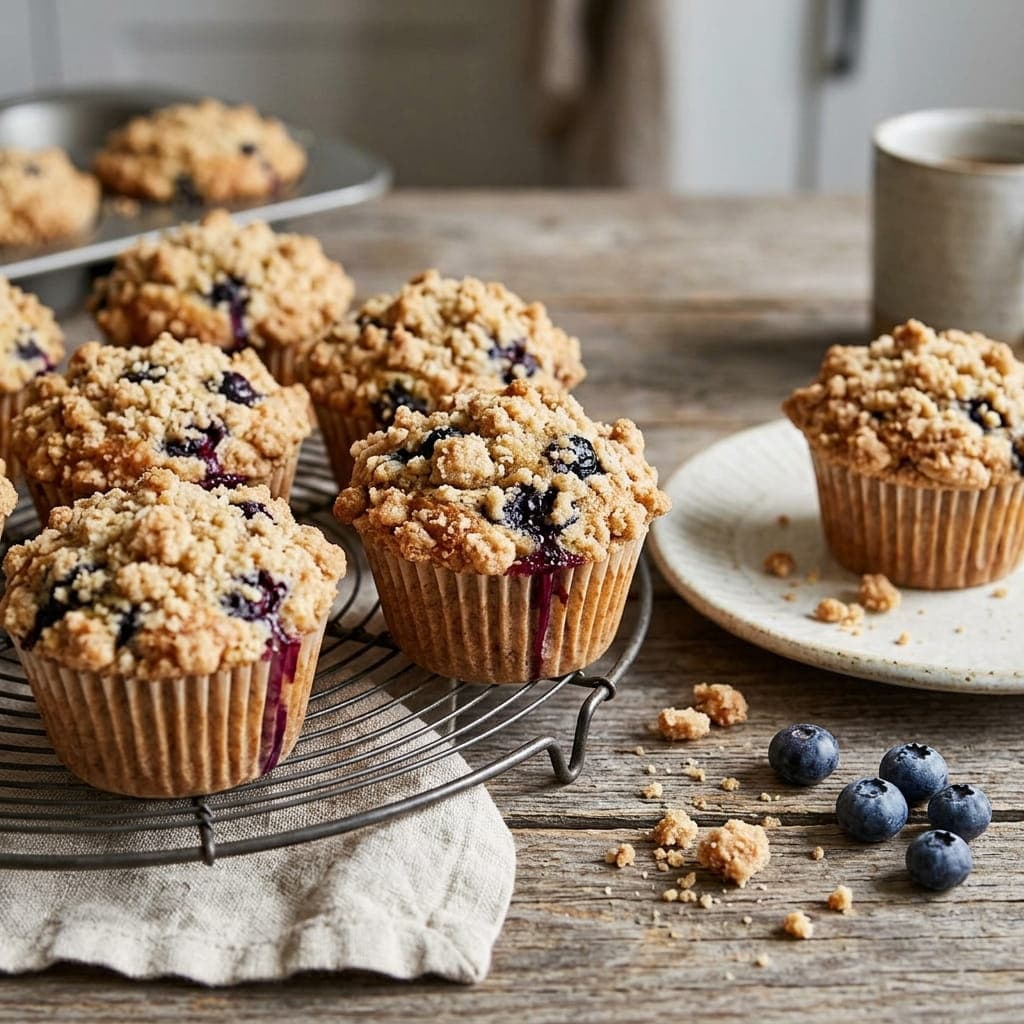
Blueberry Crumb Streusel Quick Muffins
This tosses the fresh blueberries in a spoonful of flour before folding them into the batter, a simple trick that helps suspend them evenly throughout the muffin instead of letting them all sink to the bottom during baking. A buttery streusel topping, rubbed together with fingertips rather than mixed smooth, keeps its crumbly texture and bakes into a golden, slightly crunchy top.
44m12
Buns Rolls And Flatbreads
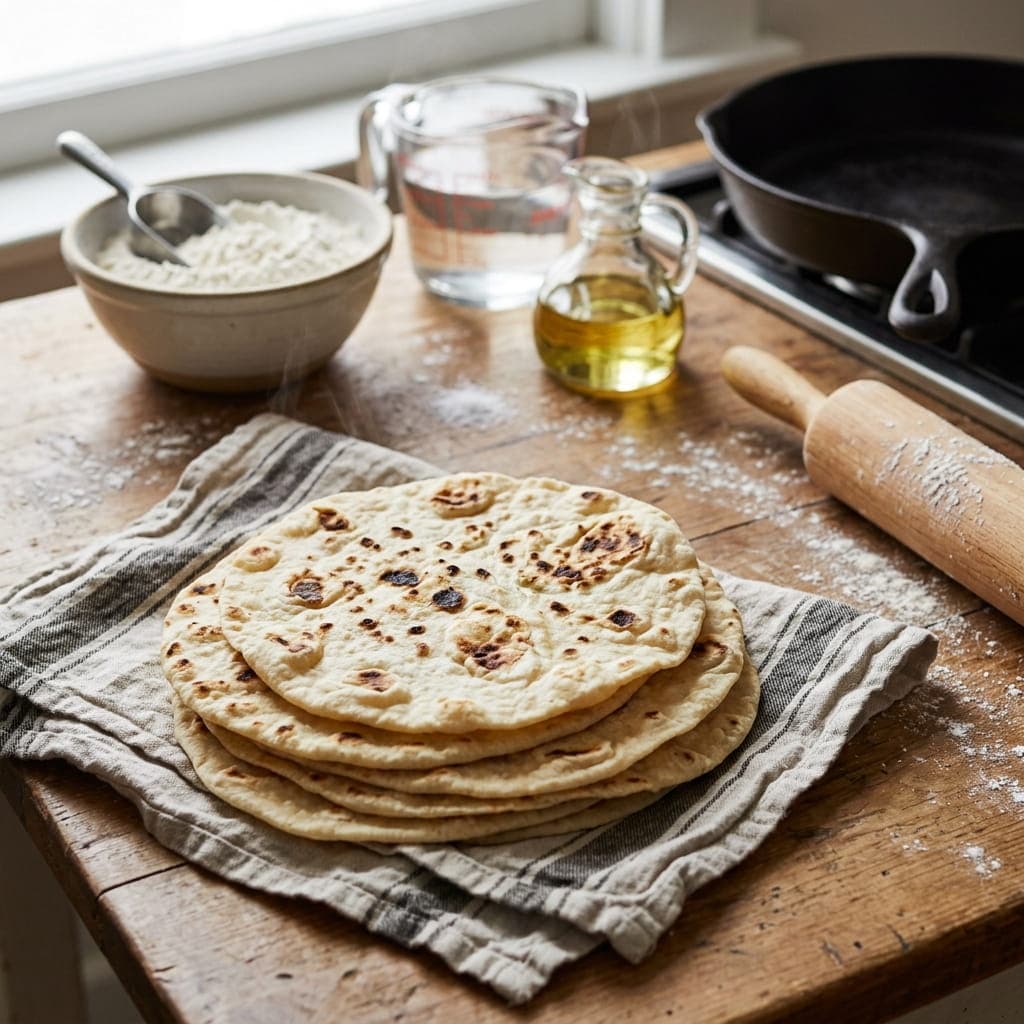
Easy 3-Ingredient Flour Tortillas Flatbread
This lets the dough rest for a full 20 minutes before rolling, a step that relaxes the gluten enough to make the tortillas easy to stretch thin without snapping back into a smaller shape. Cooking them in a completely dry, hot skillet rather than one with oil is what gives these tortillas their characteristic light brown spots and soft, pliable texture.
40m8
Quick Breads And Muffins
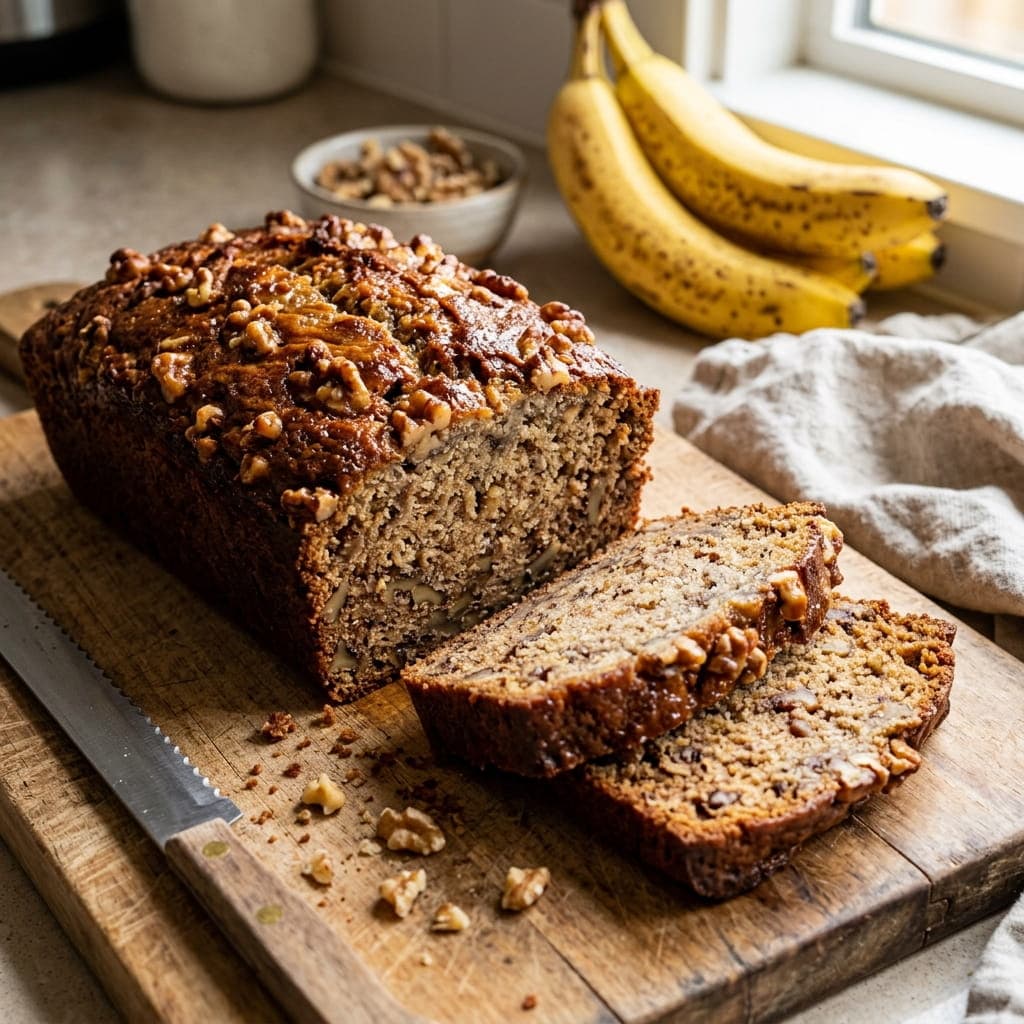
Classic American Moist Banana Nut Bread
This uses bananas that are heavily speckled with brown spots, well past the point most people would eat them fresh, since that extra ripeness is what concentrates their natural sugars and gives this bread its deep banana flavor. Stirring the batter only until the dry ingredients disappear, rather than beating it smooth, is what keeps this quick bread tender instead of tough and rubbery.
75m10
Buns Rolls And Flatbreads
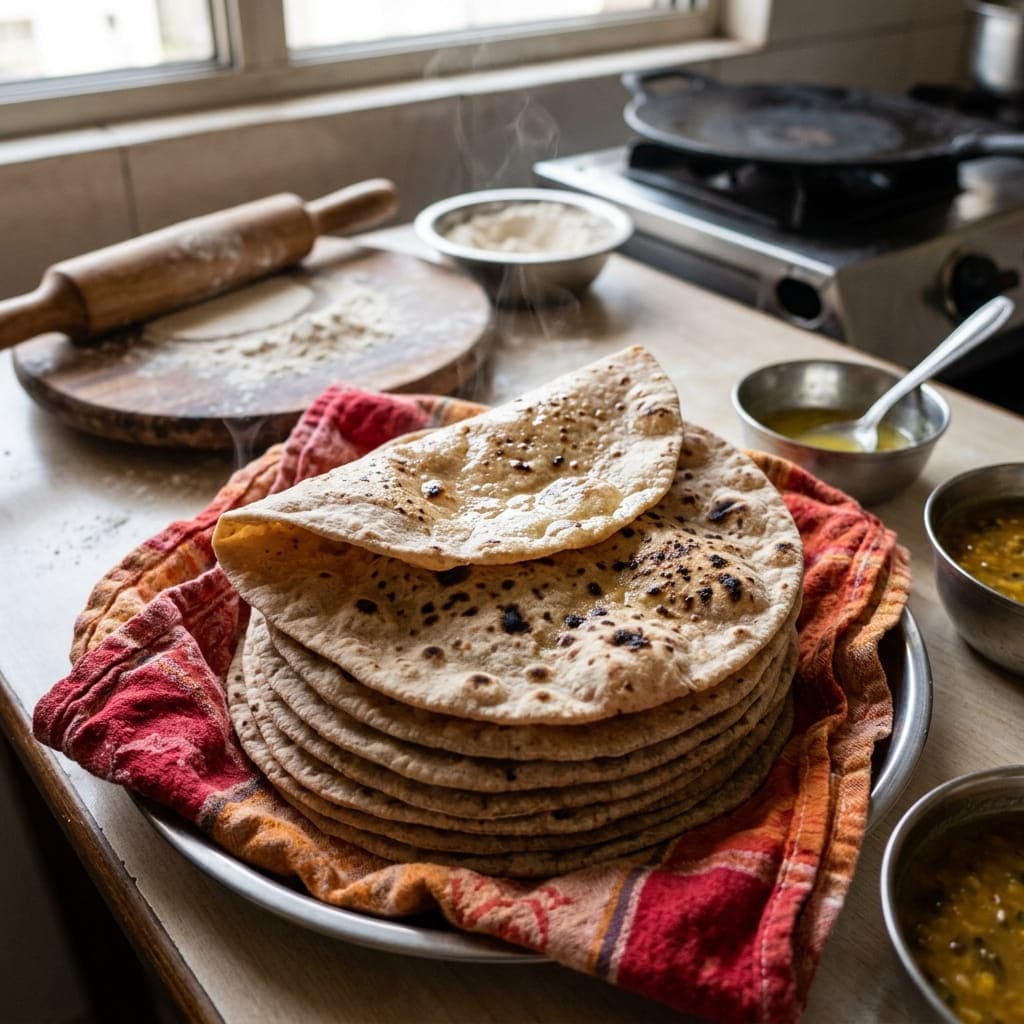
Homemade Indian Roti (Patties Flatbread)
This uses whole wheat atta flour, a finely ground durum wheat flour, rather than standard whole wheat flour, since its finer texture is what allows the dough to roll out thin and pliable, closer to what's used in homes across India. Finishing the roti directly over an open flame for a few seconds after cooking on the tawa is a traditional technique that puffs it up fully and adds a light char.
50m10
Quick Breads And Muffins
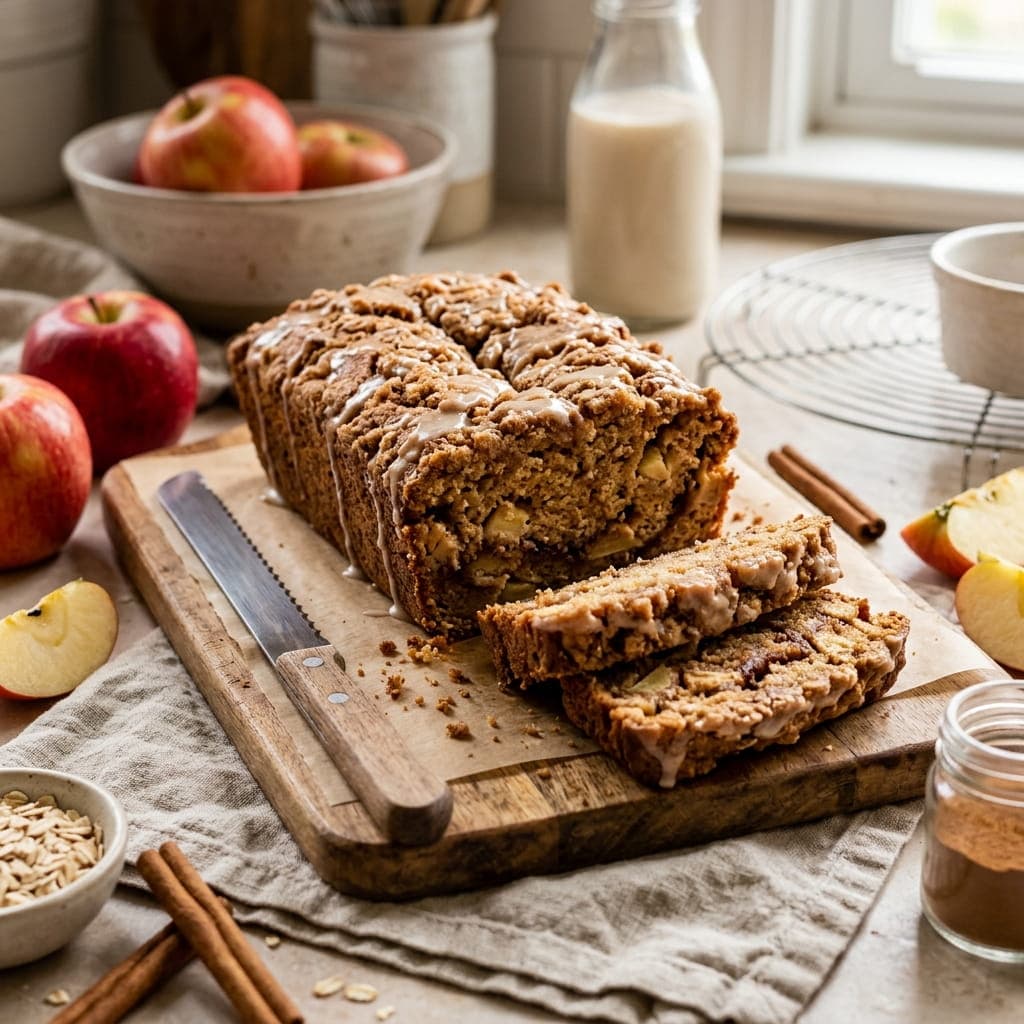
Dairy-Free Apple Cinnamon Quick Loaf
This folds finely diced apple directly into the batter rather than layering it on top, which distributes little pockets of soft, cinnamon spiced fruit through every slice instead of concentrating them in just one part of the loaf. Using a neutral oil in place of butter keeps this loaf entirely dairy free while still baking up moist and tender, since oil stays liquid at room temperature unlike solid butter.
80m10