Loading...
Dips And Spreads Recipes
Showing 1-10 of 10 delicious dips and spreads recipes
Dips And Spreads
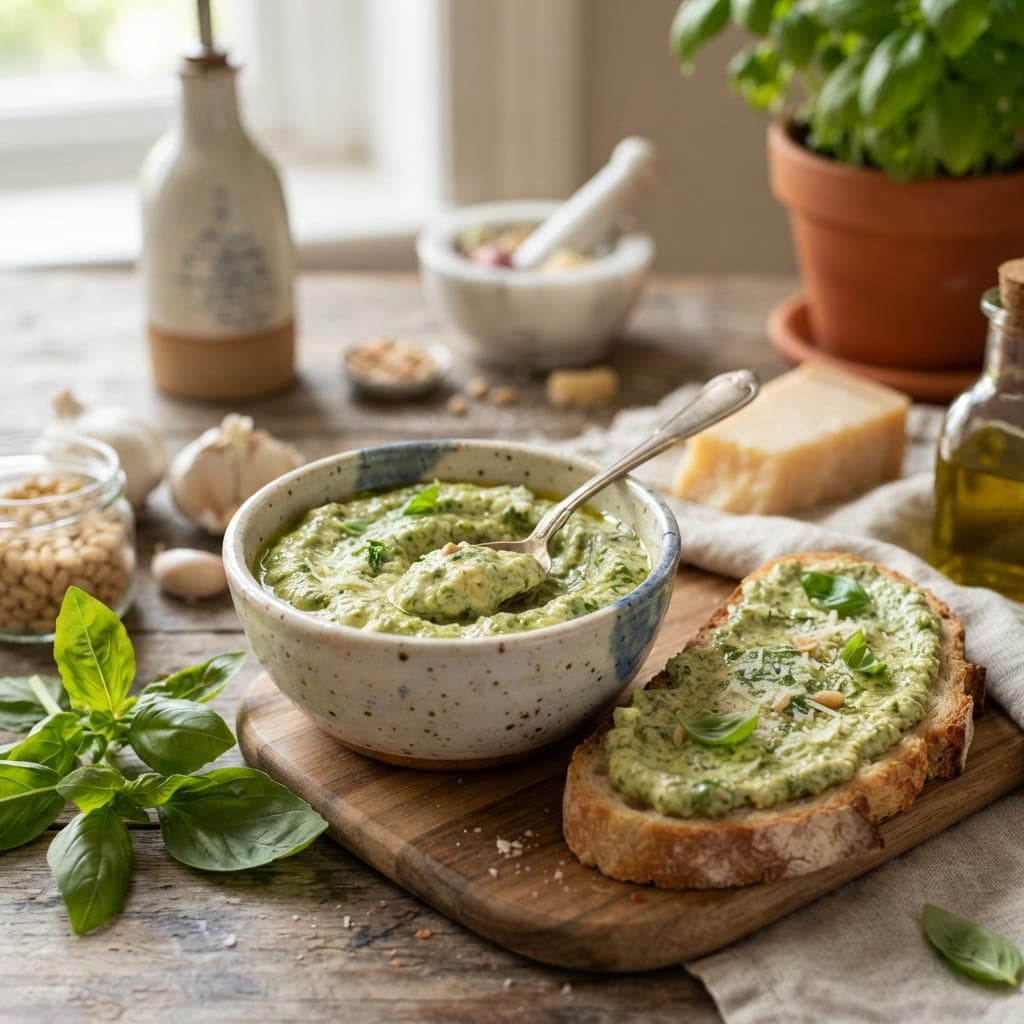
Italian Creamy Basil Pesto Sauce Spread
Blanching the basil leaves briefly in boiling water, then shocking them in ice water, is a trick that keeps this pesto's color a vivid green rather than the dull, oxidized brown it can turn within an hour of blending. A splash of cream folded in at the end softens the pesto's sharp bite into something spreadable enough for bread, not just a pasta sauce.
17m8
Dips And Spreads
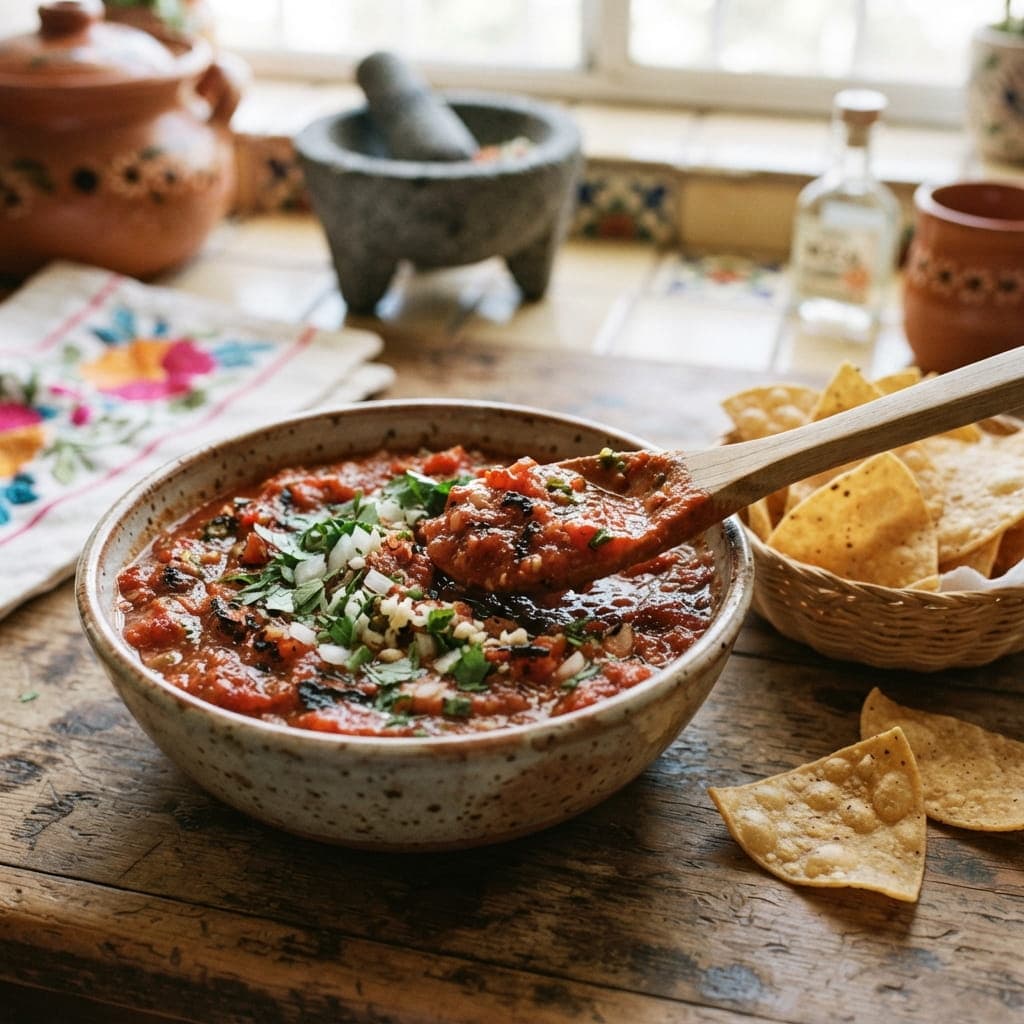
Mexican Spicy Charred Tomato Salsa
Blistering the tomatoes, onion, and chilies under a broiler before blending is the technique that gives this salsa its deep, smoky roasted flavor - raw tomato salsa tastes noticeably brighter and thinner by comparison. Pulsing rather than fully pureeing keeps some texture intact, closer to what you'd get at an actual taqueria than a smooth, restaurant-style bottled salsa.
25m8
Dips And Spreads
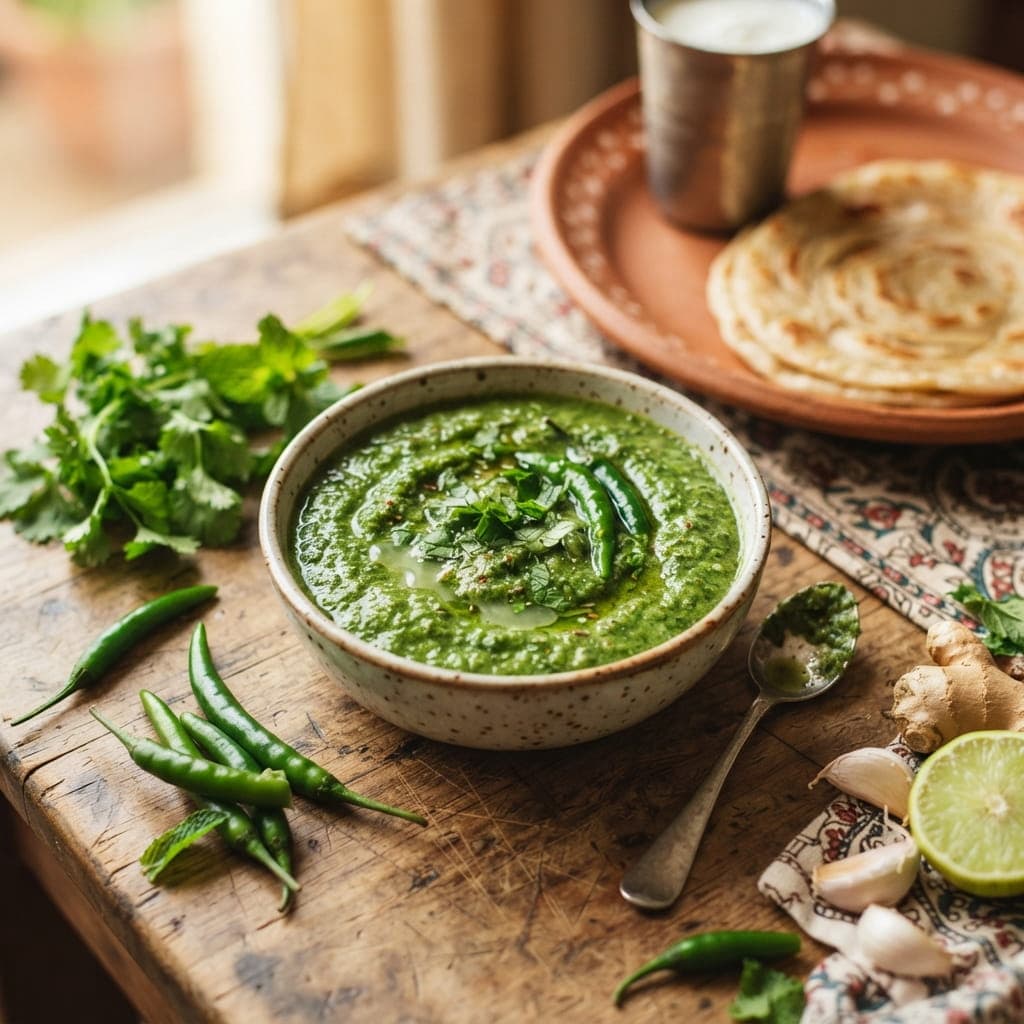
Spicy Pakistani Mint Coriander Chutney
This is the bright green chutney that shows up alongside nearly every Pakistani street food - samosas, kebabs, sandwiches - built on nothing more than mint, coriander, and green chilies blended with a splash of lemon and a touch of yogurt for body. Using more coriander than mint keeps the flavor from tasting overly medicinal, since mint alone can quickly overpower everything else.
15m8
Dips And Spreads
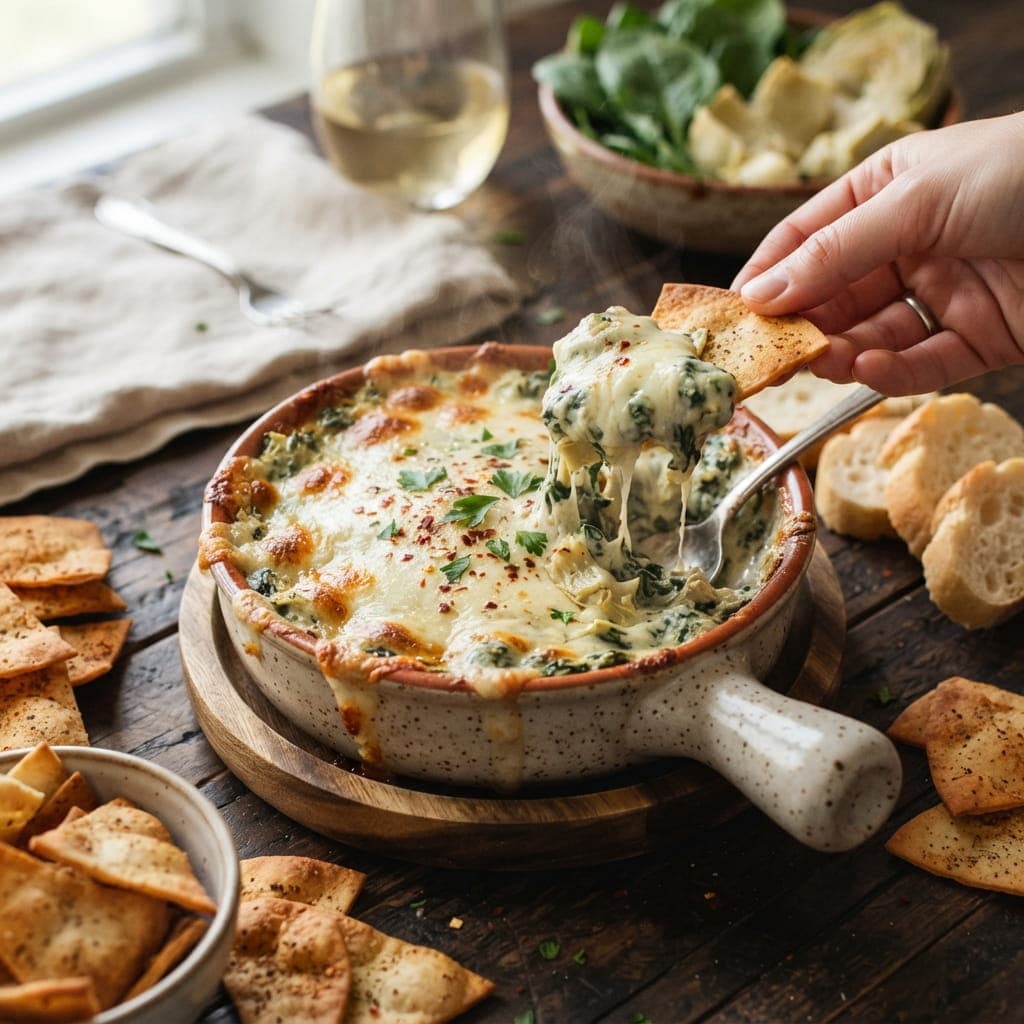
Hot and Creamy Spinach Artichoke Dip
Squeezing every bit of water out of thawed frozen spinach is what keeps this dip thick and scoopable rather than watery once baked - spinach holds a surprising amount of moisture that dilutes the cream cheese base if not removed first. Baked until bubbling and just beginning to brown at the edges, this is the classic party dip that disappears within minutes of hitting the table.
40m8
Dips And Spreads
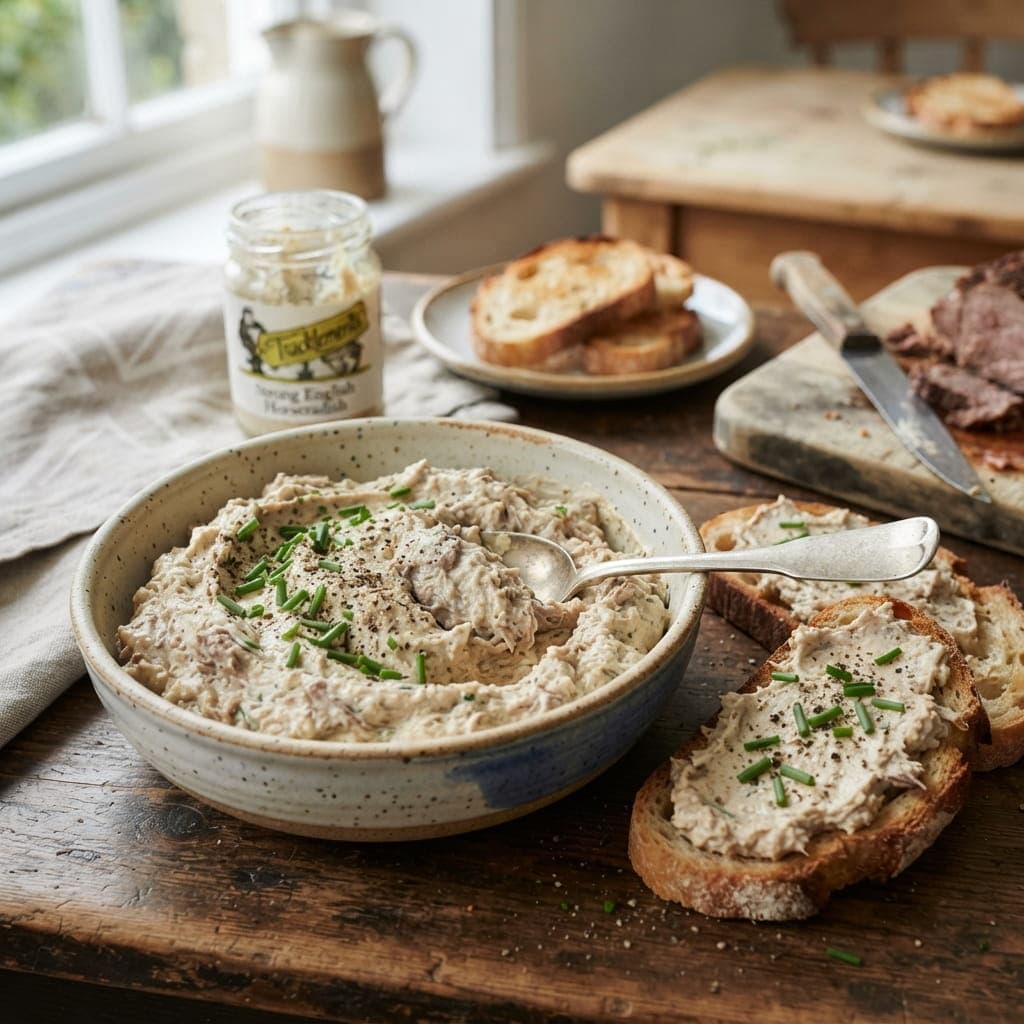
British Creamy Horseradish Beef Spread
Prepared horseradish loses its sharp bite quickly once opened, which is why this spread relies on a generous, unapologetic amount to actually taste like anything - a shy spoonful just disappears into the cream cheese. Traditionally paired with roast beef the way mint sauce pairs with lamb, this makes an easy, punchy spread for sandwiches or a quick dip for pretzels and crackers.
10m8
Dips And Spreads
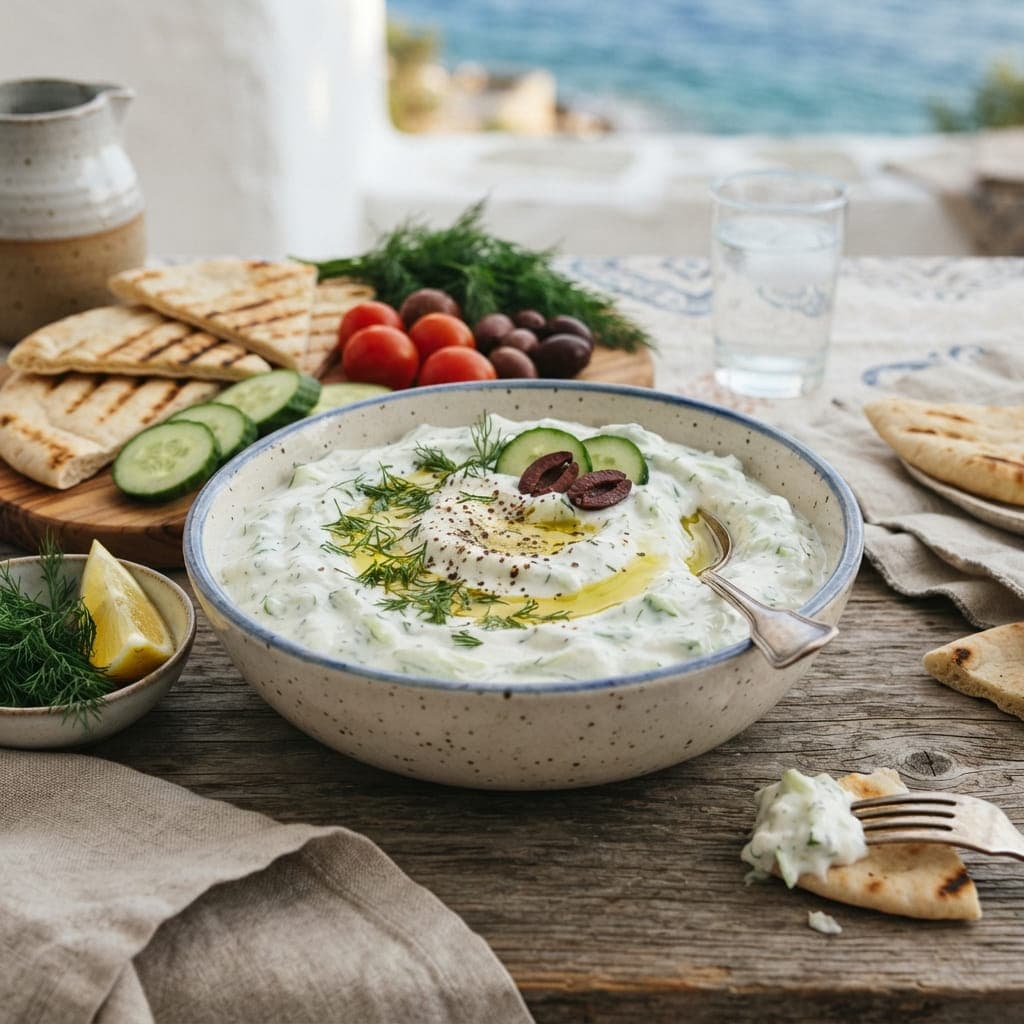
Authentic Greek Tzatziki Cucumber Yogurt Dip
Grating the cucumber and then squeezing it dry in a clean towel is the step most people skip, and it's exactly why store-bought tzatziki is often thin and watery - fresh cucumber releases a surprising amount of liquid that will thin the dip within an hour if not removed first. Thick Greek yogurt as the base, rather than regular yogurt, is what gives this its characteristic body and tang.
20m8
Dips And Spreads
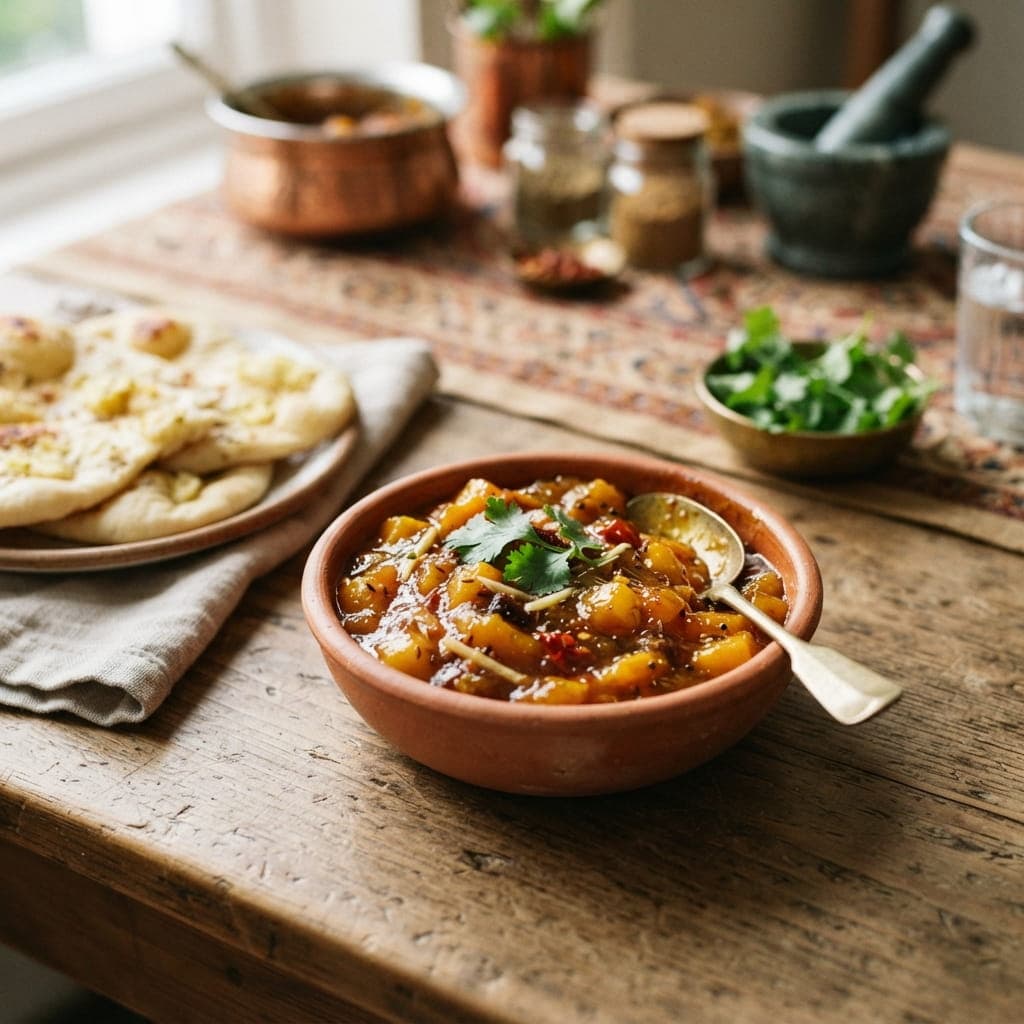
Indian Spicy Sweet Mango Chutney
Using slightly underripe, firm mangoes rather than sweet, ripe ones is what gives this chutney its proper balance - fully ripe mango turns to mush too quickly and lacks the tartness needed to stand up against the sugar and chili. Simmered low and slow until thick and jammy, this is the same sweet-hot condiment that comes alongside samosas and pakoras at Indian restaurants.
50m12
Dips And Spreads
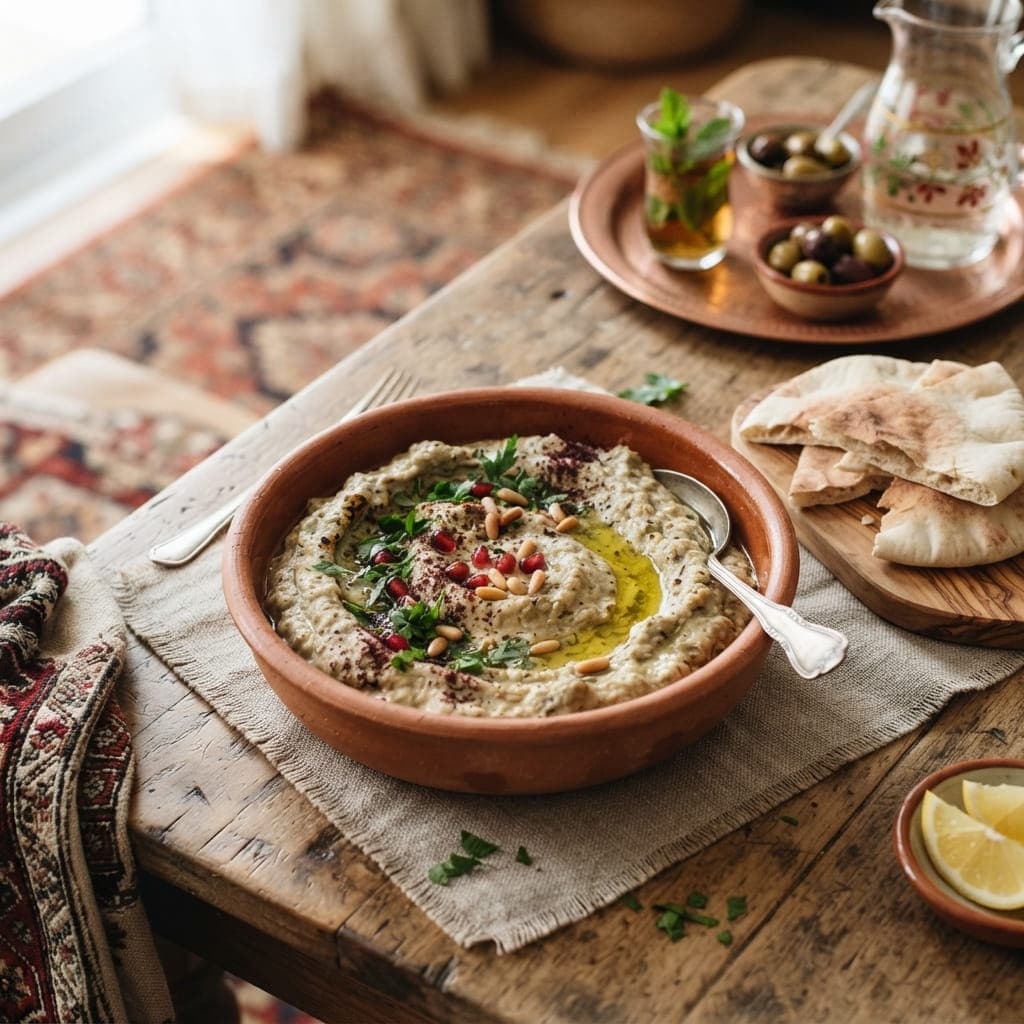
Middle Eastern Smokey Baba Ganoush Dip
Charring the eggplant directly over an open flame - whether a gas stovetop burner or an outdoor grill - is what gives real baba ganoush its deep, smoky character that an oven alone can't fully replicate. Draining the roasted flesh in a colander for a few minutes afterward removes excess bitter liquid, and chopping it by hand rather than blending keeps some rustic texture instead of turning it into a uniform paste.
30m6
Dips And Spreads
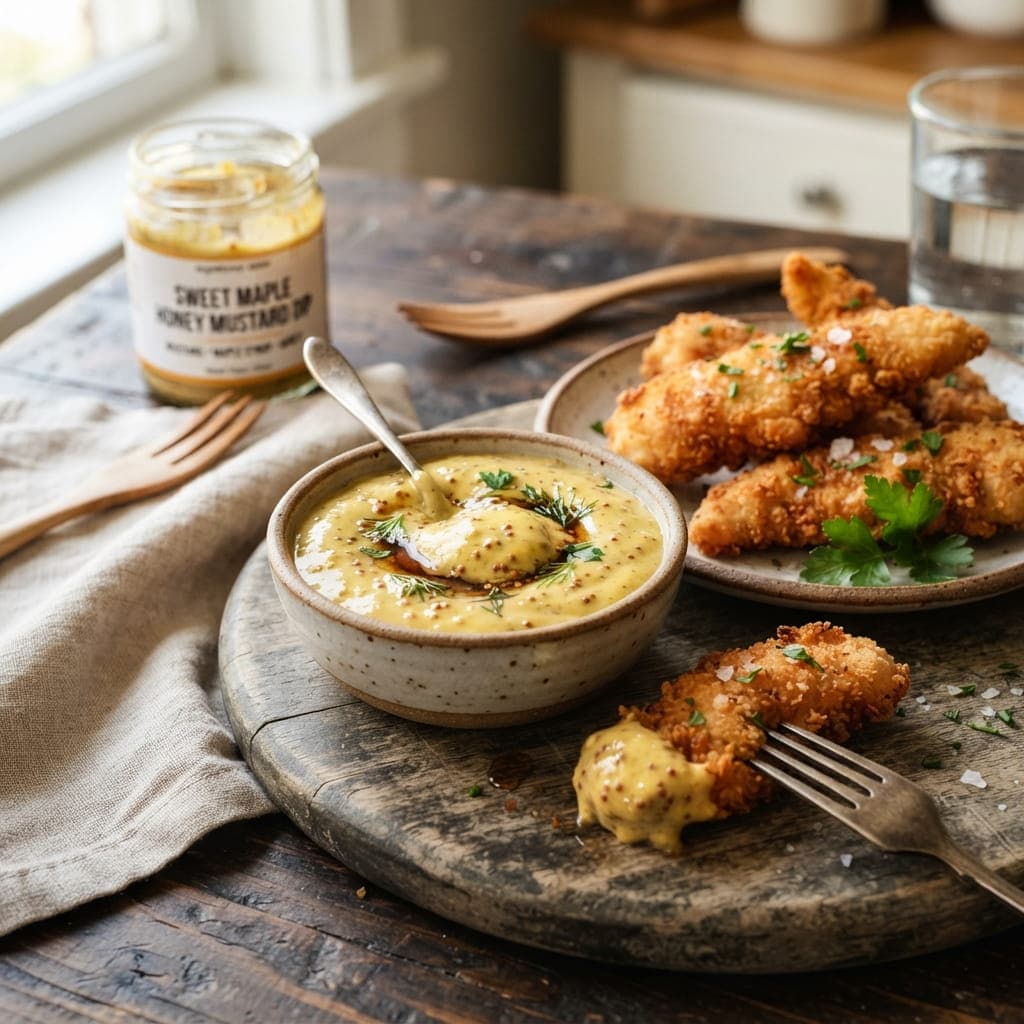
Sweet Maple Honey Mustard Dip Sauce
Using both Dijon and yellow mustard together gives this sauce more depth than either alone would - Dijon brings sharpness and a bit of complexity, while yellow mustard adds the familiar tang most people expect from honey mustard. Maple syrup alongside honey rounds out the sweetness with a slightly different, less floral note that plays well against the mustard's bite.
10m8
Dips And Spreads
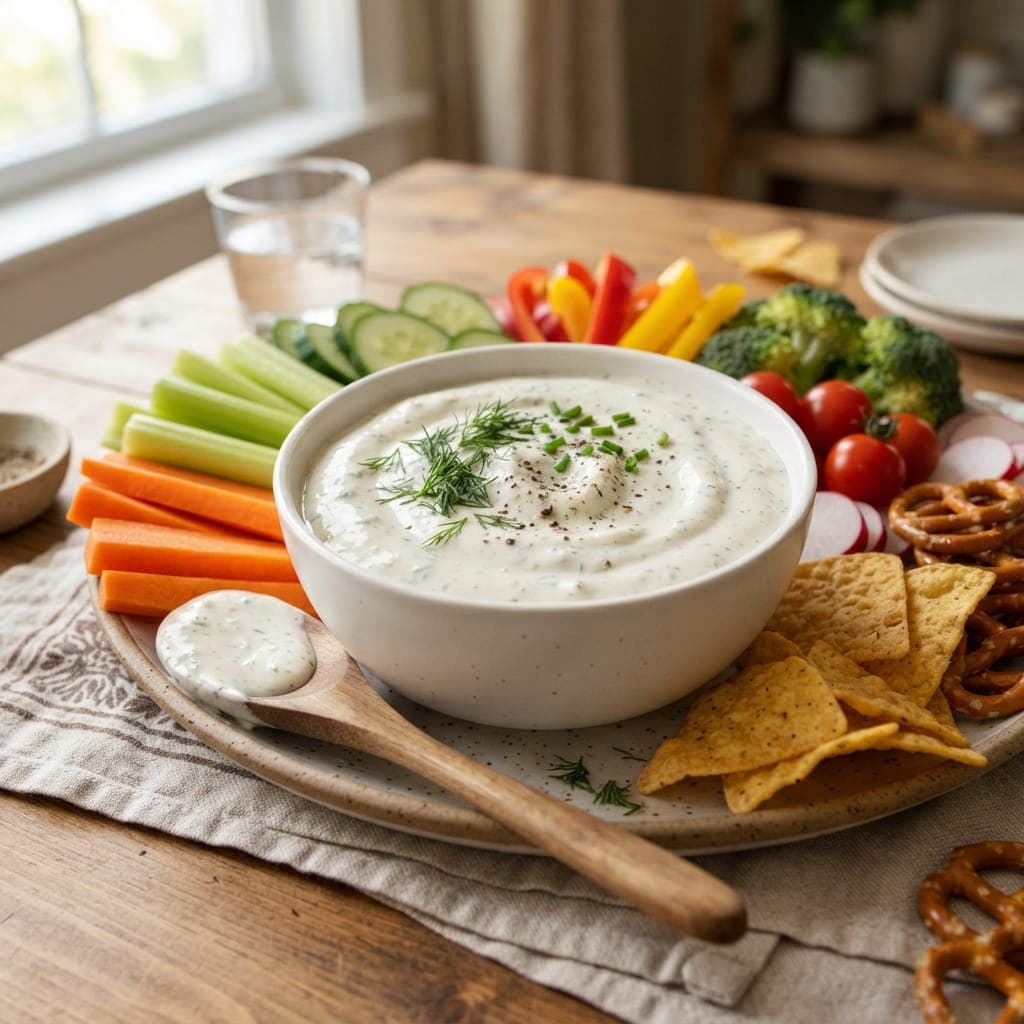
Classic American Creamy Ranch Dressing Dip
Letting the dried herbs sit in the buttermilk and mayonnaise mixture for at least an hour, rather than serving it right away, is what actually develops ranch's signature deep herb flavor - fresh-mixed ranch always tastes noticeably flatter than one that's had time to rest. Buttermilk's tang is what separates real ranch from a plain herbed mayo, giving it that distinctive sharp background note.
10m8