Loading...
Dinner Recipes
Evening meals
Showing 17-32 of 51 delicious dinner recipes
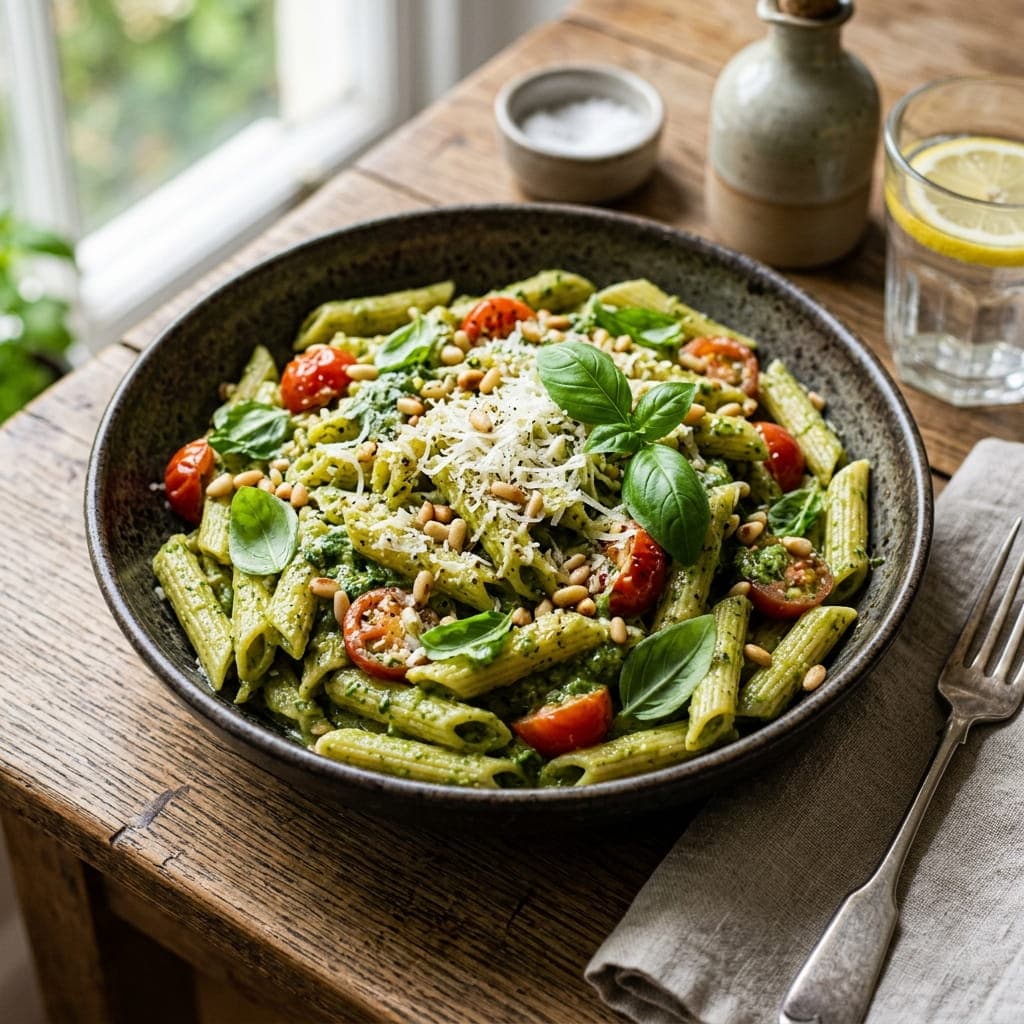
Pasta Nights
Vegetarian Creamy Basil Pesto Penne
A splash of heavy cream stirred into classic basil pesto mellows its sharp, garlicky punch into something rounder and more coating, without losing the fresh basil flavor that defines it. Loosened with reserved pasta water and tossed hot, this comes together faster than most weeknight dinners while still tasting distinctly homemade.
30m4
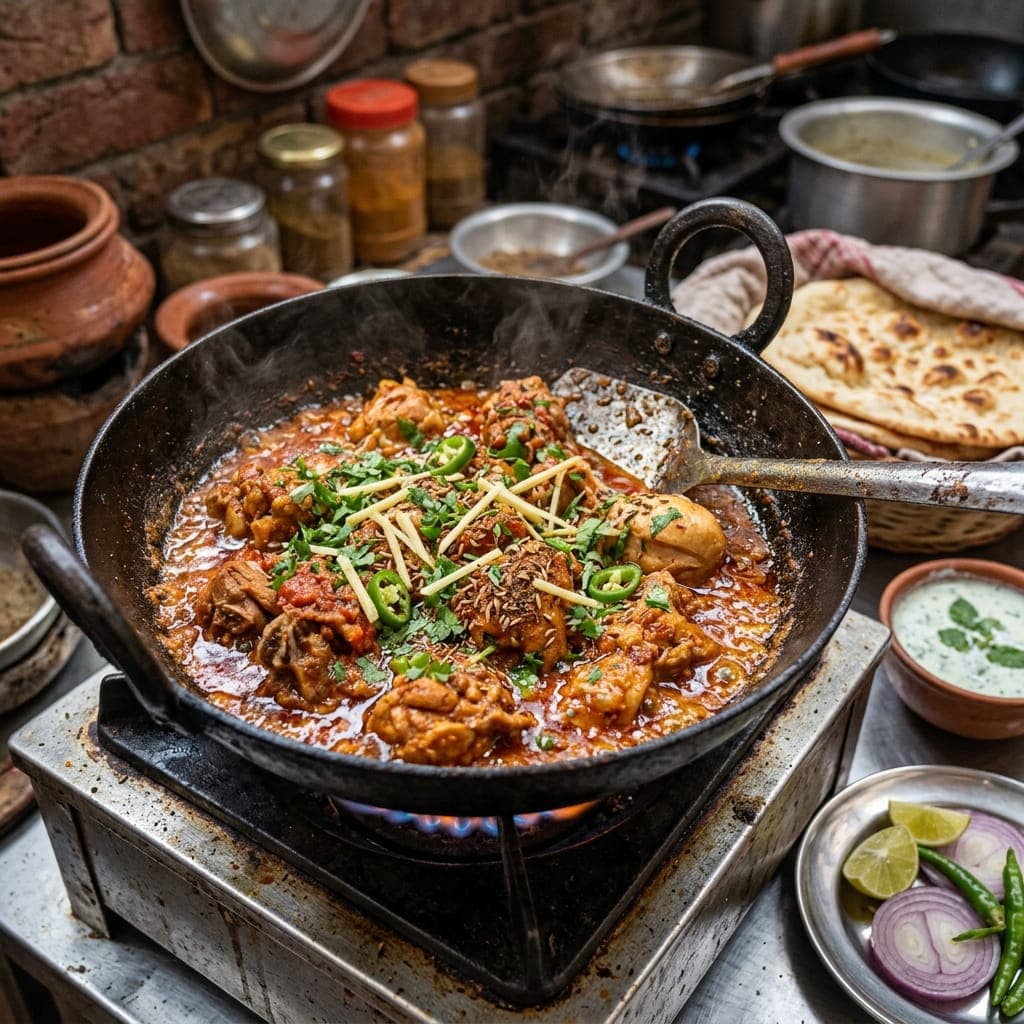
Chicken Mains
Authentic Pakistani Chicken Karahi
True chicken karahi, named after the wok-like pan it's cooked in, is traditionally made with no yogurt and few onions - just chicken, tomatoes, ginger, and green chilies reduced down through bhunna, the technique of stir-frying on high heat until the oil visibly separates from the masala. Originating in Khyber Pakhtunkhwa, this dry, tomato-forward curry is a Dhaba and restaurant staple across Pakistan.
50m4
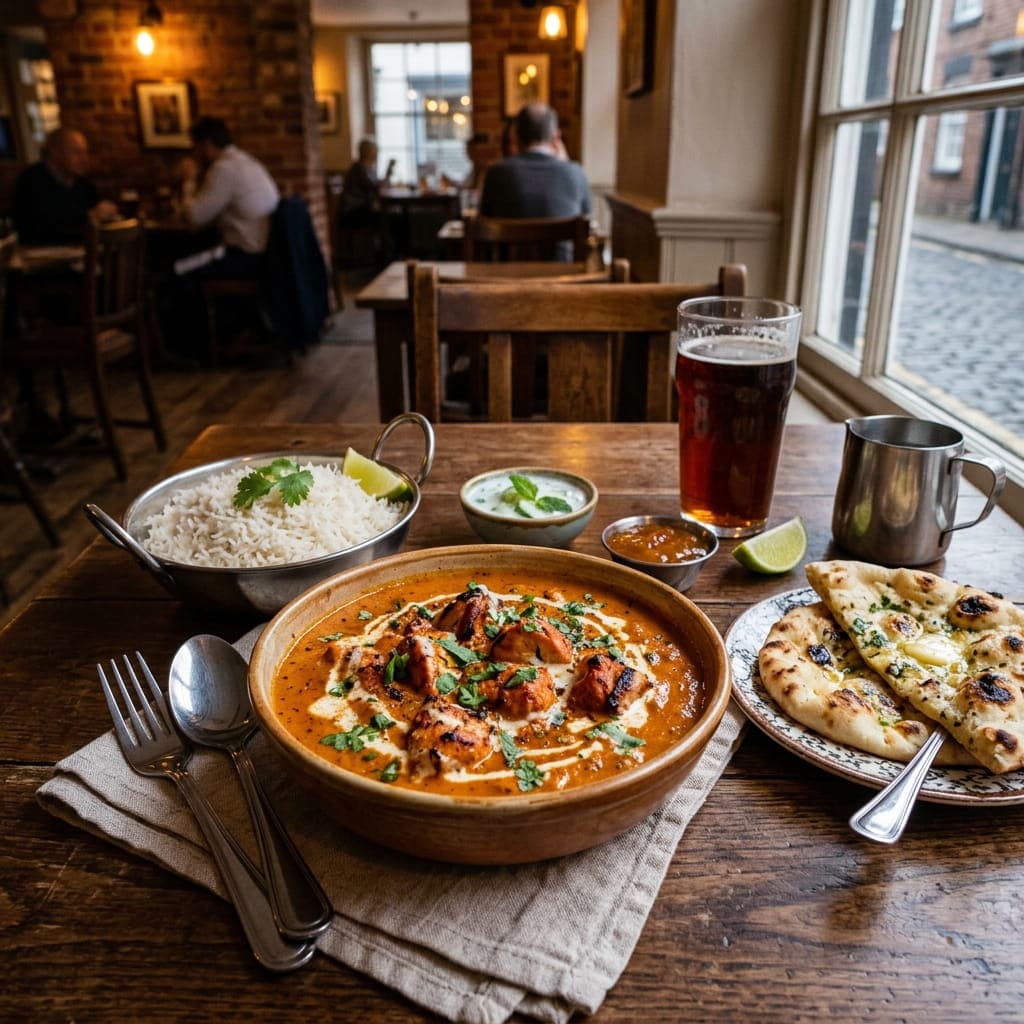
Chicken Mains
Traditional British Chicken Tikka Masala
Widely credited as a British invention rather than a traditional Indian dish, chicken tikka masala was reportedly created when a curry house chef added a creamy tomato sauce to grilled chicken tikka for a customer who found it too dry. Today it's one of the most-ordered dishes in the UK, built on smoky, char-grilled chicken simmered in a rich, spiced tomato-cream sauce.
60m4
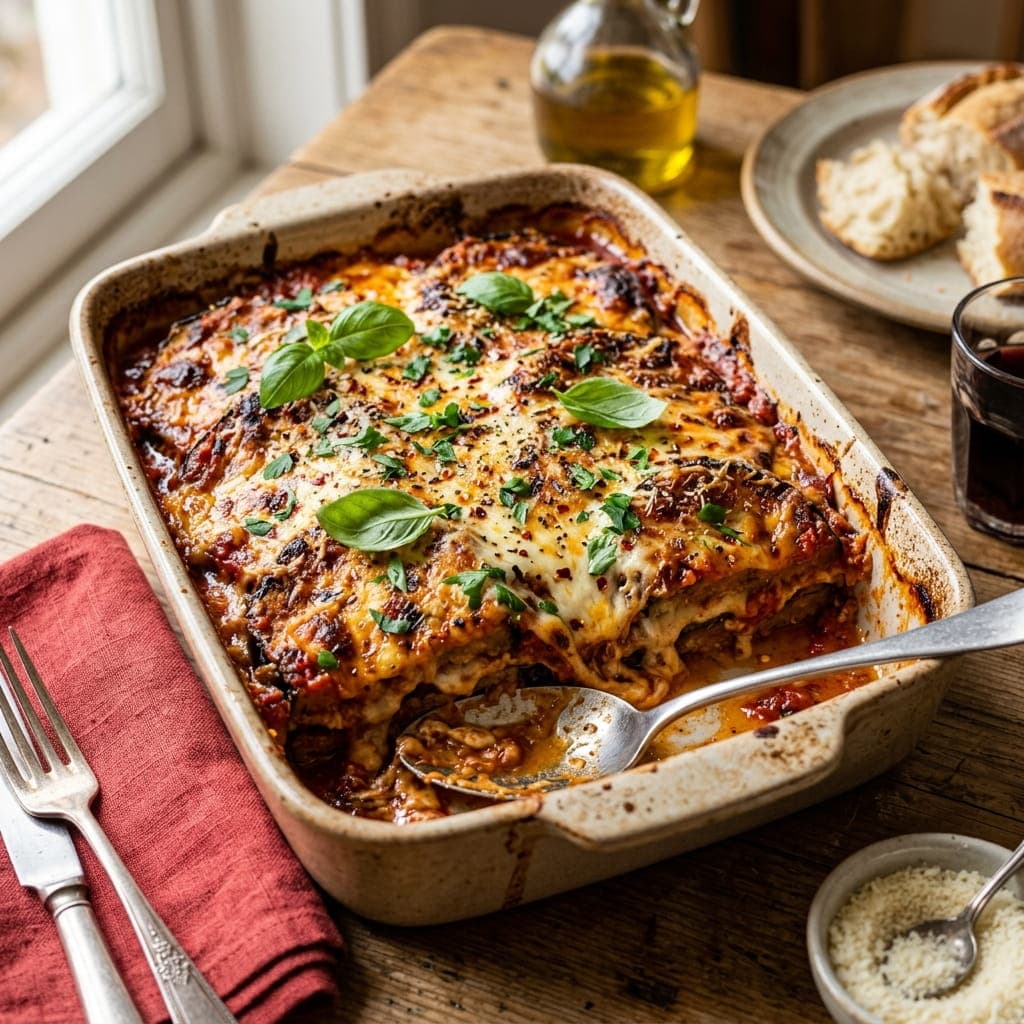
Vegetarian Dinners
Italian Eggplant Parmesan Bake (Melanzane)
Salting sliced eggplant and letting it sit for 30 minutes draws out excess moisture and bitterness before it ever touches a pan - skip this step and the finished bake often turns watery and mushy instead of holding its shape in clean, layered slices. Baked rather than fried, this version keeps the classic layers of eggplant, marinara, and melted mozzarella without the mess of shallow frying each slice.
100m6
Vegetarian Dinners
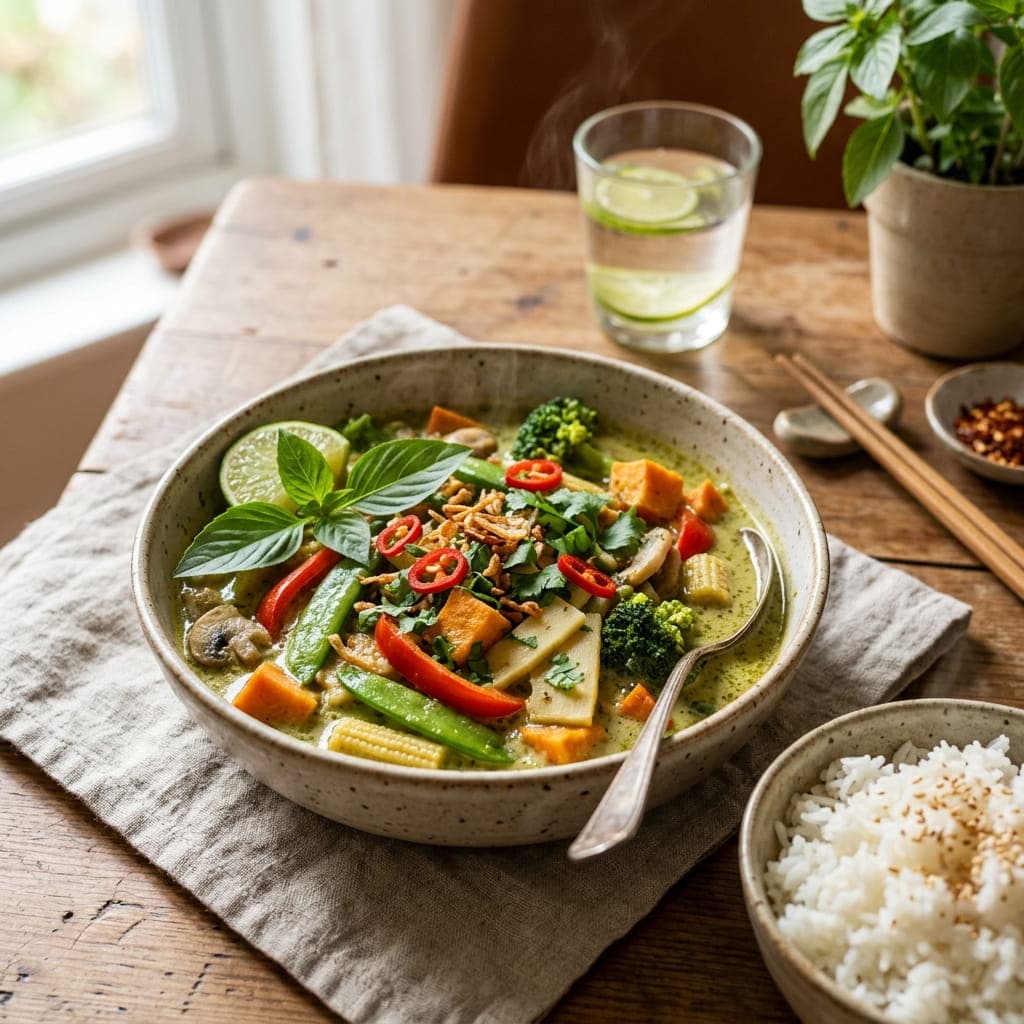
Vegan Coconut Thai Green Curry Veggies
Frying green curry paste in the thick cream that separates from the top of a can of coconut milk - rather than mixing everything together at once - is a technique borrowed from real Thai cooking that intensifies the paste's aromatics before the rest of the liquid goes in. Loaded with crisp-tender vegetables, this stays fully plant-based without losing any of the dish's signature heat and richness.
35m4
Chicken Mains
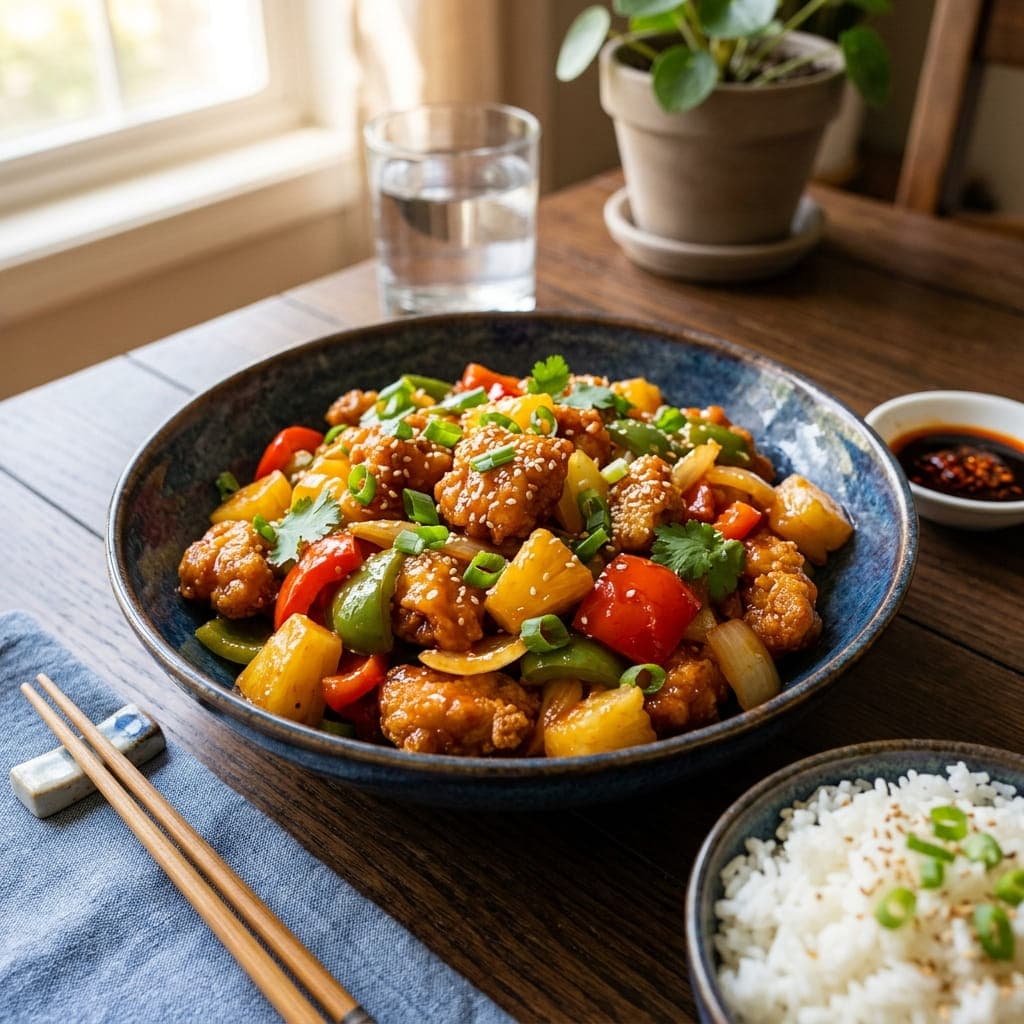
Sweet and Sour Chinese Chicken Stir-Fry
The sweet and sour sauce here relies on the same balance behind the Chinese-American takeout classic - ketchup and vinegar for tang, sugar for sweetness, and cornstarch to build it into something glossy and clingy rather than watery. Pineapple chunks bring their own natural sweetness and juice that thins the sauce just enough without extra water.
30m4
Vegetarian Dinners
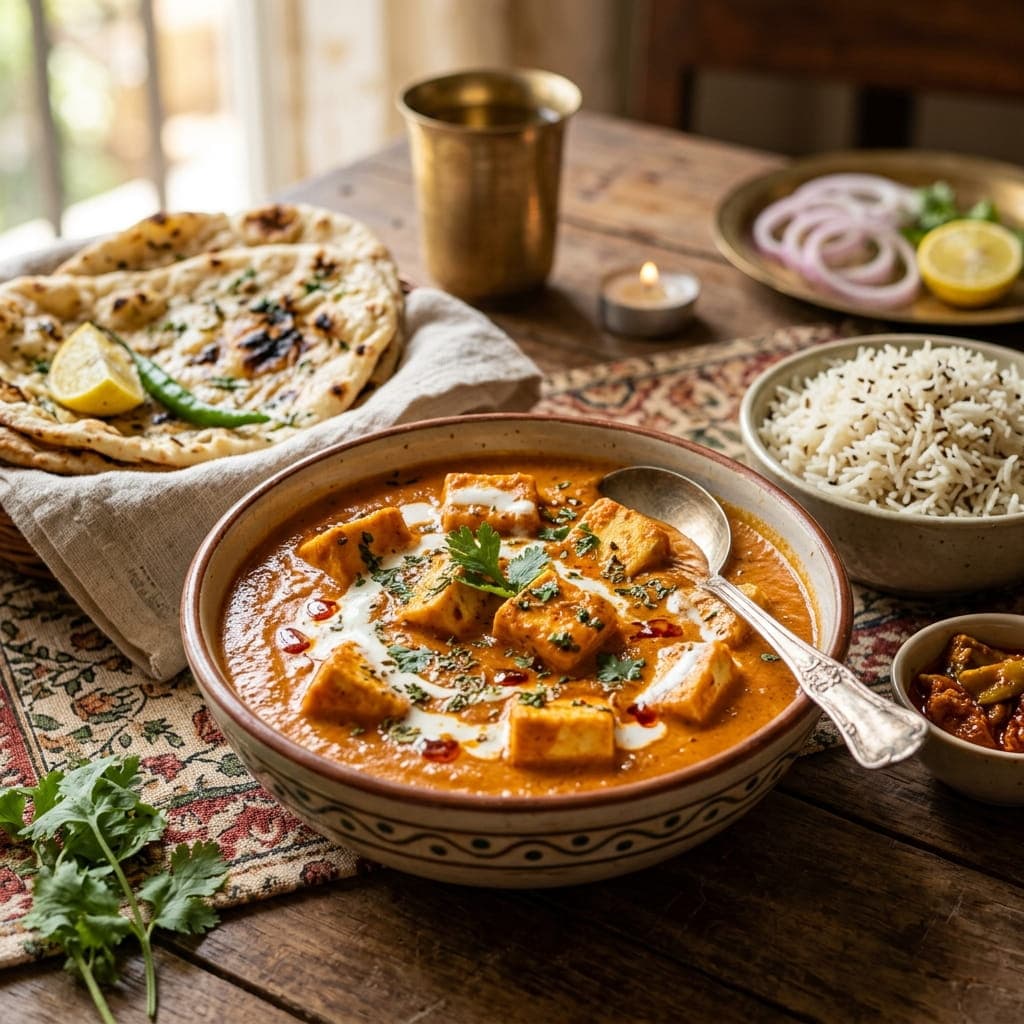
Classic Indian Paneer Butter Masala
Essentially the vegetarian cousin of butter chicken, this swaps marinated meat for soft paneer cubes simmered in the same slow-cooked, cashew-thickened tomato gravy. Lightly pan-frying the paneer before it goes into the sauce gives it a slight golden edge that holds its shape better than adding it in raw and soft.
50m4
Vegetarian Dinners
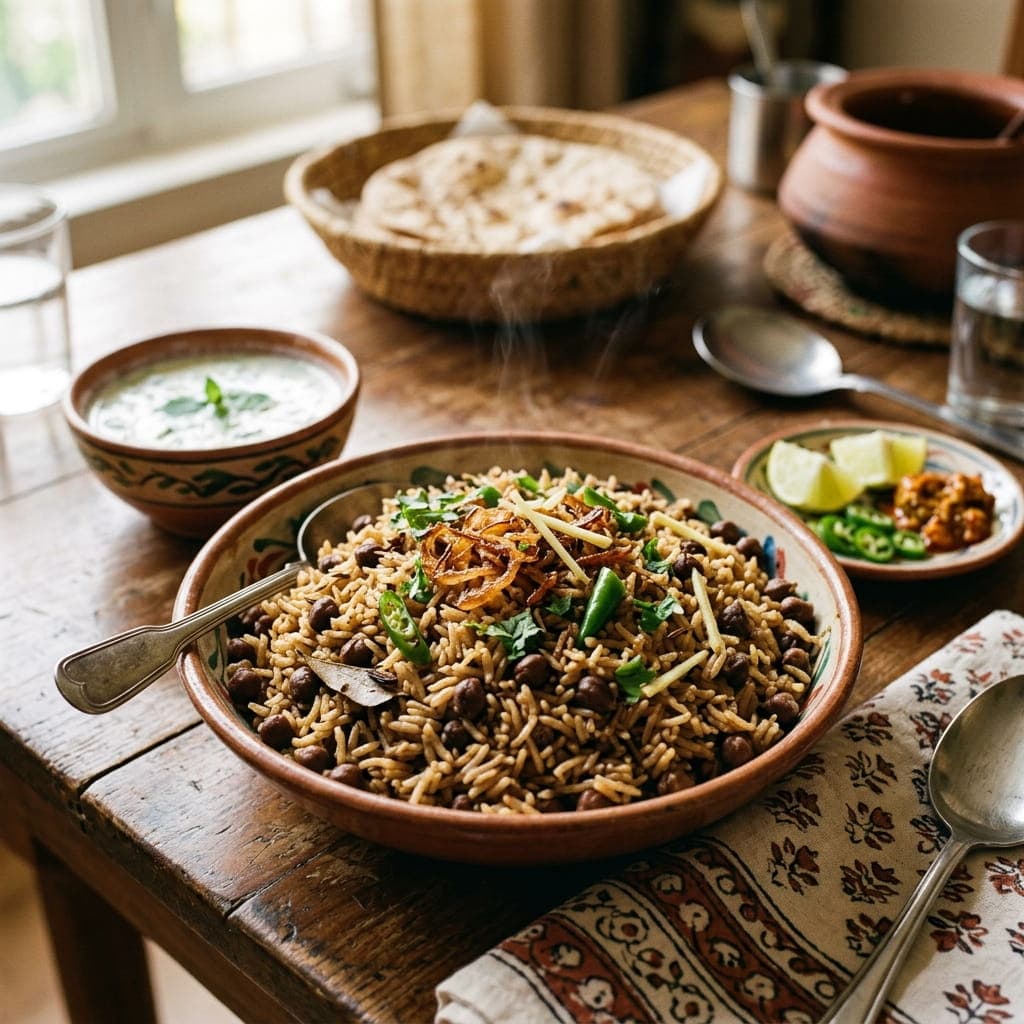
Authentic Pakistani Black Chana Pulao
Kala chana (black chickpeas) take much longer to soften than their pale, canned cousins, which is why they're always boiled separately first before joining the rice - skipping that step leaves you with undercooked, chalky chana no amount of simmering with rice will fix. Earthier and firmer-textured than white chickpeas, they hold their bite beautifully in this aromatic, whole-spice pulao.
115m4
Pasta Nights
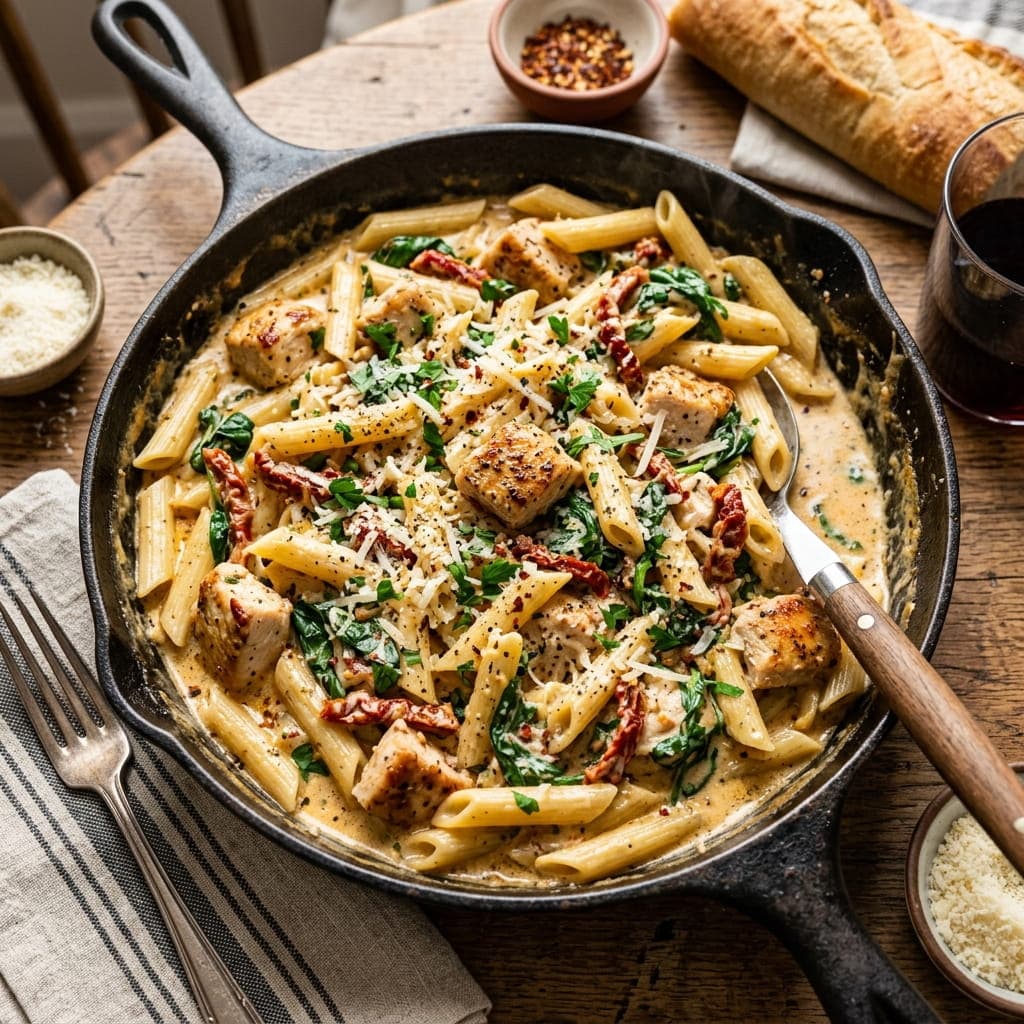
One-Pot Creamy Tuscan Chicken Pasta
Cooking the pasta directly in the same broth and cream the chicken was simmered in means the noodles absorb flavor as they cook rather than just sitting in sauce afterward - and it means only one pot to wash. Sun-dried tomatoes and spinach round out the Tuscan flavors that give this dish its name.
35m4
Vegetarian Dinners
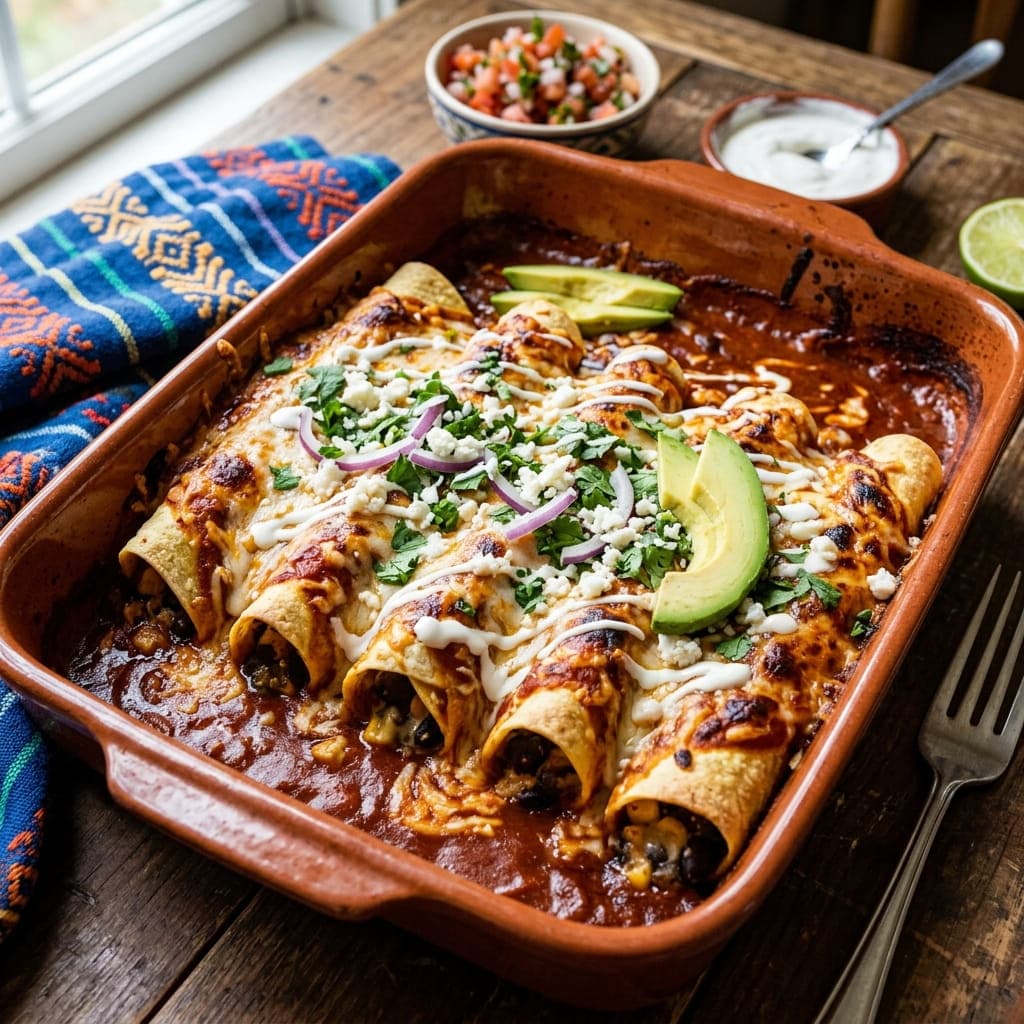
Mexican Black Bean and Cheese Enchiladas
Lightly mashing half the black beans while leaving the rest whole gives this filling a texture that holds together when rolled without turning into a dense paste - the same trick that makes a good burrito filling. Warmed tortillas rolled around beans, corn, and cheese, then baked under a blanket of enchilada sauce, make this a genuinely filling vegetarian dinner that doesn't feel like it's missing meat.
40m4
Chicken Mains
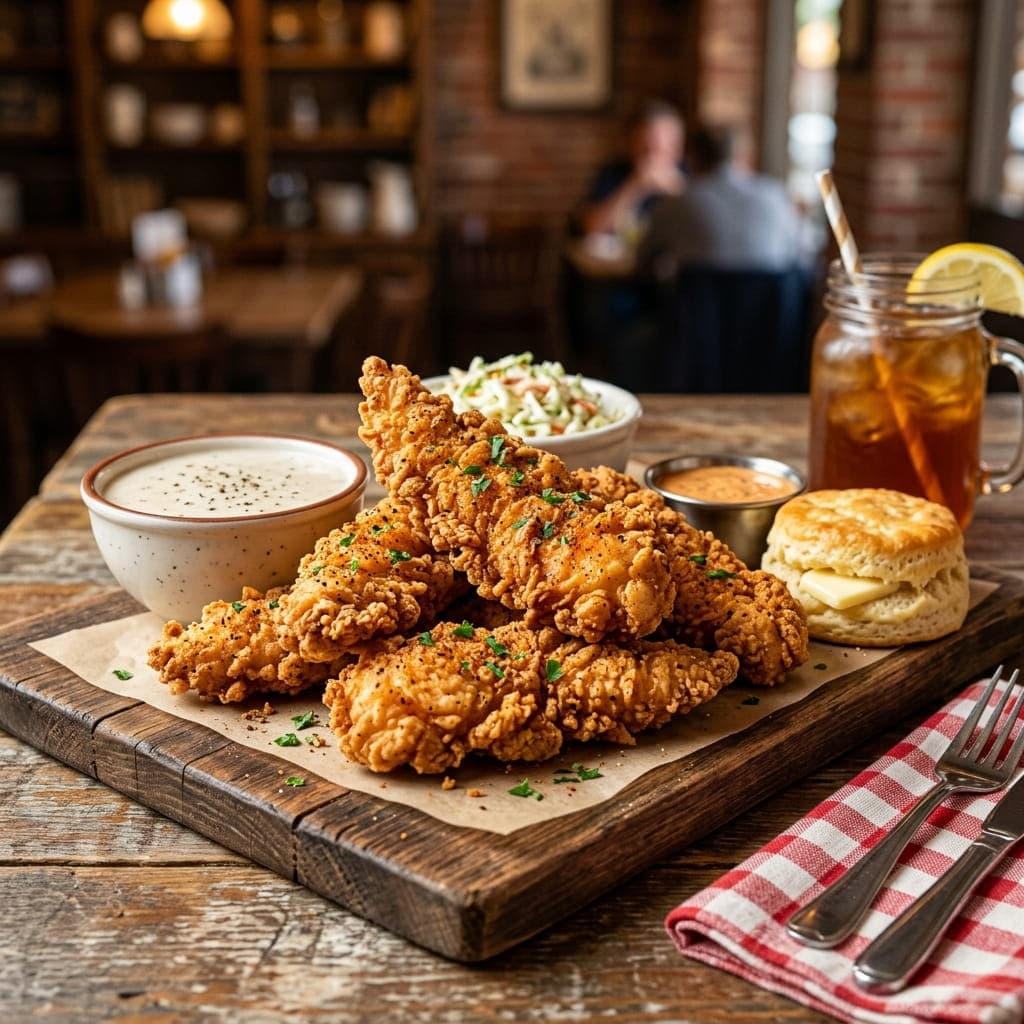
Southern Crispy Fried Chicken Strips
A buttermilk soak is the real secret to Southern fried chicken - its acidity tenderizes the meat overnight while the proteins in the milk help the seasoned flour coating cling on thick. Double-dredging (flour, then buttermilk again, then flour again) is what builds those craggy, extra-crunchy ridges that separate great fried chicken from merely good.
45m4
Chicken Mains
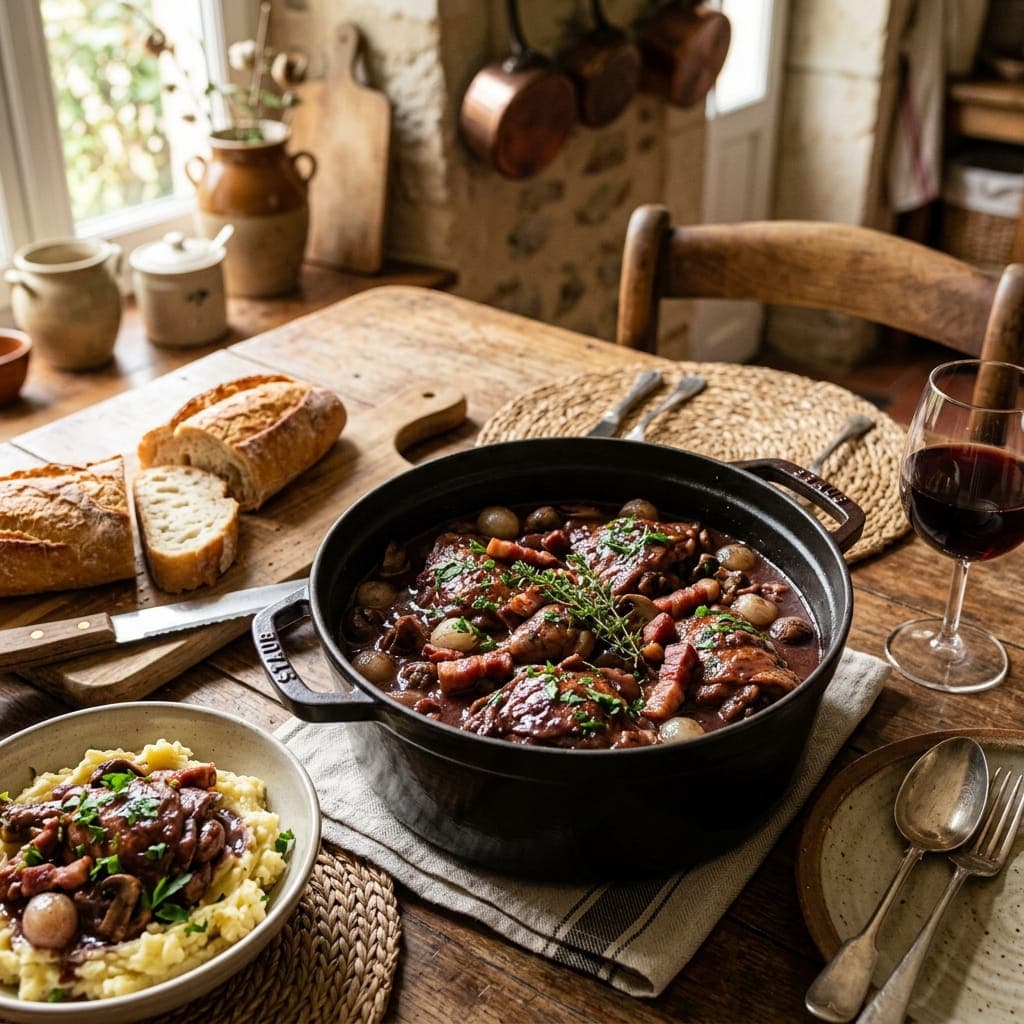
Classic French Coq au Vin (Chicken in Wine)
Originally a peasant dish meant to tenderize old roosters through hours of wine braising, coq au vin has since become a symbol of refined French home cooking, most associated with Burgundy where it's traditionally made with the region's red wine. Bacon lardons, pearl onions, and mushrooms round out the braise, all built on the same deep, wine-reduced sauce.
85m4
Seafood Dishes
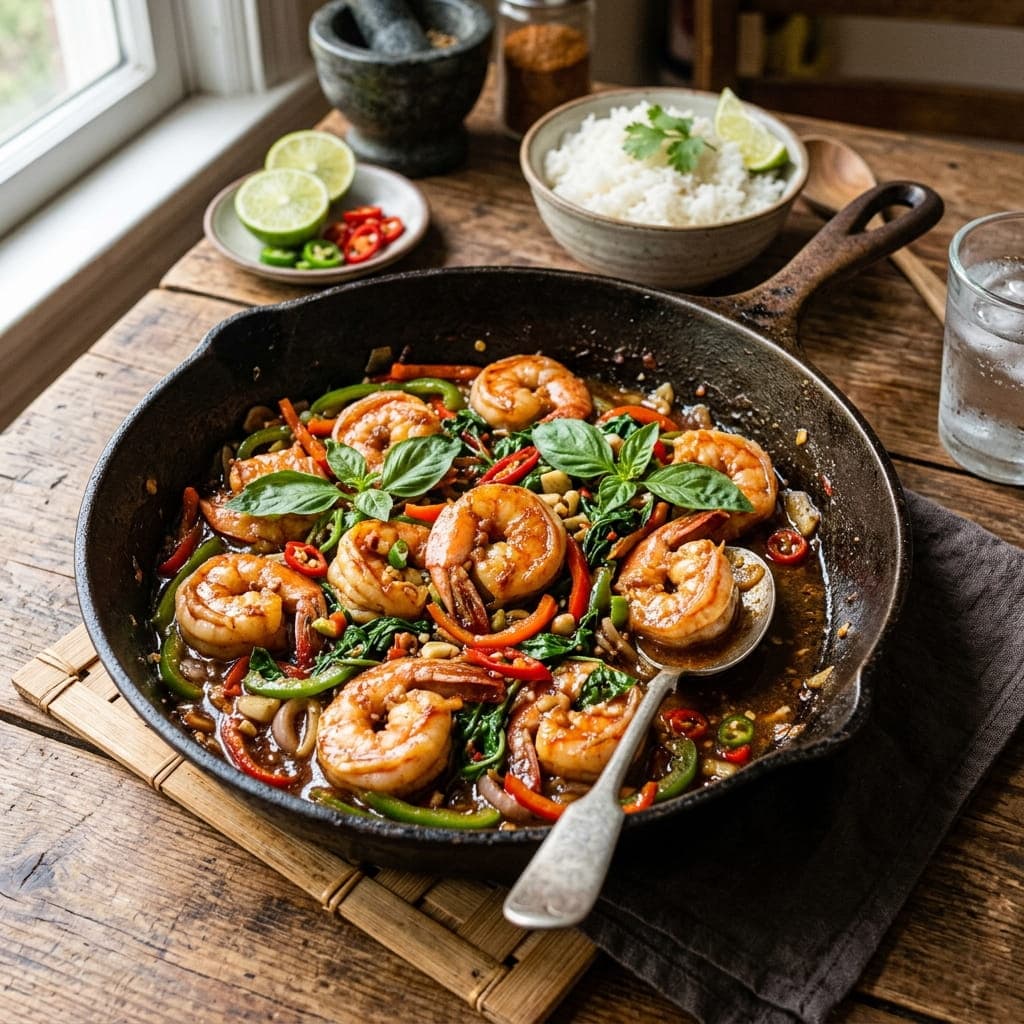
Thai Spicy Basil Shrimp Skillet
Known as pad kra pao in Thailand, this dish depends on Thai holy basil for its distinctive peppery, slightly clove-like flavor - a different variety entirely from the sweet basil found in most grocery stores, though sweet basil makes a reasonable substitute in a pinch. Fresh Thai chilies pounded or minced directly into the sauce give this its real heat, well beyond what dried chili flakes could provide.
25m3
Beef And Steak
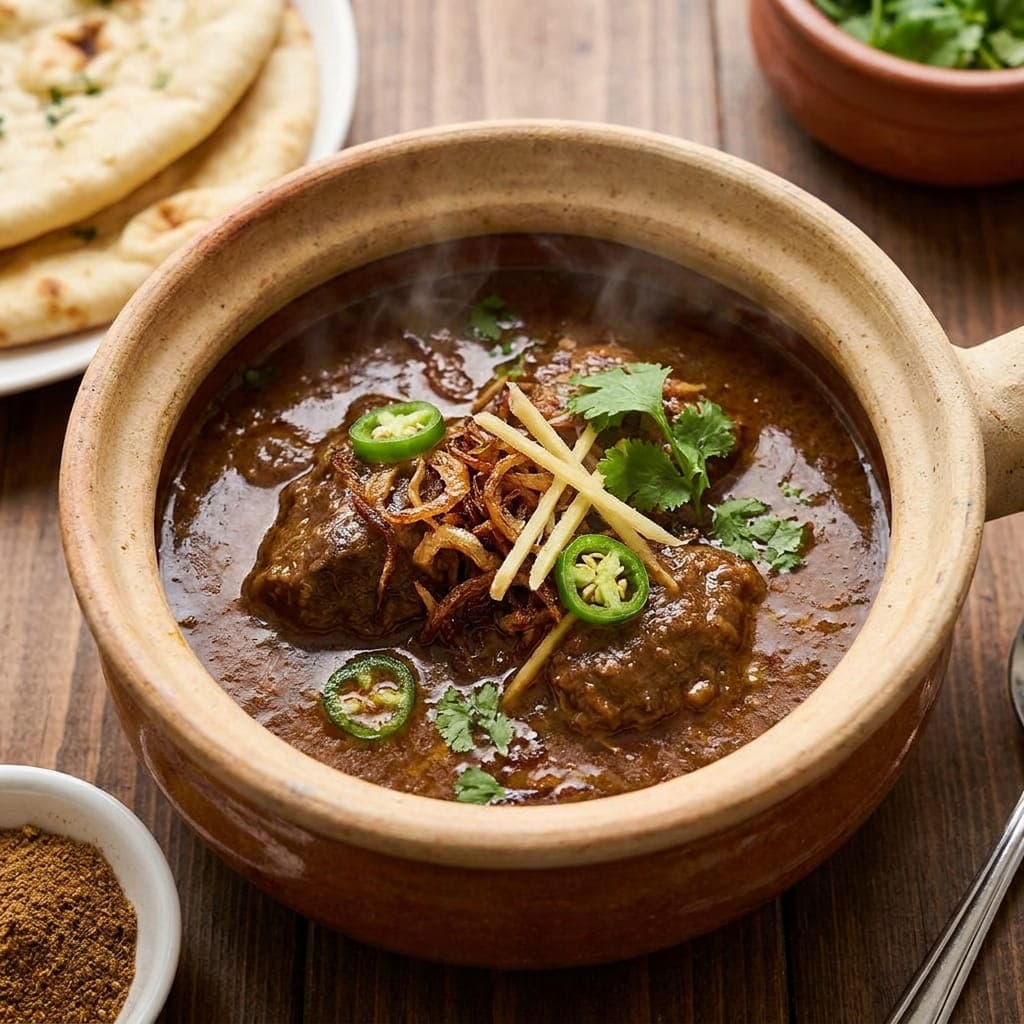
Authentic Lahori Beef Nihari
The word nihari comes from the Arabic 'nahar,' meaning morning - this was originally a Mughal-era dish, slow-cooked overnight by royal cooks and served at dawn. In Old Lahore, nihari shops still open before sunrise and sell out by mid-morning. The non-negotiable ingredient here is nalli, bone-in beef shank with the marrow intact, which slowly liquefies into the gravy over hours of cooking, giving nihari its signature silky, clinging texture that no amount of ghee alone could replicate.
370m6
Chicken Mains
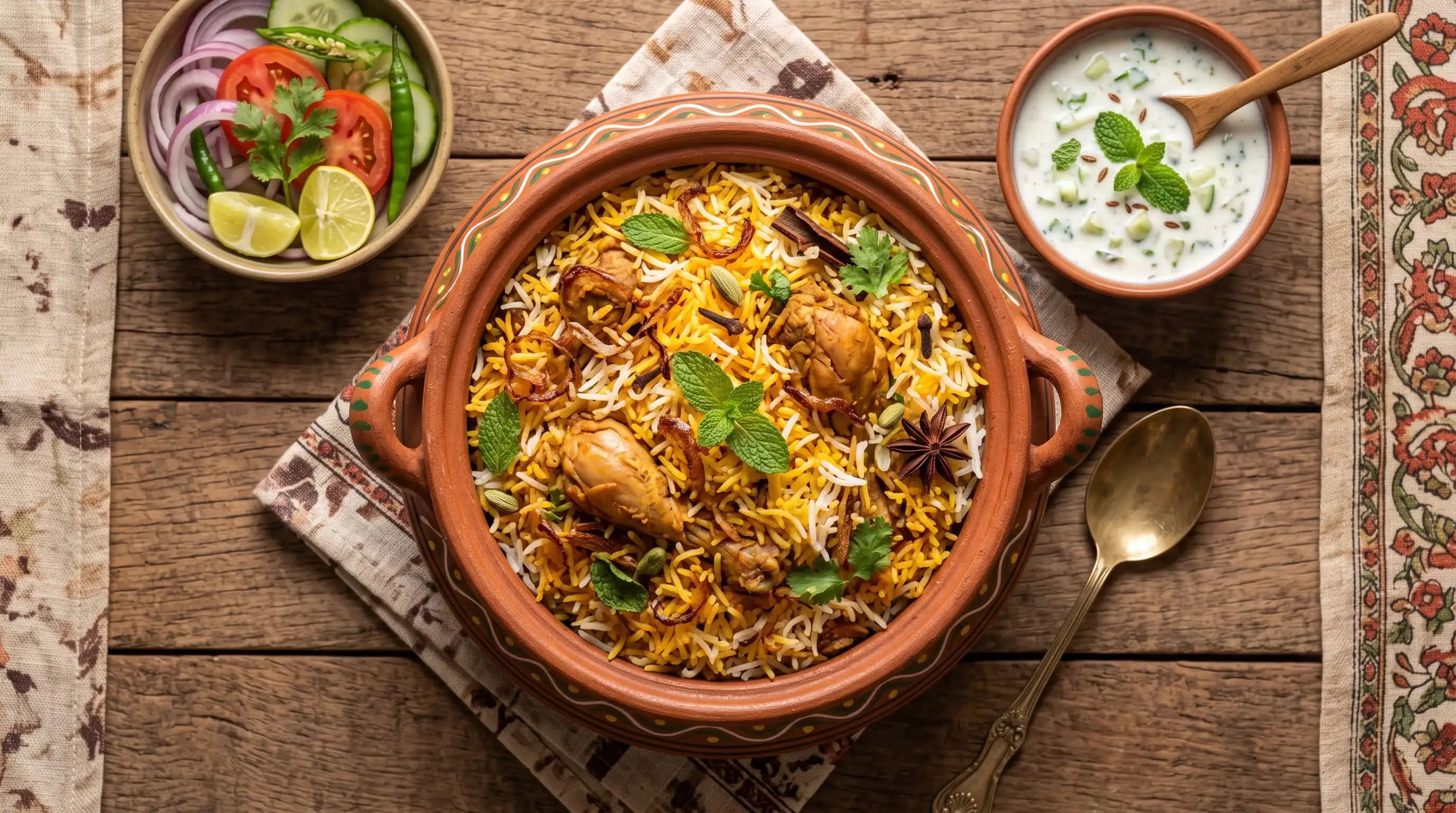
Authentic Pakistani Chicken Biryani (Restaurant Style)
Learn how to make the ultimate restaurant-style Pakistani chicken biryani at home. Featuring perfectly fluffy, non-sticky basmati rice layered with a rich, highly aromatic, and juicy chicken masala (Korma) cooked using the traditional steam-trapping Dum method.
75m6
Beef And Steak
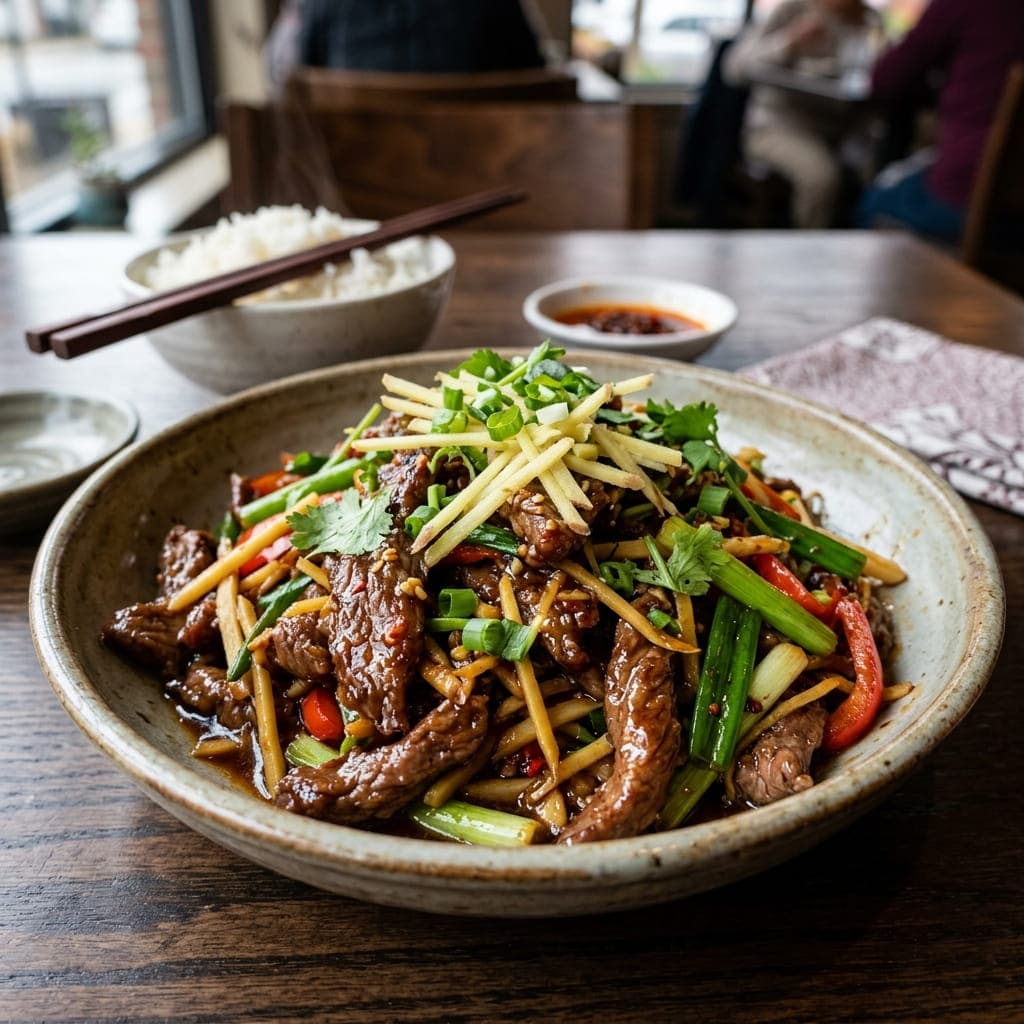
Stir-Fried Chinese Ginger Beef Strips
Velveting - a Chinese technique of coating thin-sliced beef in cornstarch and a splash of soy sauce before it hits the wok - creates a thin protective layer that seals in moisture during the intense heat of stir-frying, so the meat stays tender rather than turning tough and stringy. A generous amount of fresh ginger, sliced rather than minced, gives this dish its sharp, warming bite.
32m3