Loading...
Coffee And Tea Recipes
Showing 1-10 of 10 delicious coffee and tea recipes
Coffee And Tea
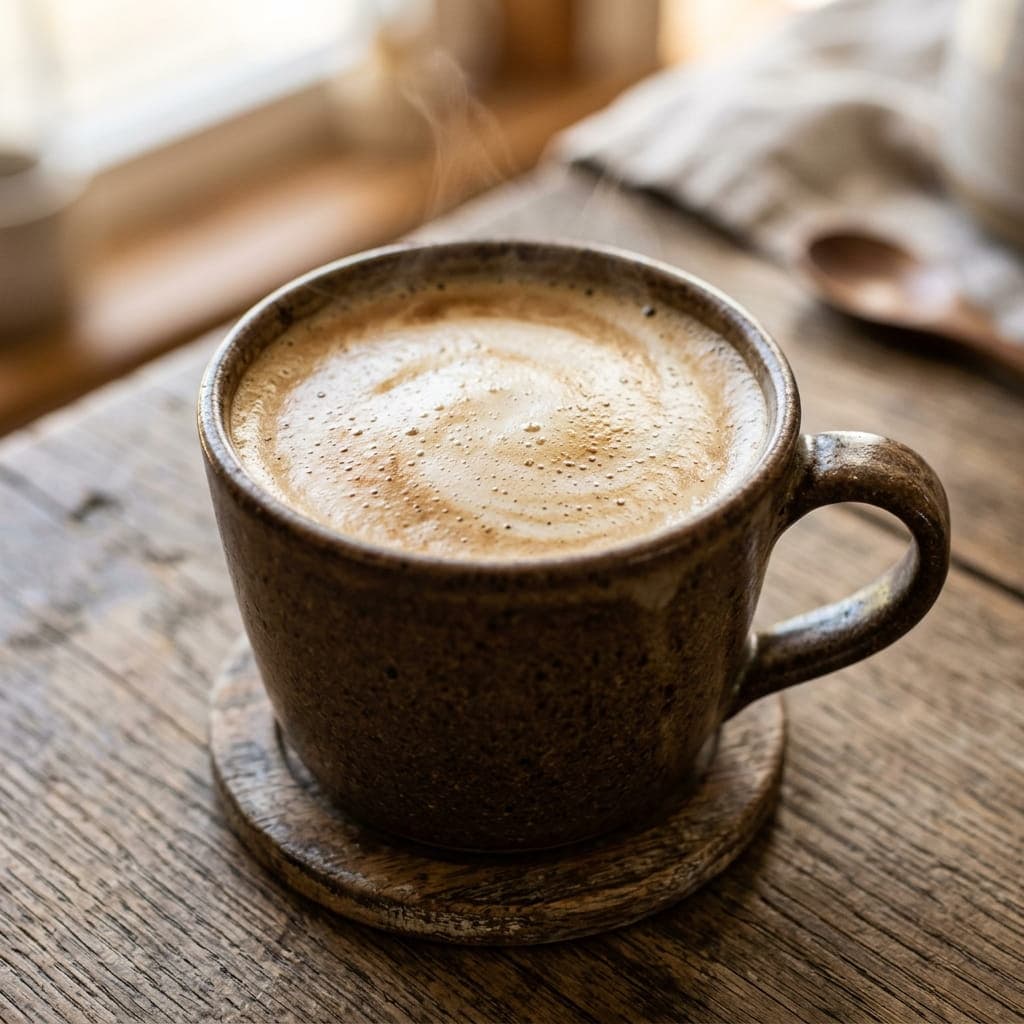
Keto Sugar-Free Bulletproof Butter Coffee
This follows the original bulletproof coffee method of blending hot coffee with butter and MCT oil rather than just stirring them in, since blending is what emulsifies the fat into the liquid and creates a thick, latte like froth instead of oily coffee with butter floating on top. It's built specifically to be sugar free, making it a popular fuel for anyone following a keto approach.
8m1
Coffee And Tea
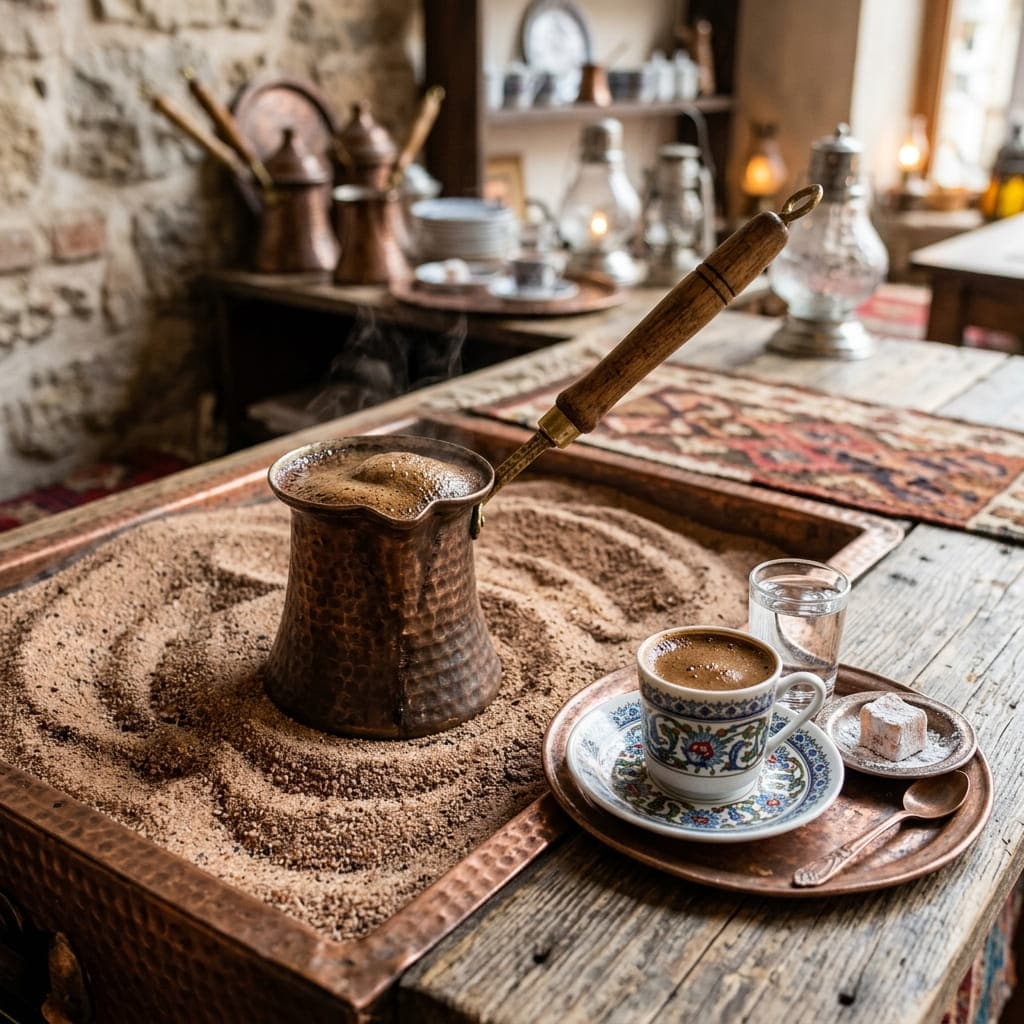
Authentic Turkish Sand Coffee Brew
This uses the traditional method of nestling a small copper cezve into hot sand rather than placing it directly on a burner, since the sand acts as a buffer that heats the coffee slowly and evenly from all sides. That gentle, gradual heat is exactly what builds the thick foam and rich, velvety texture that sets real Turkish coffee apart.
15m2
Coffee And Tea
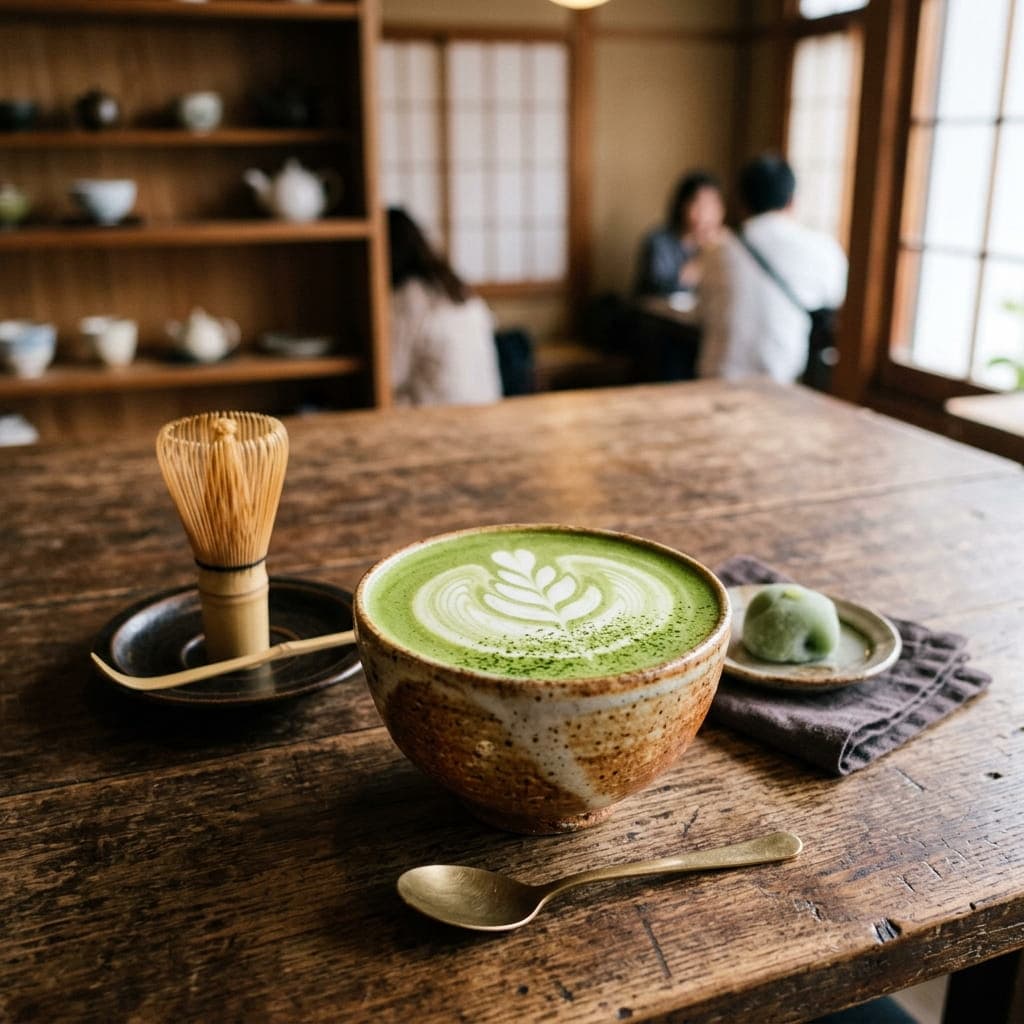
Japanese Matcha Green Tea Creamy Latte
This follows the traditional Japanese method of whisking matcha powder into a small amount of hot water in a zigzag motion, which is what breaks up clumps and creates a smooth, lump free base before the milk is ever added. Skipping this step and just stirring matcha into milk directly almost always leaves behind gritty pockets of powder.
10m1
Coffee And Tea
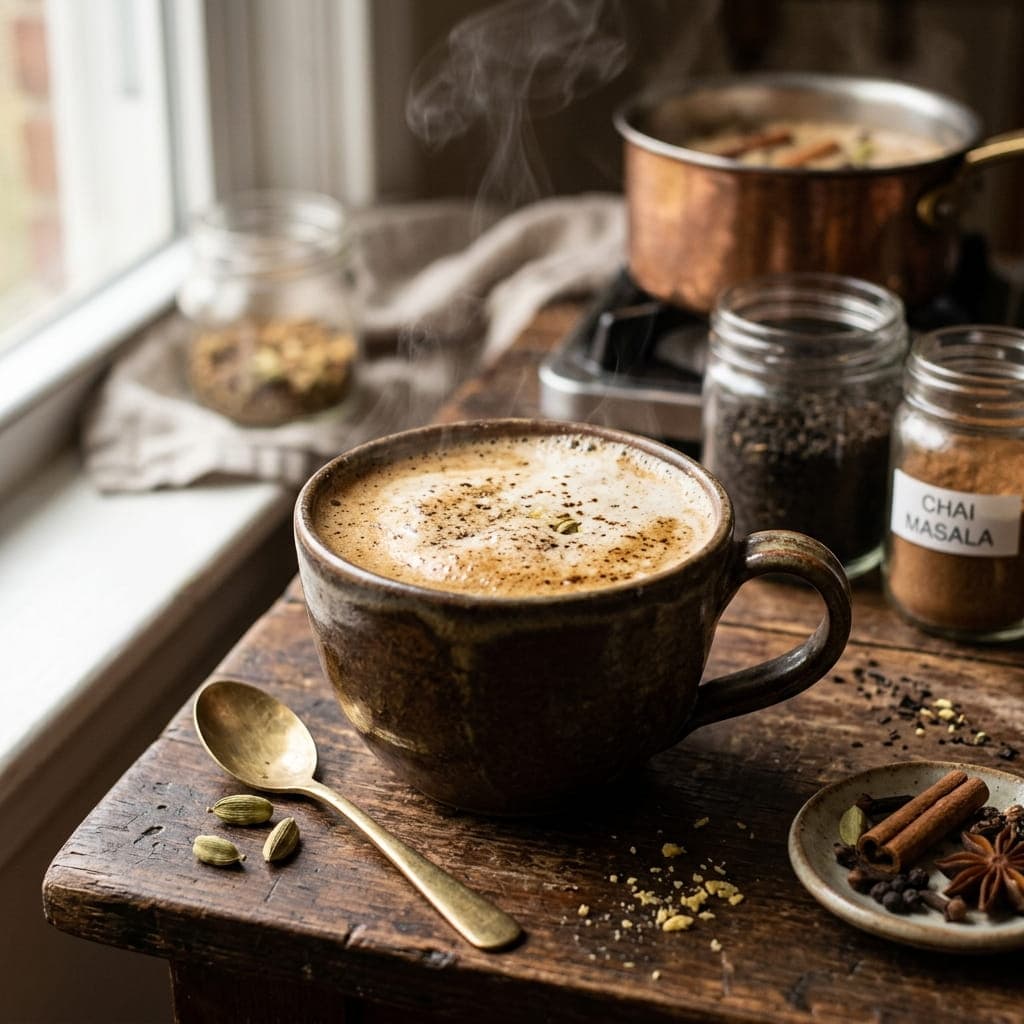
Indian Spicy Masala Chai from Scratch
This uses whole spices crushed just before brewing rather than a pre-made powder, which is what gives homemade masala chai a sharper, more fragrant kick than the mellow blends found in most tea bags. Simmering the spices in water before the milk goes in also pulls out far more flavor than simply steeping them together all at once.
20m2
Coffee And Tea
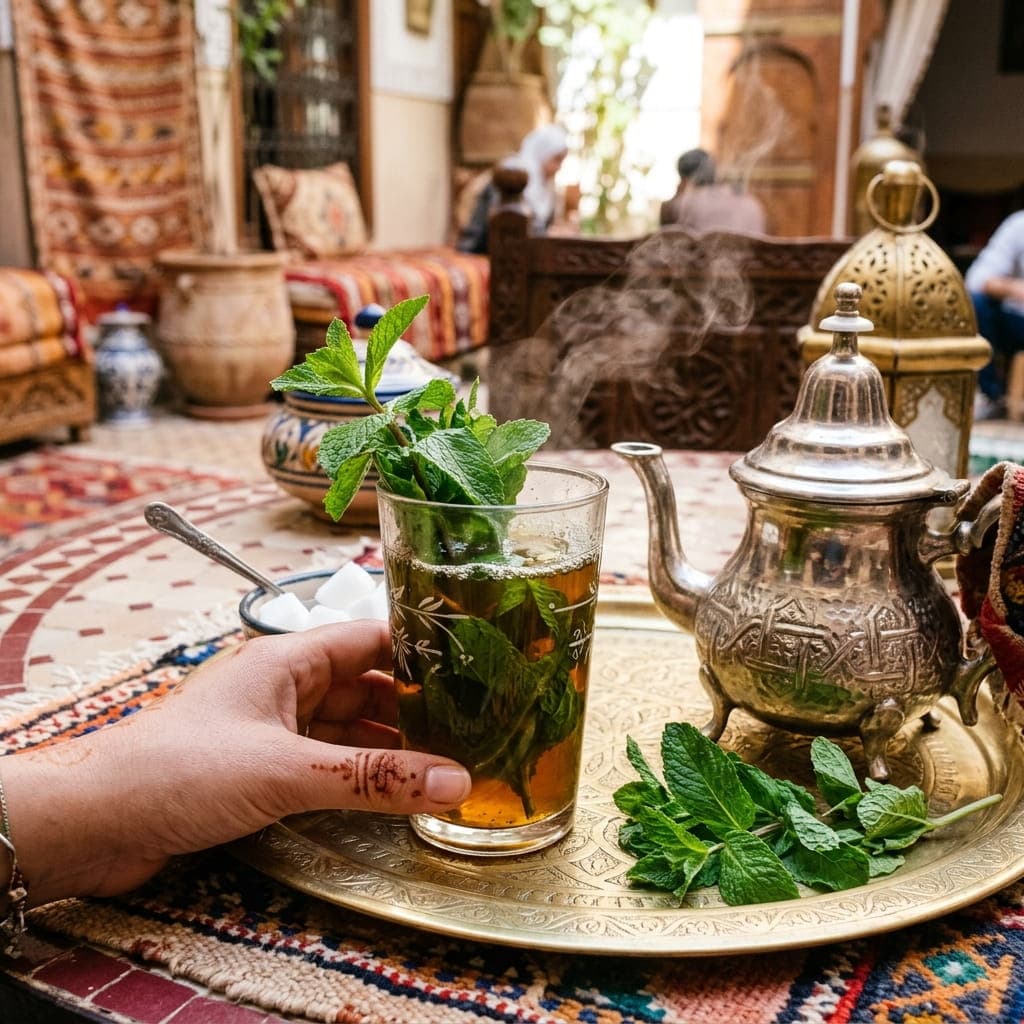
Moroccan Fresh Mint Green Tea Infusion
This follows the traditional Moroccan ritual of pouring the tea from a height into the glass and back into the pot several times, a step that aerates the tea and creates the signature frothy top layer rather than just being for show. Made with gunpowder green tea and a generous handful of fresh mint, it's the same tea served across Morocco as a daily gesture of hospitality.
13m3
Coffee And Tea
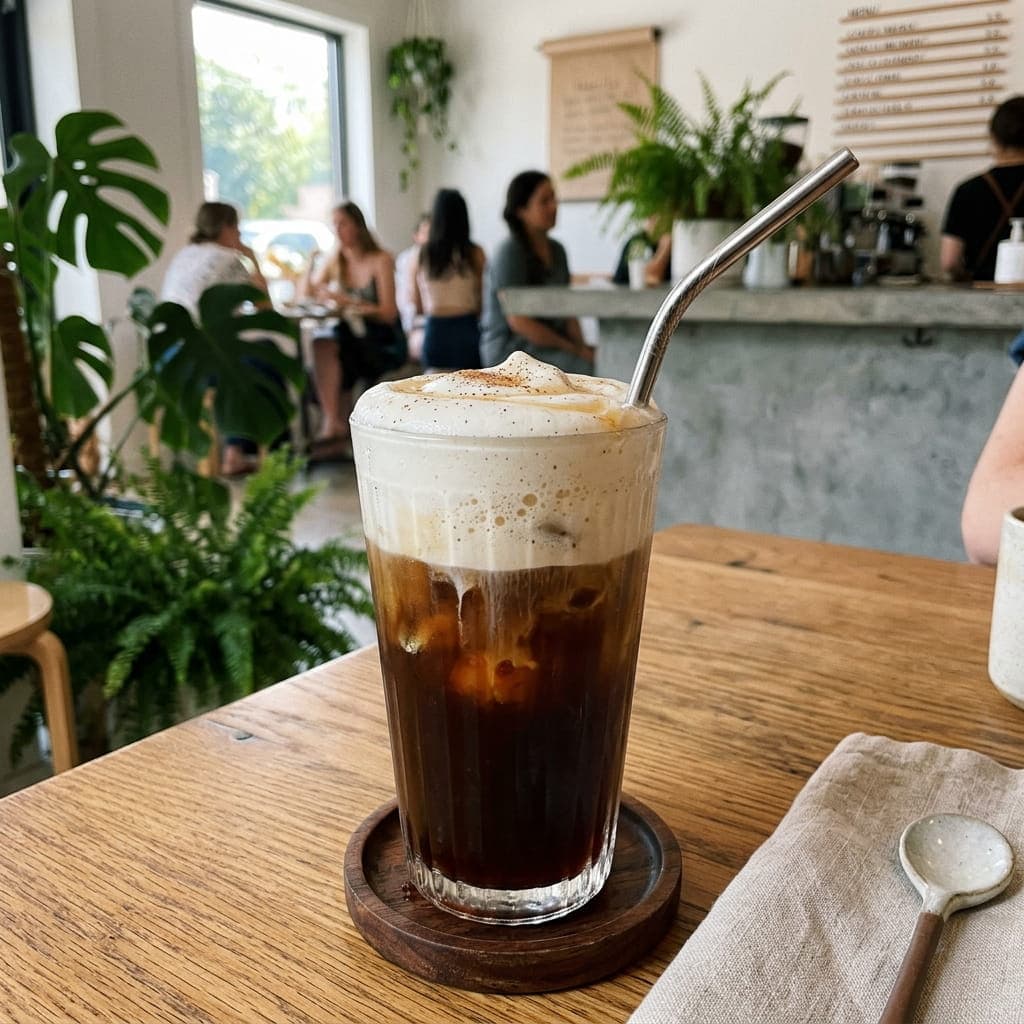
Trendy French Vanilla Cold Foam Iced Coffee
This recreates the coffee shop trend of topping cold brew with a thick, pourable foam instead of whipped cream, which stays light and slightly airy rather than melting into the coffee within minutes. Made by frothing cold milk with vanilla syrup until it thickens, it's the same technique baristas use behind the counter, just without the machine.
6m1
Coffee And Tea
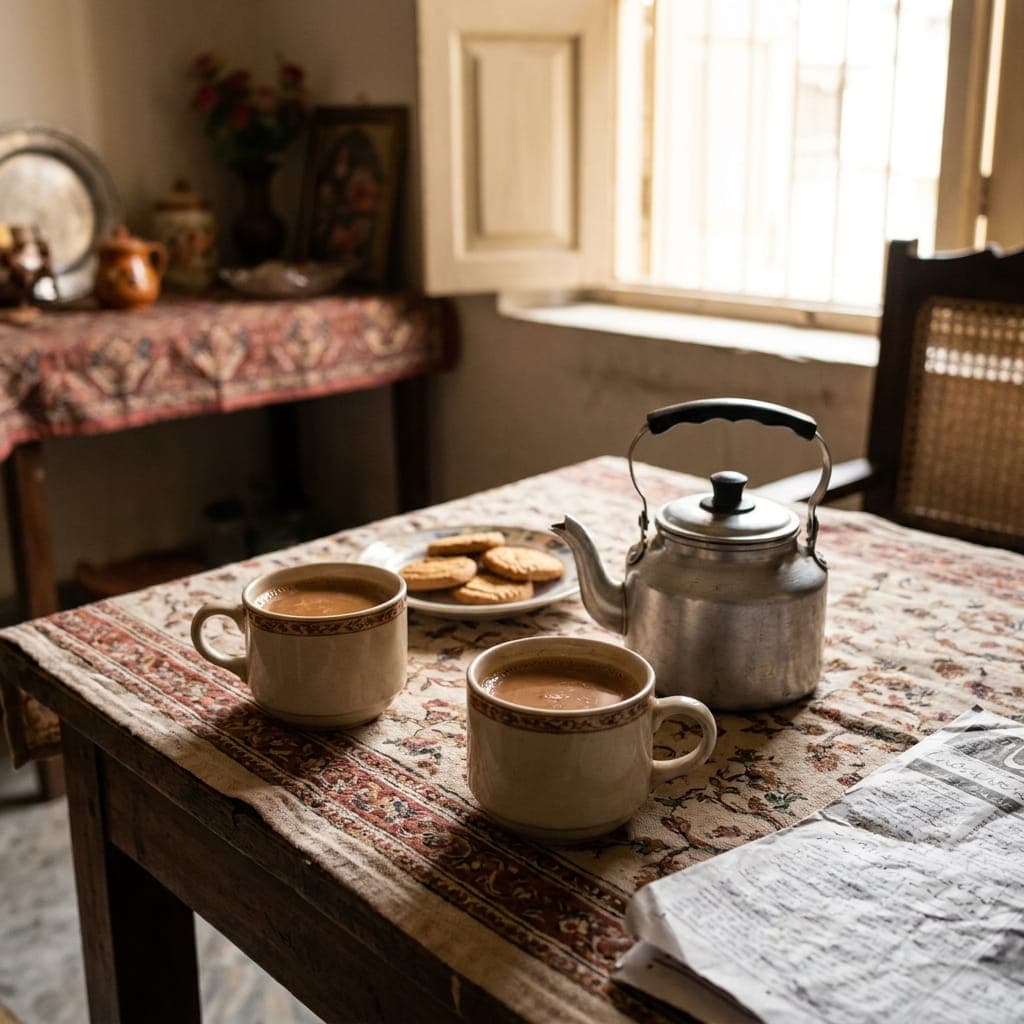
Authentic Pakistani Doodh Patti Chai
Most tea around the world is steeped in water first with milk added afterward, but doodh patti flips that order completely by brewing the tea leaves directly in milk from the start. That single change is what gives this Pakistani classic its deep caramel color and thick, creamy body that plain milk tea simply can't match.
15m2
Coffee And Tea
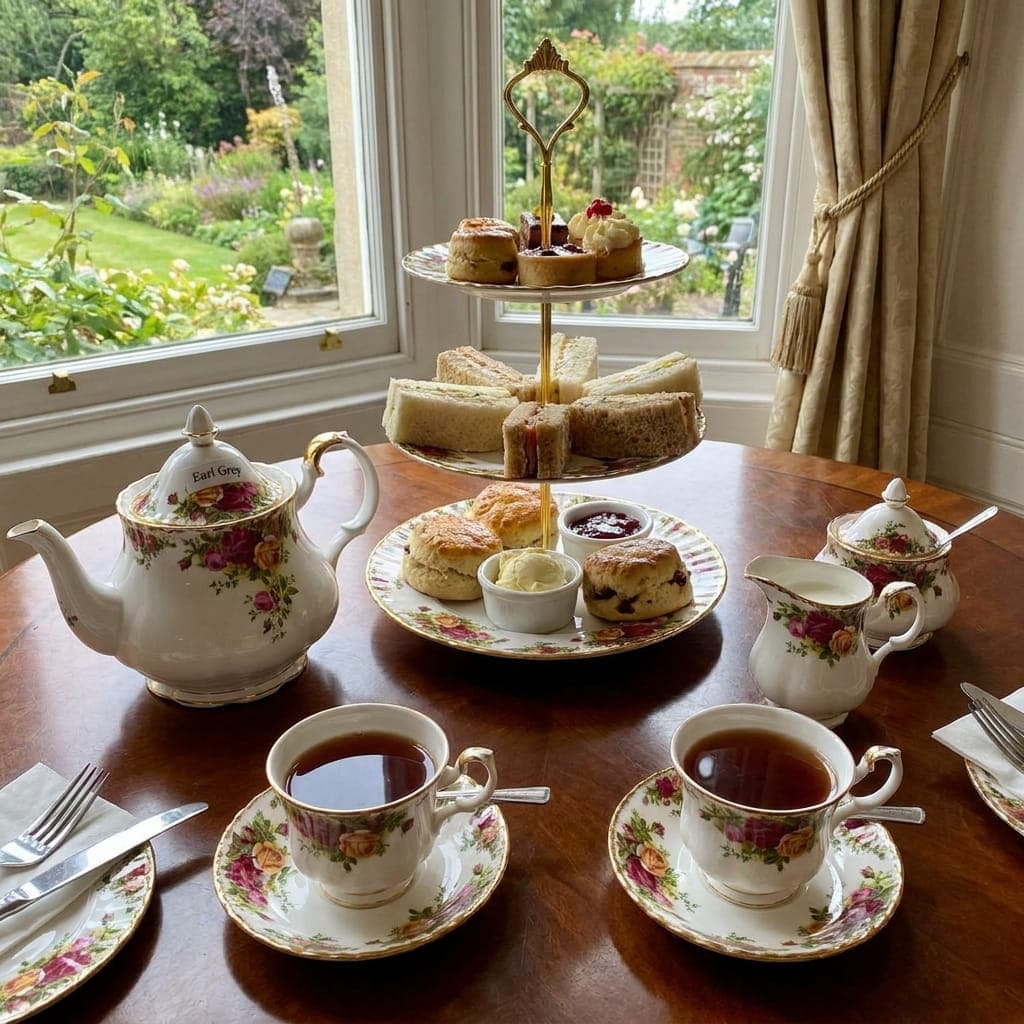
Traditional British Afternoon Earl Grey Tea
This follows the classic British method of warming the teapot before brewing, a small step that keeps the water at the right temperature long enough for the bergamot oil in Earl Grey to fully unfold. Served with a splash of milk the traditional way, it's the same cup that's been poured for afternoon tea across Britain for generations.
10m1

Coffee And Tea
Warm Holiday Pumpkin Spice Coffee Latte
This builds the pumpkin spice syrup from real pumpkin puree and warm spices simmered together, rather than relying on a bottled syrup, which is what gives the latte an actual pumpkin flavor instead of just tasting like cinnamon and sugar. Whisked into steamed milk and poured over strong coffee, it captures the same cozy, spiced character that makes this drink a seasonal favorite.
14m1
Coffee And Tea
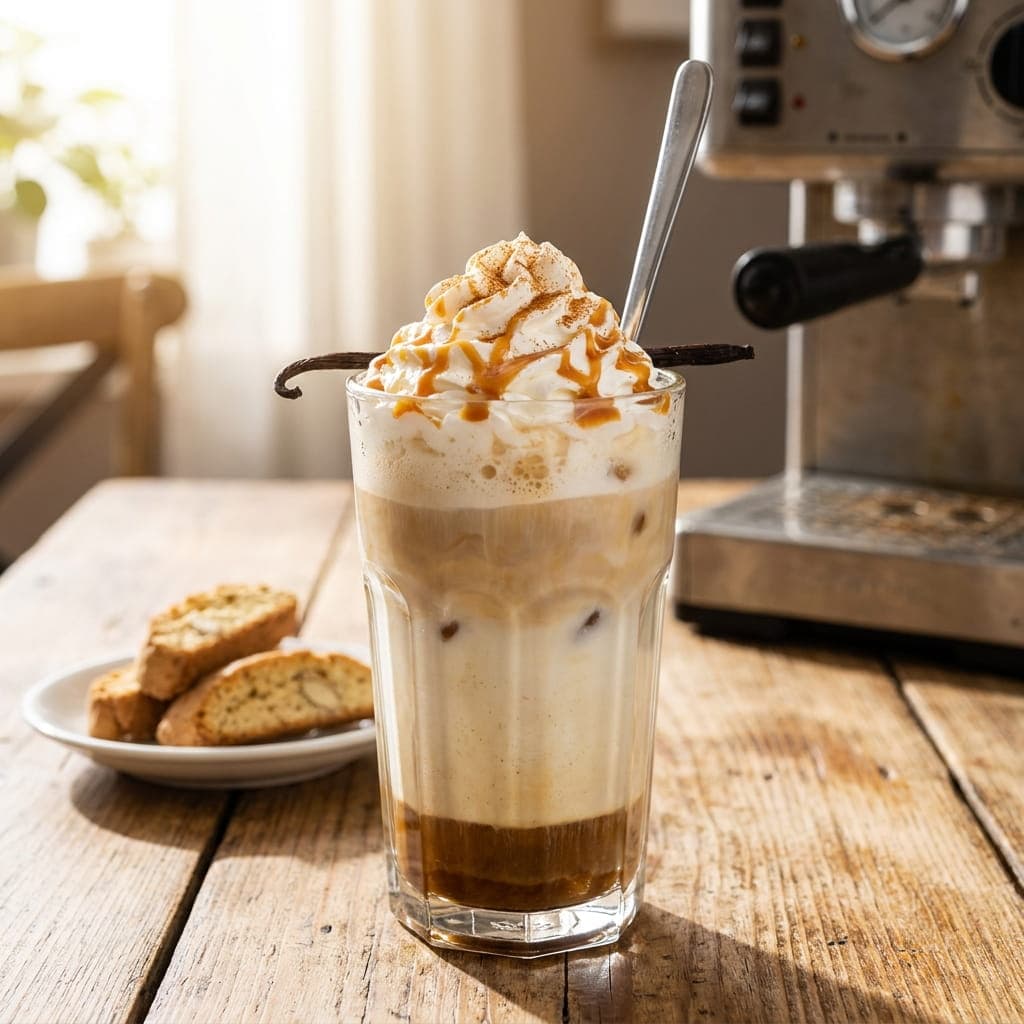
Italian Creamy Iced Vanilla Latte
This takes the ratio behind a true Italian latte, strong espresso balanced with steamed milk, and builds it cold instead, so the espresso stays bold rather than getting diluted and watery over ice. A touch of vanilla syrup stirred in while the espresso is still hot is what lets the sweetness blend evenly through the whole glass.
8m1