Loading...
Desserts Recipes
Sweet treats
Showing 17-32 of 40 delicious desserts recipes
No Bake Sweets
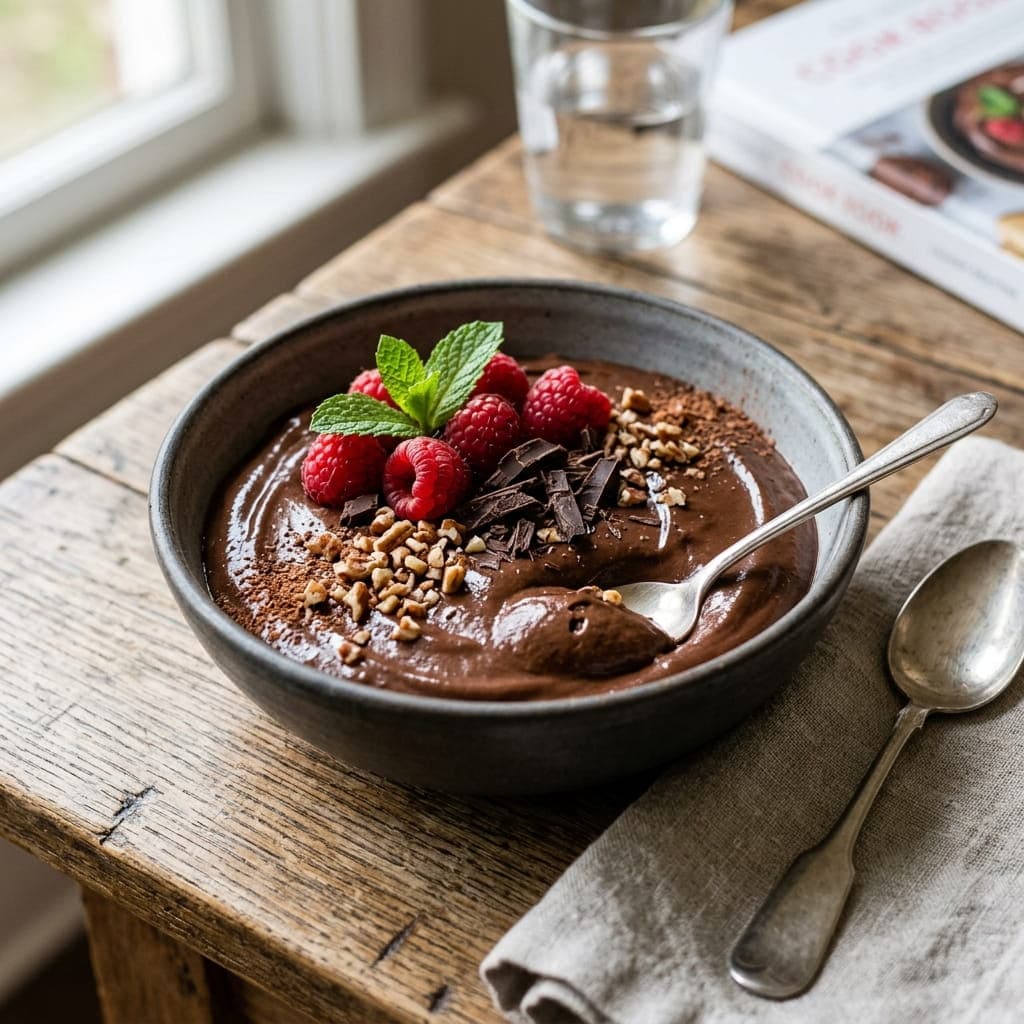
Keto Sugar-Free Chocolate Avocado Mousse
Ripe avocado blended smooth takes on the same rich, thick texture that heavy cream or eggs usually provide in a mousse, without tasting like avocado at all once cocoa powder and sweetener are mixed in. This comes together in a blender in minutes, no cooking or chilling equipment needed beyond a fridge.
10m4
Cakes And Muffins
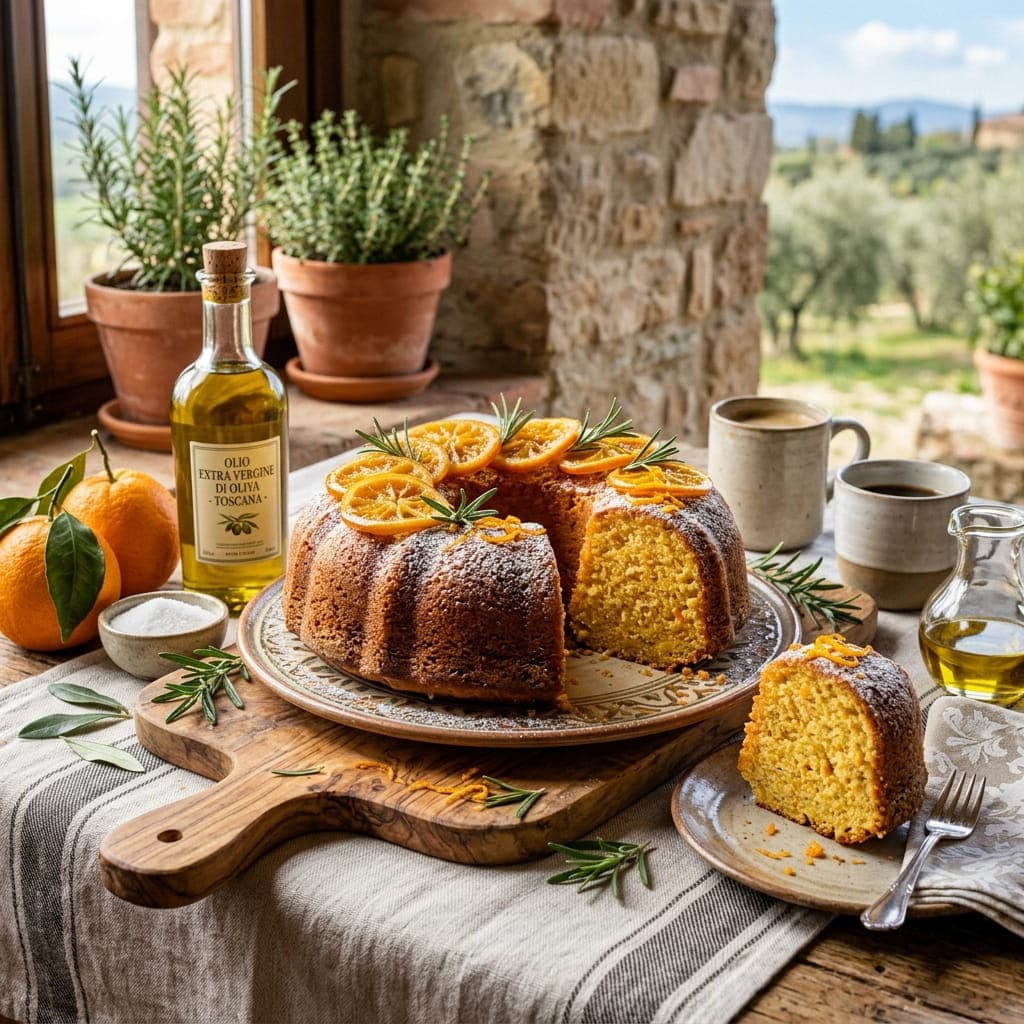
Italian Olive Oil Orange Cake
Olive oil in place of butter gives this cake a noticeably moister, denser crumb that stays soft for days rather than drying out - a common technique across Italian home baking that doesn't taste distinctly of olive oil once orange zest and juice are folded in. Naturally dairy-free without any substitution needed, it's simple enough to mix by hand in one bowl.
55m10
Cookies And Bars
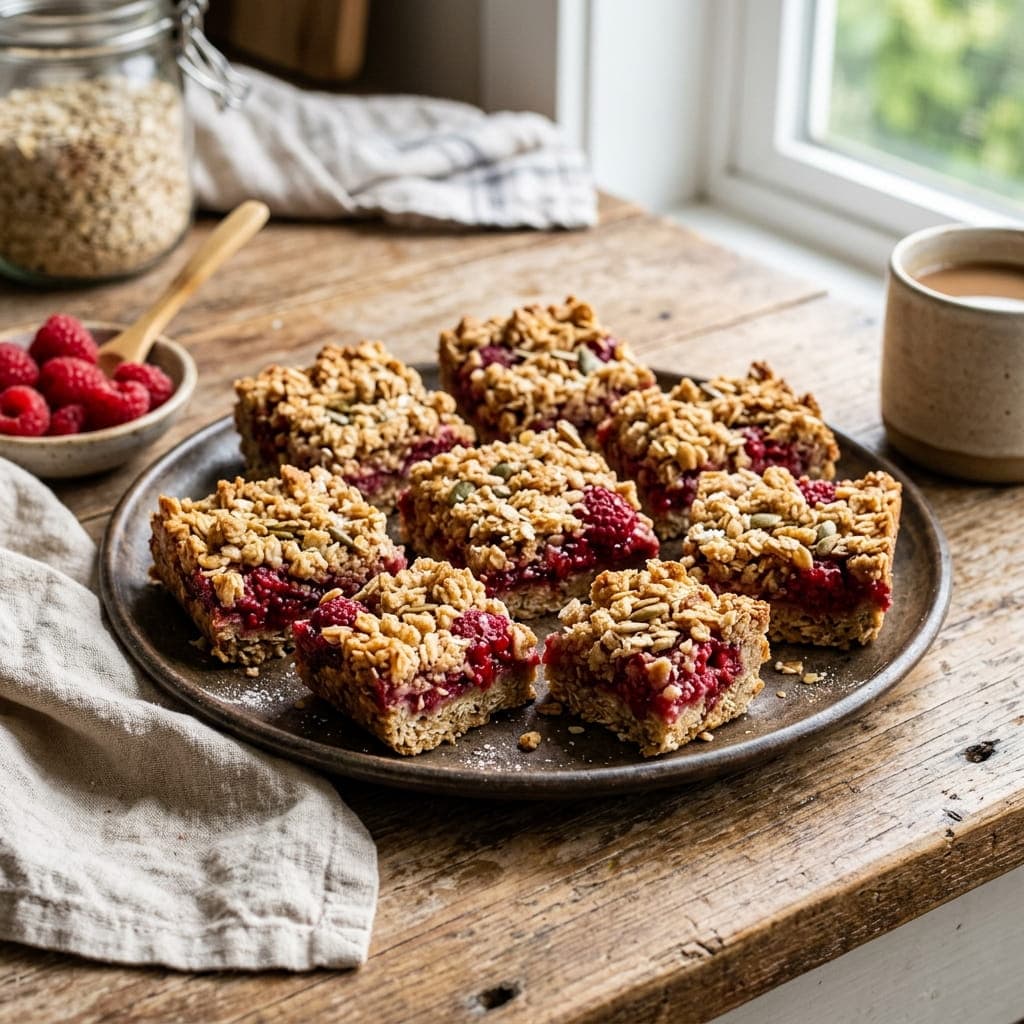
Vegan Oatmeal Raspberry Crumble Bars
The same oat mixture is used twice here - pressed into the pan as a base, then crumbled loosely on top - so there's no need to mix a separate crumb topping. Cooking the raspberries down briefly with a touch of cornstarch thickens the filling just enough to hold its shape between the layers when sliced, without any need for eggs or dairy.
55m12
No Bake Sweets
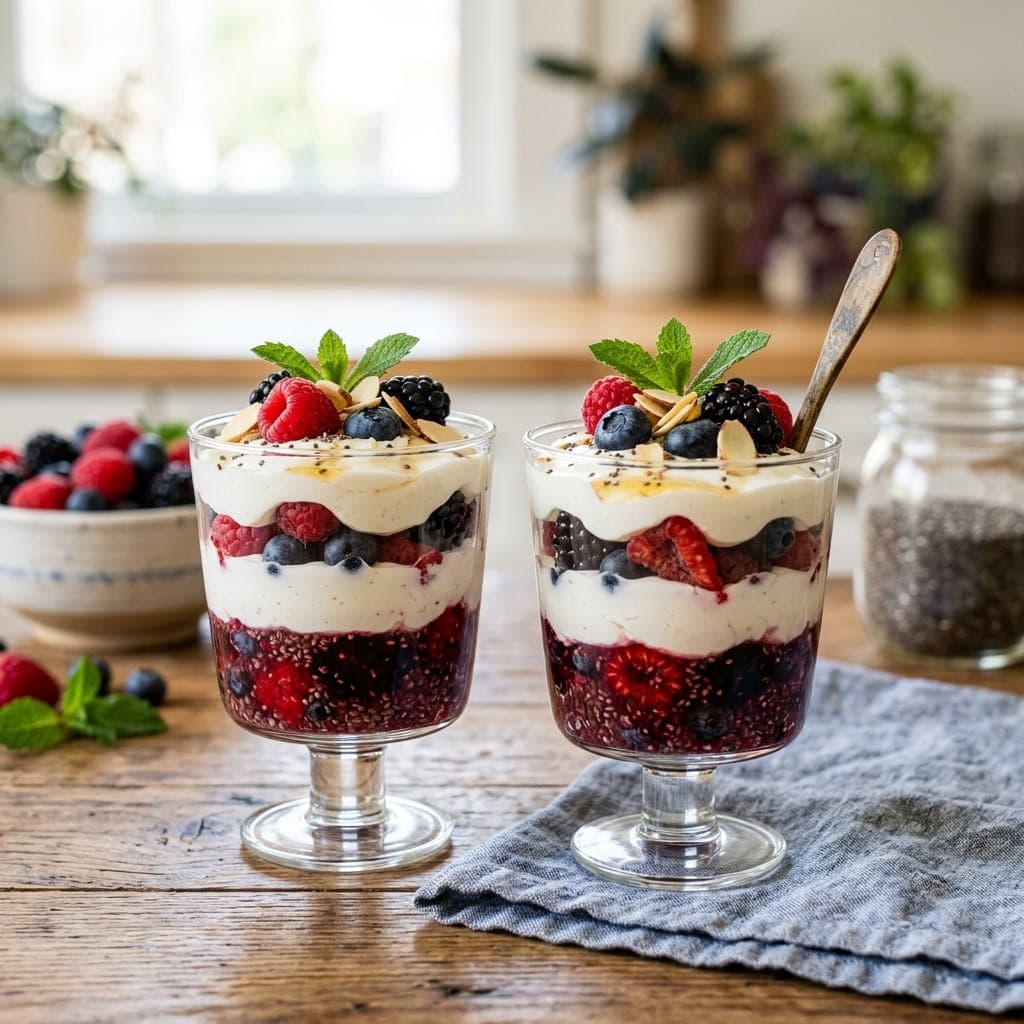
No-Bake Berry Chia Seed Jelly Parfaits
Chia seeds swell in liquid the same way they do in a pudding, but simmered briefly with mashed berries first, they set into something closer to a natural fruit jelly - no gelatin or pectin needed. Layered with Greek yogurt in a glass, this makes a genuinely light dessert or breakfast parfait that sets up in the fridge with almost no effort.
21m4
Puddings And Tarts
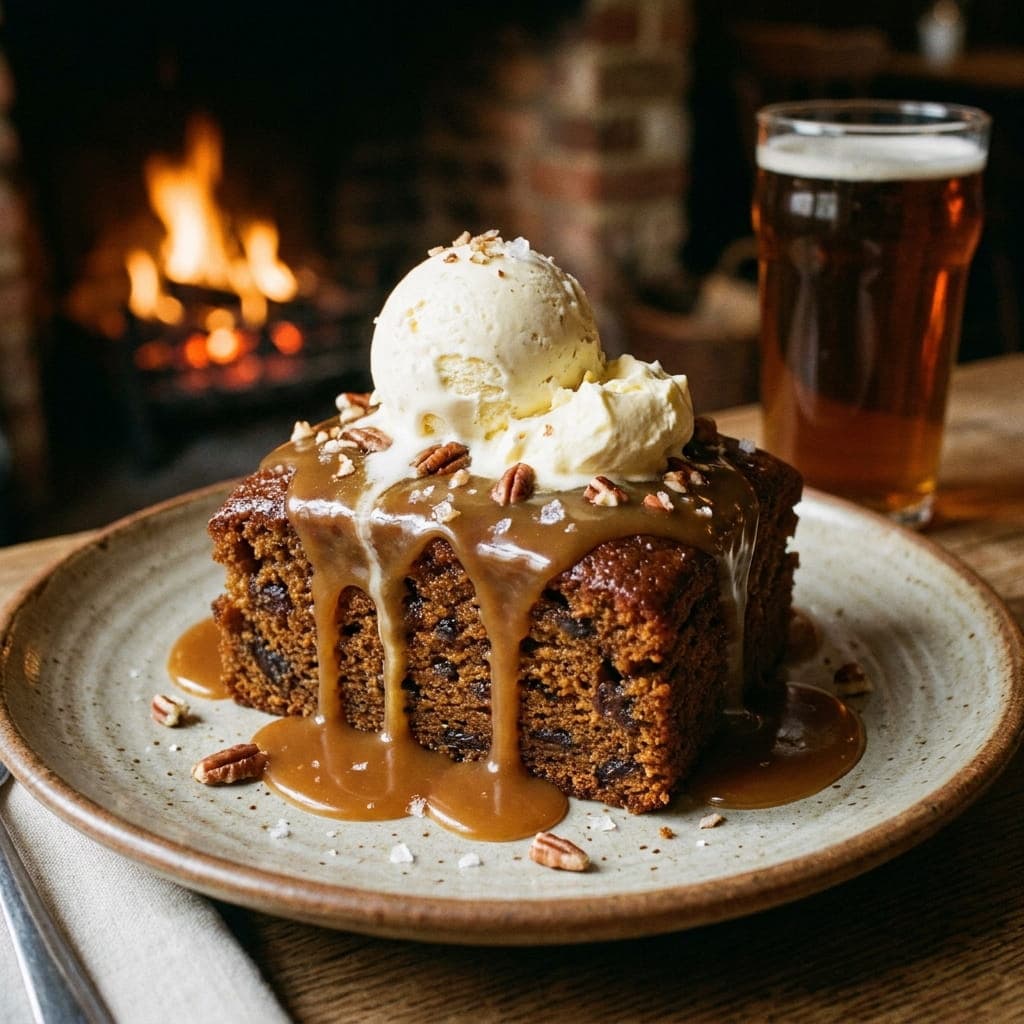
Traditional British Sticky Toffee Pudding
Soaking chopped dates in hot water and baking soda before blending them into the batter is what breaks them down into a paste that melts throughout the sponge, keeping it deeply moist without any visible date chunks. Poured warm toffee sauce over the finished cake right before serving soaks in just enough to make this one of Britain's most requested puddings.
55m8
Cookies And Bars
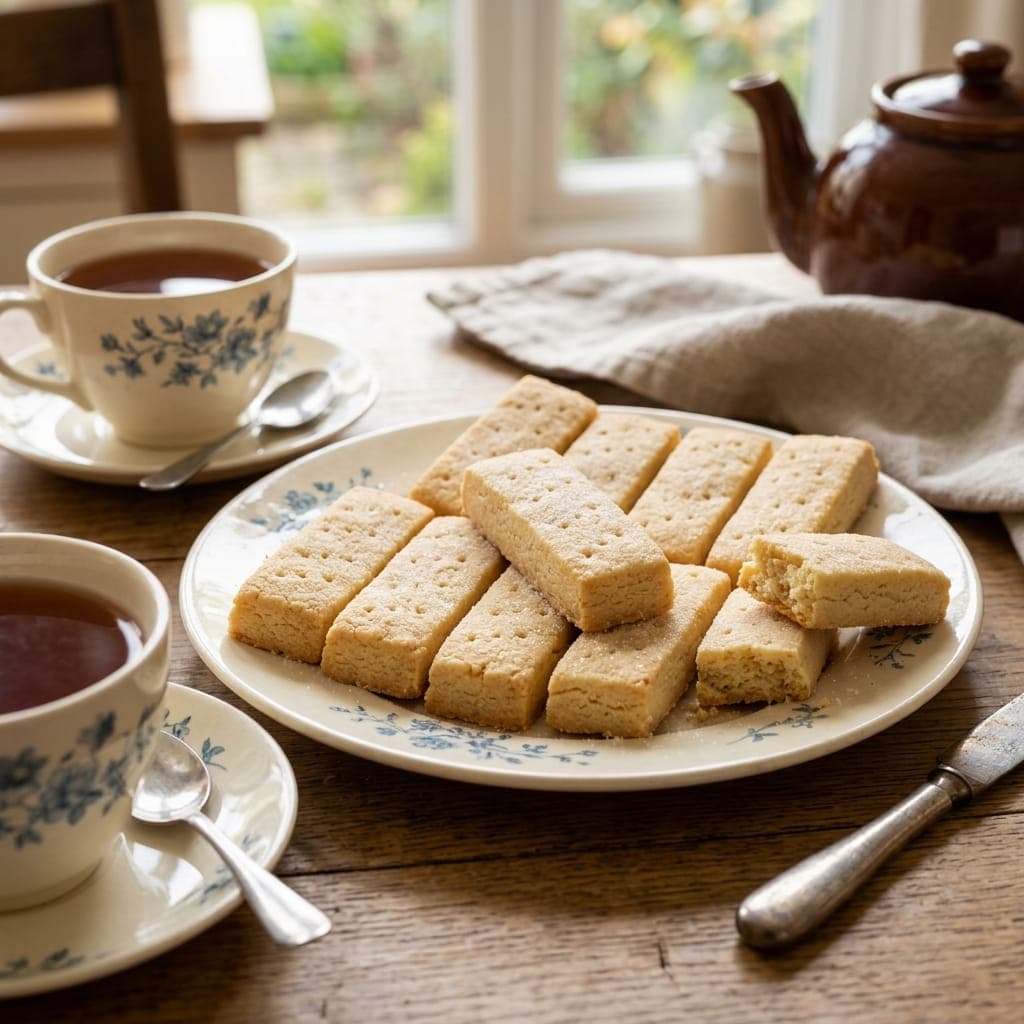
British Shortbread Butter Biscuits
The classic 1:2:3 ratio - one part sugar, two parts butter, three parts flour - is all that's needed here, with no eggs or leavening agents at all to complicate things. Baking these low and slow, rather than hot and fast, is what keeps them pale and delicately crumbly instead of browned and crisp like a cookie.
37m16
No Bake Sweets
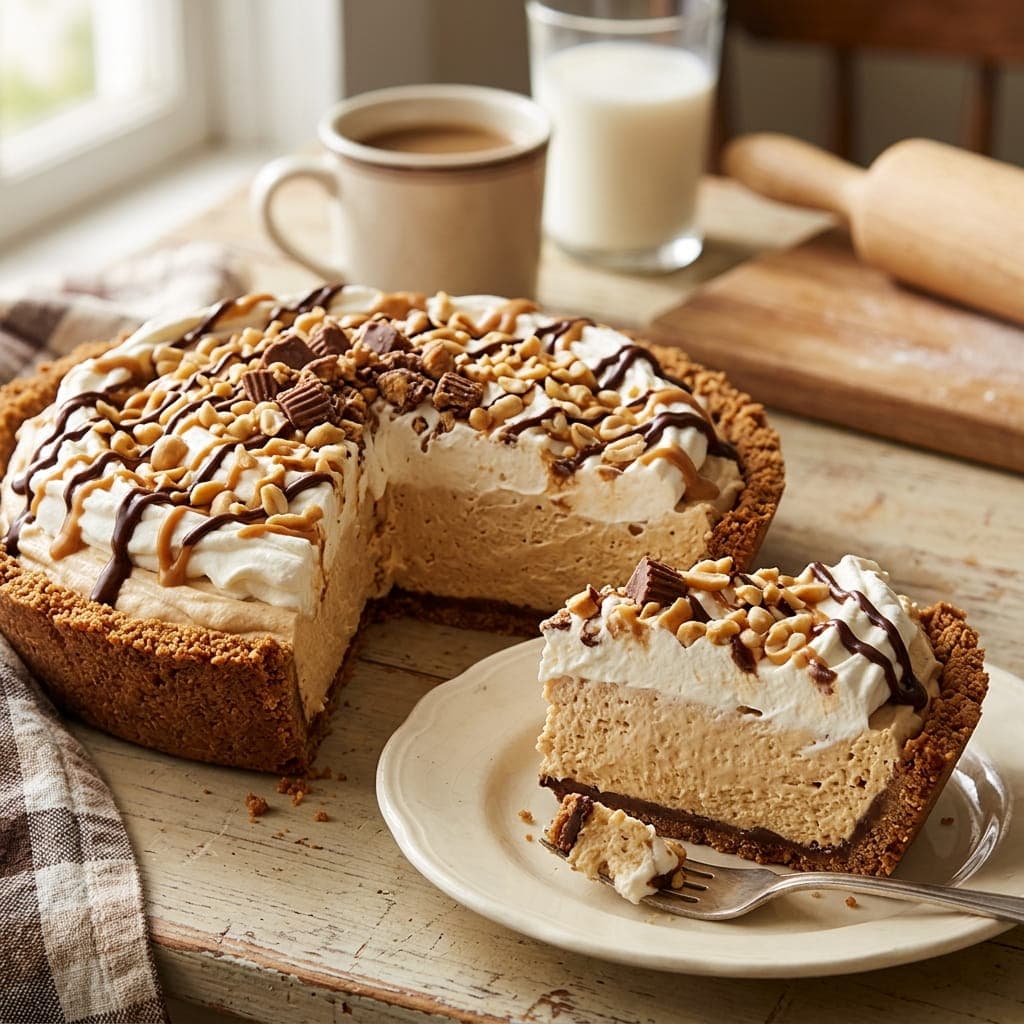
Classic American No-Bake Peanut Butter Pie
Beating the cream cheese completely smooth before adding peanut butter is what prevents lumps from ever forming in the filling - trying to fix them once the peanut butter goes in almost never fully works. A press-in graham cracker crust needs no oven at all, so from mixing bowl to sliced pie, this whole dessert never touches heat.
30m8
Cakes And Muffins
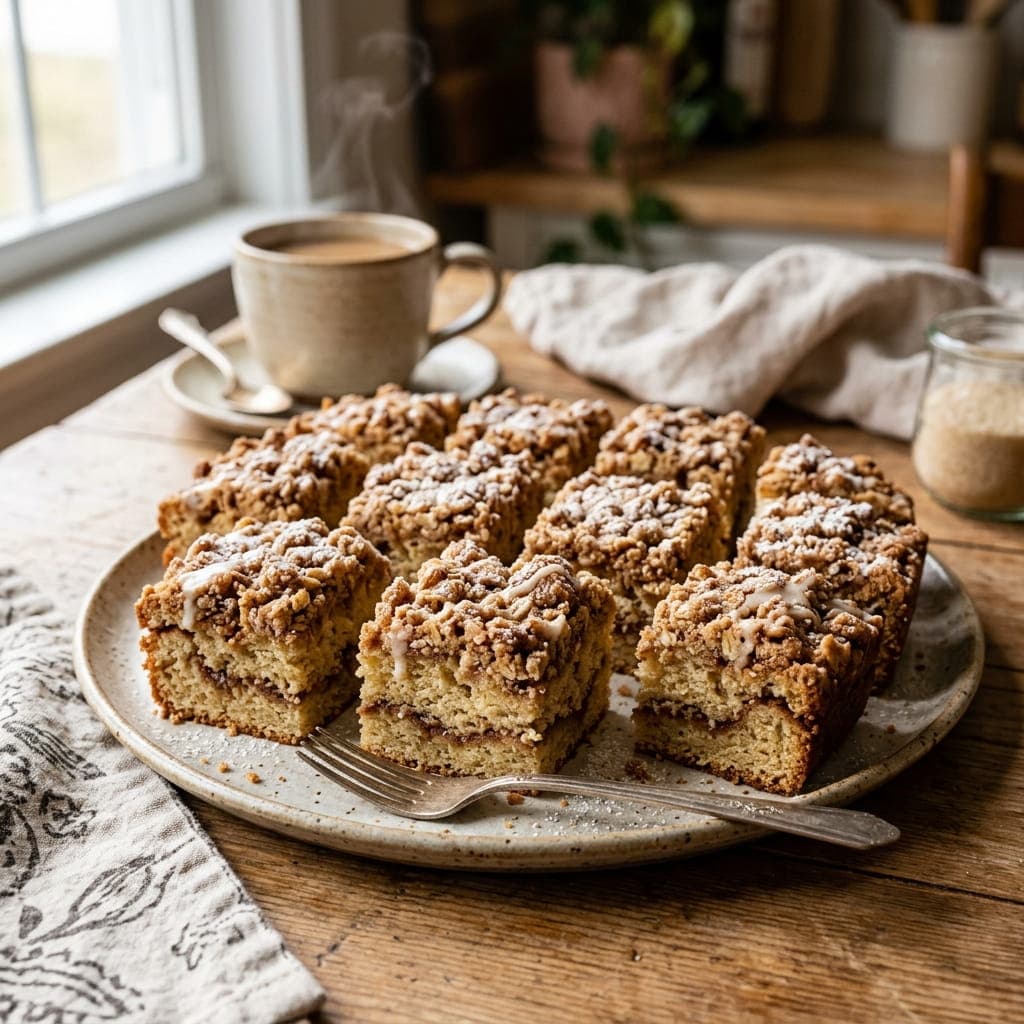
Cinnamon Streusel Coffee Cake Squares
Layering half the streusel into the middle of the batter, not just on top, is what gives this cake a genuine ribbon of cinnamon running through the center - most versions only sprinkle streusel on the surface and miss out on that swirl entirely. Named for pairing with a cup of coffee rather than containing any actual coffee, this is a classic American brunch bake.
65m9
Cookies And Bars
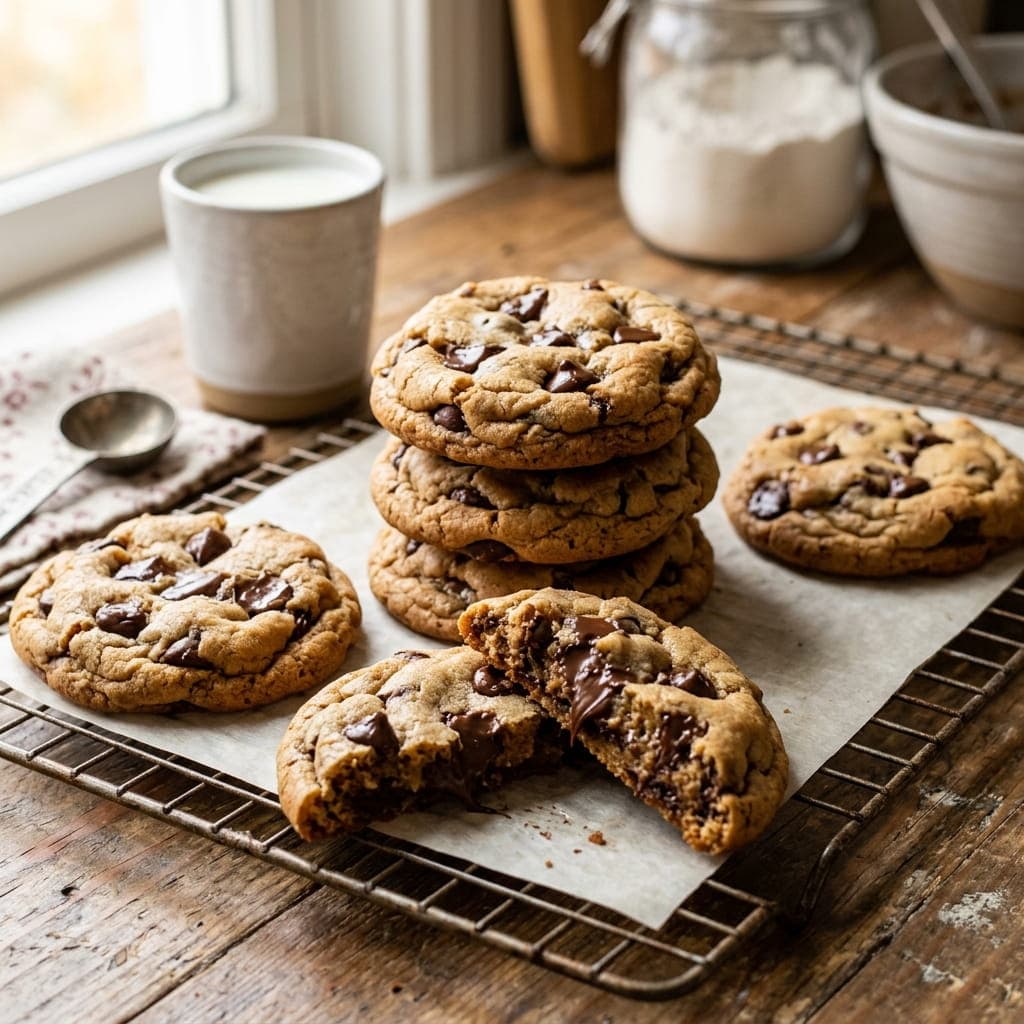
Classic Chewy American Chocolate Chip Cookies
The ratio of brown sugar to white sugar is what actually decides whether a chocolate chip cookie turns out chewy or crisp - more brown sugar means more moisture and molasses, both of which keep the center soft while the edges still turn golden. Chilling the dough before baking slows the spread, giving thicker, less flat cookies with a proper chewy bite.
26m24
No Bake Sweets
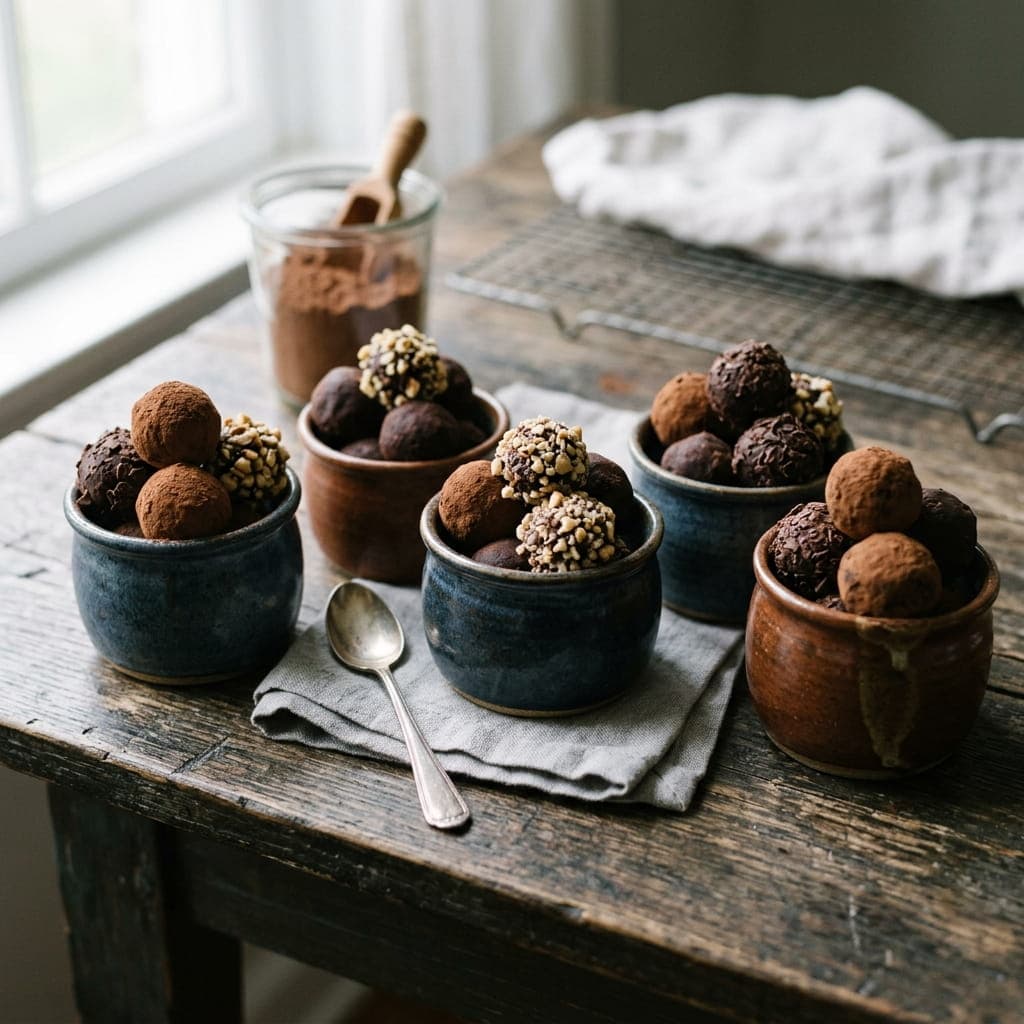
French Chocolate Ganache Truffles Pots
Pouring hot cream directly over chopped chocolate and letting it sit undisturbed for a minute before stirring is the classic French technique for a smooth ganache - stirring too soon before the chocolate has fully melted causes it to seize into a grainy mess instead of a glossy emulsion. Left to set in small pots rather than rolled into individual truffles, this skips the fussiest part of truffle-making while keeping the same rich flavor.
15m6
Puddings And Tarts
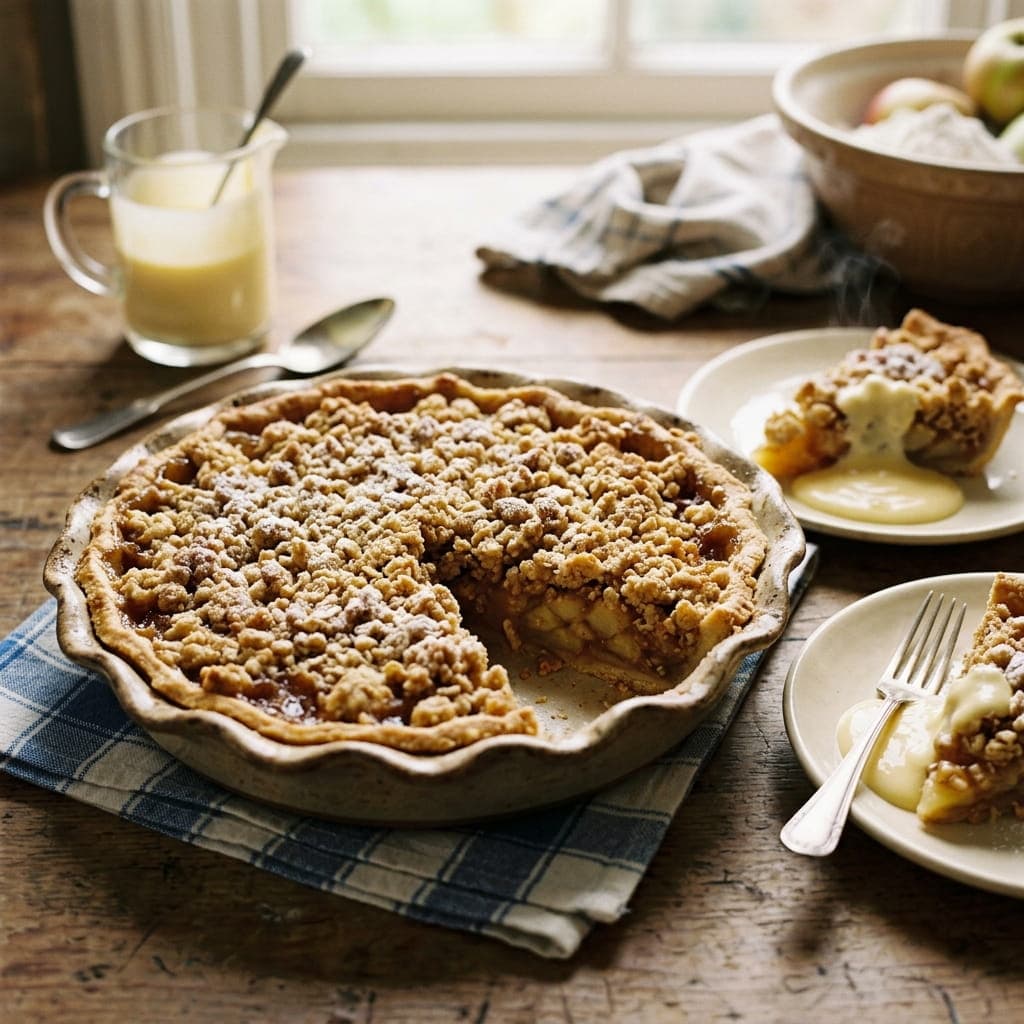
Easy British Apple Crumble Pie Tart
Tossing the sliced apples with flour before they go into the tart shell is what thickens their released juices as they bake, keeping the filling from turning into a watery pool once sliced. This combines a proper pastry base with the buttery oat crumble topping British apple crumble is known for, giving you both textures in one dessert.
80m8
Cakes And Muffins
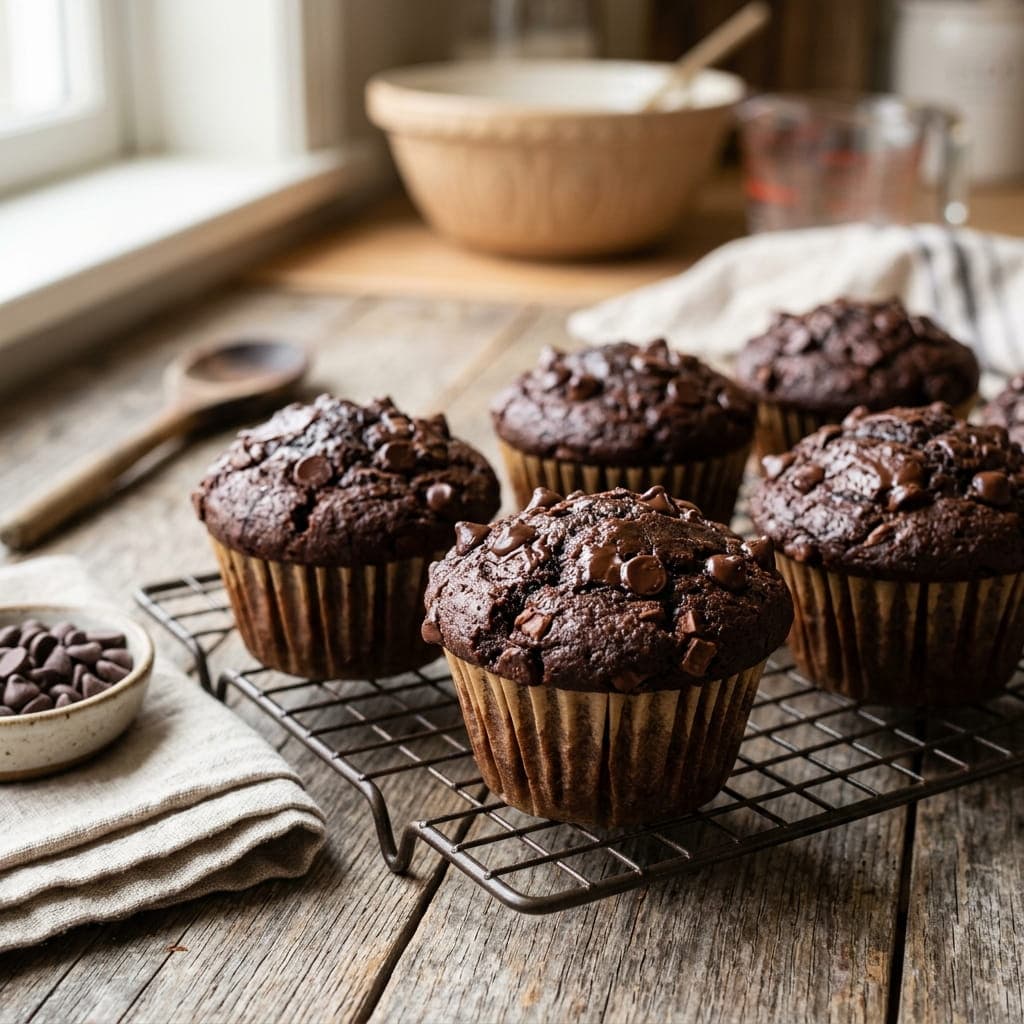
Vegan Double Chocolate Chip Muffins
No eggs, no dairy, and honestly no one will notice the difference - a flax egg and apple cider vinegar curdled into plant milk do the same binding and leavening work eggs and buttermilk normally provide. Cocoa powder in the batter plus a generous handful of chocolate chips folded in gives these their double-chocolate name, rich enough that they could pass for dessert rather than a snack.
35m12
Puddings And Tarts
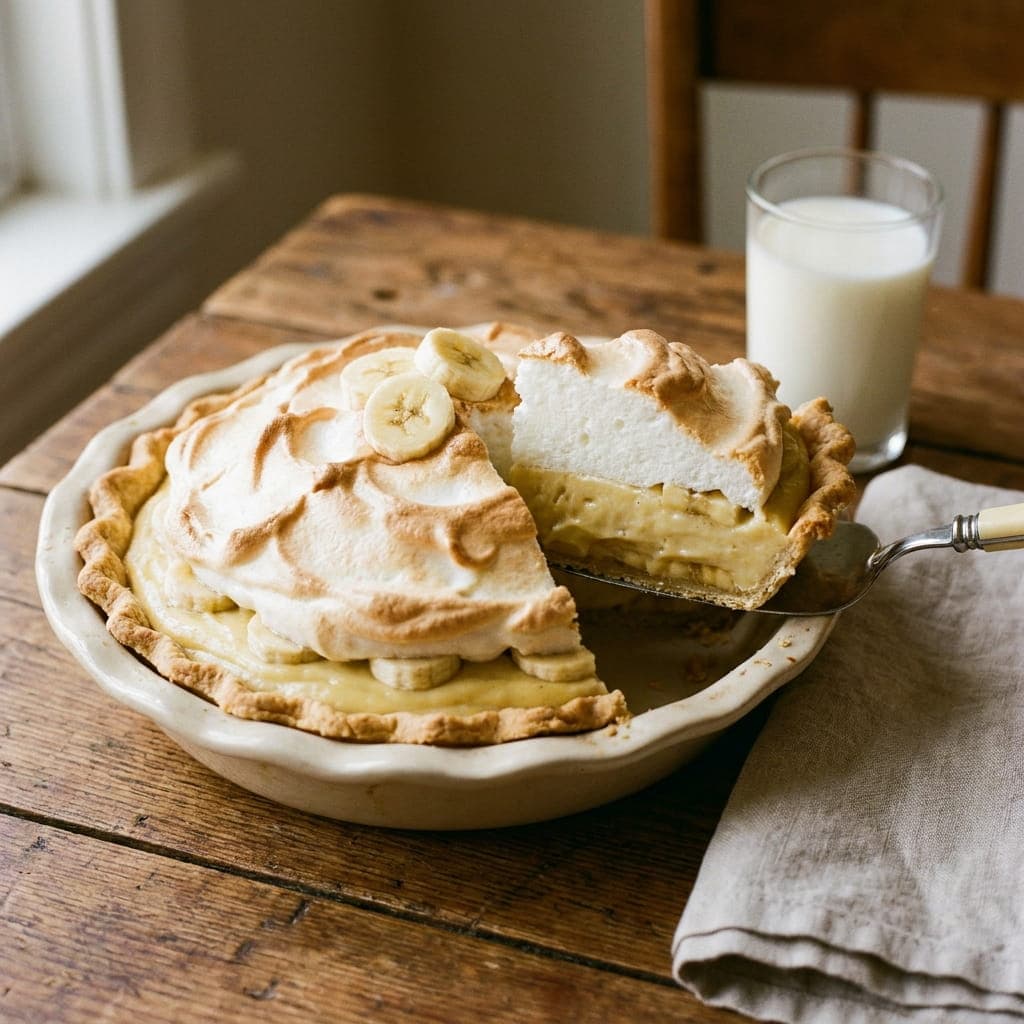
Classic American Silky Banana Cream Pie
Whisking the hot milk into the egg yolks gradually (rather than dumping it in) is what tempers them properly, preventing the custard from turning into sweet scrambled eggs the moment it hits the heat. Sliced fresh banana folded directly into the cooled pastry cream, rather than just layered on top, means every bite gets banana flavor instead of finding it only in certain spots.
45m8
Cookies And Bars
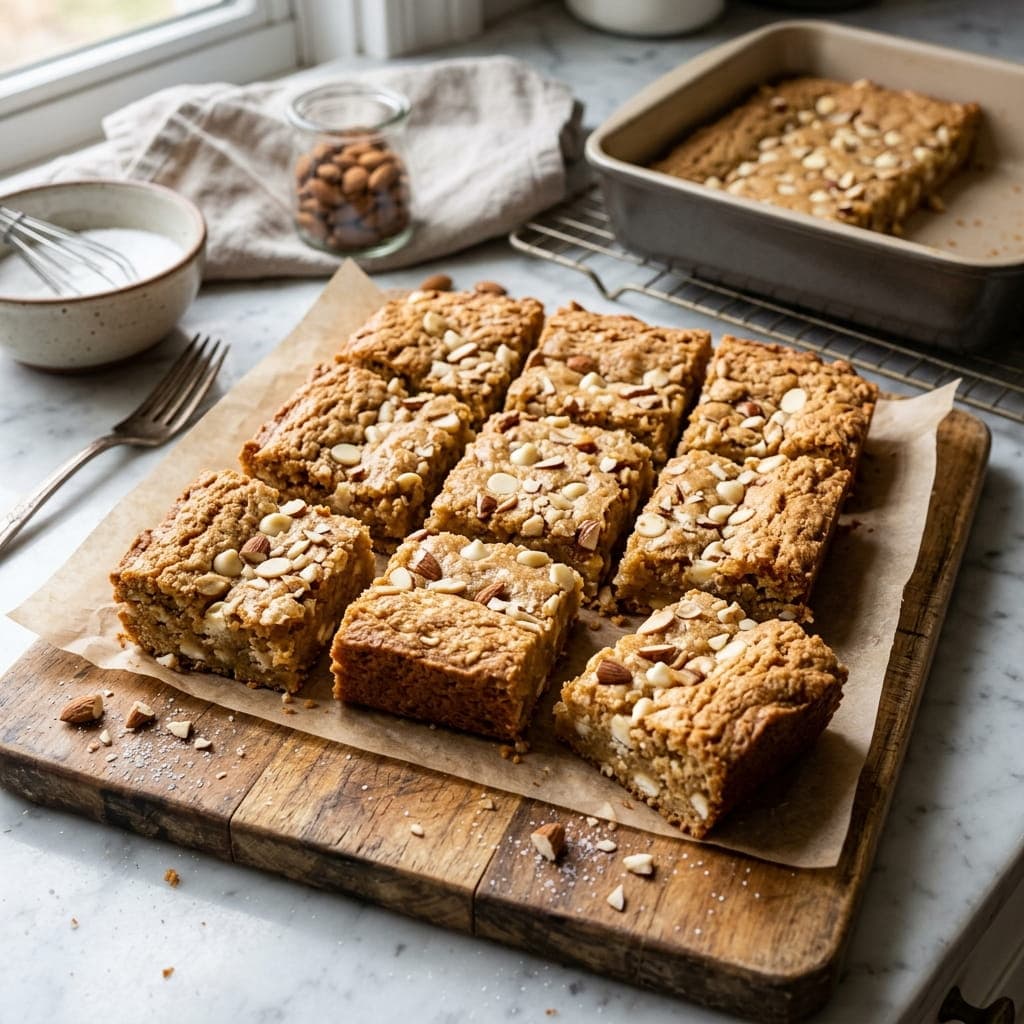
Keto Sugar-Free Almond Flour Blondies
Browning the butter before it goes into the batter adds a nutty, caramel-like depth that plain melted butter can't replicate - a small extra step that makes a genuinely noticeable difference in a recipe with so few other flavor sources. Almond flour keeps these low-carb, while sugar-free chocolate chips fold in for pockets of melty richness throughout.
37m16
Cakes And Muffins
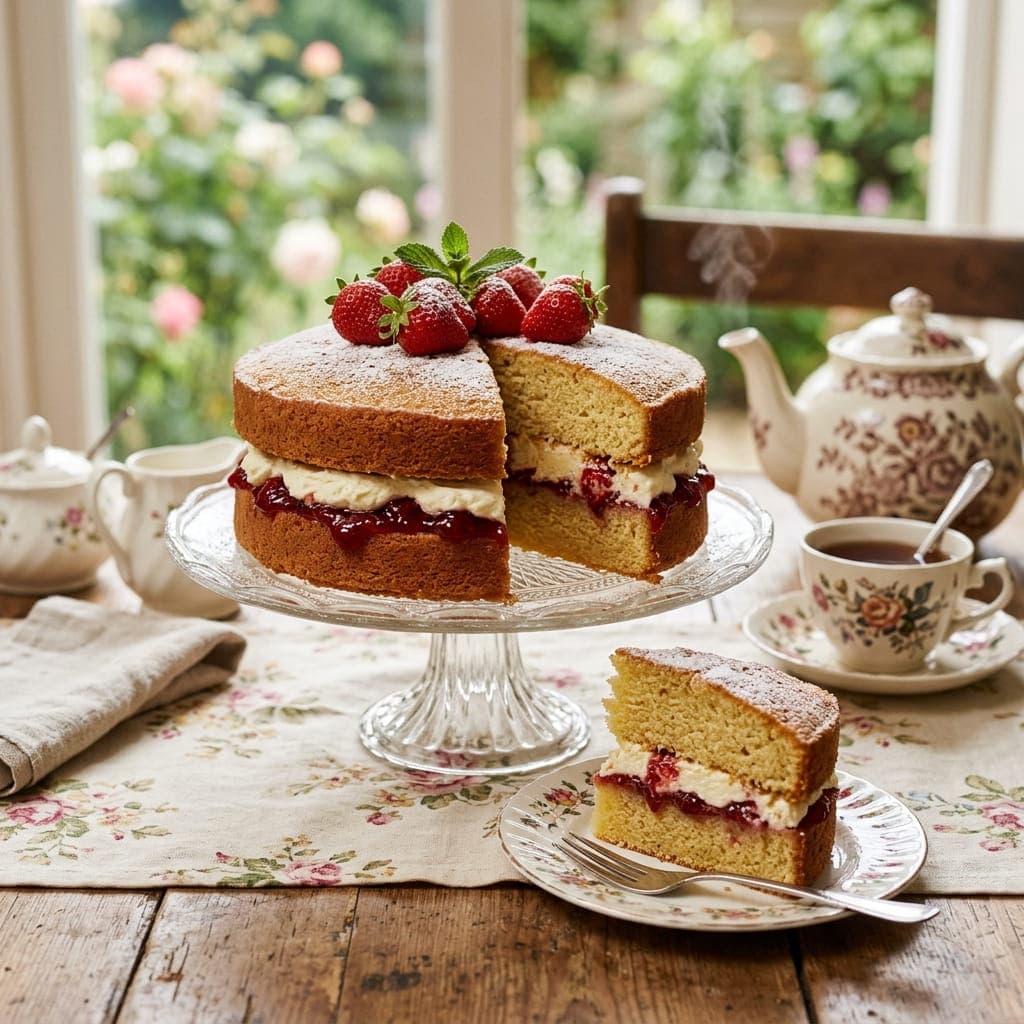
Traditional British Victoria Sponge Cake
Named after Queen Victoria, who was said to enjoy a slice with her afternoon tea, this sponge relies on the classic equal-weights method - butter, sugar, flour, and eggs all matched in weight to guarantee a light, even crumb every time. Simply filled with jam and whipped cream, no elaborate frosting needed, it remains one of the most iconic bakes in British baking history.
45m10
No Bake Sweets
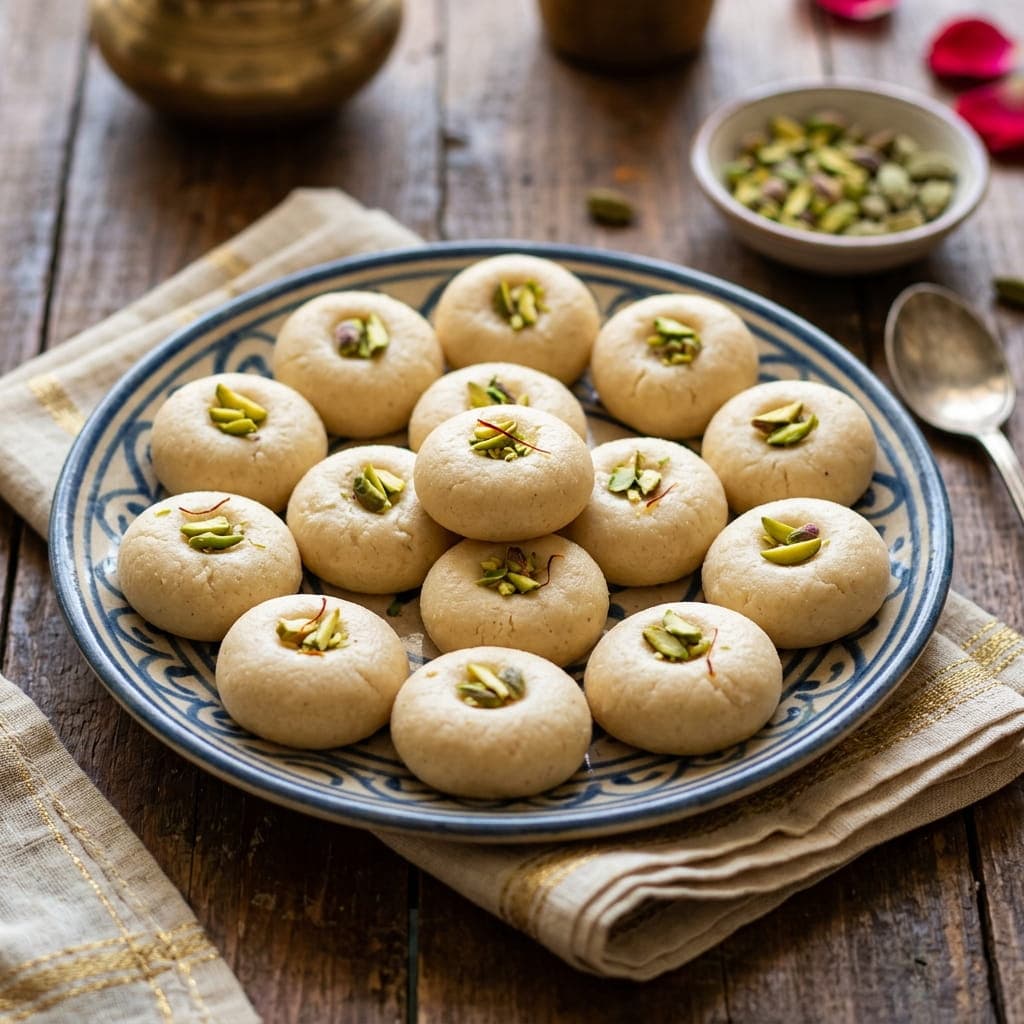
Indian No-Bake Milk Peda Sweets
This shortcut version skips the hours of traditional milk-reduction that classic peda requires, using milk powder instead to reach that same dense, fudgy texture in a fraction of the time. Cooked briefly on the stovetop until it pulls away from the pan and cools enough to shape, these little discs are a staple sweet for Diwali, Eid, and other South Asian celebrations.
28m16