Loading...
Desserts Recipes
Sweet treats
Showing 1-16 of 40 delicious desserts recipes
Puddings And Tarts
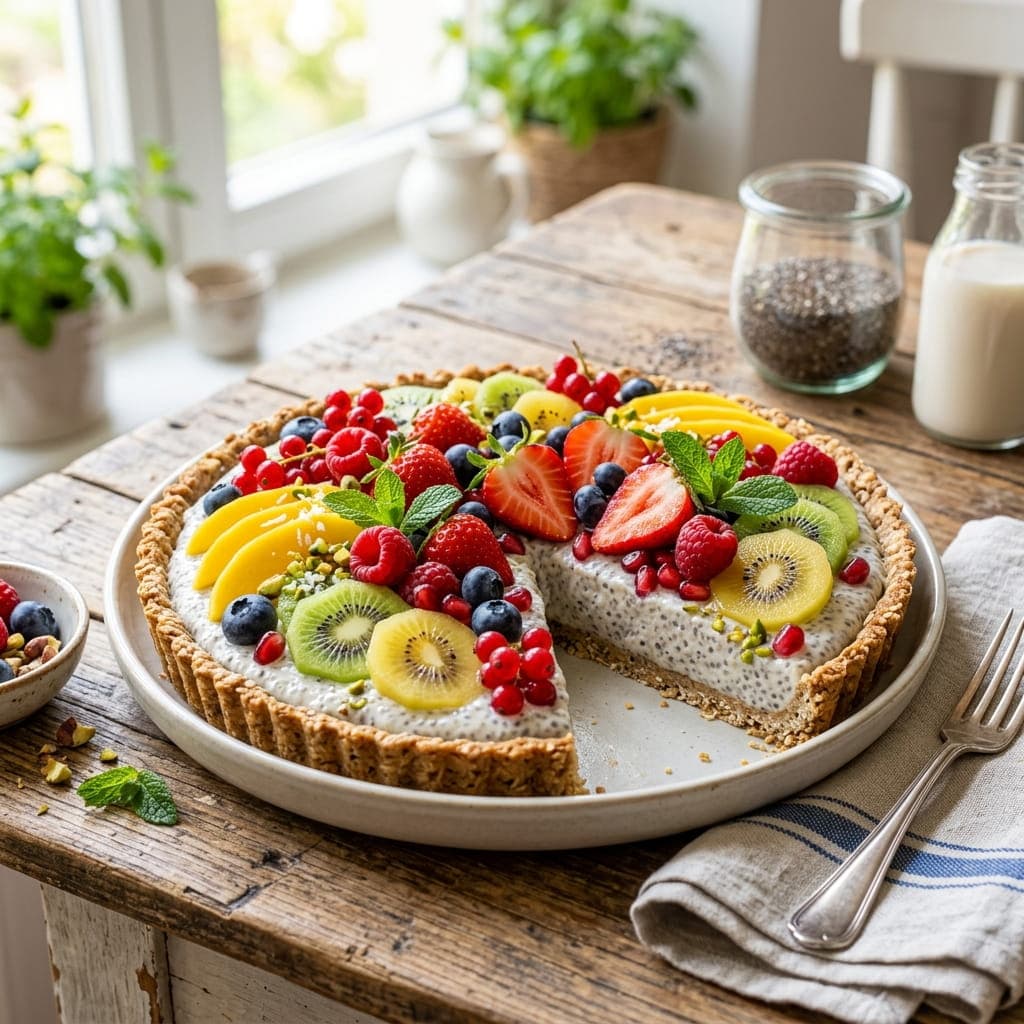
Low-Calorie Chia Seed Pudding Fruit Tart
A base of set chia pudding stands in for pastry cream here, spread into a store-bought tart shell or simply into a dish and topped with a colorful arrangement of fresh fruit - no baking, no refined sugar in the filling itself. This keeps the classic look of a fruit tart while staying genuinely light and fiber-rich.
15m6
Cakes And Muffins
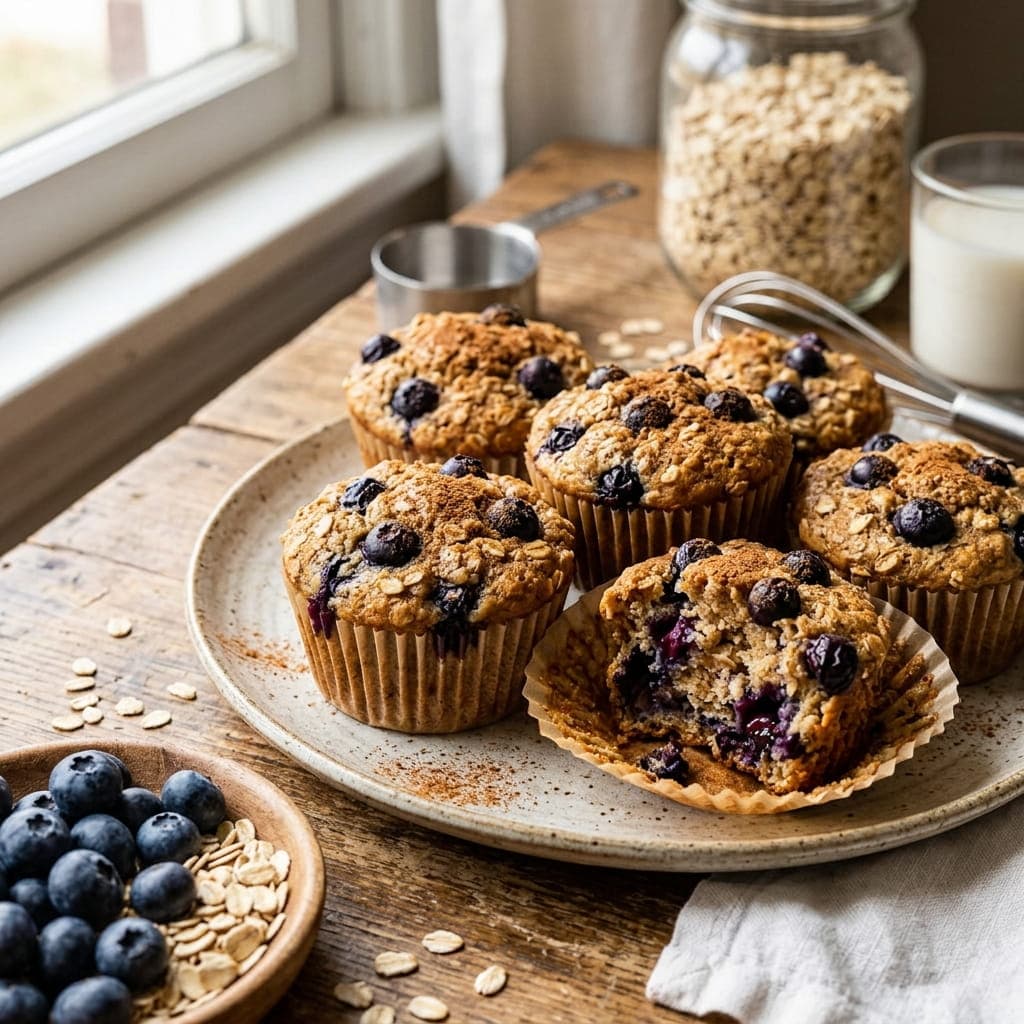
Healthy Sugar-Free Blueberry Oatmeal Muffins
Mashed banana and applesauce carry the sweetness here instead of any added sugar, which is what keeps these muffins from tasting flat or one-dimensional the way many sugar-free bakes can. Tossing the blueberries in a spoonful of oat flour before folding them into the batter keeps them suspended evenly through each muffin instead of all sinking to the bottom.
35m12
Puddings And Tarts
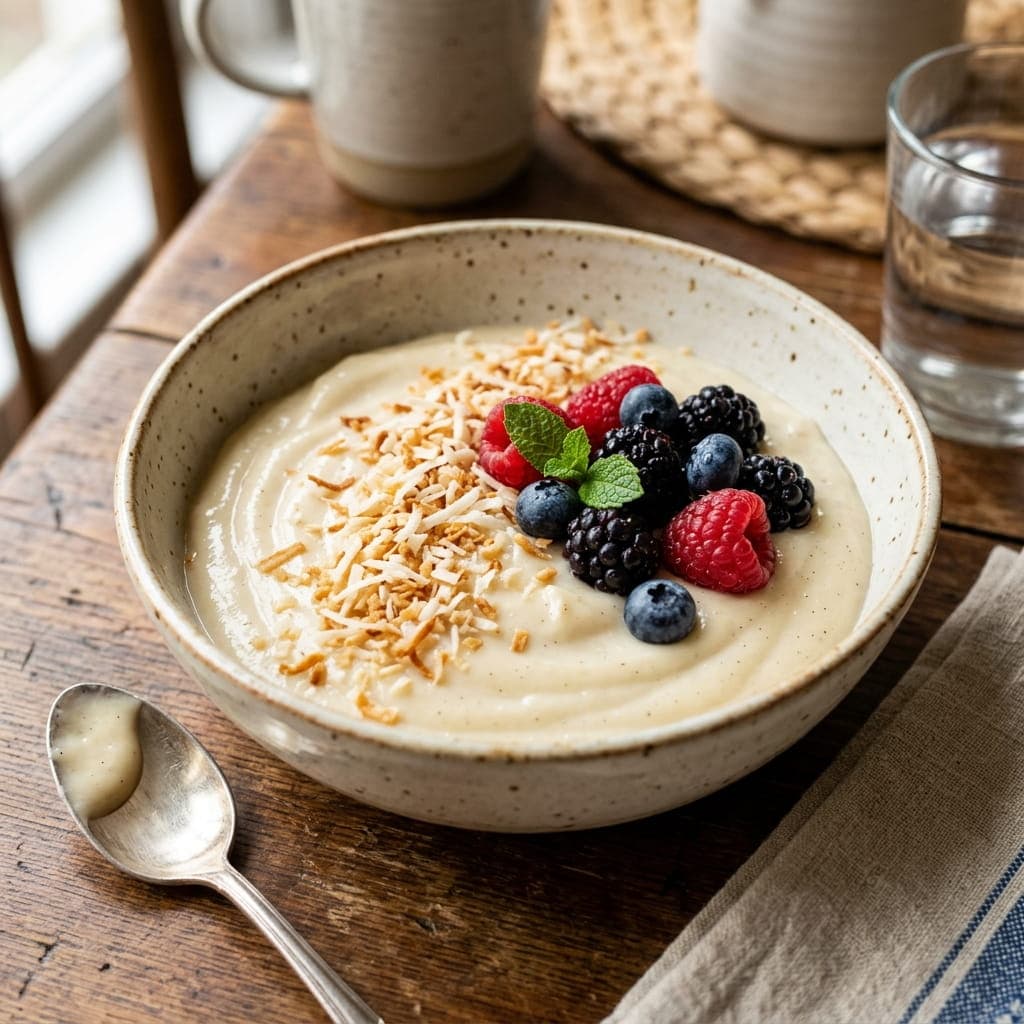
Vegan Coconut Vanilla Custard Pudding
Cornstarch does the thickening job here that eggs would normally handle in a traditional custard, whisked into coconut milk and cooked gently until it transforms from a thin liquid into a spoonable pudding. No dairy, no eggs, and no special equipment beyond a saucepan and a whisk - just patience while it thickens on the stove.
20m4
Puddings And Tarts
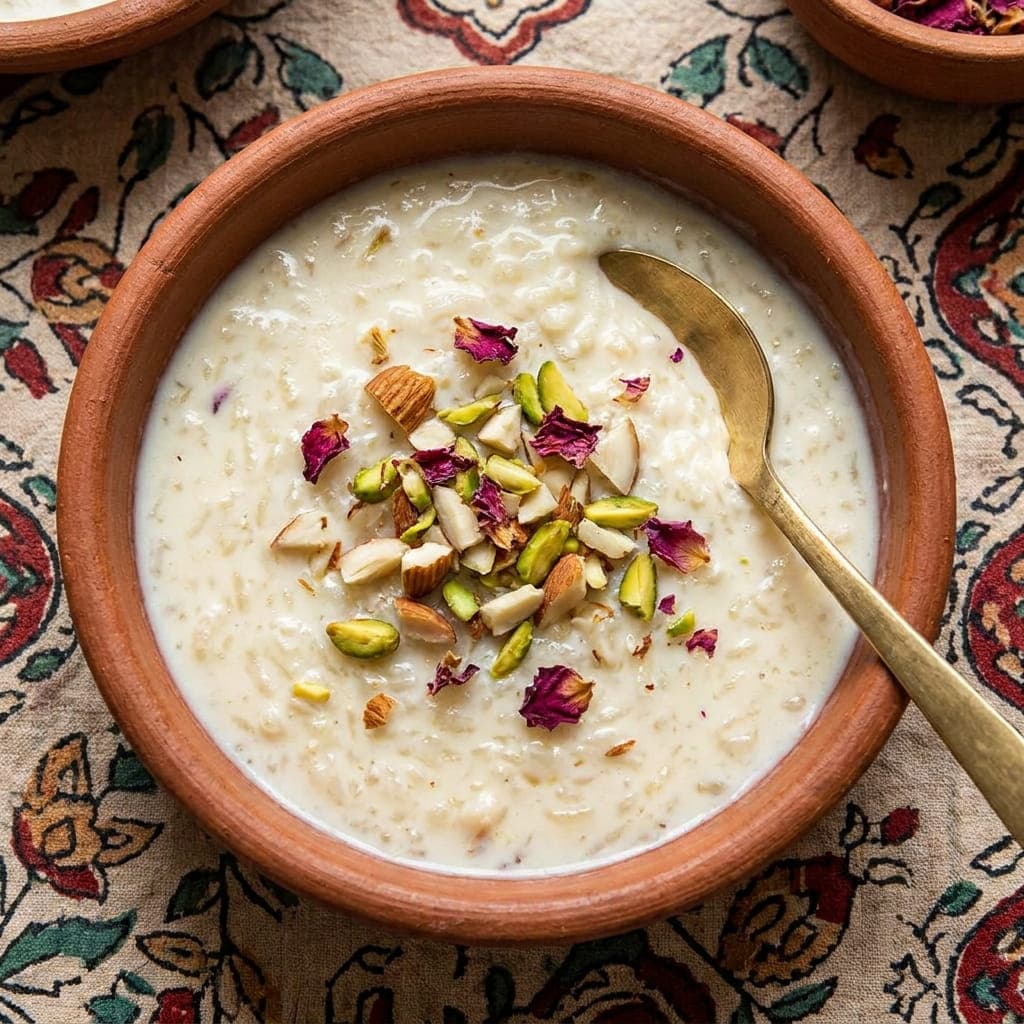
Authentic Pakistani Rice Kheer (Pudding)
Soaking the rice first, then breaking it down slightly as it simmers, is what gives kheer its characteristically thick, slightly grainy body rather than the smoothness of a custard-based pudding. Slow-simmered in full-fat milk until it reduces by nearly half, this is the dessert served at nearly every Pakistani wedding and Eid gathering, finished with a scatter of nuts and a whisper of cardamom.
85m6
Cookies And Bars
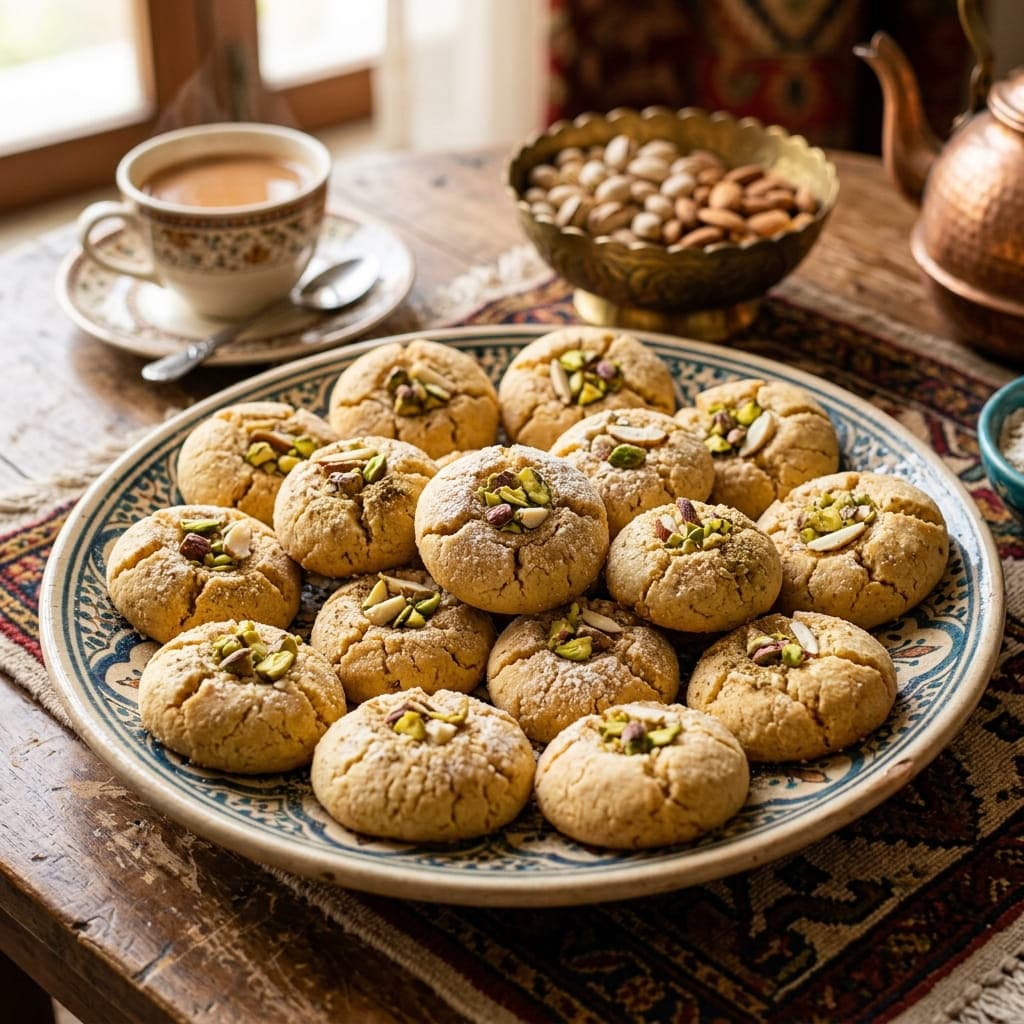
Pakistani Sweet Nankhatai (Shortbread Cookies)
The word nankhatai comes from Persian - 'naan' for bread and 'khatai' for biscuit - and these cardamom-scented shortbread cookies have been a fixture of South Asian bakeries since the Mughal era. Besan (gram flour) blended in alongside regular flour is what gives them their distinctly crumbly, melt-in-the-mouth texture that pure wheat flour alone can't replicate, and using ghee rather than butter keeps them free of any water content that would toughen the dough.
65m20
Cookies And Bars
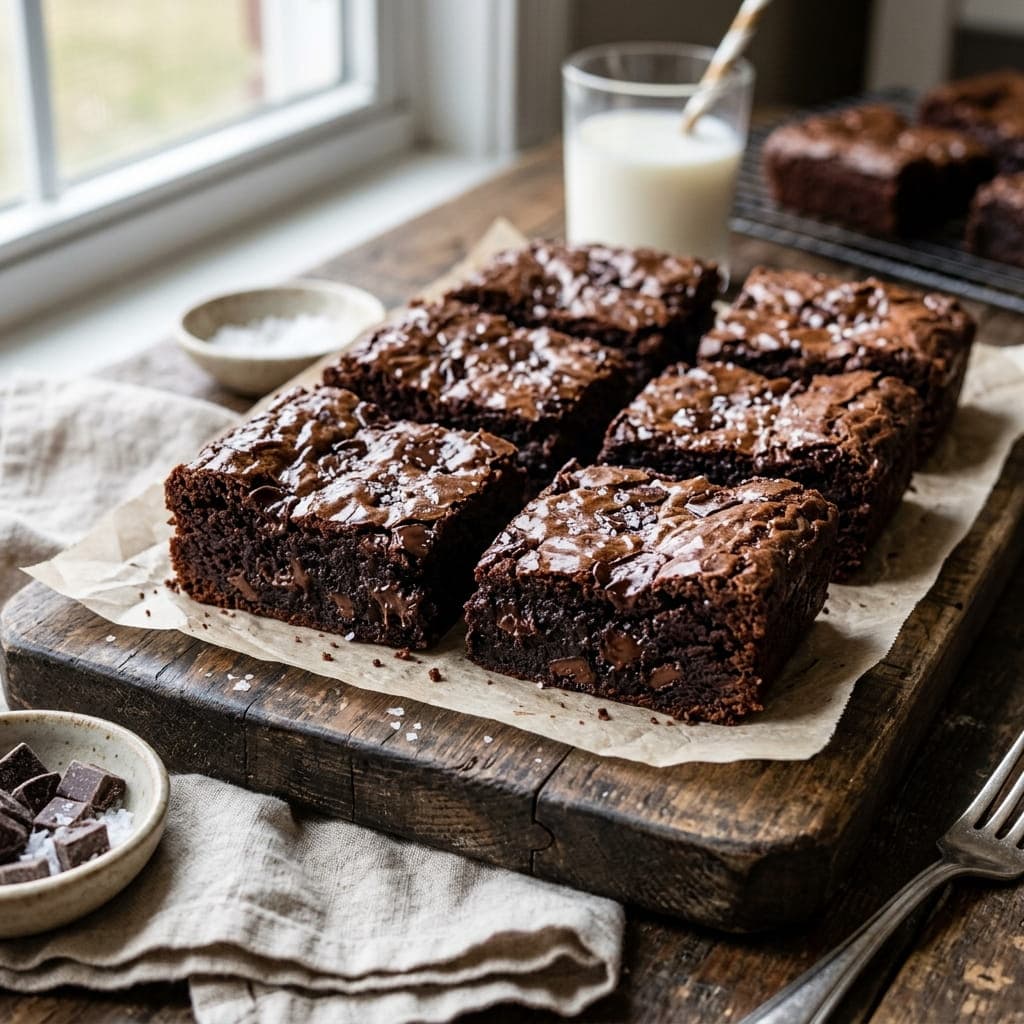
Fudgy Bakery Style Chocolate Brownie Bars
The ratio of fat to flour is what separates a fudgy brownie from a cakey one - this recipe leans heavily on melted butter and a generous amount of chocolate relative to flour, which is what keeps the center dense and gooey rather than light and airy. Vigorously whisking the eggs and sugar together before adding anything else is also what builds that shiny, crackly top bakeries are known for.
43m16
No Bake Sweets
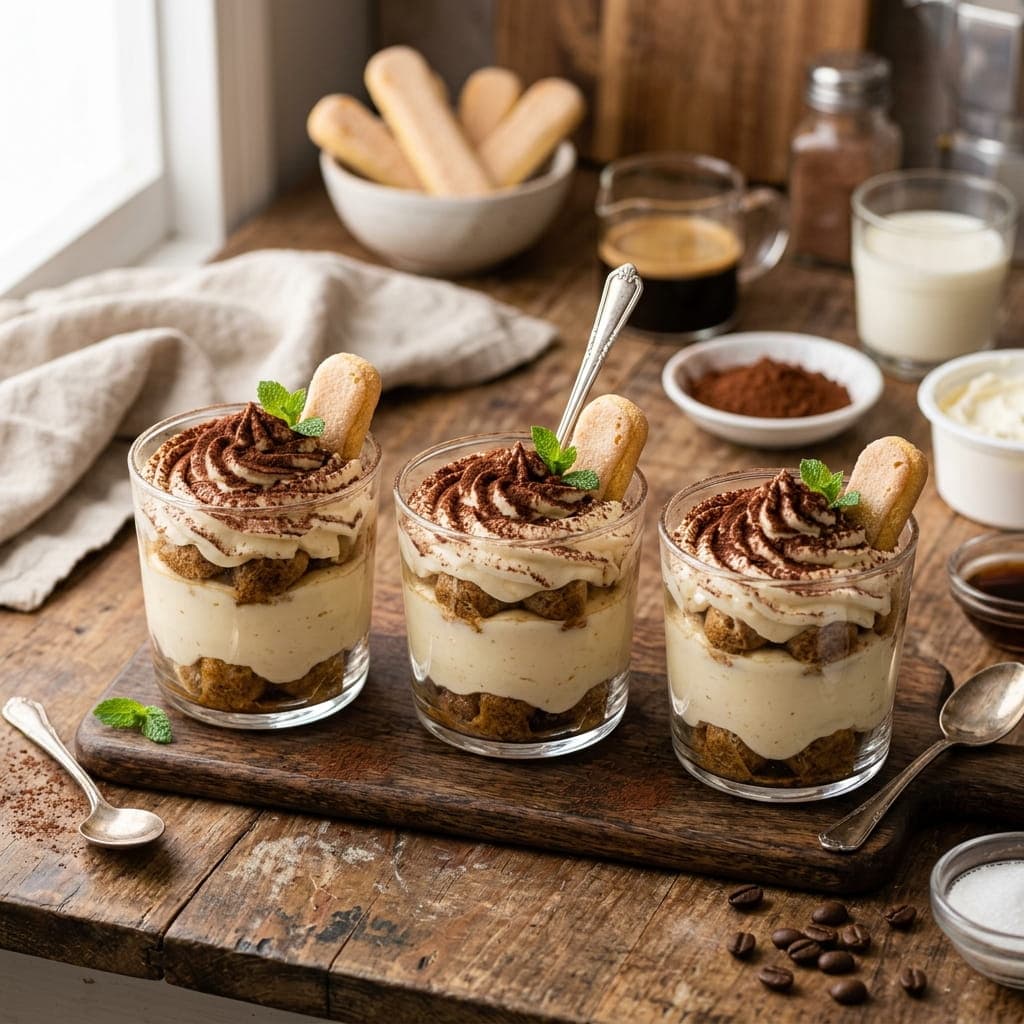
10-Ingredient No-Bake Italian Tiramisu Cups
The whole trick of tiramisu comes down to timing - dip the ladyfingers too long in coffee and they turn to mush, too short and the center stays dry and firm. A confident one-second dip per side is the sweet spot, letting the biscuit soak up just enough liquid to soften without collapsing before it's layered with mascarpone cream in individual cups.
30m6
No Bake Sweets
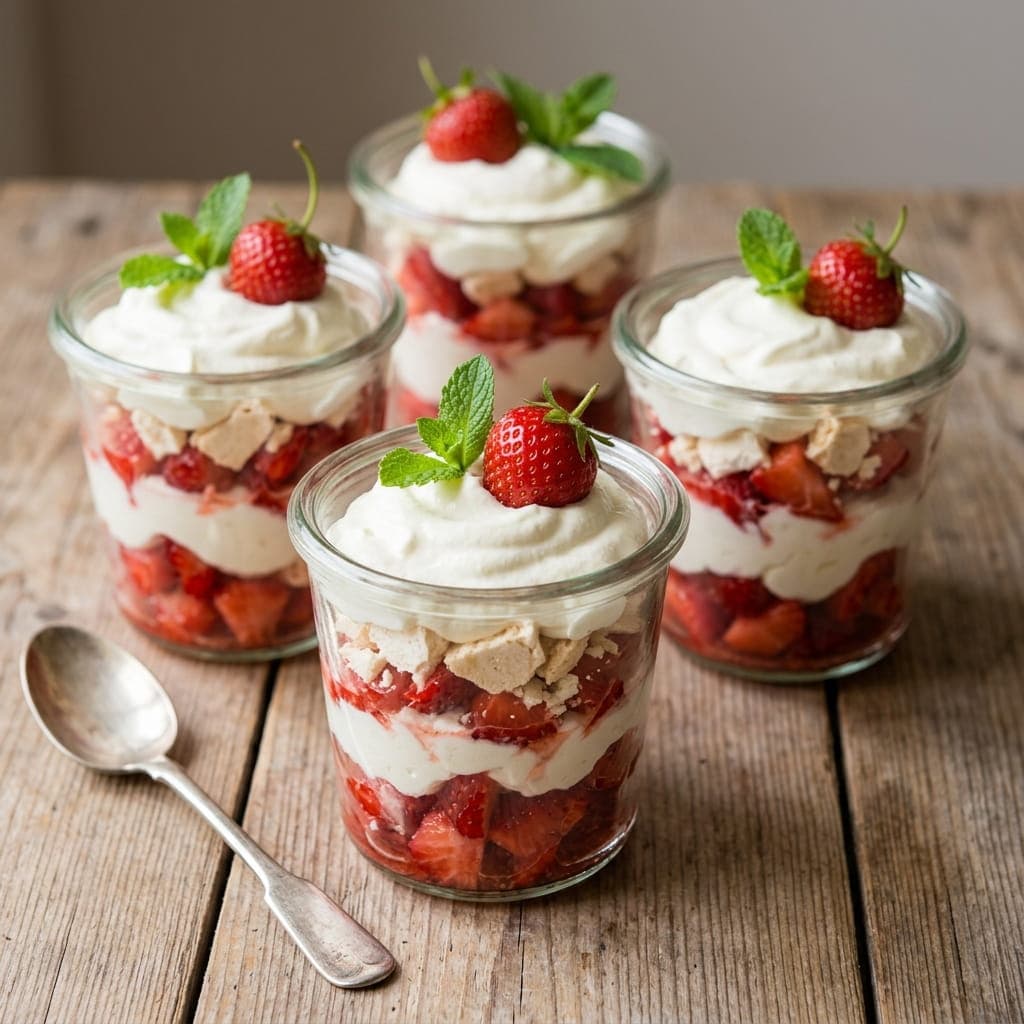
Quick British Strawberry Eton Mess Pots
The whole point of Eton Mess is that it's deliberately imperfect - crushed meringue folded roughly into whipped cream and strawberries, rather than carefully layered or smoothed. Named after Eton College where it's said to have originated, this English summer classic takes barely any effort since nothing here requires actual cooking.
15m4
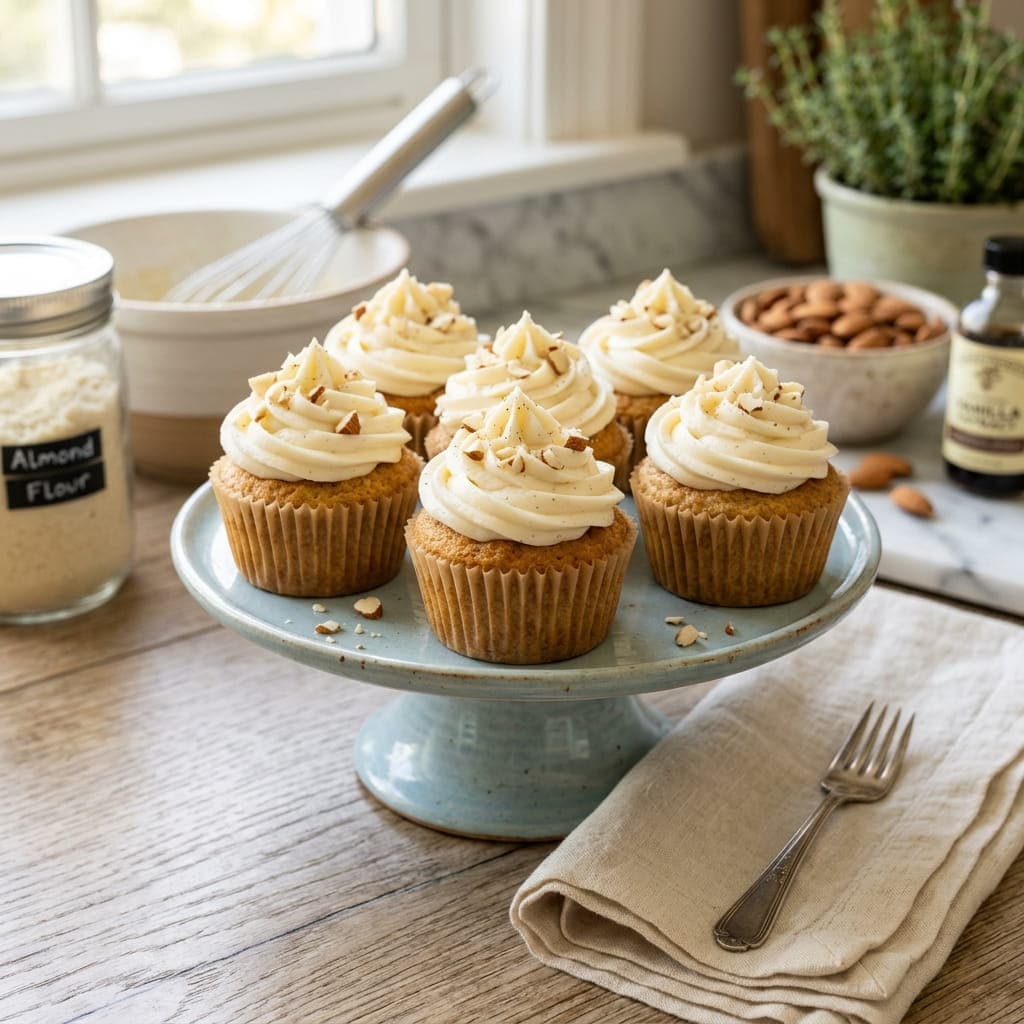
Cakes And Muffins
Keto Almond Flour Vanilla Cupcakes
Almond flour behaves nothing like wheat flour in a cupcake batter - it's denser and has no gluten to trap air, so these rely more heavily on eggs and baking powder for structure and rise. The result is a slightly more tender, moist crumb than a classic wheat cupcake, without any of the carbs or sugar a traditional version would carry.
30m10
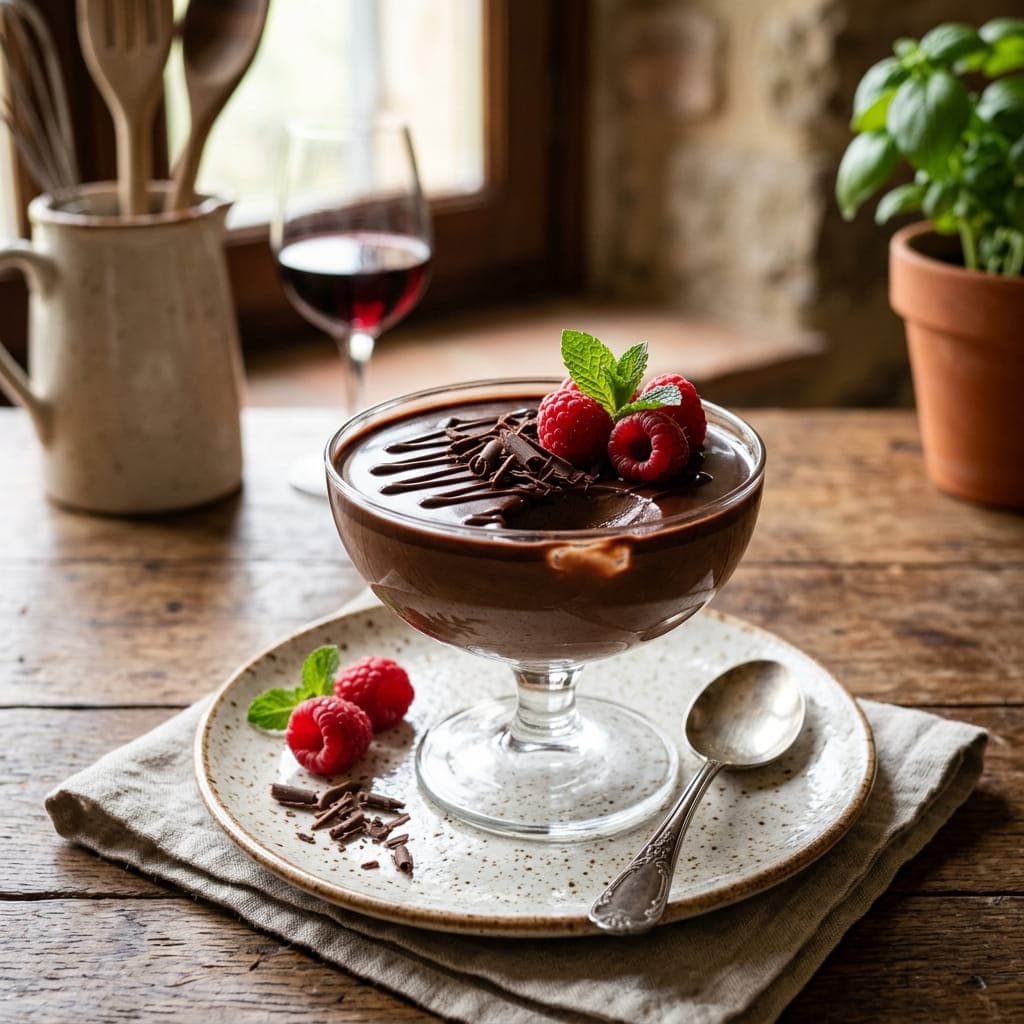
Puddings And Tarts
Italian Chocolate Panna Cotta Custard
Panna cotta means 'cooked cream' in Italian, and true to its name, this needs no eggs at all - just cream set with gelatin, which is what gives it that distinctive soft wobble rather than the firmer set of a baked custard. Blooming the gelatin in cold water first, then dissolving it into warm (not boiling) cream, is the step that determines whether it sets smoothly or turns grainy.
25m6
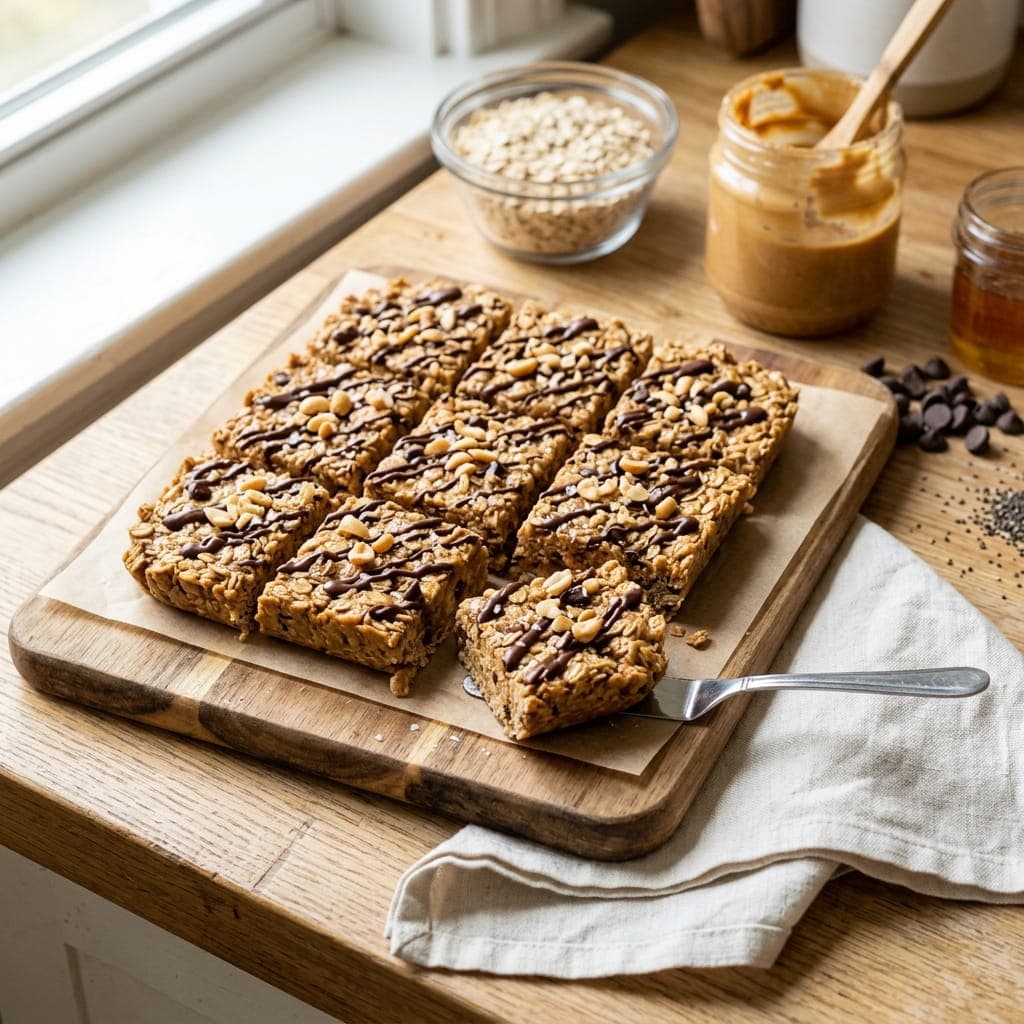
Cookies And Bars
Healthy No-Bake Peanut Butter Oatmeal Bars
Warming honey and peanut butter together until fully melted is what allows them to properly coat every oat, rather than clumping in uneven pockets through the bars once set. With no oven and no added refined sugar, this comes together in one bowl and firms up in the fridge into something closer to a homemade granola bar than a dessert.
10m12
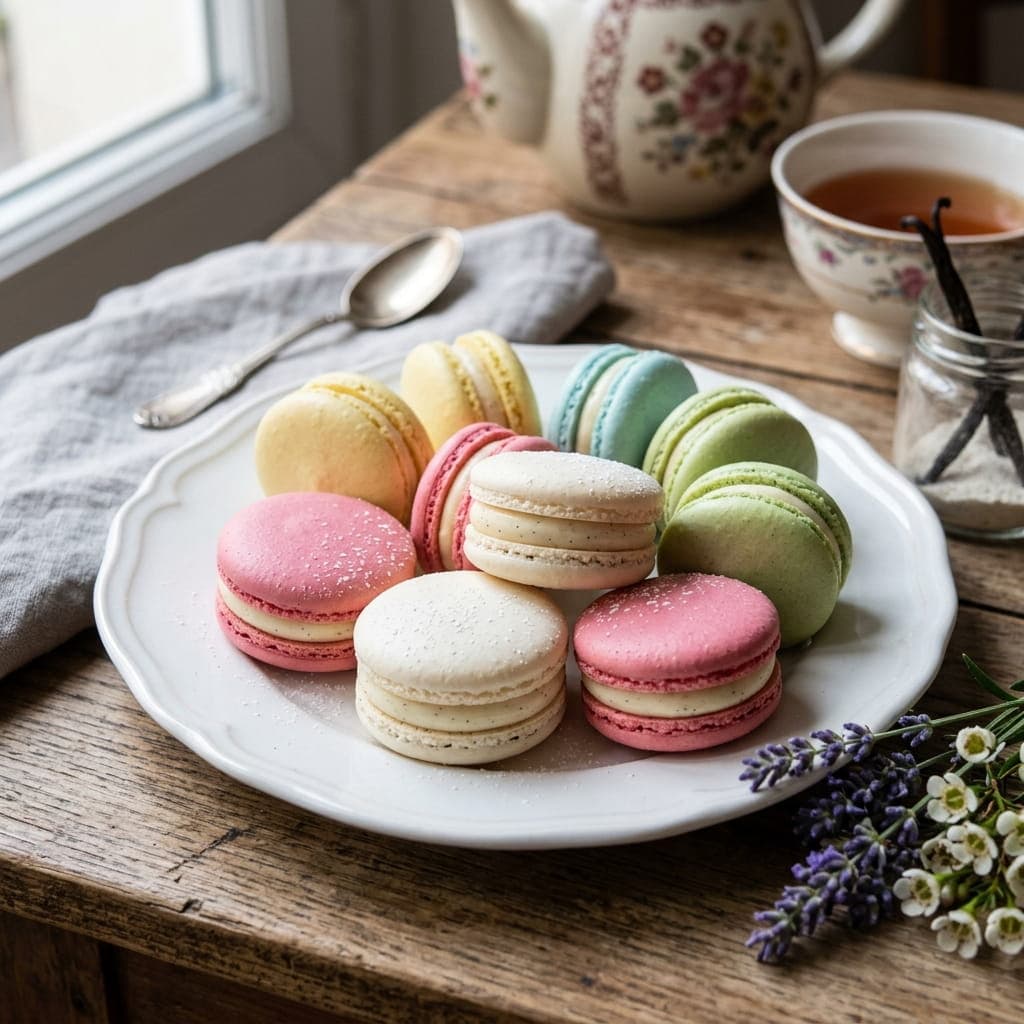
Cookies And Bars
French Macarons with Vanilla Buttercream
Macaronage - the technique of folding almond flour and powdered sugar into whipped egg whites - is judged entirely by movement, not a fold count: the finished batter should flow in a slow, wide ribbon and settle back into itself within about 10-15 seconds. Get it wrong in either direction and the shells crack, turn hollow, or spread flat with no feet, which is exactly why this is considered one of the more technically demanding cookies in French baking.
78m20
No Bake Sweets
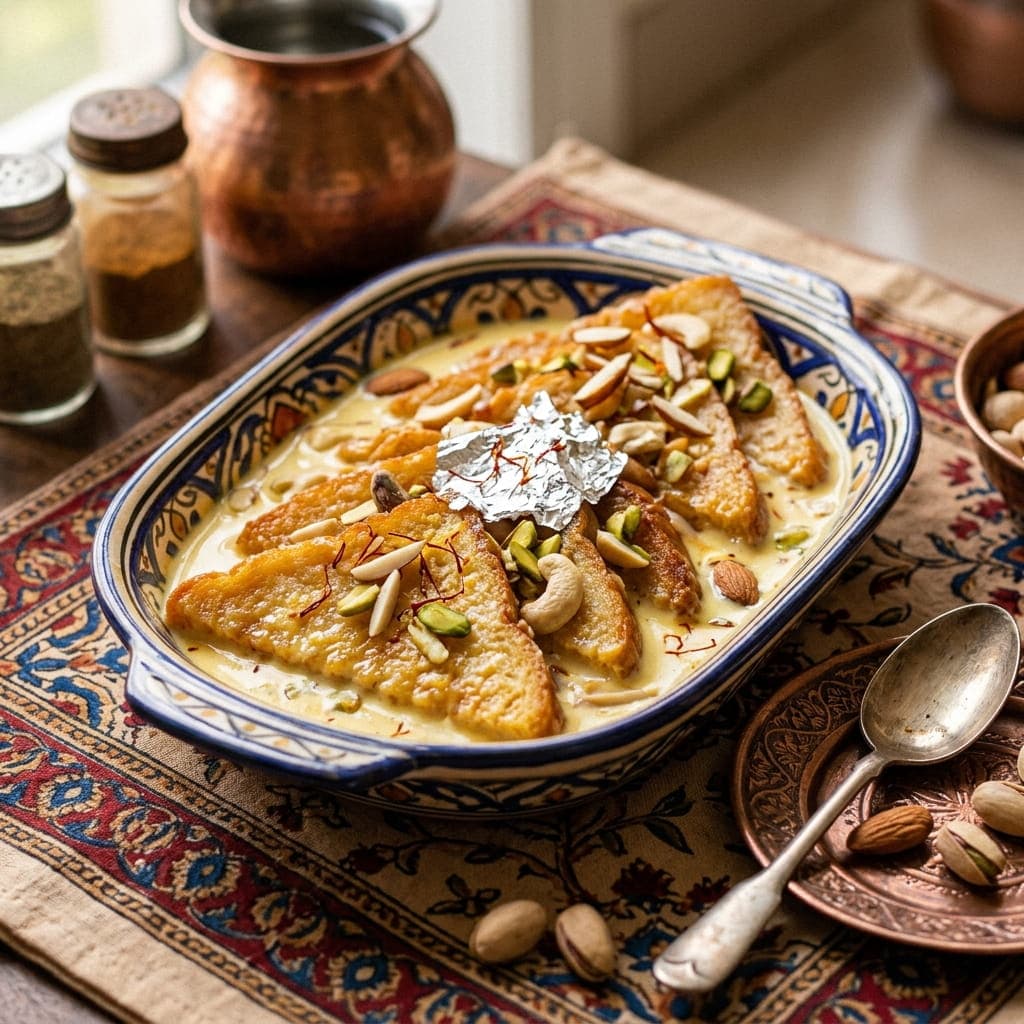
Authentic Pakistani Shahi Tukray (No-Bake)
The name literally means 'royal pieces,' a Mughal-era dessert of fried bread bathed in saffron-cardamom milk, popular during Eid and iftar across Pakistan. This no-bake version fries the bread on the stovetop and simmers it briefly in the thickened milk, then chills the whole assembly - no oven needed at any stage, just a pan and patience while it sets in the fridge.
40m6
Cookies And Bars
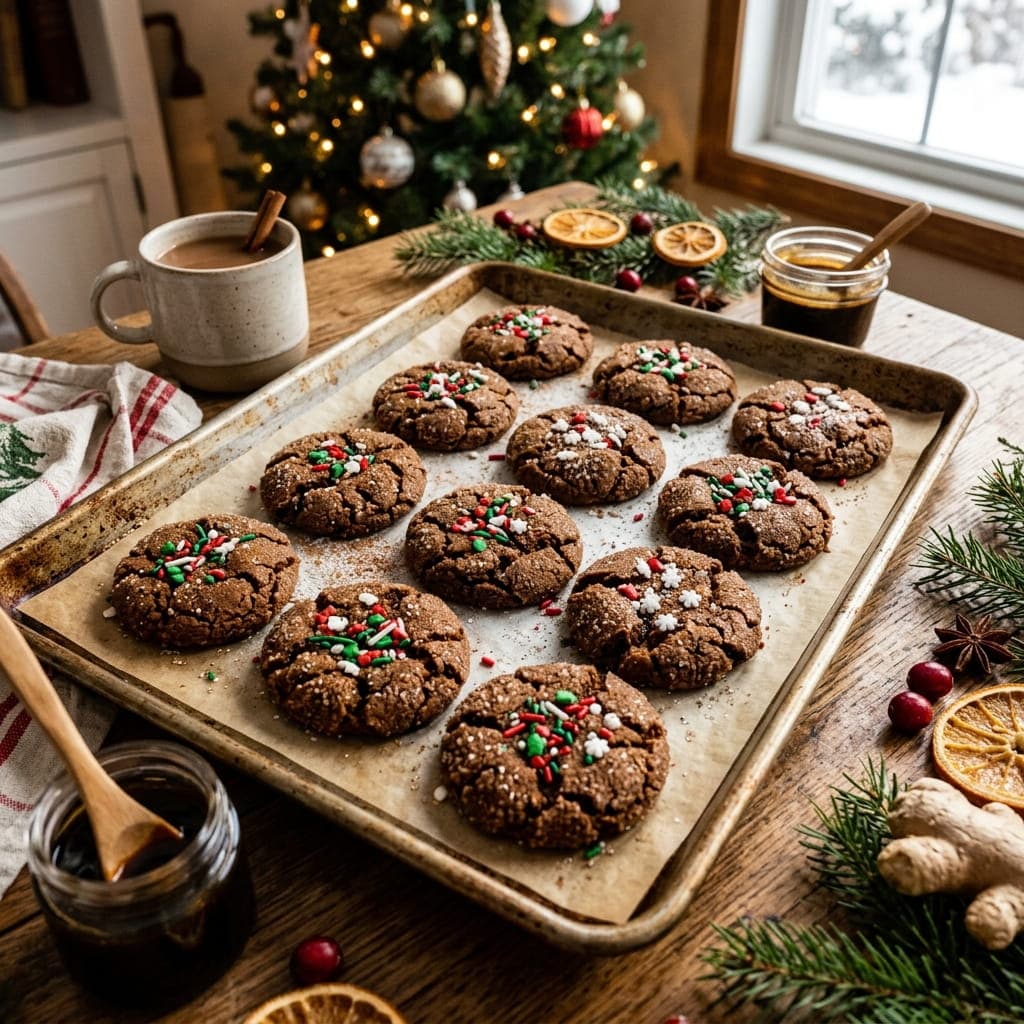
Spicy Ginger Molasses Holiday Cookies
Rolling the chilled dough balls in coarse sugar before baking is what gives these their signature sparkly, crackled surface - the sugar crystals catch and hold as the cookie spreads and cracks in the oven. A generous hit of both fresh and ground ginger alongside molasses gives these real warmth and depth rather than just background spice.
87m24
No Bake Sweets
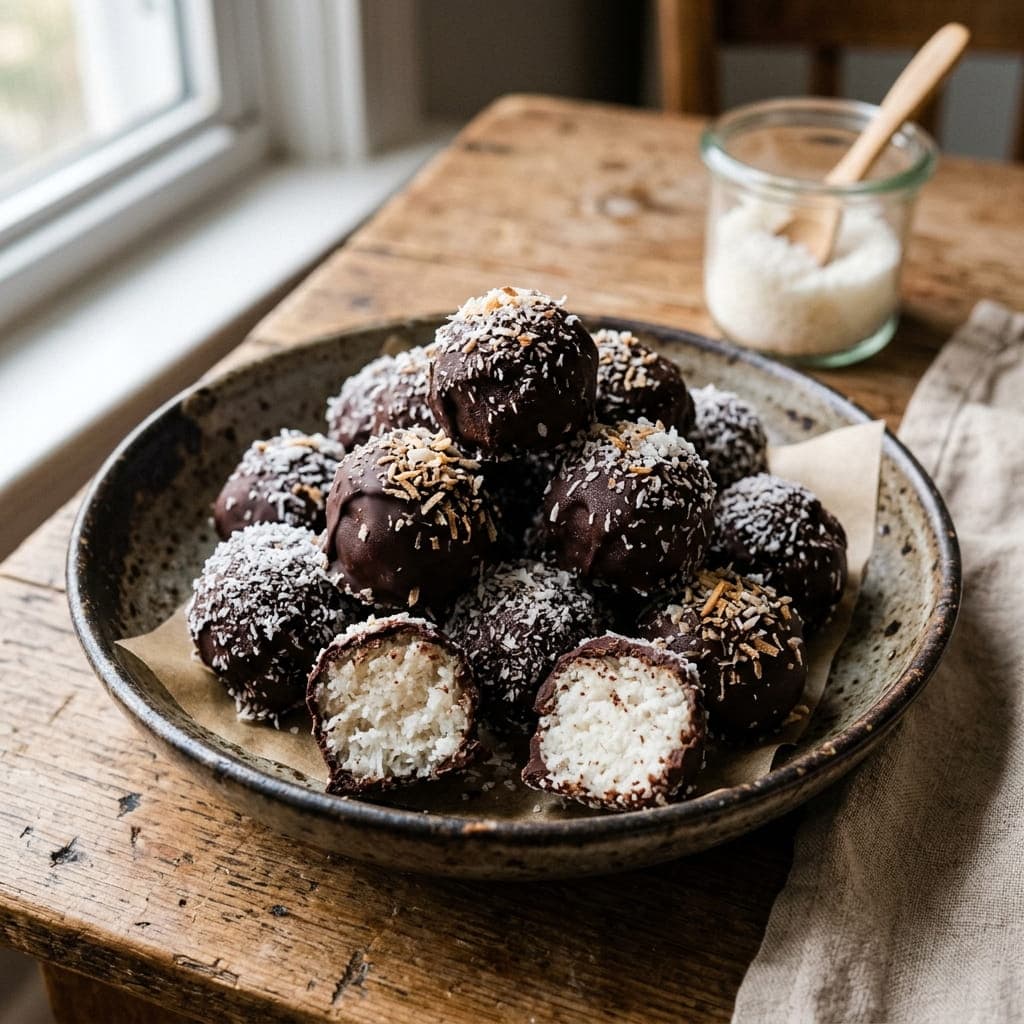
Vegan Dark Chocolate Coconut Bites
Chilling the shredded coconut mixture before rolling it into balls is what keeps the coconut oil solid enough to hold its shape - try rolling it while still soft and warm and it falls apart in your hands. Dipped in melted dark chocolate and left to set, these come together as a naturally sweetened, entirely plant-based treat close to a homemade Bounty bar.
20m16
Cakes And Muffins
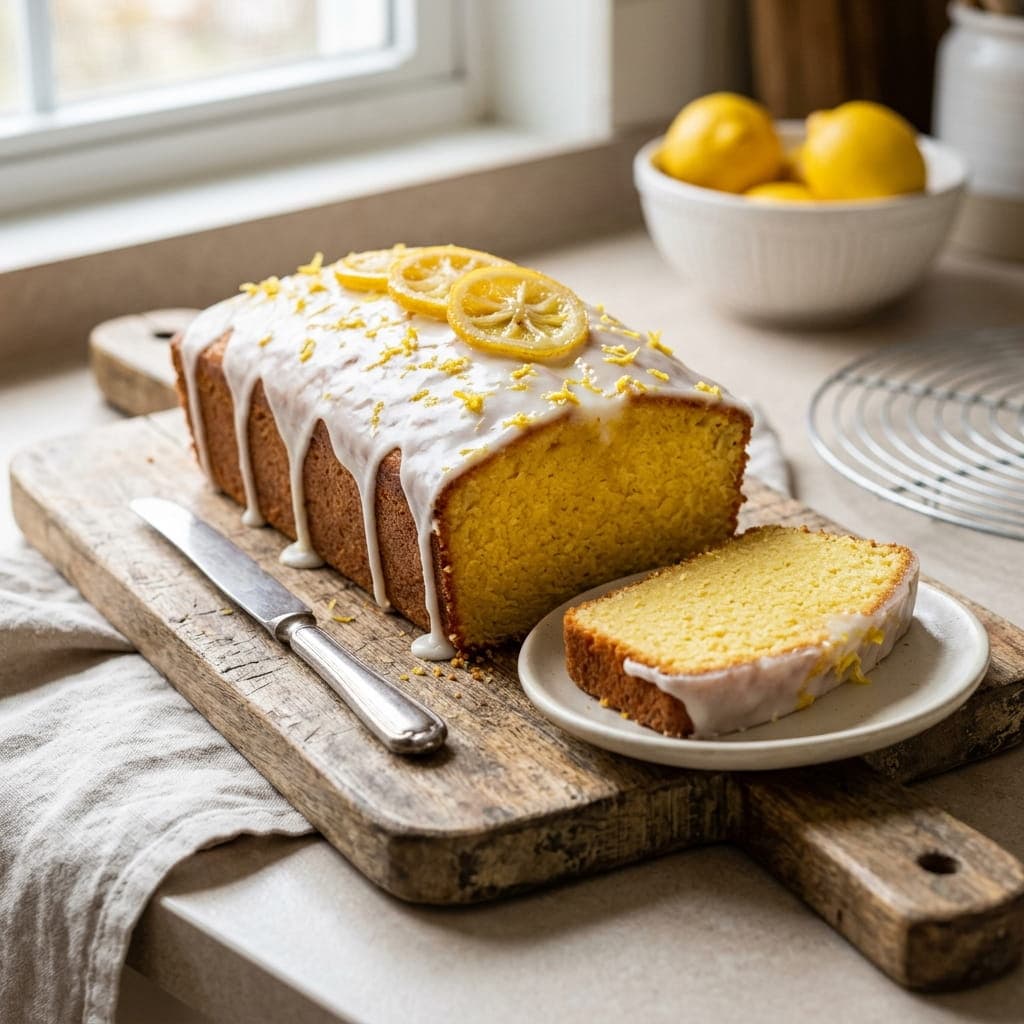
French Lemon Loaf Cake with Glaze
Rubbing lemon zest directly into the sugar before creaming it with butter releases far more of the citrus oils than simply stirring the zest in later would - a small step that makes the whole loaf taste more intensely of lemon rather than just looking speckled with it. Soaked with a lemon syrup right out of the oven, then finished with a tangy glaze once cooled, this is a bakery-style loaf with citrus flavor built into every layer.
75m10